
Reviewed · COOKING CLASSES
GQ: City Walking Tour & African Cuisine Cooking Class
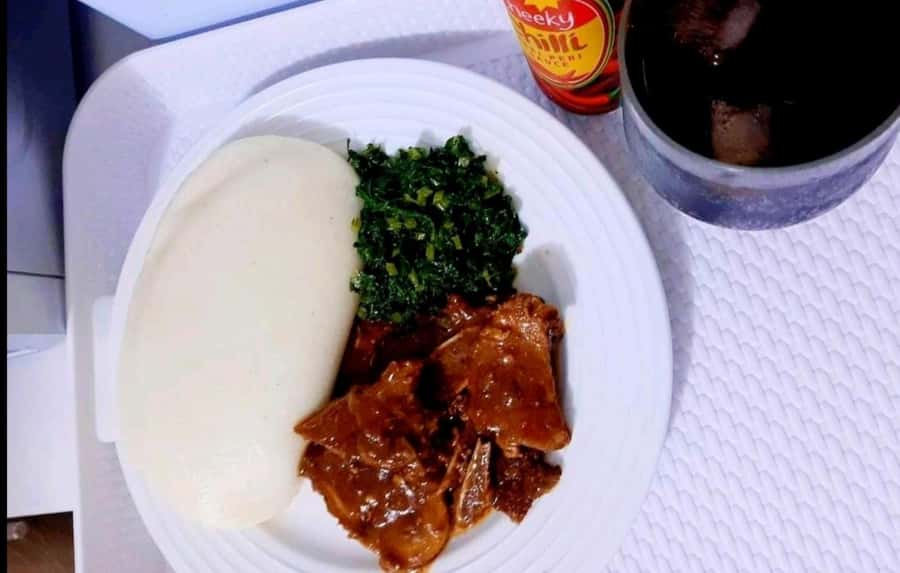
Gqeberha’s story comes into focus on foot, but its food gives you the more personal lesson. This experience pairs a city walk through former Port Elizabeth with a hands-on African cooking class, where you help prepare sadza, beef bones with greens, chicken stew, chakalaka, and sugar beans before eating with your hosts.
I like the small groups of up to 10 and the pickup and drop-off around Port Elizabeth. I also like the way the cooking class turns sightseeing into participation, with traditional drinks, starter snacks, and recipes linked to family cooking. The main caution is simple: check that you have selected the combined option, since one booking in the feedback received the city walk but not the cooking class.
Key points
- Two ways to book: Choose the walking tour alone or add the African cooking class.
- Gqeberha on foot: See the Campanile Memorial, Donkin Reserve, markets, alleyways, and street art.
- A real cooking session: Help prepare sadza, stews, greens, chakalaka, and beans from start to finish.
- Local guidance: Rawson, also spelled Rowson in one account, is praised for friendly company, city knowledge, and good photo stops.
- Shared meal: Sit down with the hosts and eat what you helped cook, with vegan and vegetarian choices available.
- Useful transport: Pickup and drop-off are included around Port Elizabeth, with Addo listed as another pickup and drop-off area.
Why pair a Gqeberha walk with a home-style meal?
A short city walk can show you buildings. A cooking class can show you how people eat, host, and pass on family recipes. Put the two together and you get a better sense of Gqeberha than either activity offers alone.
The walk focuses on the city centre and its public landmarks. You hear about settlers, political struggle, local communities, and the city’s changing identity while moving between old buildings, memorials, public art, and the bay. The cooking class then shifts the focus from public history to everyday life.
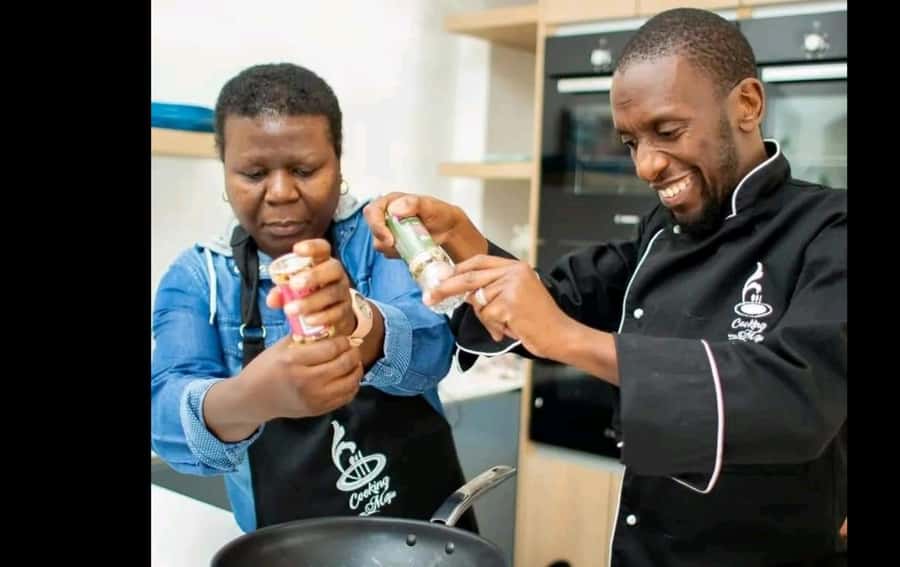
I particularly like that the food is not treated as a tasting menu. You take part in the work. You learn about the ingredients, follow instructions, and help make a meal that is served communally. That makes the class a good choice if you want more than a quick sample of local cuisine.
The experience is priced at $56 per person. That is fair value if you book the combined option and use the pickup and drop-off service. A regular walking tour alone offers less time and less food, so compare the exact choice shown during booking before you pay.
A few more Gqeberha trips to weigh up
- Cape Town: Malay Cooking Class and Lunch in Bo-Kaap
★ 4.8 · 515 reviews - Authentic African Cuisine Cooking Experience
★ 5.0 · 236 reviews - Cape Town: Cape Malay Cooking Class in Bo-Kaap
★ 4.8 · 120 reviews
Start with the old city and Algoa Bay
The walking portion lasts about two and a half hours according to the detailed schedule, while the overall activity is described as lasting between two hours and 210 minutes. In practical terms, allow a good part of the day, especially if your booking includes cooking, transfers, and stops for food or markets.
Your guide leads you through Gqeberha, the city formerly known as Port Elizabeth. The Friendly City nickname is part of the experience, but the useful point is how the guide connects it to real places and everyday encounters.
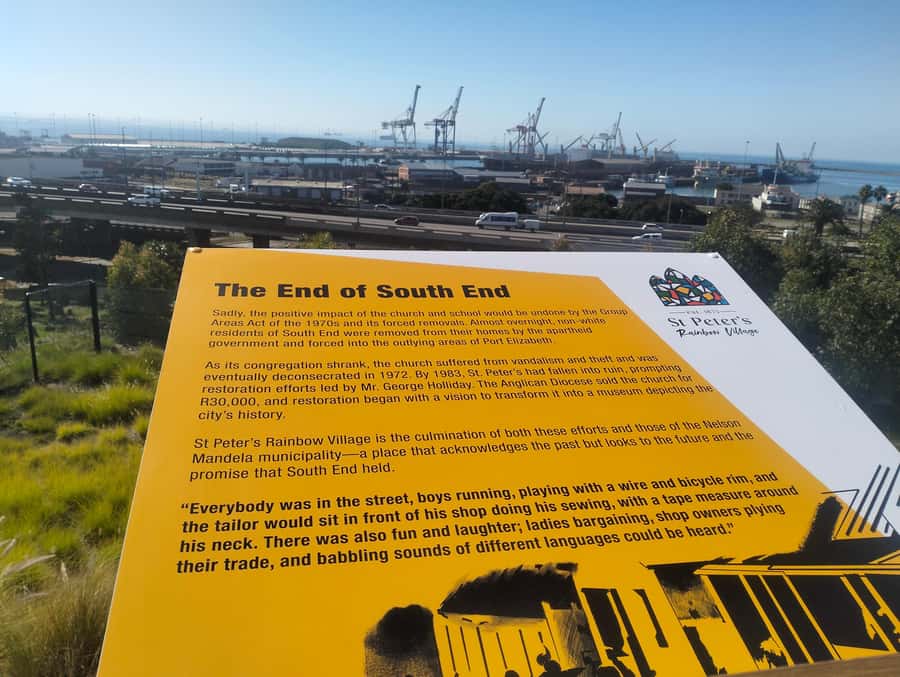
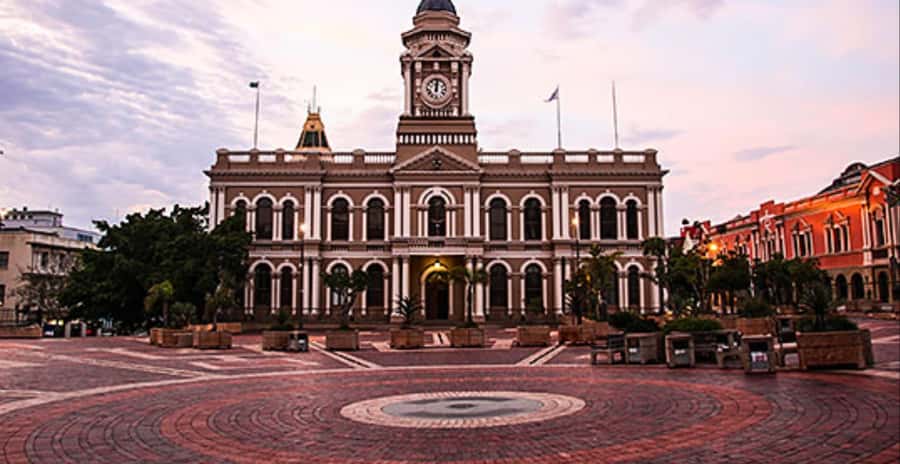
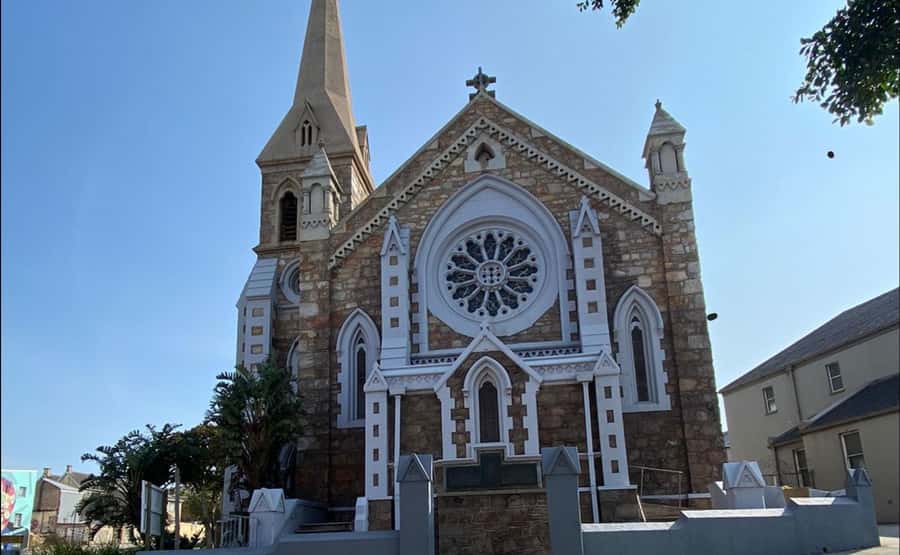
The route includes views toward Algoa Bay, where the sea gives the city its broad coastal setting. You also visit historic streets, Victorian buildings, cobbled passages, local markets, and areas with street art. The exact balance may vary, but you should expect a walking tour built around explanation rather than a single major attraction.
Wear comfortable shoes. The walk includes sightseeing on foot for roughly two and a half hours, and some of the appeal comes from moving through several parts of the city rather than staying at one viewpoint.
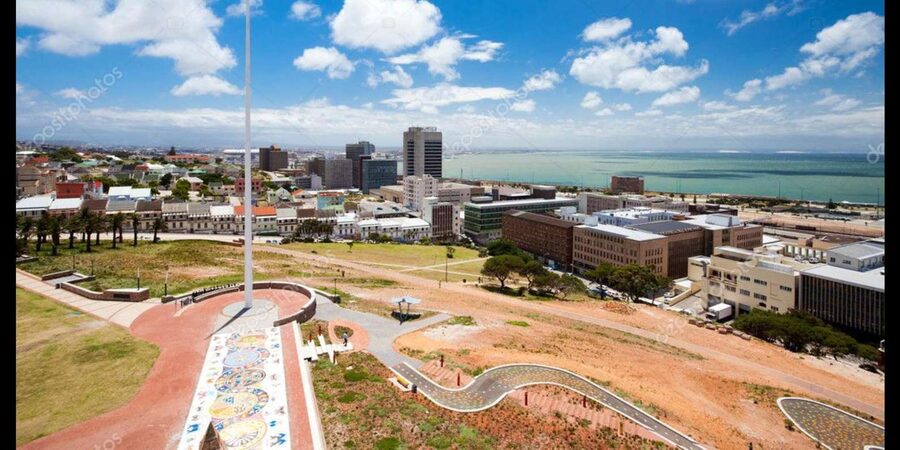
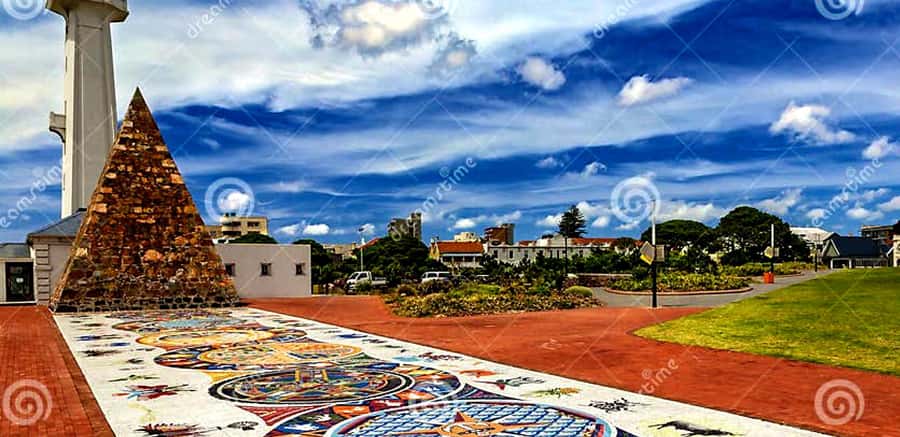
Campanile Memorial gives you the city from above
The Campanile Memorial is one of the clearest orientation points on the route. Its high position provides broad views over Gqeberha and Algoa Bay, helping you understand the city’s coastal layout before returning to street level.
The memorial also gives the guide a natural place to discuss the city’s settler past and the people connected with its development. It is not only a photo stop. It helps place the surrounding streets and waterfront in context.
If you are taking photographs, this is one of the stops where a guide is useful. A local can point out what you are looking at and explain why the memorial matters, rather than leaving you with a name and a view.
The attraction is best appreciated as part of the walk. Do not expect a long museum visit or an extended stop at every landmark. The strength here is the way several sights are linked into one account of the city.
Donkin Reserve adds public art and memory

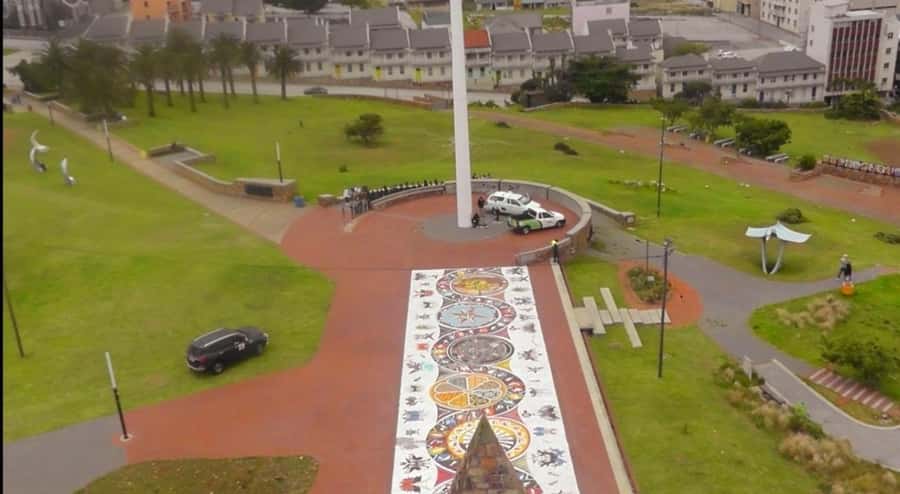
Donkin Reserve brings together memorials, open space, mosaics, and city views. It is a place where Gqeberha’s past and present sit close together, with public art adding colour and local expression to the historical setting.
The mosaics are an especially useful reminder that the city’s story is not limited to grand buildings or colonial dates. The guide can help connect the artwork with the broader account of local communities, struggle, and change.
This is also one of the more approachable stops for a first visit. You can take in the setting without needing specialist knowledge, while the guide fills in the details that are easy to miss on your own.
One thing to keep in mind is that a walking tour cannot cover every side of Gqeberha. This route gives you a city-centre introduction, not a full survey of every neighbourhood or attraction. If you have only a short stay, it is a useful first look. If you have several days, treat it as an orientation rather than the whole city experience.
Same country, a completely different kind of day:
- Full-Day All Inclusive Safari with Traditional Braai Lunch
★ 4.8 · 345 reviews - Port Elizabeth: Schotia Game Reserve Safari with Port Pickup
★ 4.5 · 263 reviews - Port Elizabeth: Addo Elephant Park Shore Excursion with BBQ
★ 4.7 · 141 reviews - Port Elizabeth: River Cruise on the Sundays River
★ 4.6 · 112 reviews
Markets, alleyways, and street art show the present-day city
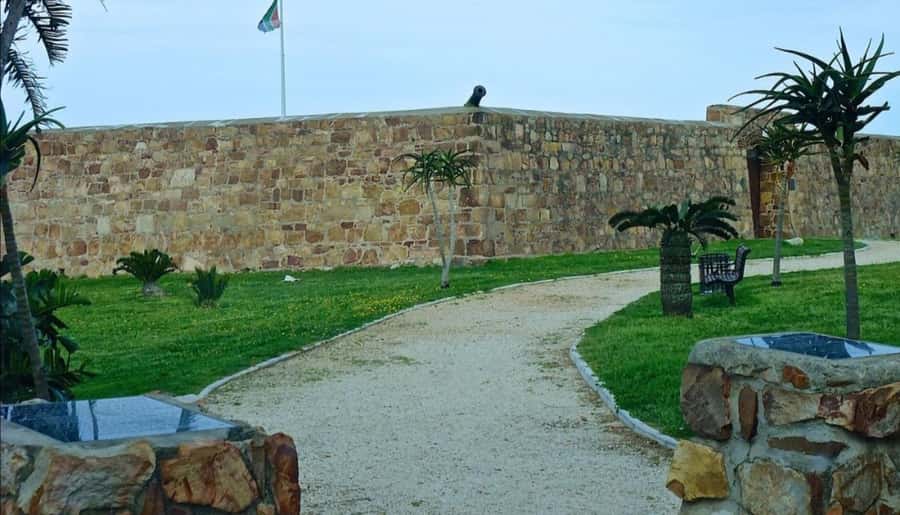
The route continues through cobbled alleyways and local markets where you may find food, crafts, and other signs of daily life. These sections can be more revealing than formal monuments because they show how the city is used now.
Street art adds another layer. Bold murals and public pieces give the walk a modern creative edge, and they help balance the older Victorian architecture and memorials. You get a sense of a city that is not frozen in its past.
The guide’s role matters most here. A local escort can explain what you are seeing, suggest good photo angles, and make the streets feel less like a checklist of sights. Feedback about Rawson, with the name also written as Rowson in one account, repeatedly points to friendly company, good city knowledge, and help taking photographs.
There is also a social element. One Japanese-speaking participant highlighted the small greetings and shared photos along the way, rather than only the monuments. That is useful advice about the tone of the walk: expect personal interaction and simple local contact, not a formal lecture delivered at a distance.
The cooking class moves from ingredients to supper
After the city walk, the combined option takes you into the kitchen. You begin with traditional drinks and starter snacks, then learn about African food, its ingredients, and the way recipes have been carried through generations.
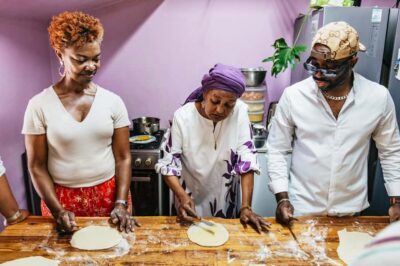
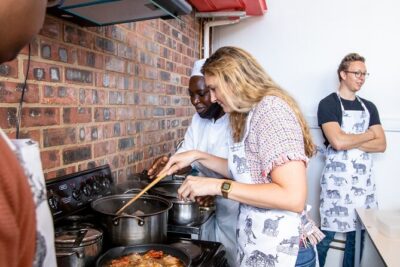
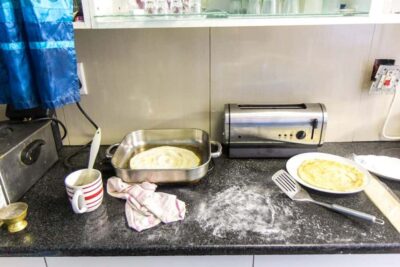
The class is hands-on. You do not simply watch a host cook while standing nearby. The plan is to take part step by step, helping prepare several dishes before sitting down to eat.
The meal can include:
- Sadza, a ground maize staple
- Beef bones with greens
- Chicken stew
- Chakalaka
- Sugar beans
- An African hot beverage to finish
This menu gives you a useful introduction to different parts of southern African home cooking. Sadza provides the staple base. The stews and beef bones add depth and protein, while greens, beans, and chakalaka bring vegetables, heat, and texture to the table.
The menu may be adjusted for dietary needs, since vegan and vegetarian options are available. Tell the provider what you need when booking or before the class begins. The supplied information confirms the options, but it does not specify the exact substitute dishes, so do not assume every item will be altered in the same way.
Eating together is the point of the second half
The meal is served communally with the hosts. That format matters. You are not only tasting prepared food in a restaurant; you are sharing the result of work done together in a home-style setting.
I like the natural rhythm of this format. You first hear where the food comes from, then handle the ingredients, then sit down with the people who guided you. The meal becomes easier to understand because you have seen how it was made.
The final hot beverage gives the class a calm finish. It also leaves you with recipes and methods you can try at home, which is a better souvenir than a photograph alone.
The experience is not designed for anyone who wants a polished restaurant demonstration with no participation. You should be ready to stand, follow instructions, and help with preparation. The listing marks the activity as unsuitable for pregnant women, so take that restriction seriously when deciding who should join.
Pick the right option before you confirm
There are two choices: the normal city tour, or the combined city tour and cooking class. This distinction deserves attention because the activity title and description place strong emphasis on cooking, yet the walking tour can also be booked by itself.
One person received the city portion but not the cooking class. That may have been a booking or scheduling problem, but it gives you a practical lesson: read the option name carefully and make sure it clearly includes the class.
If you mainly want to learn about Gqeberha, the walking option may be enough. It is suited to a solo visitor with a free morning, someone waiting for a flight, or anyone who wants a guided introduction before exploring alone.
If you want the strongest value, choose the combined option. The extra food and cultural time make the $56 price easier to justify, especially with transportation included.
Pickup and group size make the timing easier
Pickup is included from a location you provide around Port Elizabeth, and drop-off is available within Port Elizabeth. Addo is also listed as a pickup and drop-off area, so confirm that your exact location is covered when you reserve.
This service can save time if you are staying outside the centre or do not want to arrange separate transport. It also means you need to provide an accurate pickup location and be ready at the agreed time.
The group is limited to 10 people. That is small enough for questions and kitchen participation without making the activity feel like a large coach excursion. It also helps if you are travelling alone, since the cooking meal naturally creates a shared setting.
English is the stated tour language, and the guide is live rather than recorded. The English requirement is worth noting if you need another language, since none is listed.
Who will enjoy this most?
I would recommend the combined experience to curious first-time visitors who want both a city introduction and a taste of local home cooking. It suits solo visitors particularly well because the small group and shared meal provide easy company without requiring you to arrange a private tour.
Families, friends, and work groups are also named as suitable audiences. The cooking portion gives people something practical to do together, while the walking section keeps the day from becoming only a food activity.
Food-focused visitors will appreciate the chance to work with maize, greens, beans, stews, and chakalaka. History-minded visitors will get more from the combined route if they enjoy seeing how public monuments connect with present-day culture.
I would hesitate if you dislike group participation, have mobility concerns that make a long walk difficult, or want a tightly timed schedule with no variation. The supplied details do not give a full accessibility description, so ask before booking if you need step-free access or specific walking arrangements.
What the $56 price really buys you
The price is not just for a plate of food or a quick landmark walk. It covers a local guide, city sightseeing, the cooking class when you select that option, pickup, and drop-off within the stated areas.
The value is strongest when you use both halves. A city tour gives you orientation, while cooking provides a more direct connection with food traditions and hospitality. You also avoid paying separately for a city transfer if your pickup and drop-off fall within the service area.
The main value limit is the unclear timing between options. The activity is described as lasting from two hours to 210 minutes, while the detailed route lists a two-and-a-half-hour walk and a brief food or market stop. Ask for the exact schedule of your selected option if you need to fit it around a flight, safari, or another Port Elizabeth booking.
Free cancellation up to 24 hours before the activity and reserve-now-pay-later booking make it easier to fit into a changing South Africa itinerary. These are practical benefits, but the most important step remains choosing the correct option.
Should you book the Gqeberha cooking and walking tour?
Book it if you want a friendly, small-group introduction to Gqeberha that combines landmarks with participation. The strongest features are the local guide, the personal tone of the walk, the city views from Campanile Memorial, the public art at Donkin Reserve, and the chance to prepare and share a substantial African meal.
Choose the walking option alone if your time is short or you mainly want city orientation. Choose the combined option if food, conversation, and hands-on learning are the reason you are interested.
Before confirming, check three things: that cooking is included, that your pickup area is covered, and that the schedule fits your day. If those details work, this is a good-value way to see Gqeberha through both its streets and its kitchen.
FAQ
Where does the experience take place?
The experience takes place in Gqeberha, formerly known as Port Elizabeth, in South Africa’s Eastern Cape.
Can I choose only the walking tour?
Yes. You can choose between a normal city tour and a combined city tour with the cooking class.
How long does the experience last?
The stated duration ranges from two hours to 210 minutes. The detailed walking schedule lists about two and a half hours, so confirm the timing of your chosen option.
What sights are included on the walking tour?
The walk can include the Campanile Memorial, Donkin Reserve, Victorian architecture, cobbled alleyways, local markets, street art, and views toward Algoa Bay.
Is pickup included?
Yes. Pickup is included from the location provided during booking around Port Elizabeth. Addo is also listed among the possible pickup areas.
Where can I be dropped off?
Drop-off is available within Port Elizabeth, and Addo is also listed as a possible drop-off area.
What food will I prepare?
The planned dishes include sadza, beef bones with greens, chicken stew, chakalaka, and sugar beans. The class ends with an African hot beverage.
Are vegetarian or vegan options available?
Yes. Vegan and vegetarian options are available, although the exact replacement dishes are not specified.
What language is the tour in?
The live tour guide speaks English.
How many people can join the group?
The group is limited to 10 participants.
Can I cancel for a refund?
Yes. You can cancel up to 24 hours in advance for a full refund.
Is the activity suitable for pregnant women?
No. The activity is listed as unsuitable for pregnant women.
More Walking Tours in Gqeberha
- Addo Elephant Park and Giraffe Walk Full Day Safari
★ 4.6 · 46 reviews - Gqeberha: City Highlights Car and Walking Tour
★ 4.5 · 45 reviews - Addo Elephant Park and Giraffe Walk Private Full Day Safari
★ 5.0 · 11 reviews - Soweto: Walking Tour with a Local Guide and Lunch
★ 4.9 · 648 reviews
Just added around Gqeberha
- KRAGGA KAMMA GAME PARK★ 4.3 · 9 reviews
- Kragga Kamma Game Park 4×4 & BBQ LUNCH★ 4.8 · 5 reviews
- Kragga Kamma Game Park★ 3.7 · 15 reviews
- Kragga Kamma Safaris And Shore Excursions★ 4.4 · 17 reviews
- Guided Port Elizabeth Coastal Tour★ 4.7 · 22 reviews
- Gqeberha: 30 MINUTE HARBOUR CRUISE★ 4.3 · 8 reviews
- Addo Elephant National Park and Coastal Tour Combo★ 4.3 · 4 reviews
- Gqeberha: Park View Game Drive at Schotia Safaris with Lunch★ 5.0 · 7 reviews
Cooking Classes, compared.

Half-Day Small Group Cooking Experience in Franschhoek
Read our review →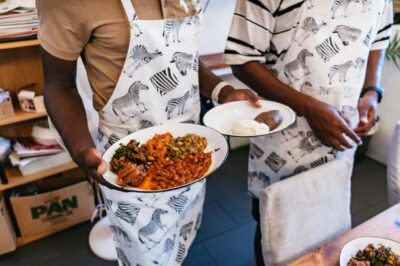

Browse the lists this tour appears in