
Reviewed · COOKING CLASSES
Cape Town: Authentic African Cuisine Cooking Experience
The most memorable part of this Cape Town experience is not simply learning a few recipes. You cook a full African meal from the first pot to the final shared plate, then sit down with Florence and the hosts to eat it in the traditional communal style. I especially like the family connection behind the class, and the chance to learn about ingredients and food customs rather than just follow instructions. The only caution is that the menu is centered on hearty stews, beans, maize meal, and meat, so it may feel less varied if you are hoping for dessert or a broad restaurant-style tasting.
I also like the small-group limit of 10 people, which gives you a real part in the cooking instead of leaving you to watch from the edge of the room. You will need to arrive at Pahari African Restaurant and ask for Florence, since hotel pickup is not included. At $71 per person for 150 minutes of food, drinks, instruction, and a shared meal, this is best viewed as a cultural activity with dinner attached, not just a cooking lesson.
Key points at a glance
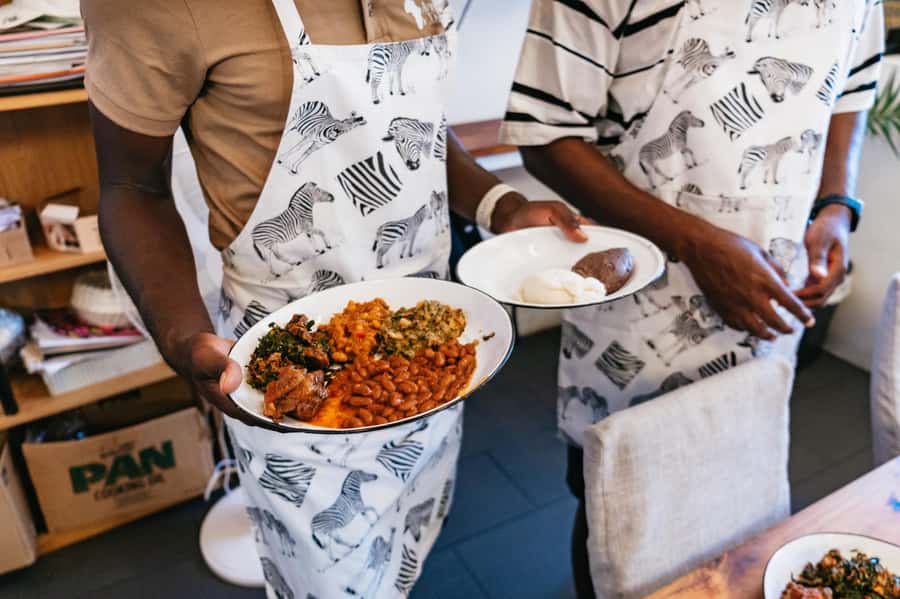
- Cook a complete meal: Prepare Sadza, beef bones with green vegetables, chicken stew, chakalaka, and sugar beans.
- Meet the family behind the food: Florence learned to cook from her mother, and the recipes have passed through generations.
- Expect hands-on work: Everyone contributes, so you should be ready to stir, shape, taste, and get your hands dirty.
- Try African drinks and snacks: The welcome includes African juice, beer, and starter snacks, followed by tea or coffee.
- Share food the traditional way: The meal is eaten communally, with the hosts, and often by hand rather than with knife and fork.
- Ask for the recipe: You can request easy instructions to recreate the meal at home.
Entering Pahari African Restaurant
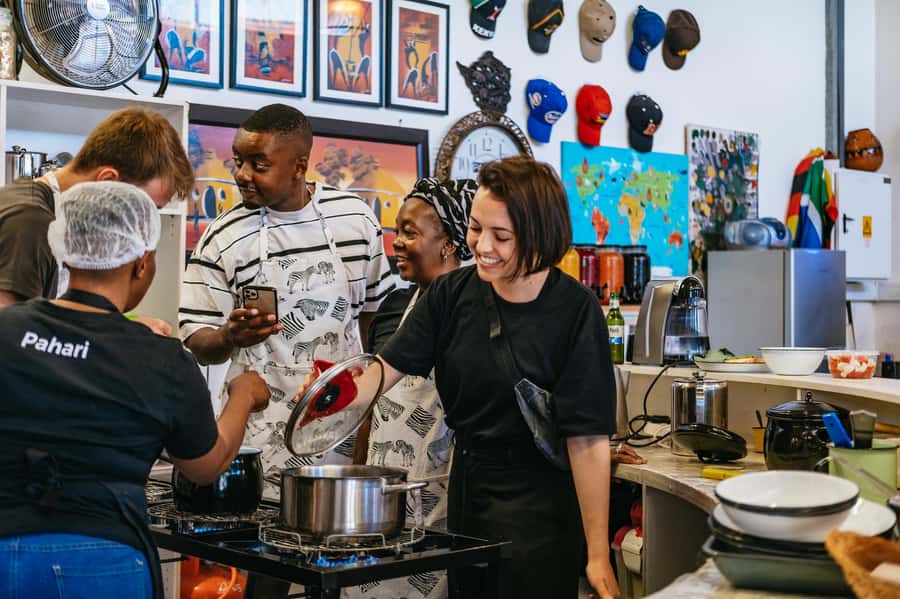
You begin at Pahari African Restaurant in Cape Town’s Western Cape. The cooking experience takes place in a separate room next to the restaurant, giving the class a more private setting than a standard restaurant table.
When you arrive, ask for Florence. She is a co-owner of the restaurant and the main personal link to the food story. Florence learned to cook from her mother at an early age, and her family recipes have been handed down over generations. That background matters because you are not learning a generic version of African food prepared for tourists. You are hearing how one family cooks, eats, and passes on its food traditions.
The group can include up to 10 people. That is small enough for you to take part, ask questions in English, and see what is happening at the stove. The class can also be private in practice if your booking happens to fall on a quiet day, though a private session is not promised.
The separate room should suit families, friends, work groups, and solo visitors who want to meet other people around a table. It is also a useful choice if you want a food activity with more conversation than a regular restaurant meal allows.
A few more Cape Town trips to weigh up
- Cape Town: Malay Cooking Class and Lunch in Bo-Kaap
★ 4.8 · 515 reviews - Authentic African Cuisine Cooking Experience
★ 5.0 · 236 reviews - Cape Town: Cape Malay Cooking Class in Bo-Kaap
★ 4.8 · 120 reviews
African drinks and adventurous starter snacks
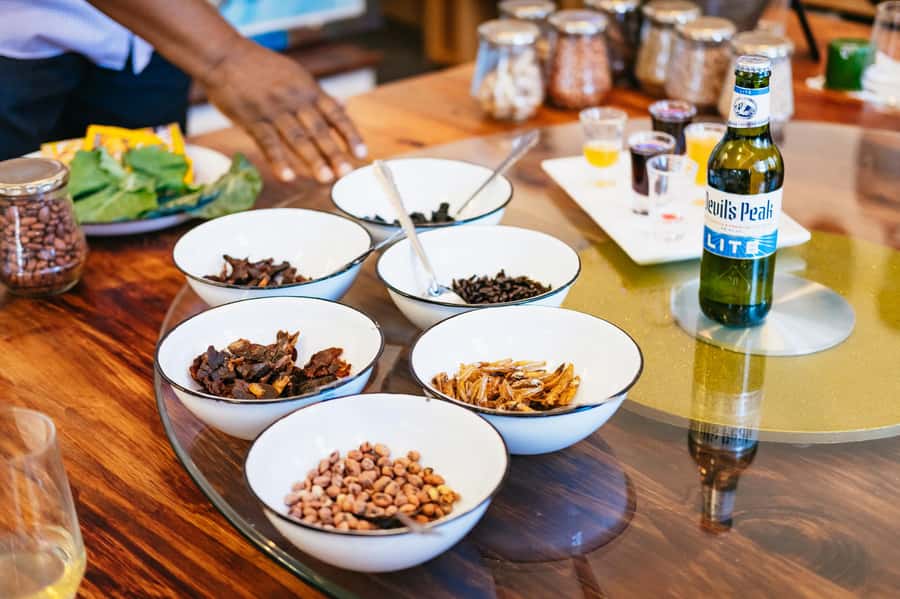
The welcome begins with a choice of African drinks and small snacks. Included drinks are African juice, African beer, and African tea or coffee. You do not need to buy a separate beverage package, which helps the $71 price feel more complete.
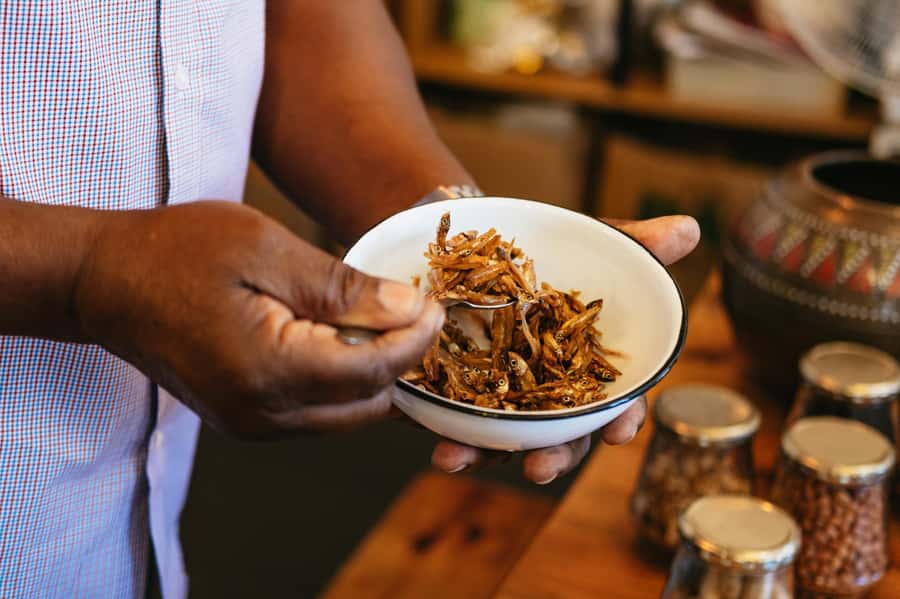
The starter food can be more adventurous than the main meal. Caterpillars and termites have been served as part of the opening snacks, and you may find them offered depending on the day. You do not have to pretend every new food is familiar. The point is to ask what you are tasting, how it is prepared, and where it fits into local food customs.
I like this opening because it sets the tone for the class. You are not just waiting for the cooking to begin. You are already tasting ingredients and hearing about foods that may be outside your normal menu. If you are unsure about unusual snacks, ask what is being served before taking a portion.
The story behind the ingredients
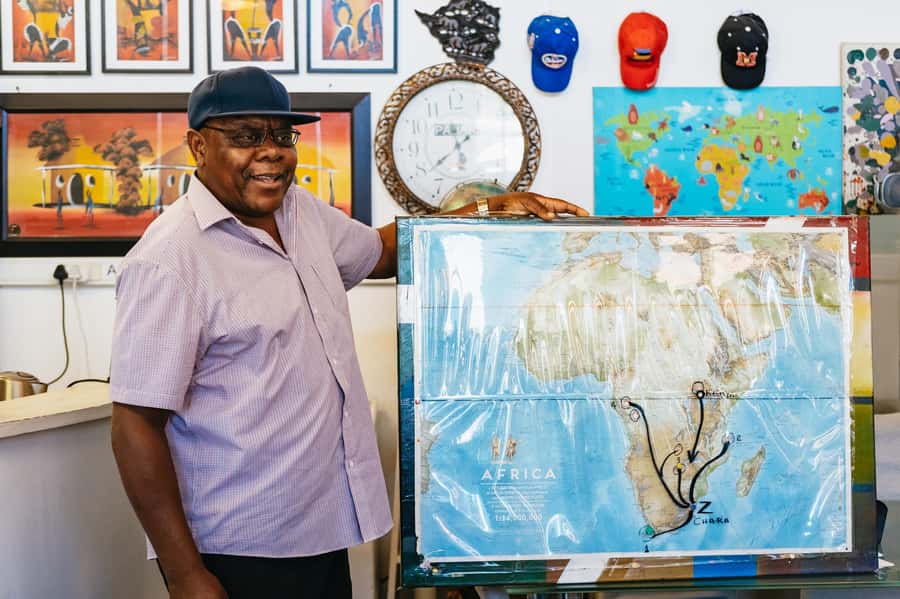
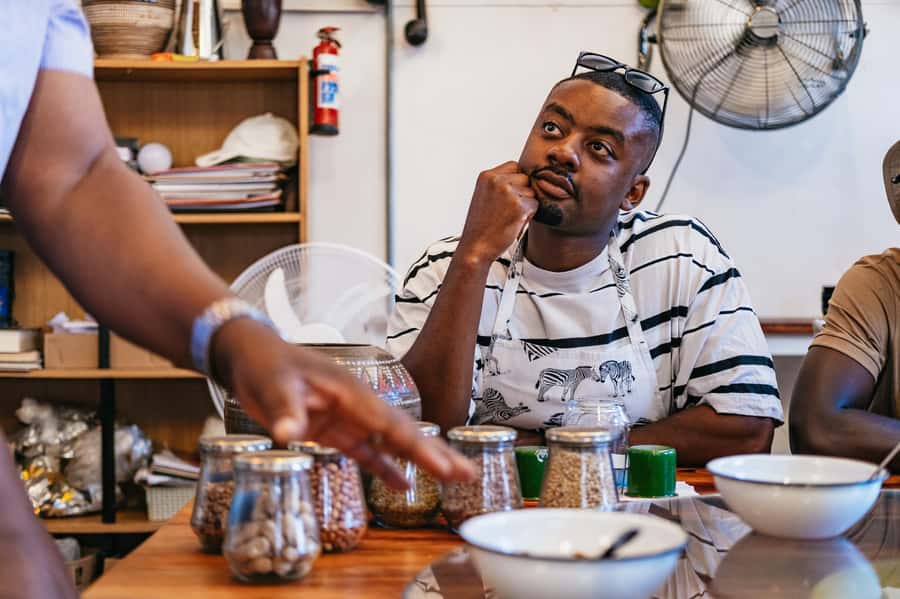
Before the main cooking begins, the hosts explain the history of African cuisine, the ingredients used, and the way recipes have changed over time. Caleb has also introduced the background of traditional African food and explained where the ingredients come from.
This talk gives the cooking more meaning. Maize meal, beans, greens, spices, and stews are not random items placed in front of you. They connect to home cooking, family habits, local supply, and recipes carried across generations. You learn how a dish fits into a meal, not only how long to cook it.
The hosts have spent two decades in food service and enjoy comparing food traditions with people from other countries. That makes the conversation part of the experience rather than a lecture delivered at you. You can ask about ingredients, cooking methods, and how the recipes have changed.
The language of instruction is English. If English is not your first language, the cooking format still gives you something clear to follow, since the lesson moves through visible steps with the food in front of you.
Making Sadza from ground mealie meal
Sadza, also known as pap in some parts of Southern Africa, is the base of the meal. You work with ground mealie meal and learn how it becomes a firm, comforting starch that is served alongside stews and vegetables.
This is one of the most useful parts of the class because Sadza is simple in its ingredient list but important in how it is cooked and served. The texture matters, and the dish helps you understand how the rest of the meal comes together. You are not preparing an isolated side dish. You are making the foundation for the plate.
The process is hands-on, and you will have a chance to contribute rather than simply watch Florence or the cook do all the work. Be prepared to use your hands during parts of the experience. The class is designed for participation, so neat clothes and a relaxed attitude are sensible choices.
The final meal is eaten communally, as it is often done in an African home. That means the Sadza is part of a shared spread, with everyone taking food and talking around the same table.
Same country, a completely different kind of day:
- Wine Tour: Paarl, Franschhoek & Stellenbosch incl 3 wineries
★ 5.0 · 3,940 reviews - Cape Town: Hop-On Hop-Off Bus Tour with Optional Cruise
★ 4.8 · 3,929 reviews - Cape Town: Cape of Good Hope & Penguins Day Tour with Pickup
★ 4.7 · 3,362 reviews - Zipline Cape Town – From Foot of Table Mountain Reserve
★ 5.0 · 3,179 reviews
Preparing stews, greens, chakalaka, and beans
The main menu includes meaty beef bones mixed with green vegetables, chicken stew, chakalaka, and sugar beans. Together, these dishes give you a useful picture of a filling home-style meal, with maize meal, meat, vegetables, legumes, and spice working side by side.
The beef bones with greens bring a hearty element to the meal. Chicken stew offers another familiar base, but the seasonings and cooking approach give it a different character. Chakalaka adds a spicy vegetable component, while sugar beans provide a substantial plant-based dish.
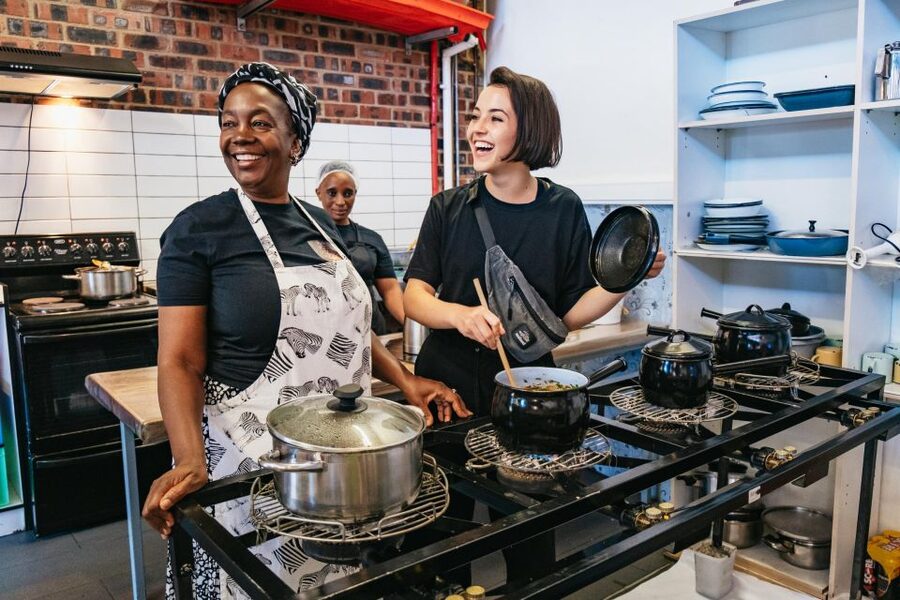
Everyone has an opportunity to contribute to the cooking. You might be stirring one pot, helping prepare another, or learning how the hosts combine ingredients. The exact division of tasks can depend on the group, but the small size should make it easier to stay involved.
Vegetarian and vegan options are available. You should make your dietary needs clear when booking or on arrival so the hosts can guide you to the suitable dishes. The standard menu includes beef and chicken, so do not assume the meat items will simply be removed without an alternative plan.
The food is described as some of Pahari African Restaurant’s best-selling fare. That makes the class useful if you want to understand what the restaurant serves regularly, rather than learn a one-off recipe chosen only because it is easy to demonstrate.
Sitting down to eat with the hosts
Once the cooking is done, you share the meal with Florence and the other people in the group. This is where the class shifts from instruction to hospitality.
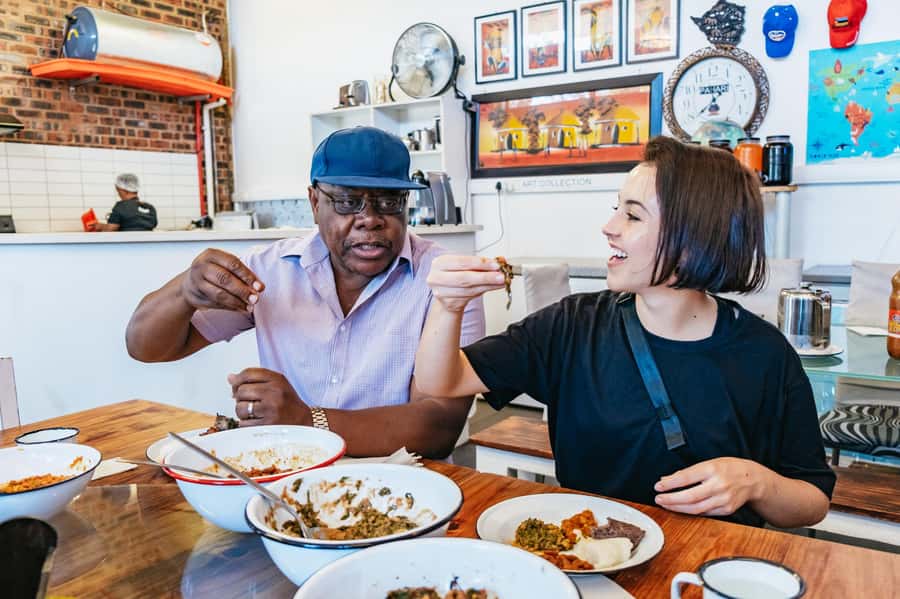
The communal format is a key part of the experience. You are encouraged to eat together, often with your hands rather than using a knife and fork. That can feel awkward for a moment, especially if you are used to keeping each dish separate, but it is also one of the clearest ways the class connects food with everyday custom.
You can ask for help with the hand-eating technique. The supplied accounts describe people discovering that it is harder than expected to give up cutlery, so do not worry about getting it perfect. You are there to learn, not to pass a table-manners test.
The shared table also gives you time to talk with the hosts and other people in the room. For families, this can be a relaxed group activity. For solo visitors, it offers a natural way to meet people without having to arrange a separate social event.
One limitation is the lack of dessert. The meal finishes with an African hot drink, tea or coffee, rather than a sweet course. If dessert is important to you, plan to have something later elsewhere in Cape Town.
Finishing with tea, coffee, and a recipe
The final drink is African tea or coffee. It is a gentle way to close a meal that may have included strong seasoning, hearty meat, beans, and spicy chakalaka.
You can also request an easy-to-follow recipe so you can make the dishes in your own kitchen. This adds value beyond the 150-minute visit. A cooking class is more useful when you leave with a realistic way to repeat at least part of it, and the recipe gives you a clear bridge between the Cape Town meal and home.
Do not expect to leave with a full professional cooking course. The experience is short enough to fit into a day of sightseeing, so the focus is on selected dishes and cultural context. You get a practical introduction, not a long study of every regional African cuisine.
Is $71 a fair price?
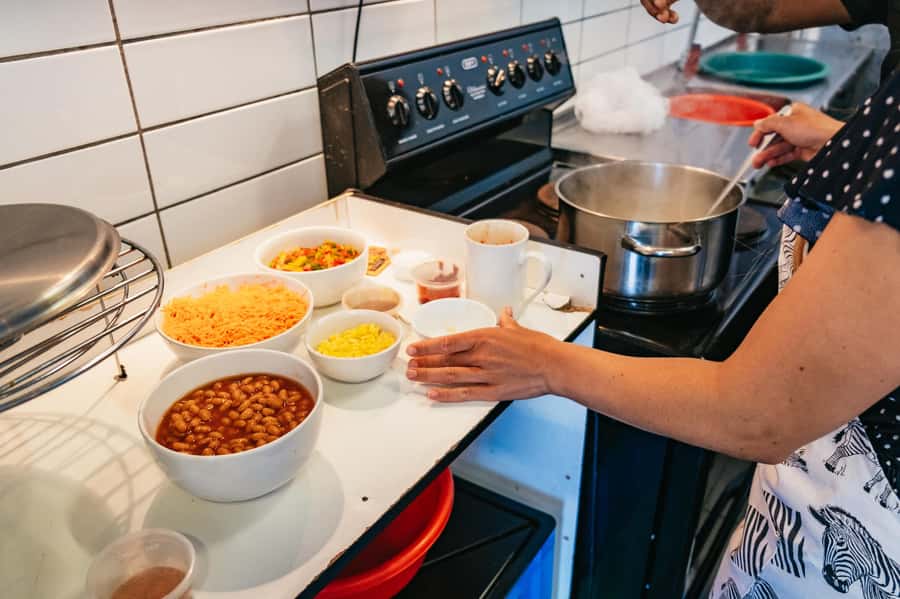
At $71 per person, this is not the cheapest meal you can buy in Cape Town. It includes food, African juice, African beer, tea or coffee, instruction, cultural background, and the meal you prepare. You are paying for roughly two and a half hours of contact with the hosts, not just a plate from the restaurant.
I consider the price reasonable if you value personal instruction and a meal that doubles as a cultural exchange. The class includes several dishes, and you get to eat the result. The small group size also matters, since a lesson with 10 people or fewer should give you more practical time than a large demonstration.
The value is weaker if you only want to sample African food quickly. A restaurant meal will take less time and may cost less. You should book this class if you want to understand the food, take part in preparing it, and talk with the people who cook it.
The included drinks help, but hotel transportation is not part of the price. You need to make your own way to Pahari African Restaurant and return afterward.
Timing, group size, and who should book
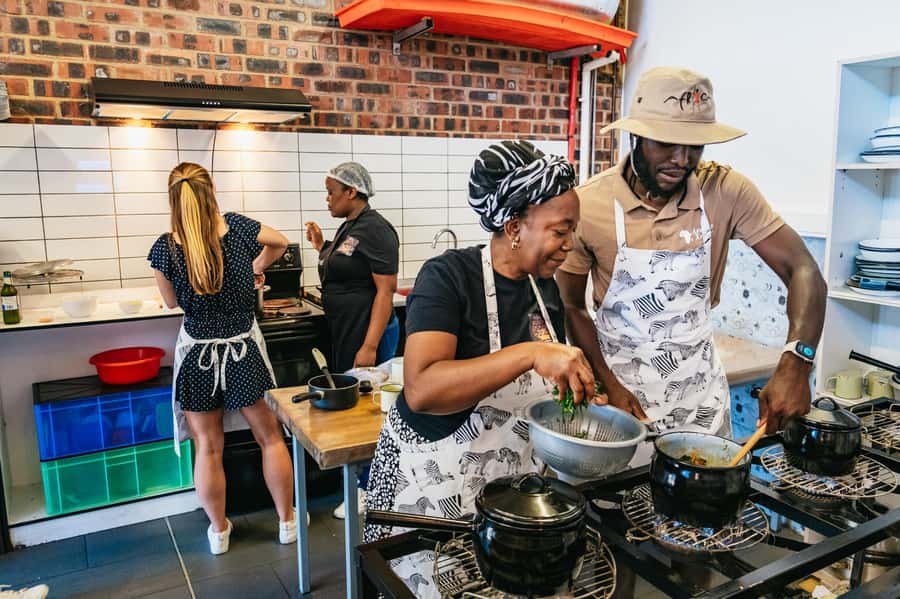
The activity lasts 150 minutes, though starting times depend on availability. That makes it easy to place into a Cape Town itinerary, but you should leave enough space around it for arriving at the restaurant and continuing your day without rushing.
The small-group format works well for people who like direct participation. I would choose it for:
- Families who want a shared activity with a meal at the end
- Couples and friends who enjoy cooking together
- Solo visitors who like meeting people around food
- Anyone curious about African ingredients and food customs
- Vegetarians and vegans who confirm their needs in advance
You may want to skip it if you dislike communal dining, hands-on cooking, or unfamiliar foods. The experience asks you to try new things and join in. It is not a quiet meal where you sit back while someone else handles everything.
The setting is peaceful, according to the description, and the separate room should help keep the class focused. Still, the mood depends partly on the size and mix of your group. A quiet day may feel almost private, while a full group will bring more conversation.
Practical details before you book
The instructor language is English. The meeting point is Pahari African Restaurant, where you should ask for Florence. Hotel pickup and drop-off are not included, so transport is your responsibility.
The booking terms allow free cancellation up to 24 hours before the experience for a full refund. You can also reserve now and pay later, which is useful if your Cape Town schedule is still taking shape.
Ask about dietary needs before the cooking starts. Vegan and vegetarian options are available, but the standard menu contains beef bones and chicken stew. If you have food allergies or strong dislikes, clear communication will help the hosts adjust what you eat.
Wear something comfortable and suitable for cooking. You will be working with food and may eat with your hands, so this is not the moment for your most delicate outfit.
Should you book the Pahari cooking experience?
I would book this if you want a personal food experience rather than another restaurant stop. Florence’s family connection, the background on ingredients, the chance to cook every dish, and the communal meal give the 150 minutes a clear sense of purpose.
The strongest reason to go is the combination of instruction and hospitality. You learn Sadza, stews, chakalaka, and beans, then sit down with the hosts and eat what you made. The main drawbacks are the lack of hotel transport, the meat-heavy standard menu, and the absence of dessert.
For food lovers, curious families, and anyone who wants a direct introduction to African home cooking, $71 is a fair price. If you want a quick tasting or prefer a polished cooking studio with a formal multi-course menu, choose something else.
FAQ
Where does the cooking experience take place?
It takes place at Pahari African Restaurant in Cape Town, Western Cape, in a separate room adjacent to the restaurant.
Who should I ask for when I arrive?
Ask for Florence at Pahari African Restaurant.
How long does the experience last?
The cooking experience lasts 150 minutes.
What dishes will I learn to cook?
You will learn to prepare Sadza, meaty beef bones with green vegetables, chicken stew, chakalaka, and sugar beans.
Are vegetarian and vegan options available?
Yes. Vegetarian and vegan options are available.
What drinks are included?
The experience includes African juice, African beer, and African tea or coffee.
Is hotel pickup included?
No. Hotel pickup and drop-off are not included.
What language is the class taught in?
The instructor language is English.
How many people can join the group?
The group is limited to 10 participants.
Just added around Cape Town
- Lion’s Head Hike: Cape Town – Sunrise or Sunset Hike★ 5.0 · 29 reviews
- Lion’s Head Sunrise or Sunset Hike + Hotel Pick-Up★ 5.0 · 24 reviews
- Lion’s Head: Hike with a registered hiking guide★ 5.0 · 3 reviews
- Kruger National Park 3 Days Best Ever Safari from Cape Town★ 4.1 · 11 reviews
- Koeksister and Samoosa Class by the Malay Cook Up★ 4.8 · 9 reviews
- Kirstenbosch Garden, Bo-Kaap-Penguins & Cape Peninsula Tour★ 3.9 · 7 reviews
- Khayelitsha: 3-Hour Township Walking Tour★ 5.0 · 6 reviews
- Cape Town: Constantia Half-Day Wine Tour & Tastings★ 4.9 · 15 reviews
Cooking Classes, compared.
Half-Day Small Group Cooking Experience in Franschhoek
Read our review →
GQ: City Walking Tour & African Cuisine Cooking Class
Read our review →
Browse the lists this tour appears in