
Reviewed · COOKING CLASSES
Private Cape Malay Cooking Class in Cape Town with a Local Family
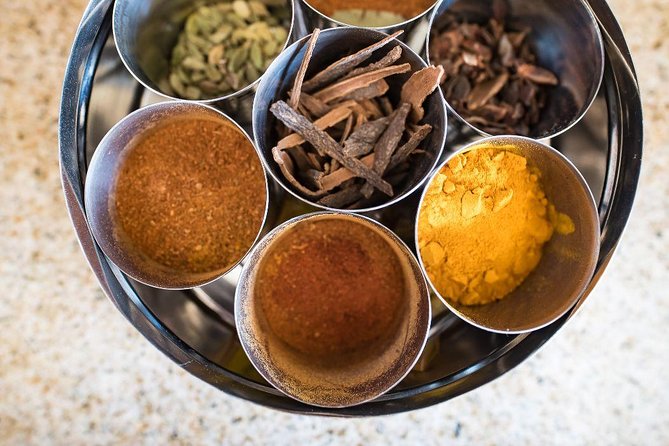
Cape Malay cooking is best understood at a kitchen table, not just from a restaurant menu. In Grassy Park, Lorette welcomes you into the home she and Desmond redesigned themselves, then teaches you family-style dishes in their modern kitchen. You may make roti and chicken curry, bobotie, or malva pudding, depending on the class.
I like the private format because Lorette can give you full attention, and you are not stuck watching from the back of a crowded room. I also like the meal at the end: you cook for one to two hours, then sit down with Lorette and Desmond to eat, talk, and ask questions about the food and Cape Malay culture.
The main consideration is transport. You must make your own way to Grassy Park, and the $100 price is higher than a basic group cooking lesson. For a private class, a home visit, drinks, lunch or dinner, recipes, and gratuities, though, the cost can make sense for couples, families, and serious food lovers.
Key points to know before booking
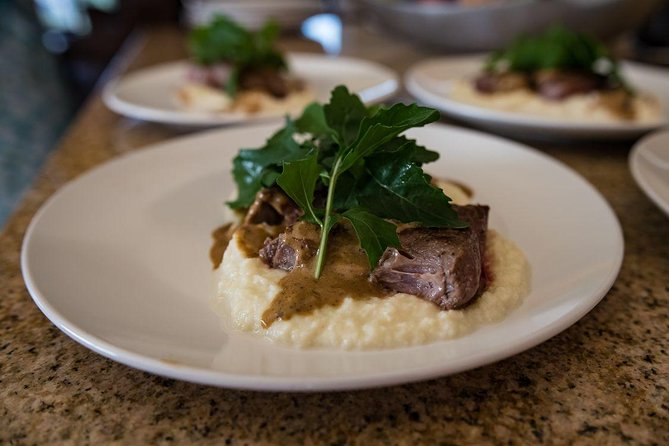
- A private class in a real family home: You visit Lorette and Desmond in Grassy Park rather than cooking in a commercial studio.
- Hands-on preparation: You help make two or three traditional dishes instead of simply watching a demonstration.
- Recipes with a personal touch: Lorette shares family cooking methods and may use fresh herbs from her garden.
- A meal with your hosts: The class ends with the food you prepared, plus conversation with Lorette and Desmond.
- A small cultural window: The experience can include discussion of Malay food, history, and culture, along with a glimpse of family life.
- Plan your own arrival: Transportation is not included, though the meeting point is near public transportation.
Why a home kitchen changes the Cape Town food experience
Cape Town has no shortage of places to eat, but a restaurant gives you only the finished plate. This class lets you see how the plate comes together. You handle the dough, work through the curry, and learn how several dishes fit into one meal.
That difference matters with Cape Malay food. The cooking is not only about listing spices or following a printed recipe. It is also about timing, texture, and the small choices that home cooks make without measuring every step. Lorette can show you how she approaches the dishes, answer questions as you work, and explain what belongs in her family kitchen.
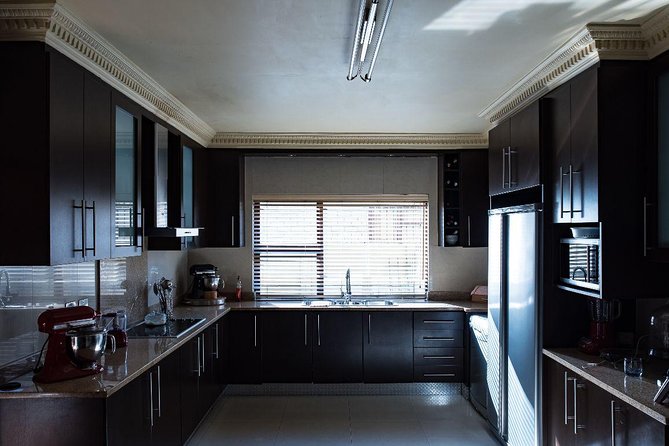
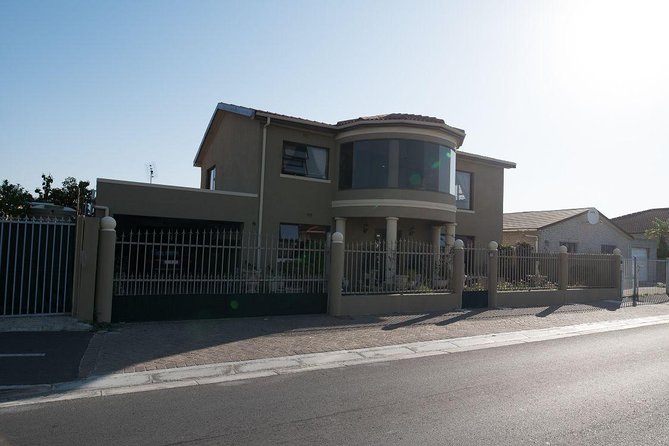
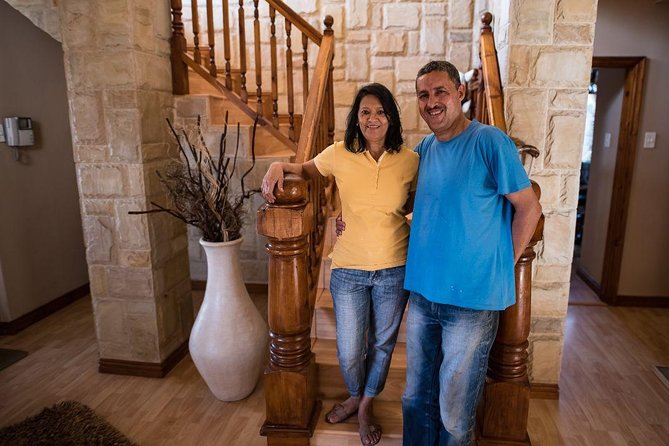
The setting adds something you cannot get from a standard food tour. Lorette’s father built the Grassy Park house 44 years ago. She later bought it from her parents when she married Desmond, and the couple redesigned and renovated it themselves. Her parents, Rachel and Kenneth, still live on the property and may stop by to say hello.
You should not treat this as a staged museum visit. It is a visit to a lived-in home, with the warmth and unpredictability that brings. A family member may appear during the class, conversation may wander, and the pace may feel more personal than polished. That is part of the point, though it may not suit you if you want a tightly timed demonstration with no breaks.
A few more Cape Town trips to weigh up
- Cape Town: Malay Cooking Class and Lunch in Bo-Kaap
★ 4.8 · 515 reviews - Authentic African Cuisine Cooking Experience
★ 5.0 · 236 reviews - Cape Town: Cape Malay Cooking Class in Bo-Kaap
★ 4.8 · 120 reviews
Arriving in Grassy Park
The experience begins in Grassy Park, Cape Town, at the stated meeting point. Transportation is not included, so you need to plan this part yourself. The area is near public transportation, which helps, but the activity does not provide a pickup service in the information supplied.
I would allow extra time for arrival, especially if this is your first visit to Cape Town. A private home class begins best when you are relaxed rather than checking the clock at the gate. Bring the mobile ticket on your phone, since the booking includes mobile ticketing.
Once you arrive, you receive a welcome drink before moving into the kitchen. Alcoholic beverages and bottled water are included, but the exact alcoholic drink is not specified. If you have a particular preference or dietary concern, it is sensible to ask in advance rather than assume a certain beverage or menu.
The location also affects the value. You are not paying only for instruction. You are paying for access to a private home, personal time with the host, and a meal in a family setting. Still, the experience is less convenient than a central Cape Town class if you prefer to walk from a hotel or combine the activity with major sights.
Cooking roti and Cape Malay chicken curry
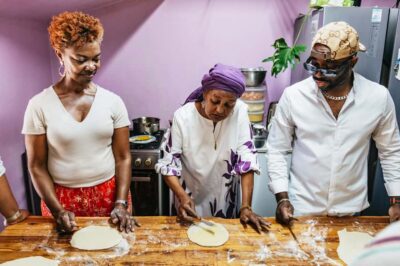
The cooking portion lasts about one to two hours. Lorette prepares the ingredients and guides you through the work, but the class is designed to be hands-on. You may help make mini rotis, with each person taking a turn at the dough and cooking process.
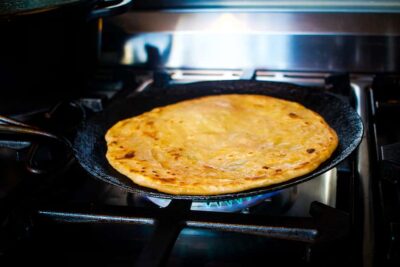
Cape Malay roti is an unleavened flatbread served with chicken curry. It is an especially useful dish to learn because you can make it again at home without needing specialized equipment. The class gives you a chance to pay attention to the texture of the dough and the way the bread works with the curry.
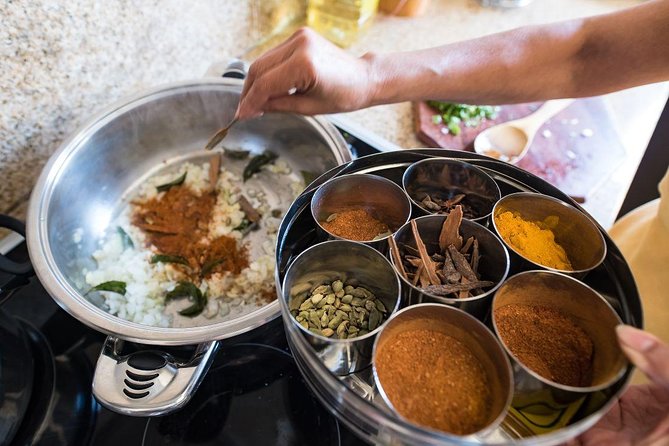
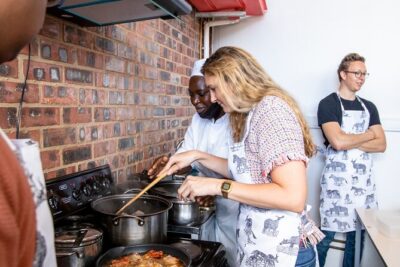
The chicken curry is another possible main dish. You can expect Lorette to walk you through the seasoning and cooking rather than leave you to guess at the process. Fresh herbs from her garden may be used, a detail that connects the food to the home and gives the lesson a practical, seasonal feel.
I like the fact that the meal is not treated as an afterthought. You are building toward a complete lunch or dinner, not preparing one isolated sample before heading out. If your group includes children or people with different cooking confidence, the private format should make it easier to share tasks and ask for help.
The menu is not guaranteed. The dishes may include mini roti with chicken curry, but the class can also feature bobotie and malva pudding. You should think of the examples as a guide to the style of food, not a fixed menu printed in stone.
Bobotie, yellow rice, and roasted vegetables
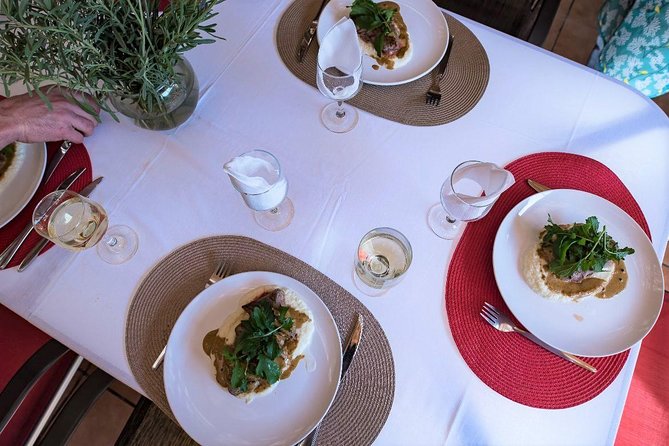
Bobotie gives you a different side of Cape Malay cooking. It is made with curried minced meat and baked with a savory custard. It is served with aromatic yellow rice and roasted vegetables, creating a full plate rather than a single main item.
This is useful for anyone who wants to understand how a traditional South African meal is assembled. You get contrast between the seasoned meat, the soft custard topping, the fragrant rice, and the roasted vegetables. The class may not include every one of these components on every date, so confirm the menu if a particular dish is your main reason for booking.
A private class also lets you ask the questions that often get lost in a larger group. You can ask how strongly the curry should be seasoned, what can be substituted at home, or how the dish fits into family meals. The supplied information does not promise a formal recipe booklet, but direct recipe sharing is part of the practical appeal, and one participant specifically received recipes to try at home.
That take-home value matters. A cooking class is a better purchase when it gives you a realistic chance of repeating the food. Rotis, curry, bobotie, and malva pudding are all more useful souvenirs than a one-time tasting, especially if you enjoy cooking after a trip.
Same country, a completely different kind of day:
- Wine Tour: Paarl, Franschhoek & Stellenbosch incl 3 wineries
★ 5.0 · 3,940 reviews - Cape Town: Hop-On Hop-Off Bus Tour with Optional Cruise
★ 4.8 · 3,929 reviews - Cape Town: Cape of Good Hope & Penguins Day Tour with Pickup
★ 4.7 · 3,362 reviews - Zipline Cape Town – From Foot of Table Mountain Reserve
★ 5.0 · 3,179 reviews
Ending with malva pudding and a family meal
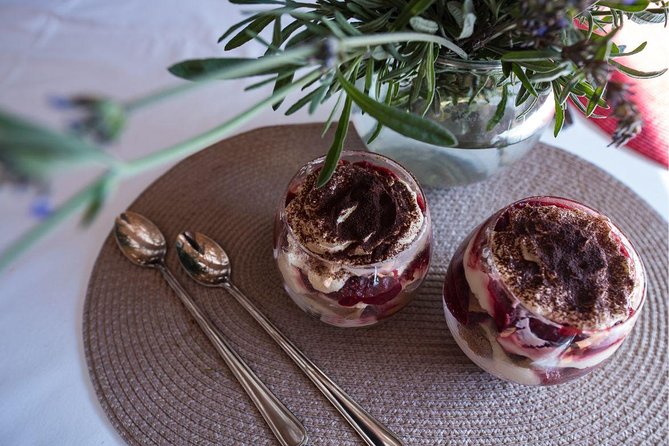
Malva pudding may appear as the dessert. It is a classic South African sweet, and the class may include a custard accompaniment. One particularly thoughtful variation involved Lorette preparing custard for a husband who could not attend but had enjoyed malva pudding at a restaurant.
That detail tells you something about the tone of the class. Lorette appears willing to adjust the meal for a personal request when possible, rather than treating the menu as untouchable. You should still communicate needs ahead of time, since the experience details do not promise that every dietary request can be met.
After the cooking, you sit down to eat what you helped prepare. Lunch or dinner is included, as are bottled water, alcoholic beverages, and gratuities. The meal is also the social part of the experience, with conversation involving Lorette and Desmond.
The food is only half of this final hour. The other half is the exchange around the table. The class can cover Malay food, history, and culture, so you have room to ask about the dishes and the family’s connection to them. The setting may feel more relaxed than a formal lecture, which is good for curious cooks who like conversation with their meal.
If you are hoping to eat quickly and leave, this may feel slow. The full activity lasts about three hours, and the sit-down meal is a central feature. I would book it on an evening when you can let the conversation run a little instead of placing it between two fixed appointments.
How the private format affects the value
The price is $100 per person. That is a significant spend for a three-hour activity, but the comparison should be with a private food experience, not only with the cost of a restaurant meal.
Your price covers a private class with Lorette, ingredients and instruction, a welcome drink, bottled water, alcoholic beverages, lunch or dinner, and gratuities. Only your group participates, so you do not share the kitchen with strangers or compete for the teacher’s attention. The recipes and the chance to repeat the dishes at home add value after the trip.
The class suits two people particularly well. A couple gets a personal meal and a cultural visit without paying for a large group format. It can also work for a family, since everyone can take a turn making roti or helping with the meal.
For solo visitors, the price deserves closer thought. You still receive a private experience, but the per-person cost may feel high unless the personal access and home setting are exactly what you want. Large families should also confirm group details and menu arrangements before booking.
This is not the best choice for someone seeking a cheap cooking lesson or a broad tour of Cape Town. It is a better fit if you value personal contact, food instruction, and a home meal more than a packed sightseeing schedule.
Practical details that matter
The activity lasts approximately three hours. Cooking takes one to two hours, followed by the meal and conversation. The starting point and ending point are both in Grassy Park, and no transport is provided.
Confirmation is sent within 48 hours of booking, subject to availability. Since the experience is private and typically booked well in advance, with an average booking window of 66 days, I would avoid leaving it until the last part of your Cape Town stay.
Free cancellation is available up to 24 hours before the local start time for a full refund. Cancellations or changes made less than 24 hours before the start are not accepted for a refund. Service animals are allowed, and the meeting point is near public transportation.
The information does not specify a vegetarian, vegan, gluten-free, or allergy-friendly menu. If food restrictions matter to you, ask before paying. The same advice applies if you have a strong preference for one of the sample dishes, since the menu can vary.
Who should book this Cape Malay cooking class
I would choose this experience if you like food with a story and prefer a private visit to a standard group activity. It is a good match for couples, families, and home cooks who want to learn dishes they can attempt again.
It also suits people who value conversation. The class can give you more than cooking technique, with time to discuss Cape Malay food and culture and perhaps meet Rachel and Kenneth, Lorette’s parents, who live on the property.
You may want to skip it if your schedule is tight, you dislike traveling outside the central sightseeing areas, or you want a guaranteed menu. It is also not ideal for anyone who prefers to watch rather than participate, since the strongest part of the class is the hands-on work.
Should you book it?
Book this class if you want a personal Cape Town food experience, not just another restaurant meal. Lorette’s home, garden herbs, family recipes, and shared table give the three hours a human scale that a commercial kitchen cannot easily match.
The $100 price is reasonable when you value the private format and included meal, but transport and menu flexibility are real considerations. Confirm any dietary needs, plan your route to Grassy Park, and reserve early. If those points work for you, this is a warm, practical way to leave Cape Town with new recipes and a better sense of the people behind the food.
FAQ
Where does the Cape Malay cooking class take place?
The class takes place in Grassy Park, Cape Town, South Africa. The activity ends back at the meeting point.
How long does the experience last?
The experience lasts approximately three hours. The cooking portion takes between one and two hours, followed by the meal and conversation.
Is this a private cooking class?
Yes. Only your group participates in the activity, so you receive private instruction from Lorette.
Who teaches the class?
Lorette teaches the cooking class. Her husband, Desmond, joins the meal and conversation, and her parents Rachel and Kenneth may stop by to say hello.
Which dishes will I learn to make?
You will learn two or three traditional dishes. Possible dishes include mini rotis with chicken curry, bobotie with yellow rice and roasted vegetables, and malva pudding. The exact menu can vary.
Is food included?
Yes. Lunch or dinner is included, along with bottled water and alcoholic beverages. You eat the food prepared during the class.
Is transportation included?
No. Transportation is not included. The meeting point is near public transportation, and you must make your own way to Grassy Park.
Can I cancel for a full refund?
Yes, if you cancel at least 24 hours before the experience start time. Cancellations or changes made less than 24 hours before the local start time are not accepted for a refund.
Just added around Cape Town
- Private Tour to 20 Wine Tasting in Stellenbosch and Franschhoek★ 5.0 · 11 reviews
- Sunset Safari Big 5 Aquila with Snacks and Wine Tasting★ 5.0 · 12 reviews
- Robben Island, Kirstenbosch wine tasting Tour★ 5.0 · 10 reviews
- Zip Line and Wine from Cape Town★ 5.0 · 14 reviews
- Explore Atlantis Sand Dunes with a 1hour 30mins sandboarding tour★ 5.0 · 5 reviews
- Private Transfer from Cape Town International Airport★ 5.0 · 4 reviews
- 1 Hour Cape Town City Center Photoshoot Experience★ 5.0 · 19 reviews
- Private Group Photoshoot in Cape Town★ 5.0 · 21 reviews
Cooking Classes, compared.
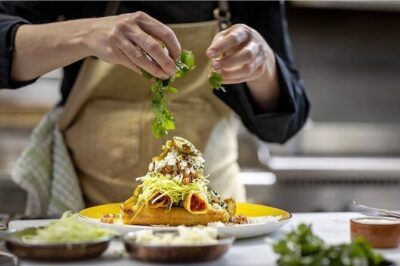
Half-Day Small Group Cooking Experience in Franschhoek
Read our review →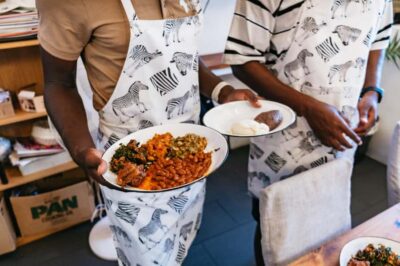
GQ: City Walking Tour & African Cuisine Cooking Class
Read our review →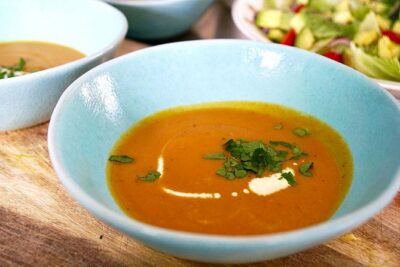
South African Cooking in Cape Town with Local Chef Richard
Read our review →Browse the lists this tour appears in