
Reviewed · BO-KAAP TOURS
Cape Town: Malay Cooking Class and Lunch in Bo-Kaap
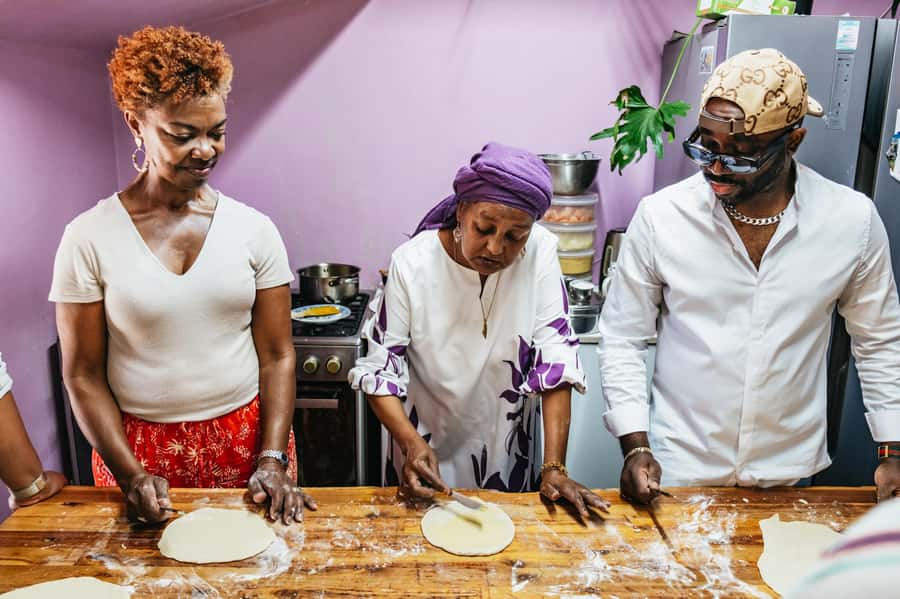
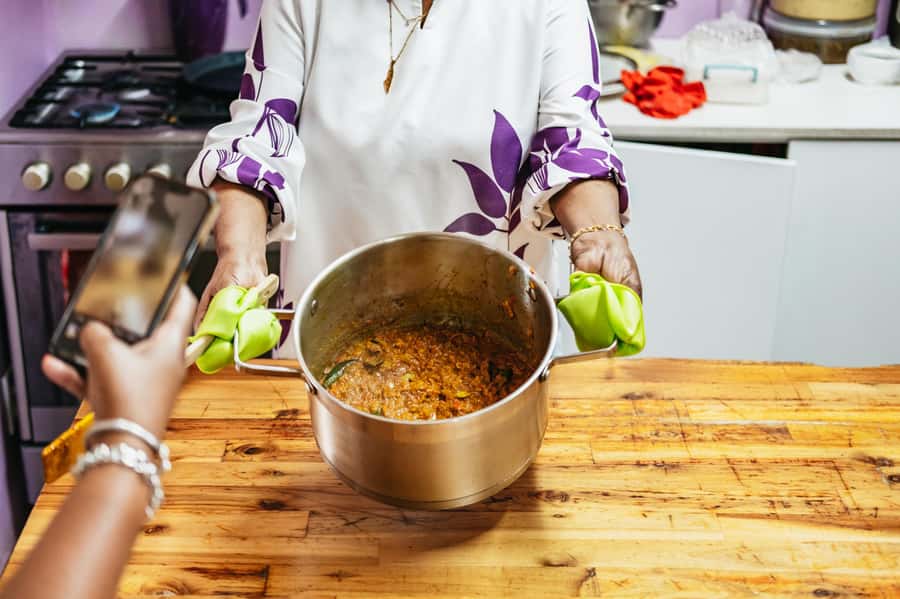
Cape Malay cooking is best understood from a kitchen table, not just a restaurant menu. In Bo-Kaap, Faldela welcomes you into her home, explains the South African, Malaysian, and Indonesian roots of the food, and puts spices such as turmeric, fennel, ginger, star anise, and tamarind to work. I like the home setting and the chance to eat what you prepare, plus Faldela’s warm humor makes the lesson feel relaxed rather than formal.
The main consideration is that a larger class may mean less individual hands-on cooking. You will still take part and learn the methods, but some tasks may be shared. Arrive close to the start time, too, since one person reported waiting outside after arriving 30 minutes early.
Key points to know before booking
- Cook in Bo-Kaap itself: The class takes place in a local home at 109 Wale Street, surrounded by the neighborhood’s famous brightly painted houses.
- Learn Cape Malay food from Faldela: Her teaching combines cooking steps with stories about family, community, spices, and local life.
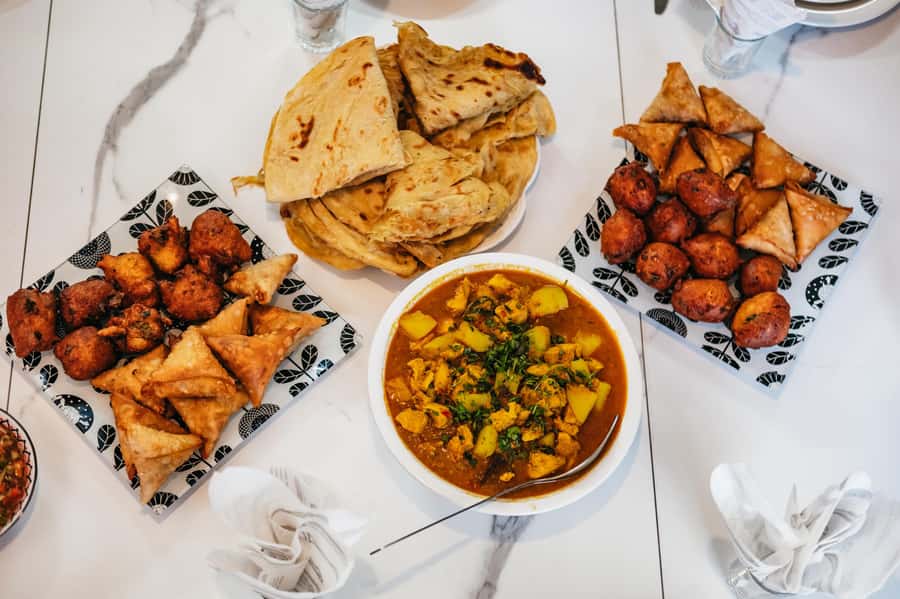
- Expect a full meal: The food may include curry, stews, roasts, rotis, samosas, salad, juice, and dessert, depending on the day.
- No cooking experience is needed: The class is designed for beginners, with ingredients, equipment, and instruction supplied.
- Recipes may go home with you: Recipes are shared after the class, giving you a fair chance to recreate the meal.
- Good value at $49: The price covers 2.5 hours, the class, all ingredients and equipment, lunch, and soft drinks.
Why a Bo-Kaap kitchen is the right place to learn
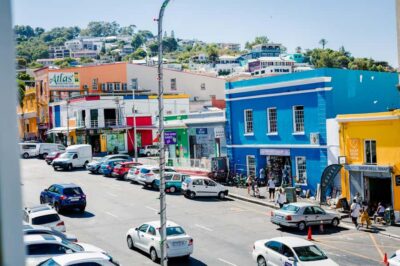
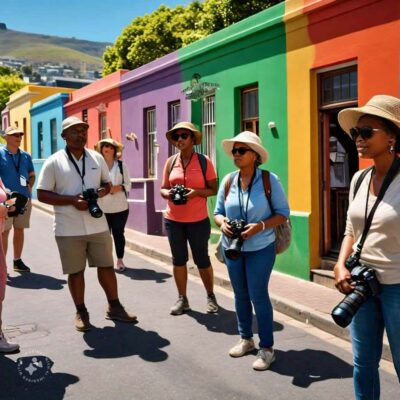
Bo-Kaap is one of Cape Town’s most recognizable neighborhoods. Its brightly painted homes climb the lower slopes of Signal Hill, and 109 Wale Street puts you right in the middle of that setting.
The location matters because Cape Malay food is tied closely to the Cape Malay community. The cuisine grew from African traditions and the cooking of Malaysian and Indonesian people brought to the Cape by the Dutch during the 17th and 18th centuries. A class here gives the meal a sense of place that you cannot get from following a recipe in a hotel kitchen.
Before or around the cooking session, you have a chance to see the area and take a photo among the colorful houses. Keep that part simple and respectful. Bo-Kaap is a lived-in neighborhood, not a stage set, and the home visit is the real heart of the experience.
I like this combination of short neighborhood orientation and hands-on food. You get a taste of the setting without spending half the booking on sightseeing. If you are already planning to visit Bo-Kaap, the class gives your walk a useful purpose and adds a personal connection to the area.
More Bo-Kaap Tours in Cape Town:
- Cape Town Walking Tour: Bo-Kaap & City Highlights
★ 4.8 · 161 reviews - Bo-Kaap: Walk with a local
★ 5.0 · 131 reviews - Cape Town: Cape Malay Cooking Class in Bo-Kaap
★ 4.8 · 120 reviews
Meeting Faldela at 109 Wale Street
The meeting point is 109 Wale Street, Schotsche Kloof, Cape Town. The activity begins and ends there, so you do not need to arrange a separate transfer between the class and another stop.
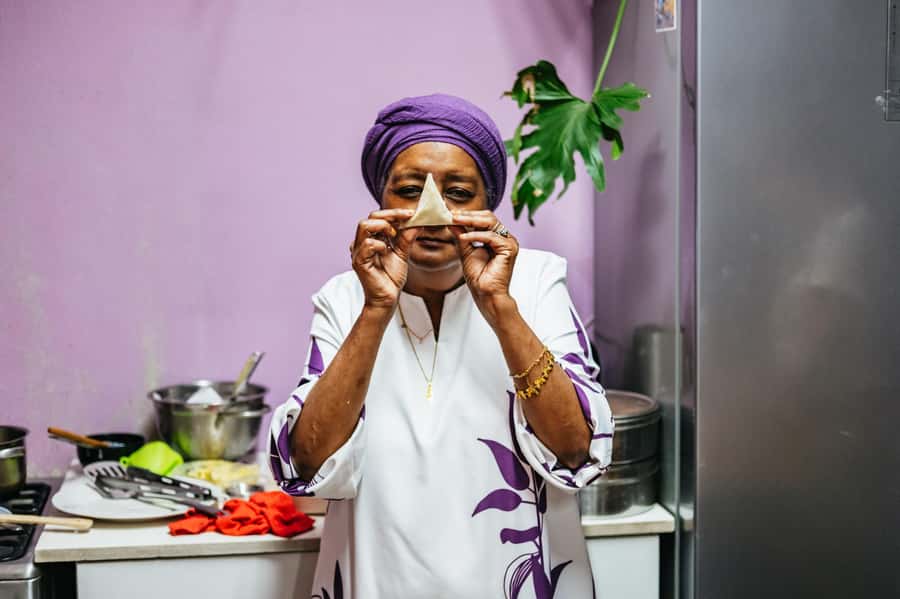
Faldela is the main instructor, and she may be joined by family members, including her daughter or sister. Her style is a major part of the experience. She explains cooking in a friendly, humorous way, remembers personal details, and links the dishes to her heritage and daily life.
That tone suits anyone who finds standard demonstrations a little stiff. You are not expected to perform like a chef. Justin, a first-time cooking-class participant, described the lesson as pressure-free, and that is useful guidance if you are unsure about your kitchen skills. The instruction is made for ordinary home cooks.
The class is conducted in English. It also attracts people of different ages and nationalities, which can add a social side to the meal. Solo visitors can fit in well, and the shared cooking gives you an easy way to meet the rest of the group.
One practical point: do not arrive far ahead of time. The meeting is at a private home, and the door may not open until the scheduled start. Arriving a little early is sensible, but 30 minutes early may leave you waiting outside.
The Cape Malay flavors you will work with
Cape Malay food often relies on spice layering rather than sheer heat. Turmeric gives the dishes their golden color and earthy aroma, while ginger, fennel, star anise, and tamarind add sweetness, perfume, warmth, and tartness.
Faldela explains not only what goes into a dish but why it is used. Several people especially valued her comments about the wider uses and possible health benefits of individual spices. That makes the class more useful than a simple list of ingredients, since you begin to understand how the flavor balance works.
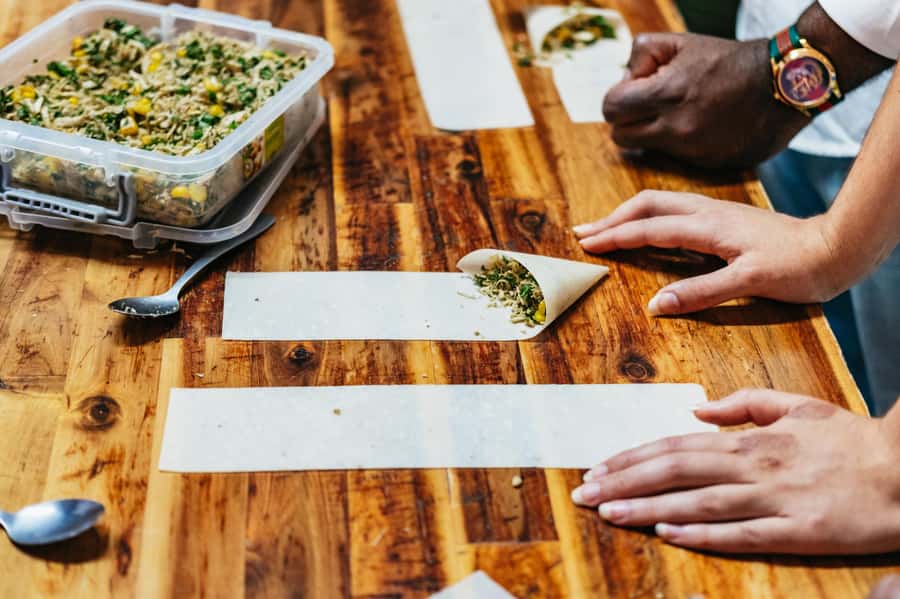
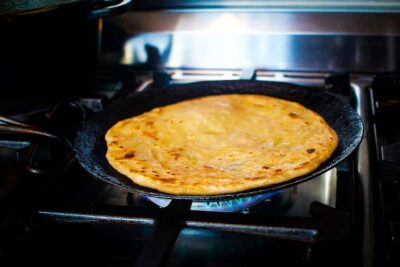
The food prepared may include sauce-heavy curries, stews, and roasts. Depending on the session, you might also make rotis and samosas, along with salad, juice, and a sweet treat. The exact menu is not specified in advance, so book this for the Cape Malay cooking experience rather than one guaranteed dish.
That flexibility is normal in a home kitchen. It also means the meal can reflect the instructor’s own cooking traditions instead of being reduced to a fixed restaurant menu. If you have dietary requirements, tell the provider in advance. Faldela has accommodated dietary needs with ease, but it is always better to give notice.
How the 150-minute class unfolds
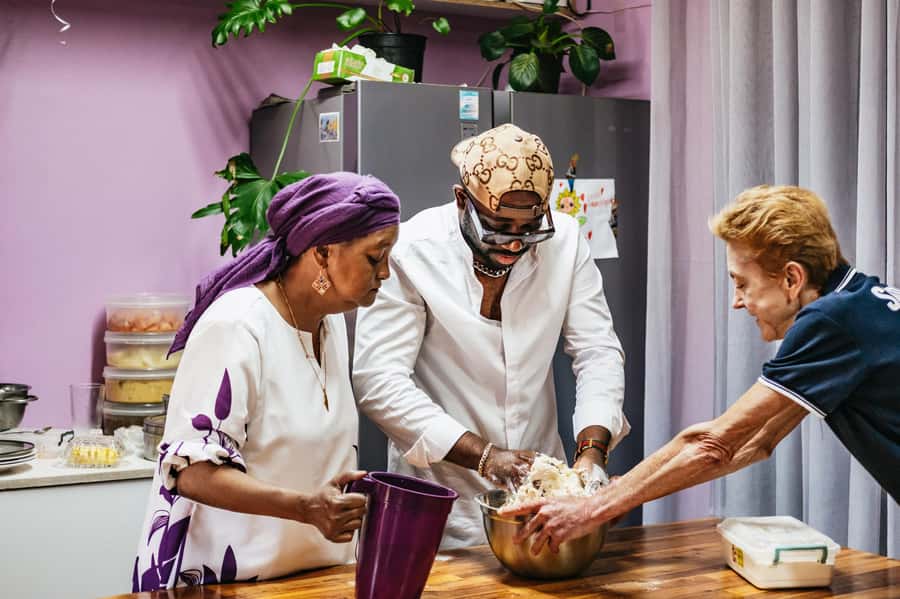
The total duration is 150 minutes, or two and a half hours. That is long enough for a proper lesson and meal, but short enough to fit beside a morning walk, a museum visit, or an afternoon plan in central Cape Town.
After meeting at 109 Wale Street, you settle into the home kitchen and meet the instructor and the rest of the group. The early part of the session introduces Cape Malay cuisine, the neighborhood, and the role of the spices.
The cooking then becomes a shared effort. You may chop, mix, shape, stir, or help with the preparation of the different dishes. The class is interactive, but the amount of individual work depends on the group size. One larger group found that there was not much cooking for each person, although the food lesson remained enjoyable.
That is the key tradeoff. A small group may give you more direct time with each step, while a larger group can create more laughter and conversation. The available information does not promise a fixed group size, so do not book this expecting a private lesson.
Faldela’s teaching is conversational. She works personal stories and family details into the process, which gives the food a human context. You learn how the recipes fit into Cape Malay life, not only how long to cook an onion or when to add turmeric.
Once the food is ready, everyone sits down for lunch. The meal includes the dishes you helped prepare, with soft drinks included. Alcohol is not included and is not allowed during the activity, along with smoking, drugs, and pets.
A few more Cape Town trips to weigh up
- Authentic African Cuisine Cooking Experience
★ 5.0 · 236 reviews - Cape Town: Bo-Kapp Walking Tour and Malay Cooking Class
★ 4.7 · 105 reviews - Cape Town: Authentic African Cuisine Cooking Experience
★ 4.9 · 31 reviews - Half-Day Small Group Cooking Experience in Franschhoek
★ 5.0 · 74 reviews
Lunch is part of the lesson
The final meal is not an afterthought. It is the point where you can taste how the separate spices and techniques work together.
Cape Malay dishes are often generous and full of sauce, so the meal can feel substantial. Rotis and samosas add texture and make the cooking process more varied, while salad, juice, or dessert may balance the heavier dishes. The precise spread can change, but you should arrive ready to eat.
I particularly like that lunch is prepared together rather than served as a separate tasting. You see the work behind the food, then sit down with the people who made it. That shared table is where the class shifts from demonstration to social experience.
The food has been repeatedly described as the highlight, with several people saying it was better than similar dishes they later tried elsewhere. That does not mean you should expect a restaurant production. It means the meal benefits from fresh preparation, family recipes, and the instructor’s familiarity with the food.
You may leave very full. That is not a complaint, but it is worth knowing if you plan a large meal immediately afterward.
Recipes and lessons you can take home
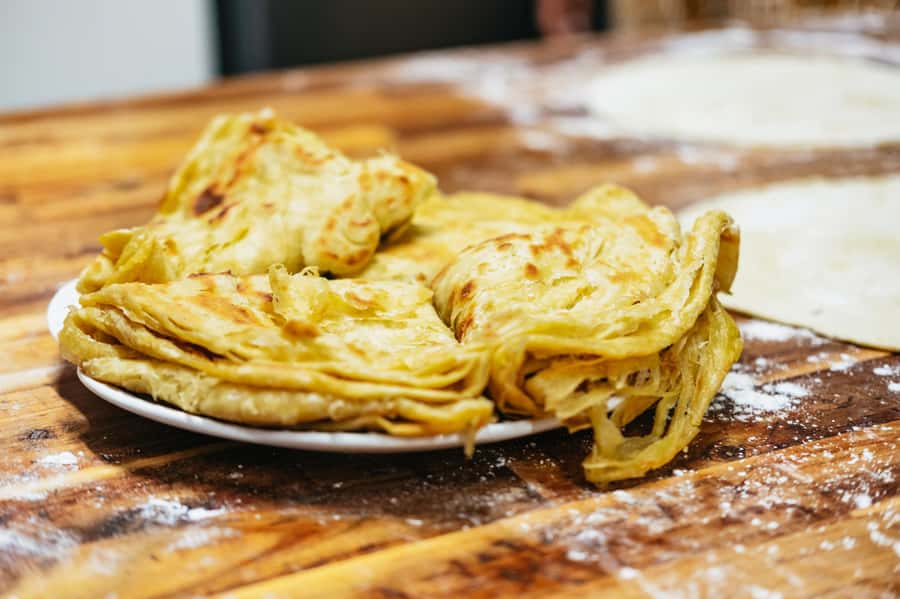
A strong cooking class should continue to be useful after the holiday. Recipes are shared after the session, so you can try the dishes again at home.
The method matters as much as the recipe. You learn how spice combinations work, how to build a sauce, and how Cape Malay cooking uses ingredients with different aromas and levels of sweetness or sourness. If you already cook, you will likely pick up small adjustments and ideas for your own kitchen. If you are new to cooking, the relaxed pace helps you follow the process without feeling tested.
Bring a way to make notes if you like to record personal tips. The formal recipes are useful, but Faldela’s comments about spice properties and practical technique may be the details you most want to remember.
There is one small uncertainty: one participant specifically hoped to receive the recipes, while many others said recipes were shared after class. If having written recipes is essential, confirm this when booking or before the class ends.
Is $49 a good price?
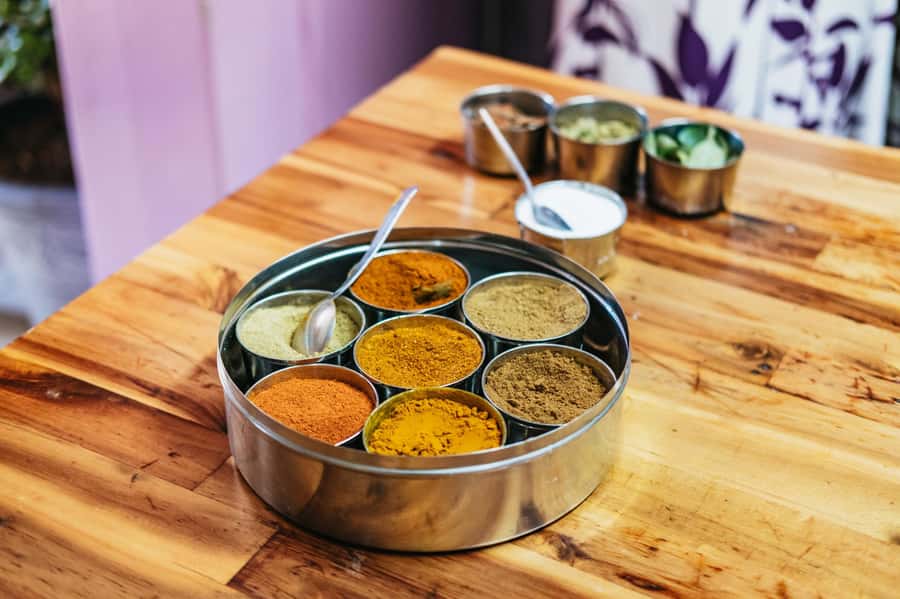
At $49 per person, the cost covers the cooking lesson, ingredients, kitchen equipment, chef instructor, lunch, and soft drinks. Transportation and alcoholic drinks are not included.
For Cape Town, this is a reasonable price if you value a personal food experience rather than simply buying a meal. You are paying for 2.5 hours of instruction, the food itself, use of the kitchen, and the chance to meet a local host in her home. A restaurant meal may cost less, but it will not teach you the method or provide the same connection to Bo-Kaap.
The value is strongest for people who enjoy participation. If you only want to eat Cape Malay food, a restaurant may be faster and cheaper. If you want to learn, ask questions, laugh with a mixed group, and take recipes home, the price makes good sense.
The class also works well as a gift. It suits a couple, a small group of friends, a solo visitor, or a family with older children who can take part in the kitchen. The activity is wheelchair accessible, which makes it an option for more people, though you should still confirm any personal access needs before arrival.
Who should book this Cape Malay cooking class?
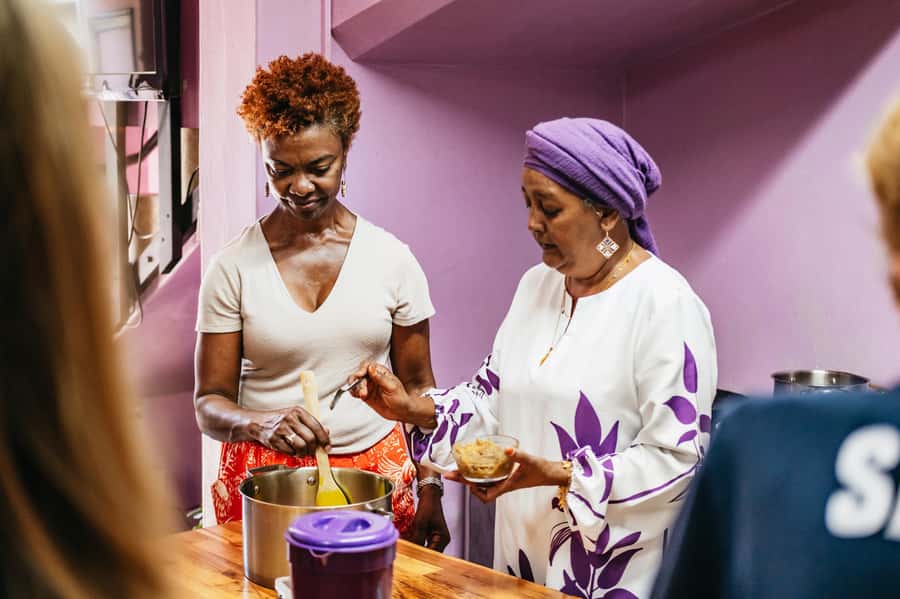
I would choose this class if you want:
- A local food experience in a real Bo-Kaap home
- An introduction to Cape Malay cuisine without needing prior cooking skills
- A social activity that works for solo visitors
- A break from sightseeing that still teaches you about Cape Town
- A generous lunch and recipes to try at home
- A warm, informal instructor who mixes cooking with humor and personal stories
It may not suit you if you want a quiet, private lesson with lots of one-on-one attention. It is also not the right pick if you need to choose every dish in advance, since the menu can vary and the class is designed around the host’s cooking.
The class is conducted in English, lasts 150 minutes, and begins at a private home. Check the available start times before booking and allow enough time to reach Wale Street without arranging transport from the provider.
Cancellation and booking flexibility
You can cancel up to 24 hours before the activity for a full refund. The reserve-now-and-pay-later option lets you hold a place without paying immediately, which is useful when your Cape Town schedule includes weather-sensitive plans.
Starting times vary, so check availability for your date. The activity returns to 109 Wale Street after the cooking and lunch, keeping the logistics straightforward.
Should you book it?
Yes, if you want Cape Town food with a personal story attached. The strongest reasons are the setting in Bo-Kaap, Faldela’s friendly teaching, the spice lesson, and the chance to eat a meal you helped prepare.
I would not choose it solely for a guaranteed list of dishes or a private chef lesson. But for $49, the combination of cooking, culture, lunch, soft drinks, and time in a local home is strong value. Arrive hungry, tell the host about dietary needs, and expect to share the work with the group. If that sounds like your kind of afternoon, book it.
FAQ
Where does the Cape Malay cooking class take place?
The class takes place at 109 Wale Street in Schotsche Kloof, Cape Town, in the Bo-Kaap neighborhood. The activity starts and finishes at this address.
How long does the experience last?
The cooking class and lunch last 150 minutes, or two and a half hours.
What is included in the price?
The $49 price includes the cooking class, ingredients, kitchen equipment, chef instructor, lunch, and soft drinks.
Is the class taught in English?
Yes. The live instruction is in English.
Do I need cooking experience?
No. The class is suitable for beginners, and no previous cooking experience is required.
Can I cancel or pay later?
You can cancel up to 24 hours in advance for a full refund. A reserve-now-and-pay-later option is also available.
More Workshops in Cape Town
- Koeksister and Samoosa Class by the Malay Cook Up
★ 4.8 · 9 reviews - Jeffreys Bay: Private Surfing Lesson for Beginners
★ 4.8 · 43 reviews - Jeffreys Bay: Learn to Surf Group Lesson
★ 4.9 · 35 reviews - GQ: City Walking Tour & African Cuisine Cooking Class
★ 4.6 · 11 reviews
More Lunch Experiences in Cape Town
- From Cape Town: Big Five Game Reserve with Lunch
★ 4.6 · 2,409 reviews - Wine Tour to Stellenbosch & Franschhoek with Tastings & Lunch
★ 5.0 · 828 reviews - Stellenbosch & Franschhoek 20 Wine Tasting + Lunch Shared Tour
★ 4.5 · 290 reviews - Cape Town: Coastal Cruise & 2-Course Lunch Combo
★ 4.8 · 253 reviews
Just added around Cape Town
- Lion’s Head Hike: Cape Town – Sunrise or Sunset Hike★ 5.0 · 29 reviews
- Lion’s Head Sunrise or Sunset Hike + Hotel Pick-Up★ 5.0 · 24 reviews
- Lion’s Head: Hike with a registered hiking guide★ 5.0 · 3 reviews
- Kruger National Park 3 Days Best Ever Safari from Cape Town★ 4.1 · 11 reviews
- Koeksister and Samoosa Class by the Malay Cook Up★ 4.8 · 9 reviews
- Kirstenbosch Garden, Bo-Kaap-Penguins & Cape Peninsula Tour★ 3.9 · 7 reviews
- Khayelitsha: 3-Hour Township Walking Tour★ 5.0 · 6 reviews
- Cape Town: Constantia Half-Day Wine Tour & Tastings★ 4.9 · 15 reviews
Bo-Kaap Tours, compared.
Cape Town Walking Tour: Bo-Kaap & City Highlights
Read our review →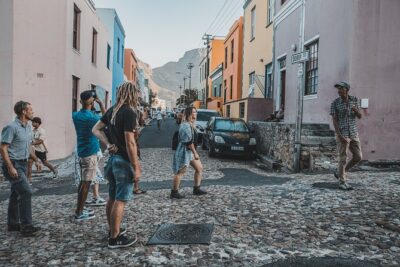


Full-Day Kirstenbosch, Bo-Kaap, and Penguins Tour
Read our review →
Kirstenbosch Garden, Bo-Kaap-Penguins & Cape Peninsula Tour
Read our review →
Browse the lists this tour appears in