
Reviewed · WALKING TOURS
Forest Walk with Picnic and Wildife Tour
The most unusual part of this outing is the pairing of a quiet forest walk with a close look at South Africa’s indigenous wild cats. You begin on old logging paths in a private reserve, then finish at Tenikwa Wildlife Rehabilitation and Awareness Centre, where conservation work takes center stage.
I like the slow pace and the chance to stop for a freshly made picnic in the forest, complete with a beer or wine. I also like the small group limit of 12, which gives you room to ask questions and take photographs without being rushed. The main drawback is that the forest walk may feel modest if you want a long or physically demanding hike, and the tour depends on good weather.
Key points to know before booking
- Two experiences in one: Combine a two-hour forest walk with a one-hour guided wildlife visit at Tenikwa.
- Rare forest sightings: Keep watch for the red flash of a Knysna Loerie and, with luck, the shy Narina Trogon.
- A proper picnic stop: Enjoy a freshly prepared lunch, bottled water, and one beer or wine in the forest or beside the cheetah dam.
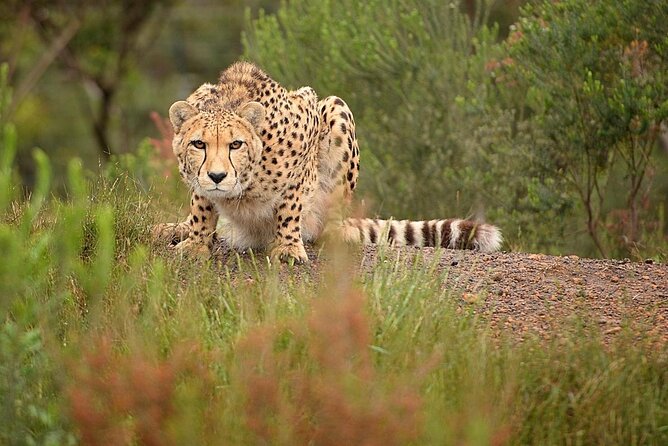
- Wild cats up close: See indigenous South African cats and other animals while learning about Tenikwa’s conservation work.
- Gentle group outing: The walk suits most abilities, with a maximum of 12 people and a relaxed pace.
- Weather matters: Poor conditions can cancel the activity, though you will be offered another date or a full refund.
A gentle morning in the Western Cape forest
This experience starts at Tenikwa Wildlife Rehabilitation and Awareness Centre in The Crags, near Plettenberg Bay. The location makes it a useful choice if you are exploring the Garden Route and want something more thoughtful than a quick animal photo stop.
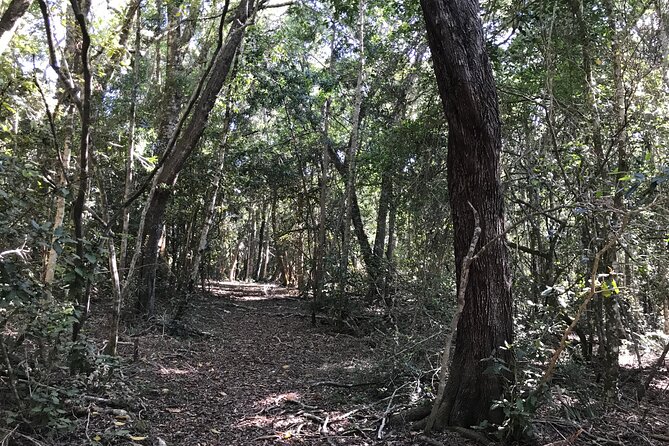
The first part lasts about two hours. You follow historical logging paths through a protected private forest, with the guide explaining the plants, animals, cultural traditions, and working history tied to the area. This is not a race from one lookout to another. You walk at an easy pace, stopping to inspect the details that are easy to miss on a faster outing.
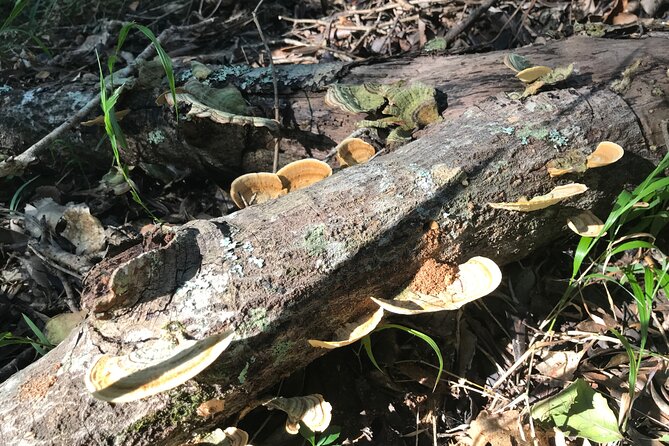
I like that the forest is treated as more than a pretty backdrop. Giant hardwood trees, orchids, fungi, and mushrooms all become part of the story. The paths wind toward mossy, pebbled streams, giving the walk a changing rhythm without requiring a strenuous climb or a full-day commitment.
The walk is best for someone who enjoys close observation. You may spend several minutes looking into the branches for a bird, examining a plant, or listening to an explanation about how local people have used the forest. If you prefer dramatic scenery, constant animal sightings, or a brisk hike, this section may feel too quiet.
More Garden Route Tours in Plettenberg Bay:
- Plettenberg Bay: Swim with Seals
★ 4.7 · 887 reviews - Knysna Ziplines Tour
★ 5.0 · 688 reviews - Standard Canyoning Trip in The Crags, South Africa
★ 5.0 · 381 reviews
Old logging paths and the secret life of the trees
The historical logging paths give the forest walk a clear sense of place. Rather than following a generic nature trail, you are walking routes connected to the area’s past use. The guide adds context about the forest and explains how plants and animals fit into local life.
The plant life is one of the strongest reasons to choose this tour. Giant hardwoods create the main frame, while orchids, fungi, and mushrooms provide smaller details at ground level. Mossy streams and pebbled sections add texture to the route, and they also create natural pauses where you can slow down and look carefully.
Your guide’s role matters here. A good walk depends less on distance than on what you learn to notice. The guide may point out a plant’s cultural use, explain an animal’s place in the forest, or describe the relationships that keep this habitat functioning.
One guide named in the experience is Sandile, who led a wildlife visit and was praised for explaining the animals clearly and allowing time for photography. Guides can vary, but the format gives them time to answer questions rather than simply lead you from one enclosure to the next.
Birdwatching at the forest edge
Birding is part of the appeal, but it should be approached with realistic expectations. The forest is home to rare birds, yet sightings depend on patience, weather, and luck. You may see the brilliant red flash of the Knysna Loerie, while the shy Narina Trogon is a more uncertain prize.
That uncertainty is part of the charm, but it is also worth understanding before you book. This is not presented as a guaranteed birding expedition. You should come ready to enjoy the trees, stream, fungi, and stories even if the most elusive bird stays out of view.
Butterflies also appear along the forest edges. The experience encourages you to notice movement and color rather than expect large numbers of animals at every turn. Bring your attention, and allow the guide to set the pace.
The walk suits most abilities according to the supplied information, but it is still sensible to wear shoes suited to forest paths. The trail includes historical routes, mossy areas, pebbles, and streams, so conditions underfoot may vary. The exact distance is not provided, but the walk is described as relaxed and suitable for most people.
A picnic in a natural forest opening
After about two hours on the trail, the group reaches a natural opening for lunch, weather permitting. A freshly prepared picnic gives the walk a practical purpose: you build up an appetite, then stop in a peaceful setting before returning along the path.
The meal includes a vegetarian option if requested. Bottled water is provided for each person, and one beer or wine is served with lunch. Coffee and tea are not included, and other drinks are also outside the package, so plan accordingly.
I like this part because it keeps the outing grounded in local food and a simple outdoor setting. It is not just a snack grabbed between activities. The picnic is built into the rhythm of the day, and the provider describes it as authentic South African fare.
Weather can change the setting. If conditions are poor for an outdoor forest picnic, lunch takes place overlooking the cheetah dam, close to ablution facilities. That is a sensible backup, especially if rain would make the forest opening uncomfortable.
The picnic is also where the tour’s gentle character becomes clearest. You are not being pushed through a tight schedule. You have time to eat, talk, take photographs, and prepare for the second part of the outing.
A few more Plettenberg Bay trips to weigh up
- Plettenberg Bay: Qolweni Township Cultural Walking Tour
★ 5.0 · 58 reviews - Guided Wildlife Tour and Forest Walk with Lunch Platter
★ 4.6 · 40 reviews - Soweto: Walking Tour with a Local Guide and Lunch
★ 4.9 · 648 reviews - Plettenberg Bay: Bungee Jumping with Zipline and Sky Walk
★ 5.0 · 506 reviews
Returning to Tenikwa for indigenous wild cats
The second section lasts about one hour and takes place at Tenikwa. Here, a guide introduces you to indigenous wild cats of South Africa and other local wildlife, while explaining the centre’s conservation work.
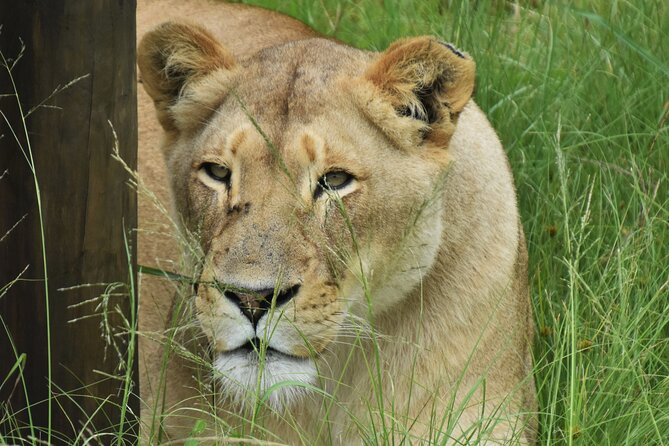
This is a different experience from the forest walk. The forest asks you to search and listen. Tenikwa gives you a more direct view of animals such as wild cats, meerkats, birds, and tortoises. A white lion is also highlighted as one of the possible animal encounters, along with other untamed creatures.
The close-up nature of this section works well for families with older children, photographers, and anyone who wants more reliable animal viewing after the uncertainty of forest birding. The supplied information does not promise that every animal will be active or visible at all times, but the guided format gives you a better chance to understand what you are seeing.
The centre’s conservation purpose adds important context. You are not simply passing through a collection of animal displays. The tour explains the work carried out to protect and raise awareness of local wildlife. That makes the visit more meaningful than a quick stop focused only on photographs.
Photography is welcome, and the guide can allow time for it. This matters because animal encounters often reward patience. If you want a picture, tell the guide early and avoid assuming the group must move on immediately.
How the two parts work together
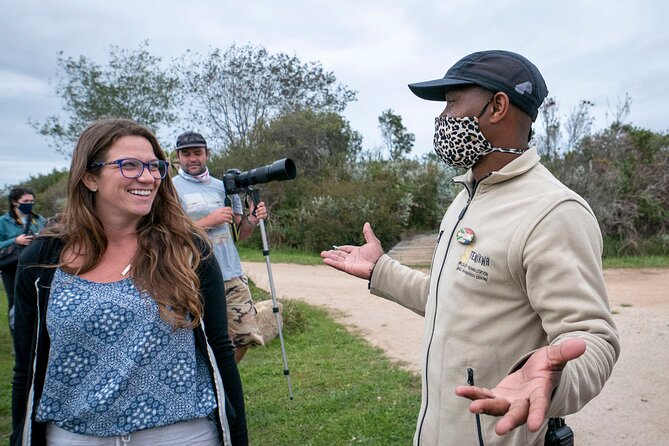
The forest and wildlife sections balance each other well. The first is calm, green, and dependent on your powers of observation. The second is more structured and focused on animals that you can see at closer range.
That mix makes the four-hour outing feel varied without becoming frantic. You get nature, local history, food, birds, butterflies, wild cats, and conservation in one half-day. For a visitor with limited time around Plettenberg Bay, that can be a strong use of a morning or afternoon.
The order is also practical. Walking first creates an appetite, and the picnic provides a natural break before the visit to the wildlife centre. You are not asked to complete a demanding hike, then sit through a long lecture. Each part has a clear purpose.
There is one tradeoff. If your main goal is a serious forest hike, the two-hour walk may not go far enough. One direct assessment of the experience found the wildlife centre especially enjoyable while considering the forest section less compelling for a repeat visit. I would take that as a useful warning: choose this for a relaxed introduction to the area, not for a challenging trek.
What the $52.69 price includes
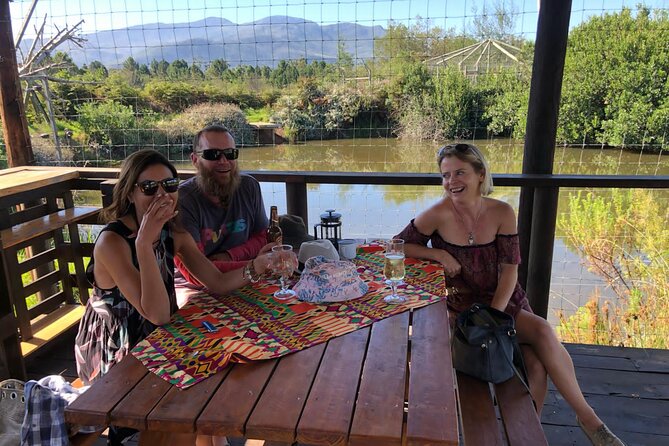
At $52.69 per person, the cost covers roughly four hours of guided activity, a picnic lunch, bottled water, and one beer or wine. You are also paying for two different forms of interpretation: the ecology and history of the forest, plus the conservation story at Tenikwa.
That is fair value if you want a compact, guided experience with food included. Buying the two parts separately could take more planning, and the picnic saves you from arranging lunch during the outing. The small group size also adds value because a maximum of 12 people is small enough for questions and photography.
The price is less attractive if you mainly want a free-form walk. You could prefer spending the same time on a public trail without a guide or meal. Here, the fee makes sense because the guide supplies the background and connects the forest to the wildlife centre.
Group discounts are available, which may help families or parties booking together. The experience is booked an average of 25 days in advance, so I would not leave it until the last minute during a busy stay in the Western Cape.
Who will enjoy this outing most
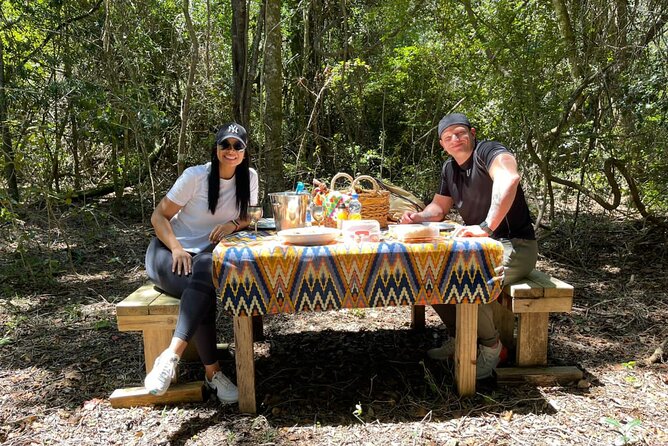
I would recommend this experience to you if you want a quiet half-day outdoors, prefer a manageable walk, and enjoy learning as you go. It suits people who like birds, plants, cultural stories, photography, and animal conservation.
It is also a good fit if your group has mixed interests. One person can enjoy the forest plants and history, while another gets more excited about wild cats, tortoises, meerkats, or birds. The picnic gives everyone a shared pause between the two activities.
Families should note that toddlers under four are not recommended. Most people can participate, and service animals are allowed. The group limit of 12 is useful for families and couples who want a calmer setting than a large coach excursion.
I would be more cautious if you need a guaranteed list of sightings, want a strenuous hike, or dislike weather-dependent plans. The Narina Trogon and other rare wildlife cannot be promised, and the picnic location depends on conditions.
Timing, meeting point, and practical details
The experience begins and ends at Tenikwa Wildlife Rehabilitation and Awareness Centre, The Crags, Plettenberg Bay, 6602, South Africa. There is no separate end point, so you return to the same meeting place after the program.
The total duration is about four hours. The forest walk takes roughly two hours, the wildlife section about one hour, and the remaining time allows for lunch and movement between sections. The exact start time is not provided in the supplied details, so check the confirmed booking information before arranging other plans.
Confirmation is received at the time of booking. The activity requires good weather, and poor conditions can lead to cancellation. In that case, you are offered a different date or a full refund.
The cancellation rule is strict for normal changes: the experience is non-refundable and cannot be amended for any reason. I would book only after your Garden Route schedule is fairly firm, and I would avoid placing it on the same day as an important onward departure.
Should you book the Forest Walk with Picnic and Wildlife Tour?
Book it if you want a relaxed combination of forest interpretation, a local-style picnic, and a guided look at South African wild cats. The strongest parts are the thoughtful guide-led walk, the meal in or near the forest, and the conservation focus at Tenikwa.
Skip it if you want a serious hike or a dedicated birding trip. The forest section is gentle, and rare sightings depend on luck. For most people, though, the two-part format offers a pleasant balance: quiet time among trees followed by more direct wildlife encounters, all within four hours.
FAQ
Where does the Forest Walk with Picnic and Wildlife Tour start?
It starts at Tenikwa Wildlife Rehabilitation and Awareness Centre in The Crags, Plettenberg Bay, South Africa.
Where does the tour end?
The activity ends back at Tenikwa, the same place where it begins.
How long does the experience last?
The experience lasts approximately four hours. The guided forest walk takes about two hours, and the guided wildlife visit takes about one hour, with time included for lunch and transitions.
What animals might I see?
You might see indigenous wild cats, a white lion, meerkats, birds, tortoises, and other local wildlife at Tenikwa. In the forest, you may also see rare birds and butterflies.
Is lunch included?
Yes. A freshly prepared picnic lunch is included, with a vegetarian option available on request.
Are drinks included?
One bottle of water per person is provided for the forest walk, and one beer or wine is served with the picnic. Coffee, tea, and other drinks are not included.
How many people can join the tour?
The activity has a maximum group size of 12 people. Group discounts are available.
What happens if the weather is bad?
The experience requires good weather. If poor conditions cause cancellation, you will be offered another date or a full refund. If weather affects only the picnic setting, lunch may take place overlooking the cheetah dam near ablution facilities.
Just added around Plettenberg Bay
- The Private Wildlife Tour★ 4.5 · 12 reviews
- eBike Tours★ 5.0 · 5 reviews
- Seal Swimming Activity in Plettenberg Bay★ 5.0 · 23 reviews
- 1.5-Hour Seal Viewing Boat Tour in Plettenberg Bay★ 4.5 · 16 reviews
- Cats in Conservation★ 5.0 · 10 reviews
- Jukani Wildlife Sanctuary Admission with Guided Tour★ 4.5 · 50 reviews
- Quad Bike Fun Ride in The Crags, Plettenberg Bay★ 5.0 · 5 reviews
- 3D ARCHERY EXPERIENCE (1,5 hour guided tour) in Plettenberg Bay★ 5.0 · 25 reviews
Walking Tours, compared.






Browse the lists this tour appears in