
Reviewed · GARDEN ROUTE TOURS
Cats in Conservation
Tenikwa’s Cats in Conservation program gives you something most wildlife visits do not: a look at the rehabilitation facilities and the daily work behind animal care. You spend a full day with a private guide, moving at a relaxed pace and asking the questions that matter to you.
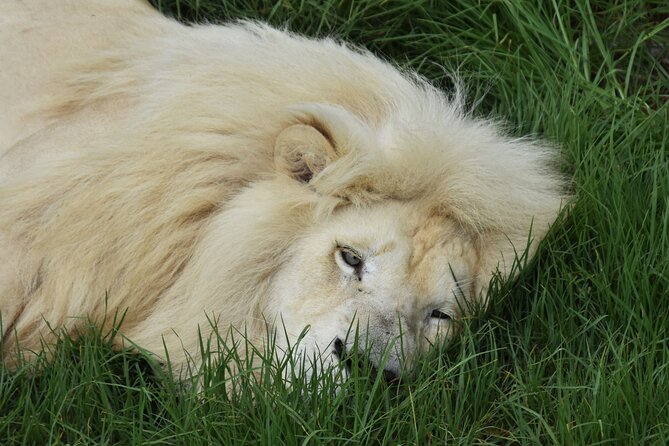
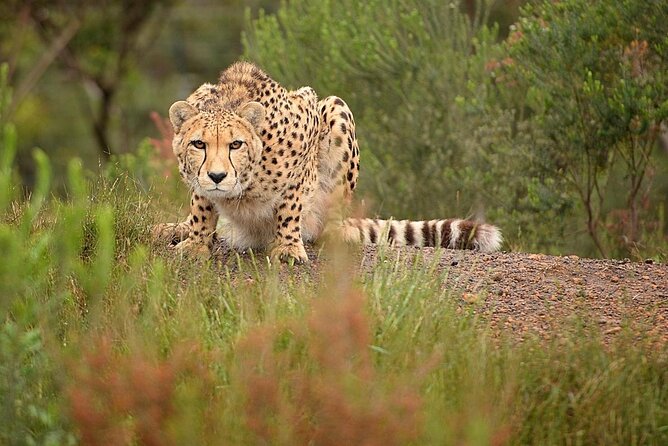
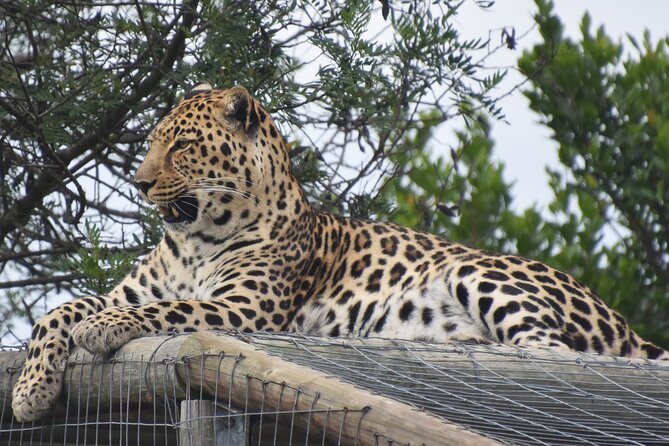
I like the personal format, and I like the clear focus on conservation rather than a quick parade of cages. Breakfast, lunch, snacks, and transport are included, too. The tradeoff is simple: animals are wild animals, not clockwork performers. On a hot or wet day, a leopard may stay hidden, and a cheetah may choose a shady spot.
Key points to know before you go
- Eight hours at Tenikwa: This is a full-day program, not a short walk-through visit.
- Private guiding: Only your own party takes part, so you can set the pace and ask plenty of questions.
- Rehabilitation access: This is the only Tenikwa program described as including a view into the wildlife rehabilitation facilities.
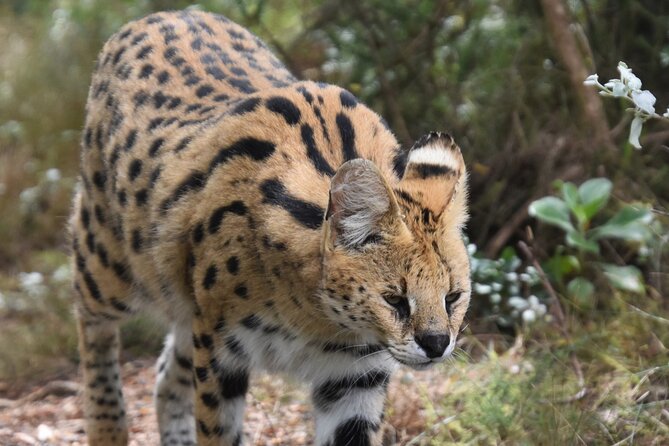
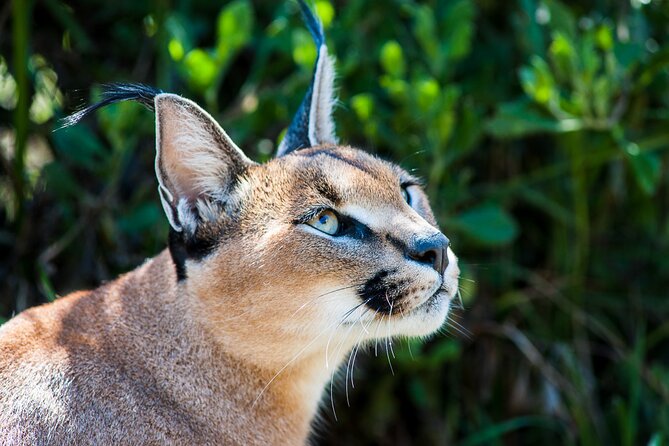
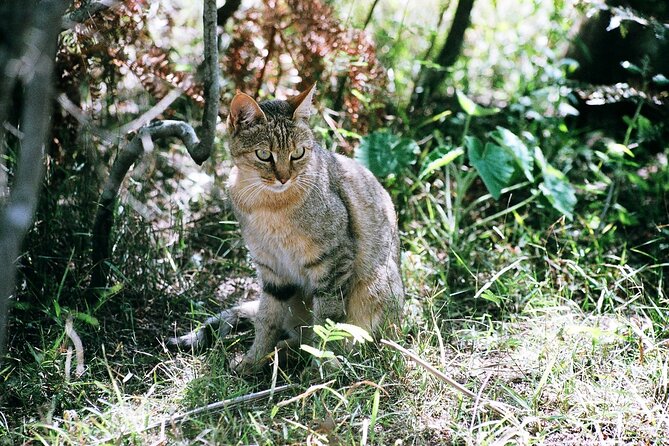
- Wild cats in large enclosures: You may see lions, leopards, cheetahs, caracals, and other local wildlife, but sightings are not guaranteed.
- Meals are covered: Breakfast, lunch, snacks, bottled water, tea, and coffee are included in the $87.71 price.
- Dress for the weather: Wear neutral colors and comfortable clothes, and leave fur or scarves at home.
Starting at Tenikwa near Plettenberg Bay
Your day begins at Tenikwa Wildlife Rehabilitation and Awareness Centre in The Crags, near Plettenberg Bay. The activity ends at the same meeting point. Transportation is provided as part of the experience, though you should confirm the exact pickup arrangement when booking if you are not making your own way to the center.
Plan for seven to eight hours. That length matters. You are not simply paying for a short look at a lion or leopard. The day allows time for animal viewing, guided walks, meals, staff conversations, and an explanation of the work carried out behind the public areas.
Tenikwa’s purpose is awareness and conservation. The animals in its care include wild cats and local wildlife, and the program looks at the problems these animals face because of human activity. That gives the day more substance than a standard animal encounter. You see the animals, then learn why rehabilitation, responsible care, and public education are needed.
The setting also calls for patience. You might see a leopard only partly visible in a bush, or two cheetahs resting under cover. That can feel less dramatic than a close, active sighting, but it is a more honest way to meet wild animals. The guide can help you understand what you are seeing instead of treating the animals like props.
More Garden Route Tours in Plettenberg Bay:
- Plettenberg Bay: Swim with Seals
★ 4.7 · 887 reviews - Knysna Ziplines Tour
★ 5.0 · 688 reviews - Standard Canyoning Trip in The Crags, South Africa
★ 5.0 · 381 reviews
A private day with the care team
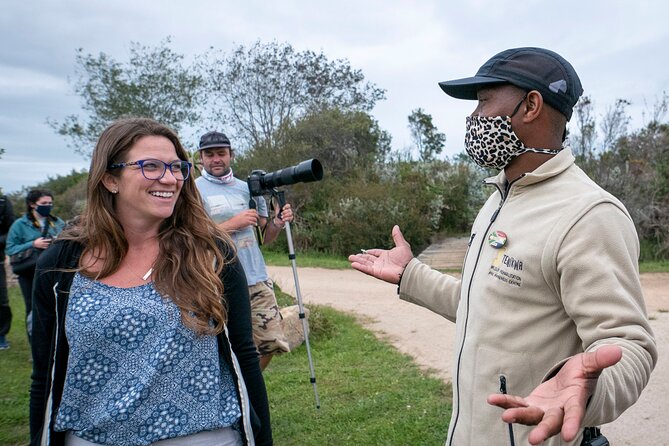
The private format is one of the strongest reasons to book this program. Your group has the guide’s attention, so you can ask about an animal’s background, conservation threats, daily care, or the limits of rehabilitation. A larger group often means waiting for other people to finish with their questions. Here, the day can follow your interests.
The guide is central to the experience. Tenikwa’s head guide, Msizi, has worked there as a second-generation staff member, following his father, who worked with the center for more than 35 years. Another guide, Boniwe, has led the full Cats in Conservation program. Guide assignments can change, but the center’s long staff connection helps explain the depth of practical experience you may encounter.
I would use the private setting well. Ask how Tenikwa decides which animals can be rehabilitated, what makes release possible or impossible, and how public awareness supports the work. The program is designed for questions, and you should not save them all for the last ten minutes.
You will not touch the animals. That rule is important and sensible. The experience is about observation and care, not petting a wild cat for a photograph. Wear neutral colors, avoid fur and scarves, and bring sunblock and a hat. The program runs in all weather, so comfortable clothing and a weather-ready layer are wise.
Seeing the wild cats without a zoo-style parade
Tenikwa keeps a small number of wild cats in large enclosures for awareness. That means the visit may feel less like walking past repeated rows of the same species and more like looking for animals in a setting that allows them space.
The payoff is a better sense of animal behavior. A lion may be visible and active, while a leopard stays in cover. A caracal may offer only a brief glimpse. You could see cheetahs resting under a bush rather than posing in the open. This is part of the bargain, and the guide’s explanation becomes as important as the sighting itself.
Cool, gray weather may help. In one account, the cats were especially active on a cool day, with the leopard showing more movement. Hot weather and rain can have the opposite effect, sending animals into shade or shelter. You should arrive ready for an experience that changes with the conditions.
Photography is included as part of the private wildlife visit, but do not expect guaranteed close-up portraits. Bring a camera if you enjoy wildlife photography, yet keep your expectations realistic. The best image may be a partial view, a watchful face, or an animal resting naturally rather than a perfect full-body shot.
The rule against touching also protects the animals and keeps the encounter on the right side of responsible wildlife tourism. You are there to watch, listen, and learn.
Behind the scenes at the rehabilitation facilities
The rehabilitation portion is the day’s rarest feature. This program allows you to view the wildlife rehabilitation facilities, giving you a window into work that is usually kept away from the public.
The facilities may not be busy when you visit. One account notes that the hospital was quiet at the time. That does not mean the visit lacks value. Rehabilitation work is often about readiness, recovery, monitoring, and waiting. A quiet hospital can reflect a good day, not an empty purpose.
Your guide and staff explain the conservation issues connected with the animals in care. You may learn how human actions threaten wild cats and local wildlife, and why some animals cannot return to the wild. The precise details will depend on the animals and cases present on the day, so treat the facility visit as an introduction to ongoing work rather than a guaranteed medical demonstration.
This is also where the private format pays off most. If you have a particular interest in rescue, release, habitat protection, or the ethics of captive care, you can ask direct questions. Tenikwa’s approach is not based on presenting endless examples of each species. It keeps a smaller number of animals for awareness, with the aim of helping you understand the wider conservation problem.
That distinction matters when you compare this with a conventional zoo visit. You may see fewer animals, and some may be hidden. In return, you get more context about why the center exists and what responsible care involves.
Same country, a completely different kind of day:
- Plettenberg Bay: Whale Watching Boat Cruise
★ 4.4 · 362 reviews - Plettenberg Bay: Canyoning Trip
★ 4.9 · 353 reviews - Plettenberg Bay Game Reserve: 2-Hour Game Drive
★ 4.2 · 267 reviews - Short Canyoning Trip in The Crags
★ 5.0 · 221 reviews
Meals, walks, and the rhythm of a full day
Breakfast and lunch are included, along with snacks, bottled water, tea, and coffee. That makes the $87.71 price easier to assess, especially because you are committing most of a day rather than paying for a short admission slot.
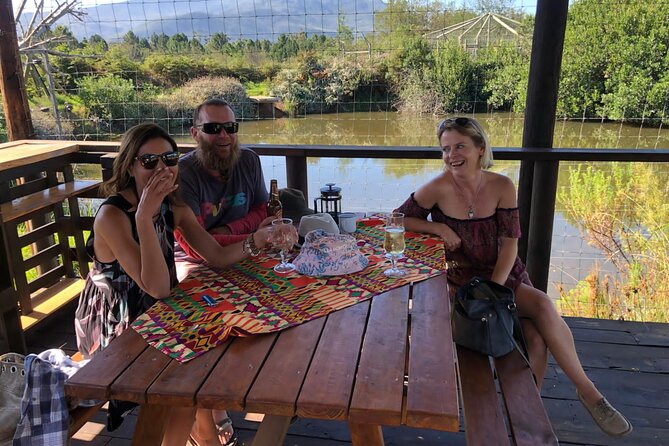
Meals also break up the program. Wildlife viewing requires waiting, walking, and attention. A proper lunch gives you time to rest and talk through what you have seen. The available feedback also points to polite restaurant service and good food, though the supplied information does not provide a set menu.
A guided walk through the forest is part of the day’s wider rhythm. This lets you look beyond the headline animals and notice local wildlife and the setting around Tenikwa. The walk may be especially appealing if you want a slower, more active way to experience the center rather than spending the whole day beside enclosures.
Expect some walking and time outdoors. The program operates in all weather, and the center advises sun protection and a hat. Children under 18 must be with at least one parent, and the experience is not suitable for children under nine. Most people can take part, and service animals are allowed.
Is $87.71 good value?
For a private, food-included, full-day conservation program, $87.71 per person is a fair price. You receive admission, a dedicated guide, meals, drinks, snacks, and a look at facilities not included in the center’s other programs.
The value depends on what you want. If your goal is a guaranteed close-up photograph of several active cats, you may find the price harder to justify. Animals can hide, rest, or stay out of sight. The program does not promise a checklist of perfect sightings.
If you want time with staff, conservation discussion, private guiding, and access to rehabilitation areas, the calculation looks better. You are paying for the work behind the animals as much as for the animals themselves. The eight-hour schedule gives the center room to explain rather than rush you from one viewing point to another.
The price also includes transport, but the meeting information lists Tenikwa as both the start and end point. Confirm whether transport means local transfer, arranged pickup, or transport connected with the program before you set your day around it.
The experience is commonly booked about 28 days ahead. That is useful planning guidance, especially if your South Africa route has fixed dates. Since the booking cannot be refunded or changed, do not reserve it until your schedule is firm.
Who will get the most from Cats in Conservation?
I would choose this for an animal lover who wants to understand care and conservation, not just collect wildlife photographs. It suits you if you enjoy asking questions, spending time outdoors, and accepting that animal behavior cannot be staged.
It is also a strong match for photographers who value natural behavior over guaranteed poses. Bring patience. A hidden leopard can be frustrating, but the guide may help you read the situation and explain why the animal is behaving that way.
Families can take part if children are at least nine and anyone under 18 is accompanied by a parent. Younger children may find eight hours too long even if they meet the age requirement, so think carefully about attention span and comfort in changing weather.
You may want to skip it if you prefer a quick, tightly timed attraction with guaranteed sightings. This is not a petting experience, and it is not designed around touching animals. You also need to be comfortable with the ethical questions that come with wildlife in managed care.
The strongest parts of the day are the guide, the conservation explanation, and the chance to see rehabilitation facilities. The weakest part is the uncertainty of the animal viewing. Tenikwa itself acknowledges that guests may not see every animal clearly on the first visit, and the staff may offer another look if a particular animal remains hidden.
Practical details that make the day easier
Book ahead, especially if your visit falls within a busy South Africa itinerary. The activity is private, so only your own party takes part. Confirmation is issued when you book.
Wear neutral colors and comfortable clothing. Do not wear fur or scarves, and bring sunblock and a hat. Since the program runs in all weather, check the forecast and bring suitable protection rather than assuming the Western Cape will provide a mild, sunny day.
Keep your phone and camera ready, but do not let photography take over. The guide’s explanations are a major part of the value. Touching the animals is forbidden, and you should follow all staff instructions around enclosures and rehabilitation areas.
The center accepts service animals. Most people can participate, but the long duration and outdoor portions may matter if you have mobility or stamina concerns. The supplied information does not give detailed accessibility specifications, so ask Tenikwa directly if you need specific arrangements.
Should you book this Tenikwa experience?
Book it if you want a full day of wildlife care, conservation discussion, private guiding, and a rare look into rehabilitation facilities. I especially recommend it for people who would rather understand why animals are in care than simply stand beside a series of enclosures.
Go in with the right expectation: you may see lions, cheetahs, leopards, caracals, and local wildlife, but some may be hidden. If that uncertainty sounds acceptable, the private pace, meals, staff access, and conservation focus make this a strong-value day near Plettenberg Bay.
FAQ
Where does Cats in Conservation begin and end?
It begins at Tenikwa Wildlife Rehabilitation and Awareness Centre in The Crags, Plettenberg Bay, and ends back at the same meeting point.
How long does the experience last?
The program lasts approximately seven to eight hours. The scheduled itinerary describes an eight-hour experience.
Is this a private tour?
Yes. Only your own group takes part in the activity.
What is included in the price?
The experience includes a private wildlife visit, photography opportunities, lunch, snacks, bottled water, coffee or tea, conservation discussions with staff, and an overview and observation of the wildlife rehabilitation facilities.
Can I touch the animals?
No. Touching the animals is not allowed.
What should I wear?
Wear comfortable clothing in neutral colors. Do not wear fur or scarves. Bring sunblock and a hat, and dress for the weather because the program operates in all conditions.
Are children allowed?
Children under 18 must be accompanied by at least one parent. The experience is not suitable for children under nine.
Can I cancel or change my booking?
No. The experience is non-refundable and cannot be changed for any reason.
Just added around Plettenberg Bay
- eBike Tours★ 5.0 · 5 reviews
- The Private Wildlife Tour★ 4.5 · 12 reviews
- Seal Swimming Activity in Plettenberg Bay★ 5.0 · 23 reviews
- 1.5-Hour Seal Viewing Boat Tour in Plettenberg Bay★ 4.5 · 16 reviews
- Jukani Wildlife Sanctuary Admission with Guided Tour★ 4.5 · 50 reviews
- Quad Bike Fun Ride in The Crags, Plettenberg Bay★ 5.0 · 5 reviews
- 3D ARCHERY EXPERIENCE (1,5 hour guided tour) in Plettenberg Bay★ 5.0 · 25 reviews
- Birds of Eden Admission Ticket★ 4.5 · 15 reviews
Garden Route Tours, compared.
Addo Elephant National Park All Inclusive Full-Day Safari
Read our review →
Browse the lists this tour appears in