
Reviewed · WALKING TOURS
Stellenbosch: Guided Historical Walking Tour
Stellenbosch’s old center is best understood on foot, where oak-shaded avenues and open water furrows lead past Cape Dutch buildings, churchyards, and the town green. The story is not all pretty façades: your guide also explains the fires that repeatedly destroyed early Stellenbosch and how the town rebuilt itself.
I like the tour’s easy pace and its mix of major sights with small details, such as where Simon van der Stel first camped and how the Eerste River got its name. I also like the guides’ style. Johan, Marlene, Juliana, Julietta, and Maureen are praised for clear storytelling, humor, and answering questions without turning the walk into a lecture.
The main consideration is that this is a history-focused town walk, not a wine-tasting outing or a trip through the surrounding vineyards. You cover about 90 minutes on foot, so comfortable shoes and some protection from the sun make the experience much more pleasant.
Key points at a glance
- The Eerste River gives the tour its starting point: Learn where Simon van der Stel set up camp and why the river received its name.
- The Braak puts Stellenbosch’s old town in view: Historic buildings surround this village green on three sides.
- Dorp Street adds real age and atmosphere: Walk along what is described as South Africa’s oldest residential street.
- Fire shaped the town: The guide explains how destructive fires in the 18th century changed early Stellenbosch.
- Local stories keep the past lively: Expect tales of famous residents, university graduates, an Angel Factory, and a possible ghost near Moederkerk.
- English guidance and wheelchair access: The tour is offered in English and is listed as wheelchair accessible.
Why Stellenbosch makes sense on foot
Stellenbosch is easy to admire from a car window, but the old center only makes full sense when you slow down. The town was founded in the 17th century, and its central streets bring several centuries of settlement into a compact area. You can look at a whitewashed façade on one corner, follow a water furrow beside an oak avenue, and then hear how a fire altered the entire street nearby.
That combination gives this walk its value. You are not simply ticking off old buildings. You are learning how the town developed around the Eerste River, how colonial settlement changed the area, and how Stellenbosch became an important university town.
I especially like the focus on ordinary details. Water furrows from the Mill Stream help explain why the town’s old avenues were laid out as they were. The oak trees provide shade and soften the hard edges of the streets, while the buildings around The Braak show how public space once organized town life.
The guide also places Stellenbosch inside the wider story of South Africa. Several people who took the tour appreciated hearing about the country’s political past as well as the town’s local story. That broader context matters, because the buildings can look harmonious and calm while the history behind them is far more complicated.
A few more Stellenbosch trips to weigh up
- Stellenbosch: Historical Bike Tour & Wine Tasting
★ 4.9 · 248 reviews - Cape Town: Art, Culture & History Walking Tour
★ 4.9 · 392 reviews - Cape Town Guided City Cycling Heritage Tour – Private Tour
★ 5.0 · 27 reviews
Starting at Church Street and the Eerste River
The meeting point is 47 Church Street in Stellenbosch Central. You should arrive 15 minutes before the start, which gives you time to find the meeting place and settle in without rushing.
The early part of the walk connects the town to its founding. Simon van der Stel, the colonial official associated with Stellenbosch’s beginnings, set up camp on the Eerste River. Your guide explains the location and the river’s name, giving you a useful starting point for understanding why the settlement developed here.
This is a good example of what a guide adds. On your own, you might notice the river or read a plaque, but you may not connect that spot to the town’s founding story. Johan has been praised for making this part of the past clear and amusing, while Juliana is known for explaining the town’s Dutch roots with enthusiasm.
The exact route may vary with the guide and group, but the central idea remains the same: Stellenbosch grew from a settlement beside the river into one of the Western Cape’s best-known university towns.
Oak avenues, furrows, and Cape Dutch buildings
The walk continues through the shaded streets often associated with Stellenbosch as the village of the oaks. These avenues are attractive, but the guide gives them more meaning than a simple photo stop.
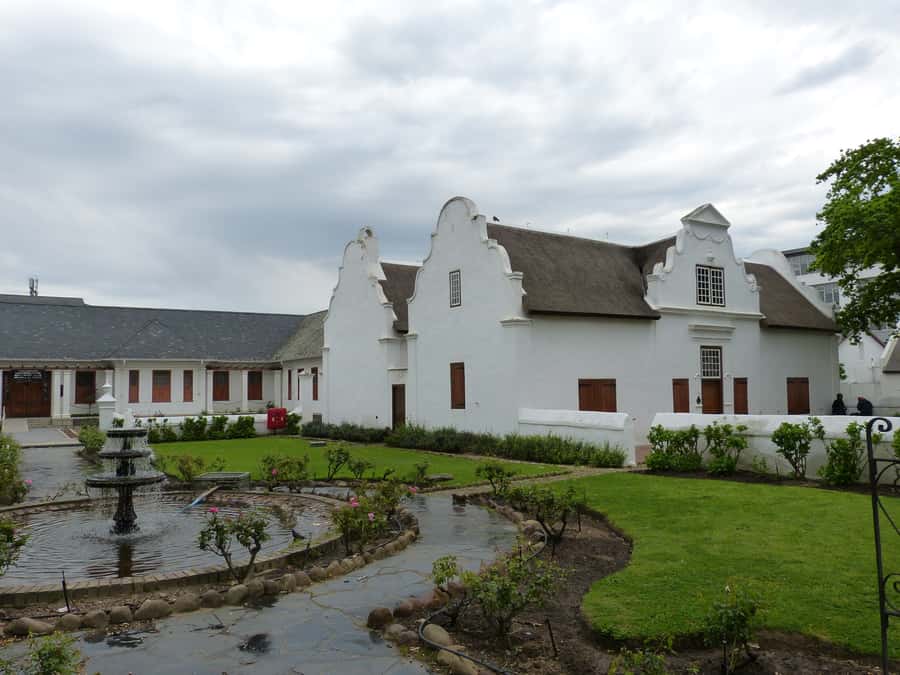
The water furrows beside the Mill Stream are an important part of the town’s character. They show how water was managed in the old settlement and help explain the relationship between the streets, trees, gardens, and early buildings. You get a sense of a town planned around practical needs, not just visual charm.
The Cape Dutch architecture is another major focus. Your guide points out the harmony between the historic buildings and explains details that are easy to miss if you are simply strolling between cafés and shops. The buildings are not presented as isolated monuments. They are part of a town center shaped by changing families, fires, institutions, and businesses.
Marlene and Juliana receive repeated praise for noticing details that a first-time visitor might walk past. That is useful if you have already visited Stellenbosch before. One of the tour’s strengths is that it can give familiar streets a second layer.
Still, do not expect a formal architectural class. The appeal is the combination of buildings, stories, and local explanation. You will learn enough to recognize the town’s architectural character without spending the whole 90 minutes on technical terms.
The Braak and the old public heart
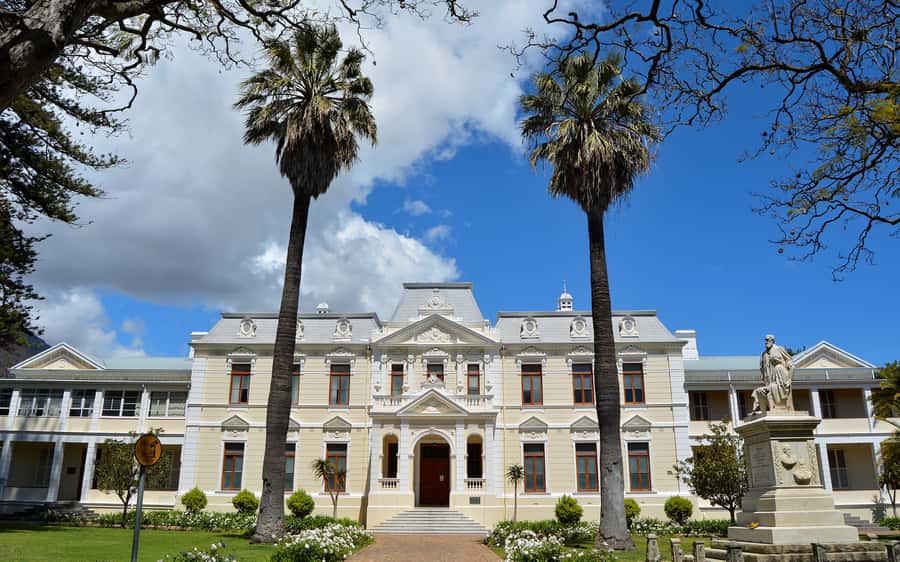
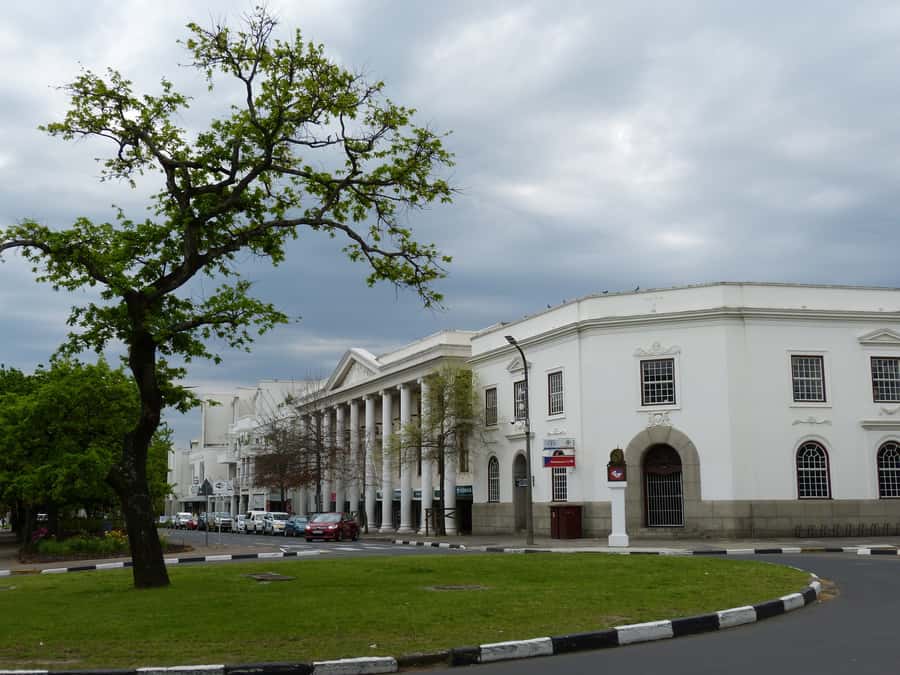
The Braak, or village green, is one of the clearest places to understand historic Stellenbosch. Buildings surround it on three sides, creating a broad open space framed by the old town.
Your guide uses The Braak to explain how the settlement functioned and how public life gathered around important buildings. It is also a natural place to pause and take in the scale of the old center. After walking along narrower, shaded streets, the open green gives you a wider view of the town’s design.
This stop works well for visitors who want a quick introduction before exploring on their own. You can return to The Braak later and recognize the buildings more easily because you already know what role the space played.
The guide may also use this part of the route to connect old Stellenbosch with the present town. The tour is not limited to dates and architecture. Several guides, especially Johan, are praised for talking about modern Stellenbosch as well as its early years. That helps prevent the walk from becoming a museum lesson detached from daily life.
Same country, a completely different kind of day:
- Full Day Afrivista Wine Tours from Stellenbosch
★ 5.0 · 238 reviews - From Stellenbosch: Hop-On Hop-Off Wine Tour Southern Route
★ 4.7 · 105 reviews - Stellenbosch: Wine Farm E-Bike Guided Tour
★ 4.6 · 88 reviews - Walking Tour of Stellenbosch
★ 5.0 · 81 reviews
Dorp Street and four centuries of residents
Dorp Street is described as the oldest residential street in South Africa, making it one of the tour’s most important stretches. Its significance is not only its age. The street lets you see how homes, façades, and public life changed over time while the basic route remained.
As you walk, the guide tells stories about the people who lived in Stellenbosch across four centuries. These personal stories give the town a human scale. Instead of remembering only governors, founders, and official buildings, you hear about colorful inhabitants and the habits or events that shaped local life.
This is also where the guides’ personalities matter. Marlene is frequently described as warm, funny, and good at setting a relaxed pace. Juliana is praised for responding fully to questions instead of giving clipped answers. Johan brings humor to even the more unusual stories, including one involving the local morgue.
The walk is suitable for people who like to ask questions. The guides are not simply reciting a fixed script. The tour’s strongest moments seem to come when a question leads to a wider explanation of language, politics, architecture, or present-day Stellenbosch.
Fires, rebuilding, and the less polished story
The devastating fires of the 18th century are a central part of the experience. Early Stellenbosch was repeatedly damaged by fire, and large sections of the town were destroyed. That history explains why the old center is not a perfectly preserved window into one single period.
I appreciate this part of the tour because it keeps the story honest. Beautiful buildings can make a town’s past seem neat and unbroken. Learning about repeated destruction and rebuilding shows how much of Stellenbosch’s appearance comes from later repairs, changes, and survival.
The fire stories also make the architecture easier to understand. You begin to see the town not as a collection of old façades, but as a place that had to adapt. A good guide can turn that idea into a memorable story, and Maureen has been especially effective at making the establishment and development of Stellenbosch easy to follow.
This historical focus may not suit someone looking only for a quick orientation before lunch. But if you want to understand why the town looks the way it does, the fires are essential to the story.
Moederkerk, the Angel Factory, and local legends
The route includes some more unusual stops and stories. You might hear about the Angel Factory, or about a ghost connected with the graveyard of Moederkerk. These tales add a little humor and mystery to a walk that could otherwise feel heavy with dates and names.
The key word is might. These are part of the stories associated with the tour, but they should not be treated as a guaranteed theatrical performance or ghost hunt. The experience remains a guided historical walk, with local legends used to add color.
That balance is one reason the tour receives such strong marks. The guides keep the past approachable. Johan is praised for amusing facts and anecdotes, while Marlene is often described as engaging and well paced. You get enough storytelling to stay interested without being pushed into a staged entertainment show.
If you enjoy unusual local details, pay attention toward the latter part of the walk. One guide has been known to save a memorable detail for the end, so it is worth staying with the group rather than assuming the main sights are over.
Stellenbosch University and modern connections
Stellenbosch University gives the tour a link to the town you see today. The guide discusses famous graduates, including prime ministers and sportsmen, and explains the university’s place in local life.
This section helps connect the historic center with the modern town. Stellenbosch is not only a collection of old streets preserved for visitors. It is also a university town with a continuing public identity.
The amount of university information will depend on your questions and guide. You should expect an overview rather than a campus tour. Still, it is a useful addition, especially if you are trying to understand why Stellenbosch feels both historic and active.
The best guides adjust the amount of detail to the group. Sarah’s guide, for example, is described as tailoring the narrative so it stayed relatable. That kind of flexibility is valuable in a small walking tour, since some people want political context while others prefer architecture, language, or local characters.
What the 90-minute format gets right
Ninety minutes is a sensible length for this experience. It is long enough to cover the river, oak avenues, Cape Dutch buildings, The Braak, Dorp Street, Moederkerk, local legends, and university connections, but short enough to fit into a day of sightseeing.
The route is repeatedly described as easy and not too far to walk. You should still wear comfortable shoes, since the activity is entirely on foot. The meeting point is central, and transportation to or from the starting location is not included, so you need to make your own way to Church Street.
Morning departures can be useful in warm weather, and the listed schedule should be checked when you book. The shady avenues help, but you will still be outside for the full walk. Bring water and sun protection as sensible town-walking basics, though the official requirement is simply comfortable shoes.
The activity is wheelchair accessible. Since the walk moves through historic streets and public spaces, you may want to confirm the route details for your particular departure if you need specific access arrangements. The supplied information does not give a separate route map or surface description.
Is the $18 price good value?
At $18 per person, I consider this a strong-value introduction to Stellenbosch. You receive a 90-minute walk with a professional English-speaking guide, and the tour covers far more than a quick orientation.
The value comes from interpretation. The old center is pleasant to explore for free, but the river story, fire history, university connections, architectural details, and local legends are easy to miss without someone explaining how they fit together.
It is also a practical first activity. After the walk, you can return to streets or buildings that caught your interest, explore at your own pace, and make better choices about the rest of your time in town.
The price does not include transportation or personal expenses. You should also keep a little cash available if you plan to tip the guide, since one booking note specifically recommends having a tip available. Tipping is not listed as an inclusion or required fee, so treat it as a personal choice based on the service you receive.
Who should book this walk?
I would choose this tour if you are visiting Stellenbosch for the first time and want a clear introduction before exploring independently. It also suits repeat visitors, since the guides point out details and stories you may have missed on earlier visits.
History fans, architecture lovers, and people who enjoy local anecdotes will get the most from it. The tour also works well for anyone who wants some South African political and cultural context instead of only hearing about old buildings.
It is a good fit for solo visitors and couples, and it can work especially well when the group is small. Several departures have had only a few people, and some off-season walks have effectively become private tours. That is not guaranteed, but a smaller group gives you more room for questions and conversation.
I would be less likely to book it if your main goal is wine tasting, vineyard scenery, food, or transport between attractions. None of those is part of the experience. This is a town-center history walk, and its success depends on your interest in listening and walking.
Booking details worth knowing
The tour costs $18 per person and lasts 90 minutes. It is conducted in English with a live guide, and the named guides associated with the experience include Johan, Marlene, Juliana, Julietta, and Maureen.
Meet at 47 Church Street, Stellenbosch Central, and arrive 15 minutes early. You are responsible for getting to the meeting point, as transportation is not included.
You can cancel up to 24 hours before the activity for a full refund. The reserve now and pay later option lets you hold a place without paying immediately, which is useful when your Western Cape plans are still shifting.
Pets, alcohol, and drugs are not allowed. Comfortable shoes are the one item specifically listed to bring, and that advice is sound for any 90-minute walk through the historic center.
Should you book the Stellenbosch walking tour?
Yes, if you want the old town to become more than a pretty backdrop. The tour gives you a compact, affordable introduction to Stellenbosch through its river, oak avenues, Cape Dutch buildings, public green, oldest residential street, churches, fires, university, and local characters.
The strongest reason to book is the guide. Johan, Marlene, and Juliana are repeatedly praised for warmth, humor, clear explanations, and a willingness to answer questions. That personal touch turns a simple walk into a useful first look at the town.
Skip it only if you have no interest in history or prefer a wine-focused outing. For most visitors spending time in Stellenbosch, $18 and 90 minutes is a modest investment that can make the rest of the town easier to understand and enjoy.
FAQ
How long does the Stellenbosch historical walking tour last?
The tour lasts 90 minutes.
How much does the tour cost?
The listed price is $18 per person.
Where does the tour meet?
The meeting point is 47 Church Street, Stellenbosch Central, Stellenbosch, 7599.
How early should I arrive?
You should arrive 15 minutes before the activity starts.
What language is the tour conducted in?
The tour is conducted in English with a live guide.
Is the walking tour wheelchair accessible?
Yes, the activity is listed as wheelchair accessible.
What should I bring?
You should bring comfortable shoes.
Can I cancel and receive a refund?
Yes. You can cancel up to 24 hours in advance for a full refund. You can also reserve now and pay later.
Just added around Stellenbosch
- Jonkershoek: Waterfall Hike and 4×4 Safari Ride★ 5.0 · 3 reviews
- Jonkershoek Nature Reserve: Guided Panorama Trail Hike★ 5.0 · 3 reviews
- From Stellenbosch: Stellenbosch Guided Vineyard Walk★ 4.4 · 4 reviews
- Franschhoek: E-bike Tour with Wine Tasting and Lunch★ 4.8 · 30 reviews
- E-Bike & Hike Jonkershoek★ 5.0 · 12 reviews
- Marine Eco Cruise and Half-Day Wine Route with Tastings★ 4.6 · 5 reviews
- Cape Wineland 3 Award Winning Vineyards★ 4.6 · 5 reviews
- Vine Hopper: Hop-On Hop-Off Wine Tour – Northern Route★ 4.5 · 62 reviews
Walking Tours, compared.







Browse the lists this tour appears in