
Reviewed · WALKING TOURS
Cape Town: Langa Township Walking Tour
Langa gives you a side of Cape Town that many visitors miss. In about two and a half hours, a local guide leads you through the township’s apartheid-era past, present-day struggles, creative work, and strong neighborhood ties. Wanda, Thando, Mike, and Mzukisi are among the guides praised for their warmth and clear storytelling.
I like the direct connection with Langa residents, and I like that the money goes to a tour operation run by people from the township. You may also visit a local home, an art gallery, community projects, and the Guga S’thebe Arts & Cultural Centre. The main consideration is that this is a serious walking tour, not a polished sightseeing circuit, and some scenes may be emotionally difficult.
Key points to know before you go

- Local guides lead the walk: Guides such as Wanda, Mike, Thando, Mzukisi, and Luvuyo bring personal links to Langa and answer questions openly.
- Guga S’thebe is the starting point: Expect arts, crafts, music, and possibly a traditional dance or drumming activity.
- The tour covers both past and present: You learn about apartheid, forced separation, current living conditions, community work, and local enterprise.
- Bring cash for small donations and tips: Crafts are extra, and several community projects may welcome support.
- Allow for plenty of walking: Comfortable shoes and easy clothing matter during this 150-minute visit.
- Think carefully about child-focused stops: One part of the route may involve a nursery, daycare, homework center, or orphanage, and photography around children should be avoided.
Why Langa belongs in your Cape Town plans

Cape Town is often sold through mountain views, beaches, wine estates, and pretty old streets. Those places deserve your time, but they do not explain the city on their own. Langa helps you understand how apartheid shaped Cape Town and how residents continue to build a life within conditions that remain unequal.
Langa was established in the 1920s and is one of South Africa’s oldest townships. Its name means sun in Xhosa, a fitting detail for a place that the tour presents through both hardship and hope. You are not simply shown poor housing and sent away with a few photographs. The guide explains why the area developed as it did, how people were controlled under apartheid, and how residents now support education, business, arts, and youth programs.
The strongest part of the experience is the guide. The operation is run by local people, and several guides still live in Langa or have close ties there. That gives the walk a personal edge that an outside bus tour often cannot match. Mzukisi, Wanda, Mike, Thando, Luvuyo, Sam, Touch, and others have been praised for their warmth, English, local connections, and willingness to answer difficult questions.
That personal approach also helps with the moral question many visitors have before booking a township tour. You may worry that walking through someone’s home area turns poverty into a spectacle. A good guide can change the tone by explaining context, introducing you properly, and showing not only hardship but also work, creativity, pride, and local solutions. Stay respectful, ask before taking photos, and listen more than you speak.
A few more Cape Town trips to weigh up
- Cape Town: Nathi Langa Township Walking Tour
★ 4.9 · 493 reviews - Cape Town: Art, Culture & History Walking Tour
★ 4.9 · 392 reviews - Cape Town: Street Art Walking Tour in Woodstock
★ 4.8 · 293 reviews
Starting at Guga S’thebe Arts & Cultural Centre
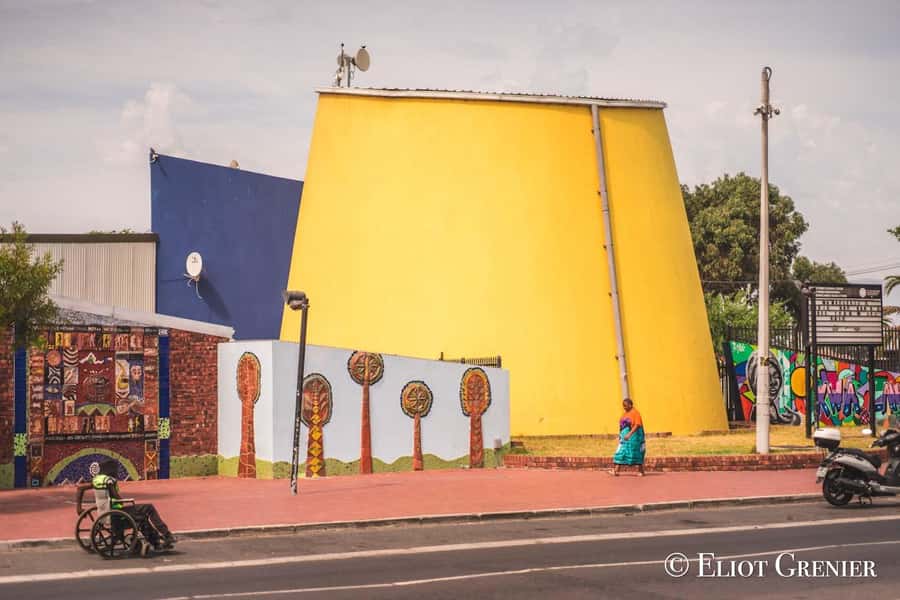
The meeting point is the Guga S’thebe Art Centre at 42 King Langalibalele Drive. This is more than a place to gather before the walk. It is a cultural center where local art, crafts, music, and community activity come together.
The exact opening activity can vary. You may see an arts and crafts market, meet local makers, or take part in a short traditional dance or drumming session. One visitor described beginning with drum lessons from local musicians. The planned arts and crafts segment lasts about 15 minutes, so treat it as a compact introduction rather than a long shopping stop.
You can buy crafts here, but purchases are not included in the $37 price. Bring some money if you want to support local artists. Small notes are useful for tips and donations too. Several people found that they did not have enough small change when they wanted to contribute at different stops.
Guga S’thebe also sets the right tone for the walk. Art here is not just decoration. It provides skills, income, a place for young people to gather, and a way to talk about identity and social change.
Learning Langa’s past on foot
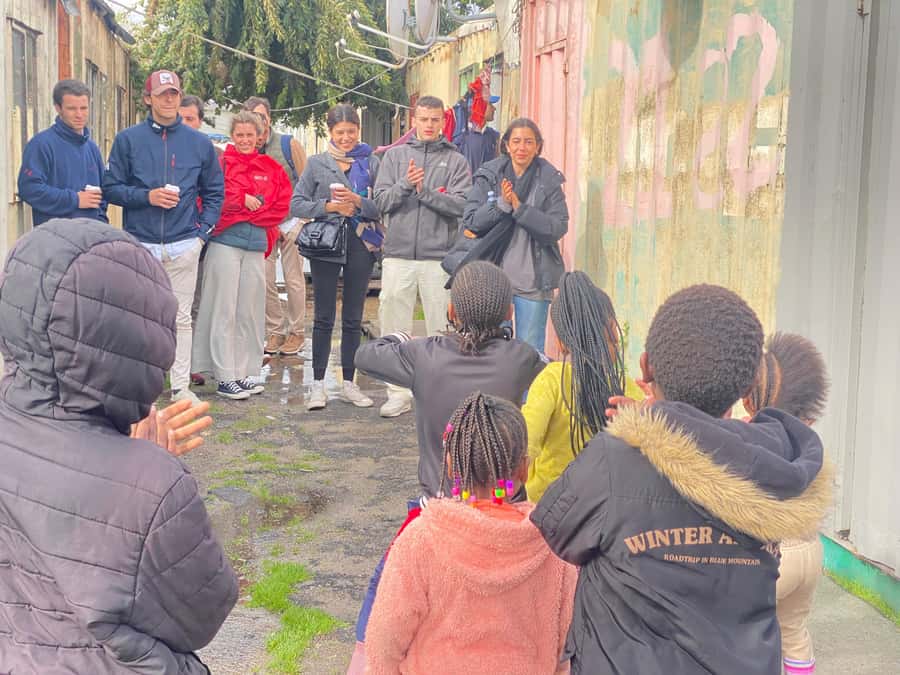
From the arts center, the walk moves into Langa itself. The first major theme is history, especially the way apartheid affected housing, movement, work, and family life.
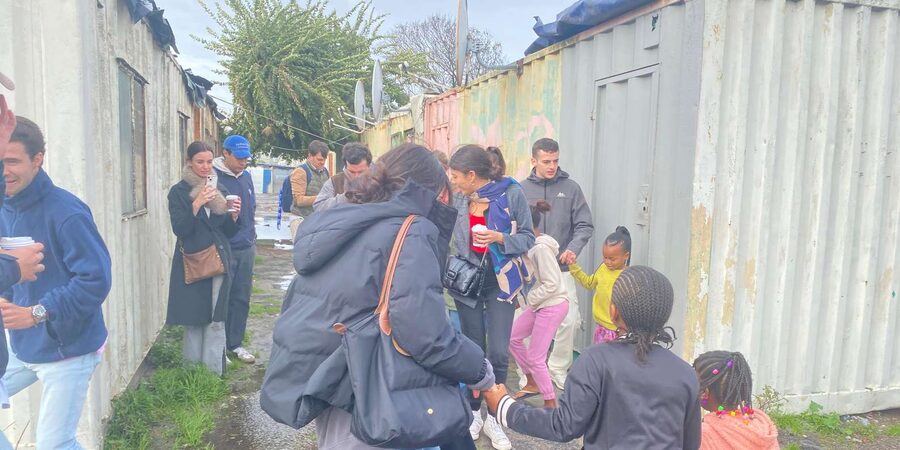
The guide explains Langa’s establishment in the 1920s and the meaning of its Xhosa name. You also learn about the restrictions that shaped township life, including the pass system. Stops may include the former dompas office and courtroom, places connected with the rules that controlled where Black South Africans could live and work.
This part of the tour matters because it puts current conditions into context. A row of small homes or informal structures can look like a simple fact when seen from a car window. On foot, with an explanation of the policies that created and maintained such separation, you begin to see the link between old laws and present-day inequality.
The history is not presented as a museum lesson alone. Guides add personal stories and explain how their families and neighbors experienced Langa. Names, places, and daily details make the past easier to grasp than a quick paragraph in a guidebook.
You will see tough realities. Some visitors described the experience as humbling or emotional, especially when the route entered areas with very limited resources. That is part of the point, but you should not book this expecting light entertainment. The tour asks you to pay attention.
Meeting residents and seeing daily work
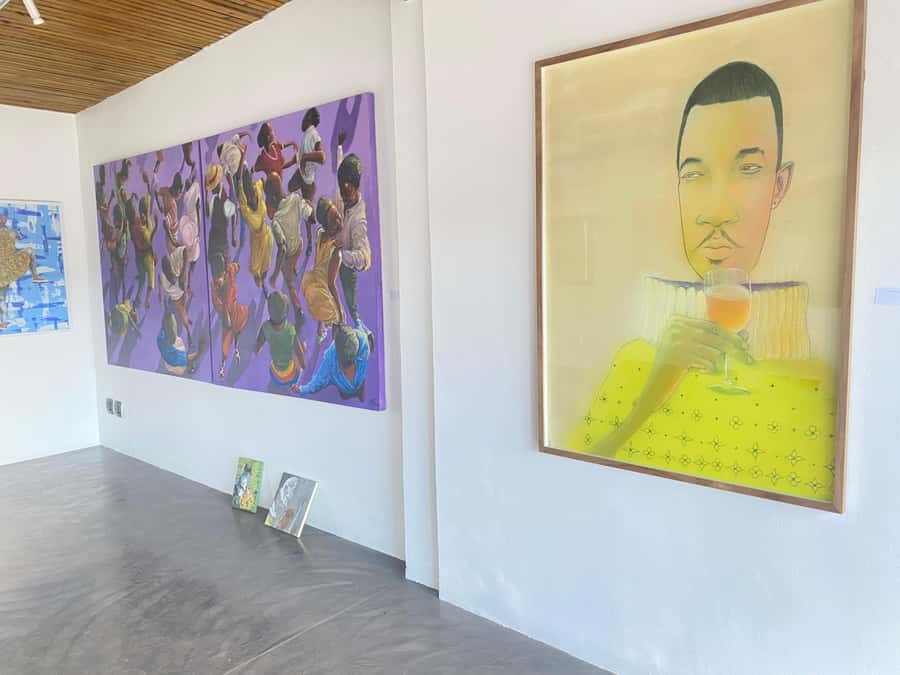
A major feature of this walk is the chance to meet people connected with local projects and small businesses. The guide may introduce you to residents, cooperative members, artists, educators, or entrepreneurs. These encounters give the tour more depth than simply walking past buildings.
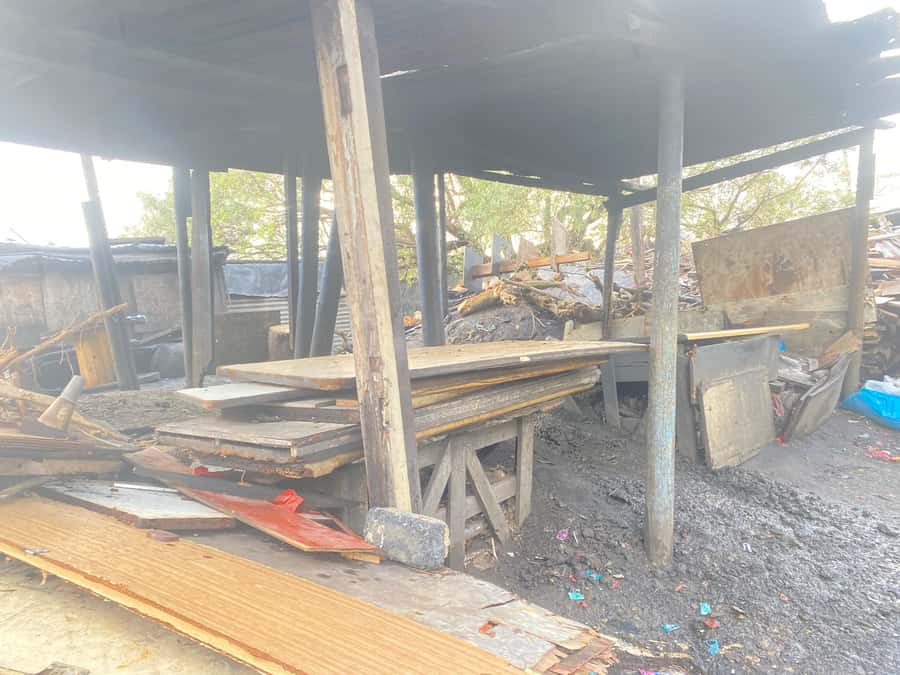
You might see a community center, a homework facility, a daycare or nursery, a soup kitchen, a home workstation, or a local enterprise. Some stops are active at certain times and quiet at others, so the route can feel different from one visit to the next. One family enjoyed seeing businesses such as Cloudy Deliveries, container homes, and a part of Langa known locally as Beverly Hills.
These contrasts are useful. Langa is not one uniform place, and the tour does not pretend that every resident has the same experience. You may see modest housing beside more established homes, new projects beside older buildings, and informal work beside organized businesses.
A visit to a local home is included. This can be one of the most personal parts of the experience, but it also requires good manners. Follow the guide’s lead, ask before photographing anything, and remember that you are entering someone’s living space, not a museum display.
Same country, a completely different kind of day:
- Wine Tour: Paarl, Franschhoek & Stellenbosch incl 3 wineries
★ 5.0 · 3,940 reviews - Cape Town: Hop-On Hop-Off Bus Tour with Optional Cruise
★ 4.8 · 3,929 reviews - Cape Town: Cape of Good Hope & Penguins Day Tour with Pickup
★ 4.7 · 3,362 reviews - Zipline Cape Town – From Foot of Table Mountain Reserve
★ 5.0 · 3,179 reviews
Art, murals, and the Langa Gallery on 16
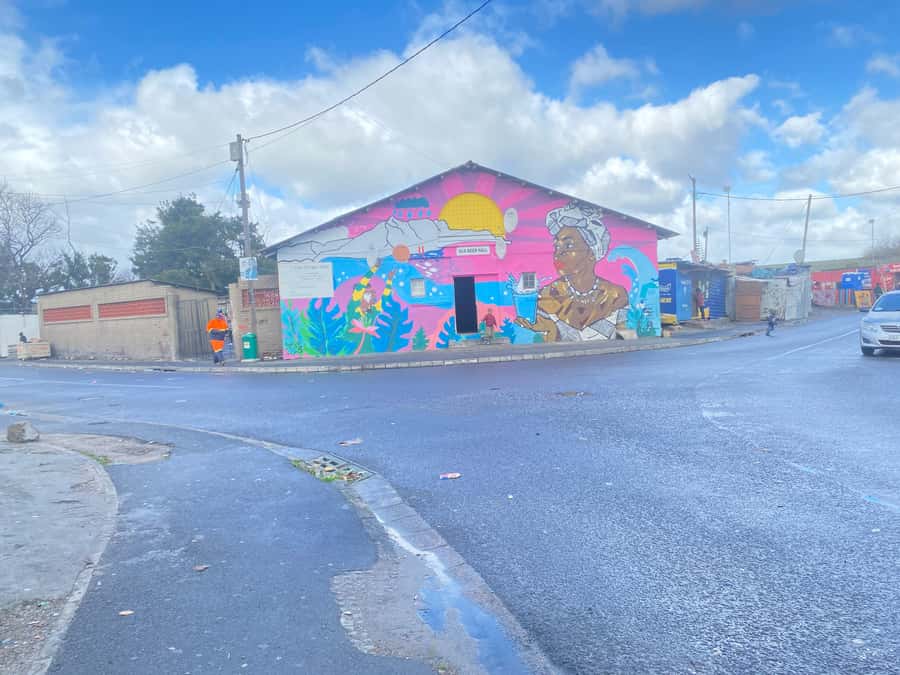
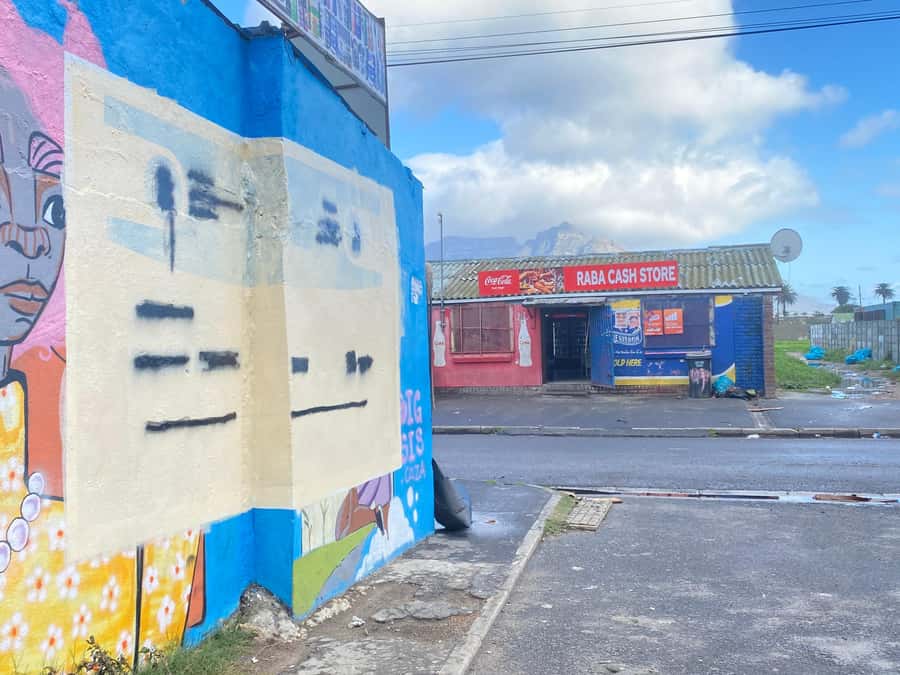
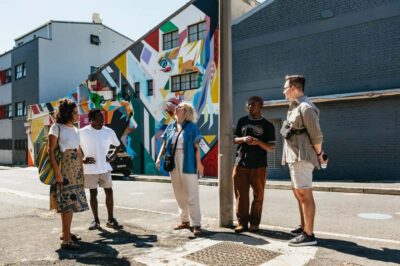
Langa’s art scene gives the walking tour color and energy without hiding the harder subjects. Murals and street art can reflect community pride, political memory, struggle, faith, and hopes for the future. Your guide explains the ideas behind the work instead of treating the walls as simple photo backgrounds.
The route includes Langa Art Gallery on 16, a worthwhile stop for anyone interested in local creative work. The gallery adds an indoor setting to the street art and helps show how artists can build careers and share local stories.
Art also connects to employment. Workshops and cultural spaces can teach skills, create income, and give young people a constructive place to spend time. This is one reason the tour feels broader than a history walk. It shows how culture can support community life in practical ways.
You will have photo opportunities, including a planned 10-minute photo stop. Still, do not let your camera take over. Ask permission before photographing people, especially children, and listen when the guide sets limits.
Food, music, and local customs
Food may be included as a short tasting or an informal stop, depending on the route and the day. Possible dishes include bunny chow, braai, koeksisters, samp, chakalaka, or other local fare. One visitor ate a fried liver sandwich with the guide, while another visited Jordan Ways of Cooking Restaurant for samp and chakalaka.
These details are valuable because food explains social life in a way that a lecture cannot. You learn what people eat at gatherings, how meals fit into celebrations, and which dishes are familiar comfort food. The experience may be simple rather than restaurant-style, so come with an open mind.
Traditional Xhosa customs may also form part of the discussion. The guide can talk about dress, music, dance, language, and community traditions. If a dance or music activity is available, you may be invited to join. The experience is more rewarding when you participate with good humor and respect, rather than treating it as a performance arranged solely for outsiders.
Food and activities are not guaranteed in exactly the same form every time. Timing, availability, and the day’s community schedule can affect what is open or taking place.
Community projects and the people building change

The tour’s most hopeful element is its focus on people working to improve Langa from within. You may hear about cooperatives, youth programs, social enterprises, craft workshops, education projects, and eco-friendly efforts.
These projects matter because they address more than immediate need. Skills training can lead to work. Homework centers can give young people support after school. Arts programs can strengthen local identity while opening paths to income. Community centers can provide a place for residents to organize and share resources.
Some visitors found it useful to bring cash for donations, especially at a nursery or other local initiative. Ask your guide which contributions are appropriate. Do not hand out sweets, toys, books, or pencils to children without checking first. One guide specifically advised against distributing those items because they can cause arguments and attract unwanted attention. A donation made through the project is usually more thoughtful and useful.
Child protection deserves serious attention here. If the route includes a daycare, nursery, homework center, or orphanage, you should not assume that entering such a place is automatically appropriate. Do not photograph children, and ask how the organization handles visitors. One visitor felt that an orphanage stop should be removed from a public tour because visitors are unlikely to have the clearances required to work around vulnerable children. That concern is worth taking seriously.
Safety, comfort, and the practical side
The price is $37 per person. For 150 minutes with a qualified local guide, a home visit, the art gallery, cultural sites, and community introductions, I consider that fair value. It is also a direct way to put part of your sightseeing budget into a locally operated activity rather than a large outside company.
The tour begins and ends at 42 King Langalibalele Drive, with Guga S’thebe Art Centre listed as the meeting point. If you drive, parking directly outside the center has been described as secure, with a nearby police station, CCTV, and a parking minder. If you use a taxi, arrange your return before the walk ends. One guide waited with a visitor until a car arrived.
Most people felt safe with their guide, and that is important. You should still follow normal city precautions: keep valuables out of sight, do not wander away from the group, and ask before taking pictures. The guide’s local relationships help you move through the area respectfully and with better awareness.
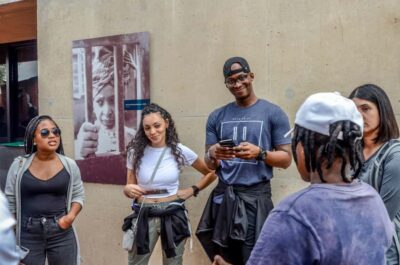
Wear comfortable shoes and practical clothing. The tour lasts two and a half hours and includes substantial walking, with stops at the arts center, museum, gallery, community projects, residential areas, and photo points. It may suit older children and teenagers who can listen and walk for that length. One family completed it with children aged 12 and 15.
The booking information contains a mobility inconsistency. It describes the activity as wheelchair accessible but also says it is not suitable for wheelchair users. Because the route is a walking tour through varied community areas, contact the provider before booking if you use a wheelchair or have limited mobility.
Free cancellation up to 24 hours before the start and a reserve-now, pay-later option make planning easier. English is the listed tour language, and the experience includes a live guide.
Who will get the most from this tour
I would choose this walk if you want to understand Cape Town beyond its postcard sights. It suits curious visitors who are willing to ask respectful questions and accept that the answers may be complicated.
It is especially useful early in your Cape Town stay. The history can change how you understand other parts of the city, including the sharp differences between the CBD, suburbs, townships, and wealthier areas. It also works well for repeat visitors who have already seen Table Mountain, the waterfront, and the Cape Peninsula.
Families with thoughtful teenagers can benefit too. The walk offers real context without requiring a long museum visit, though parents should prepare children to behave respectfully around homes, businesses, and children.
I would not choose it if you want a relaxed food tour, a short photo excursion, or a predictable schedule. The experience can be emotional, and the exact community stops may change. You need to be comfortable with uncertainty and with seeing poverty without expecting a quick solution.
Should you book the Langa Township Walking Tour?
Book it if you want a local guide, honest conversation, and a fuller picture of Cape Town. The best part is not one landmark. It is the combination of history, art, ordinary streets, local business, food, and personal stories.
Go with enough small cash for a tip, crafts, or an appropriate donation. Wear good walking shoes, keep your camera respectful, and ask your guide how to support local projects rather than handing items directly to children.
At $37, this is one of the more meaningful ways to spend an afternoon in Cape Town. It will not give you a tidy version of South Africa, and that is precisely its value. It gives you context, human contact, and a clearer understanding of a community that is still dealing with the past while working toward something better.
FAQ
How long does the Langa Township Walking Tour last?
The tour lasts 150 minutes, or two and a half hours. The guided walking portion is listed as about two hours, with a 15-minute arts and crafts market and traditional dance stop and a 10-minute photo stop.
Where does the tour meet?
The meeting point is the Guga S’thebe Art Centre at 42 King Langalibalele Drive in Langa.
What language is the tour offered in?
The tour is offered in English with a live tour guide.
What does the $37 price include?
The price includes a qualified tour guide, a visit to one local home, and a visit to Langa Art Gallery.
Are arts and crafts included in the price?
No. Arts and crafts are not included, so bring money if you want to buy something at the local market or support an artist.
Should I tip the guide?
Yes. A tip for the guide is requested and should be budgeted separately from the tour price.
What should I wear?
Wear comfortable shoes and practical clothing suitable for a walking tour.
Is the tour wheelchair accessible?
The activity information gives conflicting details, describing it as wheelchair accessible while also saying it is not suitable for wheelchair users. Contact the provider before booking if you need wheelchair access.
Can I cancel the booking?
You can cancel up to 24 hours in advance for a full refund. A reserve-now, pay-later option is also available.
Just added around Cape Town
- Lion’s Head Hike: Cape Town – Sunrise or Sunset Hike★ 5.0 · 29 reviews
- Lion’s Head Sunrise or Sunset Hike + Hotel Pick-Up★ 5.0 · 24 reviews
- Lion’s Head: Hike with a registered hiking guide★ 5.0 · 3 reviews
- Kruger National Park 3 Days Best Ever Safari from Cape Town★ 4.1 · 11 reviews
- Koeksister and Samoosa Class by the Malay Cook Up★ 4.8 · 9 reviews
- Kirstenbosch Garden, Bo-Kaap-Penguins & Cape Peninsula Tour★ 3.9 · 7 reviews
- Khayelitsha: 3-Hour Township Walking Tour★ 5.0 · 6 reviews
- Cape Town: Constantia Half-Day Wine Tour & Tastings★ 4.9 · 15 reviews
Walking Tours, compared.


Browse the lists this tour appears in