
Reviewed · SOWETO TOURS
Soweto Walking Tour with Lunch
Soweto is not a sightseeing backdrop. It is a living community shaped by the fight against apartheid, and this tour puts you on the streets where that struggle unfolded. You walk from the Hector Pieterson Memorial through Vilakazi Street, past the homes of Nelson Mandela and Desmond Tutu, then finish with a kota sandwich at Orlando Towers.
I like the local guide-led format, especially because Maweza, also spelled Mawesa in some tour details, is described as a Soweto native who adds personal and family experience to the wider story. I also like the balance between major landmarks and less polished places, including an informal settlement where the present-day reality of unemployment comes into view.
The main drawback is practical: Mandela House admission is extra, transport to and from the meeting point is not included, and a maximum group size of 100 could feel large for a walking tour. You should also allow time to find the correct meeting point, since the booking information gives several possible choices.
Key points to know before you book

- The tour begins at Hector Pieterson Museum, where you get the background needed to understand Soweto’s 1976 student uprising.
- Vilakazi Street links two Nobel Peace Prize winners, Nelson Mandela and Desmond Tutu, in one short stretch.
- The guide’s local roots matter, with Maweza praised for combining personal experience with a detailed account of apartheid and modern Soweto.
- The walk includes both famous sites and ordinary streets, including Baragwanath Road and an informal settlement.
- Lunch is a filling kota sandwich, a South African township-style burger served at Orlando Towers.
- The $40.26 price includes lunch and bottled water, but not pickup, drop-off, or entry to Mandela House.
Why this Soweto walk matters
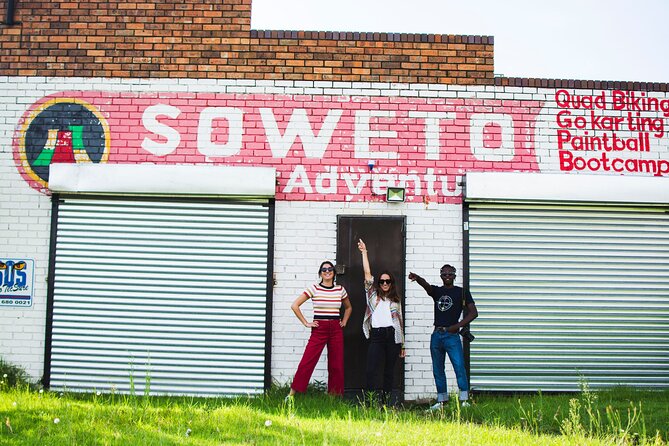
Soweto is often reduced to a few famous names: Mandela, Tutu, Hector Pieterson, and the 1976 uprising. That misses the point. The value of this four-hour walk is the way those names are placed in real streets, homes, schools, and neighborhoods.
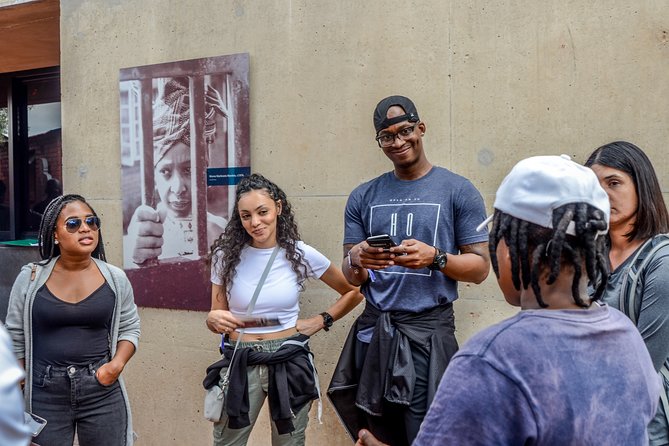
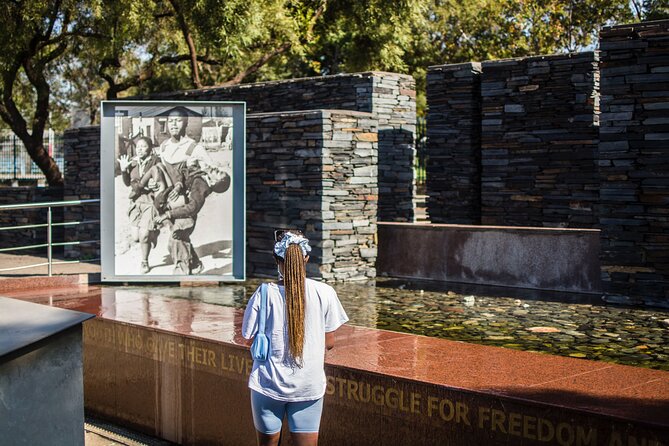
You begin at the Hector Pieterson Museum and Memorial. From there, the guide explains how students protested the forced use of Afrikaans in schools on June 16, 1976, and how police violence turned a school protest into a national crisis. The museum stop is short, about 30 minutes, but it gives the rest of the walk a clear focus.
I would choose this tour early in a Johannesburg stay if you want the city’s political story to make more sense. The guide’s explanations connect apartheid laws, living conditions, resistance, and the changes that followed. This is not just a roll call of famous people. It is an attempt to show how policy shaped daily life.
The tone also matters. Several accounts describe Maweza as calm, friendly, and careful when discussing painful subjects. He is said to explain the past while also addressing current struggles in Soweto. That balance is useful because the township is neither only a place of suffering nor a simple feel-good tourism stop.
More Soweto Tours in Johannesburg
- Johannesburg: Hop-On Hop-Off Bus with Optional Soweto Tour
★ 4.6 · 985 reviews - Soweto /Johannesburg and Apartheid Museum Guided Full Day Tour
★ 5.0 · 932 reviews - Johannesburg Hop-On Hop-Off City Tour with Soweto Option
★ 4.5 · 768 reviews
Hector Pieterson and the streets of the 1976 uprising
The first part of the walk centers on the uprising and its human cost. At the museum, you learn about Hector Pieterson, the 13-year-old student whose death became one of the defining images of apartheid-era South Africa.
The next stop is Moema Street, reached on foot from the museum. Here, the guide traces the route and circumstances connected with the young people of 1976. You hear about the shooting, the conditions in which Soweto residents lived, and what followed after the uprising.
This is where a walking tour has an advantage over a drive-by visit. You have time to look at the streets and consider the distance between sites. The guide can point out how the events fit into the neighborhood rather than presenting them as isolated museum facts.
The section lasts about 20 minutes, so do not expect a long museum visit or an extensive look at every part of the uprising. Its purpose is to set the stage for the rest of the walk. If you want a full day devoted to apartheid-era museums, this half-day outing will feel limited. If you want a direct introduction before exploring more of Johannesburg, the pace works well.
Vilakazi Street, where Mandela and Tutu lived
From Moema Street, the route continues to Vilakazi Street. This is one of the most important stops because two Nobel Peace Prize winners lived in this neighborhood: Nelson Mandela and Archbishop Desmond Tutu.
The street is also one of Soweto’s best-known visitor areas, so it feels more prepared for tourism than some of the quieter streets on the route. You get about 10 minutes here before moving on, which is enough to understand why the street matters but not enough for a leisurely browse.
That short timing is worth noting. If you want to study every plaque, shop for crafts, or stop at vendors, you may wish for more freedom. One account specifically wished there had been time to visit local sellers. The tour is built around the guide’s story and the group’s route, not open-ended shopping.
Still, Vilakazi Street gives the walk a strong center. Mandela and Tutu lived close to one another, yet their roles in South Africa’s transition were distinct. A good guide can use the street to explain those different paths and the wider network of people who challenged apartheid.
Mandela House and Tutu House
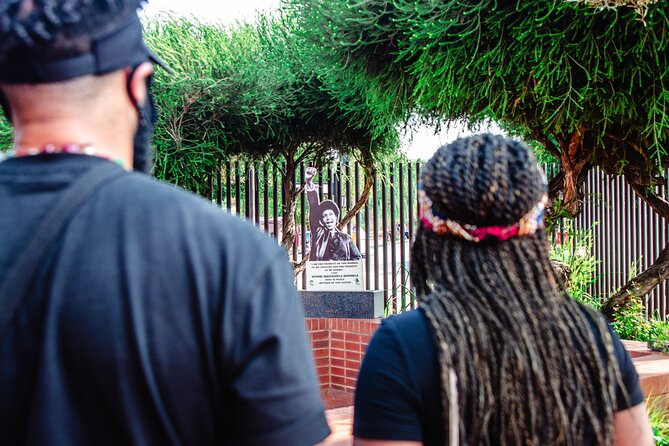
Mandela House is the iconic home connected with Nelson and Winnie Mandela. The tour allows about 20 minutes at the site, but the entry fee is not included in the price.
That extra cost is small compared with the value of seeing the house, but you should know about it before you arrive. The tour can introduce the setting and Mandela’s connection to Soweto, while the house itself offers a more focused look at his domestic life and political story.
The nearby Tutu House stop lasts about 10 minutes and is free according to the tour details. Here, the guide discusses Archbishop Desmond Tutu, his religious leadership, and his criticism of apartheid.
The two homes work best together. Mandela is often presented through political leadership and imprisonment. Tutu offers another route into the struggle, using faith, public criticism, and moral pressure. Seeing both addresses on the same street helps you understand why Vilakazi Street carries such weight.
Do not expect long interior visits at both locations. The listed timing is brief, and the walk has several more stops ahead. If Mandela House is your main reason for coming to Soweto, check the exact entry arrangements when you book and budget for the admission separately.
Same country, a completely different kind of day:
- From Johannesburg: Pilanesberg Nature Reserve Game Safari
★ 4.8 · 1,327 reviews - Full Day Ultimate Pilanesberg National Park Safari from Johannesburg or Pretoria
★ 4.5 · 718 reviews - Half-Day Tour of Soweto Tour
★ 4.5 · 712 reviews - Soweto: Walking Tour with a Local Guide and Lunch
★ 4.9 · 648 reviews
Baragwanath Road and everyday Soweto
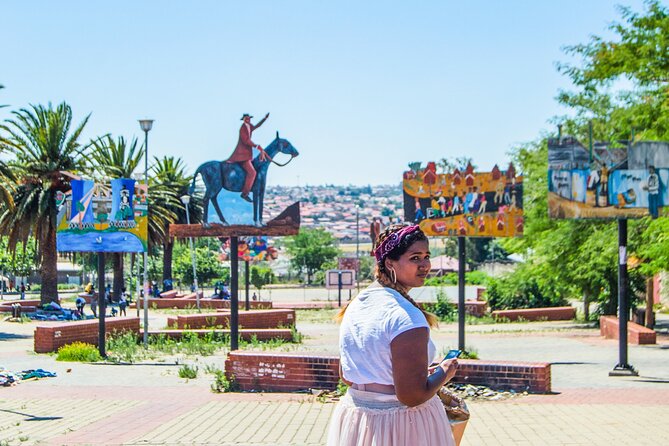
After the famous homes, the tour returns to a broader view of Soweto on Baragwanath Road. This section lasts about 30 minutes and focuses on the first formal houses that helped form the township.
This is an important change of pace. You move from internationally known figures to the built environment and ordinary residential areas. The guide explains how housing shaped the township and how different parts of Soweto reflect different social conditions.
The walk may also include an informal settlement. That can be one of the most affecting parts of the experience, but it requires care. You are not visiting a set or an exhibit. People live there, and the value of the stop depends on respectful behavior, attentive listening, and avoiding intrusive photographs.
The strongest accounts of this tour describe the guide as well known and respected in the neighborhood. That local connection can make a real difference, especially in places where an outsider might miss the proper tone. You should still follow the guide’s instructions and ask before taking photos.
This section also helps prevent a common misunderstanding. Soweto is not one uniform community. The guide discusses different social classes, formal housing, informal housing, employment problems, and the ways the township has changed. The result is a more honest picture than a quick visit to the major landmarks alone.
Orlando Towers and a kota lunch
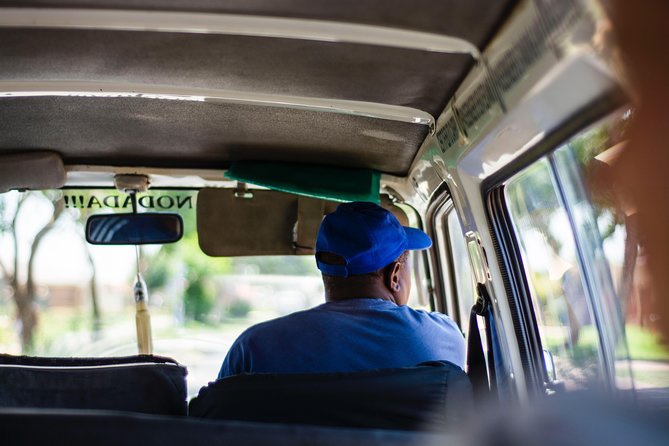
The final stop is Orlando Towers, a striking Soweto landmark and a popular place for photographs. The tour allows about an hour here, making it the longest stop of the day.
Lunch is a kota sandwich, sometimes described as a local burger. A kota is a large township-style sandwich, usually built around a hollowed loaf with fillings. The precise filling is not specified here, but you can expect a substantial meal rather than a light snack.
The timing is useful. The lunch is served around late morning on some outings, so arrive ready to eat even if you normally have lunch later. One direct account advised coming hungry because the kota is filling.
Bottled water is included. Other food, drinks, or purchases are not. You may want cash if you plan to buy something from local vendors or thank guides who help with parts of the route. Gratuities are not listed as included, and one account noted that different guides may lead different sections.
Orlando Towers gives the tour an easier ending after the heavier historical material. You can take photographs, eat, and talk through what you have seen. The stop is not only about a landmark. It also connects the tour to present-day Soweto, where history, local business, recreation, and daily life sit side by side.
How good is the local guiding?
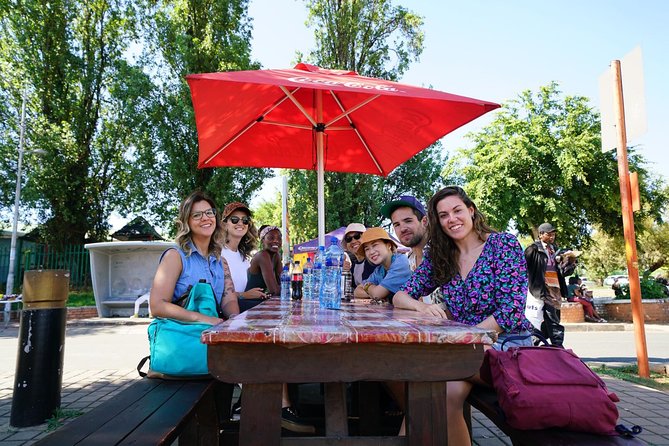
The guide is the most important part of this experience. The route itself is worthwhile, but the meaning of each stop depends on the person explaining it.
Maweza is the name most often associated with the tour, and he is described as a Soweto local with strong knowledge of South African history and apartheid. He is also praised for answering questions clearly, sharing personal experiences, and making people feel safe during the walk.
Another guide name connected with the experience is Mulalo Mphuma. Guide assignments can vary, so you should not assume one specific person is guaranteed unless the booking confirmation says so.
What I like here is the mix of formal information and lived perspective. You get the basic facts about 1976, Mandela, Tutu, and apartheid, but you also hear about present-day problems and the social differences within Soweto. That makes the tour more useful than a memorized speech.
The guide is also reported to have adjusted the walk for older family members and to have helped participants feel comfortable. That suggests a considerate approach, though you should still be ready for four hours of walking and standing.
Walking, timing, and group size
The tour lasts about four hours and offers morning or afternoon departures. That choice is handy if you want to fit Soweto around another Johannesburg activity.
The itinerary contains several short stops, with the longer portions at the Hector Pieterson Museum, Baragwanath Road, and Orlando Towers. Since the experience is on foot, wear comfortable shoes and bring sun protection. Those are sensible preparations for any four-hour outdoor walk, even though the tour details do not list a specific clothing requirement.
The meeting point is the Hector Pieterson Museum. Pickup and drop-off are not included, so you need to arrange your own way there and back. The tour is near public transportation, which helps, but the booking process can present three meeting-point choices. Confirm the correct location carefully before the day of the tour. One person arrived late after choosing the wrong option from unclear instructions, an avoidable problem.
The stated maximum is 100 people. That is a large possible group for a walking tour, and the experience will feel more personal if the actual number is smaller. A big group can make questions, street crossings, and conversation harder. Ask about the expected group size if that matters to you.
Most people can take part, according to the activity information. Still, tell the operator in advance if someone in your party needs a slower pace. The route includes walking through several areas, and the guide may be able to help, but specific accessibility details are not provided.
Is $40.26 a fair price?
At $40.26 per person, this is a reasonable price for a four-hour guided experience that includes lunch and bottled water. You are paying mainly for the guide’s time, local knowledge, and the structure of the route, not for a long list of included admissions.
The price does not cover transport to or from the meeting point, entry to Mandela House, or additional purchases. Add those costs before comparing it with a private car tour or a larger Johannesburg sightseeing package.
I see the best value in the local interpretation. You can visit Vilakazi Street and the Hector Pieterson Museum independently, but you may not understand how the uprising, housing, political resistance, and current conditions connect. A skilled local guide supplies that missing context.
The value is lower if you want a relaxed shopping walk, long museum visits, or door-to-door transport. It is higher if you have limited time in Johannesburg and want a focused introduction to Soweto without trying to plan each stop yourself.
Who should book this Soweto experience?
I would recommend it to first-time visitors to Johannesburg who want to understand Soweto beyond a few photographs. It suits families with older children and teenagers as well. A 15-year-old is specifically described as enjoying the tour, and the subject gives young visitors a clear way to connect South African history with real places.
It is also a good fit for anyone who values local voices. The guide’s personal connection to Soweto is central to the experience, especially when the conversation turns from apartheid to current life.
You may want a different format if you dislike walking, need guaranteed transport, or want plenty of time inside museums. You should also think carefully about how you approach the informal settlement stop. Come ready to listen, act respectfully, and accept that some parts may be uncomfortable.
The cancellation policy is forgiving if your plans change: cancel at least 24 hours before the start time for a full refund. Changes or cancellations within 24 hours are not refunded.
Should you book it?
Yes, if you want a thoughtful and well-paced introduction to Soweto, especially with a local guide such as Maweza. The combination of Hector Pieterson, Moema Street, Vilakazi Street, Mandela House, Tutu House, Baragwanath Road, and Orlando Towers gives you both the major landmarks and a look at everyday township life.
Book it with realistic expectations. This is not a private chauffeur tour, a shopping trip, or a full museum day. Confirm the meeting point, budget for Mandela House admission, bring comfortable shoes, and keep the schedule open enough to absorb the subject. For many visitors, the kota lunch and tower views will be memorable, but the real value is the connection between Soweto’s past and its present.
FAQ
How long does the Soweto Walking Tour with Lunch last?
The tour lasts approximately four hours.
Where does the tour begin?
The tour begins at the Hector Pieterson Museum and Memorial.
Is hotel pickup included?
No. Pickup and drop-off are not included.
Is lunch included?
Yes. The tour includes a local burger-style kota sandwich.
Is bottled water included?
Yes. Bottled water is included.
Is entry to Mandela House included?
No. Admission to Mandela House is not included.
Can I choose a morning or afternoon departure?
Yes. The tour offers a choice of morning or afternoon tours.
How far in advance is the tour usually booked?
It is booked an average of 15 days in advance.
What is the cancellation policy?
You can cancel at least 24 hours before the start time for a full refund. Cancellations or changes made within 24 hours are not refunded.
More Walking Tours in Johannesburg
- Johannesburg: Local Food Tasting Guided Walking Tour
★ 4.7 · 192 reviews - Johannesburg: City Centre Walking Tour
★ 4.8 · 152 reviews - Johannesburg City Centre Walking Tour
★ 5.0 · 80 reviews - Johannesburg: Guided Walk with Lions in the African Bush
★ 4.7 · 45 reviews
More Lunch Experiences in Johannesburg
- Full-Day Soweto, Apartheid Museum and Lunch Tour
★ 5.0 · 410 reviews - Soweto: Guided Bicycle Tour with Lunch
★ 4.9 · 292 reviews - Johannesburg and Soweto Apartheid Full Day Tour w/Lunch
★ 4.9 · 219 reviews - Guided Bicycle Tour of Soweto with Lunch
★ 5.0 · 180 reviews
Just added around Johannesburg
- Lion park★ 4.5 · 5 reviews
- Lesedi cultural village:★ 5.0 · 6 reviews
- Lesedi Cultural Village with lunch or dinner cultural food★ 4.6 · 9 reviews
- Lesedi Cultural Village Half-Day Tour★ 4.7 · 9 reviews
- Lesedi Cultural Village★ 4.9 · 4 reviews
- Kruger National Park – 5 Day Safari Tour★ 4.7 · 4 reviews
- From Johannesburg: Kruger National Park 4-Day Luxury Safari★ 4.8 · 9 reviews
- Kruger National Park – 4 Day Safari Tour★ 4.8 · 19 reviews
Soweto Tours, compared.

Soweto /Johannesburg and Apartheid Museum Guided Full Day Tour
Read our review →
Johannesburg Hop-On Hop-Off City Tour with Soweto Option
Read our review →

Jo’berg in 1 Day: Soweto, Apartheid Museum & City Tour
Read our review →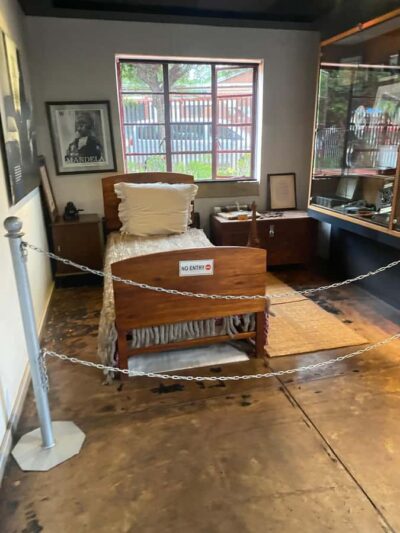
Full-Day Tour with Soweto and Apartheid Museum
Read our review →
Browse the lists this tour appears in