
Reviewed · COOKING CLASSES
Authentic African Cuisine Cooking Experience
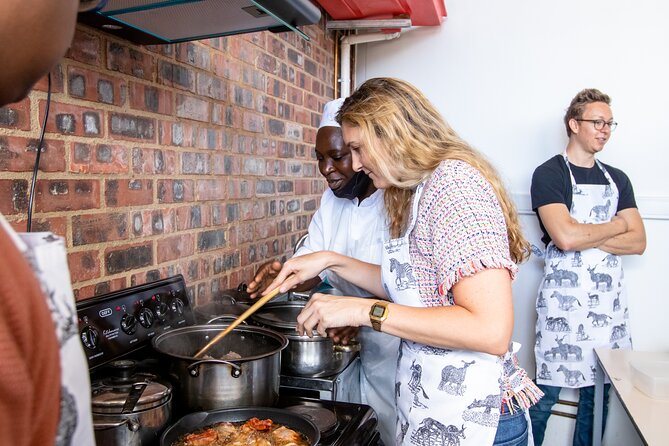
The best part of this Cape Town experience is that you do not simply sit down to eat African food. You help make a full meal, from Sadza and chicken stew to chakalaka and sugar beans, then share it around the table in the style of an African home. Caleb handles much of the food history and explanation, while Florence leads the cooking with a warm, practical touch.
I like the small group size, capped at 10 people, and the chance for everyone to prepare one or two dishes. I also like the personal welcome, with African drinks and starter snacks before the cooking begins. The main consideration is that this is designed for basic cooks, so experienced chefs may find the hands-on work fairly simple.
Key points at a glance
- A full Southern African meal: Prepare Sadza, beef bones with greens, chicken stew, peanut butter vegetables, chakalaka, and sugar beans.
- Caleb and Florence lead the class: Expect food history, demonstrations, cooking help, and plenty of conversation.
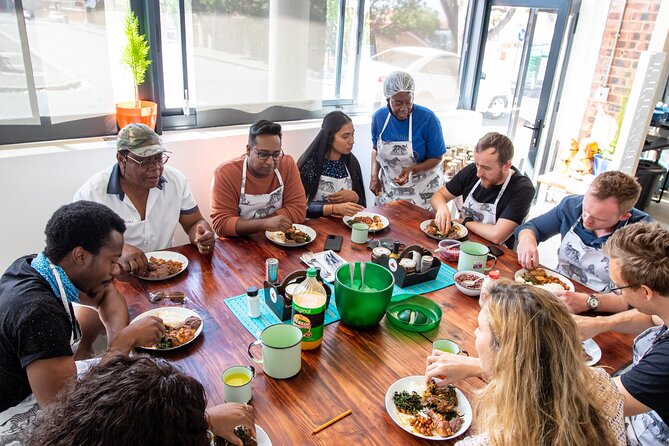
- Shared meal at Pahari African Restaurant: The class ends with a communal lunch or dinner, followed by African tea or coffee.
- Vegetarian and vegan choices: Meat dishes are part of the standard menu, but alternatives are available.
- Small and social: The maximum group size is 10, with each person given a chance to contribute.
- Good value for a meal and class: At $57.51 per person, the price covers instruction, food, drinks, snacks, and coffee or tea.
Why this cooking class feels different
Many cooking classes give you a recipe, a work surface, and a plate to take home. This one puts equal weight on the people, the food, and the customs around the meal.
You begin at Pahari African Restaurant in Salt River, a short ride from central Cape Town. The setting is not presented as a staged cultural show. Instead, the experience is built around cooking and eating together, with the hosts explaining how dishes developed and how recipes passed through families over time.
That matters because several of the foods on the menu may be unfamiliar to you. Sadza, also called mealie pap, is a staple made from maize meal. Chakalaka brings a spicy vegetable element to the table, while peanut butter vegetables show how ground nuts can be used in savory cooking. The class gives you a reason to understand the food before you taste it.
The tone is friendly and informal. You are expected to get involved, and the small group helps the class feel more like a shared meal than a formal demonstration. If you are traveling as a couple, family, or small work group, you may find the format especially comfortable.
A few more Cape Town trips to weigh up
- Cape Town: Malay Cooking Class and Lunch in Bo-Kaap
★ 4.8 · 515 reviews - Cape Town: Cape Malay Cooking Class in Bo-Kaap
★ 4.8 · 120 reviews - Cape Town: Bo-Kapp Walking Tour and Malay Cooking Class
★ 4.7 · 105 reviews
Meeting Caleb and Florence in Salt River
Your meeting point is Pahari African Restaurant at 121 Cecil Road, Salt River, Cape Town, postal code 7925. The activity ends at the same location, so you do not need to arrange a second pickup point after dinner.
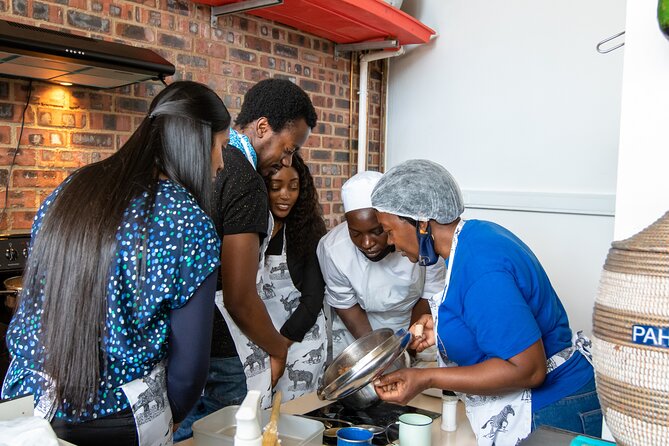
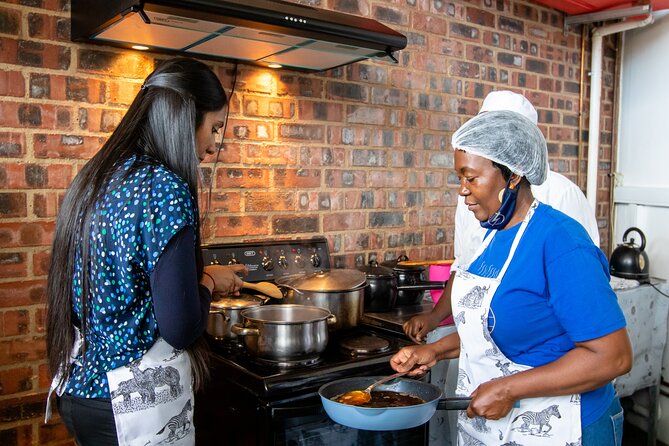
Caleb and Florence are central to the experience. Caleb gives the opening explanation of African cuisine, including ingredients, food traditions, and the background of the dishes you will prepare. Florence takes a leading role in the cooking portion, guiding you through the practical steps and helping the group work together.
Several useful details make the arrival easier. The restaurant is near public transportation, and it is a known location for local ride-hailing drivers. If you use Uber, enter the restaurant name and full address clearly. One practical tip is to tell your driver you are going to Pahari African Restaurant, since that was specifically useful to people finding the location.
The booking confirmation arrives at the time of booking, and you receive a mobile ticket. Private transportation is not included, so you will need to make your own way to Salt River.
Drinks and African starter snacks
The cooking does not begin with an empty stomach. You are welcomed with a choice of African drinks and starter snacks, both of which help set the tone for the meal.
This opening is useful for two reasons. First, it gives you time to meet the hosts and the rest of the group. Second, it introduces African flavors before you begin handling the main ingredients. You can ask questions about the food as the class gets underway rather than waiting until the end.
The included drinks also add value to the $57.51 price. The package covers alcoholic beverages, snacks, lunch or dinner, and coffee or tea. The exact drink choices are not specified, so you should not book this expecting a particular wine, beer, or soft drink. The important point is that refreshments are part of the experience rather than an extra charge.
Learning the story behind the dishes
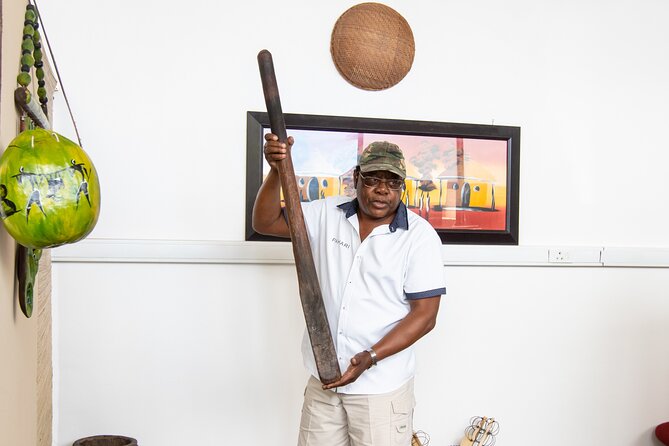
Before the cooking gets busy, Caleb explains the background of African cuisine and the way recipes have changed over time. This is one of the strongest parts of the experience for anyone who wants more than a quick meal.
The history lesson is tied to the food in front of you. You learn about the ingredients, how dishes evolved, and how recipes were handed down across generations. Caleb also discusses starters and their nutritional value, adding context that helps you understand why particular ingredients appear together.
I like this approach because it avoids treating African food as one single tradition. The meal includes several different preparations, and the explanations give each dish a place at the table. You leave with more than a list of ingredients. You have a clearer idea of how staple foods, vegetables, meat, and legumes work together in a Southern African meal.
The information is suited to beginners. One person who had taken many cooking classes felt the practical section was aimed at basic cooks, though the food and information were still strong. If you already cook professionally or want advanced knife skills and technical instruction, this may feel too gentle. If you want a friendly introduction to the cuisine, the pace should be a better match.
Same country, a completely different kind of day:
- Wine Tour: Paarl, Franschhoek & Stellenbosch incl 3 wineries
★ 5.0 · 3,940 reviews - Cape Town: Hop-On Hop-Off Bus Tour with Optional Cruise
★ 4.8 · 3,929 reviews - Cape Town: Cape of Good Hope & Penguins Day Tour with Pickup
★ 4.7 · 3,362 reviews - Zipline Cape Town – From Foot of Table Mountain Reserve
★ 5.0 · 3,179 reviews
Getting your hands dirty with Sadza and stews
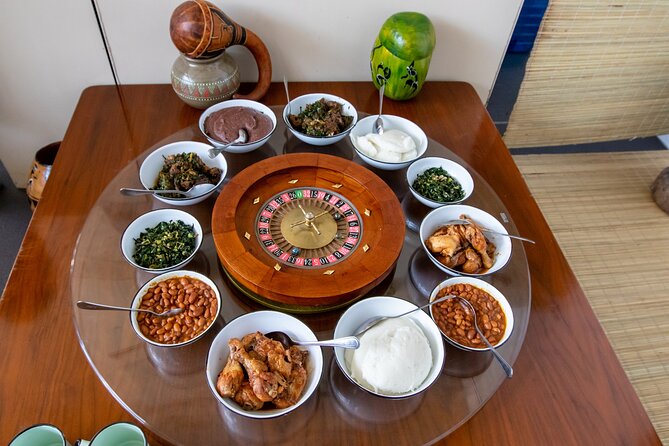
The hands-on portion covers a generous number of dishes. You will learn to prepare Sadza, or mealie pap, along with meaty beef bones mixed with green vegetables, chicken stew, green vegetables with peanut butter, chakalaka, and sugar beans.
Sadza is an important part of the meal because it provides a familiar base for the stews and vegetables. It is not meant to be a fancy side dish. It is a staple, and learning to make it gives you a better feel for how the rest of the meal is eaten.
The beef bones and greens bring a hearty element, while the chicken stew offers another main dish with a different flavor and texture. The peanut butter vegetables are especially interesting if you have only used peanut butter in sweet food. Here it is part of a savory preparation, adding body and a nutty taste.
Chakalaka gives the meal a sharper, spiced vegetable component. Sugar beans add a filling, plant-based dish that balances the meat. Together, the menu shows how one meal can include several textures and levels of seasoning without relying on a single centerpiece.
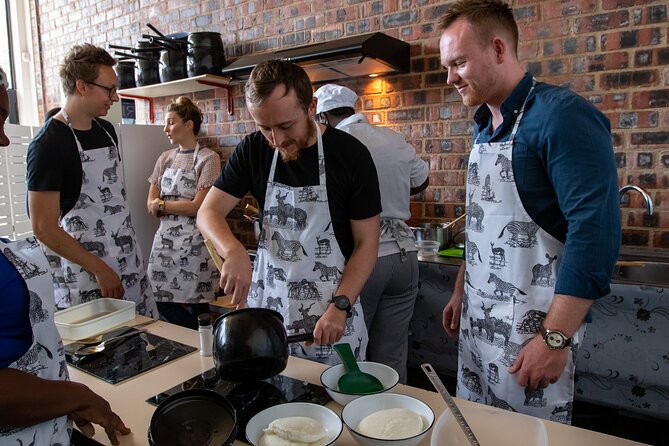
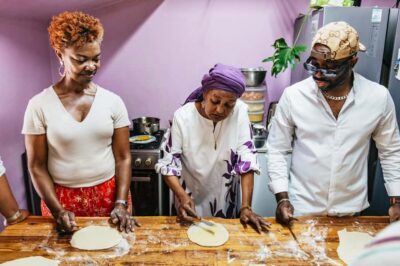
Each person has an opportunity to contribute. You may prepare one or two dishes, depending on the group and the way the class is divided. The exact cooking jobs can vary, but the format is participatory rather than a long demonstration where you only watch.
A meal shared the African way
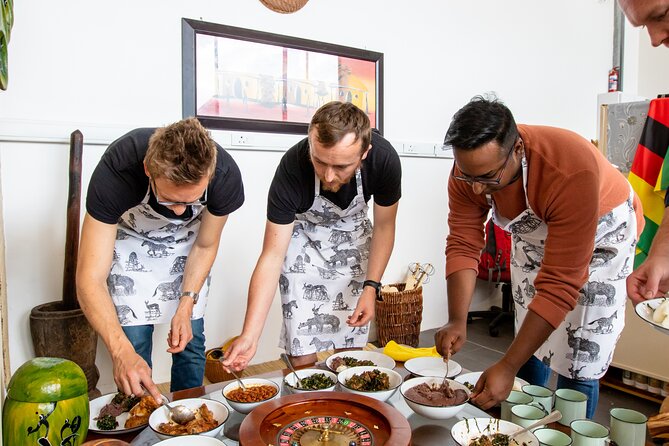
Once the dishes are ready, everyone eats together. The meal is communal, reflecting the way food is often enjoyed in an African home.
This shared ending is more than a convenient way to finish the class. It lets you taste the food at its best, after you have helped make it, and it creates time for conversation with the hosts and the rest of the group. Small groups can make this part feel quite personal. Couples have found the setting intimate, while families have enjoyed the chance to cook and eat as a unit.
The hosts are known for making people feel welcome. Families with older children have taken part, and children aged 11 and 14 enjoyed trying unfamiliar foods and eating with their hands. That makes the class a useful choice for families who want an activity that mixes culture, food, and participation.
You should expect a relaxed meal rather than restaurant-style individual service. If you prefer to eat quickly or quietly, the communal format may not suit you. If you like sharing food and conversation, it is one of the most appealing features.
Vegetarian and vegan options
The regular menu includes several meat dishes, but vegetarian and vegan options are available. This is important because the cooking experience is built around a set menu with beef and chicken, yet the hosts can accommodate different diets.
If you need a meat-free meal, make your preference clear when booking or before the class begins. The provided details confirm that alternatives exist, but they do not specify the exact substitute dishes or whether every recipe can be adjusted. Do not assume that the full standard menu will be recreated in vegan form.
The sugar beans, green vegetables with peanut butter, chakalaka, and Sadza already provide useful plant-based elements. Still, anyone with a serious allergy should ask about ingredients in advance, especially peanut butter and shared preparation areas.
The final cup of tea or coffee
After the meal, the experience ends with an African hot beverage, either tea or coffee. It is a small detail, but it gives the evening a natural finish instead of sending you out as soon as the plates are cleared.
The class lasts about two and a half hours. That is enough time for the welcome, food background, cooking, meal, and hot drink without turning the activity into a full-day commitment. I would place it early in your Cape Town visit if you want a useful introduction to Southern African cuisine, or near the end if you want a relaxed final evening.
Some people have also received photos, videos, and recipes after the class. This is not listed as a guaranteed inclusion, so treat it as a possible extra rather than something to book solely for. The recipes are particularly useful if you want to try Sadza, chakalaka, or the peanut butter vegetables at home.
Is $57.51 a fair price?
At $57.51 per person, the price is reasonable for a two-and-a-half-hour cooking class that includes a substantial meal, drinks, snacks, alcoholic beverages, and tea or coffee.
You are paying for more than the food on the plate. The cost also covers the cooking instruction, the history of the dishes, the hosts’ time, and the chance to take part in a small communal meal. Compared with simply ordering African food at a restaurant, the class offers a much fuller connection to the ingredients and traditions.
The value is strongest if you want participation and cultural context. If you only want to sample African dishes, a restaurant meal could cost less and take less time. If you want a practical activity with a meal included, the price works well.
The group limit of 10 helps protect that value. You are less likely to be lost in a large tour group, and each person has a better chance to cook, ask questions, and speak with Caleb and Florence.
Who should book this experience?
I would recommend this class to first-time visitors to Cape Town who want an introduction to African food beyond the usual restaurant menu. It is also a good fit for couples, families with older children, small groups of friends, and colleagues looking for a social activity.
You do not need advanced cooking skills. In fact, beginners may get the most from the straightforward demonstrations and friendly guidance. The class also suits people who enjoy learning through conversation, since the food stories are an important part of the time.
Vegetarians and vegans can take part, but should confirm their needs ahead of time. Experienced cooks should book for the cultural setting and the meal, not for difficult culinary technique.
The activity has a 5 out of 5 rating and a 99 percent recommendation rate across 236 reviews. That level of approval fits the main strengths here: welcoming hosts, tasty food, useful cultural explanations, and a setting that feels personal rather than packaged.
Should you book the African Cuisine Cooking Experience?
Book it if you want to cook, talk, and eat with a small group, and if traditional Southern African dishes are new to you. The combination of Caleb’s explanations, Florence’s practical guidance, and a shared meal gives the experience a human touch that a standard restaurant visit cannot provide.
Skip it if you are looking for advanced culinary training, a tightly timed professional kitchen class, or transportation included from your hotel. For most visitors who want an authentic food experience at a fair price, this is a strong choice, especially at the beginning of a Cape Town stay.
FAQ
Where does the cooking experience take place?
It takes place at Pahari African Restaurant, 121 Cecil Road, Salt River, Cape Town, 7925, South Africa.
How long does the activity last?
The experience lasts approximately 2 hours and 30 minutes.
What dishes will I learn to cook?
You will learn to prepare Sadza, also called mealie pap, meaty beef bones with green vegetables, chicken stew, green vegetables with peanut butter, chakalaka, and sugar beans.
Are vegetarian and vegan options available?
Yes. Vegetarian and vegan options are available, although the exact alternative dishes are not specified.
Is food included in the price?
Yes. Lunch or dinner, snacks, alcoholic beverages, and African drinks are included. The experience also ends with tea or coffee.
How large is the group?
The activity has a maximum of 10 people.
Is transportation included?
No. Private transportation is not included. The restaurant is near public transportation, and you can make your own way to the meeting point.
Does the activity end at the restaurant?
Yes. The activity ends back at the meeting point at Pahari African Restaurant.
Can I cancel for a full refund?
Yes. You can cancel up to 24 hours before the experience start time for a full refund. Cancellations or changes made less than 24 hours in advance are not accepted for a refund.
Just added around Cape Town
- Lion’s Head Sunrise or Sunset Hike + Hotel Pick-Up★ 5.0 · 24 reviews
- Lion’s Head Hike: Cape Town – Sunrise or Sunset Hike★ 5.0 · 29 reviews
- Lion’s Head: Hike with a registered hiking guide★ 5.0 · 3 reviews
- Kruger National Park 3 Days Best Ever Safari from Cape Town★ 4.1 · 11 reviews
- Koeksister and Samoosa Class by the Malay Cook Up★ 4.8 · 9 reviews
- Kirstenbosch Garden, Bo-Kaap-Penguins & Cape Peninsula Tour★ 3.9 · 7 reviews
- Khayelitsha: 3-Hour Township Walking Tour★ 5.0 · 6 reviews
- Cape Town: Constantia Half-Day Wine Tour & Tastings★ 4.9 · 15 reviews
Cooking Classes, compared.
Half-Day Small Group Cooking Experience in Franschhoek
Read our review →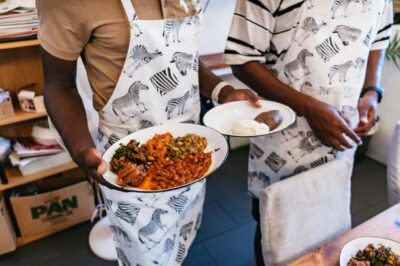
GQ: City Walking Tour & African Cuisine Cooking Class
Read our review →
Browse the lists this tour appears in