
Reviewed · WALKING TOURS
Pretoria: Cullinan Surface Diamond Mine Walking Tour
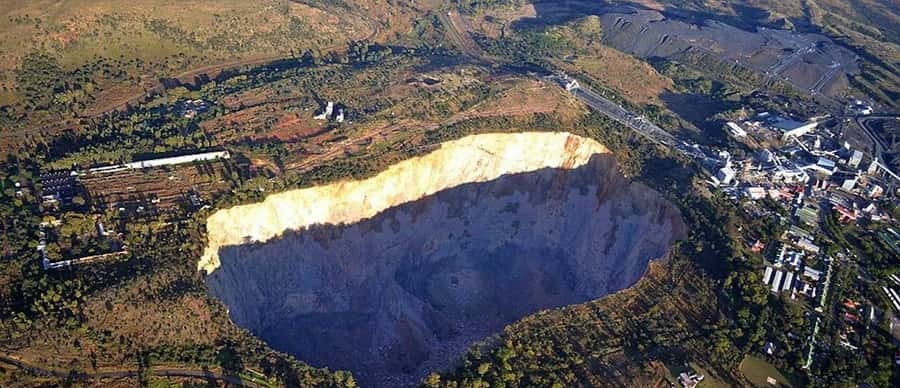
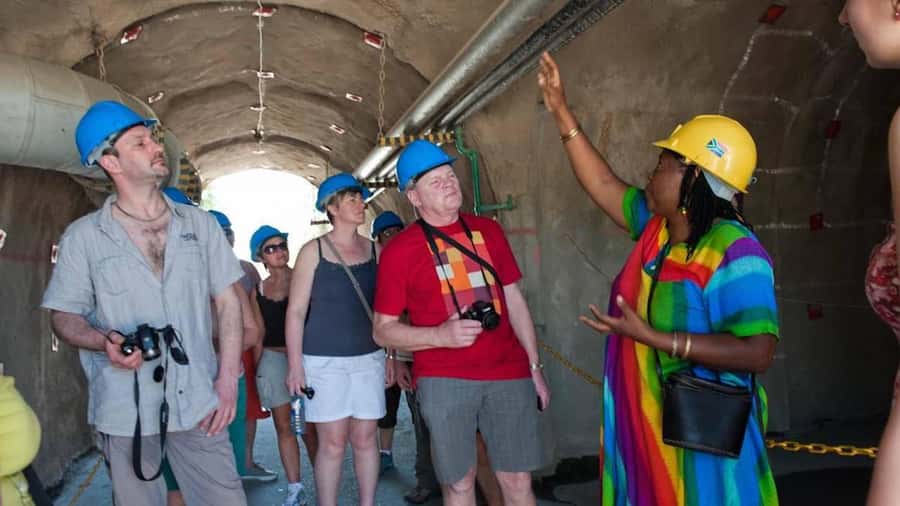
Cullinan is the place where the 3,106-carat Cullinan Diamond was found in 1905, so this two-hour walk gives you a direct link to one of the world’s great diamond stories. You’ll see the display room, shaft, and famous Big Hole while a trained guide explains the mining process and the mine’s rare blue diamonds. I like the clear, practical look at how a rough stone becomes a finished diamond, and I like that the $12 price keeps this unusual outing easy to add to a Pretoria day.
The catch is that this is a surface tour, not an underground mine trip. The route has also been reduced in some periods, with parts of the walk passing through older, non-operational sections while the newer active plant remains off-limits. That matters if you expect heavy machinery, working ore treatment, or a close look at current production.
Key points to know before you book
- Cullinan’s famous diamond story: Learn about the 1905 discovery of the largest rough gem diamond ever found and its connection to the British Crown Jewels.
- A surface walk, not an underground tour: You visit the shaft, Big Hole, display room, and mine grounds, but you do not descend below ground.
- Practical mining information: The guide explains mining methods, technology, sorting, and the path from ore to saleable diamond.
- An English-speaking guide leads the visit: The guides are trained and friendly, and the strongest part of the experience is usually their clear explanation of the mine.
- The route requires steady walking: Closed-toe shoes are compulsory, and wheelchairs, crutches, moon boots, and walking sticks are not allowed.
- The diamond shop follows the tour: You can browse diamond jewelry and souvenirs after the mine visit, but purchases are not included in the ticket.
Why Cullinan matters in diamond history
Cullinan is not simply a mine with a large hole in the ground. Its name is tied to the most famous rough diamond ever recovered. The Cullinan Diamond weighed 3,106 carats before cutting, and the resulting stones included the two most important diamonds in the British Crown Jewels.
That story gives the tour a useful sense of scale. You are not just looking at an old industrial site. You are standing at the source of diamonds that shaped royal collections and helped make Cullinan famous around the world.
The mine is also known for large, high-quality stones, including Type II diamonds. It is one of the world’s most important sources of rare blue diamonds. Those details help explain why the mine still matters, even for someone who has little interest in jewelry.
The orebody is reported to contain a major resource of about 195 million carats, with a potential operating life of more than 20 years. That does not mean you will see every part of the modern operation, but it shows that Cullinan is not merely a preserved museum site. It remains connected to a working mining business under Petra’s management.
A few more Pretoria trips to weigh up
- Soweto: Walking Tour with a Local Guide and Lunch
★ 4.9 · 648 reviews - Plettenberg Bay: Bungee Jumping with Zipline and Sky Walk
★ 5.0 · 506 reviews - Cape Town: Nathi Langa Township Walking Tour
★ 4.9 · 493 reviews
What happens during the two-hour surface tour
The visit is built around a guided walk rather than a long underground expedition. You begin with the mine’s history and diamond displays, then move through selected parts of the site. The exact order can vary, but the main points are the diamond display room, shaft, Big Hole, and mine grounds.
The diamond display room gives you the best starting point. It sets out the scale and quality of stones associated with Cullinan and provides context before you look at the industrial side of mining. This is where the famous 1905 find makes the most sense, especially if you are not already familiar with diamond weights and cutting.
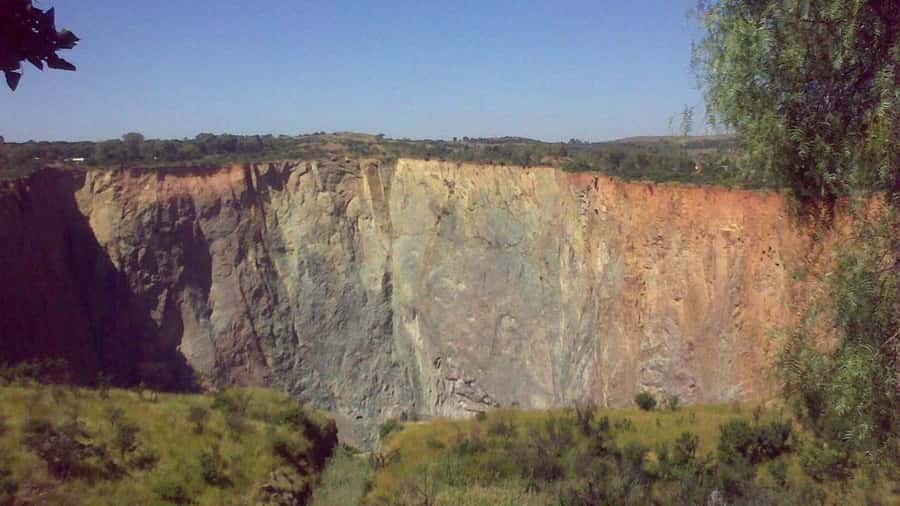
Next comes the shaft and the Big Hole. These are the visual anchors of the visit. The Big Hole makes the cost of extracting diamonds easier to understand: the valuable stones are tiny compared with the enormous amount of rock that must be removed and processed.
Your guide explains the stages used to get from ore to a saleable diamond. The tour includes information about mining processes and technology, rather than focusing only on royal jewels and large discoveries. That practical element is valuable because it turns the visit from a photo stop into a short lesson in industrial mining.
You should keep your expectations realistic. The tour does not promise access to the newest processing plant, and recent route changes have meant that some visits pass through older sections and a large scrap area. If the route on your day follows those sections, the experience may feel less active than the phrase working diamond mine suggests.
The difference between a working mine and a surface visit
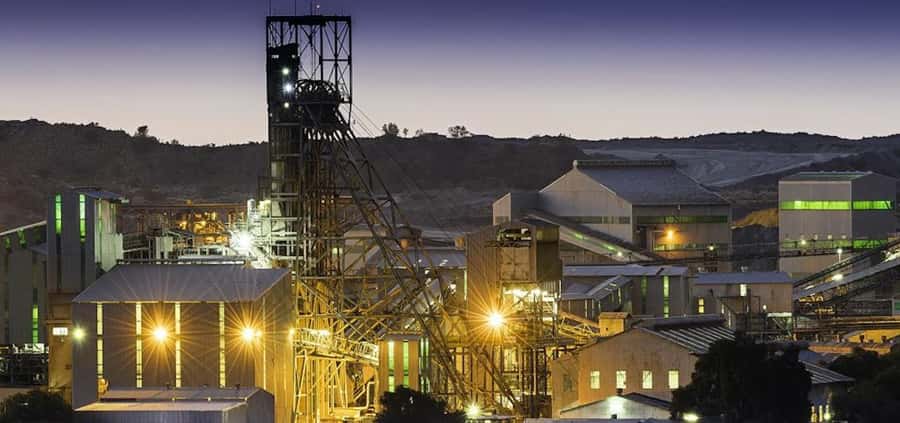
The mine is operational, but your tour is restricted to the surface. You will not go underground, and you should not expect to watch every stage of current production at close range.
That distinction is the most important booking point. A surface tour can show you the scale, history, equipment, shaft area, and mining setting. It cannot give you the same sense of an underground shift or a full production-floor visit.
Some people will find the older areas interesting because they show how the site has changed over time. Others may find a route through inactive sections and scrap equipment less compelling than a visit to the newer plant. The current tour format does not guarantee that you will see active processing.
I would book this for the explanation and the place itself, not for nonstop industrial action. The guide’s presentation is central to the experience. Clear guiding can make an older section worthwhile, while a short or weak introduction can leave the walk feeling thin.
One recent assessment described the opening video as poor quality. That is a minor part of a two-hour visit, but it is worth knowing that the presentation may not have the polish of a major museum attraction.
The guide makes the technical side easier to follow
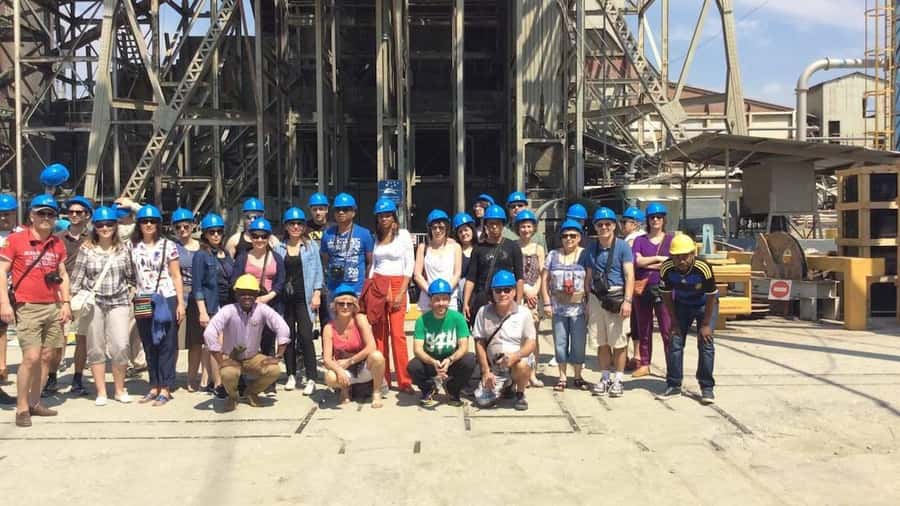
Mining can become a blur of machinery, rock, and unfamiliar terms. A good guide gives the visit shape. You can expect an English-speaking, trained guide to explain how diamonds are found, extracted, separated, and prepared for sale.
The strongest feedback about the tour centers on the guides. They are described as friendly, informative, and clear, with one visitor especially praising a guide who explained the process from mining through to a saleable diamond. That is exactly the kind of detail you want here.
You do not need specialist knowledge before arriving. The guide should help you understand why some stones are more valuable than others, why large diamonds attract so much attention, and how rare blue diamonds add to Cullinan’s importance.
Ask questions if your guide allows time for them. The most useful things to clarify are how the visible mine sections relate to current operations, which parts of the site are active, and how the display stones compare with the famous Cullinan find. The tour is short, so a focused question is more useful than trying to cover every part of diamond history.
Same country, a completely different kind of day:
- Johannesburg and Soweto tour
★ 5.0 · 231 reviews - Soweto Half Day Tour
★ 5.0 · 231 reviews - Ultimate Johannesburg Tour
★ 5.0 · 200 reviews - Johannesburg: Pretoria and Cullinan Diamond Mine Tour
★ 4.7 · 165 reviews
The Big Hole and the old mine areas
The Big Hole is the most memorable physical feature on the walk. It gives you a sense of the mine’s scale in a way that photographs and display cases cannot. Bring a camera, as the viewing areas and industrial setting are among the best reasons to make the visit.
The shaft adds another layer to the story. Even without an underground descent, it helps you picture the depth and infrastructure needed to reach ore. For many people, this is where the mine shifts from a famous name to a real place of work.
The less appealing part can be the route through older, inactive sections. A visitor who had taken earlier Cullinan walking tours found that fewer points were included and considered the old section, including a large scrap area, uninteresting. That is a fair warning for anyone choosing the tour mainly to see current production.
The experience therefore depends on what you want from a mine visit. If your interest is history, scale, and an explanation of diamond production, the old sections still have value. If you want modern machinery operating in front of you, you may feel that the tour stops short.
The diamond shop after the walk
The final stop is the diamond shop, where you can browse diamond jewelry and souvenirs. This is a natural end to the tour because you have just heard how the stones are mined and prepared for sale.
I like having the shop included as an optional part of the visit rather than built into the ticket price. You can look without committing to a purchase, and the experience gives you a better basis for judging what you see.
The shop is not a reason to book if you have no interest in jewelry, but it adds value for anyone considering a diamond purchase or a small souvenir. The tour does not include food, drinks, or any jewelry, so plan your spending separately.
Remember that a display of valuable stones and a retail shop are not the same thing as an opportunity to buy the world’s largest diamonds. The point is to see the connection between the mine, the product, and the local commercial side of the industry.
Is the $12 price good value?
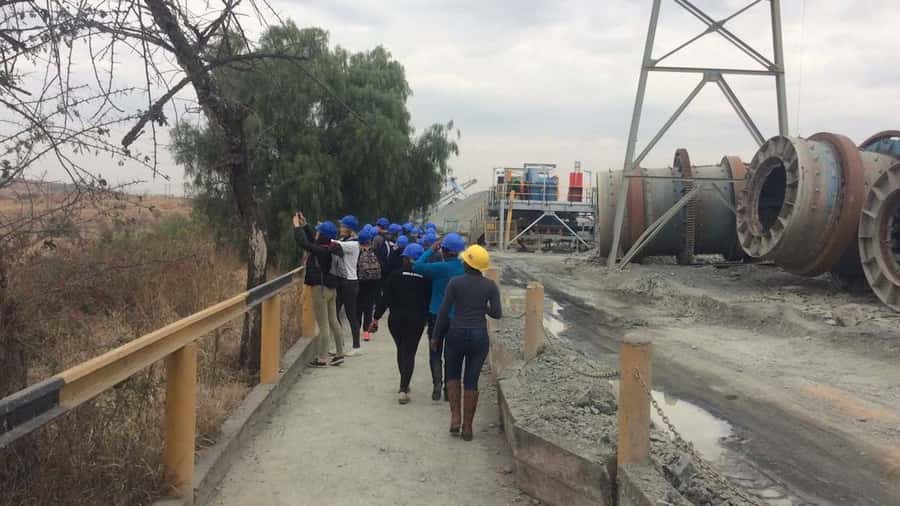
At $12 per person, this is an inexpensive way to add a distinctive stop near Pretoria. The price covers the two-hour guided surface tour, including the display room, shaft, Big Hole, and mining explanation.
I consider it good value if you are already visiting Cullinan or can reach the site easily. You receive a specialist attraction, a guide, historical context, and access to a mine setting that is difficult to understand from a roadside viewpoint.
The value is less certain if you are expecting a full mine-production experience. The ticket does not include hotel pickup, food, drinks, or an underground visit. Transport costs can also change the total price of the outing, since you must arrange your own way to the mine.
The low ticket price softens the disappointment of a reduced route, but it does not remove it. I would think of this as a compact, affordable introduction to Cullinan rather than a major full-day attraction.
Who should book this Cullinan tour?
This suits adults and older children who enjoy industrial sites, South African history, geology, or the story behind famous diamonds. Children must be at least 10 years old, and the walking requirement makes the tour a better fit for people who can manage the route without mobility aids.
It also works well for anyone who wants something different from Pretoria’s usual museums and monuments. The connection to the British Crown Jewels gives the visit international interest, while the mine itself keeps the experience grounded in South African industry.
You should think twice if you use a wheelchair, crutches, a moon boot, or a walking stick. These are not permitted on the mine tour. Sandals and flip-flops are also not allowed, so wear sturdy closed-toe shoes.
Bring water and a camera. You must also bring a passport or ID card, with a copy accepted, and complete a signed waiver. The waiver can be downloaded from the tour website, and children aged 10 or older need a copy of a birth certificate or other accepted identification.
Before entry, you must take a breathalyzer test. Anyone who tests positive for intoxication will not be allowed into the mine, so this is not an outing to combine with drinking.
Booking, cancellation, and timing
The activity lasts about two hours, but you should allow extra time around it for arrival and the shop. Starting times depend on availability, so check the schedule before planning other Pretoria activities.
The tour is conducted in English. If that works for you, the guide’s explanation should be easy to follow, especially during the process section.
You can cancel up to 24 hours before the start time for a full refund. The reserve-now-and-pay-later option is useful if your South Africa plans are still shifting, since you can hold a place without paying immediately.
No hotel pickup or drop-off is included. This is important if you are staying in Pretoria and are comparing the low ticket price with the full cost of reaching Cullinan.
Final verdict: book it for the story, scale, and price
I would book the Cullinan Surface Diamond Mine Walking Tour if you want a short, affordable visit with a strong historical hook. The famous 3,106-carat discovery, the Big Hole, the shaft, and the explanation of how diamonds reach the shop floor give you plenty to take away for $12.
I would not book it expecting an underground descent or a close look at the newest operating plant. The surface route can include inactive sections, and the number of viewing points has been reduced at times.
For the best match, arrive with practical expectations: wear closed-toe shoes, bring ID and water, complete the waiver, and treat the guide’s explanation as the main event. If you value mining history and clear human stories more than machinery in motion, this is a worthwhile Pretoria-area stop.
FAQ
Where is the Cullinan Diamond Mine tour located?
The tour is at Cullinan Diamond Mine in Gauteng, South Africa.
How long does the tour last?
The guided surface tour lasts two hours.
Is the tour underground?
No. This is a surface walking tour. It includes the mine grounds, shaft, Big Hole, and display room, but it does not include an underground descent.
What language is the tour conducted in?
The live tour guide speaks English.
What is included in the ticket?
The ticket includes a guided walking surface tour of Cullinan Diamond Mine.
Are hotel transfers, food, or drinks included?
No. Hotel pickup and drop-off, food, and drinks are not included.
What should I bring?
Bring a camera, water, closed-toe shoes, and a passport or ID card. A copy of the identification document is accepted. You also need to complete a signed waiver.
Can children or wheelchair users join?
Children under 10 years old are not permitted. The tour is not suitable for wheelchair users or people with mobility impairments, and wheelchairs, crutches, moon boots, and walking sticks are not allowed.
Just added around Pretoria
- Half day Pretoria city tour★ 4.5 · 4 reviews
- From Pretoria: E-Bike in the wild with game near Jo’burg★ 5.0 · 6 reviews
- From South Africa Joburg: Pretoria City Half Day Tour★ 4.3 · 4 reviews
- From Johannesburg: Pretoria Guided City Tour★ 4.5 · 3 reviews
- From Johannesburg: Horse-Riding Safari and Cable Car Tour★ 5.0 · 3 reviews
- Pilanesberg Game Reserve Guided Day Tour from Johannesburg or Pretoria★ 4.5 · 21 reviews
- Pilanesberg Nature Reserve★ 5.0 · 36 reviews
- Shuttle Transfer from Gauteng to Greater Kruger★ 5.0 · 19 reviews
Walking Tours, compared.







Browse the lists this tour appears in