
Reviewed · PRETORIA TOURS
Pretoria half day tour
Pretoria is more than South Africa’s government city. In four hours, you move from the Voortrekker Monument’s solemn hilltop memorial to Paul Kruger’s modest home, then on to Church Square and the Union Buildings. The route gives you a quick look at the people, conflicts, and political power that shaped the country.
I like the wide historical sweep and the chance to see several important sights without arranging transport yourself. I also like the personal touch of a guide such as Albert, whose clear explanations can turn a string of monuments into a meaningful story.
The main concern is the driving and time management. One poor vehicle and wrong turns once caused major delays, leaving little time at two attractions. Ask for a roadworthy vehicle and a realistic plan before setting off.
Key points to know before booking
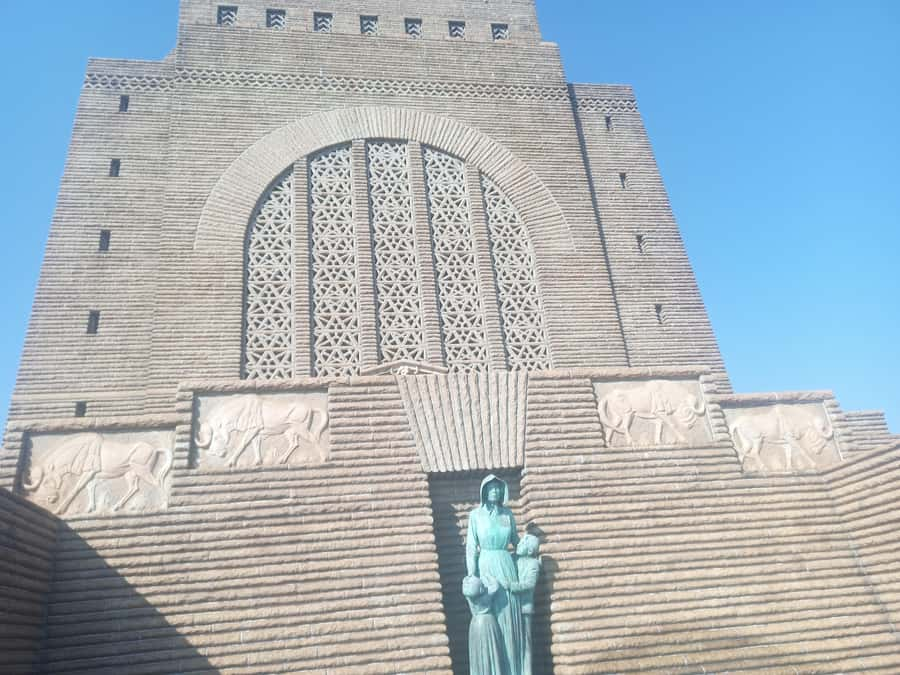
- Four major Pretoria stops: Visit the Voortrekker Monument, Kruger House, Church Square, and the Union Buildings, with a drive through the city centre.
- A strong history focus: The tour links the Voortrekker movement, Boer politics, Paul Kruger, and modern South African government.
- Jacaranda City setting: Pretoria is known for its many jacaranda trees, which line streets, parks, and gardens.
- Hotel pickup and drop-off: Transport is included, along with a bottle of water.
- English or French guidance: You can book with a guide speaking either language.
- Allow for a brisk pace: Four hours is enough for an overview, but delays can reduce your time at the sights.
Why Pretoria makes a good half-day outing
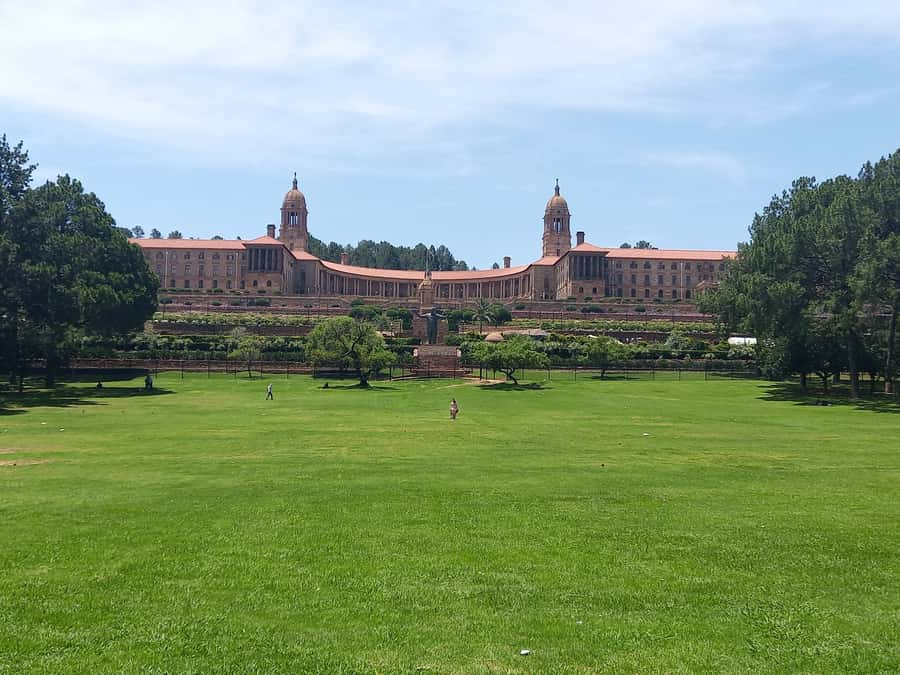
Pretoria is South Africa’s administrative capital. The executive branch of government works here, and foreign embassies are based in the city. The Union Buildings, perched on Meintjeskop, are the clearest symbol of that role.
The city is also called Jacaranda City. Thousands of jacaranda trees were planted along its roads, in parks, and around gardens. If you visit when the trees are flowering, the purple display adds a softer side to a city often introduced through politics and conflict. The tour information does not promise a particular season, so treat the blossoms as a possible bonus rather than a guarantee.
I like the way this outing puts Pretoria’s public buildings beside personal and military history. You are not simply looking at grand façades. You are moving through the story of the Voortrekkers, the Boer republics, Paul Kruger, and the government of modern South Africa.
At $86 per person, the value depends heavily on the transport and guide. For someone based in Gauteng who wants a short introduction without planning several separate visits, the hotel pickup and guided route make the price easier to justify. It is less attractive if you already have a car, know Pretoria well, or want to spend a long time inside each site.
Other Pretoria days people book alongside this one:
- Johannesburg and Soweto tour
★ 5.0 · 231 reviews - Soweto Half Day Tour
★ 5.0 · 231 reviews - Ultimate Johannesburg Tour
★ 5.0 · 200 reviews
Starting at the Voortrekker Monument
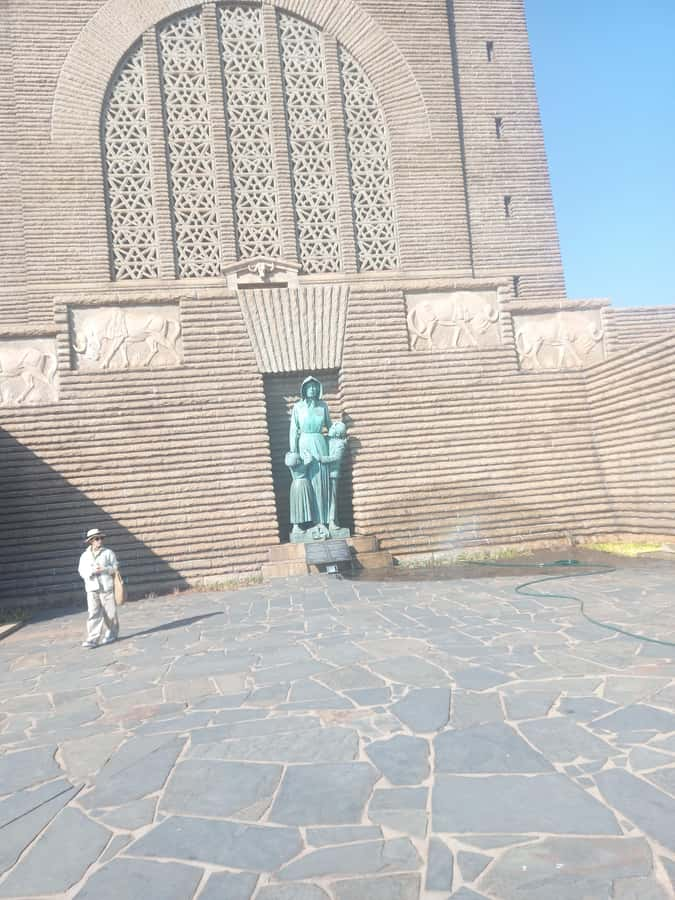
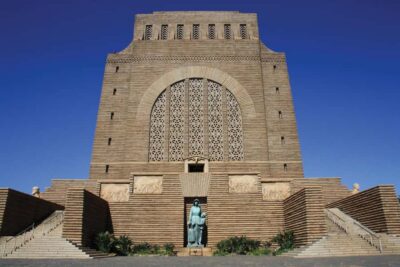
The Voortrekker Monument is south of Pretoria, on a hilltop, and it is usually the most imposing stop on this route. The granite building commemorates the Voortrekkers who left the Cape Colony between 1835 and 1854.
That movement is central to South African history. The Voortrekkers were Dutch-speaking settlers who moved inland during the nineteenth century. Their migration, conflicts, and political ambitions helped shape the Boer republics and later struggles over land and power.
The monument was designed by architect Gerard Moerdijk. Its hilltop position gives the visit a formal, almost ceremonial feeling. You should expect a place built to express memory and national identity, not a light sightseeing stop. The building asks you to think about who is being honoured, which version of history is being presented, and how that memory fits into South Africa’s larger story.
This is where a good guide matters most. A bare description of the granite structure will leave you with little more than photographs. A guide who explains the Voortrekker movement and its place in later South African history can make the visit much more useful.
The stop may also require the most care in your schedule. Four hours is short for a route that includes several major places. If the vehicle arrives late or the city drive takes longer than expected, your time here can be cut. Ask at the start how long you will have at the monument and whether entry time is included in the plan.
Paul Kruger’s house and the details of daily life
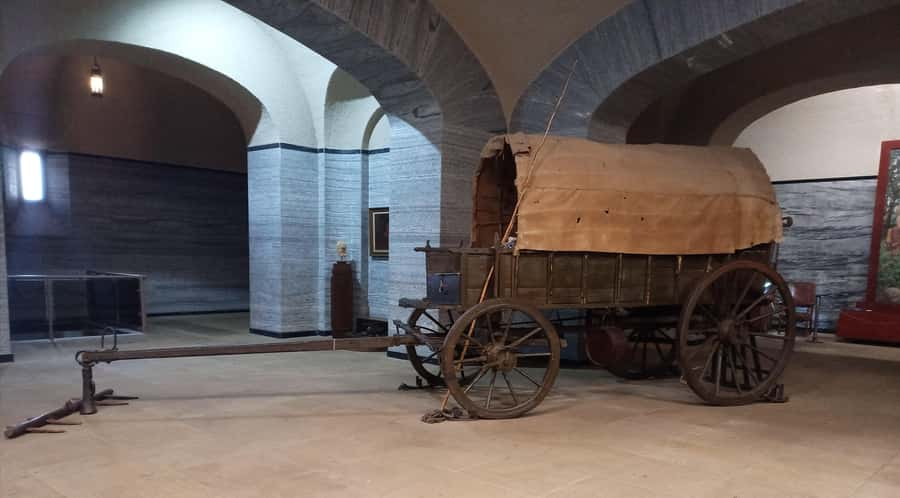
Kruger House offers a sharp change of scale. The Voortrekker Monument is a large public memorial. Kruger House is the former Pretoria home of Paul Kruger, the Boer leader and president of the South African Republic.
The house was built in 1884 by architect Tom Claridge and builder Charles Clark. One unusual detail concerns the construction: milk was used instead of water to mix the cement because the available cement was of poor quality. It is the sort of small fact that makes a historic building feel real. You can picture the practical problems behind the polished political image.
The house was also among the first in Pretoria to receive electricity. Inside, you can see original furnishings or period pieces, along with gifts given to Kruger and other personal memorabilia. These objects help you consider Kruger as a person and political figure, rather than only as a statue in a square.
I find this kind of stop especially useful after a grand memorial. You move from public commemoration to a domestic setting. Furniture, gifts, and household details give the tour a human scale. They also show how political history is tied to ordinary rooms, routines, and possessions.
Do not expect a large museum visit during this half-day outing. The information provided does not specify the amount of time inside Kruger House, the exact admission arrangements, or whether every room will be open. If this is the stop you care about most, tell your guide early and ask how much time is available.
Church Square and Pretoria’s civic centre
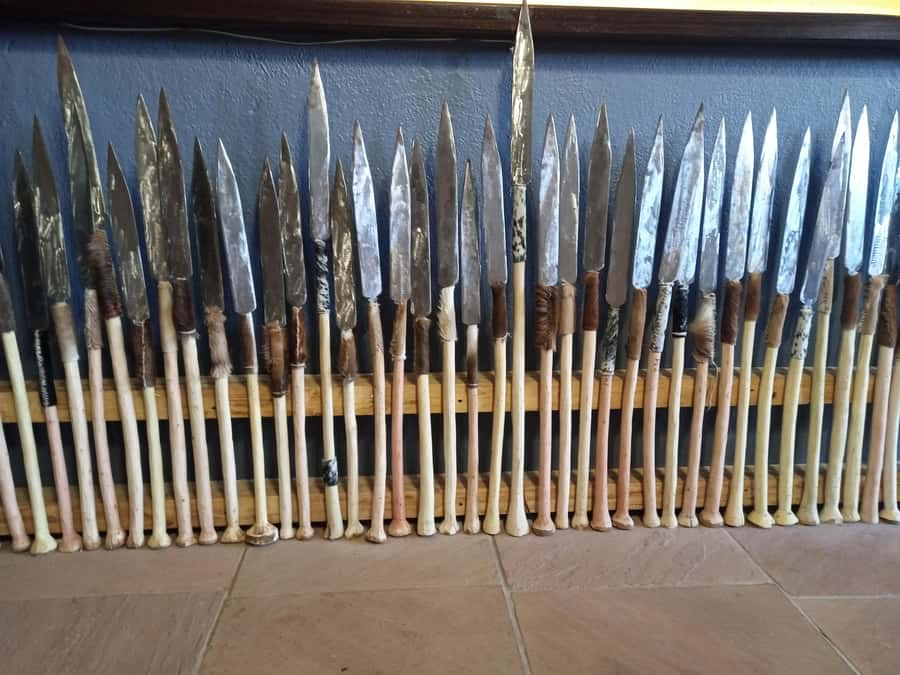
Church Square is at the historic centre of Pretoria. Its original name was Market Square, after Marthinus Pretorius, the city’s founder, decided that the area should serve as a market and churchyard.
The name changed because churches stood at the centre of the square from 1856 to 1905. Today, the most prominent feature is the statue of Paul Kruger, placed in the centre in June 1954. Four anonymous Boer citizen-soldiers surround him on a lower level of the plinth.
This is a useful place to pause and read the city as a political stage. The square gathers commerce, religion, civic life, and national memory in one space. Kruger’s statue is not just decoration. It points to the importance of Boer political identity in Pretoria and to the ways public monuments shape how a city remembers its past.
The visit may be partly a sight from the vehicle and partly a short stop, depending on traffic and timing. That matters because Church Square rewards a few quiet minutes. You will get more from it if you can look closely at the statue, understand the square’s layout, and hear why the name changed.
The square also helps connect the earlier stops. The Voortrekker Monument presents a broad memorial to a migrating community. Kruger House introduces a key political leader at home. Church Square places that leader and his public memory in the middle of the city.
Same country, a completely different kind of day:
- Johannesburg: Pretoria and Cullinan Diamond Mine Tour
★ 4.7 · 165 reviews - Taste of Africa Food tasting Experience
★ 4.5 · 138 reviews - Harties Cableway Experience Ticket
★ 4.5 · 119 reviews - Johannesburg Full-Day Tour(Soweto/Jo-Burg & Apartheid Museum)
★ 5.0 · 110 reviews
Passing through the CBD
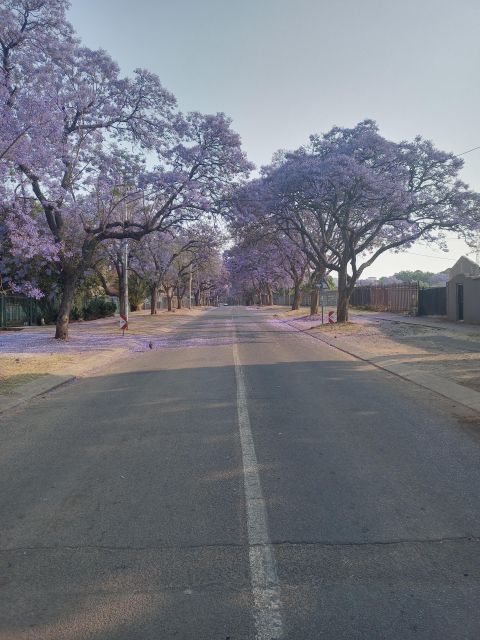
The drive through Pretoria’s central business district gives you a view of the city between the formal stops. This part is not presented as a separate attraction, but it helps you understand how the monuments fit into the living capital around them.
You will see the city centre from the vehicle, with the guide pointing out sights along the way. Since no detailed route or list of CBD buildings is provided, I would treat this section as orientation rather than a walking tour.
That distinction is important. If you want long walks, cafés, shopping, or time inside individual buildings, this is not the right format. If you want a quick look at Pretoria’s centre while someone else handles the driving, the CBD pass-through does its job.
The guide’s commentary can make this otherwise brief section worthwhile. Ask questions about how the historic centre connects with the Union Buildings and the city’s role as the seat of government. A strong guide can use the drive to join the separate stops into one story.
The Union Buildings and modern government
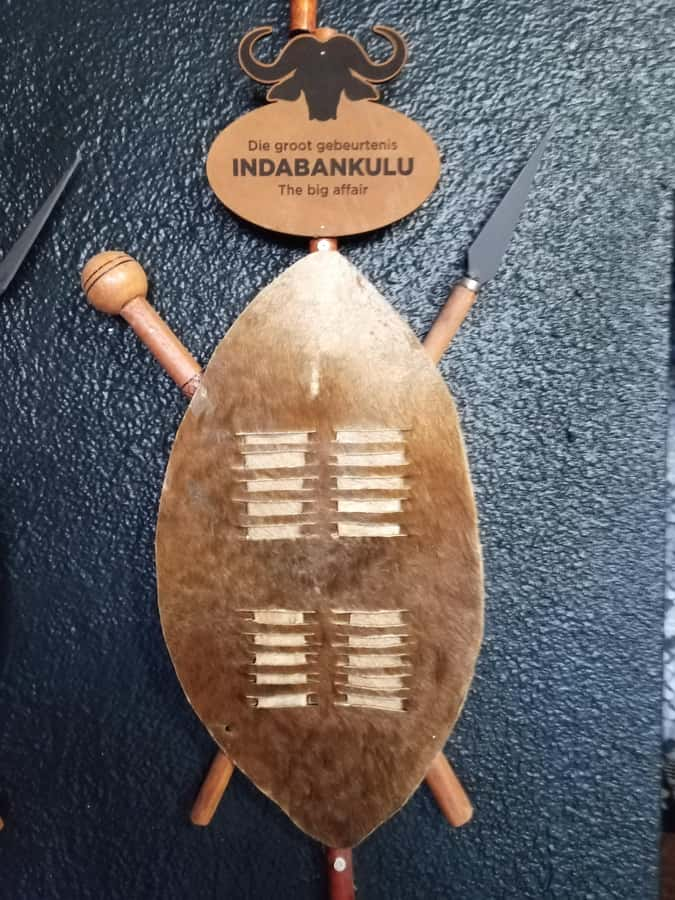
The Union Buildings are the official seat of the South African Government and house the offices of the president. They occupy the highest point of Pretoria, at Meintjeskop on the northern edge of Arcadia, near Church Square.
The buildings are a national heritage site and one of the city’s essential sights. Their location gives the final part of the tour a clear sense of importance. After visiting monuments and a former president’s home, you arrive at the place where national government operates today.
The Union Buildings are also a good final stop because they shift the focus from the past to the present. South African history is not sealed away in museums. It continues in the institutions that work from these offices.
The tour description does not say how much of the buildings you enter. Plan on seeing the site and learning about its role, rather than assuming you will have an interior government tour. Ask your guide what access is available on the day.
I would also confirm whether the stop is mainly for views and exterior sightseeing. The Union Buildings occupy a high point, so the setting itself is part of the appeal. You may find that the broad view over Pretoria is as useful as the architecture.
The guide can make or break the four hours
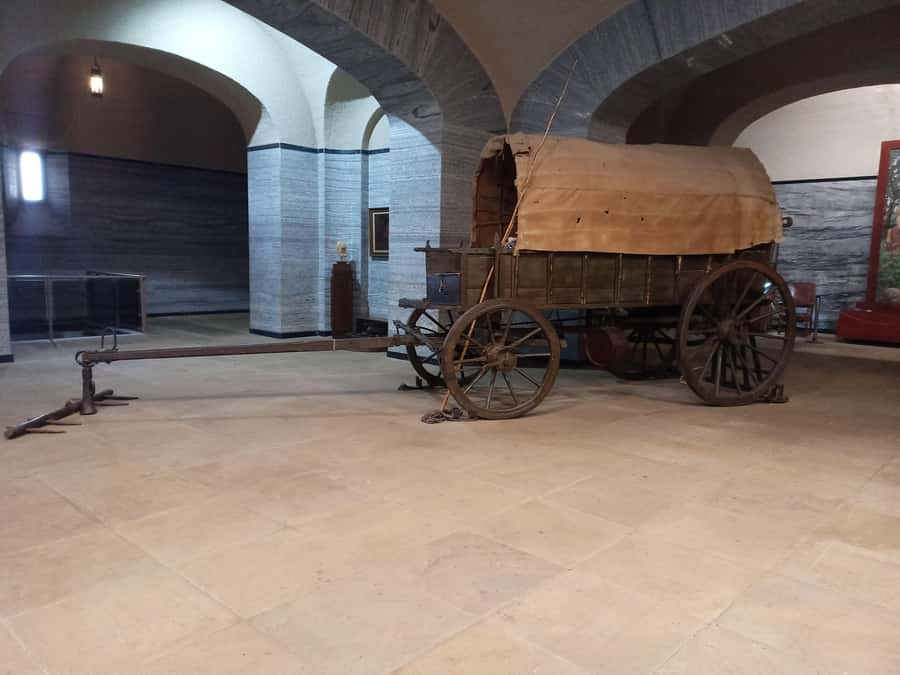
The strongest part of this experience is the guide’s ability to explain South Africa’s turbulent past without reducing it to a list of dates. Albert is specifically associated with warm, well-informed guiding, and his explanations of the country’s difficult history have been singled out as a major strength.
Daniela’s guide was also described as exceptionally friendly, helpful, and well prepared. Those qualities matter on a short tour. You need someone who can answer questions, keep the route moving, and explain why each stop matters.
At the same time, the vehicle and driver deserve your attention. One outing involved an old car running on an emergency spare tyre. A part came loose on the motorway, and two wrong turns stretched a 35-minute drive into more than an hour. Two attractions were then reached after closing.
That is not a minor annoyance on a four-hour tour. When the itinerary is tight, a delay can remove a large part of what you paid to see. Before departure, check that the vehicle appears safe, ask about the route, and confirm the expected order of stops. If something seems wrong with the car, speak up immediately.
The provider is Pure Diamond Tours and Safari. English and French are offered. Since the quality of a short guided outing can vary with the individual assigned, it is sensible to confirm your preferred language and ask who will guide you.
What is included and what you should bring
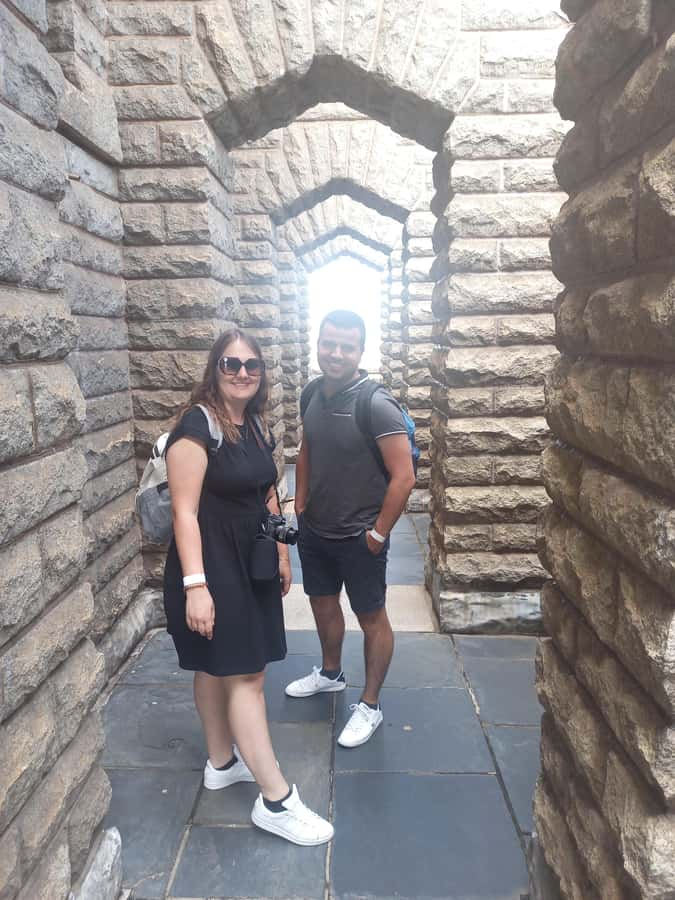
Hotel pickup and drop-off are included, which is useful if you are staying somewhere in Gauteng and do not want to arrange a separate taxi. A bottle of water is also provided.
Food and drinks are not included, including alcohol. Since the tour lasts four hours, eat beforehand if you do not want to spend sightseeing time looking for refreshments. Do not count on a meal being part of the route.
Bring your passport. A copy is accepted, according to the tour information. Large bags and luggage are not allowed, so this is not a convenient activity to book between check-out and an onward departure if you have suitcases with you.
All visitors must pass through airport-style security systems. The information does not explain which attraction applies this rule, so keep your passport or accepted copy ready and allow a little extra time for screening.
The tour is not suitable for pregnant women. You can reserve now and pay later, and cancellation is allowed up to 24 hours in advance for a full refund. Those terms give you some flexibility, but they do not solve the main practical issue: making sure the four-hour schedule is realistic.
Who will get the most from this tour
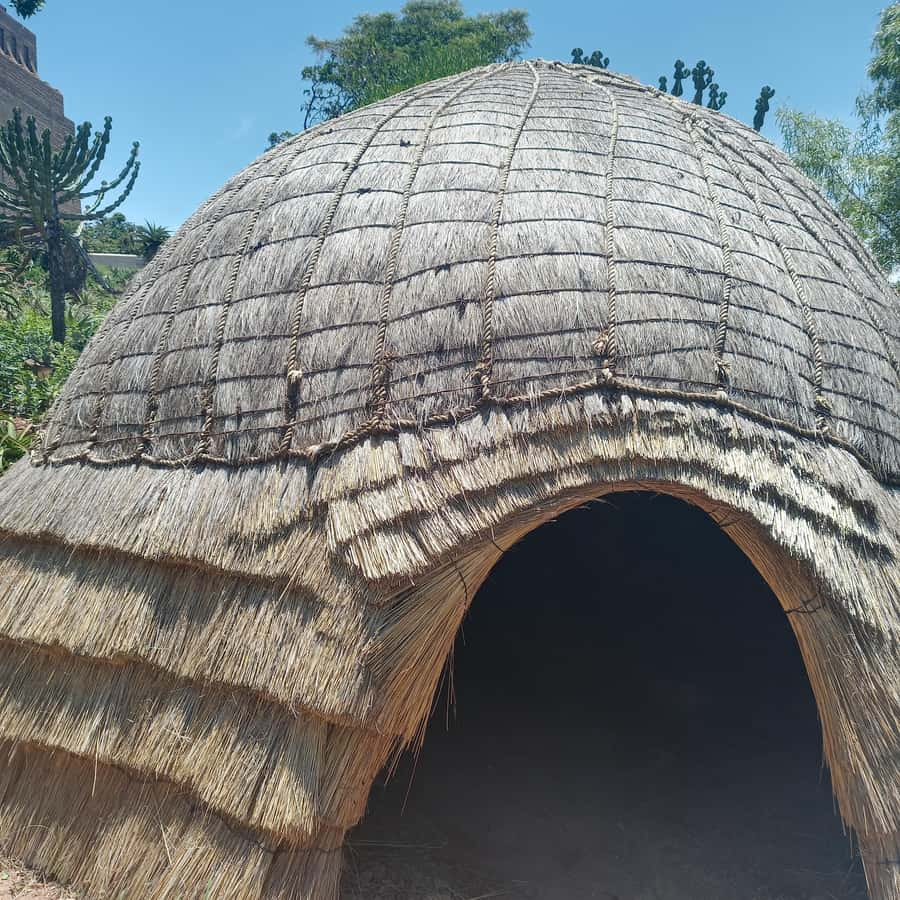
I would recommend this outing to a first-time visitor who wants Pretoria’s main historical and government sights in one compact morning or afternoon. It suits you especially well if hotel transport is useful, you prefer a guide to explain the political background, and you are happy with an overview rather than long visits at each place.
It also works for anyone with limited time in Gauteng. The route covers several important sites and gives you a basic map of Pretoria’s past and present. A French-speaking guide may be a deciding advantage if you prefer not to tour in English.
I would be more cautious if you are a serious museum visitor. Four hours, four major stops, and city driving leave little room for slow looking. You should also reconsider if you have luggage, are pregnant, or need a vehicle with guaranteed high mechanical standards but cannot confirm those details in advance.
Should you book the Pretoria half-day tour?
Book it if you want a guided introduction to Pretoria and value the convenience of pickup and drop-off. The combination of the Voortrekker Monument, Kruger House, Church Square, the CBD, and Union Buildings gives you a useful first look at the city’s political and cultural story.
Before paying, confirm the vehicle, guide language, route order, and time planned at each stop. The excellent guiding associated with Albert and other strong guides can make this a memorable history lesson, but poor driving can turn the same four-hour plan into a frustrating dash past closed doors.
At $86 per person, I see fair value when the transport is reliable and the guide is engaged. I would book with realistic expectations: this is a brisk city overview, not a leisurely museum day. If you want the main sights, clear historical context, and minimal planning, it is a sensible choice. If you want depth at every stop, arrange a longer private visit instead.
FAQ
How long does the Pretoria tour last?
The tour lasts four hours and covers Pretoria’s main city and historical sights.
Which places are visited?
The route includes the Voortrekker Monument, Kruger House, Church Square, a pass through Pretoria’s CBD, and the Union Buildings.
Is hotel transportation included?
Yes. Hotel pickup and drop-off are included in the tour price.
What languages are available?
The tour is offered in English and French.
What should I bring?
Bring your passport. A copy is accepted. Large bags and luggage are not allowed, and all visitors must pass through security systems.
Is food included?
No. Food and drinks, including alcohol, are not included. A bottle of water is provided.
Can I cancel the booking?
Yes. You can cancel up to 24 hours before the tour for a full refund. You can also reserve and pay later.
Just added around Pretoria
- Pretoria Soweto And Johannesburg★ 3.8 · 13 reviews
- Pretoria Tour-Voortrekker Monument, Town, Union Buildings★ 5.0 · 3 reviews
- Pretoria: Pretoria City Tour and Cullinan Diamond Mine Tour★ 4.9 · 24 reviews
- Pretoria: Half-Day City Tour with Hotel Pickup★ 4.2 · 6 reviews
- Half day Pretoria city tour★ 4.5 · 4 reviews
- From Pretoria: E-Bike in the wild with game near Jo’burg★ 5.0 · 6 reviews
- From South Africa Joburg: Pretoria City Half Day Tour★ 4.3 · 4 reviews
- From Johannesburg: Pretoria Guided City Tour★ 4.5 · 3 reviews
Pretoria Tours, compared.

Johannesburg Full-Day Tour(Soweto/Jo-Burg & Apartheid Museum)
Read our review →
Browse the lists this tour appears in