
Reviewed · SOWETO TOURS
Johannesburg: Soweto & Apartheid Museum Half-Day Tour
The most powerful part of this Johannesburg tour is the way it links Soweto’s streets with the Apartheid Museum. You do not simply walk through exhibits in isolation. Your guide explains the neighborhoods, landmarks, and past events first, then the museum gives that story greater weight. I like the time spent inside Mandela House, and I like that guides such as Advice, Masese, and John bring clear explanations and personal perspective to a difficult subject.
The main drawback is the tight schedule. Hector Pieterson Memorial is viewed from outside, and the museum is large enough to deserve more than the allotted time. Pickup instructions can also require careful checking, especially if you meet your guide at the museum after arriving there separately.
Key points to know before booking
- Soweto in several different parts: You’ll pass through affluent, middle-class, and poorer sections, giving you a broader view than a quick stop at one landmark.
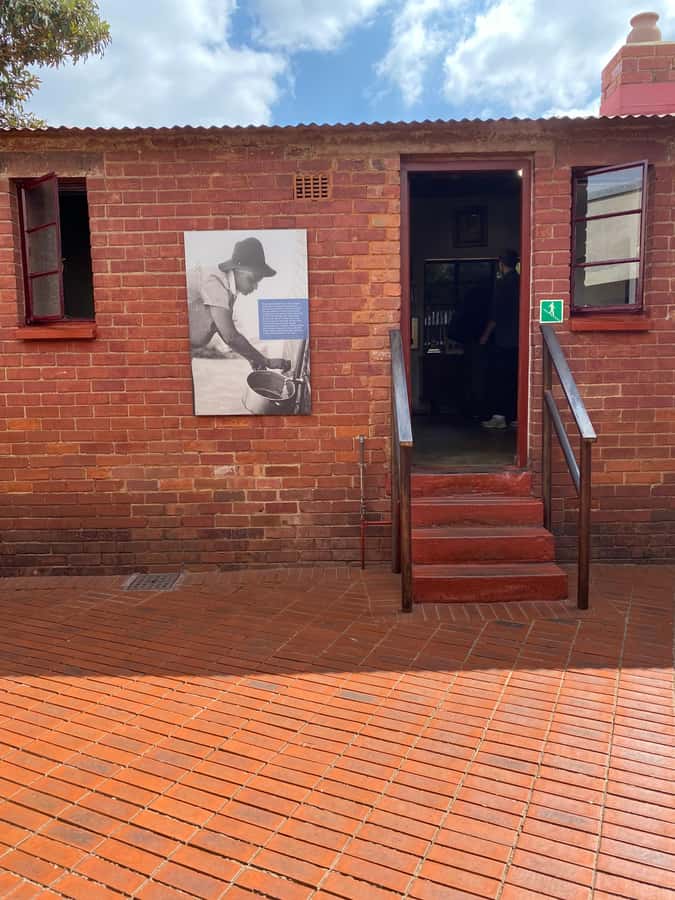
- Mandela House interior visit: You have about 25 minutes inside the former home, with a guide helping explain its place in South African history.
- Apartheid Museum gets the longest stop: Allow about two and a half hours for the museum, though some schedules describe roughly two hours of museum time.
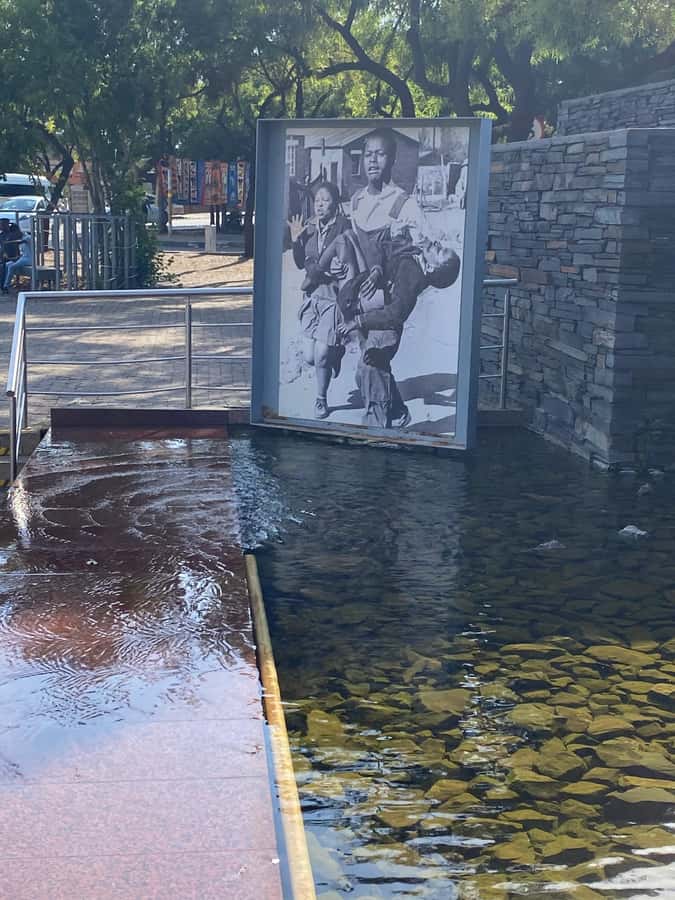
- Hector Pieterson is an exterior visit: The memorial and student uprising are discussed, but the museum itself is not entered.
- Useful airport-hotel option: Pickup and drop-off are available around Johannesburg, Rosebank, Sandton, Melville, Parkwood, Melrose, and O.R. Tambo.
- Strong guide-led experience: Advice, Masese, John, Kwanda, Marc, and other guides have been praised for clear storytelling and care with sensitive subjects.
Why this Soweto tour works
Soweto is not one single neighborhood with one single story. It is a large urban area shaped by forced removals, political resistance, family life, work, faith, music, and ongoing economic pressure. This tour gives you a moving look at that range in about 330 minutes.
I like that the day is not limited to famous names. You see Chris Hani Baragwanath Hospital, the Soweto Towers, FNB Stadium, residential streets, and the homes connected with Nelson Mandela and Desmond Tutu. Those stops help you picture everyday Soweto instead of treating it as a museum display.
The tour also makes sense for a first visit to Johannesburg. You get transport, a guide, and entry to the Apartheid Museum for $84 per person. That is a fair price if you want a guided introduction and have only one free day, particularly because driving between scattered sights on your own can take time and planning.
Still, you should come with realistic expectations. This is a history-focused tour, not a food tour or a long walking day through local markets. You will see Soweto from the vehicle for much of the drive, with short walks and stops at selected sites. The subject matter is serious, and the museum visit can feel intense.
More Apartheid Museum Tours in Johannesburg
- Soweto /Johannesburg and Apartheid Museum Guided Full Day Tour
★ 5.0 · 932 reviews - Jo’berg in 1 Day: Soweto, Apartheid Museum & City Tour
★ 4.8 · 524 reviews - Johannesburg: Full-Day Tour with Soweto and Apartheid Museum
★ 4.8 · 478 reviews
Pickup across Johannesburg and near O.R. Tambo
Pickup is offered from Parkwood, Melrose, Melville, Sandton, Johannesburg, Rosebank, and O.R. Tambo. You are asked to wait in your hotel lobby for the driver, which makes the start simple if you are staying in one of those areas.
This flexibility is especially useful after a flight. One guest used the tour between an airport hotel and a later South Africa journey, while another arranged a later start after arriving from abroad. If your schedule is unusual, contact the operator early rather than assuming the standard pickup time will fit.
The tour lasts five and a half hours, but the exact start time depends on availability and pickup routing. Allow extra room around flights, meetings, or hotel changes. The service includes transport and entry tickets, but not food or drinks, so bring water and a snack if you need one.
Communication is generally available in English or French. The exact vehicle and group arrangement are not specified, so you should confirm the pickup details before the day begins. One useful practical point: instructions for meeting the guide after the museum have not always been clear, so make sure you know the meeting location and contact method before entering.
Seeing Soweto beyond the headline landmarks
The driving portion is one of the most useful parts of the tour. Your guide points out how Soweto changes from one section to another, including wealthier areas, middle-class neighborhoods, and places where living conditions are more difficult.
That range matters. A short visit can easily reduce Soweto to a few political landmarks, but the area is also home to ordinary families, businesses, schools, churches, sports culture, and busy residential streets. I would pay close attention during the drive and ask questions. The guide’s commentary is what turns the passing views into something meaningful.
You also pass Chris Hani Baragwanath Hospital, one of the area’s major institutions. The tour does not present it as a formal inside visit, but seeing it from the route adds scale to your understanding of Soweto.
The drive includes FNB Stadium, described here as the largest stadium in Africa. Its size and profile make it an easy visual marker, and it connects the area with major sporting and public events. You also stop at the Soweto Towers for photographs, with about five minutes allocated there. This is a quick photo stop, not a long activity, so keep your camera ready.
The towers are a reminder that Soweto has a modern, energetic side as well as its political past. If you are hoping for a longer visit or an activity at the towers, this tour does not promise that. You get a brief stop and a chance to take pictures.
Mandela House and the story of Vilakazi Street

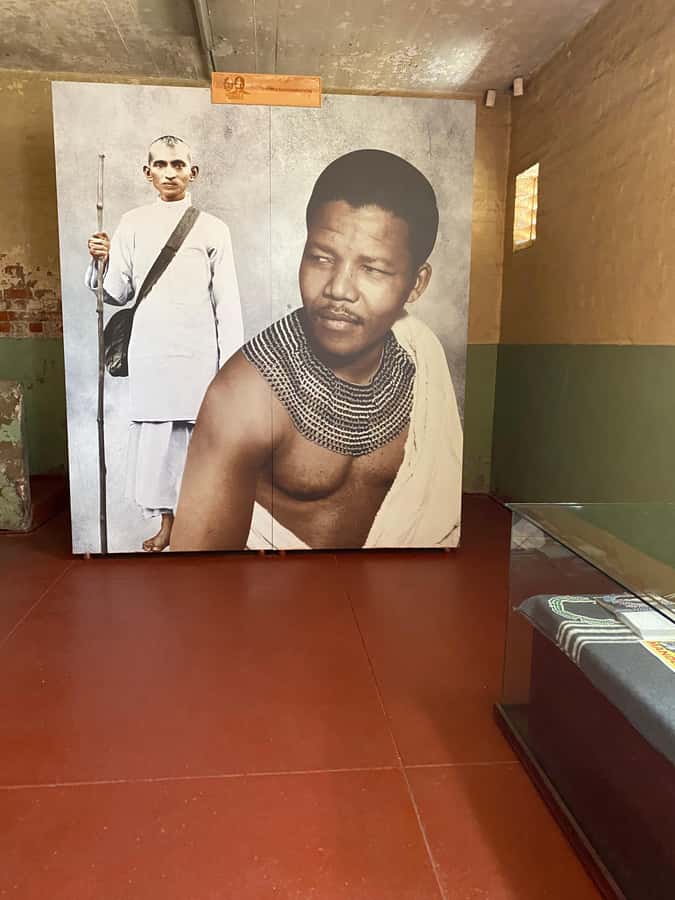
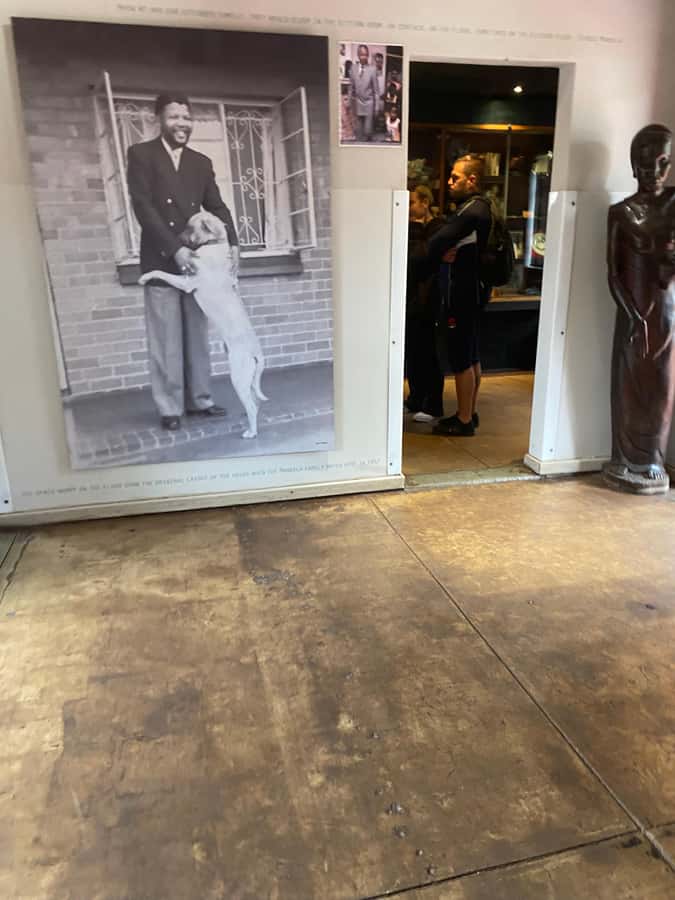
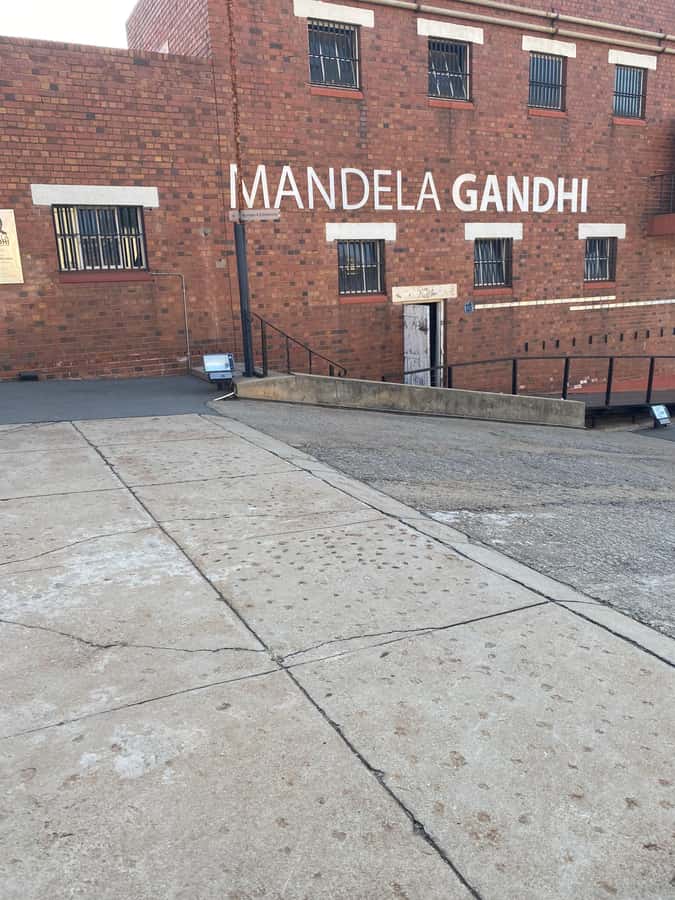
Mandela House receives a proper visit, with around 25 minutes inside and a guided explanation. The house is important because it connects national political history with a domestic setting. You are not only hearing about Mandela as a public figure. You are seeing the kind of place associated with his family life and years of struggle.
Twenty-five minutes is enough for an introduction, but not enough for a slow, detailed museum visit. I would listen closely to the guide before entering and use the time inside to focus on the objects and rooms that help you understand the house. The stop is short, yet it is one of the day’s most personal moments.
The tour also passes Desmond Tutu’s house from the outside. It has not been converted into a museum, so there is no interior visit. This is a good example of the tour’s honest approach: you see the location and receive context, but the stop is not presented as something it is not.
For some people, the exterior stop may feel brief. I think it works best as part of the wider route, especially when your guide explains how several important South African figures were connected with Soweto. The point is not to collect house fronts. The point is to see how political history is rooted in real streets and neighborhoods.
More Soweto Tours in Johannesburg
- Johannesburg: Hop-On Hop-Off Bus with Optional Soweto Tour
★ 4.6 · 985 reviews - Johannesburg Hop-On Hop-Off City Tour with Soweto Option
★ 4.5 · 768 reviews - Half-Day Tour of Soweto Tour
★ 4.5 · 712 reviews - Soweto: Walking Tour with a Local Guide and Lunch
★ 4.9 · 648 reviews
Hector Pieterson and the 1976 student uprising

The Hector Pieterson Memorial is listed as a 20-minute visit, but the experience here is from outside. Your guide explains the student uprising commemorated at the site, while the Apartheid Museum covers much of that history in greater detail.
This distinction is important when you book. If entering the Hector Pieterson Museum is essential to you, this tour may disappoint. You do not receive the full interior museum visit here. You get an exterior orientation and historical explanation before moving on.
Even so, the stop has real value. The 1976 student uprising is central to understanding resistance to apartheid, and standing near the memorial gives the later museum visit a physical reference point. I find that the sequence helps: first you see where the story belongs, then you encounter its wider political and human cost in the museum.
The subject is emotional. Your guide may present the events in a direct and personal way, so this is not a light sightseeing stop. Give yourself a little quiet time if you need it before continuing.
Two and a half hours at the Apartheid Museum

The Apartheid Museum is the day’s main indoor visit and usually receives about two and a half hours, although some arrangements allow closer to two hours. Your ticket is included, and the visit may combine guided orientation with time to explore on your own.
This is where the tour’s earlier explanations come together. The museum covers apartheid, legal racial separation, political resistance, and the effects on Black and colored South Africans. You will encounter strong visual and audio material, and some displays overlap in sound. If you use hearing aids, you may find certain audio-visual sections hard to follow when several are operating nearby.
Two hours is useful, but it is not enough to see every display at a slow pace. I would decide what matters most to you before entering. You might focus on the main chronological story, or spend more time with personal accounts and visual exhibits. If you read every panel, you will likely want longer than the scheduled visit.
Your guide’s preparation makes a difference here. Advice has been praised for explaining the museum in a clear, accessible way, while Masese has been singled out for connecting past events with present-day South Africa. John and Marc have also been described as warm, well prepared, and passionate about the subject.
The museum can be difficult to process. That is not a flaw, but you should know what kind of afternoon you are choosing. This is a serious place that asks you to think about laws, violence, resistance, and lives changed by government policy. The reward is a much clearer understanding of why Soweto matters.
Guides who shape the day
The quality of the guide is central to this experience. Names that have come up repeatedly include Advice, Masese, John, Kwanda, and Marc. Each has been praised for strong historical explanations, friendly conversation, and an ability to keep the day moving without turning it into a dry lecture.
Advice is noted for detailed explanations and a calm, helpful manner. Masese is described as an engaging storyteller who can make a complex subject easier to follow. John has been praised for his passion and for helping visitors feel looked after. Kwanda handled a longer airport-arrival day well, while Marc was valued for his interest in South African culture and heritage.
Of course, you may not receive a particular guide. The practical lesson is to ask questions during the drive. This is not a tour where you should sit back and wait for every fact to arrive. The more you ask about housing, politics, daily life, and the landmarks you pass, the more useful the day becomes.
The tour is also available in French and English. Confirm your preferred language at booking, especially if language is important to how you want to discuss the museum exhibits.
Safety, walking, and comfort
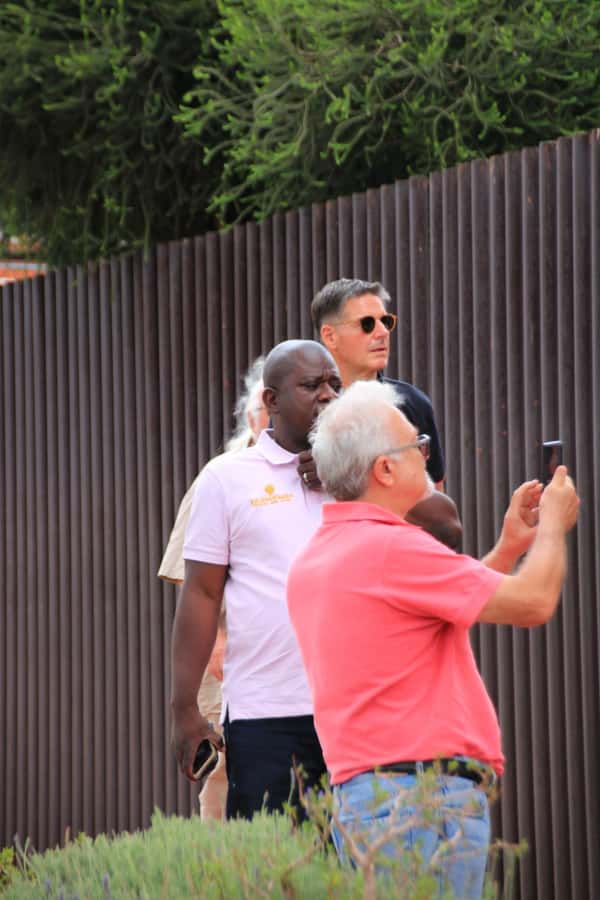
Soweto is presented as safe to visit on this guided route, and the tour uses transport between the main points. You will still make short walks and spend time getting in and out of the vehicle, so comfortable shoes and practical clothing make sense.
Some local sellers may approach you with products. The experience described here is that visitors are welcomed and the approach is not intimidating, but you should still decide in advance how you want to handle purchases. A polite no is enough if you are not interested.
The activity is not suitable for pregnant women, wheelchair users, or people with high blood pressure. The provided information does not give a detailed accessibility assessment, so anyone with mobility or health concerns should ask the operator for current vehicle and walking details before paying.
Food and drinks are not included. The schedule is long enough that you should not rely on finding a meal during the tour. Bring water, particularly on a warm day.
Is $84 good value?
At $84 per person, the price is reasonable for a five-and-a-half-hour guided outing with transport, a Soweto route, Mandela House, and entry to the Apartheid Museum. The value is strongest if you are staying outside Soweto or have limited time in Johannesburg.
You are paying for more than admission. A good guide provides the links between the sites, explains what you are seeing from the vehicle, and helps you approach the museum with some context. Several guides have also adjusted pickup times for visitors arriving by air, which can make the tour more useful on a short stopover.
The price is less compelling if you want to spend a full day inside the Apartheid Museum or enter the Hector Pieterson Museum. The schedule gives you an efficient overview, not unlimited time at each site. You also need to buy your own food and drinks.
Free cancellation up to 24 hours before departure and the option to reserve now and pay later add useful flexibility. Still, check the final pickup and museum meeting details carefully before the day.
Who should book this tour?
I would choose this tour if you have one day in Johannesburg, want a guided introduction to apartheid and Soweto, or prefer not to arrange transport between widely separated sites. It is also a good fit if you want history explained in plain language rather than simply being dropped at a museum entrance.
The tour suits first-time visitors, people on business trips, and those connecting through Johannesburg with enough time for a planned excursion. It is especially useful for anyone who wants both the street-level setting of Soweto and the organized exhibits of the Apartheid Museum.
I would look elsewhere if you want extensive shopping, local food, nightlife, or a long, slow walking tour. I would also choose a different arrangement if entering the Hector Pieterson Museum is a priority or if you need wheelchair access.
Should you book it?
Book this tour if you want a focused, serious introduction to Johannesburg’s recent past and have limited time. The strongest combination is the variety of Soweto, the interior visit at Mandela House, and the long stop at the Apartheid Museum.
Before booking, confirm your pickup time, the post-museum meeting point, and your language preference. Expect an emotional subject, short stops at some landmarks, and a museum visit that you may wish were longer. For $84, it offers a practical way to see key Soweto sites and gain the historical context that makes them matter.
FAQ
How long does the Johannesburg Soweto and Apartheid Museum tour last?
The tour lasts 330 minutes, or about five and a half hours. Starting times depend on availability.
What languages are available?
The live guide service is available in English and French.
Is pickup included?
Yes. Pickup and drop-off are available from Parkwood, Melrose, Melville, Sandton, Johannesburg, O.R. Tambo, and Rosebank. You should wait in your hotel lobby for the driver.
Is entry to the Apartheid Museum included?
Yes. Transport, a guide, and entry tickets are included. Food and drinks are not included.
Do you go inside the Hector Pieterson Museum?
No. The Hector Pieterson site is viewed from outside, with the student uprising explained during the tour. Its history is also covered at the Apartheid Museum.
Can I cancel or pay later?
You can cancel up to 24 hours in advance for a full refund. The reserve-now-and-pay-later option allows you to book without paying immediately.
More Half-Day in Johannesburg
- Johannesburg and Soweto: Half-Day Tour
★ 4.8 · 439 reviews - From Johannesburg: Lion & Safari Park Half-Day Tour
★ 4.6 · 384 reviews - Johannesburg: Soweto Half-Day Tour
★ 4.7 · 196 reviews - Johannesburg: Half-Day Soweto Tour with a Local Guide
★ 4.8 · 110 reviews
More Museums in Johannesburg
- Full-Day Soweto, Apartheid Museum and Lunch Tour
★ 5.0 · 410 reviews - Half Guided Day Tour of Soweto And Apartheid Museum
★ 5.0 · 356 reviews - Ultimate Johannesburg Soweto Experience with Apartheid Museum
★ 5.0 · 313 reviews - Soweto: Hop-On Hop-Off Bus, City Tour and Apartheid Museum
★ 4.5 · 250 reviews
Just added around Johannesburg
- Lion park★ 4.5 · 5 reviews
- Lesedi cultural village:★ 5.0 · 6 reviews
- Lesedi Cultural Village with lunch or dinner cultural food★ 4.6 · 9 reviews
- Lesedi Cultural Village Half-Day Tour★ 4.7 · 9 reviews
- Lesedi Cultural Village★ 4.9 · 4 reviews
- Kruger National Park – 5 Day Safari Tour★ 4.7 · 4 reviews
- From Johannesburg: Kruger National Park 4-Day Luxury Safari★ 4.8 · 9 reviews
- Kruger National Park – 4 Day Safari Tour★ 4.8 · 19 reviews
Soweto Tours, compared.

Soweto /Johannesburg and Apartheid Museum Guided Full Day Tour
Read our review →
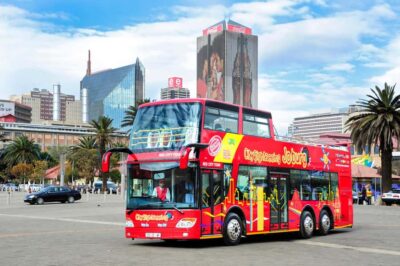
Johannesburg Hop-On Hop-Off City Tour with Soweto Option
Read our review →

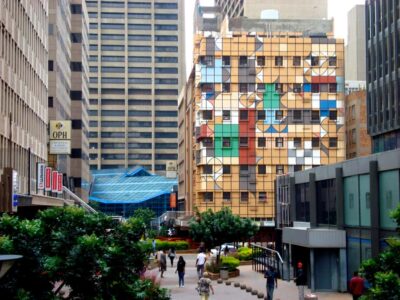
Jo’berg in 1 Day: Soweto, Apartheid Museum & City Tour
Read our review →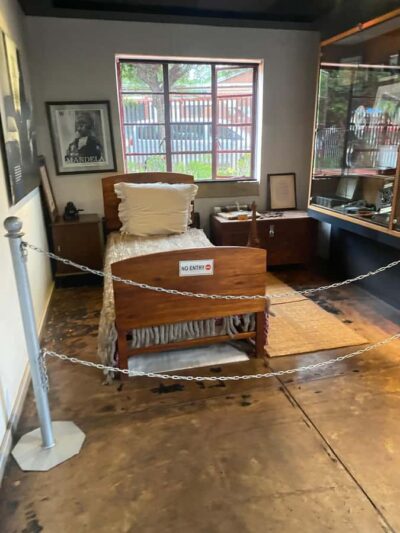
Full-Day Tour with Soweto and Apartheid Museum
Read our review →
Browse the lists this tour appears in