
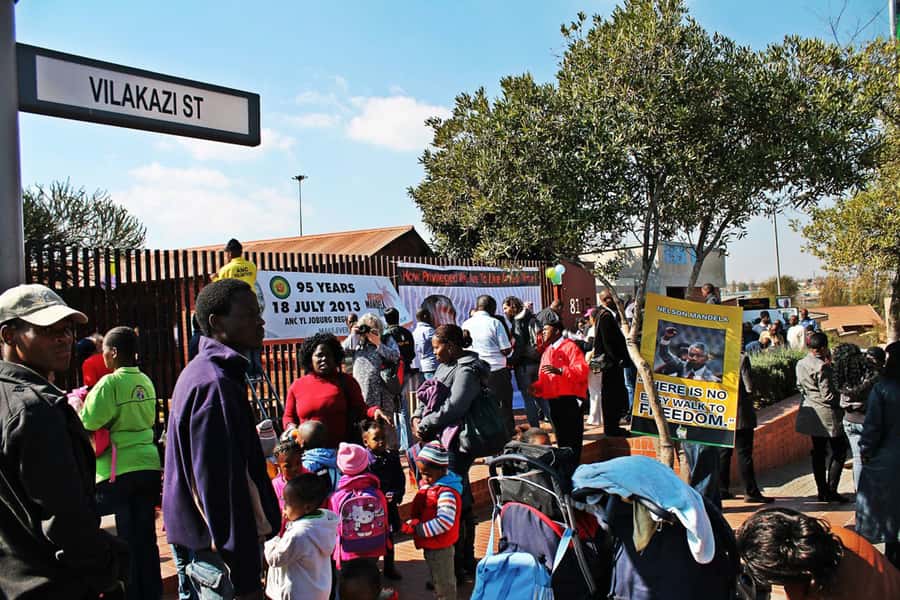
Reviewed · SOWETO TOURS
Johannesburg: Soweto Half-Day Tour
Soweto is not a distant attraction you view from a coach window. It is a vast township with busy streets, powerful political landmarks, informal settlements, local markets, and ordinary homes. This five-hour tour gives you a guided introduction to that complicated mix, with stops at Vilakazi Street, the Hector Pieterson Museum, Regina Mundi Church, and a local settlement.
I like two things right away: you get real historical context instead of simply collecting photographs, and the tour uses local guides who can explain what you are seeing in plain language. Guides including Sello, Thapelo, Lebo, William, and Pat have been praised for being warm, careful, and engaging. The main drawback is time. Five hours covers a lot, so some stops can feel rushed, and the visit to a poor settlement may feel uncomfortable if you are not prepared for the ethics of looking at someone else’s daily life.
Key points to know before booking

- Vilakazi Street links two Nobel Peace Prize figures: See the former home of Nelson Mandela and the home of Archbishop Desmond Tutu, along with Winnie Madikizela-Mandela’s former residence.
- The Hector Pieterson Museum is included: This serious, emotional stop explains the 1976 Soweto uprising and the schoolchildren killed during the protest.
- You visit more than famous landmarks: Diepkloof markets, Regina Mundi Church, an informal settlement, Soweto’s cooling towers, and Baragwanath Hospital broaden the picture.
- The guide makes a major difference: Past guides such as Sello, Thapelo, Lebo, Tshepo, Patience, and Carson were praised for clear explanations and personal care.
- Mandela House is viewed from outside: Entry to the museum is optional and costs extra, paid on arrival.
- Hotel pickup and WiFi add practical value: Transfers from Johannesburg accommodation and onboard uncapped WiFi are included, along with wheelchair access.
What this Soweto tour is really trying to show you

Many Johannesburg excursions focus on grand buildings, polished shopping areas, or the Apartheid Museum. This tour takes a different route. It places Soweto’s political story beside its daily life, so you see both the landmarks that shaped South Africa and the streets where people still work, shop, study, worship, and live.
That matters because Soweto is often reduced to a symbol of apartheid. The symbol is important, but it is not the whole place. You will see crowded commercial areas, vendors selling a wide range of goods, university buildings, homes, churches, hospital grounds, and informal housing. The guide’s job is to connect those sights rather than leave you with a collection of disconnected photo stops.
The tour is conducted in English, with pickup from your Johannesburg hotel or residence. You begin with a short briefing, then ride toward Soweto in a comfortable vehicle. Free onboard WiFi is included, a small but useful perk if you need to stay in touch during a half-day outing.
The tour has earned a 4.7 rating from 196 bookings, and the strongest pattern is clear: people value the guides. Names change from departure to departure, but guides such as Mark, Sello, Thapelo, Lebo, William, Patience, and Carson have been praised for explaining difficult subjects clearly, helping with photographs, answering questions, and keeping the mood respectful without making the tour grim from start to finish.
More Soweto Tours in Johannesburg
- Johannesburg: Hop-On Hop-Off Bus with Optional Soweto Tour
★ 4.6 · 985 reviews - Soweto /Johannesburg and Apartheid Museum Guided Full Day Tour
★ 5.0 · 932 reviews - Johannesburg Hop-On Hop-Off City Tour with Soweto Option
★ 4.5 · 768 reviews
The road from Johannesburg to Soweto
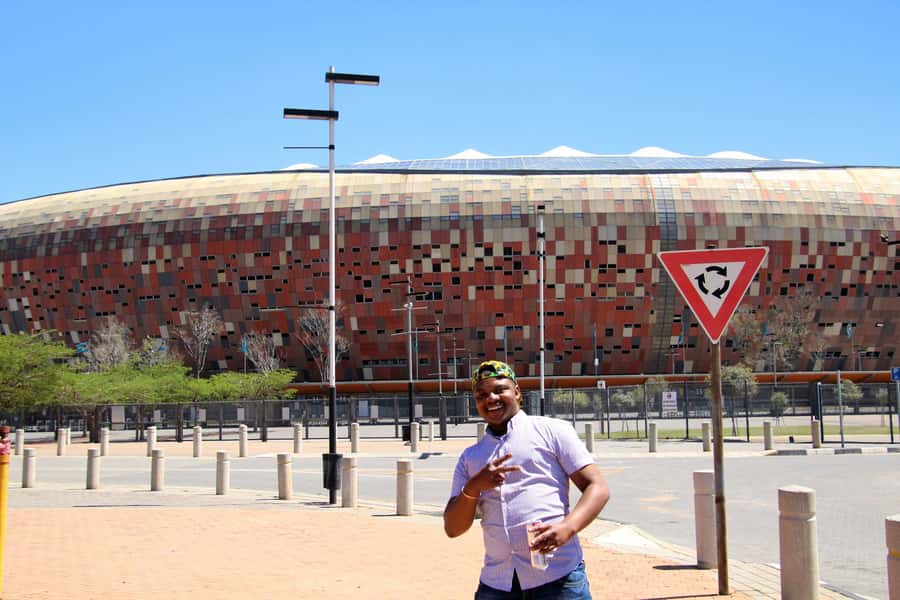
The drive toward Soweto takes about 45 minutes. Along the way, you pass the National Football Stadium, associated with the opening and closing ceremonies of the 2010 World Cup. This is a useful opening image because it puts modern South Africa beside the older political story you are about to explore.
Your guide may begin explaining Johannesburg, apartheid-era separation, and Soweto’s place in the country before you arrive. That early explanation helps you read the streets with more care. You are not simply being told that a place is poor or historically important. You are given some sense of how policy, protest, migration, housing, and political change shaped it.
The vehicle transfer also keeps the outing manageable. Soweto is large, and walking between all of these sites would not be practical in five hours. The tradeoff is that you spend much of the day moving between locations, so this is an overview rather than a slow neighborhood walk.
Diepkloof puts daily life first
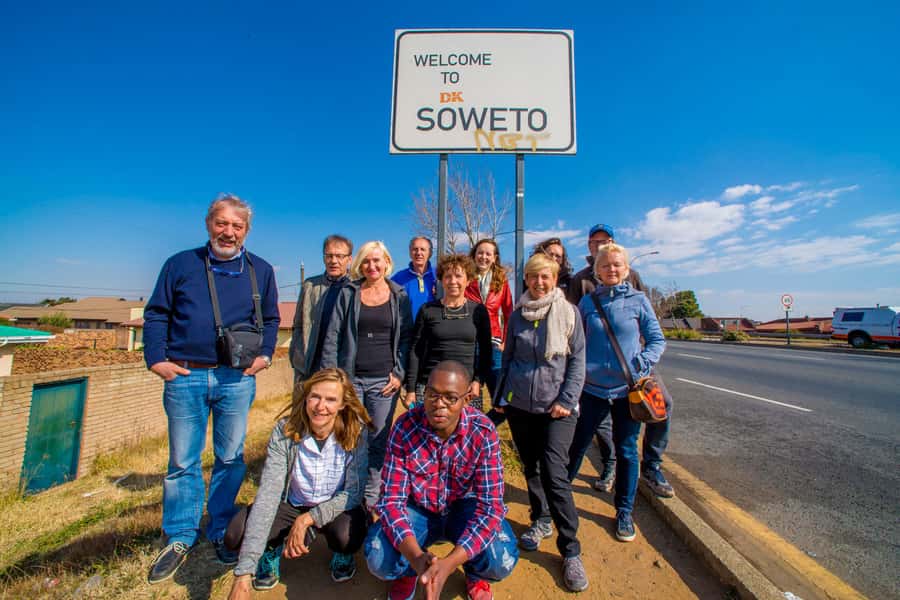
The first substantial stop is Diepkloof, where you take a walk lasting about 30 minutes. Vendors sell an assortment of everyday goods, and the scene gives you a quick look at commercial life in the township.
This short walk is valuable because it moves you away from the most famous political names. You begin to see Soweto as a working place, not just a historical setting. Your guide can explain what is around you and help you interact politely, while also pointing out details that might otherwise pass unnoticed.
Bring comfortable walking shoes and keep your belongings secure in the ordinary way you would in any busy market area. The walk is not long, but the point is observation and conversation, not a formal shopping stop.
Vilakazi Street and the homes of Mandela and Tutu
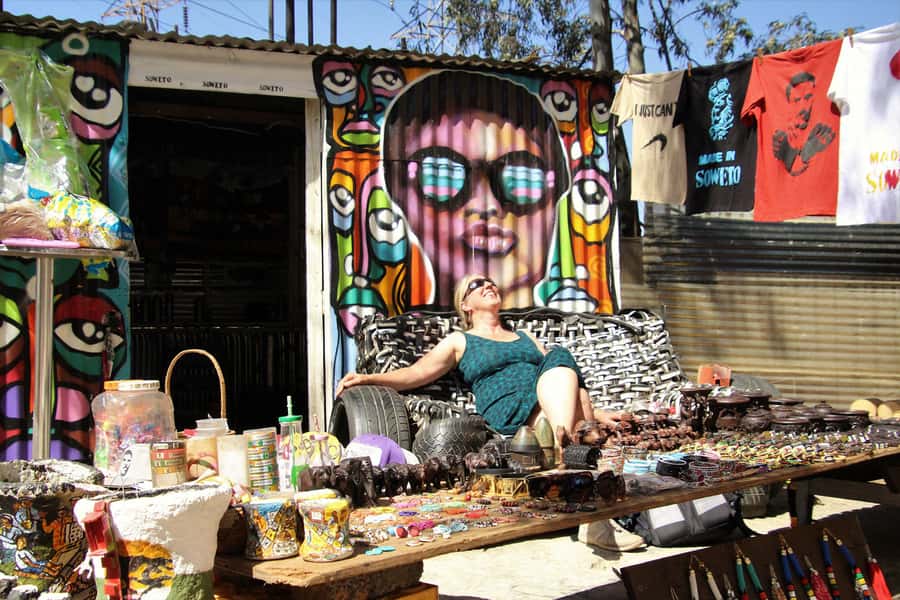
Vilakazi Street is the tour’s most famous address. It is known for being connected to two Nobel Peace Prize winners, Nelson Mandela and Archbishop Emeritus Desmond Tutu. You drive past Mandela’s former home and see the current home of Archbishop Tutu. You also pass Winnie Madikizela-Mandela’s former residence.
The significance is easy to miss if you only stop for a photograph. Ask your guide to explain how these homes relate to the wider political story. This street brings national history down to a human scale. Political decisions and public speeches are connected to real houses, families, neighbors, and a street that remains part of Soweto’s daily life.
You get about an hour for sightseeing in the Orlando West area. That is a useful amount of time for the street and its nearby points of interest, though it is not enough for a leisurely exploration of every corner.
The tour includes a view of Mandela House, but entrance to the Nelson Mandela House Museum is not included. If you want to go inside, you pay the additional entrance fee on arrival. This is an important budget detail. At $74 per person, the tour already includes transport, guiding, the Hector Pieterson Museum, and Regina Mundi Church, but the Mandela museum is an optional extra.
If entering Mandela House is a priority, check how much time your departure allows. One past booking found the schedule rushed and suggested that less time at a stadium-related stop could have allowed more time at the main sites. The exact pacing can vary, but the concern is fair: Soweto rewards attention, and five hours goes quickly.
More Soweto Tours in Soweto:
- Half-Day Tour of Soweto Tour
★ 4.5 · 712 reviews - Soweto: Walking Tour with a Local Guide and Lunch
★ 4.9 · 648 reviews - Jo’berg in 1 Day: Soweto, Apartheid Museum & City Tour
★ 4.8 · 524 reviews - Johannesburg: Full-Day Tour with Soweto and Apartheid Museum
★ 4.8 · 478 reviews
Hector Pieterson Museum explains June 16, 1976

The Hector Pieterson Museum is the emotional center of the tour. Its subject is the Soweto uprising of June 16, 1976, when schoolchildren protested against the apartheid education system. Hector Pieterson, a young boy, was killed, and the photograph of his body being carried became an international image of the struggle against apartheid.
The museum is included in the tour price, which adds real value. It gives structure to the history you have been hearing on the drive and seeing on Vilakazi Street. The displays are serious, and the visit can be upsetting. One booking described the memorial as especially emotional, which is exactly the right expectation to carry in.
Allow yourself time to take in the material rather than treating this as another quick stop. The museum is not designed as light sightseeing. It asks you to think about young people, state violence, education, and the cost of political change.
The guide’s explanation matters here. A good guide can provide context before you enter, then help you understand why June 16 remains important in South Africa. Past guides such as Carson were praised for previewing subjects during the drive, making the museum easier to follow once inside.
Regina Mundi Church adds another side to the struggle
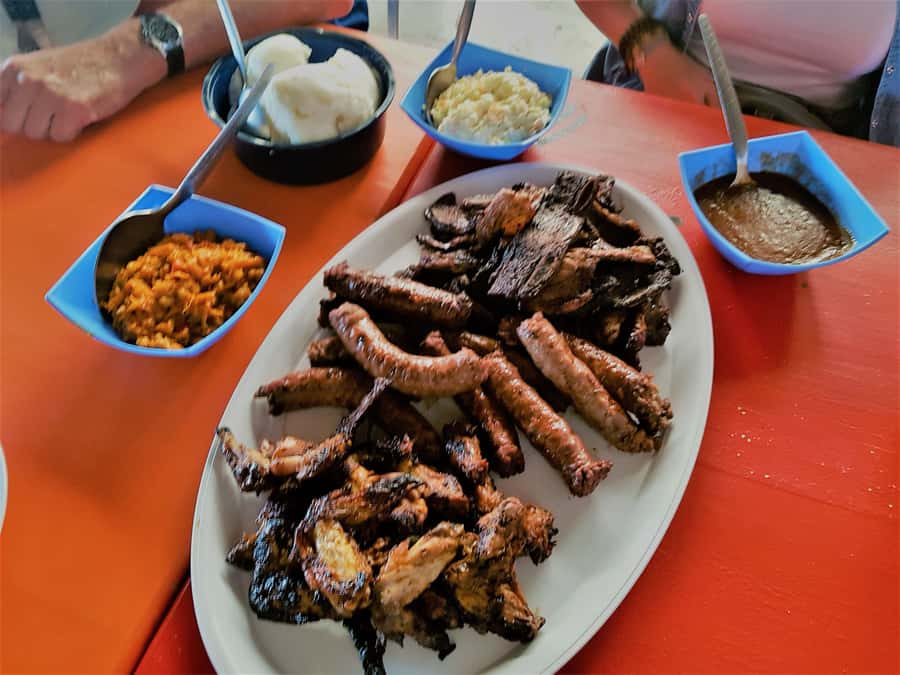
Regina Mundi Church is another included entry. The church became an important place during the apartheid era and is presented as part of Soweto’s political and religious story.
This stop keeps the tour from focusing only on museums and private homes. Churches could offer refuge, community support, and space for people affected by political conflict. Your guide will explain the site as part of Soweto’s wider experience, not simply as an architectural visit.
Because both the museum and church are included, the $74 fee compares well with a simple private transfer or an outing that only drives past landmarks. You are paying for transport and interpretation, but also for access to places that give the day some depth.
The informal settlement requires respect
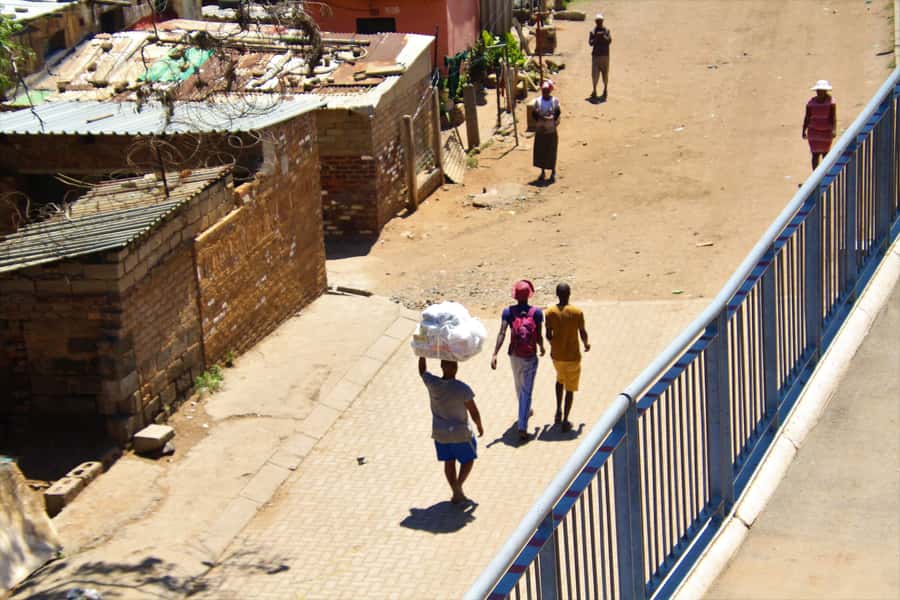
The tour continues into an informal settlement, where you can interact with local people and see housing conditions that differ sharply from the more established parts of Soweto. This is the most difficult part of the experience for many people.
I think it can be valuable if you approach it with humility. You may learn about the challenges people face and about efforts to improve living conditions. You may also see community projects connected with children, women, or youth. But you should not treat the area as a human exhibit or assume that a photograph is automatically welcome.
One person felt uneasy about entering private homes and described the experience as intrusive. That concern deserves to be taken seriously. The supplied details do not promise a home visit on every departure, but past tours have included close contact with residents and, in some cases, access to homes or a small school.
Ask permission before taking photographs. Follow your guide’s advice. Do not hand out sweets, money, or supplies without clear guidance from the guide or local hosts. Older booking notes suggested bringing small gifts for children, but I would not make that your default plan. Giving items to children can create pressure and unequal attention. If you want to support local projects, ask how to do so in a useful and respectful way.
You do not need to bring cash for the visit, according to the supplied tour details, though personal purchases are not included. The best contribution may be your attention, courtesy, and willingness to listen.
Cooling towers, university views, and Baragwanath Hospital
The final driving section shows more of Soweto’s physical character. You see the Soweto cooling towers, pass the Soweto campus of the University of Johannesburg, and finish with a view of Chris Hani Baragwanath Hospital.
The cooling towers provide one of the area’s most recognizable photo subjects. They also remind you that Soweto is an urban place shaped by industry and infrastructure, not an isolated village.
The university adds a useful modern note. It suggests education, ambition, and a younger generation living in a South Africa that is still working through the effects of its past. The final view of Chris Hani Baragwanath Hospital gives scale to the area. It is described as the largest hospital in the world, and even seeing it from outside helps you understand the size of the population it serves.
These final stops are viewed from the vehicle or during brief sightseeing periods. If you prefer long walks and extended time at each site, the pace may feel brisk. If you want a broad orientation before spending more time in Johannesburg, the range works well.
Is $74 good value for five hours?
At $74 per person, this is not the cheapest way to look around Johannesburg, but it offers more than transportation. The price includes hotel pickup, a comfortable vehicle, an English-speaking guide, the Hector Pieterson Museum, Regina Mundi Church, and the main Soweto sights. Uncapped onboard WiFi is included as well.
The strongest value comes from the guide. Soweto’s history is not something you can fully understand by driving past a house or reading a plaque. The guide explains why each place matters and helps you move through sensitive areas with more confidence.
The fee is less attractive if you only want photographs of Mandela House or Vilakazi Street. You can see Mandela House from outside, while museum entry costs extra. The tour also does not include food or personal purchases.
For a first visit, I consider the price reasonable because it combines transport, access, interpretation, and a broad route in half a day. If you want to spend serious time inside Mandela House, explore Soweto slowly, or focus on the Apartheid Museum, plan a separate activity rather than expecting this tour to cover everything.
Who will enjoy this tour most?
This experience suits you if you have limited time in Johannesburg and want a guided introduction to Soweto. It is especially useful if you want historical explanation alongside everyday scenes, rather than a trip made up only of famous addresses.
It also suits solo visitors. One booking went ahead as a private tour even with only one person, and the guide continued with the experience. Pickup is included from Johannesburg accommodation, which helps if you do not want to arrange your own transport.
The tour may not suit you if you dislike structured sightseeing or feel strongly that visits to poor neighborhoods are inappropriate. You should also think twice if you need a slow pace. The route covers Diepkloof, Orlando West, the museum, Regina Mundi Church, an informal settlement, the university area, the cooling towers, and Baragwanath Hospital before returning to Johannesburg.
The tour is wheelchair accessible, though the exact ease of each walking section can depend on conditions at the time. Confirm any mobility needs when booking so the operator can prepare properly.
Free cancellation is available up to 24 hours in advance, and you can reserve now and pay later. Starting times vary, so check availability for your preferred date.
Should you book the Soweto half-day tour?
Book it if you want context as well as landmarks, and if you are ready to see Soweto as a living community rather than a historical display. The combination of Vilakazi Street, Hector Pieterson Museum, Regina Mundi Church, Diepkloof, and an informal settlement gives you a fuller introduction than a simple drive-through.
Go with an open mind and a respectful camera. Expect some emotional moments, expect a fairly quick pace, and remember that Mandela House entry costs extra. If you can accept those limits, this is a well-priced first look at one of Johannesburg’s most important places, made much stronger by a thoughtful local guide.
FAQ
How long does the Soweto tour last?
The tour lasts five hours, including pickup from Johannesburg, travel to Soweto, sightseeing, and the return journey.
Is hotel pickup included?
Yes. Pickup is available from your Johannesburg accommodation, and transfers are provided in a comfortable vehicle.
Which language is the tour conducted in?
The live tour guide speaks English.
Is the Hector Pieterson Museum included?
Yes. Entrance to the Hector Pieterson Museum is included in the tour price.
Can I enter the Nelson Mandela House Museum?
Entry is optional and is not included. You can view Mandela House from outside, while museum admission is paid separately on arrival.
Is the tour wheelchair accessible?
Yes, the activity is listed as wheelchair accessible.
More Half-Day in Soweto
- Johannesburg and Soweto: Half-Day Tour
★ 4.8 · 439 reviews - Johannesburg: Half-Day Soweto Tour with a Local Guide
★ 4.8 · 110 reviews - Johannesburg: Soweto & Apartheid Museum Half-Day Tour
★ 4.9 · 99 reviews - Johannesburg & Soweto (Half-day Tour)
★ 4.1 · 14 reviews
Just added around Soweto
- Johannesburg: Soweto Night Tour★ 4.7 · 3 reviews
- Soweto and Apartheid Museum Tour★ 4.4 · 38 reviews
- Johannesburg: Soweto, Apartheid Museum, and Cradle tours★ 4.7 · 3 reviews
- Johannesburg: Soweto Tour with Lunch★ 4.8 · 43 reviews
- Johannesburg & Soweto (Half-day Tour)★ 4.1 · 14 reviews
- Johannesburg and Soweto Night Tour★ 4.8 · 41 reviews
- Half Day Soweto and Apartheid Museum Guided Tour★ 5.0 · 5 reviews
- Half Day Private Soweto and Apartheid Museum tour★ 4.6 · 14 reviews
Soweto Tours, compared.

Soweto /Johannesburg and Apartheid Museum Guided Full Day Tour
Read our review →
Johannesburg Hop-On Hop-Off City Tour with Soweto Option
Read our review →

Jo’berg in 1 Day: Soweto, Apartheid Museum & City Tour
Read our review →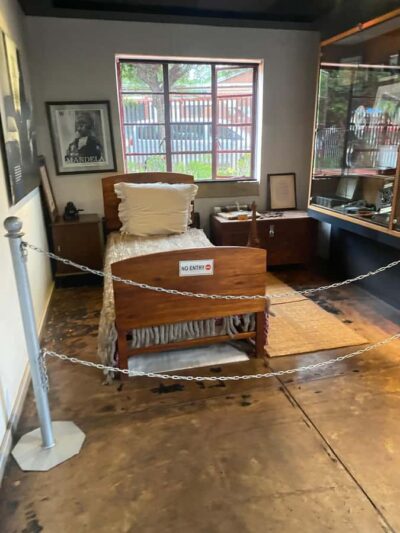
Full-Day Tour with Soweto and Apartheid Museum
Read our review →
Browse the lists this tour appears in