
Reviewed · BO-KAAP TOURS
Cape Town: Cape Malay Cooking Class in Bo-Kaap
Cape Malay cooking comes alive in a family home in Bo-Kaap, where you help prepare a three-course meal instead of simply watching a chef work. You may fold samosas, make chilli bites and flatbread, and help with a fragrant curry before sitting down to eat what you have made.
I like the hands-on format, and I like the chance to hear about Bo-Kaap and Cape Malay culture from someone who lives there. The food is also a strong point, with past menus including samosas, chilli bites, roti, and chicken or beef curry. The main consideration is that this is a shared kitchen class, not a private station for every person, and the meal may involve steep stairs.
For $52, this is a good-value way to combine food, conversation, and local context in two hours. You will not get a full walking tour of Bo-Kaap, and transport is not included, but you do get the cooking class, lunch, and soft drinks.
Key points to know before booking
- You cook in a local Bo-Kaap home: The setting gives the class a personal feel that a restaurant kitchen cannot match.
- The menu includes familiar Cape Malay favorites: Past classes have prepared samosas, chilli bites, flatbread or roti, and chicken or beef curry.
- Everyone takes part: You may share tasks rather than work at your own individual station.
- The food lesson comes with local stories: Hosts discuss family life, Cape Malay traditions, ingredients, and Bo-Kaap.
- The class lasts two hours: That makes it easy to fit into a Cape Town schedule, but the pace is fairly focused.
- Access needs attention: One eating area is reached by steep stairs, and transport is not provided.
Why Cape Malay food belongs on your Cape Town plans
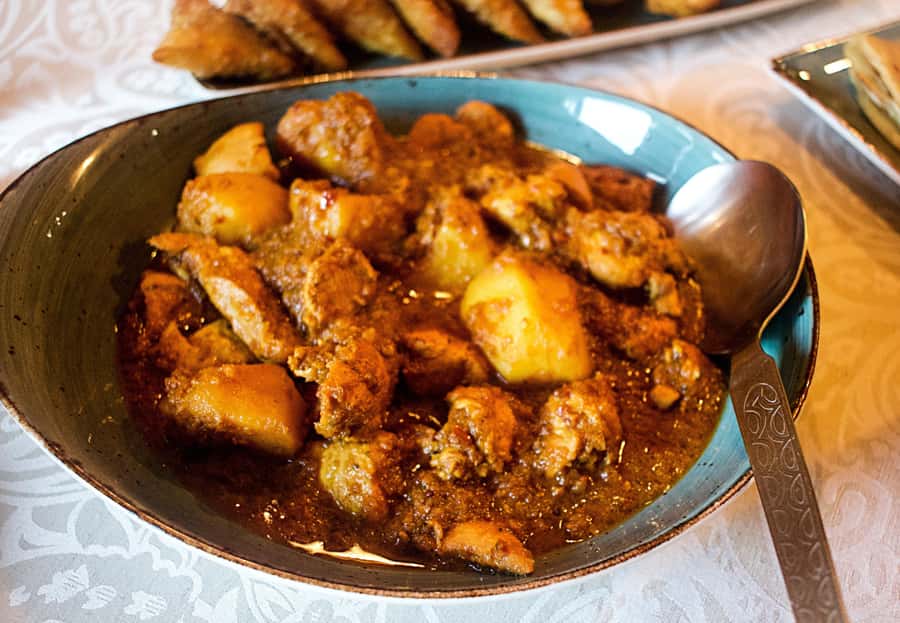
Cape Malay cooking is one of the best ways to understand how food carries memory and identity. This class focuses on the style of cooking found in Bo-Kaap, a Cape Town neighborhood known for its Cape Malay community and brightly painted homes.
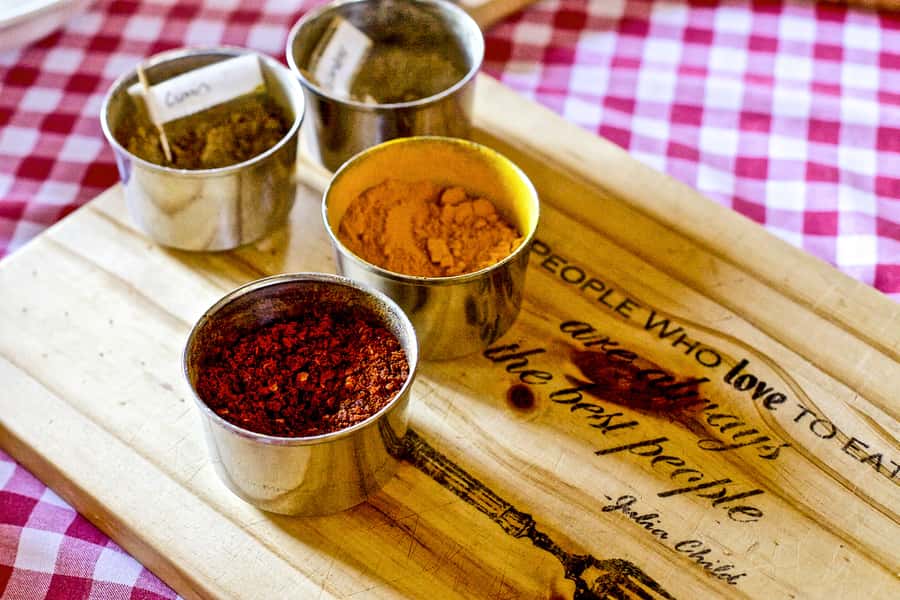
The emphasis is not just on tasting finished dishes. You learn how spices, folding techniques, fresh ingredients, and cooking methods work together. That matters because Cape Malay food is more than a generic curry with heat. The flavor comes from the balance of spice, sweetness, savory ingredients, and careful preparation.
I especially like the practical nature of the lesson. You are not expected to sit quietly while someone else handles the important work. The class encourages participation, and the host guides you through the steps. A small technique, such as folding a samoosa so it keeps its filling during cooking, can be the sort of tip you remember long after the meal.
The cultural side is just as useful. Hosts talk about family, local customs, and the Bo-Kaap community while you cook. You get a food lesson and a first-hand account of local life, without needing to book a separate cultural talk.
More Bo-Kaap Tours in Cape Town:
- Cape Town: Malay Cooking Class and Lunch in Bo-Kaap
★ 4.8 · 515 reviews - Cape Town Walking Tour: Bo-Kaap & City Highlights
★ 4.8 · 161 reviews - Bo-Kaap: Walk with a local
★ 5.0 · 131 reviews
Entering a Bo-Kaap family kitchen
The setting is one of the strongest parts of this experience. Instead of meeting in a large commercial cooking school, you are welcomed into a traditional Malay home in Bo-Kaap.
That changes the mood right away. The class feels social and informal, with people working together around the food and talking with the host. The host families have been praised for making people feel comfortable, and several sessions have included warm conversations about relatives, customs, and everyday life.
Hosts vary by session. Names connected with past classes include Shafeeqah, Fuad, Jacinda, and Jasmina. Shafeeqah has led classes with clear demonstrations and easy group participation, while other hosts have been praised for their kindness, organization, and willingness to explain the food and culture. You should not assume that one named host will lead every class, but you can expect an English or Afrikaans-speaking host or greeter.
This is a good choice if you enjoy meeting people in a small social setting. It is less suitable if you want a quiet, private meal or a polished restaurant-style lesson. The class brings people together, so part of the experience is chatting with the other participants as you prepare the food.
What happens during the two-hour class
The session begins with an introduction to the food and the host’s home. You learn about Cape Malay ingredients, the cooking process, and the dishes you will prepare.
The precise menu can vary, but past classes have included three courses built around several popular items:
- Samosas
- Chilli bites
- Roti or another flatbread
- Chicken or beef curry
- A dessert prepared in advance on at least some occasions
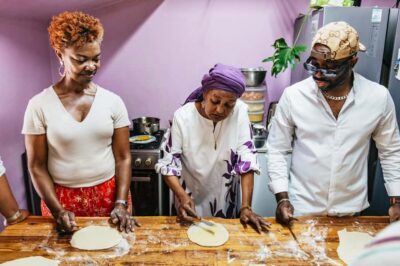
Do not read the three-course format as three completely separate cooking projects where you prepare every item alone from start to finish. One useful detail is that the class works as a group. You might chop, mix, fold, shape, or stir while the host organizes the larger cooking process.
That shared format has advantages. You can watch how each dish comes together, ask questions as you go, and learn from other people’s mistakes. It also keeps the two-hour schedule moving. The trade-off is that you may not have your own cooking station or control every part of the meal.
The starter work often gives you the most direct hands-on practice. Folding samosas takes a little care, and the host can show you how to keep the filling inside while the pastry cooks. Chilli bites offer another chance to work with spices and texture.
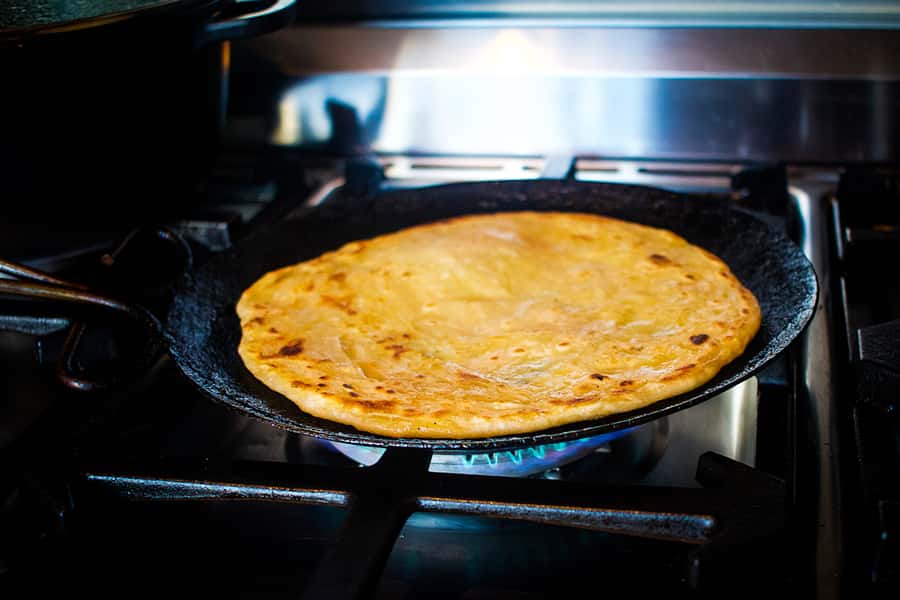
Flatbread or roti adds a different skill. You learn how dough is handled and cooked, while the curry provides the main lesson in seasoning and slow preparation. Since the meal is made from fresh ingredients and authentic spices, the class gives you a better sense of the process than simply ordering Cape Malay food at a restaurant.
From spice lesson to shared meal
Once the cooking is finished, you sit down with the host and eat the food prepared by the group. The meal is included in the $52 price, along with soft drinks.
This shared table is where the class becomes more than a recipe demonstration. Conversation continues around family, local traditions, and the community. You may find yourself discussing the meal with people from several countries, as the class has attracted an international mix as well as people from South Africa.
The meal itself is a practical test of what you learned. You can see how the samosas held together, taste the balance of the curry, and compare the fresh flatbread with the finished main dish. Food tends to make conversation easy, and that helps explain why the social side receives so much emphasis.
Past menus have included both chicken and beef curry, so you should check the menu for your date if a particular dish matters to you. A dessert may already be prepared before the class, which means the cooking focus is concentrated on the savory courses and starters.
The food is meant to be eaten after the class, not packed away as a cooking sample. If you are booking this around another meal, remember that the class includes a substantial lunch-style sitting. Some sessions have taken place in the evening, so confirm the available start time when you book.
A few more Cape Town trips to weigh up
- Authentic African Cuisine Cooking Experience
★ 5.0 · 236 reviews - Cape Town: Bo-Kapp Walking Tour and Malay Cooking Class
★ 4.7 · 105 reviews - Cape Town: Authentic African Cuisine Cooking Experience
★ 4.9 · 31 reviews - Half-Day Small Group Cooking Experience in Franschhoek
★ 5.0 · 74 reviews
The hosts make the difference
A cooking class succeeds or fails on the person leading it. Here, the host is also your cultural guide, kitchen teacher, and dining companion.
The most useful hosts explain rather than rush. Shafeeqah, for example, has been praised for demonstrating techniques clearly and helping a multinational group follow along. Other hosts have explained where to find the ingredients and how to repeat the recipes at home.
That last point adds real value. You are not only told what goes into a dish. You can ask where to buy the spices and how the method works in a normal home kitchen. If you enjoy bringing food memories back into your own cooking, this is more useful than a standard restaurant tasting.
The family-home setting also requires a little flexibility. This is not a staged performance with a fixed script and a large staff. The host may adjust the pace for the group, divide tasks among participants, or adapt a dish for dietary needs. One family received help with dietary restrictions, but you should still explain your needs before booking rather than expect every request to be possible on the day.
English and Afrikaans are the listed languages. That makes the class accessible to English-speaking visitors, while the use of Afrikaans adds another local touch for people who speak or understand it.
What the $52 price really buys you
At $52 per person, the price is fair if you value the full package rather than just the food. You receive a two-hour class, the meal you prepare, and soft drinks. You also get direct time with a local host in a home setting.
A restaurant meal might cost less, especially if you order a simple dish. But it would not include the instruction, the ingredient lesson, the samosa-folding tip, or the conversation about Bo-Kaap and Cape Malay traditions.
The class is also more efficient than booking several separate activities. In two hours, you cook, eat, and hear local stories. It can work well on a short Cape Town visit, particularly if you want one experience that combines culture and food without taking half a day.
The value is weaker if you want a private class, a professional kitchen, or a long list of dishes to take home. You are paying for participation and contact with the host, not for a large recipe portfolio.
Reserve-now, pay-later booking is available, and you can cancel up to 24 hours before the activity for a full refund. Those terms are helpful if your Cape Town plans are still shifting.
Practical details that affect your visit
Transportation is not included, so you need to make your own way to Bo-Kaap. The activity information does not provide a pickup service, so allow enough time to reach the meeting point and find the home without rushing.
The class lasts two hours, but the available start times can change. Check the schedule before you plan another tour, especially if you want to eat lunch immediately afterward.
Pay attention to the physical layout. One person with a severe back injury found the steep stairs down to the eating area difficult. If stairs are a concern for you, contact the provider before booking and ask exactly where cooking and dining take place.
Alcohol and drugs are not allowed. Soft drinks are included, but alcoholic drinks are not part of the experience.
The class is best approached with a willingness to share tasks. You may not spend the entire session making one dish from beginning to end. Instead, you help with several parts of the menu while the host keeps the meal on track.
That structure suits families, couples, solo visitors who like meeting people, and older children or teenagers willing to take part. Teenagers have enjoyed the class after initially showing little interest, which makes it a useful family option when you want an activity that is not just sightseeing.
Who will enjoy this class most
I would choose this experience if you want to meet a local host and learn through doing. The setting feels personal, and the combination of food and conversation gives you more context than a simple cooking demonstration.
It also suits people who want to understand Cape Malay cuisine before ordering it elsewhere. Once you have handled the spices and watched the curry come together, you will have a better idea of what makes these dishes different from other South African food.
Families can benefit from the shared work, particularly if children or teenagers enjoy shaping, folding, and tasting. Couples and friends may like the relaxed meal at the end. Solo visitors can use the class as an easy way to meet other people without needing to arrange a group themselves.
You may want to skip it if you need step-free access, insist on a private instructor, or prefer a class where each person has a separate workstation. The shared home kitchen is part of the appeal, but it also means the format is less formal and less predictable than a cooking school.
Final decision: should you book it?
Book this Cape Malay cooking class if you want a genuine, food-centered introduction to Bo-Kaap. The strongest reasons are the home setting, the chance to prepare dishes yourself, and the warm conversation that continues over the finished meal.
The $52 cost is sensible for a two-hour class that includes lunch and soft drinks. Just confirm the start time, ask about the menu and dietary needs, and check the stair access if mobility is an issue.
I would not book it for a private culinary lesson or a full neighborhood tour. I would book it for the chance to fold a samoosa, make a curry with local guidance, and spend a few hours at a Cape Town family table.
FAQ
How long does the Cape Malay cooking class last?
The class lasts two hours.
Where does the cooking class take place?
It takes place in the historic Bo-Kaap neighborhood of Cape Town, in a local resident’s home.
What food will I prepare?
The class prepares a three-course Cape Malay meal. Dishes used in past sessions include samosas, chilli bites, flatbread or roti, and chicken or beef curry. The exact menu may vary.
Is lunch included?
Yes. The cooking class, lunch, and soft drinks are included in the price.
Is transportation included?
No. You must arrange your own transportation to and from Bo-Kaap.
What languages are available?
The host or greeter speaks English or Afrikaans.
Can I cancel the booking?
Yes. You can cancel up to 24 hours in advance for a full refund. Reserve-now, pay-later booking is also available.
More Workshops in Cape Town
- Koeksister and Samoosa Class by the Malay Cook Up
★ 4.8 · 9 reviews - Jeffreys Bay: Private Surfing Lesson for Beginners
★ 4.8 · 43 reviews - Jeffreys Bay: Learn to Surf Group Lesson
★ 4.9 · 35 reviews - GQ: City Walking Tour & African Cuisine Cooking Class
★ 4.6 · 11 reviews
Just added around Cape Town
- Lion’s Head Hike: Cape Town – Sunrise or Sunset Hike★ 5.0 · 29 reviews
- Lion’s Head Sunrise or Sunset Hike + Hotel Pick-Up★ 5.0 · 24 reviews
- Lion’s Head: Hike with a registered hiking guide★ 5.0 · 3 reviews
- Kruger National Park 3 Days Best Ever Safari from Cape Town★ 4.1 · 11 reviews
- Koeksister and Samoosa Class by the Malay Cook Up★ 4.8 · 9 reviews
- Kirstenbosch Garden, Bo-Kaap-Penguins & Cape Peninsula Tour★ 3.9 · 7 reviews
- Khayelitsha: 3-Hour Township Walking Tour★ 5.0 · 6 reviews
- Cape Town: Constantia Half-Day Wine Tour & Tastings★ 4.9 · 15 reviews
Bo-Kaap Tours, compared.

Cape Town Walking Tour: Bo-Kaap & City Highlights
Read our review →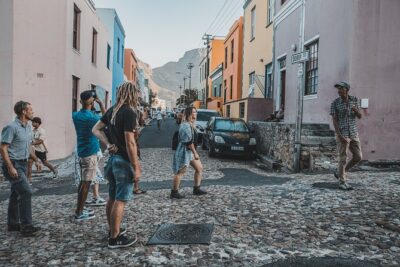

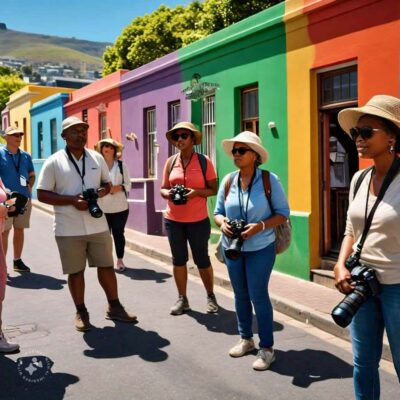

Full-Day Kirstenbosch, Bo-Kaap, and Penguins Tour
Read our review →
Kirstenbosch Garden, Bo-Kaap-Penguins & Cape Peninsula Tour
Read our review →
Browse the lists this tour appears in