
Reviewed · SOWETO TOURS
Ultimate Johannesburg Soweto Experience with Apartheid Museum
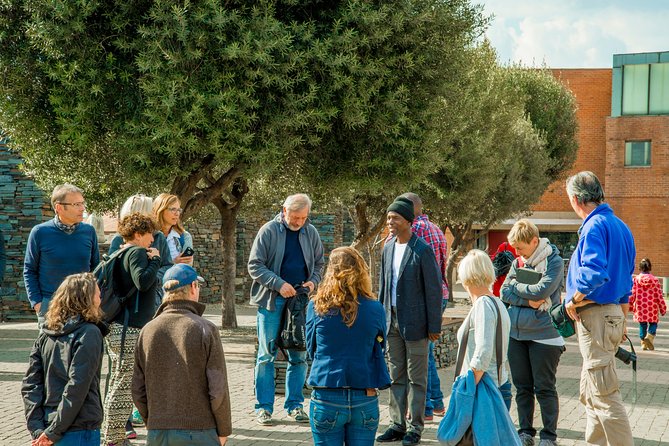
Johannesburg’s story comes into sharper focus when you connect its major landmarks with Soweto’s streets. This seven-hour tour brings together the Apartheid Museum, Constitution Hill, Hector Pieterson Museum, Mandela House, and Vilakazi Street, giving you both the national picture and the local one.
I like the small group limit of nine, which should make it easier to hear the guide and ask direct questions. I also like the thoughtful route: the Apartheid Museum explains the system, while Soweto’s museums and memorials show how ordinary people confronted it. The main drawback is that the tour is non-refundable, and lunch plus entry to Mandela House are not included.
Key points to know before booking
- Seven important stops in one day: You visit Nelson Mandela Bridge, the Apartheid Museum, Hector Pieterson Museum, Mandela House, Vilakazi Street, and Constitution Hill.
- A serious look at apartheid: Two hours at the Apartheid Museum gives you time to examine the laws and human cost of racial separation.
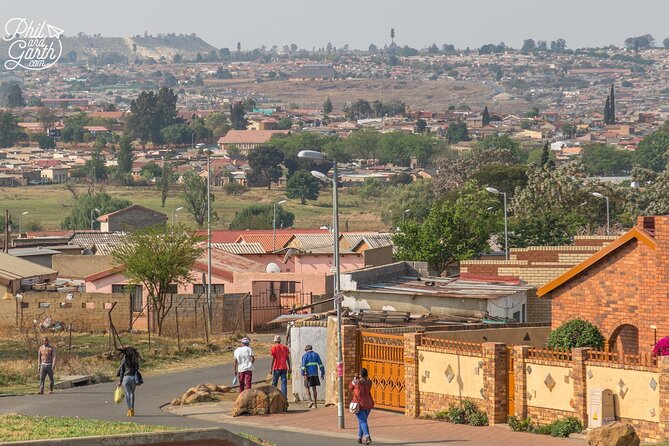
- Soweto takes center stage: The Hector Pieterson Museum and Vilakazi Street connect major national events with the people and places at their heart.
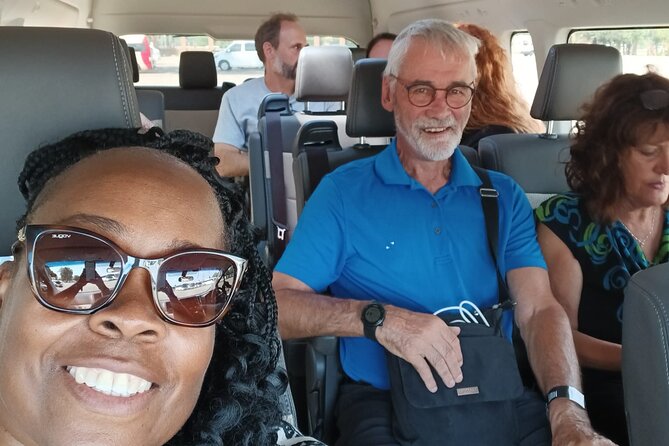
- Small-group transport: The air-conditioned vehicle carries no more than nine people, with WiFi onboard and pickup offered.
- Allow for extra costs: Lunch, drinks, and admission to Mandela House are not included in the $101.01 price.
- A strong first-time Johannesburg route: The tour suits you if you want historic context, guided transport, and several major sites without arranging each visit yourself.
Why this route gives Johannesburg a human scale
Many Johannesburg tours focus on broad city views or quick photo stops. This one spends its time on places where South Africa’s political story becomes personal. You move from a bridge named for Nelson Mandela to museums devoted to apartheid, the Soweto Uprising, and human rights.
That order matters. The Apartheid Museum explains the structure of racial separation, from political rights and housing to employment and education. Later, the Hector Pieterson Museum places you near the events of June 16, 1976, when students in Soweto rose against the apartheid education system.
You then visit Mandela House and walk through Vilakazi Street, linking the struggle to the people who shaped it. Constitution Hill brings the day back to the wider national picture, with a guided visit focused on human rights and the former prison complex.
I see the route as a useful balance. It does not treat Soweto as a backdrop for photographs. It gives you time at museums and memorials, then lets you see the streets and landmarks connected with South Africa’s long political fight.
More Apartheid Museum Tours in Johannesburg
- Soweto /Johannesburg and Apartheid Museum Guided Full Day Tour
★ 5.0 · 932 reviews - Jo’berg in 1 Day: Soweto, Apartheid Museum & City Tour
★ 4.8 · 524 reviews - Johannesburg: Full-Day Tour with Soweto and Apartheid Museum
★ 4.8 · 478 reviews
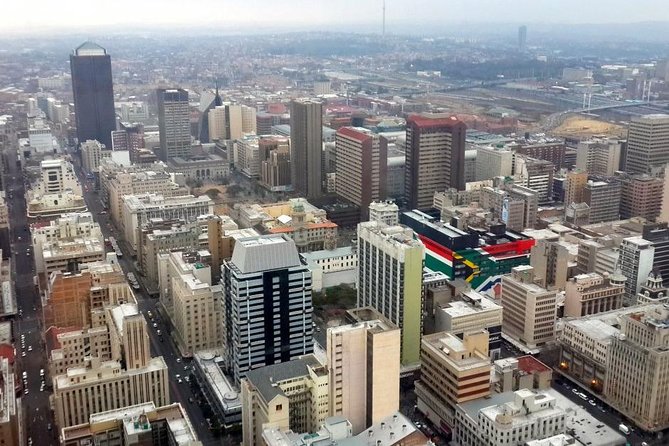
Nelson Mandela Bridge and Johannesburg’s changing center
The first stop is Nelson Mandela Bridge, with about an hour to explore the area. Admission is free, so this opening visit adds context without taking money from your museum budget.
The bridge itself is the main visual feature, but the surrounding parts of central Johannesburg can also help you understand the city beyond the formal tour stops. Nearby Constitution Hill and the Market Theatre offer more cultural and political connections, while Braamfontein is known for cafes, galleries, and the Neighbourgoods Market.
You should keep your expectations clear here. The tour provides time around the bridge, not a full walking tour of every nearby district. If you want to add Constitution Hill’s exhibits, the Market Theatre, or the market to your own Johannesburg plans, you will need separate time.
I like this as an opening because it begins with a public symbol of a more inclusive South Africa. The bridge is not just a structure to photograph. It introduces the shift from a divided past toward a city trying to connect its communities.
Two hours at the Apartheid Museum
The Apartheid Museum is the longest single museum stop, with two hours included. That is useful because the subject needs more than a quick pass through a few displays.
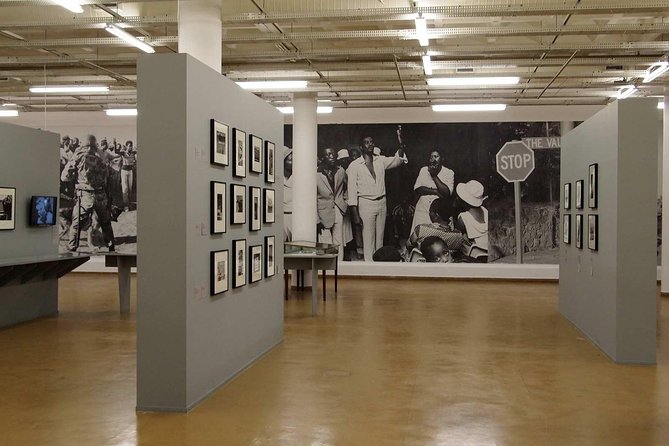
Apartheid was a legal system of racial separation enforced by the National Party government. Its rules shaped where people could live, the schools they attended, the work available to them, and their political rights. At the museum, you can expect the story to be presented through this broad social and political frame rather than as one isolated event.
Two hours should give you a chance to absorb the material without treating the museum as a rushed stop between photo opportunities. The subject is difficult, and the museum can be emotionally demanding. I would plan to slow down, read carefully, and leave room to think before the group moves on.
The value here is the foundation it gives the rest of the day. Without this stop, Mandela House and Soweto can be reduced to famous names. With it, you have a clearer sense of the system those places and people confronted.
Admission is included, which makes the $101.01 price easier to assess. The museum is one of the day’s major paid attractions, and two hours is enough time for the visit to feel like a real part of the tour rather than an add-on.
Hector Pieterson Museum and the Soweto Uprising
The next major stop gives you two hours at the Hector Pieterson Museum and Memorial. The museum opened on June 16, 2002, on the anniversary of the Soweto Uprising, and it is located near the place where Hector Pieterson was fatally shot.
That location gives the visit particular weight. You are not only reading about the uprising in a distant gallery. You are near the site linked with one of its most remembered images and victims.
The museum honors Hector Pieterson and the students involved in the 1976 uprising. It also helps explain why education became a flashpoint under apartheid. The subject is not presented as a simple chapter in a textbook. It connects government policy, youth protest, police violence, and the wider demand for dignity and equal rights.
I would give this stop your full attention. Two hours is generous compared with the short time allotted to Mandela House and Vilakazi Street, and that tells you something about the tour’s priorities. The day is designed to help you understand Soweto’s political experience, not just pass through it.
This can be a heavy part of the day. That is not a flaw, but you should know what you are booking. If you want a purely light sightseeing outing, this tour may feel serious. If you want to understand how apartheid affected real families and young people, it is one of the most important stops.
More Soweto Tours in Johannesburg
- Johannesburg: Hop-On Hop-Off Bus with Optional Soweto Tour
★ 4.6 · 985 reviews - Johannesburg Hop-On Hop-Off City Tour with Soweto Option
★ 4.5 · 768 reviews - Half-Day Tour of Soweto Tour
★ 4.5 · 712 reviews - Soweto: Walking Tour with a Local Guide and Lunch
★ 4.9 · 648 reviews
Mandela House and the short visit to Vilakazi Street
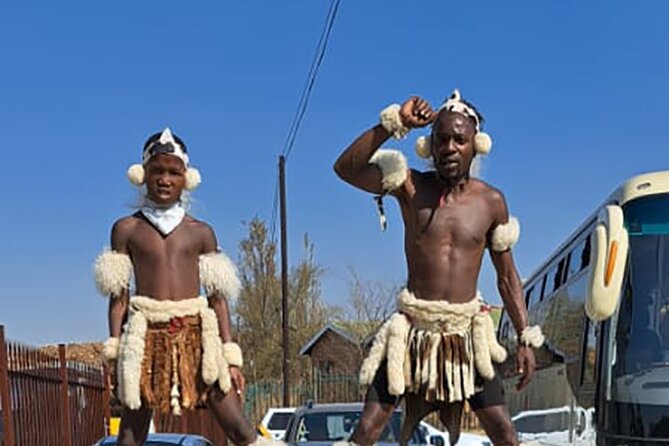
Mandela House receives about 30 minutes, and admission is not included. The house connects the tour with Nelson Mandela’s personal life and his years in Soweto. Because the visit is short, you should not expect an extended museum session.
You may need to budget separately for entry if you choose to go inside. The tour data does not state the admission price, so check the current cost before booking or at the start of the day. If you prefer not to pay for the extra entry, the stop can still place you at an important address on the route.
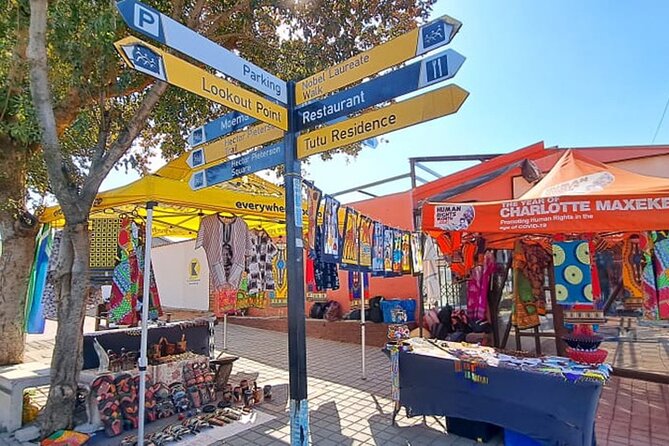
The tour then allows about 30 minutes on Vilakazi Street. The street is associated with both Nelson Mandela and Desmond Tutu, making it an unusual place in South African public life. It preserves links to two major figures while remaining part of Soweto’s everyday setting.
These short stops work best as connections between the longer museum visits. They give you a sense of place, but you should not mistake them for the day’s main interpretive sessions. The museums do the detailed explaining. Mandela House and Vilakazi Street give that history a physical address.
I like the combination because it keeps the day from becoming six hours indoors. You get a pause to look around and connect the names in the museums with actual streets and homes. Just keep your watch handy. Thirty minutes passes quickly.
Constitution Hill’s one-hour human rights tour

The final listed stop is Constitution Hill Human Rights Precinct, with a one-hour guided tour. The site was once a prison and is now a human rights museum and precinct.
This is a fitting end because it widens the focus again. Soweto’s museums center on community protest and political struggle. Constitution Hill connects those experiences to the country’s legal and human rights story.
The guided format matters. A one-hour visit is not long enough to see every possible part of a large historic site, but a guide can direct your attention to the details that matter most. You should expect a focused visit rather than unlimited free time.
The stop also gives you another chance to compare how apartheid operated in different settings. The Apartheid Museum explains the system. The Hector Pieterson Museum shows its effect on young people in Soweto. Constitution Hill points toward imprisonment, justice, and the later effort to build a rights-based South Africa.
If you have extra time in Johannesburg, you might return to Constitution Hill on your own for a longer visit. On this tour, the one-hour guided portion gives you a strong introduction and completes the political arc of the day.
What the $101.01 price includes
At $101.01 per person, this is not the cheapest way to see Johannesburg. The price becomes easier to justify if you value one organized route through several important sites, rather than paying only for transportation or a short Soweto drive.
You receive an air-conditioned vehicle, onboard WiFi, pickup, and admission to the Apartheid Museum, Hector Pieterson Museum, and Constitution Hill. The vehicle is limited to a maximum of nine people, which is a meaningful advantage over a large coach. A smaller group can make museum transitions easier and leave more room for questions.
The day includes about seven hours of sightseeing. If you arranged the same route yourself, you would need to coordinate transport across central Johannesburg and Soweto, manage museum hours, and decide how much time to spend at each location. The tour removes much of that planning work.
Still, the price does not cover everything. Lunch is excluded, as are alcoholic drinks for adults. Admission to Mandela House is also not included. You should plan for a meal break and bring enough money for any optional entry or refreshments.
The best value comes if you want the historical explanation as much as the transport. If you only want to photograph Vilakazi Street or see the bridge, this tour gives you far more structure than you need. If you want the museums and the story behind the sites, the price is more reasonable.
Timing, transport, and group size
The published schedule adds up to roughly seven hours: one hour at Nelson Mandela Bridge, two hours at the Apartheid Museum, two hours at Hector Pieterson Museum, 30 minutes at Mandela House, 30 minutes on Vilakazi Street, and one hour at Constitution Hill.
That is a full day, but the timing is sensible. The two major museum visits receive the longest blocks, while the outdoor and house stops are shorter. You will spend much of the day moving between places and listening, so comfortable clothing and shoes are sensible choices.
Pickup is offered, but the supplied details do not specify the exact pickup area or time. Confirm those details before you set your plans for the day. The vehicle is air-conditioned, which matters in Johannesburg’s sun, and WiFi is available onboard.
The maximum group size is nine. I would choose this over a large bus if you prefer a more personal explanation and easier communication with the guide. The group size does not guarantee a private tour, but it should keep the experience more manageable.
The tour is near public transportation, although the activity itself includes vehicle transport. Most people can participate, but the information provided does not give a detailed accessibility breakdown. If you have specific mobility needs, ask the provider before booking.
How the guide shapes the experience
A good guide is especially important on a subject this complex. The day covers apartheid law, the Soweto Uprising, Mandela, Desmond Tutu, imprisonment, and human rights. A rushed or one-sided explanation would leave major gaps.
The tour is designed around a guide who can connect those stops into one story. The strongest part of the experience should be the links between them: how government policy affected education and housing, how resistance grew, and how the country moved toward a different political order.
One detailed assessment describes the guide’s perspective as in-depth and balanced, with a broad explanation of Soweto and a strong cultural focus. That is the right standard to expect from this route. You should feel free to ask questions, especially when moving between the formal museum displays and the community setting of Soweto.
No guide names are provided, so I cannot recommend a particular person by name. The operator is Motleys Tours and Travel. Since the tour has only a small number of published ratings, I would treat the very high score as encouraging but still judge the booking mainly by the route, included admissions, and serious subject matter.
Who should book this Johannesburg experience
I would recommend this tour if you are visiting Johannesburg for the first time and want a structured introduction to apartheid and Soweto. It is also a good fit if you prefer a guide and air-conditioned transport over arranging several museum visits yourself.
History students, photographers who want context, and anyone interested in South Africa’s political transition should find the route useful. The mix of indoor museums and short outdoor stops keeps the day varied without losing its focus.
Families with older children may also appreciate the clear route, though the subject matter can be difficult. The tour is less suitable if you want shopping, nightlife, food tasting, or a relaxed city overview. Lunch is not included, and the schedule leaves limited room for unscheduled stops.
I would also think carefully about your interest in museums. Four of the main stops center on historic sites or museum-style interpretation. You will get the most from the day if you are willing to read, listen, and consider difficult material rather than simply collect photographs.
Should you book it?
Book this experience if you want one focused day covering Johannesburg’s major apartheid and human rights sites, with Soweto at the center. The combination of a small group, included museum admissions, air-conditioned transport, and a balanced route gives you solid value at $101.01, especially if you would otherwise need to arrange several visits yourself.
Skip it if you want a casual sightseeing drive, a food-led Soweto outing, or maximum flexibility. Remember that lunch and Mandela House admission cost extra, and the non-refundable policy means you should be certain before paying.
For a first visit, I like the way the tour joins the big national story to specific places and people. It asks for your time and attention, but that is exactly why it can leave you with a clearer understanding of Johannesburg than a string of quick photo stops.
FAQ
How long does the Johannesburg and Soweto tour last?
The experience lasts approximately seven hours. The scheduled stops total about seven hours, including museum visits, outdoor sightseeing, and the guided tour at Constitution Hill.
Is pickup offered?
Yes. Pickup is offered, although the provided information does not specify the exact pickup locations or times.
What admissions are included?
Admission is included for the Apartheid Museum, Hector Pieterson Museum and Memorial, and Constitution Hill Human Rights Precinct. Nelson Mandela Bridge and Vilakazi Street are listed as free stops.
Is entry to Mandela House included?
No. Admission to Mandela House is not included in the tour price.
Is lunch included?
No. Lunch is not included. Alcoholic beverages are also excluded.
How many people can join the tour?
The tour has a maximum of nine participants. It includes an air-conditioned vehicle and WiFi onboard.
More Museums in Johannesburg
- Full-Day Soweto, Apartheid Museum and Lunch Tour
★ 5.0 · 410 reviews - Half Guided Day Tour of Soweto And Apartheid Museum
★ 5.0 · 356 reviews - Ultimate Johannesburg Soweto Experience with Apartheid Museum
★ 5.0 · 313 reviews - Soweto: Hop-On Hop-Off Bus, City Tour and Apartheid Museum
★ 4.5 · 250 reviews
Just added around Johannesburg
- Private Soweto Tour 5 hours approximately from Johannesburg or Pretoria.★ 4.5 · 9 reviews
- bicycle tour soweto★ 4.5 · 20 reviews
- Taste of Africa★ 5.0 · 9 reviews
- Two day Kruger National Park Safari from Johannesburg★ 5.0 · 19 reviews
- Airport & Private Shuttle and Transfer Services in Johannesburg★ 5.0 · 9 reviews
- Sun City Day Tour From Johannesburg★ 4.5 · 6 reviews
- Pilanesberg National Park Safari, BIG 5 Full Day★ 5.0 · 4 reviews
- Full-day Johannesburg Bike Or Walking tour – With Transport★ 5.0 · 10 reviews
Soweto Tours, compared.
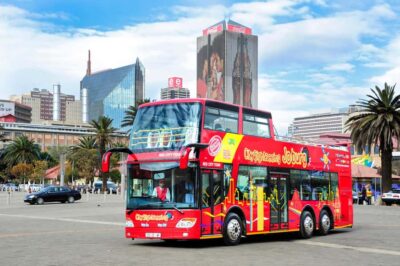

Soweto /Johannesburg and Apartheid Museum Guided Full Day Tour
Read our review →
Johannesburg Hop-On Hop-Off City Tour with Soweto Option
Read our review →
Jo’berg in 1 Day: Soweto, Apartheid Museum & City Tour
Read our review →
Full-Day Tour with Soweto and Apartheid Museum
Read our review →
Browse the lists this tour appears in