
Reviewed · SOWETO TOURS
Pretoria, Soweto and Apartheid Museum Guided Day Tour from Johannesburg
South Africa’s past is the heart of this long day out. You move from Pretoria’s monuments to Soweto’s freedom struggle, with the Apartheid Museum and Hector Pieterson Museum placing personal stories beside the larger political story. I like that hotel pickup and drop-off remove the hassle of crossing Johannesburg on your own, and I like that guides such as Nick, Nosipho, and Michael have been praised for making the history personal and easy to follow.
I also like the broad reach: in one day you see the Union Buildings, Voortrekker Monument, Kruger House, Mandela House, and key Soweto sites. The tradeoff is time. This is a packed 10-hour outing, and some stops may be shortened, changed, or skipped, especially when traffic, museum hours, or the pace of the group get in the way.
Key points to know before booking
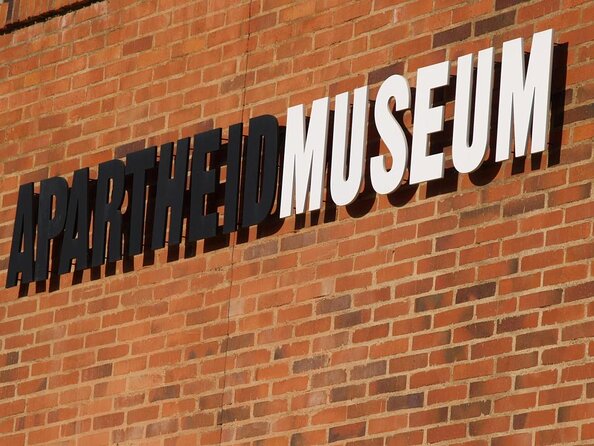
- The Apartheid Museum is the main event: Allow about two hours, and expect serious, emotional material.
- Pretoria adds political and Afrikaner history: The Union Buildings, Voortrekker Monument, and Kruger House give the day a wider frame.
- Soweto brings the story close to home: Mandela House and the Hector Pieterson Memorial focus on people, protest, and daily life.
- Your guide matters a great deal: Nick, Nosipho, and Michael have each been singled out for warm, clear explanations.
- Plan for a full day in a vehicle: The group can reach as many as 50 people, so the experience may feel less intimate than a private tour.
- Check the lunch and stop list: Lunch is mentioned in the highlights, but the inclusions also say food and drinks are not included unless specified.
Why this Johannesburg day tour works
At $208.67 per person, this is not a cheap sightseeing ride. It is priced more like a full-service historical excursion, with transport, a local guide, entry to several listed attractions, bottled water, snacks, and hotel pickup included.
The value depends on how you like to travel. If you want to understand Johannesburg and Pretoria without arranging several taxis, museum tickets, and separate guides, the price can make sense. You cover a lot of ground in one day, and the subject is too complex for a quick photo stop.
If you prefer slow museum visits, long lunches, and time to wander, this will feel rushed. You should also note the maximum group size of 50. That is a large group for a history-focused day, though the actual number may be smaller.
The strongest part of the experience is the guide. Good commentary can connect the Voortrekker story to apartheid, then connect apartheid to the student uprising and the democratic era. Several guides have been praised for being warm, professional, and easy to listen to. One guide was described as treating visitors like friends in his own home, while another was praised for knowing Johannesburg well and helping people feel safe.
That quality is not guaranteed every day. One report described a guide who seemed less engaged with the subject, and a broken bus microphone made explanations hard to hear. I would contact the operator before departure if history and spoken commentary are the main reason you are booking.
More Apartheid Museum Tours in Johannesburg
- Soweto /Johannesburg and Apartheid Museum Guided Full Day Tour
★ 5.0 · 932 reviews - Jo’berg in 1 Day: Soweto, Apartheid Museum & City Tour
★ 4.8 · 524 reviews - Johannesburg: Full-Day Tour with Soweto and Apartheid Museum
★ 4.8 · 478 reviews
Starting in Pretoria: monuments and competing memories
The day starts around 8 a.m., with pickup from your hotel in Johannesburg. The first stretch can be useful for getting your bearings, but it also means an early start and a long day. You will spend a fair amount of time in the vehicle between Johannesburg, Pretoria, and Soweto.
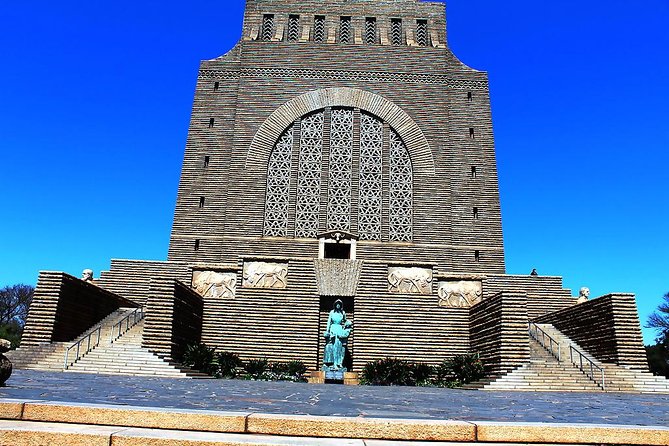
The Voortrekker Monument is a powerful place to begin. This huge granite structure sits on a hill south of Pretoria and honors the Voortrekkers who left the Cape Colony between 1835 and 1854. It represents a particular Afrikaner view of migration, struggle, and nationhood.
That perspective matters. It is not a neutral introduction to South African history, and it should not be treated as one. The value of seeing it with a good guide is that you can place the monument’s message beside the stories of African communities, British colonial rule, segregation, and the later apartheid system.
The visit is listed at about two hours, though the actual pace may vary. There is no admission fee listed for this stop. If you care about architecture and political symbolism, you will get more from it than a quick photograph. If monuments are not your thing, two hours may feel long, especially with several museums still ahead.
Next comes the Paul Kruger Country House Museum, also called Kruger House. This was the last home of President Paul Kruger before he left South Africa for exile in Europe. It is only a few blocks from Church Square, where his bronze statue faces the Palace of Justice.
Kruger House adds another layer to Pretoria’s political past. It helps explain the late 19th-century world that shaped later struggles over power and land. The stop is listed at about two hours with admission included, but the exact time may be adjusted to keep the whole day moving.
Union Buildings and Pretoria from above

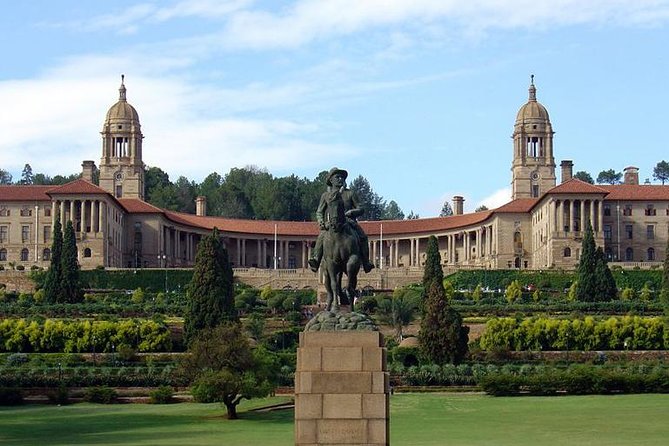
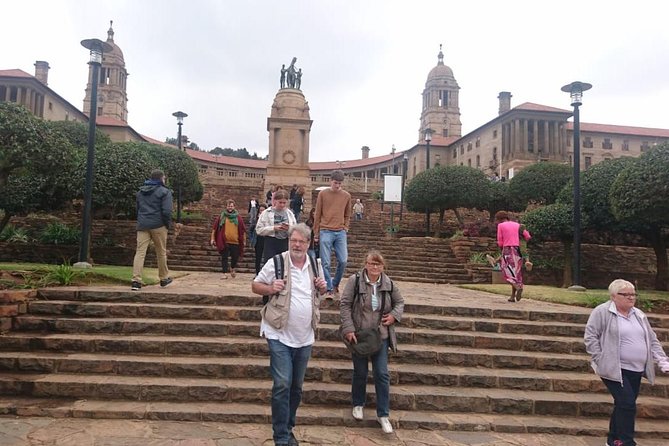
The Union Buildings are the official offices of South Africa’s president and a national monument closely linked with the country’s first democratic elections in 1994. The visit is short, about 20 minutes, so think of it as a photo and orientation stop rather than a full indoor tour.
You can see Pretoria from the grounds, with the city spread out behind the buildings. The short visit works well in a packed day because it gives you an important civic landmark without taking another large block of time.
I would not book this excursion solely for the Union Buildings. You will not have hours to explore them, and the schedule calls for about 20 minutes. Still, the stop carries real weight. After visiting places tied to colonial rule and Afrikaner nationalism, standing at the seat of a democratic government helps show how much the political order changed.
The Apartheid Museum: allow your mind to catch up
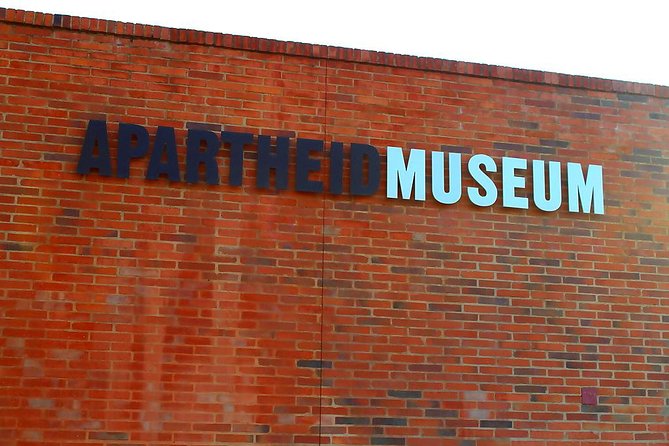
The Apartheid Museum is the emotional center of the day. It opened in 2001 and is devoted to 20th-century South Africa, with apartheid at its core. About two hours are planned here, and that time is useful.
The museum is not a light attraction to fit between lunch and photographs. It presents the machinery of racial classification, separation, state control, resistance, and eventual political change. You should expect difficult material and give yourself room to pause.
This is the stop most likely to determine how you feel about the tour. The museum can provide the structure that makes the rest of the day easier to understand. Afterward, Pretoria’s monuments and Soweto’s homes and memorials no longer feel like unrelated sights.
There is one important practical warning. The museum has been closed on at least one scheduled visit, and the group passed by without advance notice to everyone. If this museum is your top priority, confirm its operating status before you go and ask what happens if it is unavailable. A substitute may not offer the same value.
More Soweto Tours in Johannesburg
- Johannesburg: Hop-On Hop-Off Bus with Optional Soweto Tour
★ 4.6 · 985 reviews - Johannesburg Hop-On Hop-Off City Tour with Soweto Option
★ 4.5 · 768 reviews - Half-Day Tour of Soweto Tour
★ 4.5 · 712 reviews - Soweto: Walking Tour with a Local Guide and Lunch
★ 4.9 · 648 reviews
Soweto and the Hector Pieterson Memorial
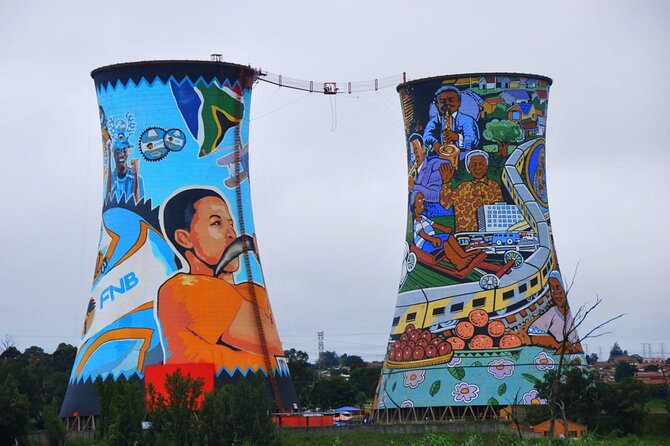
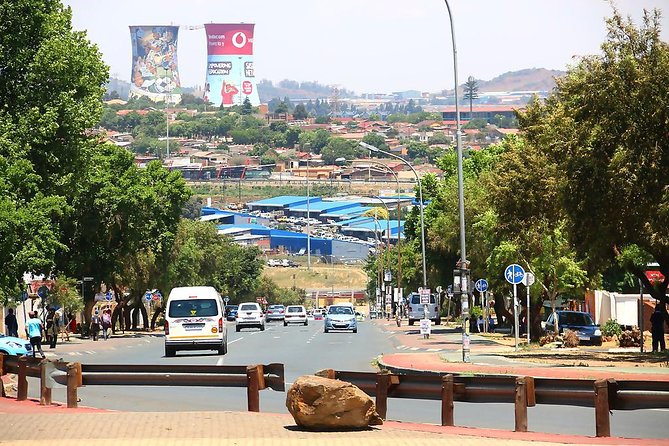
Soweto shifts the focus from state buildings to community history. The Hector Pieterson Museum and Memorial, in Orlando West, honors the students who took part in the struggle against apartheid. It is closely tied to the 1976 student uprising, when schoolchildren protested the forced use of Afrikaans in education.
This stop can be especially moving because it centers young people and families rather than only presidents and political leaders. The listed visit is about two hours with admission included.
But the published schedule and the operator’s later explanation do not fully match. The Hector Pieterson Museum has been described as part of the day, yet the operator has also said that it may not be included because of time limits. Confirm this before paying. Do not assume that every named stop will be visited in full.
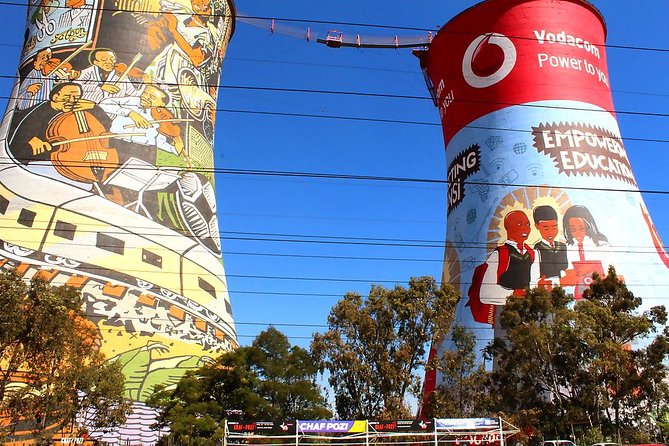
Soweto itself is valuable even when a museum visit changes. The tour is designed to show you an inhabited part of Johannesburg, not only formal memorials. One guide even made a brief detour to Regina Mundi church, which gave the group another look at Soweto’s role during the struggle. Such changes can improve the day, but they can also mean less time at a museum you expected to see.
Mandela House and the human scale of history
Mandela House is listed as a 45-minute visit. The modest time limit is sensible in a day already filled with major museums, but you should expect a focused visit rather than a long, quiet examination of every room.
The house gives the political story a human scale. Nelson Mandela is often presented through speeches, statues, and official buildings. A home offers a more direct link to his years in Soweto and to the ordinary setting around a national figure.
Forty-five minutes can pass quickly. Listen carefully to the guide, since the explanation around the house may be as useful as the building itself. If you want a very detailed visit, you may wish to return on another day rather than expect this tour to provide every detail.
Soweto is also where the day’s cultural side becomes more noticeable. The experience can include an authentic South African meal and contact with local people, though the exact lunch arrangement needs checking. The highlights say lunch is provided, while the formal inclusions say food and drinks are excluded unless specified. That is a real inconsistency, not a minor wording issue.
If you have food sensitivities, raise them before departure. One person found the lunch arrangement difficult and felt the location offered little chance to walk around or find another meal. Bring a backup snack, even though snacks are listed as included.
Transport, pacing, and the guide factor
Pickup and drop-off are among the tour’s biggest practical advantages. Johannesburg is spread out, Pretoria is some distance away, and Soweto is best visited with someone who knows how the stops fit together. Door-to-door transport also avoids the stress of arranging separate rides after a serious museum visit.
The downside is distance. Ten hours is a long day, with much of it spent moving between sites. A lunch break helps split up the driving, but you should still expect a physically and mentally full schedule.
A group of up to 50 people can affect the feel of the day. Large groups take longer to load, gather, and move through entrances. They also make it harder to ask questions while the vehicle is moving. If the microphone is not working, you may miss useful commentary.
The guide names connected with strong experiences include Nick, Nosipho, and Michael. Nick has been praised for local knowledge, a calm manner, and helping people feel safe. Nosipho has been praised for clear explanations of apartheid, current culture, and political issues. Michael has been described as kind, professional, and personable.
These details matter because the subject needs care. Apartheid is not just a sequence of dates. You need a guide who can discuss oppression, resistance, colonial rule, and modern South Africa without reducing the country to a single story.
Who should book this experience?
I would recommend this tour to a first-time visitor who wants a strong introduction to Johannesburg, Pretoria, and Soweto in one day. It suits you if you value context, prefer organized transport, and want a guide to explain what you are seeing.
It is also a good match for visitors staying in Johannesburg who do not want to plan several separate day trips. Families can join, but children must be accompanied by an adult. Most people can participate, though the schedule and vehicle time may be tiring for anyone who needs a slower pace.
I would hesitate if you have only one free day and the Apartheid Museum is non-negotiable. In that case, confirm the museum is open and ask how much time will be protected for it. I would also hesitate if you need a special diet and cannot tolerate an uncertain lunch arrangement.
The cancellation policy is generous if you plan ahead: cancel at least 24 hours before the local start time for a full refund. Poor weather can also lead to a different date or a full refund. Once you are inside the 24-hour window, changes and refunds are not accepted.
Should you book the Pretoria, Soweto, and Apartheid Museum tour?
Book it if you want breadth, transport, and historical explanation more than a relaxed pace. The strongest version of this day includes a good guide, a full Apartheid Museum visit, meaningful time in Soweto, and enough explanation to link Pretoria’s monuments with the country’s later democratic changes.
Do not book it blindly. Confirm the Apartheid Museum’s opening status, ask whether Hector Pieterson Museum is included that day, and settle the lunch question before departure. If those points are clear, the tour offers a practical way to see three important parts of Gauteng without managing the roads and bookings yourself.
FAQ
What time does the tour start?
The stated start time is 8:00 a.m.
How long does the experience last?
The tour lasts approximately 10 hours.
Is hotel pickup and drop-off included?
Yes. Hotel pickup and drop-off are listed as included for door-to-door service.
Is the Apartheid Museum admission included?
Yes. Admission to the Apartheid Museum is listed as included, with about two hours planned there. Confirm opening status before departure because one scheduled visit found it closed.
Is the Hector Pieterson Museum included?
The supplied schedule lists the Hector Pieterson Museum with admission included and about two hours planned. However, the operator has also explained that time limits may mean this stop is not included, so confirm before booking.
Is lunch included?
The tour highlights mention lunch, but the formal details say food and drinks are not included unless specified. Ask the operator to clarify exactly what is provided.
Are bottled water and snacks included?
Yes. Bottled water and snacks are listed as included.
How large can the group be?
The maximum group size is 50 people.
Can children join the tour?
Yes. Children can participate, but they must be accompanied by an adult.
More Museums in Johannesburg
- Full-Day Soweto, Apartheid Museum and Lunch Tour
★ 5.0 · 410 reviews - Half Guided Day Tour of Soweto And Apartheid Museum
★ 5.0 · 356 reviews - Ultimate Johannesburg Soweto Experience with Apartheid Museum
★ 5.0 · 313 reviews - Soweto: Hop-On Hop-Off Bus, City Tour and Apartheid Museum
★ 4.5 · 250 reviews
Just added around Johannesburg
- Private Soweto Tour 5 hours approximately from Johannesburg or Pretoria.★ 4.5 · 9 reviews
- bicycle tour soweto★ 4.5 · 20 reviews
- Two day Kruger National Park Safari from Johannesburg★ 5.0 · 19 reviews
- Airport & Private Shuttle and Transfer Services in Johannesburg★ 5.0 · 9 reviews
- Taste of Africa★ 5.0 · 9 reviews
- Sun City Day Tour From Johannesburg★ 4.5 · 6 reviews
- Pilanesberg National Park Safari, BIG 5 Full Day★ 5.0 · 4 reviews
- Full-day Johannesburg Bike Or Walking tour – With Transport★ 5.0 · 10 reviews
Soweto Tours, compared.
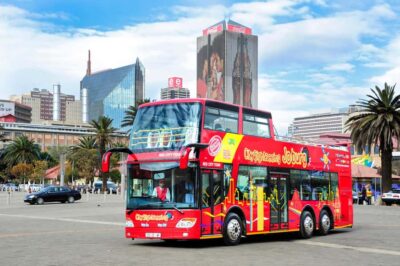

Soweto /Johannesburg and Apartheid Museum Guided Full Day Tour
Read our review →
Johannesburg Hop-On Hop-Off City Tour with Soweto Option
Read our review →

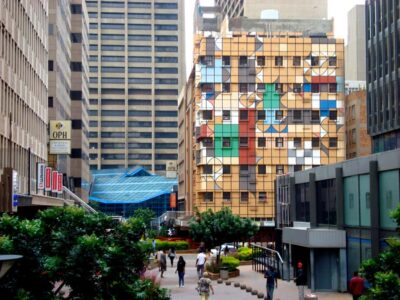
Jo’berg in 1 Day: Soweto, Apartheid Museum & City Tour
Read our review →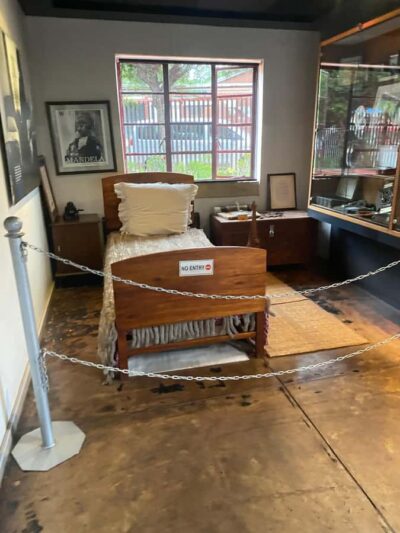
Full-Day Tour with Soweto and Apartheid Museum
Read our review →
Browse the lists this tour appears in