
Reviewed · WILDLIFE
Plettenberg Bay: EcoKidz Family Wildlife Tour
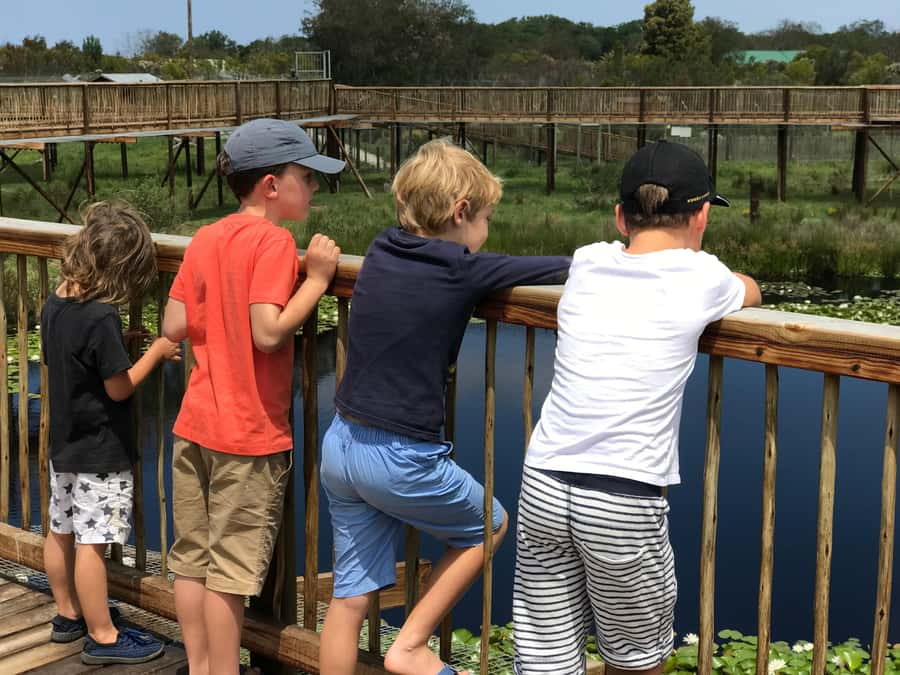
The best part of this Plettenberg Bay outing is its clear purpose: you see indigenous South African wild cats while learning why rehabilitation and careful conservation matter. It is built for children ages 5 to 12, so the guide turns animal facts and environmental issues into short, practical lessons rather than a long adult lecture.
I like the EcoKidz booklet and certificate, which give children something to do and a small achievement to take home. I also like the range of animals, from meerkats and owls to cheetahs, leopards, penguins, and a white lion. One thing to consider is timing: the advertised tour lasts about 90 minutes, while the full schedule also lists camp activities, shopping, and a meal stop, so confirm how much time you want to allow.
Key points to know before you go
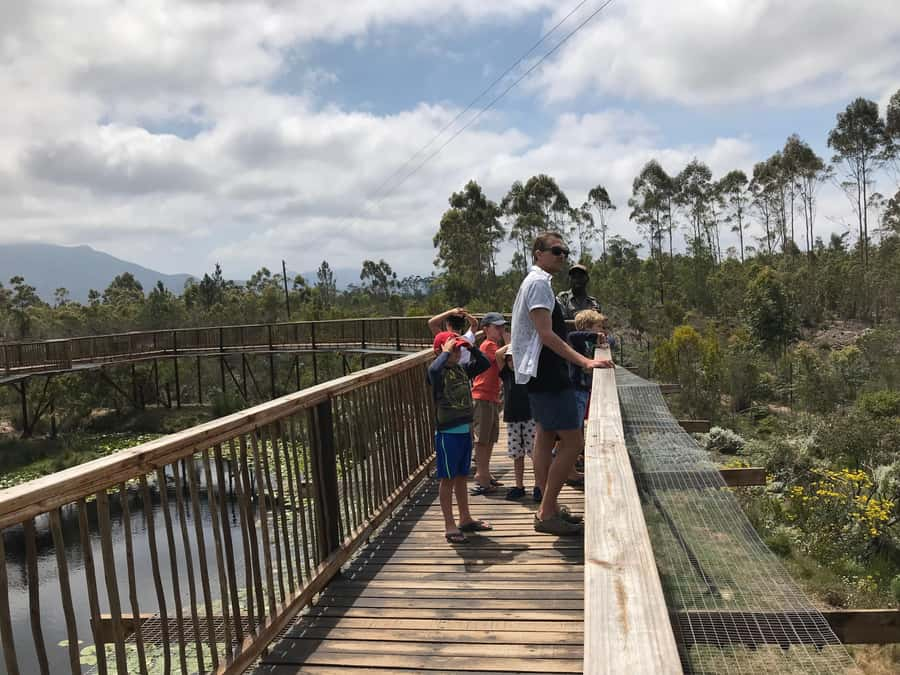
- A family tour with a real lesson: Children learn how lions, leopards, cheetahs, servals, caracals, and African wildcats fit into the wider ecosystem.
- Sandile has earned special praise: One family found his guidance especially engaging for a seven-year-old, though guide style can vary.
- The animal mix is broad: Meerkats, owls, penguins, cheetahs, leopards, a white lion, and other wild cats are part of the visit.
- The price is modest for a private family activity: At $28 per person, the fee includes a guide, booklet, certificate, and rain gear.
- Plan for walking and weather: Wear comfortable shoes, bring sun protection, and arrive 15 minutes early.
- This is not a petting experience: You may not touch or feed the animals, and selfie sticks are not allowed.
Meeting South Africa’s wild cats at Tenikwa
Tenikwa Wildlife Rehabilitation and Awareness Centre gives this experience a stronger conservation focus than a simple animal viewing stop. The central subject is the indigenous wild cats of South Africa, but the tour also brings in other species to show how different animals share and shape the ecosystem.
Your guide introduces the characteristics of each species and explains its place in the natural world. That matters for children. A lion, cheetah, or leopard can seem like a dramatic display animal, but the discussion helps your child understand that each species has different habits, needs, and pressures.
The tour is conducted in English and is designed for children between five and twelve. That age range is important. Younger children may enjoy the animals but need help with the quiz, while older children may want more detailed questions than the standard family format provides.
The experience is also wheelchair accessible. You should still arrive 15 minutes before the start, giving your family time to park at reception, use the facilities, and get settled without rushing.
More Garden Route Tours in Garden Route:
- From Cape Town: 2-Day Safari at Garden Route Game Lodge
★ 4.8 · 928 reviews - Plettenberg Bay: Swim with Seals
★ 4.7 · 887 reviews - Addo Elephant National Park All Inclusive Full-Day Safari
★ 4.8 · 872 reviews
Starting with a short safety briefing
The visit begins with a five-minute safety briefing. This is more than routine housekeeping when large cats and other wild animals are involved.
You are told not to touch or feed the wildlife, and selfie sticks are not permitted. Cameras are allowed, so you can take photographs without bringing equipment that reaches toward the enclosures or distracts from the guide.
I appreciate the firm rules here. Children are often excited and quick to move, so a clear reminder helps everyone keep a safe distance. Before setting out, lock valuables and backpacks in your vehicle. The advice is practical: carry only what you need for the walk, such as a camera, sun hat, and water if appropriate.
Rain does not automatically cancel the program. Tenikwa provides rain jackets in wet weather, making this an all-weather activity. Still, comfortable walking shoes are wise, since the main visit involves moving around the centre rather than watching from one fixed room.
Meerkats, owls, and the first animal stops
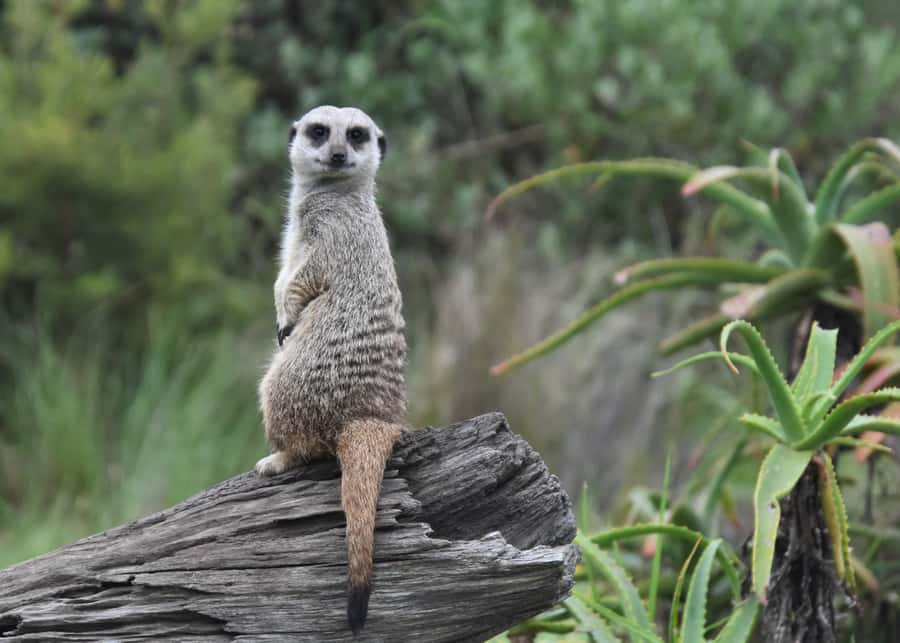
The Meerkat Meander is one of the more child-friendly parts of the visit. Meerkats are easy for children to watch because they are active, social, and visually distinctive. This stop gives the guide a gentle way to begin discussing animal behavior before moving on to the larger predators.
The owl visit adds another useful contrast. Owls are not wild cats, of course, but seeing different kinds of wildlife helps children understand that conservation is not only about famous predators. The guide can connect the animals to their habitats and explain why protecting a healthy environment benefits many species at once.
These early stops also help set the pace. If your child is most interested in big cats, the meerkats and owls may feel like a warm-up. If your child likes small animals and birds, they may be highlights in their own right.
African wildcats and the conservation lesson
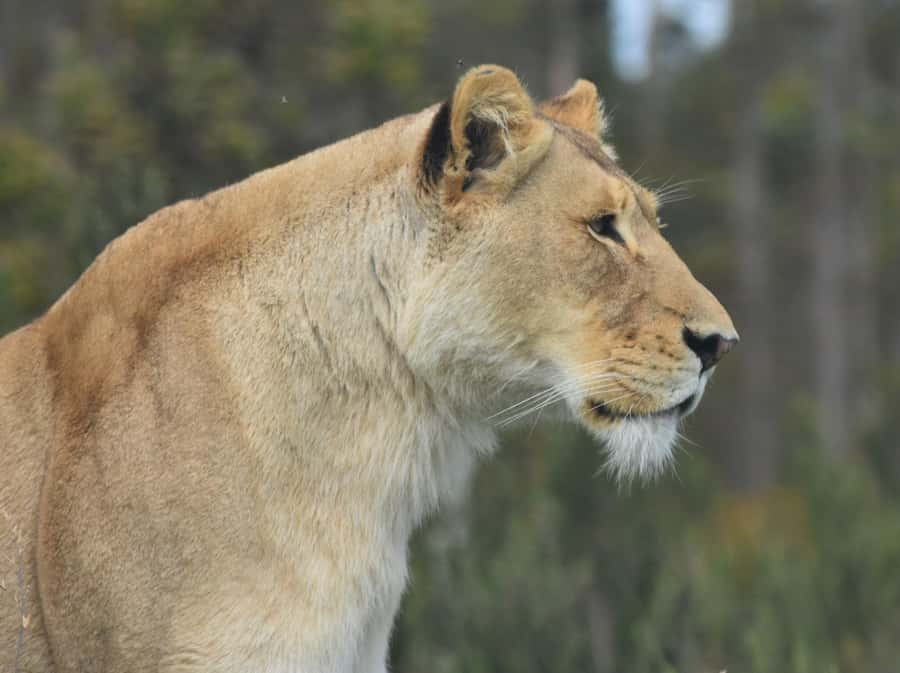
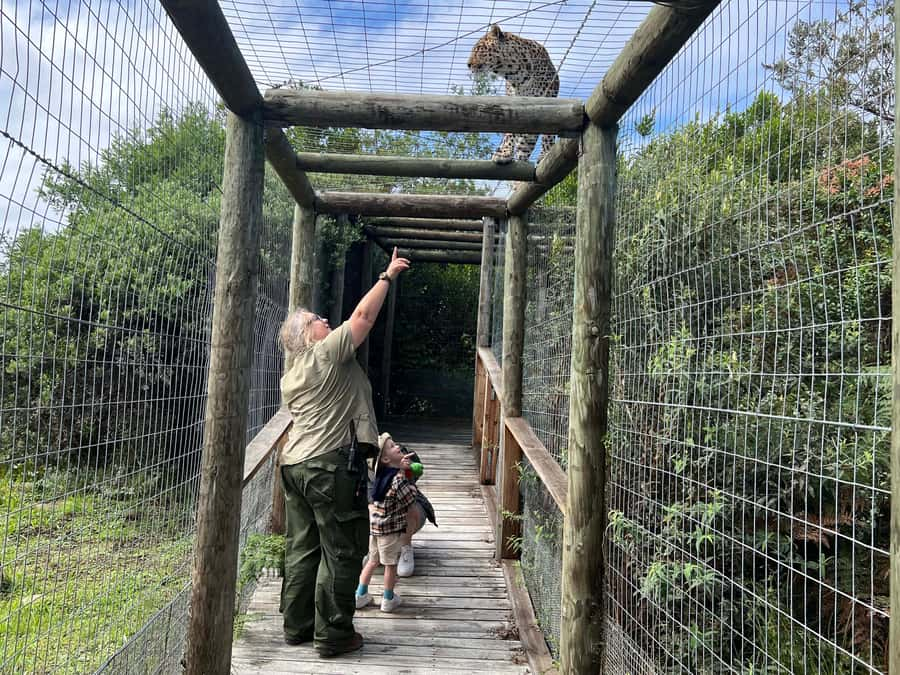
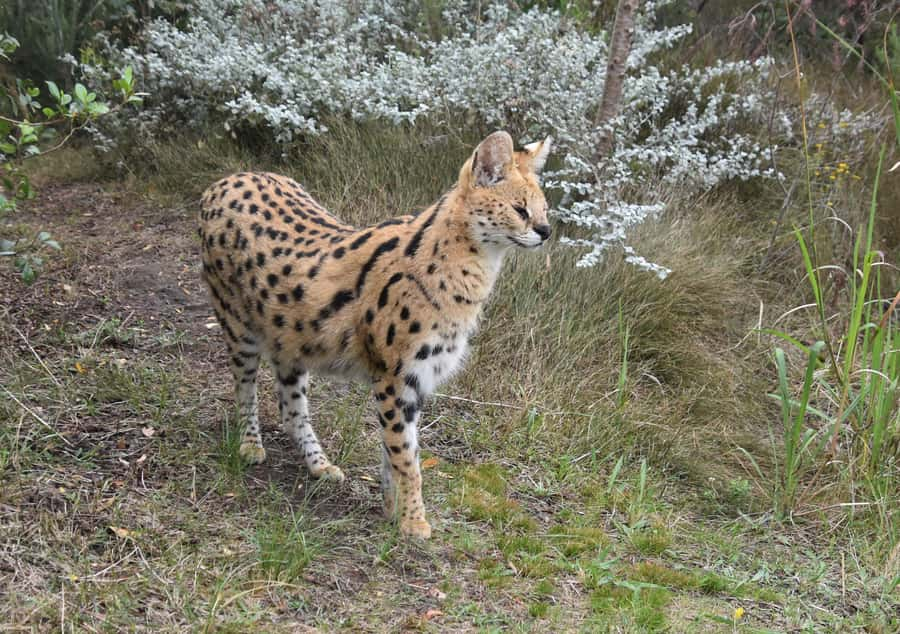
The search for African wildcats is a key part of the tour. These animals are less familiar to most children than lions or cheetahs, which makes the stop useful. Your guide explains their characteristics and helps place them within South Africa’s native wildlife.
The larger message is that wild animals are not interchangeable. A serval is not simply a small leopard, and a caracal has different behavior and needs from a lion. By introducing several species side by side, the tour gives children a basic vocabulary for understanding wild cats rather than treating every animal as the same kind of attraction.
The environmental discussion reaches beyond the enclosures. Families learn about problems affecting the environment and practical ways people can help create a healthier world. For younger children, the message is kept hands-on through the EcoKidz booklet quiz. The booklet gives them questions to answer as they move through the centre, so they have a reason to listen closely.
The guide’s role makes a big difference here. Sandile received particular praise for combining strong animal knowledge with a warm approach to a seven-year-old. That is exactly the sort of guide you want on a children’s tour: someone who answers questions, notices when attention is fading, and brings the lesson back to the child’s level.
Guide style may vary. One family found the tour less talkative and less focused on children than expected, so I would keep your own questions coming if the explanations feel brief. The animals provide plenty of openings: ask how each species hunts, what makes it different, and why rehabilitation is needed.
A few more Garden Route trips to weigh up
- Plettenberg Bay: Wild Cat and Wildlife Guided Tour
★ 4.7 · 206 reviews - Jukani Wildlife Sanctuary Admission with Guided Tour
★ 4.5 · 50 reviews - Plettenberg Bay: Private Guided Wildlife Photography Tour
★ 4.9 · 49 reviews - Guided Wildlife Tour and Forest Walk with Lunch Platter
★ 4.6 · 40 reviews
Cheetahs, leopards, lions, and a white lion
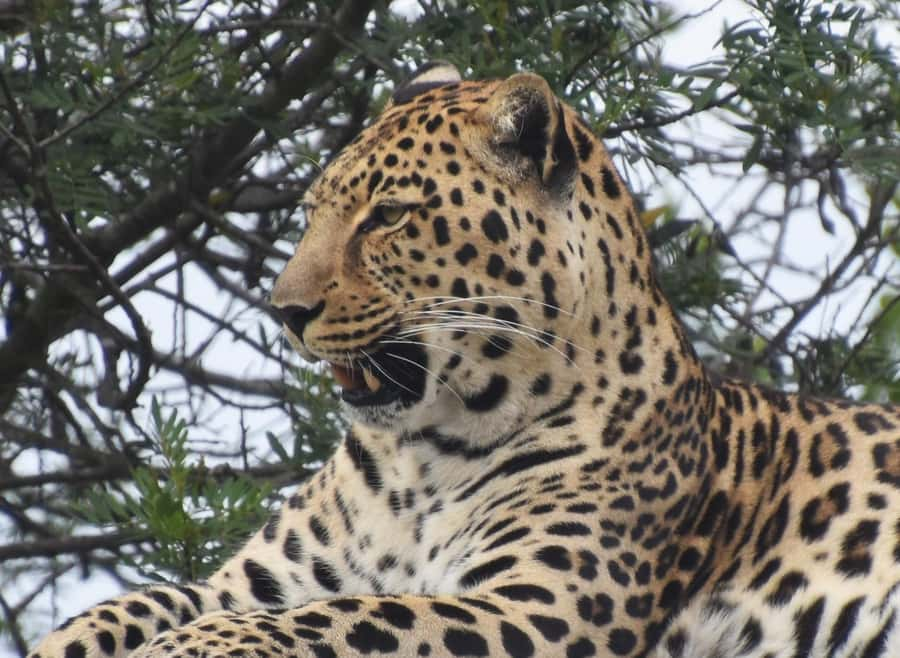
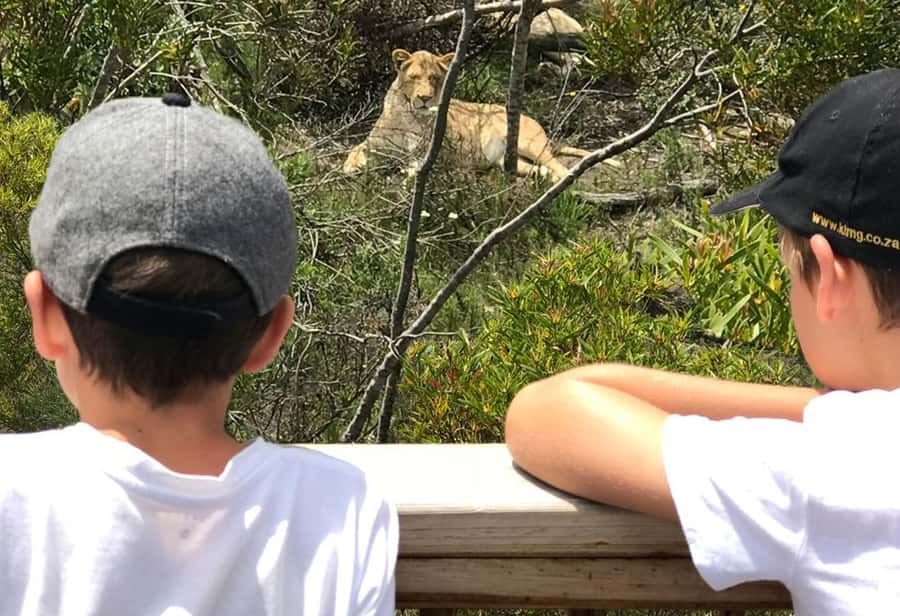
The big cats provide the visual payoff. You visit cheetahs, leopards, a magnificent white lion, and other wild cats. For children, this is the part they are most likely to remember, especially if they are seeing these species at close range within a managed rehabilitation setting.
The guide’s explanation is what gives the visit value beyond a photograph. Cheetahs, leopards, and lions are all impressive, but they do not live or behave in the same way. The tour is meant to show those differences and explain how each animal fits into the ecosystem.
The white lion is a striking sight, but the broader collection matters more than one unusual animal. A visit focused only on rare or photogenic creatures could leave children thinking conservation is about spectacle. Here, the white lion appears alongside servals, caracals, African wildcats, and other species, giving the family a wider view of South African wildlife.
Do not expect to touch, feed, or handle the animals. That boundary is central to the experience. You are there to observe, listen, and learn, not to create a close-contact photo opportunity.
Penguins preparing for release
The penguins add a welcome change of pace after the wild cats. You see happy penguins being prepared for release, which brings the rehabilitation work into sharper focus.
This stop can help children understand that the centre’s work is not limited to one type of animal. A penguin preparing to return to the wild represents a practical conservation goal: care, recovery, and release when possible. It also gives the guide a chance to explain why human support can matter without turning wildlife into pets.
The penguins may be especially appealing to children who find the large cats intimidating. They provide a lighter moment while still supporting the main lesson about responsible care and a healthier environment.
The EcoKidz booklet and certificate
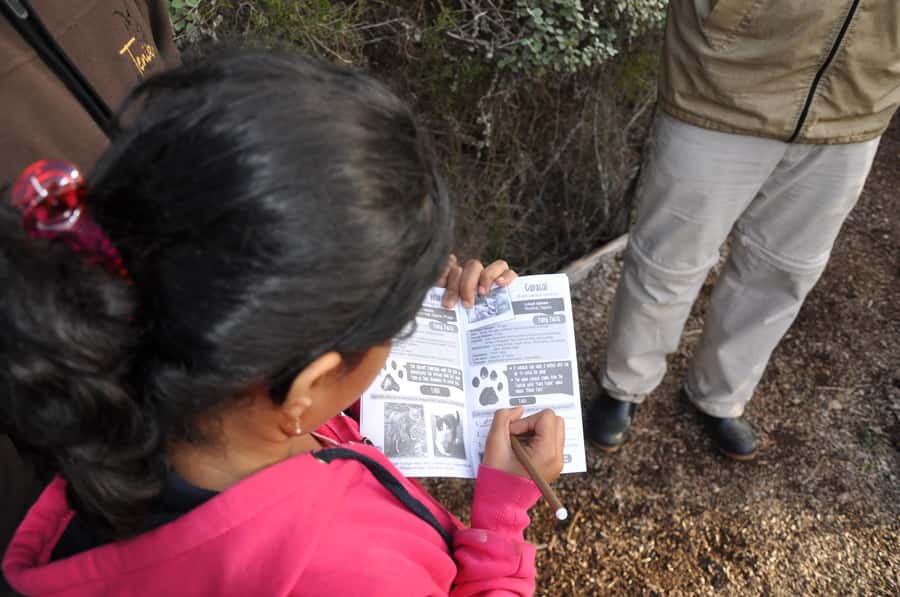
The booklet quiz is one of the smartest features for families. Children receive one booklet each, and guides help them complete the questions during the visit. This turns passive viewing into a small mission.
I would encourage your child to keep the booklet accessible throughout the tour rather than saving it for the end. It gives them something to look for at each stop and may help them remember details about species that would otherwise blur together.
At the end, each participating child receives an EcoKidz Certificate and educational material. The certificate is simple, but it gives the outing a finish line. A child can take it home and show friends what they learned, which helps extend the conservation message after your holiday has moved on.
The booklet and certificate also make the $28 fee easier to assess. You are not paying only for entry and animal viewing. The price includes an allocated guide, the guided tour, a quiz booklet, a certificate, and rain gear if needed. Food and drinks are not included, and transport from your hotel is also left to you.
How the 90-minute visit fits your day
The advertised duration is approximately 90 minutes. The main safety briefing and guided wildlife viewing take about an hour in the listed schedule, followed by camp activities. The wider schedule also includes around 10 minutes for shopping and 30 minutes for coffee, brunch, or lunch.
Because those listed elements add up to more than 90 minutes, treat 90 minutes as the core tour estimate and allow extra time if your family plans to take part in every activity or stop for food. Check the available start times and ask at reception how the day’s schedule is being handled.
That small bit of planning matters in Plettenberg Bay, where families often combine several attractions. Arrive early, but do not book a tightly timed activity immediately afterward. A child who is enjoying the quiz may need a few extra minutes, and the centre’s shop or meal stop can extend your visit.
The tour does not include hotel pickup or drop-off. Look for the N2 signpost marked Tenikwa, Monkeyland, and Elephant Sanctuary. At Animal Alley, take the left fork marked Tenikwa, drive past Kurland Village, then keep right at the next fork and follow the Tenikwa signs to reception.
Price, group feel, and overall value
At $28 per person, this is a reasonable family activity if you want a guided conservation lesson rather than an unstructured visit. The strongest value comes when your child is within the suggested five to twelve age range and takes part in the booklet quiz.
The cost is less compelling if your family only wants quick photographs of large cats. The tour’s purpose is educational, and the no-touch, no-feeding rules are a feature, not a flaw. You pay for the guide’s explanations, the conservation content, the children’s materials, and the chance to see a broad group of animals.
Group size can affect the experience. Arriving early may help you get a smaller group, which is useful when children have questions or need help with the booklet. The exact group size is not specified, so do not assume a private tour.
The overall rating is very high, at 4.8 from 19 reviews, with repeated praise for engaging guides and the range of animals. The less positive experience involved a quiet guide, a shorter one-hour visit, and a tour that did not feel strongly aimed at children. That is a fair reminder to set expectations: the concept is excellent, but the quality of the live commentary can shape the day.
Who should book this family wildlife tour?
I would choose this for families with children ages five to twelve who enjoy animals and benefit from a clear activity to follow. The certificate, quiz, and child-focused questions give the visit structure, while the mix of wild cats, penguins, meerkats, and owls keeps the subject from feeling repetitive.
It is also a good fit if you want your children to learn about conservation without committing to a long game drive. The 90-minute core program is manageable for young attention spans, and rain jackets are supplied if the weather turns.
I would think twice if your child expects to pet animals or feed them. That is not offered. I would also allow more than 90 minutes if you want to include the listed camp activities, shopping, or a meal.
Should you book Tenikwa’s EcoKidz tour?
Book it if you want a short, purposeful family outing where children see South African wild cats and learn how conservation works. The strongest reasons are the booklet, certificate, varied animal collection, and the chance to have a guide such as Sandile make the subject personal for your child.
The main caution is to leave room for variation in guide style and timing. Arrive early, ask questions, wear walking shoes, and keep the rest of your schedule flexible. With those small adjustments, the $28 price offers good value for a family experience that gives children more than a photo to take home.
FAQ
How long does the EcoKidz Family Wildlife Tour last?
The tour duration is approximately 90 minutes. The wider visit may take longer if you include the listed camp activities, shopping, or coffee, brunch, or lunch stop.
What ages suit the EcoKidz tour?
The tour is ideally suited to children between five and twelve years old.
Which animals can you see?
The tour includes meerkats, owls, penguins, cheetahs, leopards, a white lion, lions, servals, caracals, African wildcats, and other wild cats.
Is food included in the price?
No. Food and drinks are not included, although the schedule lists coffee, brunch, or lunch as a possible stop.
Is transport from my hotel included?
No. Hotel pickup and drop-off are not included. You drive to Tenikwa Wildlife Rehabilitation and Awareness Centre and check in at reception.
What does each child receive?
Each participating child receives an EcoKidz booklet quiz, educational material, and an EcoKidz Certificate.
Can children touch or feed the animals?
No. Touching and feeding wildlife are not allowed.
What should I bring?
Wear comfortable walking shoes and bring a sun hat and sun protection lotion. Cameras are allowed, but selfie sticks are not. Rain jackets are provided in inclement weather.
Just added around Garden Route
- 5 Day Garden Route Tour – Port Elizabeth to Cape Town★ 5.0 · 18 reviews
- 1 Day Garden Route Tour from Port Elizabeth to the Crags★ 5.0 · 9 reviews
- The Private Wildlife Tour★ 4.5 · 12 reviews
- eBike Tours★ 5.0 · 5 reviews
- Seal Swimming Activity in Plettenberg Bay★ 5.0 · 23 reviews
- 1.5-Hour Seal Viewing Boat Tour in Plettenberg Bay★ 4.5 · 16 reviews
- Cats in Conservation★ 5.0 · 10 reviews
- Jukani Wildlife Sanctuary Admission with Guided Tour★ 4.5 · 50 reviews
Wildlife, compared.
Big Five Game Reserve Wildlife Safari from Cape Town
Read our review →
2 Day South African Wildlife Tour with 4×4 Safari from Cape Town
Read our review →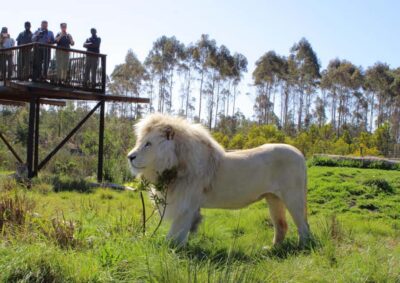
Schotia Safaris: Best Wildlife Encounters in Port Elizabeth
Read our review →
Browse the lists this tour appears in