
Reviewed · PHOTOGRAPHY SESSIONS
Plettenberg Bay: Private Guided Wildlife Photography Tour
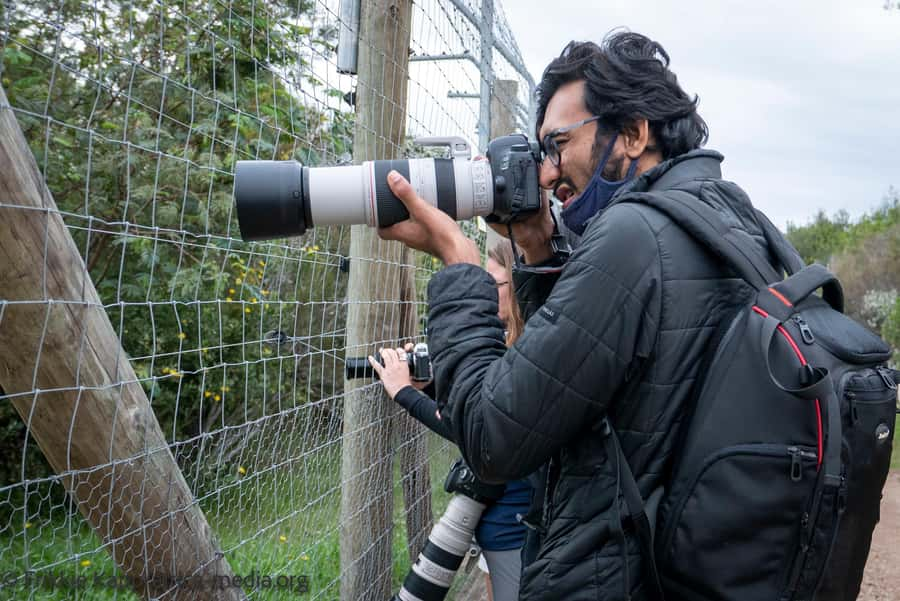
The best part of this Tenikwa tour is the chance to photograph South Africa’s wild cats without being hurried from one enclosure to the next. You may see a well-camouflaged leopard, watch cheetahs at close range, and finish above a magnificent white lion on the lion walkway.
I like the private format, which gives you room to ask questions and wait for a clear photograph. I also like the conservation focus, including an enrichment activity for non-releasable animals. The main consideration is that Tenikwa is a working rehabilitation center, so the exact animals and viewing conditions depend on which creatures are in care at the time.
Key points to know before you book
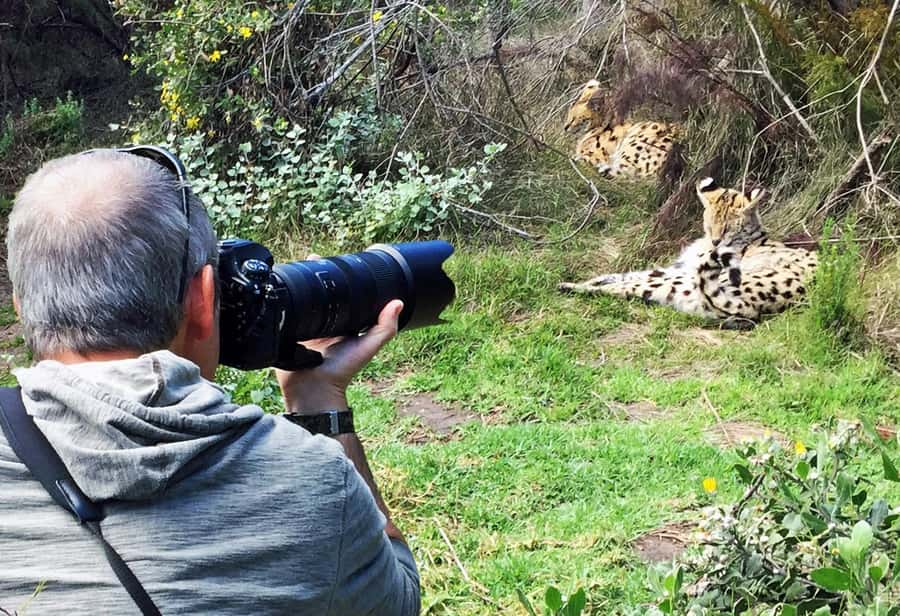
- Photograph several wild cat species: Look for leopards, cheetahs, caracals, servals, and a white lion.
- A genuinely private outing: You have a personal English-speaking guide rather than joining a large public group.
- Time matters for photographers: The relaxed pace and option to revisit one section are useful if you want more than a quick snapshot.
- Conservation comes first: The animals are non-releasable or receiving care, and touching, feeding, and posing with them are not allowed.
- Easy to reach by car: Tenikwa is reached from the N2 via the signed turnoff for Tenikwa, Monkeyland, and the Elephant Sanctuary.
- Allow up to 150 minutes: The advertised duration ranges from two hours to two and a half hours, depending on the schedule.
Meeting South Africa’s wild cats at Tenikwa
Tenikwa Wildlife Rehabilitation and Awareness Centre sits near Plettenberg Bay in South Africa’s Western Cape. This is not a safari drive through open country. It is a conservation center where animals that cannot return to the wild have a permanent home or receive care.
That difference shapes the whole experience. You are not promised a particular animal behaving on cue, and you are not entering a petting zoo. Instead, you walk between carefully managed enclosures with a guide who explains the animals, their habits, and the problems facing wild populations.
The tour begins with a welcome at reception and a short safety briefing of about five minutes. You then watch an educational video introducing Tenikwa and its conservation work. I find this useful preparation because it gives context before you start taking photographs. You understand why some animals live at the center and why the rules around distance and contact matter.
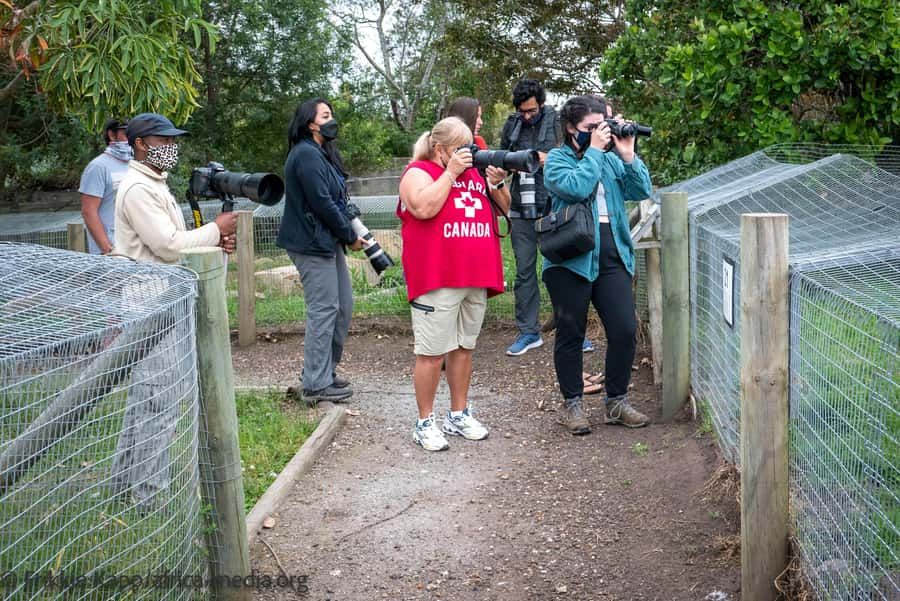
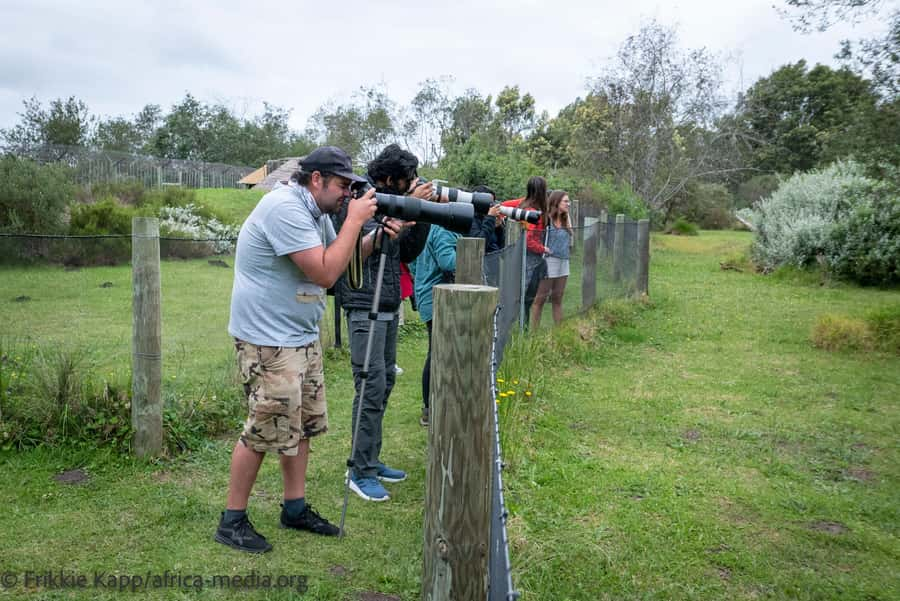
The tour is private, which is especially valuable here. A guide can adjust the pace for your interests, explain a detail you have noticed, or give you a little more time when an animal is visible. If photography is your priority, you do not have to compete with a large group for the best view.
More Garden Route Tours in Garden Route:
- From Cape Town: 2-Day Safari at Garden Route Game Lodge
★ 4.8 · 928 reviews - Plettenberg Bay: Swim with Seals
★ 4.7 · 887 reviews - Addo Elephant National Park All Inclusive Full-Day Safari
★ 4.8 · 872 reviews
Meerkats first, then a careful search for the leopard
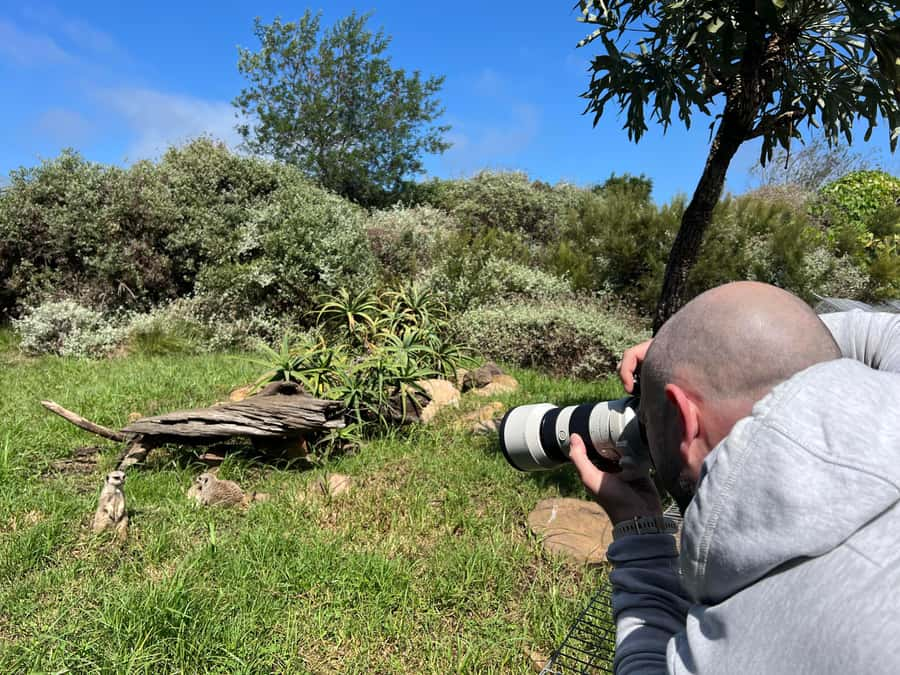
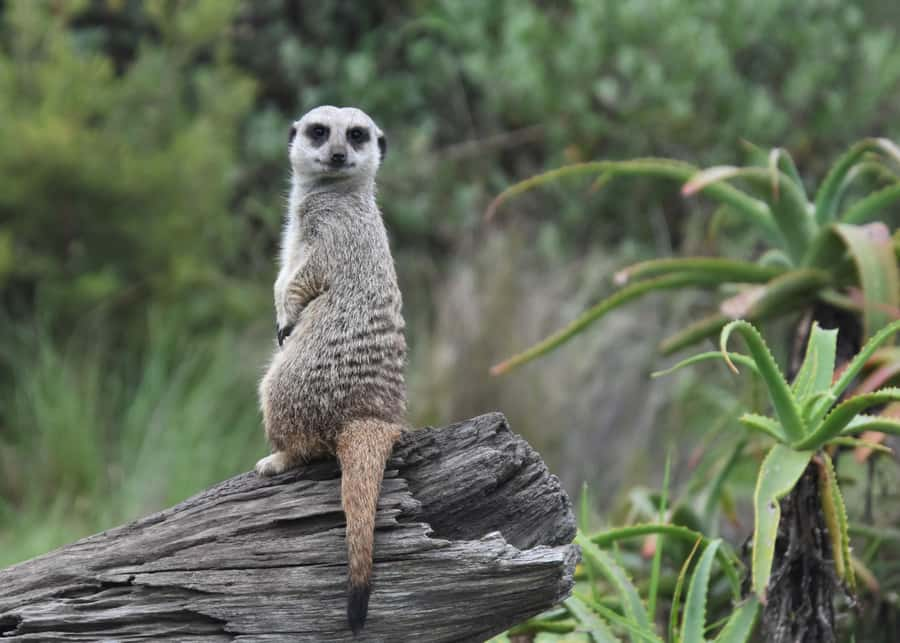
One early stop is the Meerkat Meander. The meerkats here were confiscated and have a permanent home at Tenikwa. Their small size and active behavior make this a pleasant way to begin, though you should not expect a guaranteed performance. Wildlife remains wildlife, even inside a managed center.
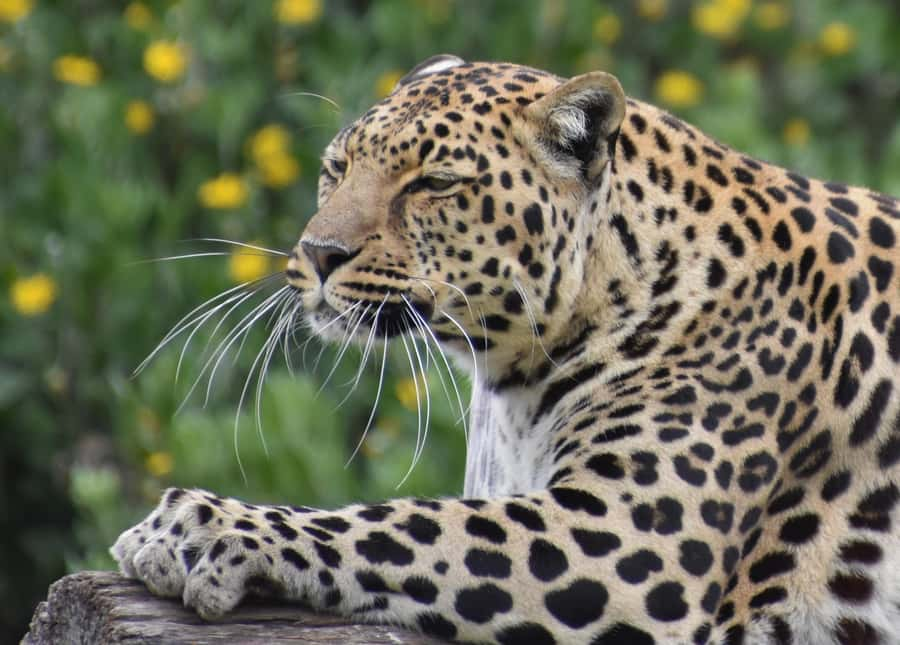
The leopard walkway changes the mood. Rather than simply presenting the animal in plain view, the guide asks you to search for it among the enclosure’s surroundings. Leopards are famous for camouflage, and spotting one can become a satisfying little test of patience.
This is also a good example of why the private setting helps. Your guide can point out the leopard without rushing the moment, then explain what you are seeing. Keep your camera ready, but do not assume the cat will move into perfect light or face the lens. A good photograph may require waiting and watching.
The center’s photography rules are clear. You may bring your camera, but selfie sticks are not allowed. You may not pose with wildlife, touch the animals, or feed them. Those limits can feel restrictive if you are used to animal encounters built around physical contact, but they protect both you and the animals.
Cheetahs and the pressures facing wild populations
The cheetah visit brings a stronger conservation message. Your guide explains how cheetah numbers are declining in the wild and helps connect the individual animals at Tenikwa with the larger challenges facing the species.
For a photographer, cheetahs can be rewarding subjects because of their striking markings and elegant shape. Still, the center is not a photo studio. You might get a clean portrait, a side view, or only a partial glimpse. The guide’s explanation gives the sighting more value than a photograph alone.
You may also see caracals and servals. These smaller wild cats are easy to overlook when people are focused on lions and leopards, so I appreciate that the tour gives them proper attention. Their different body shapes, ears, markings, and behavior offer variety for photographers.
The guide may invite you inside some enclosures where it is considered safe. This means close proximity, not contact. No touching is allowed, and the safety instructions should be followed closely. You are there to observe and photograph, not to create a staged animal encounter.
The white lion and the high walkway
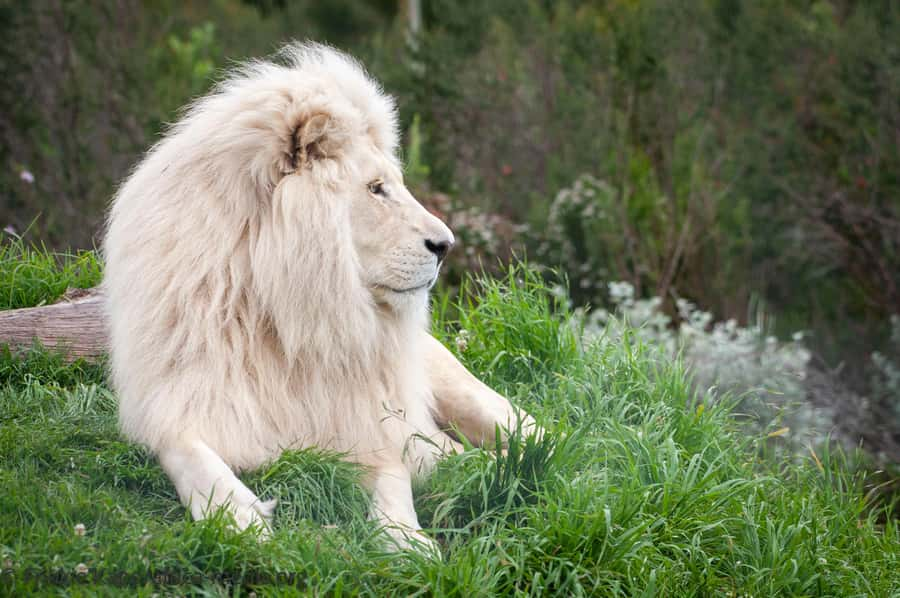
The final major stop is the white lion. You view this animal from a walkway high above the enclosure, giving you a different angle from the closer cat encounters earlier in the tour.
The height can help you frame the lion without people in your photograph, though the exact view depends on where the animal is resting or moving. A white lion is visually striking, but the important point is still the individual animal’s welfare and history within a rehabilitation center, not simply its unusual appearance.
This part of the tour also gives you a chance to slow down. The visit is designed as a leisurely walk, not a race through a checklist. Use the time to ask about the lion, the center’s work, and the challenges involved in caring for animals that cannot be released.
One particularly useful feature comes after the main program. You can revisit one of your favorite cats a second time. Photographers should pay attention to this option. An animal hidden earlier may be visible later, or the light and position may have changed. It also lets you choose the subject you found most interesting rather than ending the tour the moment the formal route finishes.
A few more Garden Route trips to weigh up
- Plettenberg Bay: Wild Cat and Wildlife Guided Tour
★ 4.7 · 206 reviews - Jukani Wildlife Sanctuary Admission with Guided Tour
★ 4.5 · 50 reviews - Guided Wildlife Tour and Forest Walk with Lunch Platter
★ 4.6 · 40 reviews - 3 Day Wildlife Safari Tour – Garden Route Small Group Tour from Cape Town
★ 5.0 · 21 reviews
What the photography experience is really like
This is a good choice if you want animal photographs with guidance, but you should set realistic expectations. You are photographing animals in a conservation setting, not guaranteed models. The center itself notes that what you see depends on the animals being cared for at the time.
The private arrangement solves one common problem: other people moving through your frame. One birthday booking was particularly well suited to photography because the photographer could take time without someone continually crossing in front of the camera. That is a real advantage when you are waiting for a cat to look up, turn its head, or move into a clearer position.
Your guide also adds value by explaining what the facility does while you work on your pictures. Davidson, one guide specifically praised for this experience, was described as giving ample time for photography while explaining the functions of the center. That combination is what you want: practical help without turning the tour into a rushed lecture.
Bring a camera if you have one, but do not feel that specialist equipment is required. The information provided does not promise particular lighting, photographic instruction, or guaranteed close-up shots. If you are serious about wildlife photography, ask your guide questions about where you may stand and how long you can remain at each enclosure.
Comfort matters more than fancy clothing. Wear comfortable walking shoes, light comfortable clothes, a sun hat, and sun protection lotion. You should also lock valuables and backpacks in your vehicle, as the center advises. Parking is available at reception.
A private tour for questions, not just pictures
I like the chance to discuss conservation issues directly with the guide. You can ask why an animal cannot return to the wild, how the center cares for non-releasable animals, and what threats wild cats face. The educational value is strongest when you ask questions rather than simply follow the route with your camera raised.
The enrichment activity is another worthwhile part of the visit. You may take part in a life-enrichment exercise with non-releasable animals, under the guide’s direction. This is not feeding or touching, and you should expect the activity to follow the center’s safety rules.
Because the tour is private, it suits different levels of interest. A family can ask basic questions without feeling out of place. A photographer can spend longer on a subject. A couple can keep the pace relaxed, and a wildlife enthusiast can focus on conservation rather than rushing toward the next attraction.
The English-speaking guide is central to the experience. The quality of your visit depends partly on how well the guide matches your interests, but the feedback attached to this activity repeatedly highlights clear explanations, strong animal knowledge, and genuine care. Albert described his guide as competent, while another visitor called the tour educational and enjoyable. Those are modest but important strengths for a small conservation center.
Timing, access, and the real value of $41
At about $41 per person, the cost includes entrance to Tenikwa, a personal guide, the private tour, and the option to revisit part of the program. You are paying for time and attention as much as for admission.
That makes the price easier to justify for two people or a small private group with a serious interest in wildlife. A standard entrance visit may be enough if you only want a quick look around. The private tour earns its extra value through the guide’s explanations, flexible pace, and better chance to take photographs without a crowd.
The timing needs a little care. The experience is described as approximately two hours, with the total duration also given as up to 150 minutes. The planned elements include a two-hour guided visit, a short break, coffee and local snacks, a photo stop, and shopping. Since schedules can vary, allow the full two and a half hours rather than planning a tight connection afterward.
Food and drinks are not included, although coffee and local snacks are listed as part of the scheduled break. Treat that as a brief refreshment stop, not a full meal. Hotel pickup and drop-off are also not included, so you need to make your own way to the center.
To reach Tenikwa, take the N2 turnoff signed for Tenikwa, Monkeyland, and the Elephant Sanctuary. At Animal Alley, keep left for the Tenikwa signs and drive past Kurland Village. At the fork, keep right and continue to the Tenikwa entrance, then check in at reception. Arrive 15 minutes early so you are not trying to find the entrance at the last moment.
The center is wheelchair accessible, but the tour involves walking between viewing areas and using walkways. If access is important to you, confirm the practical route when booking, since the supplied information does not describe every surface or enclosure approach.
What this tour does not promise
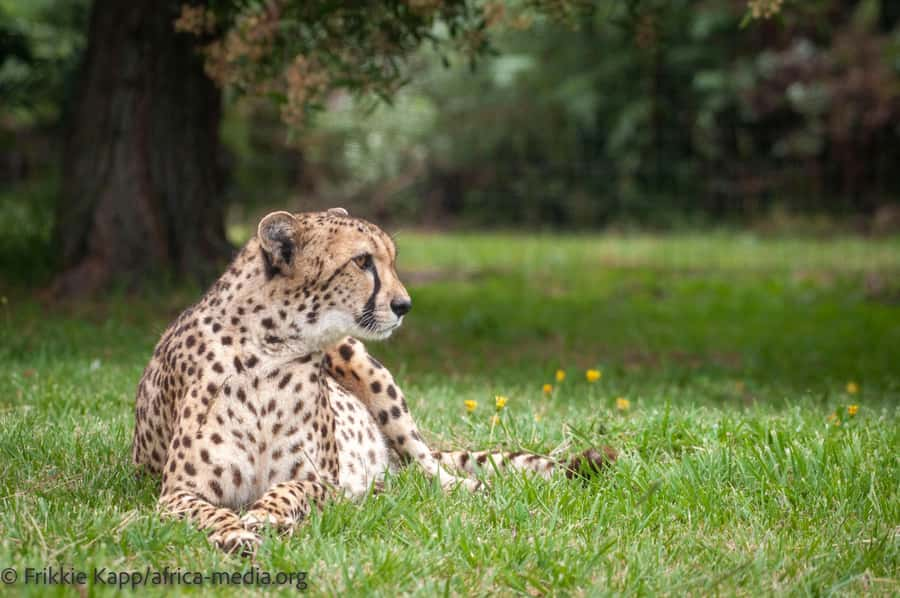
Tenikwa does not promise a fixed list of sightings. You may see the white lion, cheetahs, leopards, caracals, servals, and meerkats, but the exact experience depends on which animals are present and visible. The working nature of the center is part of the deal.
You also should not expect touching, feeding, posing, or selfie-stick photographs. That may disappoint anyone looking for a hands-on animal encounter, but it is a positive sign for a center that puts animal care ahead of staged pictures.
The tour is also not a traditional safari. There is no mention of a vehicle drive, free-ranging animals, or a guarantee of seeing wildlife in natural habitat. Book it for close observation, photography, and conservation education at Tenikwa.
The high overall rating of 4.9 from 49 ratings fits the experience’s main strengths: personal guiding, generous photography time, and clear explanations. The most useful praise is specific. Visitors singled out guides who cared about the animals and gave photographers room to work, rather than simply describing the outing as fun.
Who should book the Tenikwa photography tour?
Book this tour if you want to photograph wild cats in a controlled conservation setting and prefer a guide who can explain what you are seeing. It is particularly well suited to couples, families, wildlife enthusiasts, and photographers who dislike being hurried.
It is also a sensible choice if you want an educational activity near Plettenberg Bay rather than a long day trip. The pace is gentle, the group is private, and you can revisit a favorite cat after the main route.
Think twice if your main goal is to see animals roaming free or to handle them. You should also reconsider if you need guaranteed sightings, a full meal, transport from your hotel, or advanced photography tuition. Those are not promised here.
For most people who understand the setting, I would book it. The $41 price buys more than entry: it gives you personal attention, time to frame your photographs, and a clearer view of the work behind a wildlife rehabilitation center. Bring patience, sensible shoes, and a camera. Leave the selfie stick and the expectation of touching animals at home.
FAQ
Where does the wildlife photography tour begin?
The tour begins at Tenikwa Wildlife Rehabilitation and Awareness Centre near Plettenberg Bay. Check in at Tenikwa Reception.
How do I drive to Tenikwa?
Take the N2 turnoff signed for Tenikwa, Monkeyland, and the Elephant Sanctuary. At Animal Alley, keep left for Tenikwa, drive past Kurland Village, keep right at the fork, and continue to the Tenikwa entrance.
How long does the tour last?
The tour is approximately two hours, with the stated duration ranging from two hours to 150 minutes. Allow up to two and a half hours for the complete schedule.
What animals can I photograph?
The program includes opportunities to photograph meerkats, leopards, cheetahs, caracals, servals, and a white lion. The animals you see and their visibility depend on which animals are at the center and their behavior at the time.
Is the tour private?
Yes. It is a private group experience with a live English-speaking guide.
Can I touch or feed the animals?
No. Touching and feeding wildlife are not allowed. You may enter some enclosures where it is safe, but close proximity does not include physical contact.
Can I bring my camera?
Yes. Cameras may be taken on the tour. Selfie sticks are not allowed, and posing with wildlife is prohibited.
Is hotel transportation included?
No. Hotel pickup and drop-off are not included. You need to arrange your own transportation to Tenikwa.
What should I bring?
Wear comfortable shoes and comfortable clothes, and bring a sun hat and sun protection lotion. Lock valuables and backpacks in your vehicle. Parking is available at reception.
More Photography Sessions in Garden Route
- Cape Town: Atlantis Dunes Quad Bike Tour and Photo Session
★ 4.5 · 322 reviews - Quad Bike Adventure @ Atlantis Dunes+Photo Session
★ 4.5 · 104 reviews - 1 Hour Cape Town Bo Kaap Photoshoot Experience
★ 5.0 · 61 reviews - Private Surf Lesson in Cape Town – Transport & Photos Included
★ 5.0 · 50 reviews
Just added around Garden Route
- 5 Day Garden Route Tour – Port Elizabeth to Cape Town★ 5.0 · 18 reviews
- 1 Day Garden Route Tour from Port Elizabeth to the Crags★ 5.0 · 9 reviews
- eBike Tours★ 5.0 · 5 reviews
- The Private Wildlife Tour★ 4.5 · 12 reviews
- Seal Swimming Activity in Plettenberg Bay★ 5.0 · 23 reviews
- 1.5-Hour Seal Viewing Boat Tour in Plettenberg Bay★ 4.5 · 16 reviews
- Cats in Conservation★ 5.0 · 10 reviews
- Jukani Wildlife Sanctuary Admission with Guided Tour★ 4.5 · 50 reviews
Photography Sessions, compared.
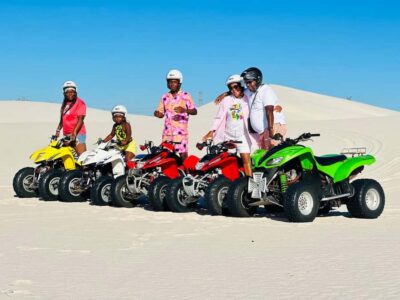
Atlantis Dunes Quad Bike Tour and Photo Session
Read our review →
Quad Bike Adventure @ Atlantis Dunes+Photo Session
Read our review →
Private Surf Lesson in Cape Town – Transport & Photos Included
Read our review →


Cape Town Sand Dunes ATV Quad bike tour & PHOTOS
Read our review →Browse the lists this tour appears in