
Reviewed · SOWETO TOURS
Johannesburg: Soweto, Apartheid Museum, and Cradle tours
Johannesburg’s past comes into sharper focus when you connect Soweto’s struggle against apartheid with the Apartheid Museum, then travel out to the Cradle of Humankind and its ancient hominid discoveries. This tour links modern South Africa’s political story with the much older story of human origins.
I like the small private format, which gives you room to ask questions and shape the day. I also like the practical package: hotel pickup, an air-conditioned vehicle, bottled water, an experienced driver, and admissions are included. The main consideration is time. A half-day visit can feel rushed if you want all of Soweto, both museums, and the Cradle at an easy pace.
Key points to know
- The tour connects three major South African stories: apartheid, Soweto’s resistance, and human evolution.
- Soweto visits include Vilakazi Street, the Mandela Museum, Regina Mundi Catholic Church, and the Hector Pieterson Museum.
- The Apartheid Museum uses film, photographs, text, and objects across 22 exhibition areas.
- The Cradle of Humankind includes some of the world’s most important early human fossil sites, including Sterkfontein and Swartkrans.
- Private tours require at least two guests and can be arranged as half-day or full-day outings.
- Guide Rob handles the day carefully, including admissions and practical stops, and can explain local details in a personal way.
Three Johannesburg stories in one day
This is not a sightseeing circuit built around quick photographs. It is a history-focused day that moves between three very different settings.
You begin with the apartheid era, a system of racial separation enforced by the South African state for decades. Soweto gives that story a human setting. The Apartheid Museum provides the national political record. The Cradle of Humankind then takes you far beyond the modern city, to fossil sites linked to the earliest chapters of human development.
I like that order. You first see how communities were shaped by law and resistance, then place South Africa in a much older time frame. It makes Johannesburg feel less like a single city attraction and more like a meeting point of political, cultural, and scientific history.
The tour can be tailored to your needs, but the exact timing depends on whether you choose half-day or full-day travel and how much time you spend inside each site. If you want a thoughtful museum visit rather than a quick tick on a list, I would favor the full-day option.
More Apartheid Museum Tours in Johannesburg
- Soweto /Johannesburg and Apartheid Museum Guided Full Day Tour
★ 5.0 · 932 reviews - Jo’berg in 1 Day: Soweto, Apartheid Museum & City Tour
★ 4.8 · 524 reviews - Johannesburg: Full-Day Tour with Soweto and Apartheid Museum
★ 4.8 · 478 reviews
Soweto and the places that carry its memory
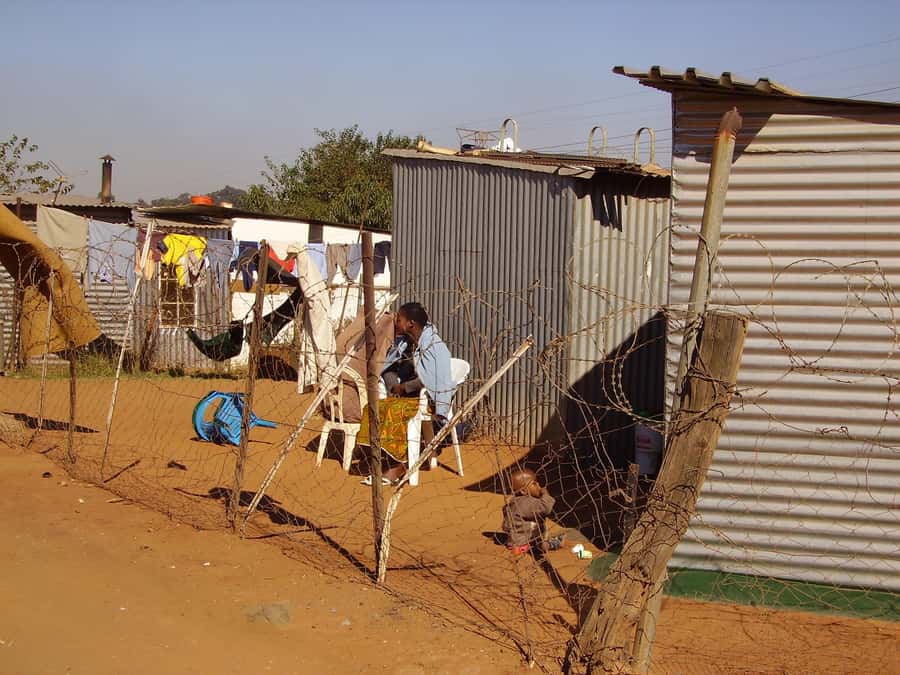
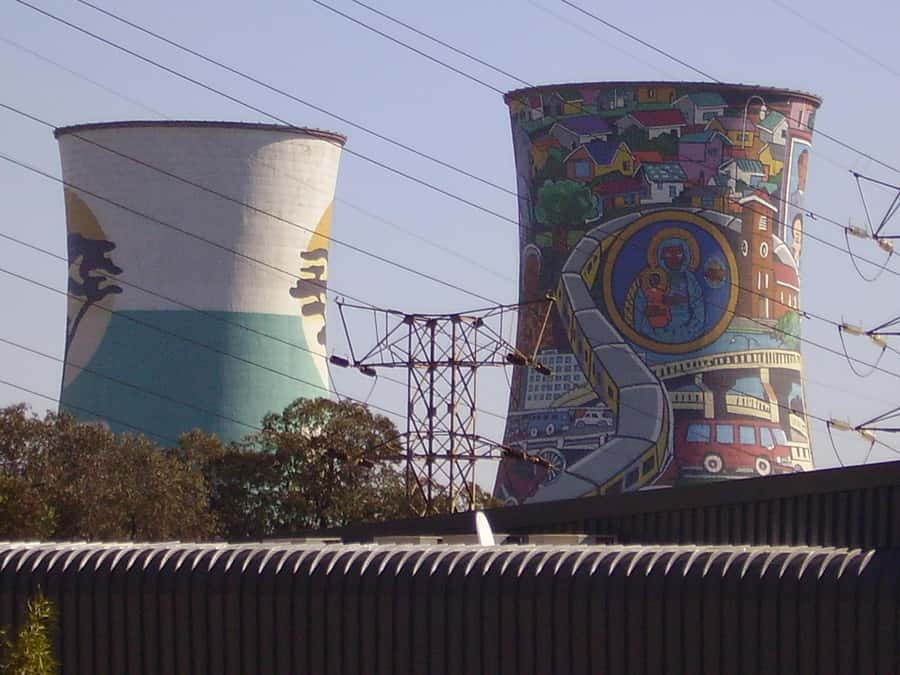
Soweto is central to the tour because its story cannot be separated from apartheid. The township became one of the most important centers of opposition to the system, and several stops here help explain why.
Vilakazi Street is especially notable. It is associated with Nelson Mandela and includes the Mandela Museum, making it an important stop for understanding his early life, political work, and place in South Africa’s national story. The tour includes admission to the museum.
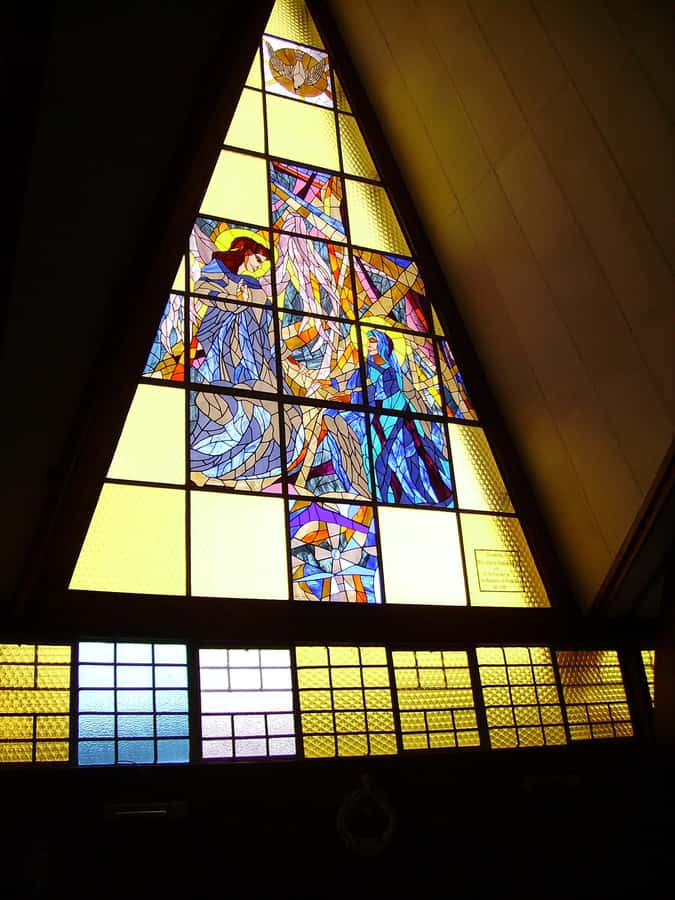
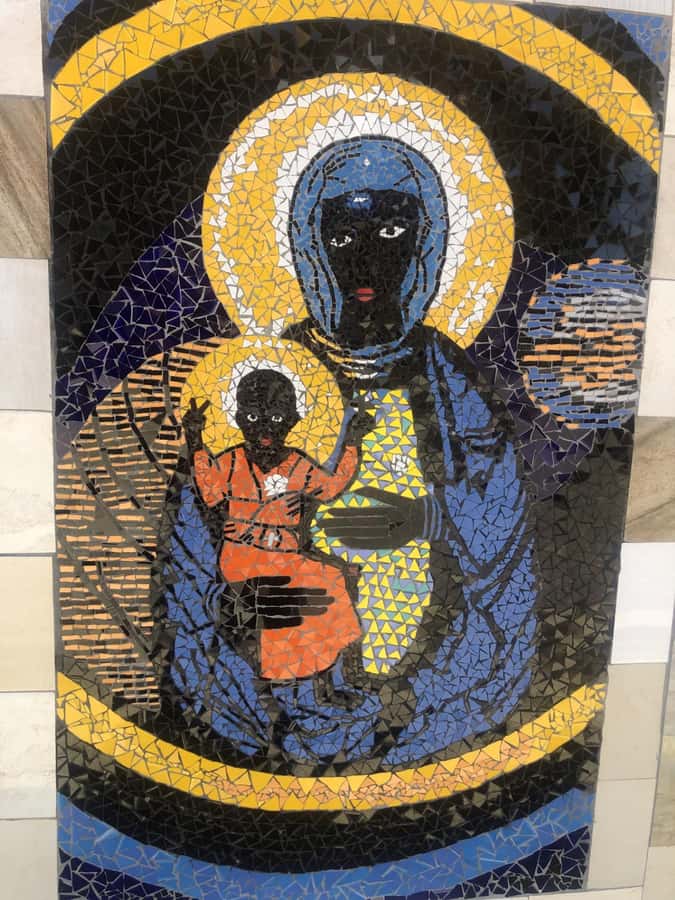
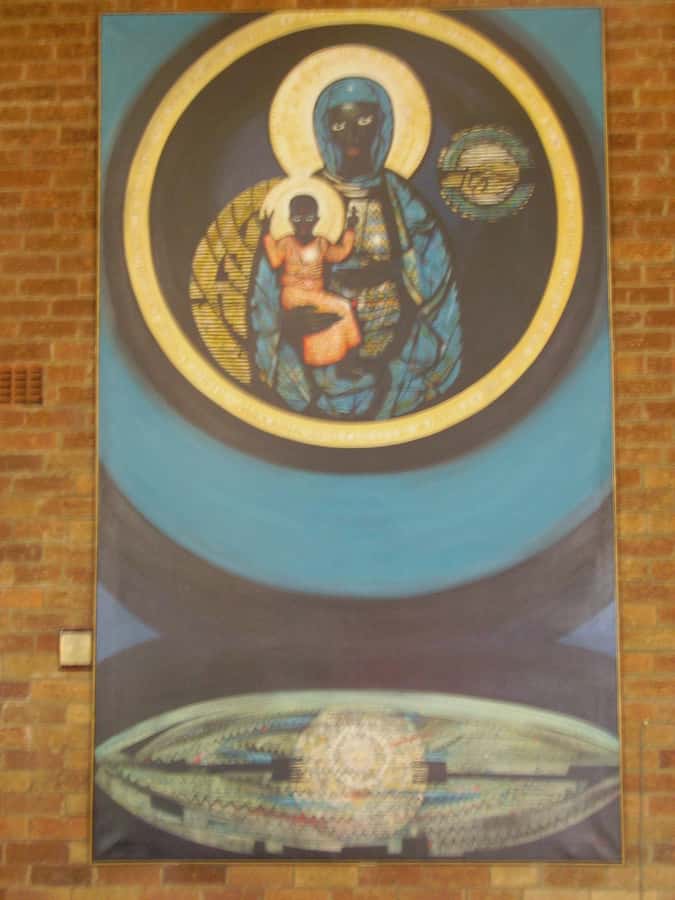
You also visit Regina Mundi Catholic Church. The church is known for its Black Madonna, and its role in Soweto gives the stop more weight than a simple church visit. The tour includes the entrance fee, so you can see the interior and hear how this place fits into the area’s story.
The Hector Pieterson Museum focuses on the 1976 Soweto riots. Its exhibits explain the reasons for the uprising and the events that made it a turning point in the fight against apartheid. This is likely to be one of the more emotional parts of the day, so give yourself time to take in the material.
A useful detail from the experience is that guide Rob can accompany you through these sites and handle the payments at each stop. One visitor also described an unplanned dance group outside the Mandela Museum and a short stop at the Rock Cafe across the street to buy a shirt. These details show how the day can include small, local moments beyond the formal museum route, though they should not be treated as guaranteed parts of every tour.
The tour does not promise a general township walk or a full look at daily life in Soweto. That distinction matters. You are getting a guided cultural and historical visit, not a broad neighborhood tour. If walking through residential areas is your priority, ask about customization before booking.
The Apartheid Museum’s 22 exhibition areas
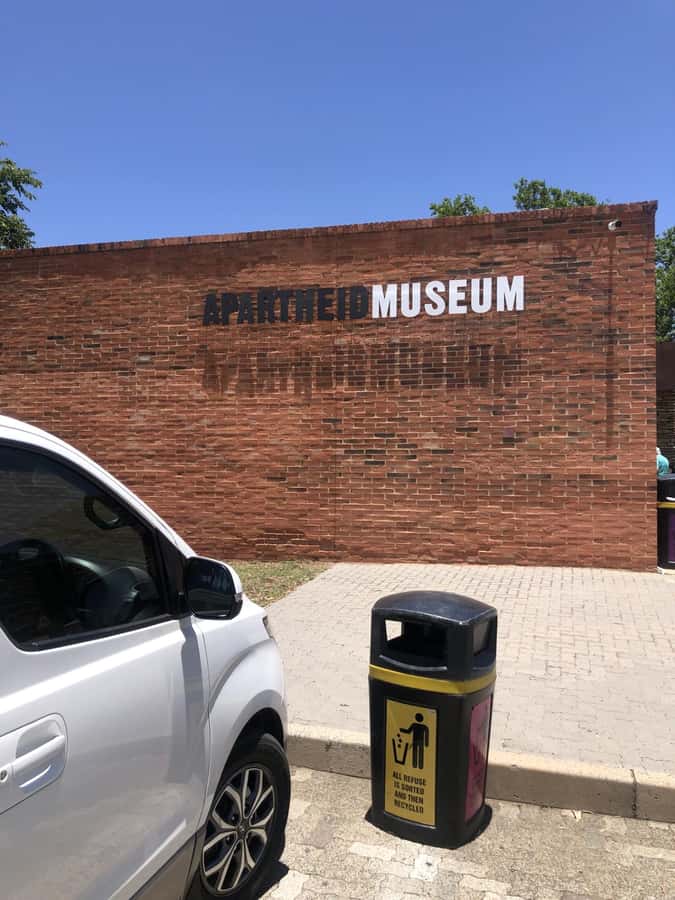
The Apartheid Museum is the tour’s clearest explanation of the political system that shaped twentieth-century South Africa. It was the first museum of its kind in the world and was designed with careful attention to space, buildings, and outdoor areas.
You move through 22 separate exhibition areas. Together, they trace the rise and fall of apartheid, the laws behind racial discrimination, and the long struggle of the majority population to end the system.
The material includes film footage, photographs, text panels, and objects. That mix matters because apartheid was not only a set of laws. It affected where people could live, work, study, and travel, and it left personal stories behind. Film and photographs can make the period easier to understand than a row of dates alone.
I would allow serious time here. The museum’s subject is difficult, and rushing through it can reduce a major part of the tour to a blur of displays. If you choose the half-day version, ask how much time is planned for the museum before you confirm the booking.
The museum is closed on Tuesdays. It is also closed on Mondays along with the Hector Pieterson Museum and other Soweto museums listed for the tour. Check the operating days when you plan your date, since a closed museum can change the shape of the day.
The Apartheid Museum does not replace a visit to Soweto, and Soweto does not replace the museum. The museum gives you the national framework, while the Soweto stops show how that history was lived in a particular community. Having both in one private tour is one of the strongest reasons to choose this experience.
The Cradle of Humankind and ancient fire
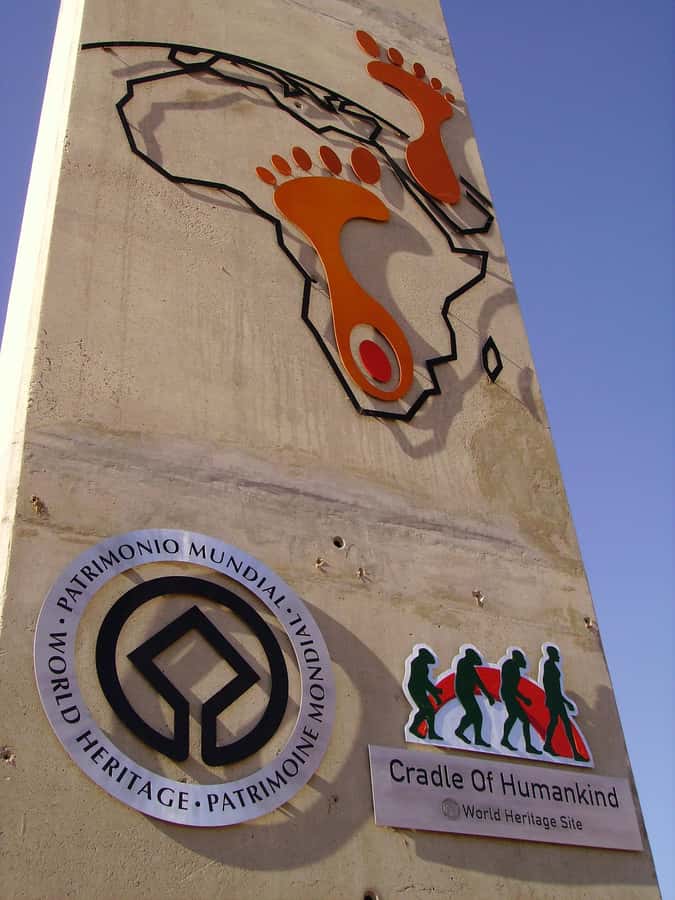
After the modern political story, the tour heads to the Cradle of Humankind, a UNESCO World Heritage Site west of Johannesburg. Here the subject changes from state policy and resistance to fossils, caves, and early human development.
The area is known for a long record of hominid discoveries. In 1935, Robert Broom found the first ape-man fossils at Sterkfontein. A few years later, schoolboy Gert Terrblanche brought fragments from nearby Kromdraai to Raymond Dart. Those pieces were later identified as Paranthropus robustus.
Other sites in the area include Cooper’s Cave, Bolts Farm, Gladysvale, Swartkrans, Drimolen, and Gondolin. The tour’s guide can help you understand why these names matter, since the significance is not always obvious when you first hear them.
Swartkrans is particularly important because the oldest controlled use of fire by Homo erectus was found there. It has been dated to more than one million years ago. That detail gives the site a direct connection to a basic human skill that changed food, warmth, protection, and social life.
Sterkfontein also has a remarkable research record. Excavations begun by Phillip Tobias in 1966 are still continuing and are described as the longest continuously running fossil excavations in the world. The nearby discovery of the near-complete Australopithecus skeleton known as Little Foot added another important chapter, although its exact age has been revised from earlier estimates.
The Cradle is not simply a fossil display. It is an active scientific area with a long sequence of discoveries made by different researchers over many decades. I like the way this part of the tour broadens the day. After learning about a recent political struggle, you are reminded that South Africa also holds evidence of humanity’s very distant past.
The drawback is that the Cradle may feel less immediately personal than Soweto. If your main interest is twentieth-century South African history, the fossil sites may seem like a change of subject. If you enjoy archaeology, science, or human evolution, the shift is likely to be a welcome one.
More Soweto Tours in Johannesburg
- Johannesburg: Hop-On Hop-Off Bus with Optional Soweto Tour
★ 4.6 · 985 reviews - Johannesburg Hop-On Hop-Off City Tour with Soweto Option
★ 4.5 · 768 reviews - Half-Day Tour of Soweto Tour
★ 4.5 · 712 reviews - Soweto: Walking Tour with a Local Guide and Lunch
★ 4.9 · 648 reviews
What the private format changes
The tour requires a minimum of two guests and uses air-conditioned luxury vehicles for groups of one to eight guests, with the minimum booking rule still applying. This is a good size for a day that includes several sites and a substantial amount of driving.
Private transport saves you from working out separate taxi trips between Johannesburg, Soweto, the museum, and the Cradle. Hotel pickup and drop-off are included, along with bottled water. Those are modest details, but they matter in a full day of moving between locations.
The small format also gives you more control. You can ask for more time at the Apartheid Museum, request a slower pace in Soweto, or discuss how to fit the Cradle into the day. The operator offers tours in English, German, and French.
Guide Rob is a useful name to know when considering the experience. He is described as taking care of admissions and helping with small practical needs, such as accompanying visitors to buy a shirt at the Rock Cafe. He also provided translation and explanation at the Mandela Museum, Regina Mundi, and the Hector Pieterson Museum. Ask who will guide your specific date, since Rob’s availability is not guaranteed in the information provided.
The small group does not mean every part of the day will be quiet or private inside the museums. It means your transport and guiding are arranged around your group rather than a large coach. That distinction helps set realistic expectations.
Is $101 a fair price?
At $101 per person, the price includes more than transport. You are paying for a private guided experience, hotel pickup and drop-off, an air-conditioned vehicle, bottled water, driver services, and admissions to the listed sites.
That package can offer good value if you want all three areas in one day. Separate transport between Johannesburg, Soweto, the Apartheid Museum, and the Cradle could be awkward to arrange, especially if you are unfamiliar with the city. A guide also helps connect the museums instead of leaving you to interpret each stop alone.
The value depends heavily on group size and the final route. Prices vary according to the number of guests, and discounts apply to groups of six or more. A larger group can bring down the per-person cost, while a couple pays for the private format but gets more control over the day.
I would compare the price against your priorities. If you want a simple ride to one museum, this tour is more than you need. If you want guided visits to Soweto, the Apartheid Museum, and the Cradle with admissions and hotel transport, the bundled price is easier to justify.
The tour can also be customized. Ask for the exact route, planned duration at each site, and whether the Cradle portion is a guided visit to a particular attraction or a broader tour of the area. The description covers the Cradle’s history and fossil sites, but it does not give a fixed minute-by-minute schedule.
Half-day or full-day?
A half-day tour may suit you if you have limited time in Johannesburg and want a guided introduction to the main historical sites. It can also work if you care most about Soweto and the Apartheid Museum, with a shorter look at the Cradle if the schedule permits.
A full-day tour makes more sense if you want to absorb the museums without racing. Soweto alone includes several important stops, and the Apartheid Museum’s 22 exhibition areas deserve attention. The Cradle adds travel time and a large amount of scientific context.
Because the tour is tailor-made, the best choice is not simply the longest option. Tell the operator which sites matter most. You may prefer a full day focused on Soweto and apartheid, or you may want a balanced day that gives meaningful time to both the political and archaeological sections.
I would not book this as a rushed add-on between fixed airport plans. The tour includes pickup and drop-off, but the available information does not promise a fixed duration or a precise return time. Leave room in your schedule.
Practical details before you book
Smoking is not allowed on the tour. At least two guests are required, and prices change with group size.
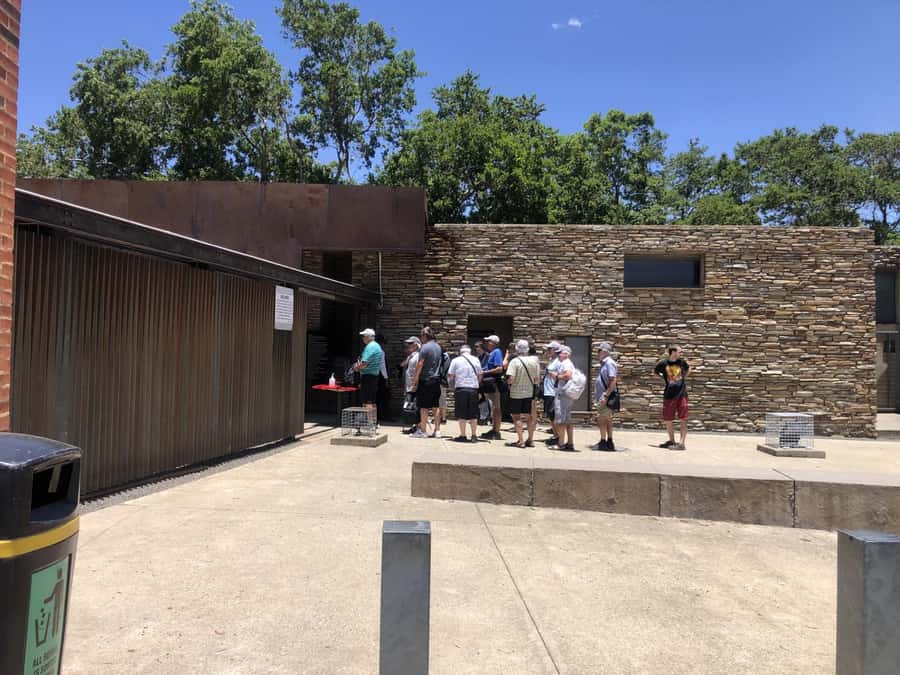
Museum closing days are the most important planning point. The Apartheid Museum and Hector Pieterson Museum are closed on Mondays, while the Apartheid Museum is also closed on Tuesdays. Ask about alternative arrangements if your available day falls during one of those closures.
You can reserve now and pay later, and cancellation is allowed up to 24 hours in advance for a full refund. Those terms help if your Johannesburg plans are still shifting.
The operator also offers airport and Sun City transfers in luxury vehicles, but those are separate services from the Soweto, Apartheid Museum, and Cradle tour. Confirm that you are booking the sightseeing day you want.
Who will enjoy this tour most?
I would recommend this experience to anyone who wants a guided introduction to Johannesburg’s history and prefers not to arrange several distant sites independently.
It suits first-time visitors who want context, couples or families who value private transport, and small groups interested in apartheid, Mandela, Soweto, archaeology, or human evolution. The three-part structure also works well for people who want more than a single museum visit.
It may be less suitable if you want a long, unstructured walk through Soweto or a tour centered mainly on present-day township life. The included stops are historical and cultural institutions, and the Cradle adds science rather than more urban sightseeing.
The subject matter is serious. The Apartheid Museum and Hector Pieterson Museum deal with racial oppression, protest, and violence. I would choose this tour when you are ready to give those subjects your attention, not when you want a light day of city highlights.
Should you book it?
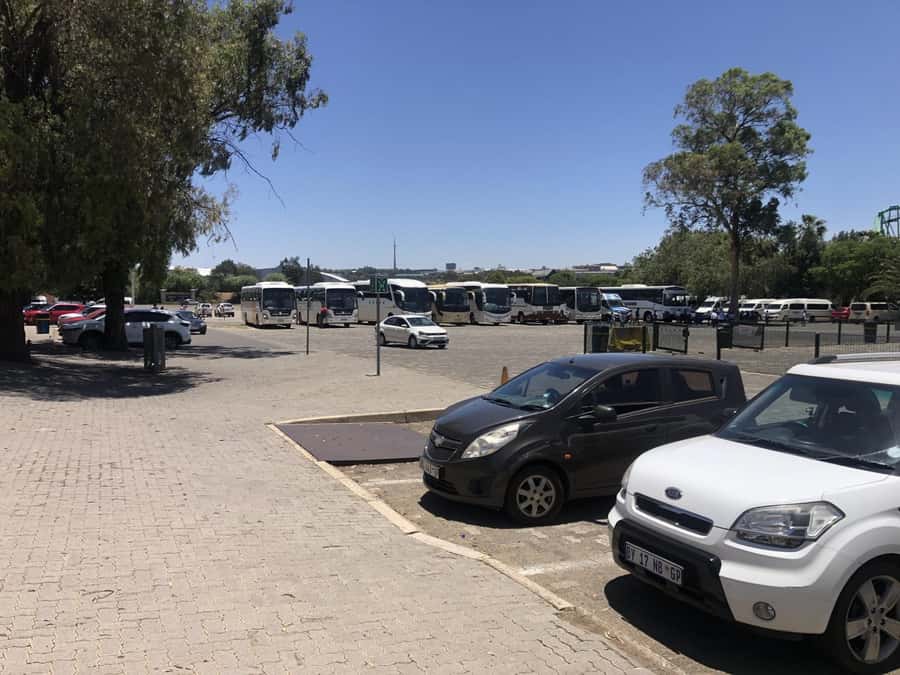
Book this tour if you want Johannesburg explained through Soweto, apartheid, and human origins, with private transport and admissions handled for you. Its best feature is the connection between places that are often visited separately.
Choose the full-day option if you want time to think, ask questions, and see the Cradle without squeezing the museums into a tight schedule. Before paying, confirm the date, guide, exact Cradle stop, and whether the route will include the township experience you want.
If your priority is an authentic look at daily Soweto life rather than its museums and memorial sites, ask for a customized route. If your priority is history with clear local guidance, this is a practical and worthwhile way to spend a day in Gauteng.
FAQ
How many people are required to book the tour?
All tours require a minimum of two guests. Vehicles can accommodate groups from one to eight guests, but the minimum booking rule still applies.
What is included in the price?
The tour includes private guided visits, hotel pickup and drop-off, transport between sites, an air-conditioned luxury vehicle, bottled water, an experienced driver, and admission fees to the listed attractions.
Which Soweto sites are included?
The tour includes the Mandela Museum on Vilakazi Street, Regina Mundi Catholic Church, and the Hector Pieterson Museum. The sites cover Mandela’s connection to Soweto, the church’s Black Madonna, and the causes of the 1976 riots.
Is the Apartheid Museum open every day?
The Apartheid Museum is closed on Mondays and Tuesdays. The Hector Pieterson Museum and the other Soweto museums listed for the tour are closed on Mondays.
What languages are available?
Tours are offered in English, German, and French.
Can I cancel or pay later?
You can reserve and pay later, with nothing due at the time of booking. Cancellation up to 24 hours in advance qualifies for a full refund.
More Museums in Johannesburg
- Full-Day Soweto, Apartheid Museum and Lunch Tour
★ 5.0 · 410 reviews - Half Guided Day Tour of Soweto And Apartheid Museum
★ 5.0 · 356 reviews - Ultimate Johannesburg Soweto Experience with Apartheid Museum
★ 5.0 · 313 reviews - Soweto: Hop-On Hop-Off Bus, City Tour and Apartheid Museum
★ 4.5 · 250 reviews
Just added around Johannesburg
- Lion park★ 4.5 · 5 reviews
- Lesedi cultural village:★ 5.0 · 6 reviews
- Lesedi Cultural Village with lunch or dinner cultural food★ 4.6 · 9 reviews
- Lesedi Cultural Village Half-Day Tour★ 4.7 · 9 reviews
- Lesedi Cultural Village★ 4.9 · 4 reviews
- Kruger National Park – 5 Day Safari Tour★ 4.7 · 4 reviews
- From Johannesburg: Kruger National Park 4-Day Luxury Safari★ 4.8 · 9 reviews
- Kruger National Park – 4 Day Safari Tour★ 4.8 · 19 reviews
Soweto Tours, compared.
Soweto /Johannesburg and Apartheid Museum Guided Full Day Tour
Read our review →
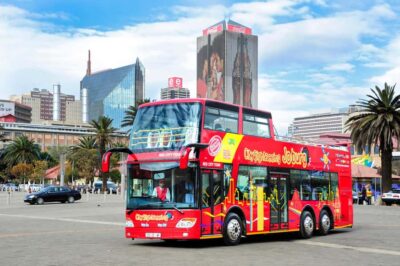
Johannesburg Hop-On Hop-Off City Tour with Soweto Option
Read our review →
Jo’berg in 1 Day: Soweto, Apartheid Museum & City Tour
Read our review →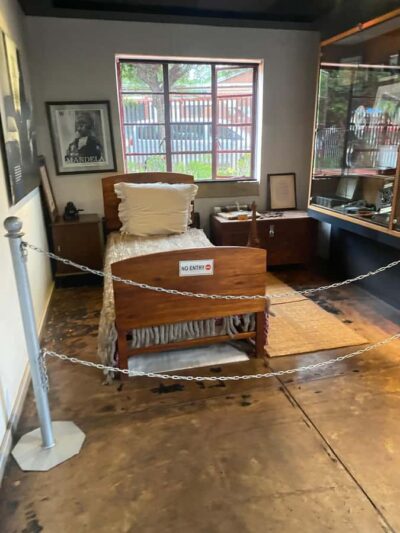
Full-Day Tour with Soweto and Apartheid Museum
Read our review →
Browse the lists this tour appears in