
Reviewed · WALKING TOURS
Durban: Local Markets and Culture Guided Walking Tour
Durban’s most revealing sights are not behind museum doors. They are in the Warwick markets, where traders sell food, spices, clothing, remedies, and everyday goods. Guide Johnny takes you into this working part of town, introducing you to people he has known for years and explaining how the markets fit into Durban life.
I like the honest use of local minibus taxis, since you learn how residents actually move around the city. I also like the finish: bunny chow at North Beach, a simple Durban classic after a morning of walking and shopping. The trade-off is comfort. You cover about 8,000 steps, spend time in crowded markets, and use public transport rather than a private vehicle.
Key points to know before booking
- Warwick’s market district: Walk through several distinct markets, including the early morning market, Indian markets, African markets, and Victoria Street Market.
- Johnny’s local connections: Guide Johnny has led this type of tour for more than 14 years and is widely recognized by traders in the markets.
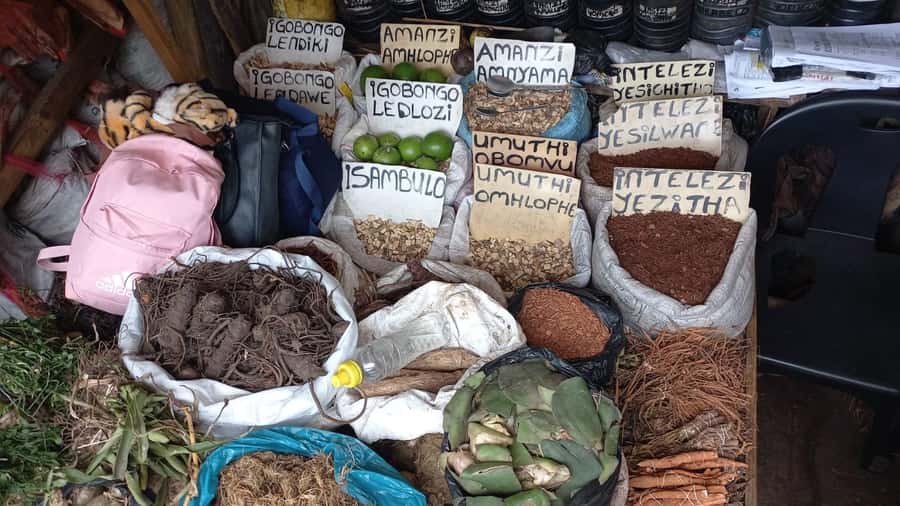
- Muti market visit: See stalls devoted to traditional African medicine, herbs, oils, powders, and other remedies.
- Two minibus rides: The local combi taxis are part of the experience, not just a way to get from one stop to the next.
- Bunny chow at North Beach: End with Durban’s signature meal, bread filled with a meat curry, with drinks paid separately.
- A long, active half-day: Expect roughly four to five hours, slow walking, sun, market noise, and limited accessibility for wheelchair users.
Why this tour shows you a different Durban
Many city tours keep you on broad streets and point out major buildings. This one takes you into the trading heart of Durban, where the city’s Indian, African, and Zulu influences meet in practical, everyday ways.
You will hear about Durban’s past, politics, food, cultures, and traditions while moving through places that serve local residents first. That matters. A market is not a stage set for sightseeing. It is a place where people buy ingredients, seek advice from traditional healers, bargain for household goods, and earn a living.
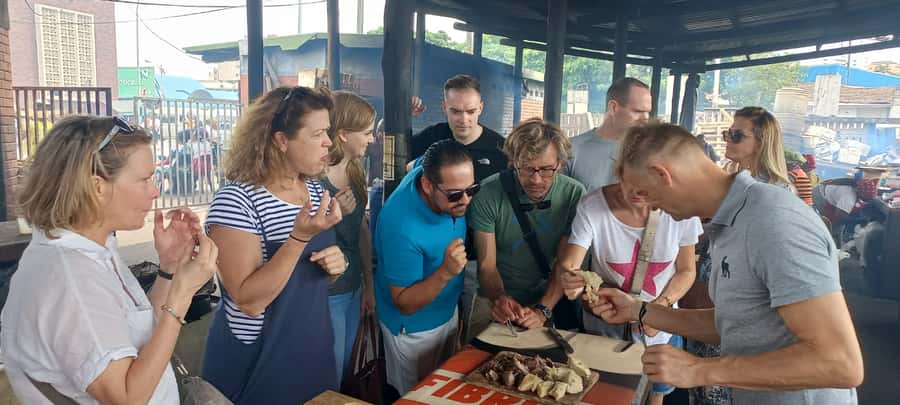
Johnny is central to the experience. His strength is not only explaining facts, but also knowing how the city works. He has watched these markets change over more than 14 years and knows many of the traders personally. That local familiarity helps you enter with respect and gives you a better chance to ask questions without treating the market like a photo prop.
I would still advise you to approach the tour with an open mind. Some stalls and practices may be unfamiliar or confronting, particularly in the Muti market. You are seeing a real part of Durban, not a polished cultural display.
A few more Durban trips to weigh up
- Culture Walking Tour of Durban
★ 5.0 · 110 reviews - Durban: City Sightseeing and Walking Tour
★ 4.6 · 98 reviews - Durban: Top 10 City Sights and Walking Tour
★ 4.1 · 69 reviews
Starting at Tekweni Backpackers on Ninth Avenue
The tour begins inside Tekweni Backpackers at 169 Ninth Avenue, just off Florida Road in Morningside. Johnny waits inside the premises, so you do not need to search for a vehicle on a busy street.
If you drive, safe parking is available at the meeting point. If you are staying elsewhere, plan your arrival around the stated start time and allow a little extra time to find the building.
The opening introduction covers Durban’s story before you set out. This is useful because the market stops make more sense when you understand the city’s mix of communities and the forces that shaped modern South Africa.
The tone is informal and personal. You can ask questions as you go, and the tour suits curious people who prefer conversation to a rehearsed speech. Several direct accounts describe Johnny as passionate, humorous, and willing to explain difficult subjects plainly.
The viewpoint and first ride into town
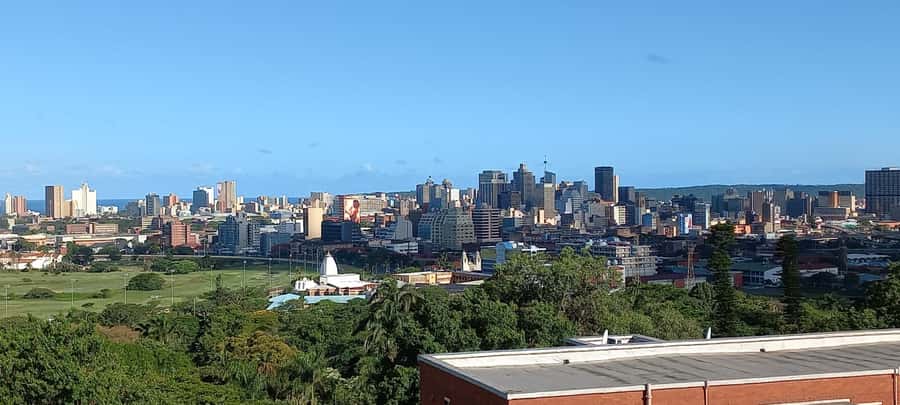
A viewpoint and photo stop come early in the outing. It gives you a broad look over Durban before the tour narrows to market lanes and city streets.
This small pause has real value. After seeing the city from above, you can better understand the contrast between the beachfront, central Durban, and the working market areas. It also gives you a chance to take photos before the walking begins.
From there, you use a local minibus taxi for about 15 minutes. In Durban, these vehicles are commonly called combis. The ride is part of the lesson, since the system can be hard to understand if you have never used it.
Do not expect the calm, fixed routine of a sightseeing bus. You will be traveling in ordinary local transport with Johnny guiding the process. That can feel slightly outside your comfort zone, but it is also one of the tour’s most distinctive features.
If bad weather arrives, waiting for local transport may be less pleasant. One useful point to keep in mind is that the tour does not replace the combi with a private car. If you want a sheltered, door-to-door trip, a taxi-based city tour will suit you better.
Walking through the Markets of Warwick
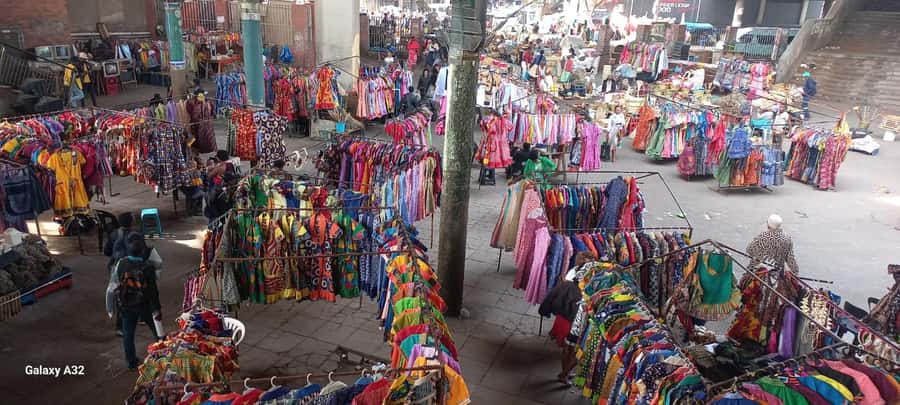
The main part of the tour takes place in and around the Markets of Warwick. This is not one single market, but a group of connected trading areas with different purposes and atmospheres.
You may pass through:
- The early morning market
- The bridge market
- Indian markets
- The African medicine, or Muti, market
- An African market
- Victoria Street Market
The value here is variety. One stop may focus on food and produce, another on spices or souvenirs, and another on traditional remedies. You are not simply browsing stalls. Johnny explains what you are seeing, how the markets developed, and how people use them.
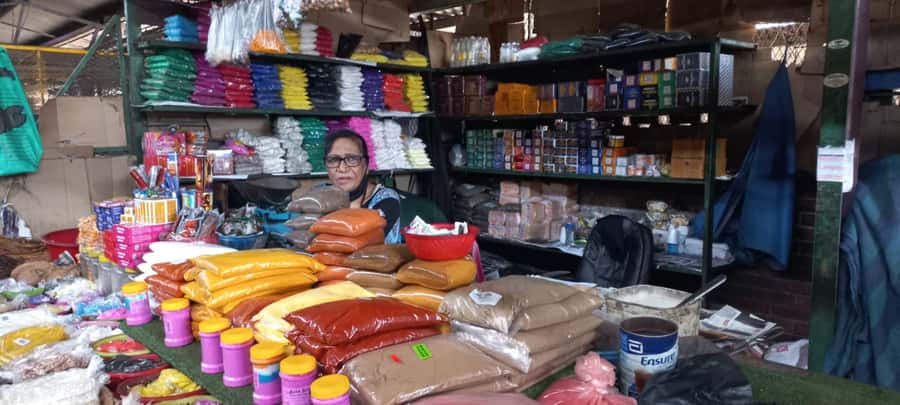
The African markets can be lively and competitive, with traders selling goods at prices aimed more at local shoppers than at tourists. That makes this a good place to buy spices, small gifts, and local items. If you know you want souvenirs, save room in your bag and consider postponing some shopping until this part of the day.
Prices can be a strong reason to book the tour. A guide who knows the area can help you understand what is a fair buy and which items make sensible gifts. You should still make your own choices and bargain politely where appropriate. Personal spending is not included in the tour price, so bring cash.
The crowds, noise, and tight walking spaces are part of the setting. They can make the outing feel exciting, but they can also tire you out. Wear shoes with good support, carry water, and keep your belongings secure without making a show of it.
Same country, a completely different kind of day:
- Durban: 30-Minute Harbor Boat Cruise
★ 4.7 · 665 reviews - Durban: 1-Hour Boat Cruise from Wilson’s Wharf
★ 4.7 · 496 reviews - Durban Point Waterfront: Luxury Canal Boat Cruise
★ 4.4 · 298 reviews - Durban: Pontoon Boat Harbor Cruise
★ 4.4 · 182 reviews
The Muti market and traditional medicine

The Muti market is one of the most unusual stops. It focuses on African traditional medicine and includes herbs, oils, powders, and remedies connected with traditional healing.
Johnny’s role is especially useful here. Without explanation, the stalls could be confusing or easy to misread. He can give cultural context and help you understand that these products belong to established local traditions, even when they differ sharply from Western medicine.
You may find displays that include animal-derived materials. If that could upset you, ask Johnny for context before looking closely, and decide in advance how much you wish to engage with this stop.
This part of the tour is best approached with respect rather than judgment. You are not being asked to adopt the beliefs or use the products. You are being shown a place that reflects how some people understand health, protection, and healing.
Photography deserves care here. Ask before taking pictures, especially of traders, healers, or their goods. Johnny’s relationships help, but basic courtesy remains your responsibility.
Victoria Street Market and shopping time
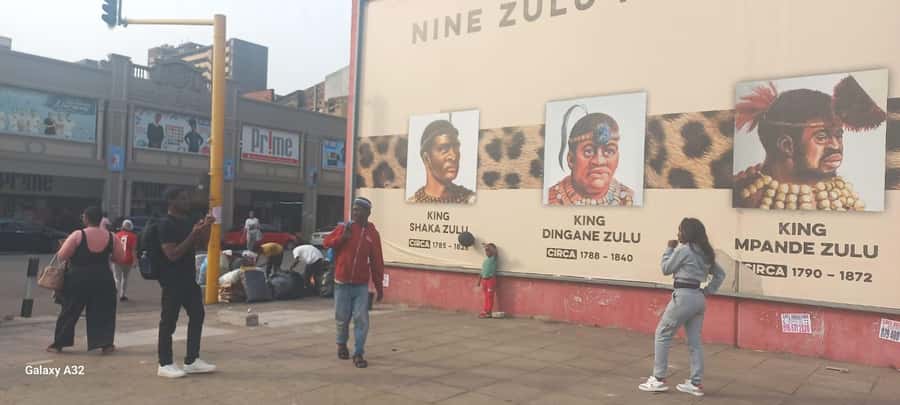
Victoria Street Market gives the tour another angle on Durban’s commercial life. It is a useful place to look for spices, food-related items, crafts, and souvenirs, though the precise goods available can vary.
I would not rush this stop. The day includes an extensive market walk, and you have time to look around and shop along the route. If you are buying spices or small gifts, this is a practical opportunity to compare items rather than grabbing the first thing you see.
The market also connects with Durban’s Indian influence, which is important to the city’s food and trading culture. Johnny can place those influences alongside African and Zulu traditions, giving you a fuller picture than a single themed market could provide.
Do not expect a quiet retail experience. You may encounter sales pitches, tight passages, and plenty of movement. If you enjoy browsing and talking with sellers, that energy is part of the fun. If you prefer orderly shops and fixed prices, this section may feel demanding.
Getting around by local combi taxi
The second minibus ride takes you from the markets toward the beachfront and lasts about 15 minutes. By this point, you will have more context for the system and may find the ride easier to follow.
Using local transport adds a human scale to the day. You see how the city connects beyond the route used by tour buses, and you get a practical lesson in a transport network that can be difficult for a first-time visitor to navigate alone.
It is also the part most likely to test your patience. Vehicles may not operate on the schedule you expect, and the ride is not designed for sightseeing comfort. Rain can make waiting less enjoyable, so check the forecast and dress for Durban’s conditions.
Johnny’s local experience is a major benefit here. He explains what to do and where to go, which removes much of the uncertainty. You are still using public transport, but you are not trying to work it out alone.
Bunny chow on the North Beach promenade

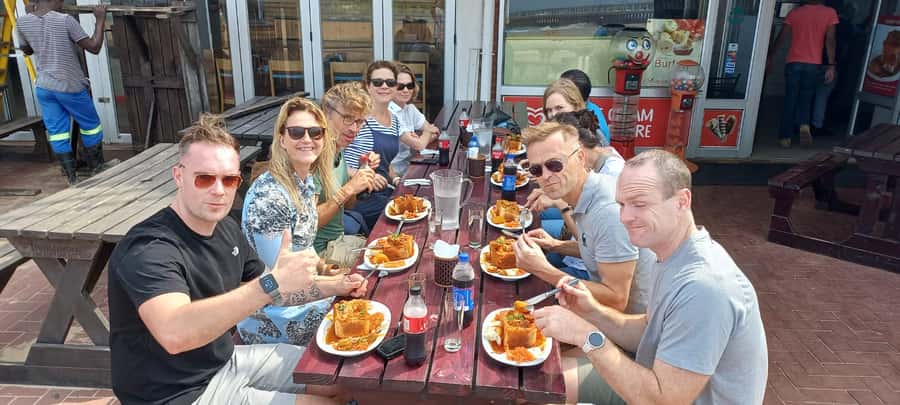
The tour ends at North Beach with about an hour set aside for lunch. The featured dish is bunny chow, a Durban specialty made by filling a hollowed loaf of bread with meat curry.
Bunny chow is casual, filling food, and it makes sense after several hours on foot. It also ties together Durban’s Indian influence and the city’s fondness for practical, satisfying meals.
Lunch is included, but beverages are not. Bring extra money if you want a drink with the meal. The setting on the beach promenade gives the day a relaxed finish after the noise and concentration of the markets.
The food may be more strongly seasoned than your stomach expects. If you are sensitive to spice, ask about the meal before eating, and take your time. The experience is meant to introduce you to a local specialty, not to test your endurance.
The stated plan finishes at North Beach. One outing can run longer than the advertised four to five hours if the group spends extra time shopping, talking, or visiting additional places. Rain can also slow the schedule. Keep your evening reasonably open rather than booking a tight connection immediately afterward.
What the $68 price includes
At $68 per person, this is not the cheapest way to see Durban. The value depends on what you want from a city tour.
You are paying for a live English-speaking guide, the walking tour, both public transport journeys, and lunch. You also get access to Johnny’s personal familiarity with the markets, which is difficult to reproduce with a map and a taxi.
A cheaper self-guided visit would let you browse independently, but you would need to find the markets, understand the minibus system, judge where to go, and make sense of the Muti market without the same context. You might also miss smaller details and local introductions.
On the other hand, the tour is not ideal if you only want major landmarks, private transport, or a short photo stop. Much of the price pays for access and explanation rather than luxury.
I see the strongest value for first-time visitors who want to shop for spices and gifts, understand Durban’s culture, and learn how the city works. It is less compelling for someone who has already spent time in these markets or dislikes group walking and public transport.
What to bring and how to prepare
Dress for a warm, active day. Comfortable shoes matter more than smart clothes, since the walk covers about 8,000 steps at a slow pace.
Pack:
- Water
- Sunglasses
- A sun hat
- Sunscreen
- Comfortable clothing
- Cash for shopping and drinks
- A bag with room for purchases
Keep the bag manageable. You may be walking through narrow market areas, and carrying heavy shopping for the rest of the tour will become tiring.
The tour is conducted in English. It is not suitable for wheelchair users because of the walking and local transport. The stated age restriction excludes people over 95, and the pace is described as slow, but you should still be comfortable standing, walking, and boarding a minibus taxi.
The tour allows free cancellation up to 24 hours before departure, and you can reserve now and pay later. Those policies are useful if your Durban schedule is still shifting, but the main booking decision should be about comfort with the format.
Who should book this Durban market tour?
I would choose this experience if you want to see ordinary city life rather than only the beachfront and formal attractions. It suits you if you enjoy food, shopping, local transport, cultural questions, and a guide who speaks openly about history and present-day issues.
It is also a good fit for solo visitors. Johnny’s connections around town can make the markets feel less intimidating, and direct accounts describe solo participants feeling safe with him. Still, use normal city awareness and follow his guidance about photography and personal belongings.
Families with older children may enjoy the food and transport elements, provided everyone can manage the walking and market conditions. People seeking a quiet, polished tour should choose something else.
Should you book it?
Book this tour if you want a candid look at Durban’s markets and are willing to trade comfort for access. The strongest reasons are Johnny’s long local experience, his relationships with traders, the Muti market stop, the combi taxi rides, and the chance to finish with bunny chow by the sea.
Skip it if you need private transport, have limited walking ability, dislike crowded markets, or want a strictly scheduled outing. For the right person, this is one of the better ways to understand Durban beyond its postcard views. Bring cash, wear sensible shoes, and leave your assumptions at the backpackers.
FAQ
Where does the Durban market tour begin?
It begins inside Tekweni Backpackers at 169 Ninth Avenue, just off Florida Road in Morningside. Safe parking is available if you arrive by car.
Where does the tour finish?
The tour finishes at North Beach, on or near the beachfront promenade, after lunch.
How long does the tour last?
The stated duration is 330 minutes. The practical guidance describes the experience as about four to five hours, though the timing can vary with weather, shopping, and the group’s interests.
Is lunch included?
Yes. Lunch includes bunny chow, a loaf of bread filled with meat curry. Beverages are not included.
Is public transport included?
Yes. Local minibus combi transport from the meeting point to the markets and from the markets to the beachfront is included.
Which markets do you visit?
The route includes the early morning market, bridge market, Indian markets, the African Muti market, the African market, and Victoria Street Market.
What language is the tour in?
The live tour guide speaks English.
How much walking is involved?
The walk is about 8,000 steps at a slow pace. Comfortable shoes, water, sun protection, and suitable clothing are recommended.
Is the tour suitable for wheelchair users?
No. The tour is not suitable for wheelchair users because it combines extensive walking with local minibus transport.
Just added around Durban
- From Durban: Hluhluwe Imfolozi Game Reserve Day Trip★ 4.5 · 13 reviews
- Half Day Tala Game Reserve & Natal Lion Park from Durban★ 3.3 · 16 reviews
- Half Day Durban City Tour and Phezulu Safari Park★ 4.3 · 4 reviews
- Full Day Hluhluwe Imfolozi Game Reserve Tour from Durban★ 4.5 · 7 reviews
- From Durban: Wildlife Lovers Big 5 Safari at 2 Game Reserves★ 5.0 · 5 reviews
- From Durban: Half Day Durban City Tour★ 4.2 · 18 reviews
- From Durban: 2-Day Lesotho Guided Trip with Lodging & Meals★ 4.9 · 5 reviews
- Mandela Capture Site Howick Falls & PheZulu Village Day Trip★ 3.7 · 7 reviews
Walking Tours, compared.




Browse the lists this tour appears in