Reviewed · LESEDI CULTURAL VILLAGE TOURS
Lesedi Cultural Village with lunch or dinner cultural food
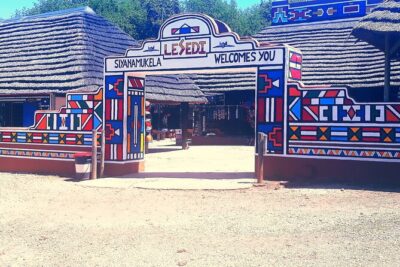
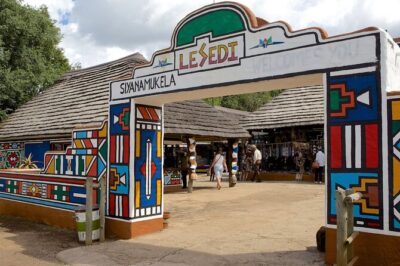
Lesedi Cultural Village brings five South African cultures into one compact visit: Zulu, Xhosa, Pedi, Sotho, and Ndebele. You move between traditional homesteads, hear explanations of customs and ceremonies, and finish with music, dancing, and a meal. It is part museum, part live performance, and part social afternoon.
I like the welcoming drumming and singing, which get you involved from the start, and I like the clear comparison between the five groups. A French guide or translator may help if you do not follow English easily, and tours are also offered in Portuguese and French. The main drawback is that some scenes are reconstructed for a visitor audience, so you should come for an introduction to South African cultures, not a visit to an untouched rural village.
Key points to know before you go
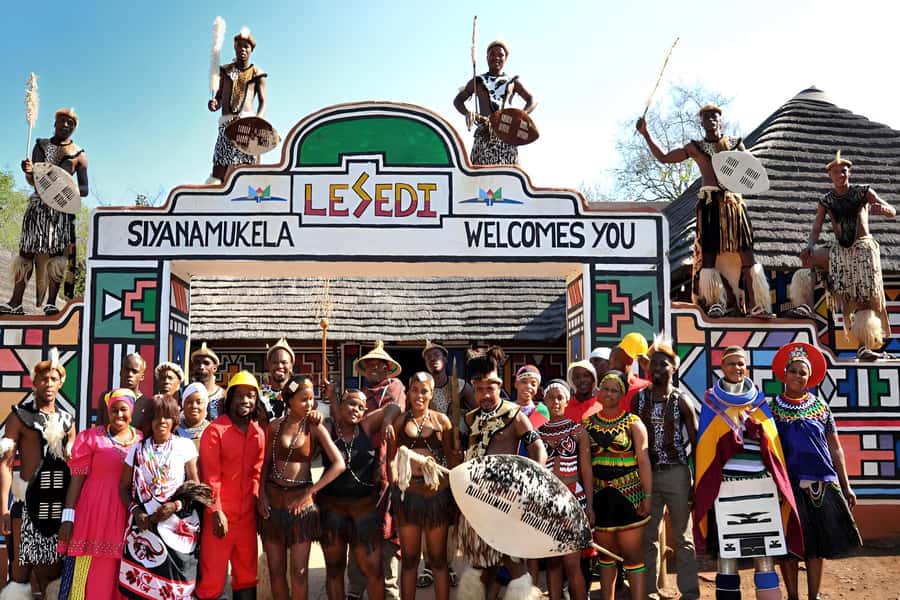
- Five cultures in one stop: Learn about Zulu, Xhosa, Pedi, Basotho, and Ndebele traditions during one guided visit.
- A musical welcome: The opening drumming, singing, and dancing set a warm tone before the house-by-house tour begins.
- Traditional homes are reconstructions: They help explain building styles and customs, but the presentation has a staged, educational feel.
- A full five-hour outing: Allow 45 minutes each way by coach, about two and a half hours at the village, and one hour for the meal.
- Samuel is a guide to request if available: His extra explanations and willingness to introduce new experiences have made a strong impression.
- The meal is included: Food is covered in the price, but drinks and personal purchases cost extra.
What Lesedi Cultural Village is really offering
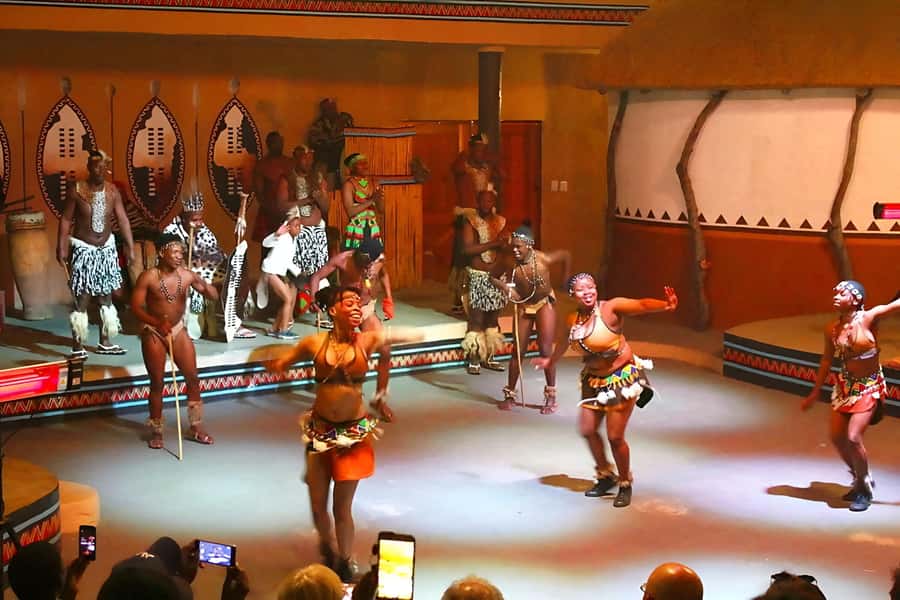
Lesedi is designed to show the cultural variety of South Africa in a single visit. The focus is on Bantu-speaking peoples whose roots are presented as reaching back to West Africa, followed by the development of distinct customs in southern Africa.
That distinction matters. You are not visiting five separate living communities. You are visiting a purpose-built cultural attraction with replicas of traditional homesteads, guides, demonstrations, storytelling, and a final performance.
I see that as both the strength and the limitation. If you have only a few days around Johannesburg or Pretoria, Lesedi gives you a useful first look at several cultural traditions without requiring long drives across the country. If you are looking for a quiet, unperformed encounter with village life, the presentation may feel too arranged.
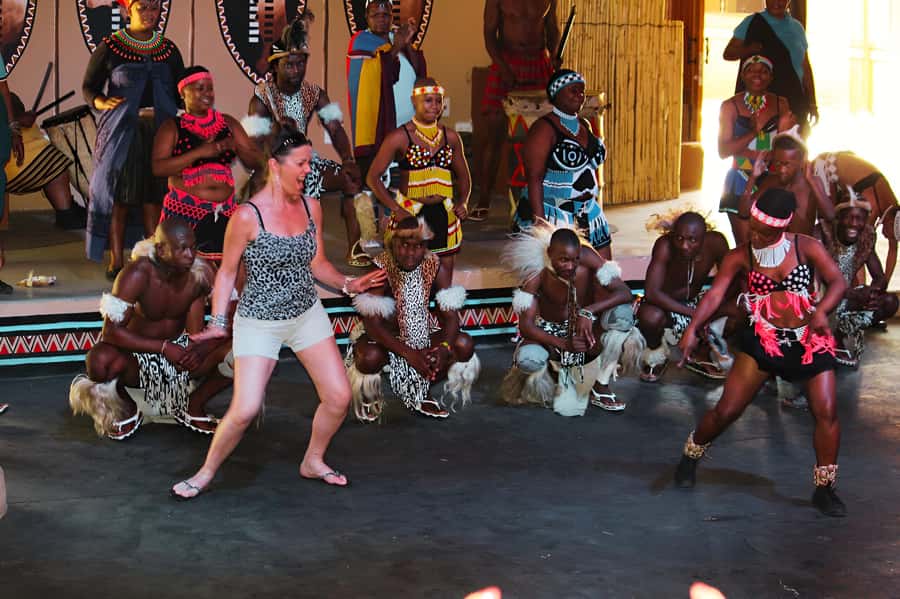
The tone is friendly and participatory. Music and dancing are not simply background entertainment. They form the frame of the visit, and you may be invited to try a few simple movements or join the rhythm. The performers are known for their stamina, so the finale has plenty of energy.
More Lesedi Cultural Village Tours in Johannesburg
- Lesedi Cultural Village and Cradle of Humankind Tour
★ 5.0 · 48 reviews - Lesedi Cultural Village Tour
★ 5.0 · 46 reviews - Lesedi Cultural Village
★ 5.0 · 45 reviews
The 45-minute ride from Johannesburg or Pretoria
The outing begins with hotel pickup in the Johannesburg or Pretoria area. Two central pickup and drop-off choices are available: Johannesburg and Pretoria Central. The coach ride to Lesedi takes about 45 minutes, followed by a similar ride back.
That transfer makes the experience easy to fit into a city stay. You do not need to arrange a separate rental car or work out the route yourself. It also turns the visit into a half-day commitment rather than a full-day excursion.
The trade-off is time. With 90 minutes spent on transport, the village visit itself is the heart of the day. I would not add several unrelated plans around it unless your pickup time is confirmed and you are comfortable keeping your schedule tight.
Pickup is included around Johannesburg and Pretoria at no extra charge. Since the activity lasts five hours from pickup to drop-off, it works well for you if you want a planned cultural outing with transport handled from start to finish.
Drumming, singing, and the first welcome
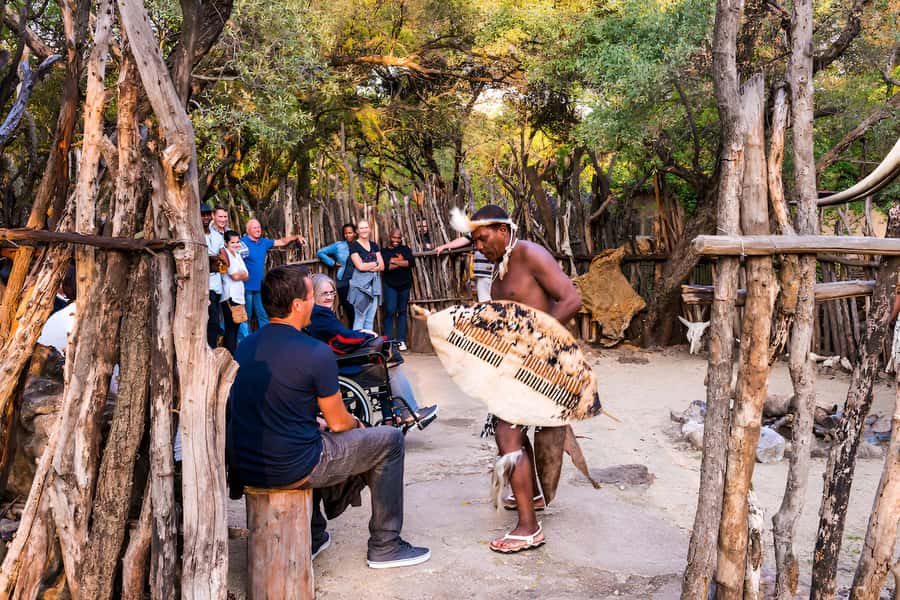
The arrival sets the mood quickly. Traditional music and dancing greet you, and an introduction with drumming gives the group a shared starting point.
This opening is one of the most appealing parts of the visit. You are not asked to stand silently while someone reads a plaque. The sound and movement put you in the middle of the presentation straight away.
I also like the way the welcome creates a bridge between explanation and participation. You may be encouraged to follow a rhythm, learn a simple dance step, or respond to the performers. You do not need to be a dancer. A willingness to join in is enough.
The welcome is also clearly staged for an audience. That is not a secret or a flaw, but it helps to set the right expectation. Think of it as a cultural show with teaching built into it, rather than an everyday ceremony happening by chance.
Five homesteads and five cultural traditions
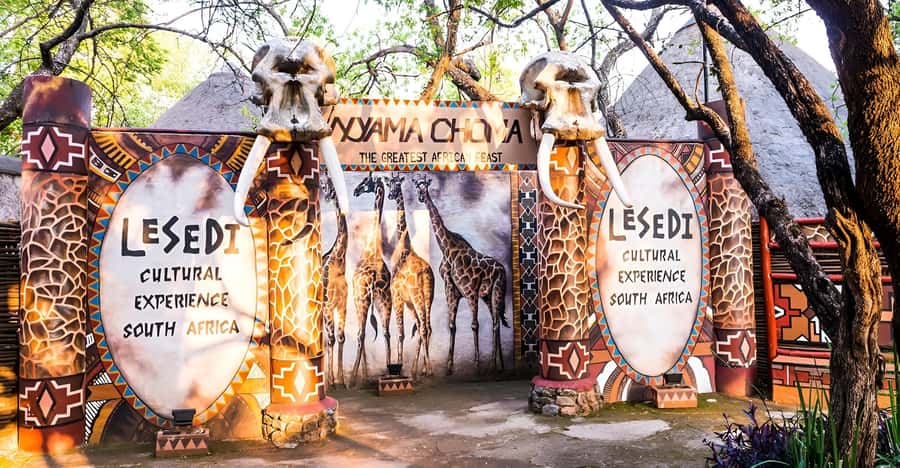
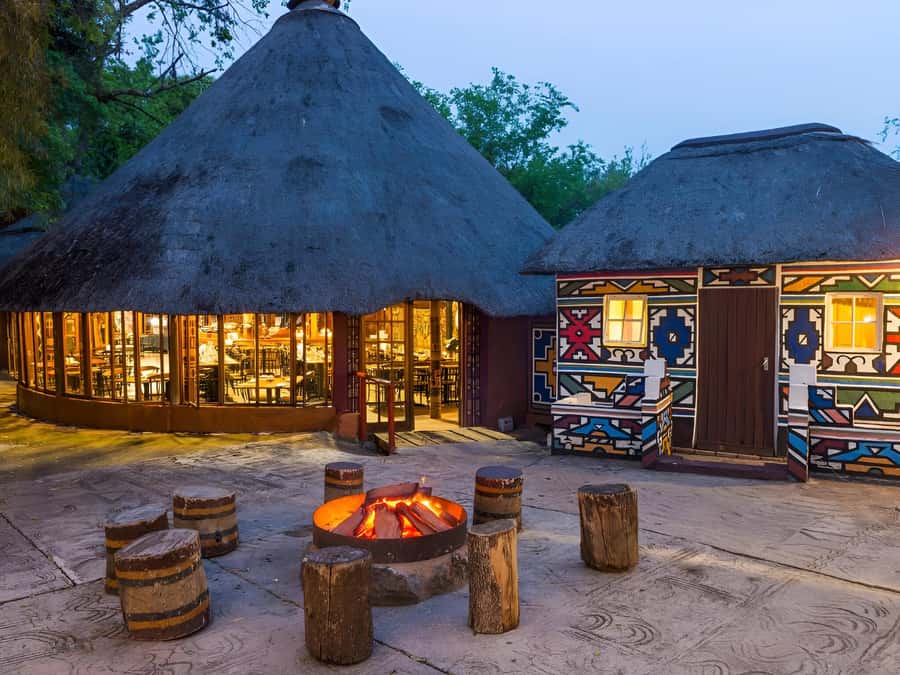
The guided portion lasts about two and a half hours. Guides lead you through representative homesteads connected with the Zulu, Xhosa, Pedi, Sotho, and Ndebele peoples.
The value is in the comparison. Instead of learning one set of customs in isolation, you can notice how homes, clothing, social practices, ceremonies, crafts, and beliefs differ from one group to another.
The guides explain the construction of the dwellings and the purpose of different parts of the homestead. Building materials and structural details become clues to how people organized domestic life. The replicas give you something concrete to look at while the guide explains the traditions behind them.
The tour also covers ceremonies and rituals. Topics may include weddings, initiation rites, and respect for ancestors. These subjects give more meaning to the songs, dances, and household scenes, though the amount of detail can depend on the guide and the pace of the group.
English is available, along with Portuguese and French. Some tours pause for translation, which is useful if English is not your strongest language. A French-speaking guide has been especially helpful for visitors who otherwise might miss the explanations.
If Samuel is leading your visit, pay attention to the added context he offers along the way. He has been singled out for giving extra information and helping people try experiences beyond the basic route. Guide quality matters here because the same buildings become far more interesting when the explanation connects them to daily life.
Same country, a completely different kind of day:
- From Johannesburg: Pilanesberg Nature Reserve Game Safari
★ 4.8 · 1,327 reviews - Johannesburg: Hop-On Hop-Off Bus with Optional Soweto Tour
★ 4.6 · 985 reviews - Soweto /Johannesburg and Apartheid Museum Guided Full Day Tour
★ 5.0 · 932 reviews - Johannesburg Hop-On Hop-Off City Tour with Soweto Option
★ 4.5 · 768 reviews
Demonstrations of crafts and daily work
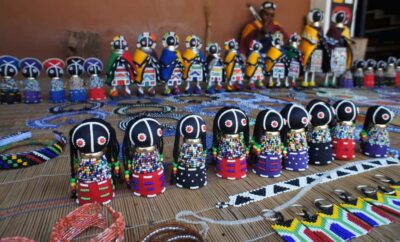
The cultural route may include demonstrations of traditional skills such as pottery-making, weaving, beer-brewing, and beadwork. These activities help turn the homesteads from display spaces into places connected with work and family life.
I find this part more useful than a quick pass through decorated houses. A craft demonstration shows how objects were made, not just how they look once finished. Beadwork and clothing can also carry social meaning, while brewing and food preparation point to ordinary household routines.
The tour may include folklore, legends, and historical stories as well. These give you a better sense of how beliefs and memories are passed from one generation to the next.
Keep in mind that demonstrations are presented for a visiting audience. They offer an introduction rather than a complete account of each culture. You will leave with a framework for understanding South Africa’s diversity, not with expert knowledge of five large and varied communities.
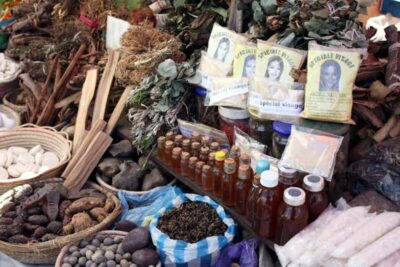
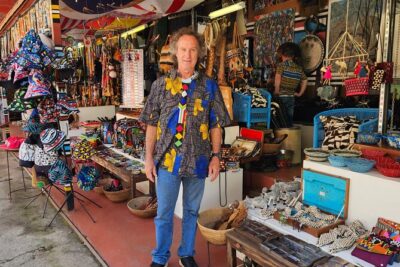
A marketplace usually forms part of the visit. You can browse crafts, clothing, and souvenirs, with personal purchases paid separately. I would treat this as an optional final look rather than a required part of the experience. It is useful if you want a tangible reminder of the day, but the main value is in the guided explanation and performances.
The dancing finale and the meal
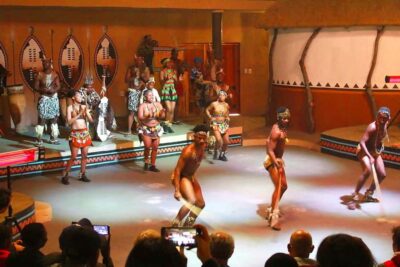
The final cultural performance brings the visit together with singing, drumming, and dancing. This is often the most memorable visual part of the day, and the performers bring impressive energy to it.
The show works best after you have seen the homesteads and heard about the customs. The dance is no longer just a colorful performance. You have some context for the clothing, gestures, rhythms, and group identity being presented.
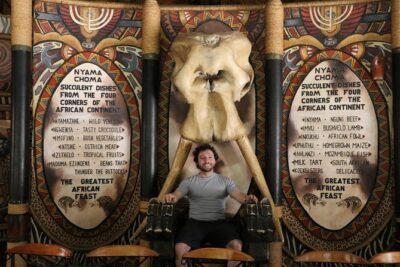
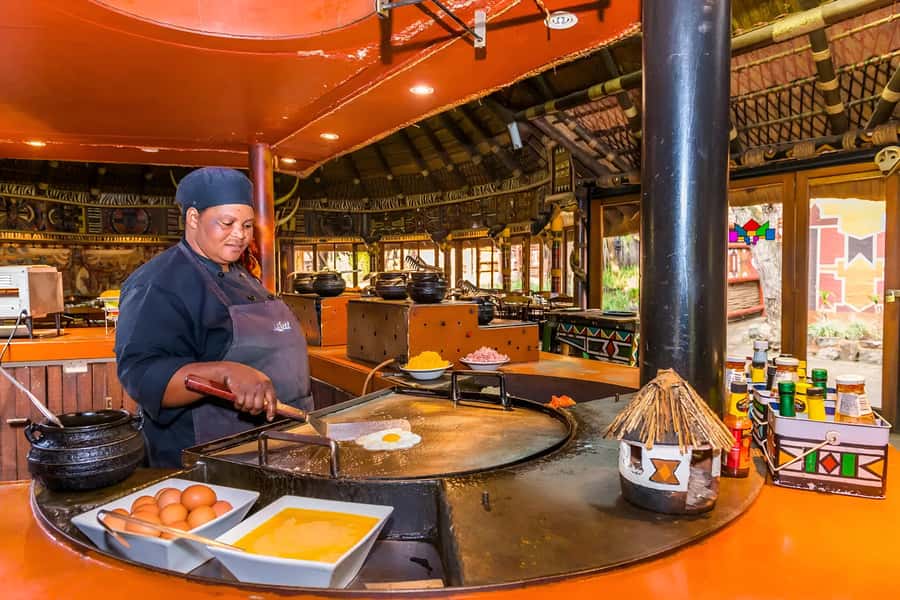
The meal follows and takes about one hour. Food is included in the $143 price, while drinks are not. Traditional dishes may include pap, chakalaka, and various meats prepared in South African styles.
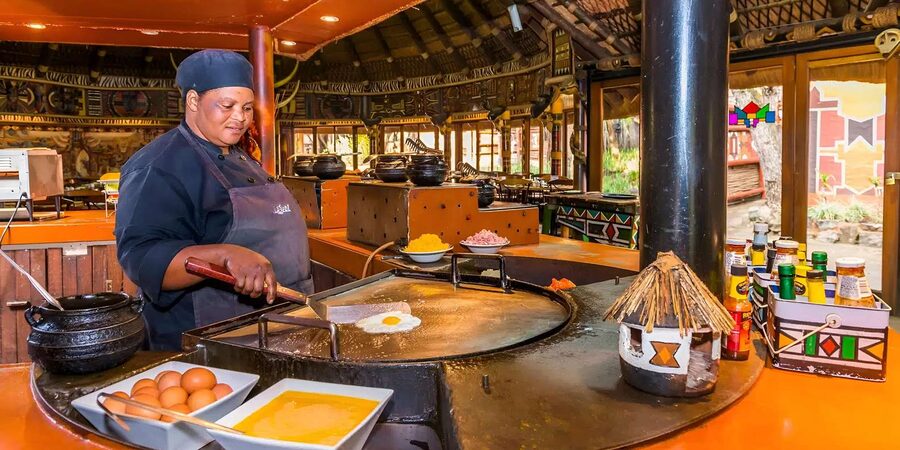
Pap is a maize-based staple, while chakalaka is a spicy vegetable relish. If you enjoy trying local food, this is an important part of the experience rather than a minor extra. It gives you a taste of the country’s everyday food culture after the visual presentation.
The meal also slows the pace. After two and a half hours of walking, listening, dancing, and demonstrations, sitting down gives you time to talk through what you have seen. Depending on the departure time booked, the meal may be arranged as lunch or dinner, so check the specific schedule when choosing your start time.
Drinks are not included. Bring money for them, and keep some extra funds available if you want souvenirs from the marketplace.
Does the $143 price offer good value?
At $143 per person, this is not the cheapest way to spend five hours near Johannesburg or Pretoria. The price needs to be judged as a package rather than as an entrance ticket.
You are paying for hotel pickup and drop-off, coach transport, entrance, a guided cultural program, performances, and food. That can be good value if you would otherwise need to arrange transport and admission separately.
The strongest value comes from the breadth of the visit. In a single half-day, you receive an introduction to five cultural groups, see representative homes, hear about customs and rituals, watch music and dance, and eat a local-style meal.
The value is weaker if you already have extensive cultural visits planned elsewhere in South Africa, or if you want a highly academic presentation with long, detailed discussions of each group. The village has a visitor-friendly format, and some of the scenes may feel artificial because they are designed to communicate quickly to an international audience.
I would also factor in your interest in performance. If you enjoy music, movement, audience participation, and a clear visual presentation, the price is easier to justify. If you prefer independent exploration and quiet observation, you may find the staged format less satisfying.
Who will enjoy this half-day visit?
I would recommend Lesedi to first-time visitors who want a broad introduction to South African cultures without arranging several separate excursions. Families may appreciate the short sections, music, demonstrations, and meal, since the visit keeps changing pace.
It also suits anyone staying in Johannesburg or Pretoria who wants a cultural activity with transport included. The 45-minute coach ride each way is manageable, and the five-hour total leaves room for other plans on a different part of the day.
The experience is a good fit if you:
- Want to compare five cultural traditions in one place
- Enjoy guided visits more than independent sightseeing
- Like singing, drumming, and dance
- Want a meal included in the day’s plan
- Need pickup from Johannesburg or Pretoria
- Prefer an introduction before taking longer cultural trips
You may want to think twice if you dislike staged performances or expect to see a working village untouched by tourism. The attraction is built around presentation. Its purpose is to explain and entertain, and it does both best when you accept that format.
Wheelchair access is available, which makes the activity practical for many visitors with mobility needs. Language support in English, Portuguese, and French is another useful advantage.
How to get the most from the experience
Go ready to listen as well as watch. The dancers may be the most striking part, but the explanations about homes, ceremonies, crafts, and family life provide the meaning behind the show.
If you do not speak English comfortably, choose a language option that suits you. Pauses for translation can help, and a French guide may be available. It is worth checking the available language before booking.
Wear something comfortable for a guided visit that includes walking between homesteads. The exact clothing guidance is not specified, so I would simply choose practical clothes and shoes suitable for several hours out.
Plan for drinks and souvenirs to cost extra. Food is included, but drinks and personal purchases are not. If the marketplace interests you, decide in advance how much you want to spend so the shopping does not overshadow the cultural visit.
I would also keep an open mind about participation. You may be invited to join a rhythm or dance step. You do not need to perform perfectly. Joining briefly is part of the social spirit of the day, and refusing is also fine if you would rather watch.
Free cancellation is available up to 24 hours before the activity for a full refund, and you can reserve now while paying later. Those terms are useful if your Johannesburg or Pretoria schedule is still shifting.
The final call: book it for context, music, and convenience
Book Lesedi Cultural Village if you want a lively, organized introduction to Zulu, Xhosa, Pedi, Sotho, and Ndebele traditions, with transport and a meal built in. The opening drumming, strong dance performance, language support, and clear cultural comparisons are the main reasons to go.
Choose something else if your priority is an un-staged rural encounter or a long, specialist study of one community. Lesedi uses reconstructed homes and performed scenes, so the experience is best understood as cultural education through a visitor-friendly show.
For most first-time visitors based in Johannesburg or Pretoria, I think the combination of convenience, food, music, and five cultural perspectives makes the $143 price reasonable. Just arrive knowing that you are entering a cultural presentation, not stepping into an ordinary village afternoon.
FAQ
Where is Lesedi Cultural Village?
Lesedi Cultural Village is in North West, South Africa.
How long does the complete experience last?
The complete activity lasts five hours, including transportation from Johannesburg or Pretoria.
Is pickup included?
Yes. Hotel pickup and drop-off around Johannesburg and Pretoria are included at no extra cost.
How long is the coach journey?
The coach ride takes about 45 minutes each way.
Which cultural groups are presented?
The tour presents Zulu, Xhosa, Pedi, Sotho, and Ndebele traditions.
Is a meal included?
Yes. Food is included, with lunch or dinner depending on the selected schedule. Drinks are not included.
Which languages are available?
The tour is available with live guides in English, Portuguese, and French.
Is the village wheelchair accessible?
Yes. The activity is listed as wheelchair accessible.
Can I cancel the booking?
Yes. You can cancel up to 24 hours in advance for a full refund. You can also reserve now and pay later.
More Dinner Experiences in Johannesburg
- Cape Town: Sunset Champagne Cruise and 3-Course Dinner
★ 4.5 · 528 reviews - Cape Town: African Dinner, Drumming Experience with Transfer
★ 4.7 · 393 reviews - From CapeTown: African Dinner and Drumming Experience
★ 4.5 · 199 reviews - Cruise and Dine Dinner / Cape Town: Sunset Champagne Cruise and 3-Course Dinner
★ 4.0 · 128 reviews
More Lunch Experiences in Johannesburg
- Soweto: Walking Tour with a Local Guide and Lunch
★ 4.9 · 648 reviews - Full-Day Soweto, Apartheid Museum and Lunch Tour
★ 5.0 · 410 reviews - Soweto: Guided Bicycle Tour with Lunch
★ 4.9 · 292 reviews - Soweto Walking Tour with Lunch
★ 5.0 · 288 reviews
Just added around Johannesburg
- Lion park★ 4.5 · 5 reviews
- Lesedi cultural village:★ 5.0 · 6 reviews
- Lesedi Cultural Village Half-Day Tour★ 4.7 · 9 reviews
- Lesedi Cultural Village★ 4.9 · 4 reviews
- Kruger National Park – 5 Day Safari Tour★ 4.7 · 4 reviews
- From Johannesburg: Kruger National Park 4-Day Luxury Safari★ 4.8 · 9 reviews
- Kruger National Park – 4 Day Safari Tour★ 4.8 · 19 reviews
- Kruger National Park: 4-Day Ultimate Safari Tour★ 4.0 · 3 reviews
Lesedi Cultural Village Tours, compared.
Lesedi Cultural Village and Cradle of Humankind Tour
Read our review →