

Reviewed · SOWETO TOURS
Johannesburg: Soweto Tour with Lunch
Soweto is not a single story. In six hours, you move from Soccer City Stadium and polished shopping areas to market stalls, historic churches, modest homes, and an informal settlement. The tour puts South Africa’s inequality and political past in front of you, rather than leaving them as distant textbook topics.
I like the mix of history and everyday life, especially the Hector Pieterson Museum, Vilakazi Street, and the walk through Diepkloof. I also like that lunch, hotel pickup, and stops such as Regina Mundi Church and Freedom Square are included. The main drawback is time: some visitors have found the stops at Mandela House and the museum too short, and entry inside Mandela House costs extra.
Key points
- The Hector Pieterson Museum brings the 1976 Soweto uprising into sharp focus, with exhibits and recorded accounts about the schoolchildren killed during the protest.
- You see several sides of Soweto in one day, from wealthy streets and Maponya Mall to informal housing and busy taxi ranks.
- Vilakazi Street links two Nobel Peace Prize figures, Nelson Mandela and Archbishop Desmond Tutu.
- Lunch is included at a Soweto restaurant, though drinks are paid separately.
- Guides make a real difference, with past tours led by people such as Lebo, Tshepo, Thomas, Prince, and Moussa.
- An R50 donation from each booking goes to Motsoaledi Day Care Centre, helping with building upgrades and requested supplies.
Why this Soweto tour matters
A visit to Soweto can easily become a quick drive past famous addresses. This tour gives you more context. You see where political change took place, but you also see how people live now, including areas of poverty, middle-class neighborhoods, shops, schools, churches, and major public facilities.
That range is the tour’s strongest feature. Soweto is often presented only through the 1976 uprising and Nelson Mandela. Those subjects matter, but the community is not frozen in the past. The route helps you understand both the struggle against apartheid and the economic differences that remain visible today.
The tour lasts about six hours and includes pickup from accommodation in Johannesburg or Pretoria. An English-speaking guide provides a short briefing before departure, then explains the places along the way. Free onboard uncapped WiFi is included, which is useful during the longer drives, though the real value comes from the guide’s explanations rather than the connection.
More Soweto Tours in Johannesburg
- Johannesburg: Hop-On Hop-Off Bus with Optional Soweto Tour
★ 4.6 · 985 reviews - Soweto /Johannesburg and Apartheid Museum Guided Full Day Tour
★ 5.0 · 932 reviews - Johannesburg Hop-On Hop-Off City Tour with Soweto Option
★ 4.5 · 768 reviews
From Johannesburg to Soccer City
The day begins with a pickup in Johannesburg or Pretoria. The first part of the ride takes about 30 minutes, giving your guide time to outline the plan and explain how the name Soweto comes from South Western Townships.
You pass Soccer City, also called the National Football Stadium. It hosted the opening and closing ceremonies of the 2010 World Cup, so it offers an easy way into modern South African history. The stadium is a photo stop rather than a full stadium visit. Expect to see it from the route and hear about its role in the country’s international image.
This opening section is useful because it sets up a contrast. The stadium represents global sport, national pride, and major investment. Soon after, the tour leads into neighborhoods where daily life is much less polished.
Diepkloof market stalls and the daily economy
In Diepkloof, you walk past vendors selling a wide range of goods. This is one of the more ordinary parts of the tour, which is precisely why it matters. You get a look at how people buy and sell outside the formal shopping centers.
The market walk is not presented as a staged performance. You pass stalls and local businesses while the guide explains what you are seeing. Keep your belongings secure, stay close to the group, and ask before photographing people. A little courtesy goes a long way in a residential area.
The route also includes Baragwanath Taxi Rank and Maponya Shopping Mall. These stops help show the practical side of Soweto: public transport, retail, work, and movement. You are not only visiting memorials. You are seeing the places that support everyday life.
Orlando West and Vilakazi Street
The tour continues into Orlando West, one of Soweto’s best-known areas. Here you visit Vilakazi Street, famous for being associated with both Nelson Mandela and Archbishop Emeritus Desmond Tutu.
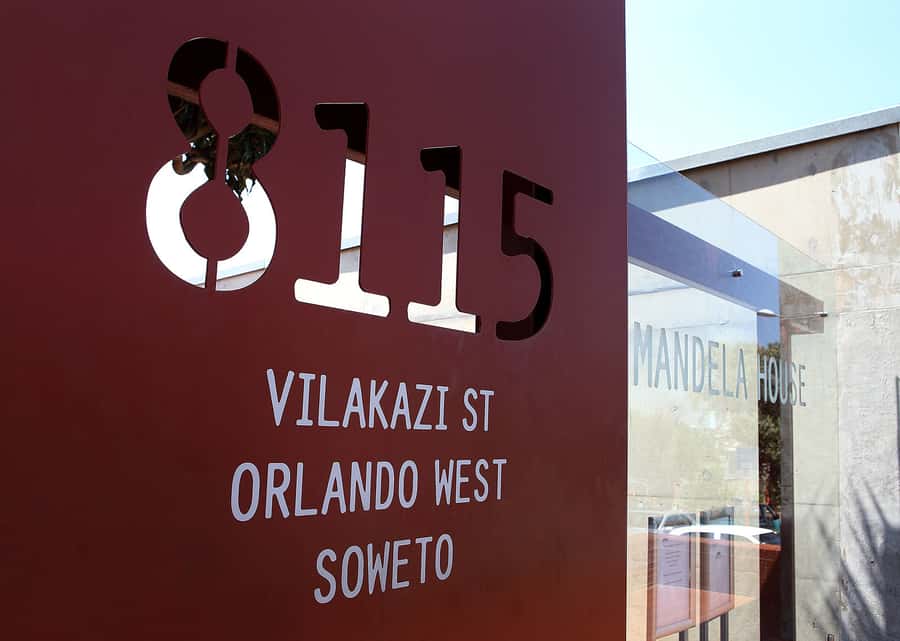
You see the homes of Mandela and Tutu, as well as the former home of Winnie Madikizela-Mandela. The tour provides time for photographs and explanation, but you should not expect a long private-house visit. These addresses are viewed as part of a working neighborhood, not as isolated monuments.
Vilakazi Street can feel more commercial than other parts of the route, with restaurants, stalls, and visitors. That is not necessarily a flaw. It shows how important these names have become to Soweto’s public identity and local economy. Still, if you want extended time at each house, the schedule may feel tight.
More Soweto Tours in Soweto:
- Half-Day Tour of Soweto Tour
★ 4.5 · 712 reviews - Soweto: Walking Tour with a Local Guide and Lunch
★ 4.9 · 648 reviews - Jo’berg in 1 Day: Soweto, Apartheid Museum & City Tour
★ 4.8 · 524 reviews - Johannesburg: Full-Day Tour with Soweto and Apartheid Museum
★ 4.8 · 478 reviews
The Hector Pieterson Museum and June 16, 1976
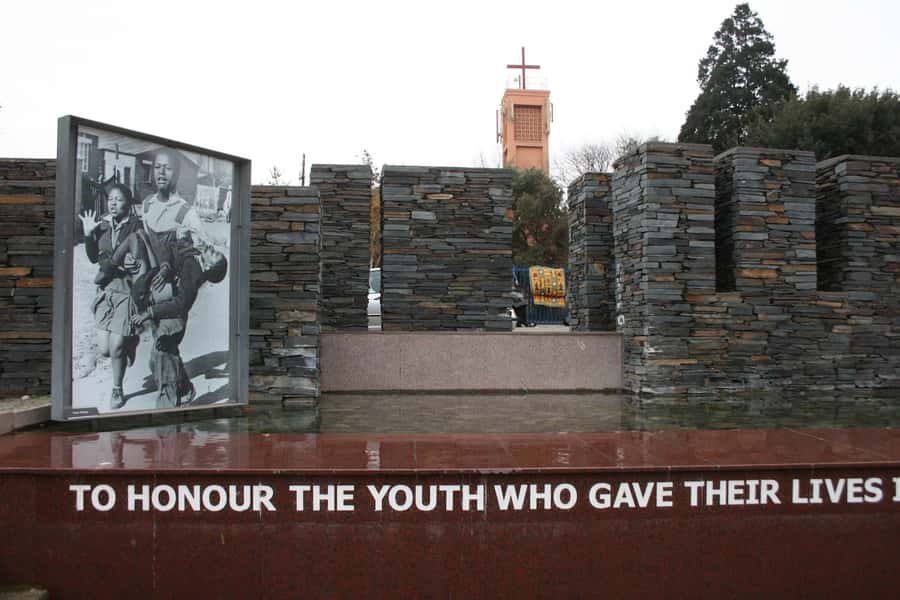
The most powerful stop is the Hector Pieterson Museum. Entry is included, and this is where the political history becomes personal.
On June 16, 1976, schoolchildren protested against the forced use of Afrikaans in education. The uprising turned deadly, and Hector Pieterson became a symbol after being killed during the violence. The museum explains the events through written material and recorded narration, helping you understand how a student protest became a major moment in the fight against apartheid.
I would give this stop your full attention. The exhibits can be difficult, and the subject is painful, but the museum is central to understanding Soweto. One practical concern is time. A six-hour tour has many stops, and the museum visit may feel brief if you read every panel or want to listen to all the recordings.
If this is the main reason you are booking, tell your guide early. The exact schedule can change, as shown by one tour that was adjusted when museums were closed on a public holiday. Flexibility helps, but there is no guarantee of a longer museum visit.
Mandela House and the cost of going inside
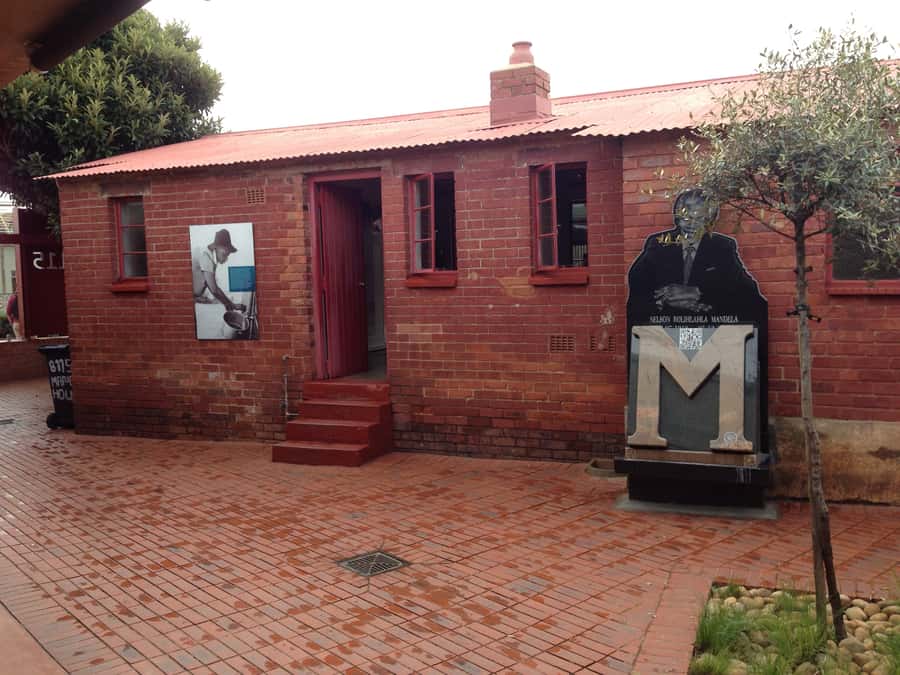
The tour passes Mandela House and gives you a chance to take photographs. The interior museum visit is optional and requires an additional payment on arrival. This is an important detail because the overall tour price does not cover that extra entrance.
Mandela lived at the address in Orlando West before becoming South Africa’s first Black president. Seeing the house from the street gives you a useful connection to the neighborhood, but the optional interior visit is the better choice if you want objects, rooms, and a closer look at his years in Soweto.
With a packed route, you may have to choose between spending more time inside Mandela House and keeping up with the rest of the schedule. If you have a strong interest in Mandela, budget for the extra fee and ask how much time is available before paying.
Regina Mundi Church and Freedom Square
Regina Mundi Church is another important historical stop. The tour includes a walk through the church, which became associated with political meetings and resistance during apartheid. It adds a religious and community setting to the story you hear at the museum.
Freedom Square and the Freedom Charter Memorial connect Soweto to the Freedom Charter, a document adopted in 1955 that called for a democratic South Africa. The square offers a wider political frame after the personal story of Hector Pieterson and the household story of Mandela.
These stops may not have the instant recognition of Mandela House, but I find them valuable because they show that liberation was built through organized community action, meetings, churches, and public demands. They also prevent the tour from reducing South Africa’s history to one famous leader.
From wealthy streets to informal housing
The guide takes you through areas that show different income levels within Soweto. You may see better-kept homes, middle-class streets, shopping areas, and then an informal settlement with far fewer resources.
This contrast can be uncomfortable. It should be. The tour does not hide poverty, but you should approach the informal settlement with respect. You are entering a lived-in community, not a museum exhibit. Listen to the guide, avoid intrusive photography, and remember that the people you meet are not scenery.
One part of the experience includes interaction with local residents. The quality of that interaction depends on the guide, the group, and the welcome on the day. Past guides such as Tshepo and Thomas have been praised for taking time with questions and explaining the differences between neighborhoods in an easy, genuine way. Another guide, Moussa, has been associated with welcoming visitors into his area.
The strongest guide style here is calm and direct. Thomas, for example, was described as authentic rather than theatrical. That is a good match for Soweto. The subject needs care more than showmanship.
Chris Hani Baragwanath Hospital and the final route
The tour ends with a drive past Chris Hani Baragwanath Academic Hospital, described as the largest hospital in the world. It is a striking final point because it represents the scale of public services needed by a huge urban population.
You do not tour the hospital interior. This is a sightseeing stop from the vehicle, so keep expectations clear. The route also passes the Soweto campus of the University of Johannesburg, adding education to the story of local institutions and opportunity.
The final hour is mainly about views and explanation from the vehicle. After walking through historic areas, this slower section gives you time to process what you have seen before returning to Johannesburg.
What lunch adds to the day
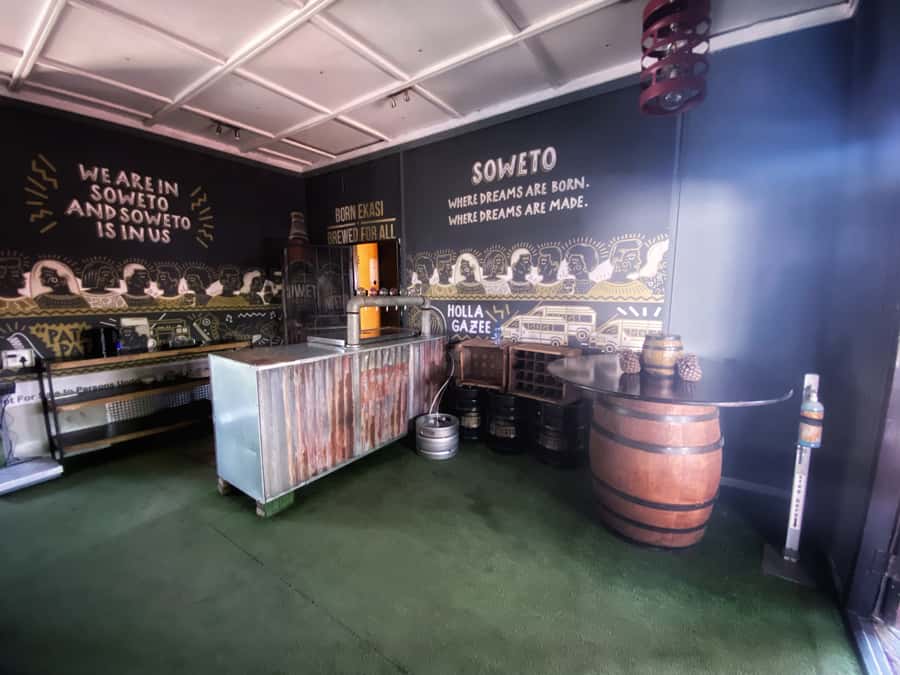
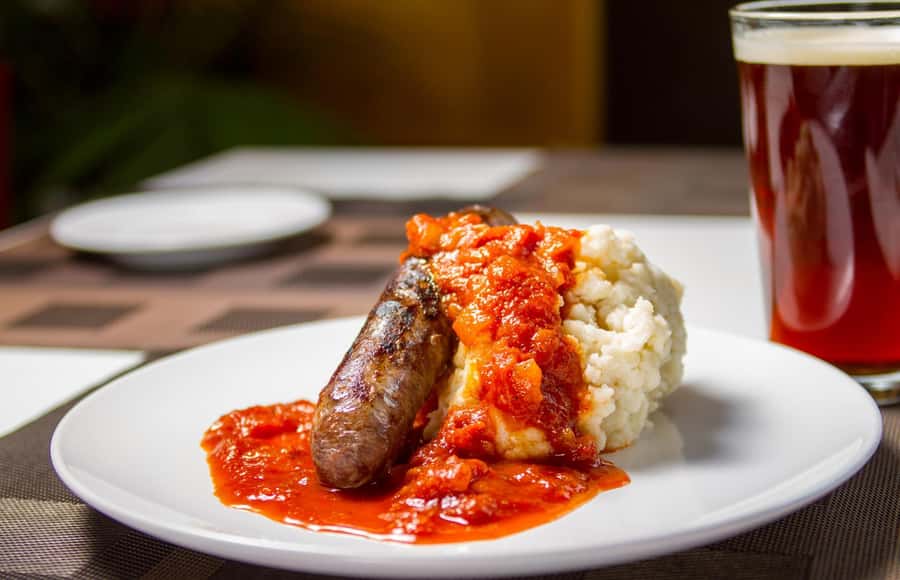
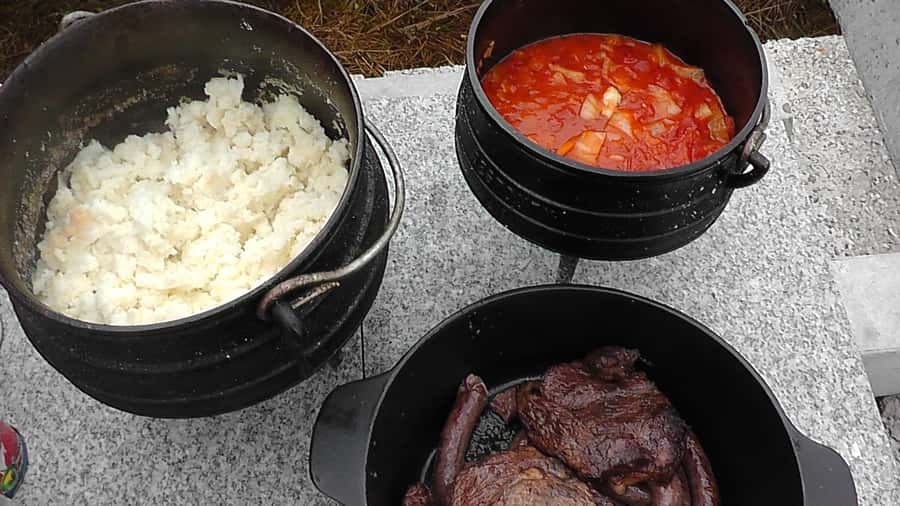
Lunch at a Soweto restaurant is included in the price, but beverages are not. The meal is more than a useful break between stops. It gives you time to sit down, ask the guide questions, and experience a local restaurant rather than rushing from one landmark to another.
A past tour included a choice between menu food and a local buffet, with the buffet proving a popular pick. The exact meal selection is not specified, so do not book this expecting a particular dish. If you have dietary needs, ask the provider before departure.
Lunch also helps the tour feel like a full day rather than a string of photo stops. Still, the meal takes time from the sightseeing schedule. That tradeoff is worth it for most people, especially on a six-hour route.
Is $94 good value?
At $94 per person, this is not the cheapest way to see Soweto. It includes hotel pickup from Johannesburg or Pretoria, a live English-speaking guide, transportation, Hector Pieterson Museum admission, lunch, and a long list of included stops.
The value depends on what you would otherwise arrange yourself. If you hired separate transport, paid for museum entry, found a local restaurant, and organized several neighborhoods independently, the price could make sense. You are also paying for the guide’s context and for a route that moves between sites that are spread across Soweto.
The optional Mandela House entrance is the main extra cost to remember. Drinks at lunch and personal purchases are also excluded. Set aside some money if you want souvenirs or market goods.
The donation is a welcome feature. Each individual booking sends R50 to Motsoaledi Day Care Centre for building upgrades and items on its wish list. It does not transform the tour into a charitable project, but it gives part of the booking a direct local purpose.
Guide quality and the feel of the day
Guide quality matters more here than at a simple sightseeing bus tour. You need someone who can explain apartheid, the 1976 uprising, current economic differences, and local customs without turning the day into a lecture.
The strongest feedback has focused on guides who are patient, calm, funny, and willing to answer questions. Tshepo was especially praised for adjusting the day, explaining things carefully, and making a bank-holiday schedule work when museums were closed. Lebo was also singled out as a terrific guide and person. Prince received praise for clear explanations.
That does not mean every guide will have the same style. One guide may tell a polished story, while another may speak more informally. I would value sincerity and patience over dramatic delivery. The subject is serious, and a guide who lets you ask questions is a major advantage.
The tour has a 4.8 rating from 43 reviews, which supports the view that the guide and the range of stops are its biggest strengths. It is still wise to allow for normal variation in timing and presentation.
Who should book this tour?
This tour suits first-time visitors to Johannesburg who want a structured introduction to Soweto. It is also a good fit for solo visitors, since pickup, transport, lunch, and the route are arranged in advance.
You will get the most from it if you care about South African history but also want to see daily life beyond museums. The mix of political sites, markets, homes, public transport, shopping, and informal housing gives you more than a famous-address tour.
Families with older children may find the museum and 1976 history meaningful, though the subject matter is upsetting. Anyone with limited mobility should note that the tour is listed as wheelchair accessible, but it includes walking in Orlando West and Diepkloof. Comfortable clothes, a sun hat, sunscreen, and a jacket are sensible. Weather can change, and you may spend time both on foot and in the vehicle.
This is less suitable if you want a slow, detailed visit to every museum. The schedule covers a lot of ground, so expect short stops at some locations. It is also not the best choice for someone seeking only cheerful sightseeing. Soweto’s history includes violence, poverty, and painful inequality, and the tour addresses those subjects directly.
Should you book it?
Book this Soweto tour if you want a broad, guided picture of the township, with major historical sites and everyday neighborhoods in the same day. The included lunch, pickup, museum entry, and local donation make the $94 price reasonable for a full six-hour outing.
Before booking, decide what matters most. If it is the Hector Pieterson Museum, tell your guide that you want enough time there. If it is Mandela, budget for the optional house entrance. If you want a relaxed pace, this route may feel busy.
For a first visit to Johannesburg, I think the tour is a strong choice. You see the famous places, but you also get the harder and more useful parts: income gaps, informal housing, local commerce, churches, transport, and the continuing life of Soweto beyond its most famous names.
FAQ
How long does the Soweto tour last?
The tour lasts six hours, including pickup, sightseeing, walking, lunch, and the return to Johannesburg.
Where does pickup take place?
Pickup is included from your accommodation in Johannesburg or Pretoria.
What language is the tour conducted in?
The live tour guide speaks English.
Is lunch included?
Yes. Lunch at a restaurant in Soweto is included, but beverages are not included.
Is entry to the Hector Pieterson Museum included?
Yes. The entry fee to the Hector Pieterson Museum is included.
Is entry to Mandela House included?
The tour passes Mandela House and allows time for photographs. Entry inside the museum is optional and costs extra, payable on arrival.
What historical sites are visited?
The route includes the Hector Pieterson Museum, Freedom Square, the Freedom Charter Memorial, Regina Mundi Church, Vilakazi Street, and Mandela House.
Does the tour visit an informal settlement?
Yes. The route includes a drive into one of Soweto’s informal settlements, where you may interact with local residents.
Is the tour wheelchair accessible?
Yes. The activity is listed as wheelchair accessible.
What should I bring?
Bring a sun hat, sunscreen, a jacket, and comfortable clothes. Personal purchases and drinks are not included.
More Lunch Experiences in Soweto
- Full-Day Soweto, Apartheid Museum and Lunch Tour
★ 5.0 · 410 reviews - Soweto: Guided Bicycle Tour with Lunch
★ 4.9 · 292 reviews - Soweto Walking Tour with Lunch
★ 5.0 · 288 reviews - Johannesburg and Soweto Apartheid Full Day Tour w/Lunch
★ 4.9 · 219 reviews
Just added around Soweto
- Johannesburg: Soweto Night Tour★ 4.7 · 3 reviews
- Soweto and Apartheid Museum Tour★ 4.4 · 38 reviews
- Johannesburg: Soweto, Apartheid Museum, and Cradle tours★ 4.7 · 3 reviews
- Johannesburg & Soweto (Half-day Tour)★ 4.1 · 14 reviews
- Johannesburg and Soweto Night Tour★ 4.8 · 41 reviews
- Half Day Soweto and Apartheid Museum Guided Tour★ 5.0 · 5 reviews
- Half Day Private Soweto and Apartheid Museum tour★ 4.6 · 14 reviews
- full day tour Johannesburg et soweto township★ 4.7 · 10 reviews
Soweto Tours, compared.
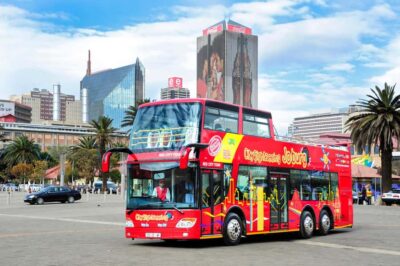

Soweto /Johannesburg and Apartheid Museum Guided Full Day Tour
Read our review →
Johannesburg Hop-On Hop-Off City Tour with Soweto Option
Read our review →
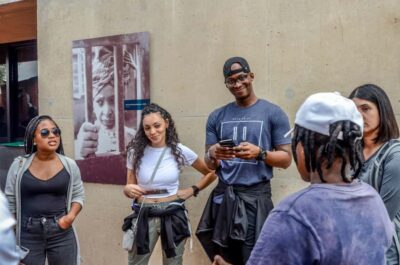
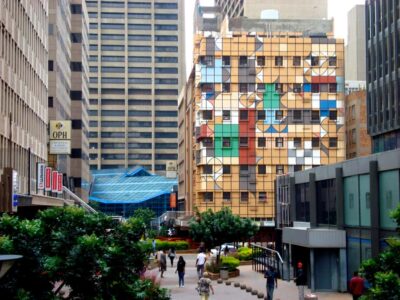
Jo’berg in 1 Day: Soweto, Apartheid Museum & City Tour
Read our review →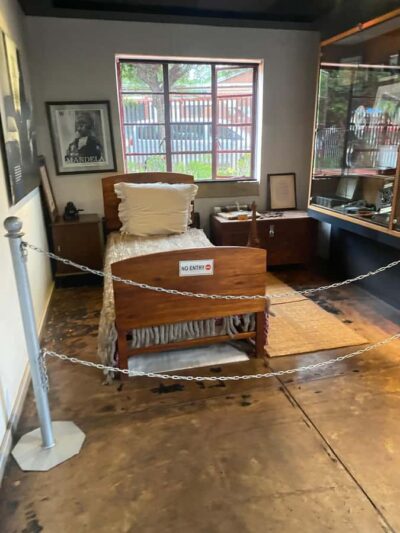
Full-Day Tour with Soweto and Apartheid Museum
Read our review →
Browse the lists this tour appears in