
Reviewed · SOWETO TOURS
Johannesburg & Soweto (Half-day Tour)
Johannesburg’s most powerful stories are found in Soweto, where Freedom Square, Regina Mundi Church, and the Hector Pieterson Museum connect the city’s past to South Africa’s political present. This private tour gives you that essential thread in five hours, then carries you through central Johannesburg.
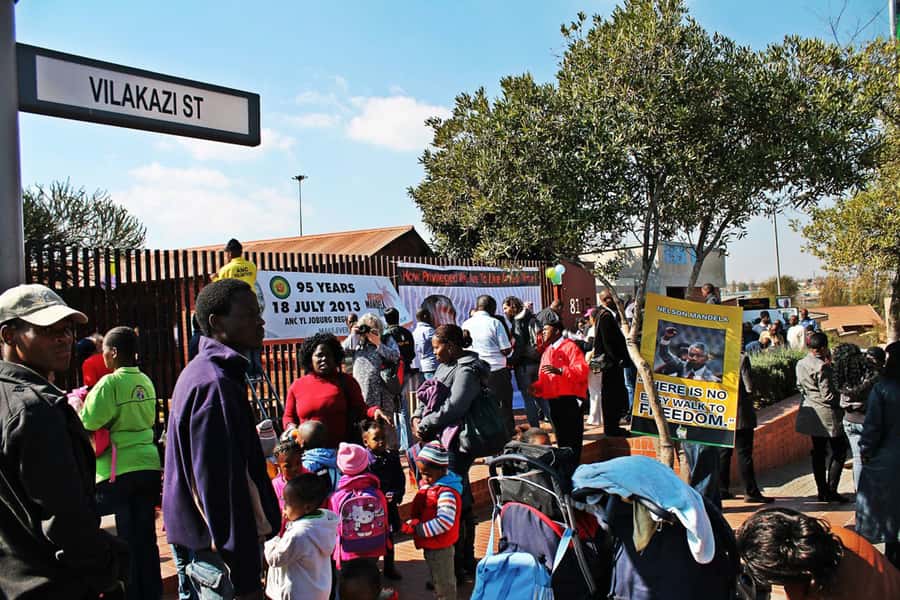
I like the private format, since you can ask questions and set the pace within the fixed route. I also like the chance to see the homes of Nelson Mandela and Desmond Tutu on Vilakazi Street, an unusually concentrated piece of South African history.
The main catch is time in the vehicle. One account describes the tour as mostly driving with short stops, so you should book it as a broad introduction rather than a slow, walking tour of Soweto. Pickup communication also needs attention, since one passenger waited an hour for the guide.
Key points to know before booking

- Soweto carries the main story: Visit Freedom Square, Regina Mundi Church, Hector Pieterson Museum, and Vilakazi Street.
- A private five-hour outing: Hotel pickup and drop-off are included, with your own group rather than a large shared coach.
- A guide-led history lesson: English, Zulu, Sesotho, and Xhosa are available, and guide Emmanuel has been praised for answering questions from personal experience.
- Mostly a sightseeing drive: Expect several stops, but not a full walking exploration of every area.
- Food is extra: Ask your guide for a local cuisine recommendation, then pay for your own meal or snack.
- Good flexibility: You can cancel up to 24 hours ahead for a full refund and reserve without paying immediately.
Why Soweto is the heart of this tour
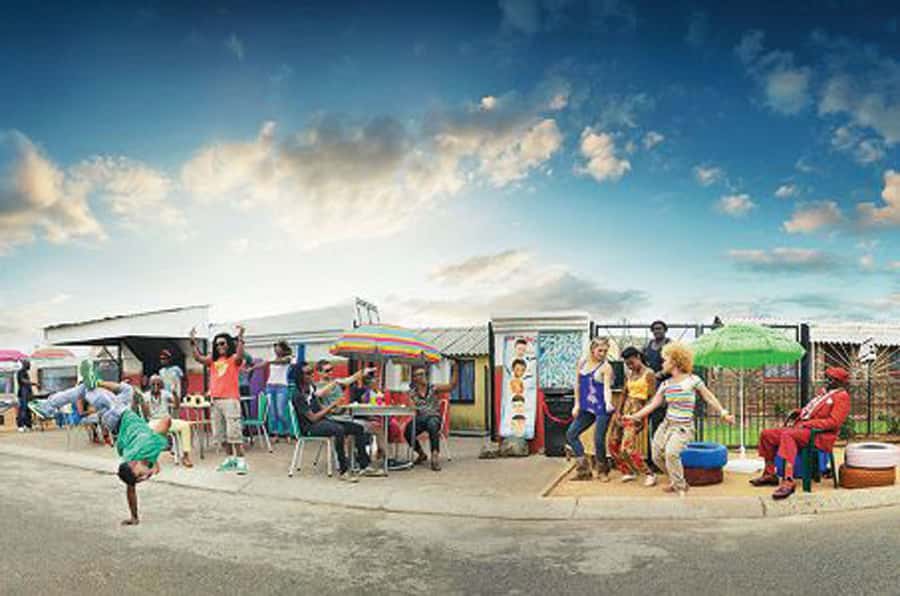
Johannesburg is known as the City of Gold, or Jozi, Egoli, and Joburg. Those names point to the mines and wealth that shaped the city, but they do not tell the whole story. Soweto helps explain the struggle against apartheid, the fight for equal rights, and the people who forced political change.
The tour approaches Soweto from the south before continuing toward downtown Johannesburg. That route gives you a useful sense of the city’s scale. You are not simply visiting isolated memorials. You are moving through a place where hospitals, churches, public squares, homes, and museums all connect to South Africa’s modern history.
I would come with questions. Ask how the stops fit together, what changed after the events you are learning about, and how Soweto relates to Johannesburg today. The private setting makes those questions easier to ask than they would be on a crowded coach.
The experience is also designed for a first look. In five hours, you will cover a lot of ground, but you should not expect every neighborhood or story to receive equal time. If you want an intensive walking visit, this may feel too quick. If you have one day in Johannesburg and need a clear starting point, the route is practical.
More Soweto Tours in Johannesburg
- Johannesburg: Hop-On Hop-Off Bus with Optional Soweto Tour
★ 4.6 · 985 reviews - Soweto /Johannesburg and Apartheid Museum Guided Full Day Tour
★ 5.0 · 932 reviews - Johannesburg Hop-On Hop-Off City Tour with Soweto Option
★ 4.5 · 768 reviews
Chris Hani Baragwanath Hospital and the scale of Soweto
One early landmark is Chris Hani Baragwanath Hospital, described as the biggest hospital in the Southern Hemisphere. Its size helps you understand that Soweto is not a small historic quarter arranged for sightseeing. It is a major urban area with its own institutions and daily life.
The hospital is primarily a point of reference from the vehicle, not a medical attraction. Its value is context. Seeing a facility of this scale gives the tour a useful opening lesson: Soweto is a large community, not just a backdrop for famous political events.
You may want to listen closely here rather than expect a long stop. The tour’s strength is the connection between places, and the hospital helps establish the size and importance of the area before the more focused historical visits.
Freedom Square and the 1955 Freedom Charter
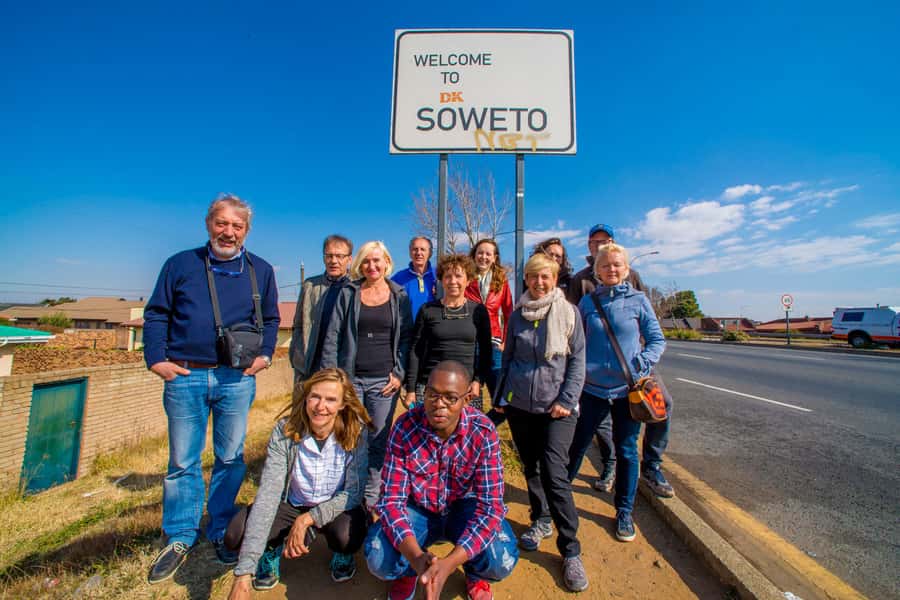
The next important stop is Freedom Square, where the Freedom Charter was adopted in 1955. This document called for a democratic South Africa and became an important foundation for the anti-apartheid movement.
For you, the value of this stop is seeing where a political vision was put into words. The story is not only about later protests or famous leaders. It is also about ordinary people gathering around a set of demands for rights, equality, and representation.
Your guide is central here. A good explanation can turn a public square into a meaningful place instead of a quick photo stop. Emmanuel, one guide connected with this experience, has been praised for his passion and ability to answer questions about South African history. That kind of conversation is especially useful at Freedom Square, where the setting alone cannot explain the full importance of the event.
Do not expect a large museum-style presentation at every stop. This is a moving tour with a live guide, so much of the detail comes through spoken explanation. If you like to learn by asking questions, the private group format is a real advantage.
Regina Mundi Church, the People’s Parliament
Regina Mundi Church is known as the People’s Parliament. During the struggle against apartheid, it offered a place where political meetings and discussions could take place when other public spaces were restricted or unsafe.
The church adds a different mood to the tour. Freedom Square presents a formal political statement, while Regina Mundi points to the role of faith communities and public gathering places. The church’s importance comes from what happened inside and around it, not just from its appearance.
I like this stop because it widens the story beyond government buildings and political leaders. You get a sense of how churches could become places for debate, refuge, and organizing. Ask your guide how Regina Mundi fits into the broader struggle, since the answer can help link this visit to the later stop at Hector Pieterson Museum.
The time here may be limited. You are covering several major sites in a half-day, so treat Regina Mundi as a focused historical visit rather than a long architectural tour.
Same country, a completely different kind of day:
- From Johannesburg: Pilanesberg Nature Reserve Game Safari
★ 4.8 · 1,327 reviews - Full Day Ultimate Pilanesberg National Park Safari from Johannesburg or Pretoria
★ 4.5 · 718 reviews - Half-Day Tour of Soweto Tour
★ 4.5 · 712 reviews - Soweto: Walking Tour with a Local Guide and Lunch
★ 4.9 · 648 reviews
Hector Pieterson Museum and the 1976 student protests
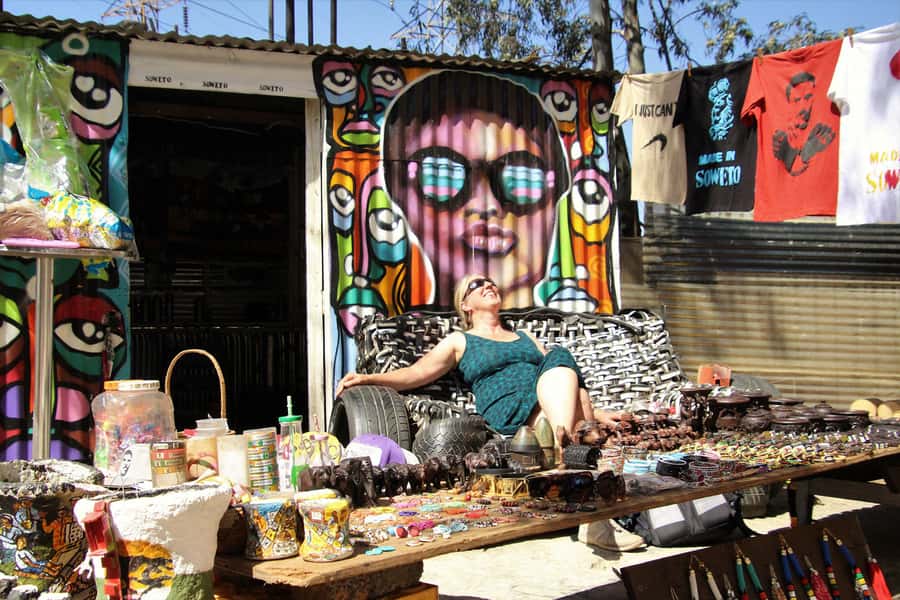
The Hector Pieterson Museum focuses on the 1976 student protests, a turning point in South Africa’s political story. The museum is named for Hector Pieterson, whose death became a symbol of the uprising and was captured in a widely known photograph.
This is likely the most emotionally direct stop on the route. The museum gives structure to the events of 1976 and shows how student action changed the country’s politics. You will get more from it if you allow yourself time to read, look carefully, and ask your guide to explain what led to the protests and what followed.
The stop also shows why the tour works best as a connected sequence. The Freedom Charter introduces the demand for a different South Africa. Regina Mundi shows where people could gather and organize. Hector Pieterson Museum brings you to a younger generation confronting the state in the streets.
A possible limitation is the tour clock. Five hours must also include transport, pickup, drop-off, and several other locations. If the museum is your main reason for booking, check the timing at the start and tell your guide that you want enough time there.
Vilakazi Street and two Nobel Peace Laureates
Vilakazi Street is one of the tour’s most distinctive stops. It is known for being the street where the homes of Nelson Mandela and Desmond Tutu are located. Seeing those houses on the same street gives you a striking sense of how much South African history is concentrated in one place.
This is a place where you should pause and take in the unusual detail. Two Nobel Peace Laureates lived on the same street, and both played major roles in the country’s political and moral life. The stop connects public history to ordinary residential space.
The tour includes an experience of the cultural life on Vilakazi Street, but the supplied details do not promise a specific performance, meal, or extended walking program. Keep your expectations clear. You are visiting a famous street and viewing the homes, not signing up for a full neighborhood festival or food tour.
This is also the most natural point to ask for a local cuisine recommendation. Food and drinks are not included, but your guide can suggest where to stop for a bite. Since you will be paying separately, ask about the price and timing before making a decision.
Moving from Soweto toward downtown Johannesburg
After the Soweto stops, the route continues past downtown Johannesburg. This gives you a wider view of Jozi rather than leaving you with only one part of the city.
The city portion is mainly sightseeing from the vehicle, with stops or views depending on the guide and the day. One passenger felt that too much of the five-hour experience was spent in the car and wanted a closer look at Soweto. That is fair criticism, and you should weigh it before booking.
At the same time, driving is useful when you have limited time. Johannesburg is spread out, and a private vehicle lets you connect Soweto with central areas without arranging separate transport. You trade walking time for coverage.
I would not choose this tour if your top priority is a long, slow exploration on foot. I would choose it if you want to understand how Soweto and Johannesburg fit together, especially during a short stay.
What the private format adds at $112
The price is $112 per person. That is not a bargain-basement city ride, but it includes five hours, private transportation, hotel pickup, hotel drop-off, and a live guide. For a group that values personal attention, the cost can make sense.
The biggest value comes from the guide. The sites are important, but their meaning is not always obvious from the roadside. A guide who can explain the Freedom Charter, the role of Regina Mundi, and the 1976 student protests turns separate stops into one historical story.
You also have more freedom to ask questions than on a large group outing. Guide Emmanuel has been singled out for speaking passionately about his country and answering questions about how South Africa changed over time. That is exactly the sort of personal explanation that can make the price worthwhile.
Still, the value depends on how much time you want outside the vehicle. If you prefer museums, long walks, and extended stops, you may feel that $112 buys too much transport and not enough exploration. If you want a private overview without handling Johannesburg’s transport yourself, it is easier to justify.
Food is not included. Budget extra if you want lunch or a local snack, and remember that the tour description only promises a recommendation, not a meal.
Guides, languages, and communication
The tour is offered in English, Zulu, Sesotho, and Xhosa. That gives you a useful choice of language and may help local participants feel more at ease. Ask when booking which language your assigned guide will use.
Emmanuel is the guide name associated with several positive accounts, and his strength appears to be historical explanation and conversation. One account describes him as attentive and able to show lesser-known parts of Johannesburg and Soweto. Those details suggest that the experience can become more personal when the guide takes time to respond to your interests.
Communication before pickup deserves care. One passenger waited an hour because the guide was not easy to reach and did not reply promptly. I would confirm the pickup point and time in advance, keep your phone available, and wait in the hotel lobby 15 minutes before the scheduled pickup, as requested.
This is not a reason to reject the tour outright, but it is a practical warning. A private tour depends heavily on one guide and one vehicle. Clear contact before departure matters.
Accessibility, weather, and the five-hour pace
The activity is listed as wheelchair accessible. If you use a wheelchair, confirm the vehicle and access arrangements before the day of the tour, since the supplied information does not give details about ramps, vehicle space, or each stop’s surfaces.
The tour runs rain or shine. Johannesburg weather can affect how pleasant outdoor stops feel, so bring suitable clothing and shoes for the forecast. You will move between the vehicle and public sites, even though much of the route is by car.
The five-hour duration includes the sightseeing route and the return to your drop-off point. Pickup and traffic can affect how much time you spend at each location. For the best use of the day, arrive ready, keep questions focused, and tell the guide early if one site matters most to you.
Alcohol and drugs are not allowed. That is a simple rule, but it is worth noting because this is a serious historical and cultural tour rather than a party outing.
Who should book this Soweto tour?
I would recommend it to first-time visitors who want a clear introduction to Johannesburg and Soweto. It suits people who care about South African history, prefer a private group, and want hotel transport included.
It is also a good fit if you have only part of a day available. The route covers major places that would be difficult to connect efficiently without a vehicle. Families and older visitors may also appreciate not having to arrange several separate rides.
You may want another option if you have already spent time in Soweto or want to focus on one museum for several hours. The route is broad, and the pace may feel fast if you prefer extended visits. The account describing most of the time in the car is a useful reminder to book this for coverage, not depth at every stop.
The experience has an overall rating of 4.1 from 14 ratings, which fits the picture here: strong potential when the guide is engaged and the pickup works properly, but less satisfying for anyone expecting a long walking tour or perfect communication.
Practical booking advice
Reserve up to 24 hours ahead for a full refund, and use the reserve now, pay later option if you want to keep your plans flexible. Check available starting times because the activity is valid for five hours, not an all-day outing.
Wait in your hotel lobby 15 minutes before pickup. I would also confirm the set drop-off point and ask about the expected lunch timing, especially if you plan to eat during the tour.
Bring questions about the Freedom Charter, Regina Mundi Church, the 1976 protests, Mandela, Tutu, and the changes in Johannesburg. Those questions will help you get more from the private format than simply sitting back for a narrated drive.
Should you book it?
Book this tour if you want a private, history-focused introduction to Soweto and Johannesburg, with hotel transport and a guide who can explain the major events behind the places you see. The combination of Freedom Square, Regina Mundi Church, Hector Pieterson Museum, and Vilakazi Street gives you a strong foundation in five hours.
Skip it if you want a slow walking tour, a meal included in the price, or guaranteed time at every stop. Before booking, confirm pickup communication and decide which site matters most to you. For a first look at the City of Gold, especially with limited time, this is a useful and worthwhile starting point.
FAQ
How long does the Johannesburg and Soweto tour last?
The tour lasts five hours, including the sightseeing route and hotel drop-off.
Is hotel pickup and drop-off included?
Yes. Pickup and drop-off are included. You should wait in your hotel lobby 15 minutes before the scheduled pickup time.
What places will I see in Soweto?
The route includes Chris Hani Baragwanath Hospital, Freedom Square, Regina Mundi Church, Hector Pieterson Museum, and Vilakazi Street. You will also see the homes of Nelson Mandela and Desmond Tutu on Vilakazi Street.
Is food included?
No. Food and drinks are not included. You can ask your guide for a local cuisine recommendation and pay separately for anything you order.
What languages are available?
The tour is available with a live guide speaking English, Zulu, Sesotho, or Xhosa.
Can I cancel or reserve without paying immediately?
You can cancel up to 24 hours in advance for a full refund. The reserve now, pay later option lets you book while keeping payment for later.
More Half-Day in Johannesburg
- Johannesburg and Soweto: Half-Day Tour
★ 4.8 · 439 reviews - From Johannesburg: Lion & Safari Park Half-Day Tour
★ 4.6 · 384 reviews - Johannesburg: Soweto Half-Day Tour
★ 4.7 · 196 reviews - Johannesburg: Half-Day Soweto Tour with a Local Guide
★ 4.8 · 110 reviews
Just added around Johannesburg
- Lion park★ 4.5 · 5 reviews
- Lesedi cultural village:★ 5.0 · 6 reviews
- Lesedi Cultural Village with lunch or dinner cultural food★ 4.6 · 9 reviews
- Lesedi Cultural Village Half-Day Tour★ 4.7 · 9 reviews
- Lesedi Cultural Village★ 4.9 · 4 reviews
- Kruger National Park – 5 Day Safari Tour★ 4.7 · 4 reviews
- From Johannesburg: Kruger National Park 4-Day Luxury Safari★ 4.8 · 9 reviews
- Kruger National Park – 4 Day Safari Tour★ 4.8 · 19 reviews
Soweto Tours, compared.
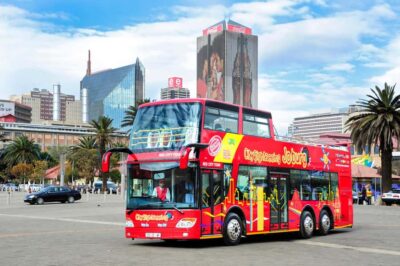

Soweto /Johannesburg and Apartheid Museum Guided Full Day Tour
Read our review →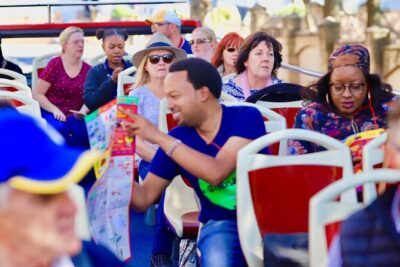
Johannesburg Hop-On Hop-Off City Tour with Soweto Option
Read our review →
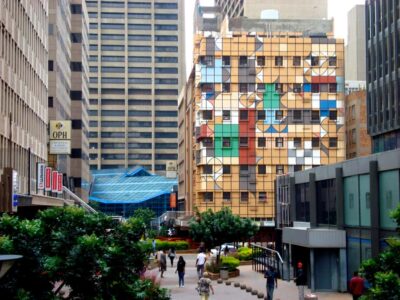
Jo’berg in 1 Day: Soweto, Apartheid Museum & City Tour
Read our review →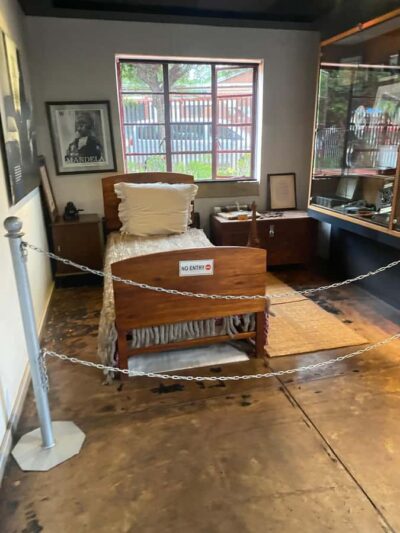
Full-Day Tour with Soweto and Apartheid Museum
Read our review →
Browse the lists this tour appears in