
Reviewed · SOWETO TOURS
Johannesburg and Soweto Apartheid Full Day Tour w/Lunch
Johannesburg’s difficult past is not tucked away in one museum. It is written across the city, from the old prison at Constitutional Hill to the streets of Soweto, where student protests helped expose apartheid’s brutality to the world. This full-day tour connects those places with a guide who can explain how they fit together.
I like two things right away: you get both the major sights and the human stories, and the included lunch at a local shebeen adds a taste of present-day Soweto. Guides such as James, Vincent, Pascal, Lauren, and Ruth have been praised for tailoring explanations to their guests, with several bringing personal ties to Soweto.
The main drawback is the pace. Eight hours covers a lot, but the Apartheid Museum needs at least two hours if you want to read and think rather than hurry through. Also, pickup can take up to an hour, and the museum is open Wednesday through Sunday, not every day.
Key Points To Know Before You Go
- Soweto comes with personal context: Some guides, including James and Ruth, have roots in the township and can explain more than a standard sightseeing script.
- Constitutional Hill adds a powerful prison visit: The former fort and jail show how South Africa moved from institutional separation toward democracy.
- The Apartheid Museum is the tour’s emotional centerpiece: Plan your day around its Wednesday to Sunday opening schedule.
- You see more than famous names: The route includes Vilakazi Street, Mandela House, Desmond Tutu’s former home, Winnie Mandela’s house, cooling towers, Baragwanath Hospital, and an informal settlement.
- Lunch is part of the local experience: The meal is served at a famous shebeen, a useful chance to experience Soweto beyond memorials and museums.
- Guiding makes the difference: The strongest part of this tour is the live explanation, available in English, French, or Portuguese.
Why This Johannesburg Tour Works
Johannesburg can be hard to read on your own during a short stay. Its important sites are spread across a large urban area, and the links between gold mining, segregation, forced removals, resistance, and democracy are not always obvious from the street.
This tour gives you a full day of context. You ride in an air-conditioned vehicle, move between central Johannesburg and Soweto, and have a guide interpreting what you see. That matters here. A tower is just a tower until you understand the city it overlooks. A former prison is just an old building until you learn who was held there and why.
At $93 per person, the price is reasonable for an eight-hour guided day if you value convenience and historical explanation. Hotel pickup and drop-off, transport, guide services, bottled water, WiFi, museum entry, and lunch are included. You are mainly paying for your personal expenses beyond that.
It is not the cheapest way to see Johannesburg, especially if you only want a quick city drive. It is good value if you have one day and want to connect several major sites without arranging separate taxis, admissions, and meals.
More Soweto Tours in Johannesburg
- Johannesburg: Hop-On Hop-Off Bus with Optional Soweto Tour
★ 4.6 · 985 reviews - Soweto /Johannesburg and Apartheid Museum Guided Full Day Tour
★ 5.0 · 932 reviews - Johannesburg Hop-On Hop-Off City Tour with Soweto Option
★ 4.5 · 768 reviews
Starting With Johannesburg’s Towers and Landmarks
Pickup takes place at your Johannesburg or surrounding-area hotel, generally between 8am and 9am. The exact timing depends on where you are staying, and the vehicle may spend up to an hour collecting people. That is worth planning for if you have an evening flight or another fixed appointment.
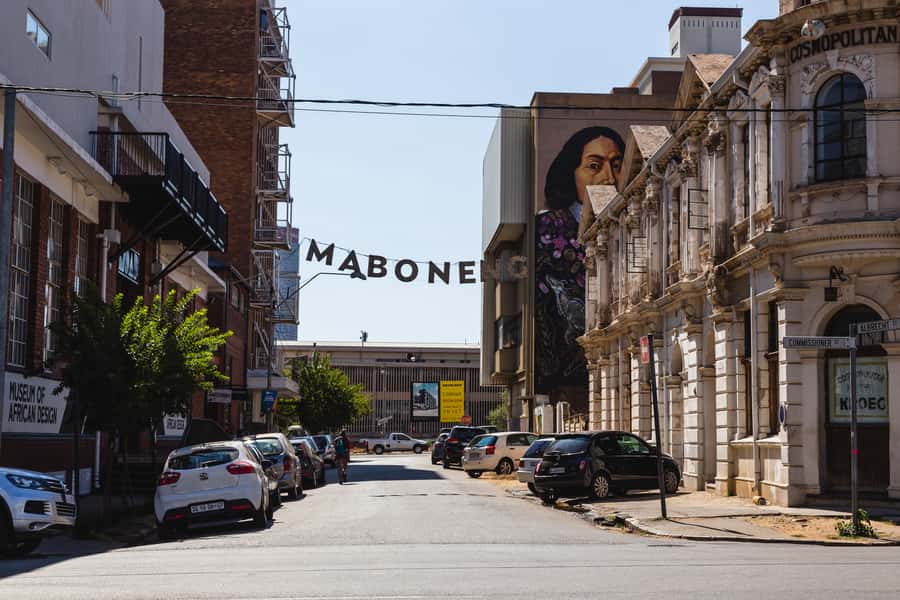
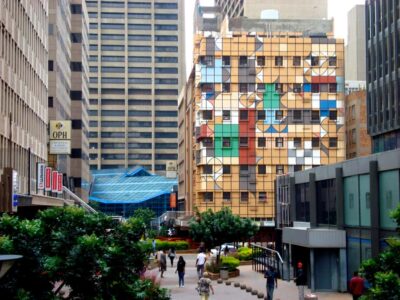
The city portion begins with views of central Johannesburg and its major structures. You may see the Hillbrow Tower, one of Africa’s tallest towers, along with Ponte City, Sentech Tower, Carlton Centre, and the Nelson Mandela Bridge.
These are not simply photo stops. Together, they help you see Johannesburg as a city shaped by migration, industry, wealth, inequality, and rapid change. The towers also give your guide useful reference points when explaining different parts of the city.
The route includes important buildings and streets, but this is not a walking tour of downtown. You will see much of the city from the vehicle, with stops where appropriate. Some older feedback notes that the guide sometimes avoided stopping in places considered unsafe. That is a sensible limitation, but it means you should expect a guided overview rather than free wandering through every district.
The guide is central here. Vincent has been praised for his command of Johannesburg’s roads, landmarks, and history, while James has been described as especially good at explaining many sides of South African life. Your guide may be different, but the tour’s value depends heavily on this personal storytelling.
Constitutional Hill and the Road to Democracy
Constitutional Hill is one of the strongest stops because it brings national history down to a human scale. The site was once a prison and military fort. Today, it presents South Africa’s movement toward democracy through buildings connected with confinement, law, and political change.
You will learn about apartheid and the long transition away from it. The site can be difficult, but it is not presented as a detached history lesson. The former prison setting helps you understand the machinery behind the country’s political system and the cost paid by people who opposed it.
Allow yourself time to listen and ask questions. Guides such as Ruth have been praised for explaining when apartheid began and how its rules affected daily life. A guide who can connect law, housing, employment, education, and movement restrictions will make this stop far more useful than a quick exterior visit.
Constitutional Hill can also serve as a substitute if the Apartheid Museum is closed. One guest described James arranging a prison and court visit in place of the museum on a Monday. That is helpful flexibility, but I would not treat it as a guarantee. Confirm the day’s plan before booking, especially if the museum is your main reason for taking the tour.
The Apartheid Museum Needs Your Time

The Apartheid Museum is the stop that demands the most attention. It deals directly with the system of racial separation and the struggle against it, giving you material to examine rather than a quick monument to photograph.
The tour allows time inside the museum, but the exact time can feel short. Older feedback suggests two hours may not be enough, and two and a half hours would be better for visitors who read carefully. I agree with the practical point: you can see the main sections in the allotted visit, but you will have to choose what to study.
That makes the opening day important. The supplied schedule lists the museum as open Wednesday through Sunday, and several bookings made on Mondays or Tuesdays encountered closures. One account also says the Hector Pieterson Museum was closed on a Tuesday. If you care about both museums, choose Wednesday through Sunday and verify the schedule before paying.
The museum works best after you have heard some background from your guide. By the time you arrive, names, places, and events from Johannesburg and Soweto will have a setting. You may still want a separate visit if you are a serious museum reader, but the stop gives most people a solid foundation.
Same country, a completely different kind of day:
- From Johannesburg: Pilanesberg Nature Reserve Game Safari
★ 4.8 · 1,327 reviews - Full Day Ultimate Pilanesberg National Park Safari from Johannesburg or Pretoria
★ 4.5 · 718 reviews - Half-Day Tour of Soweto Tour
★ 4.5 · 712 reviews - Soweto: Walking Tour with a Local Guide and Lunch
★ 4.9 · 648 reviews
Soweto Through Streets, Homes, and Memorials
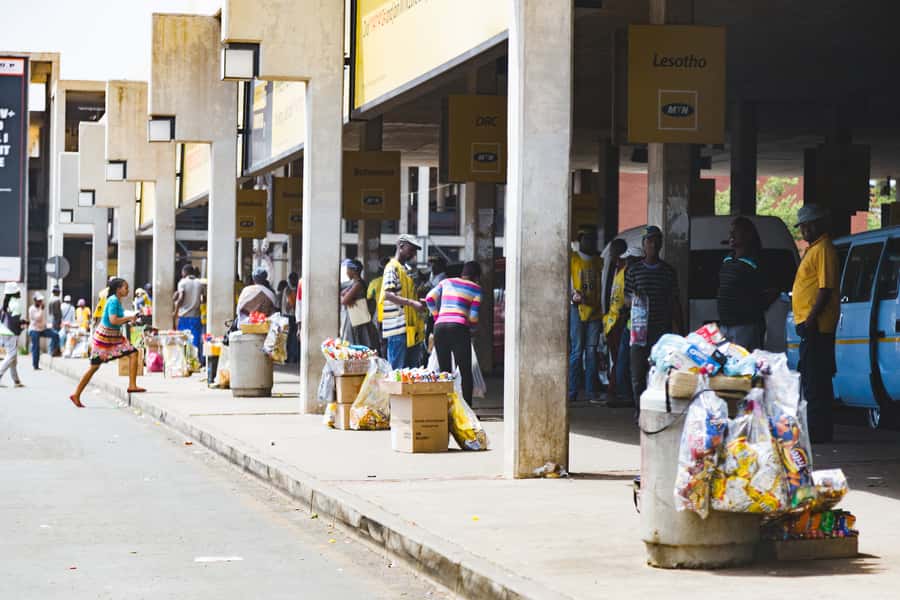
Leaving central Johannesburg, the tour heads to Soweto, the township closely linked with apartheid-era resistance and the student uprisings of 1976. This is where the day becomes especially personal and place-based.
At the Hector Pieterson Memorial, you confront the story of students who protested against the forced use of Afrikaans in schools. The memorial is tied to the 1976 uprising and the police violence that followed. It is a short name on an itinerary, but it carries major weight, so do not treat it as just another stop for a photograph.
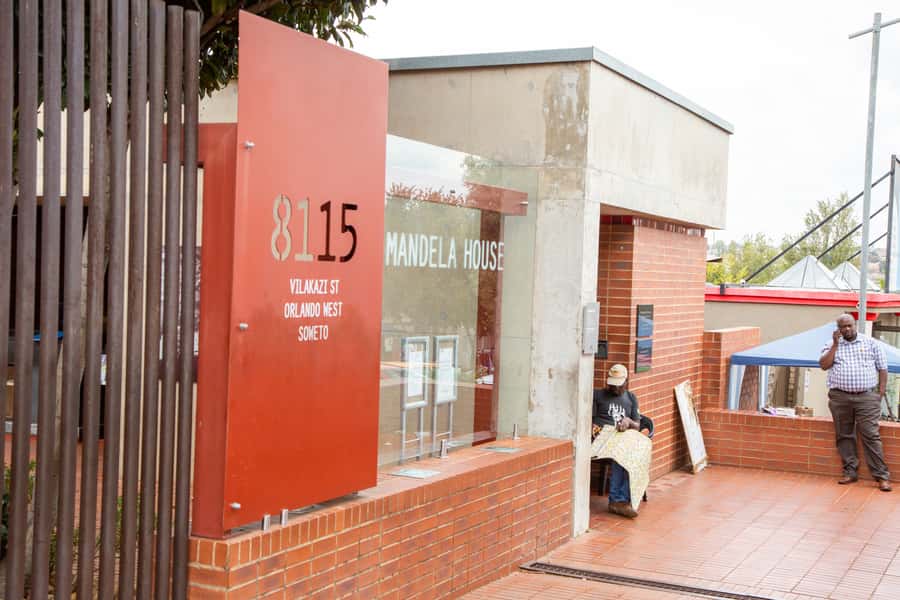
Vilakazi Street brings together several major figures in South African public life. You will see Mandela House, along with the former homes of Desmond Tutu and Winnie Mandela. The route includes a view of Mandela House, and some schedules allow time to enter it. One solo visitor specifically appreciated having enough time at the Apartheid Museum and Nelson Mandela House, but the time available can depend on the day and group.
Vilakazi Street is also one of the places where history and ordinary neighborhood life meet. You can think about how a residential street became associated with two Nobel Peace Prize winners, political leadership, and the fight against apartheid.
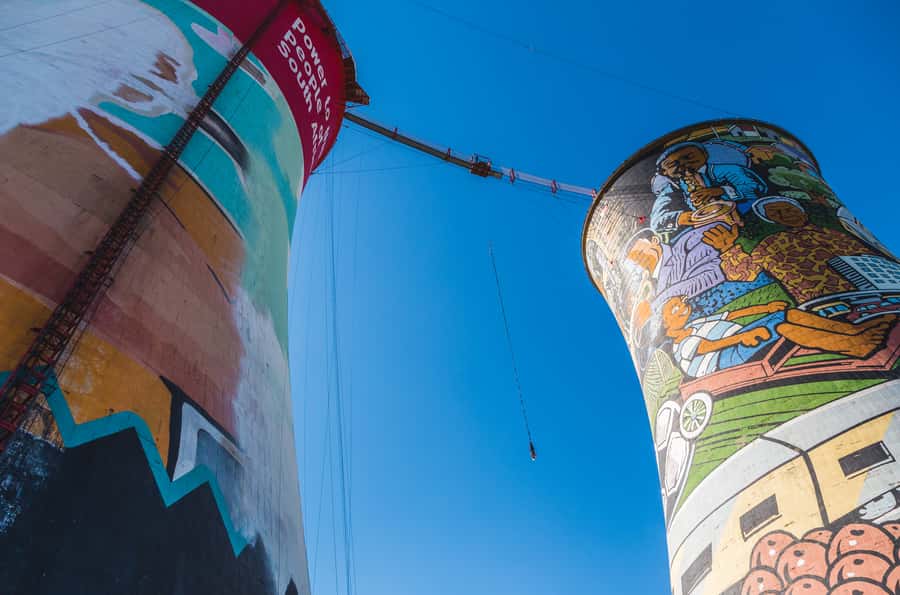
The tour also includes views of an informal settlement, the Soweto cooling towers, Baragwanath Hospital, and other township landmarks. These sights widen the picture. Soweto is not only a memorial district, and it is not a single story of deprivation. Your guide can help you see its residential areas, public institutions, working life, and ongoing change without turning people’s homes into a spectacle.
That distinction matters. A respectful tour should explain the setting and its history rather than make poverty the attraction. The experience is structured around places, local context, and conversation, not simply pointing at hardship from a vehicle.
Lunch at a Soweto Shebeen
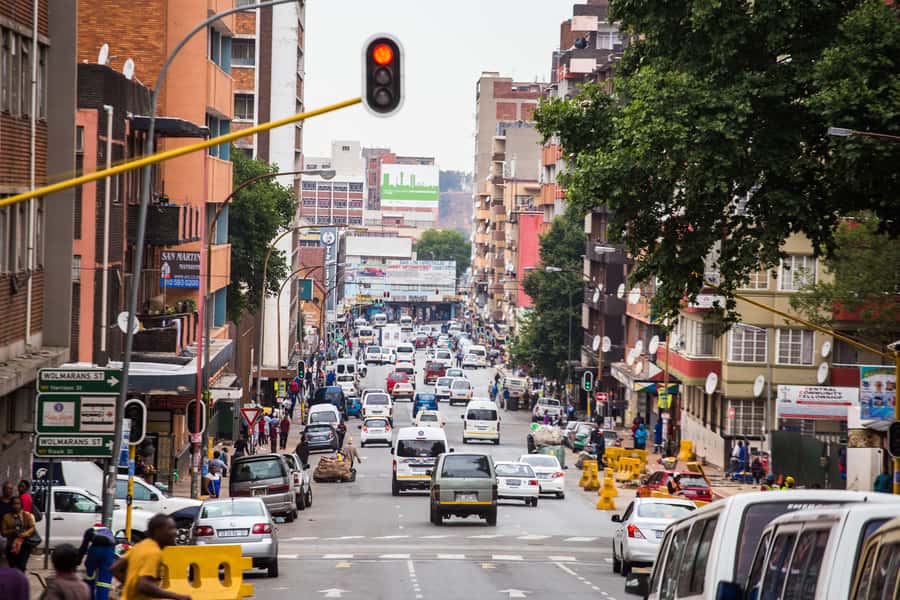
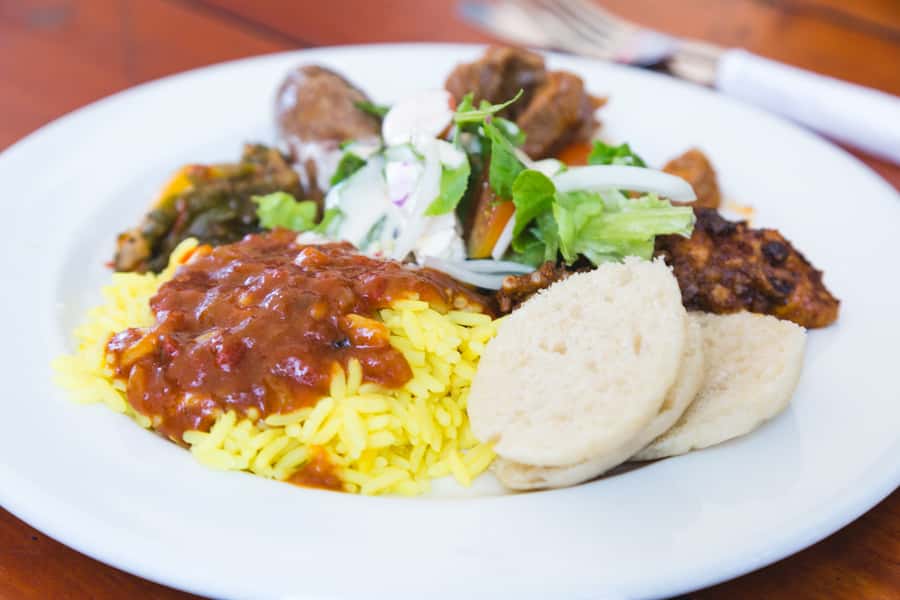
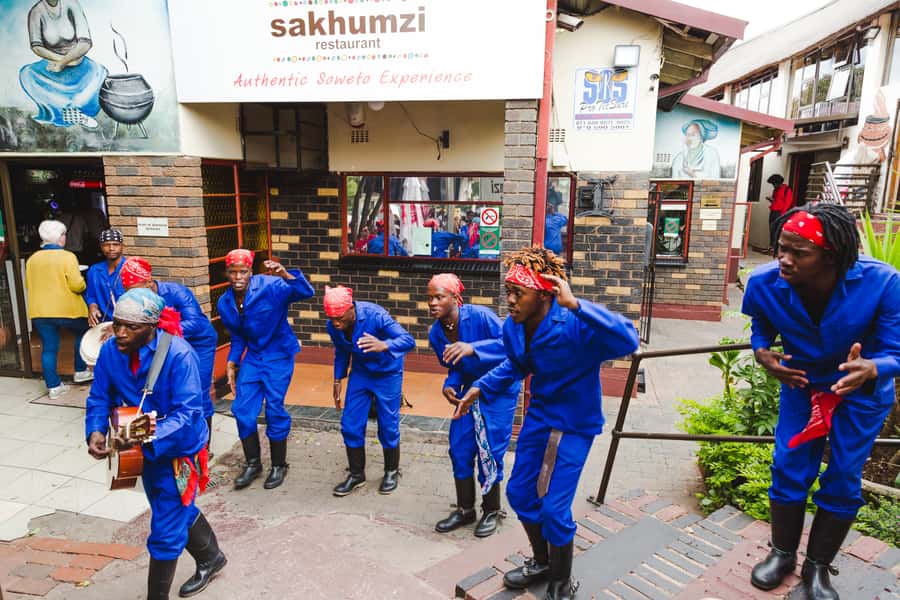
Lunch is served at a well-known local shebeen. In South African townships, a shebeen is traditionally a neighborhood drinking place, though many now serve food as well. Here, lunch gives you a break from museums and a chance to experience a social setting connected with local life.
The food is listed as included, but personal expenses are not. One older account mentions paying separately for lunch, so I would confirm exactly what the meal covers when you book. The important point is that the stop is more than fuel for a long day. It gives you a chance to talk with your guide and absorb Soweto as a living place, not just a historical backdrop.
Do not expect a formal restaurant experience. The appeal is the local setting and atmosphere. If you prefer predictable dining or have dietary restrictions, ask what is being served in advance.
How Much Walking and Riding Should You Expect?
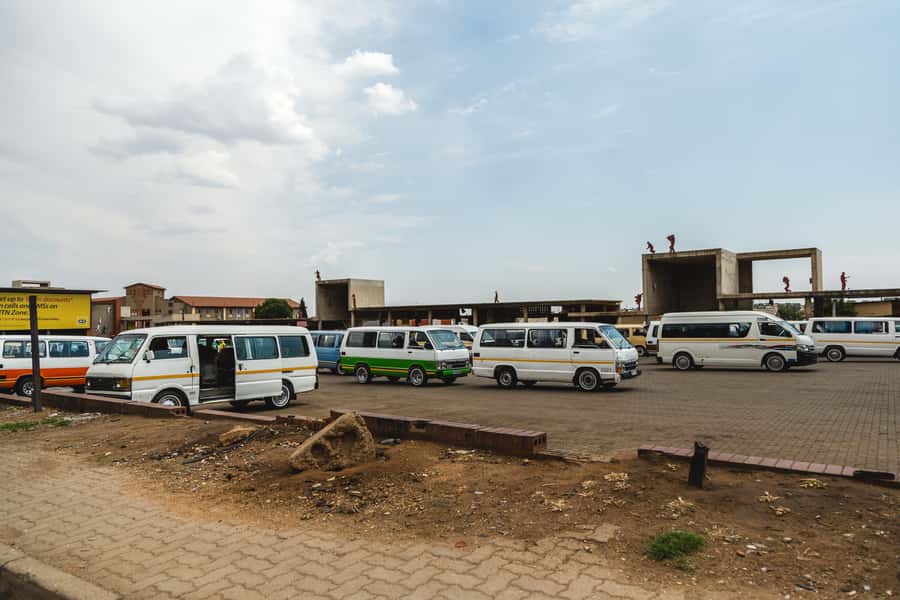
The tour lasts eight hours and uses a comfortable, air-conditioned vehicle. You will spend a fair amount of time riding between central Johannesburg, Constitutional Hill, the museum, and Soweto. That makes the tour manageable in a large city, but it also means you should be comfortable with a full day of sitting, listening, and getting in and out at stops.
Walking shoes are recommended. Museums and memorials require time on your feet, and the experience is more rewarding when you can move at your own pace rather than remain beside the vehicle.
The group size is not specified. Some bookings have turned into private tours when other people canceled, while others may operate as shared outings. That can affect how much time you have for questions. Still, the guides appear to adjust well when possible. Several have been praised for changing the pace, allowing shopping time, or adding places of interest.
The vehicle includes bottled water and WiFi. Pickup and drop-off are included from hotels in Johannesburg and nearby areas, but confirm that your hotel falls within the service zone before booking.
The Guides Are the Main Strength
The repeated strength of this experience is the guiding. James, Vincent, Pascal, Lauren, Ruth, Eric, Christian, Alain, and others have been singled out for clear explanations, good humor, flexibility, and personal service.
That does not mean every guide will offer the same style. Some may focus more on political history, while others may spend more time on culture, languages, daily life, or personal memories. Guests have had guides from Soweto, including James and Ruth, which added an especially direct connection to the township.
If you have a particular interest, say so early. You might want more time on apartheid law, the 1976 student uprising, Nelson Mandela, architecture, township life, or modern Johannesburg. The tour has enough subject matter to support different approaches.
French and Portuguese guiding are available as well as English. That can make a major difference on a history-heavy day, since the experience depends on understanding detail and being able to ask questions.
Who Should Book This Day Tour?

I would choose this tour if you have limited time in Johannesburg and want a structured first look at the city. It is especially useful for first-time visitors, history-focused travelers, solo visitors who want arranged transport, and anyone who would rather learn from a local guide than piece the route together alone.
It also suits people who want more than a museum visit. You see central Johannesburg, a former prison, Soweto streets, memorials, political homes, public landmarks, and an informal settlement in one day.
I would be more cautious if you dislike long days or prefer to study museums slowly. The itinerary packs in a great deal, and the Apartheid Museum alone could fill most of a morning. Families can book, but children must be accompanied by an adult, and unaccompanied minors are not allowed. Adult pricing applies to all travelers.
The tone is serious. There is room for lunch, conversation, and city views, but this is not a light sightseeing outing. You should arrive ready to listen and think.
Practical Booking Advice
Book Wednesday through Sunday if the Apartheid Museum is essential. Avoid assuming that a Monday or Tuesday booking will include it, and check whether the Hector Pieterson site is operating on your chosen date.
Wear casual clothes and comfortable walking shoes. Bring patience for hotel pickup, since collection may take up to an hour and pickup times generally fall between 8am and 9am.
The tour offers free cancellation up to 24 hours before departure and a reserve-now, pay-later option. Those terms are useful when your Johannesburg plans are still moving, but check the final booking conditions for your date.
The experience has a 4.9 rating from 219 reviews, with the strongest praise aimed at the guides rather than the vehicle or lunch. That tells you how to judge the tour: book it for the access, organization, and interpretation, not because it promises a luxury coach or a slow museum study.
Should You Book It?
Yes, if you want one serious, well-organized day that links Johannesburg and Soweto. The route is broad, the included transport saves hassle, and a strong guide can turn separate sights into a clear story about apartheid, resistance, and democracy.
Choose your date carefully, protect enough time for the Apartheid Museum, and remember that the day can feel packed. If you do that, this $93 tour offers a useful first understanding of Johannesburg, with Soweto and its people treated as more than a stop on a sightseeing checklist.
FAQ
How long is the Johannesburg and Soweto tour?
The tour lasts eight hours.
What places are included?
The route includes Johannesburg, Soweto, Constitutional Hill, the Apartheid Museum, Vilakazi Street, the Hector Pieterson Memorial, and views of Mandela House, Desmond Tutu’s house, Winnie Mandela’s house, an informal settlement, the Soweto cooling towers, and Baragwanath Hospital.
Is hotel pickup included?
Yes. Pickup and drop-off are included from hotels in Johannesburg and the surrounding area.
What time does hotel pickup take place?
Pickup is generally scheduled between 8am and 9am, depending on your hotel location. Collection may take up to one hour.
Is lunch included?
Lunch at a local shebeen is listed as included. Personal expenses are not included, so confirm what the meal covers when booking.
Which languages are available?
The live guide may conduct the tour in English, French, or Portuguese.
Is entry to the Apartheid Museum included?
Yes, admission to the Apartheid Museum is included when the museum is operating as scheduled.
Which days is the Apartheid Museum open for this tour?
The supplied schedule lists the Apartheid Museum as open Wednesday through Sunday. Check the opening schedule before booking.
Are children allowed to join?
Yes, but children must be accompanied by an adult. Unaccompanied minors are not allowed, and adult pricing applies to all travelers.
Can I cancel the tour?
You can cancel up to 24 hours in advance for a full refund. A reserve-now, pay-later option is also available.
More Full-Day in Johannesburg
- Johannesburg: Full-Day Tour with Soweto and Apartheid Museum
★ 4.8 · 478 reviews - Full Day Pilanesberg Experience in Open Vehicle
★ 4.5 · 414 reviews - Soweto and Johannesburg Exclusive Full Day Guided Tour
★ 5.0 · 209 reviews - Full Day Safari Tour of Pilanesberg National Park, Open Jeep experience
★ 5.0 · 139 reviews
More Lunch Experiences in Johannesburg
- Full-Day Soweto, Apartheid Museum and Lunch Tour
★ 5.0 · 410 reviews - Soweto: Guided Bicycle Tour with Lunch
★ 4.9 · 292 reviews - Soweto Walking Tour with Lunch
★ 5.0 · 288 reviews - Guided Bicycle Tour of Soweto with Lunch
★ 5.0 · 180 reviews
Just added around Johannesburg
- Lion park★ 4.5 · 5 reviews
- Lesedi cultural village:★ 5.0 · 6 reviews
- Lesedi Cultural Village with lunch or dinner cultural food★ 4.6 · 9 reviews
- Lesedi Cultural Village Half-Day Tour★ 4.7 · 9 reviews
- Lesedi Cultural Village★ 4.9 · 4 reviews
- Kruger National Park – 5 Day Safari Tour★ 4.7 · 4 reviews
- Kruger National Park – 4 Day Safari Tour★ 4.8 · 19 reviews
- Kruger National Park: 4-Day Ultimate Safari Tour★ 4.0 · 3 reviews
Soweto Tours, compared.

Soweto /Johannesburg and Apartheid Museum Guided Full Day Tour
Read our review →
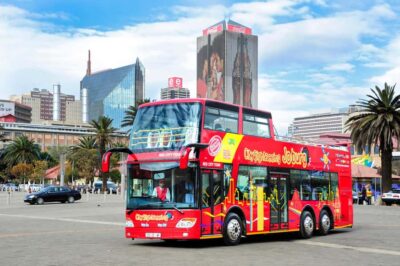
Johannesburg Hop-On Hop-Off City Tour with Soweto Option
Read our review →

Jo’berg in 1 Day: Soweto, Apartheid Museum & City Tour
Read our review →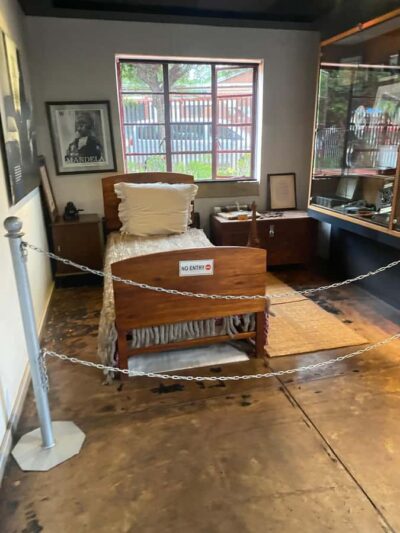
Full-Day Tour with Soweto and Apartheid Museum
Read our review →
Browse the lists this tour appears in