

Reviewed · SOWETO TOURS
Apartheid museum and Soweto. 5 hours Private tour.
The most powerful part of this private Johannesburg tour is the way it links the Apartheid Museum with Soweto, the township at the center of South Africa’s struggle for freedom. You do not just read about apartheid in a gallery. You see the places where that system shaped daily life, protest, family, and politics.
I like the private format because you can ask direct questions and adjust the pace. I also like the mix of serious museum time, Soweto landmarks, and contact with local culture. The main drawback is time. A five-hour outing can introduce Soweto and the museum, but it cannot cover every major site in depth.
Key points to know before booking
- The Apartheid Museum gives the tour its strongest historical focus, with displays, photographs, and videos explaining racial classification and segregation.
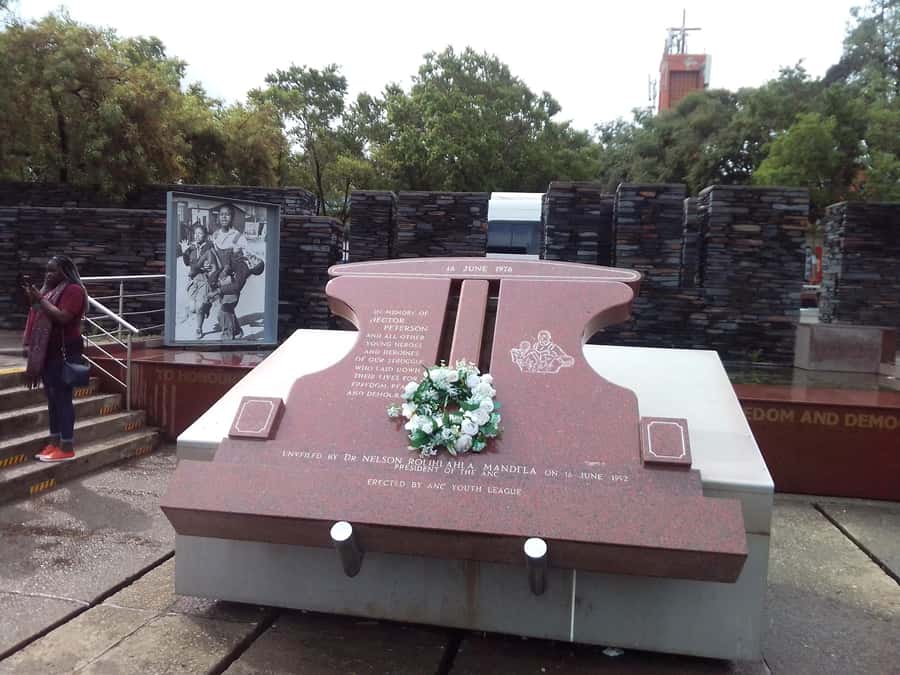
- Soweto adds a sense of place, including Mandela’s House, Hector Pieterson Museum, Orlando Towers, Regina Mundi Church, and Walter Sisulu Square.
- You get a private English-speaking guide, with guides such as Pile and Lutendo praised for their kindness, courtesy, and strong knowledge of South Africa.
- Pickup and drop-off are included from a wide range of Johannesburg and Gauteng locations, including Sandton, Rosebank, Melrose, Midrand, Lanseria, and O.R. Tambo.
- The price is $67 per person, a fair rate for private transport, guiding, and two entry fees, though food and optional admissions cost extra.
- Plan around museum days, since the Apartheid Museum is closed on Mondays and Tuesdays.
Why the Apartheid Museum matters
The Apartheid Museum is not a light sightseeing stop. It deals with forced separation, racial classification, state control, protest, violence, and the long campaign against apartheid. You will see how people were classified by colour and race, then learn how those categories affected where they could live, work, study, and travel.
The museum’s photographs, written displays, and video material help put South Africa’s past into human terms. The videos are especially important because they bring the voices and images of that period closer than a short explanation from a guide can. You may leave with a clearer sense of how widely the system reached and why its effects still matter.
Your entry fee is included, and the tour offers skip-the-ticket-line access. That is useful when your schedule is tight, although the museum itself deserves attention rather than a hurried walk-through. If you want to read every panel and watch every video, five hours shared between the museum and Soweto may feel short.
This is where a private guide helps. You can ask what a term means, pause over a difficult subject, or connect a museum display with a place you will see later in Soweto. Guides such as Pile and Lutendo have been singled out for being kind, courteous, helpful, and well informed about South Africa and beyond. Those qualities matter here. The subject needs care, not just a list of dates.
More Apartheid Museum Tours in Johannesburg
- Soweto /Johannesburg and Apartheid Museum Guided Full Day Tour
★ 5.0 · 932 reviews - Jo’berg in 1 Day: Soweto, Apartheid Museum & City Tour
★ 4.8 · 524 reviews - Johannesburg: Full-Day Tour with Soweto and Apartheid Museum
★ 4.8 · 478 reviews
Soweto, where history becomes visible
Soweto is a township created during segregation for Black residents. Today it is home to people from different cultural groups across South Africa, and it carries both painful memories and a strong sense of identity.
The township is not one single sight. It is a collection of communities and landmarks, and the tour is designed to show you several sides of it. You may see important political sites, residential areas, public spaces, and places connected with the anti-apartheid struggle. The point is not simply to take photographs. It is to understand why Soweto became an engine of resistance.
The tour description highlights the Orlando Towers, Regina Mundi Church, Walter Sisulu Square of Dedication, Bara Hospital, and the Hector Pieterson Memorial. The exact time spent at each place is not specified, so you should think of these as key sites you may see rather than guaranteed long visits at every one.
That distinction matters. A private half-day tour can give you a useful introduction, but it is not a full township study. If one site is especially important to you, tell the guide early so the day can be shaped around it where possible.
Mandela’s House and the 20-minute photo stop

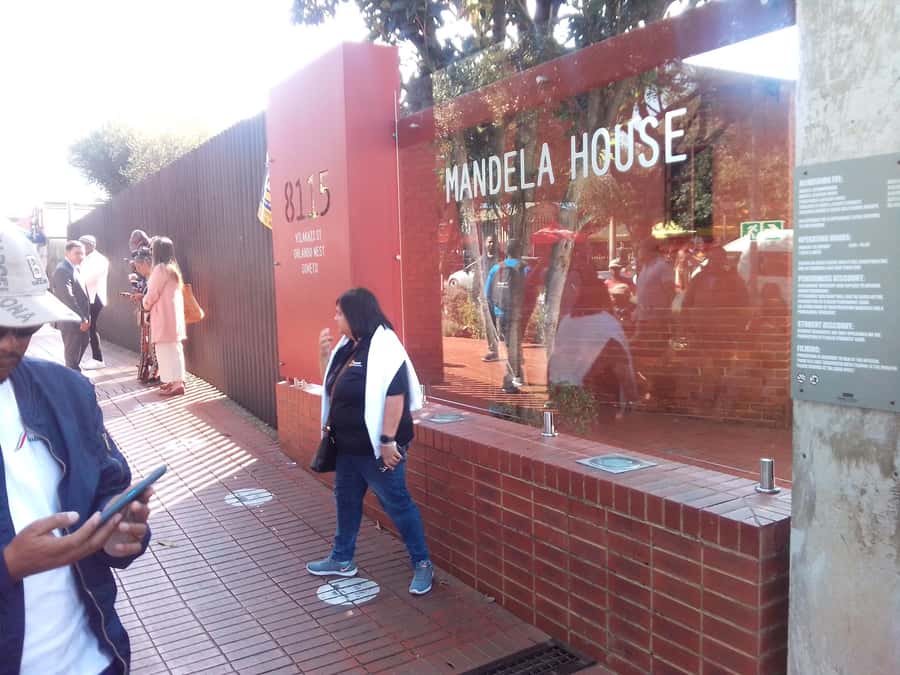
Mandela’s House in Soweto is scheduled as a 20-minute photo stop. This gives you a chance to see one of the township’s best-known historic addresses and connect the wider struggle with Nelson Mandela’s personal story.
Twenty minutes is enough for a quick look and photographs, but not a long museum visit. Entry to the Mandela museum is not included, so you should budget separately if you want to go inside. The tour’s included admissions cover the Apartheid Museum and Hector Pieterson Memorial, not Mandela’s House.
I would treat this stop as a brief landmark visit rather than the main historical session. The Apartheid Museum provides the broad national story. Mandela’s House adds a more personal point of reference.
Hector Pieterson Museum and the 1976 uprising
The Hector Pieterson Museum is scheduled for about 30 minutes, and admission is included. This museum and memorial focus on the Soweto student uprising, an event that became a major turning point in the fight against apartheid.
The site gives the tour an important local focus. Instead of looking at segregation only as a national policy, you see how it affected young people, education, families, and the streets of Soweto. The short visit should give you a strong introduction, although you may need to keep moving if you want to stay on schedule.
This is one reason comfortable shoes are worth bringing. The day combines transport, museum visits, sightseeing, and short stops, and the subject matter may leave you wanting more time at certain displays.
More Soweto Tours in Johannesburg
- Johannesburg: Hop-On Hop-Off Bus with Optional Soweto Tour
★ 4.6 · 985 reviews - Johannesburg Hop-On Hop-Off City Tour with Soweto Option
★ 4.5 · 768 reviews - Half-Day Tour of Soweto Tour
★ 4.5 · 712 reviews - Soweto: Walking Tour with a Local Guide and Lunch
★ 4.9 · 648 reviews
Local food, drink, and cultural encounters
The experience also aims to show present-day Soweto through local food, drink, and cultural performance. Food is not included, and snacks are not included, so bring cash or a credit card if you would like to buy something during the day.
The wording of the experience allows time with local people and the chance to enjoy cultural dancers. Treat this as an opportunity rather than a guaranteed meal or performance at a fixed venue, since no menu, restaurant, or dance schedule is provided.
That flexibility is one of the better features of a private tour. You can tell the guide what interests you, ask about local food, or spend more time on cultural elements if the schedule permits. Just remember that the tour’s main focus is history and heritage, not a dedicated food tour.
A private vehicle makes the route easier
Transport is included, along with hotel or address pickup and drop-off. Pickup locations include Sandton, Rosebank, Melrose, Midrand, Auckland Park, Bryanston, Fourways, Rivonia, Lanseria, and O.R. Tambo. You are expected to wait in the hotel lobby or at the agreed address, and the guide will have a name tag and tour information.
For a day covering Johannesburg and Soweto, private transport is a real advantage. You do not have to work out separate taxi rides between the museum and township landmarks, and you can keep your belongings with you. One recent booking specifically praised the car as comfortable and in very good condition, which is welcome when you are moving between several stops.
The group is private, so you are not tied to strangers’ interests or a large coach schedule. That also makes it easier to ask sensitive questions about apartheid and present-day life. The guide’s instructions must be followed, and alcohol and drugs are not allowed. Alcoholic drinks are also not allowed in the vehicle, and loud noise is prohibited.
How much time will you really have?
The experience is presented as a five-hour private tour, while the booking information labels the duration as one day and asks you to check available starting times. Because those descriptions do not match perfectly, confirm the exact schedule before paying.
The listed route includes pickup, Mandela’s House, Hector Pieterson Museum, the Apartheid Museum, and drop-off. The Mandela stop is 20 minutes, and Hector Pieterson is 30 minutes. That leaves the rest of the time for the Apartheid Museum, driving, and other Soweto sights.
You can cover a great deal in five hours, but you cannot study every museum display and make extended visits to every landmark. I would choose this tour for a focused first look at Johannesburg’s apartheid history. If you want a full day devoted to museums and township sites, ask if a longer private arrangement is possible.
The museum is closed on Mondays and Tuesdays. Build your plans around that restriction, especially if you are in Johannesburg for only a few days.
Price and what the $67 covers
At $67 per person, the tour offers reasonable value for a private experience. The price includes transport, an English-speaking guide, a bottle of water, the Apartheid Museum entry fee, and the Hector Pieterson Memorial entry fee.
That combination is stronger than a simple driving tour. You are paying for a guide who can explain the sites, a private vehicle, and two important admissions. For a solo visitor, the per-person rate is less of a bargain than it is for a couple or small group, but the private format gives you more control.
Food, snacks, and optional admissions are extra. The Mandela museum and Orlando Towers are specifically excluded, so do not assume that every famous Soweto attraction is covered. Bring cash and a credit card for personal purchases, and keep some money available if you decide to enter an optional site.
Free cancellation is available up to 24 hours before the tour for a full refund. You can also reserve and pay later, which helps if your Johannesburg schedule is still changing.
Who will enjoy this tour most?
I would recommend this experience to first-time visitors who want a clear introduction to Johannesburg’s political history without joining a large group. It suits couples, families with older children, and anyone who prefers asking questions in a quiet setting.
It is also a good choice if you are staying near one of the listed pickup areas or arriving through O.R. Tambo and want a guided outing with transport already arranged. The tour is wheelchair accessible, though the exact practical arrangements for each stop are not described, so discuss your needs in advance.
You should bring your passport or a copy, comfortable shoes, a camera, personal medication, and payment cards or cash. A bottle of water is included, but an extra drink and snack may be sensible since neither food nor snacks are part of the package.
The experience is not suitable for people over 95, according to the supplied restrictions. You also need to follow the guide’s instructions throughout the day.
What the guide adds
A good guide is especially valuable on this route because the facts are heavy and the locations can be difficult to understand without context. A guide can explain why Soweto was created, how racial rules shaped the city, and how local churches, schools, hospitals, homes, and public squares became tied to resistance.
Lutendo has been described as kind, helpful, courteous, and exceptionally well informed about South Africa and beyond. Pile has also been praised for combining driving and guiding well. Since guide assignments can vary, you should not assume one particular person will lead your booking, but these names give you an idea of the personal service associated with the experience.
The private arrangement also lets you set the tone. You can keep the day focused on political history, ask for more cultural information, or make room for local food and drink. The more clearly you explain your interests at pickup, the more useful the flexibility becomes.
Should you book the Apartheid Museum and Soweto tour?
Book it if you want a focused, private introduction to Johannesburg’s past and present. The Apartheid Museum and Hector Pieterson Museum provide serious historical grounding, while Soweto puts that history into real streets and landmarks. Included transport and admissions make the $67 price reasonable, especially for two or more people sharing the experience.
Do not book it expecting a slow, detailed tour of every Soweto attraction. The five-hour format is compact, Mandela’s House is only a photo stop, and several optional sites cost extra. Confirm the exact duration and starting time, avoid Mondays and Tuesdays when the Apartheid Museum is closed, and tell the guide which places matter most to you.
For a first visit, this is a strong way to learn the story behind Johannesburg. Its greatest strength is not the number of stops. It is the chance to connect a careful museum visit with the people and places of Soweto.
FAQ
How long does the tour last?
The experience is presented as a five-hour private tour, although the booking information also describes the duration as one day. Check the available starting times and confirm the exact schedule before booking.
Is the tour private?
Yes. It is offered as a private group experience, so you tour with your own party rather than joining a shared group.
Is hotel pickup included?
Yes. Pickup and drop-off are included. You should wait in the hotel lobby or at the agreed address, and the guide will have a name tag and tour information.
Which pickup locations are available?
Pickup locations include Melrose, Lanseria, Midrand, Auckland Park, Rosebank, O.R. Tambo, Bryanston, Fourways, Rivonia, and Sandton.
Is the Apartheid Museum entry fee included?
Yes. Entry to the Apartheid Museum is included in the tour price.
Is the Hector Pieterson Museum included?
Yes. Entry to the Hector Pieterson Memorial is included, with about 30 minutes scheduled for sightseeing there.
Is entry to Mandela’s House included?
No. Entry to the Mandela museum is not included. Mandela’s House is listed as a 20-minute photo stop.
Is food included?
No. Food and snacks are not included. You can bring cash or a credit card for personal purchases.
What language does the guide speak?
The live guide speaks English.
What should I bring?
Bring a passport or accepted copy, comfortable shoes, a camera, cash or a credit card, and any personal medication. One bottle of water is included.
Is the Apartheid Museum open every day?
No. The Apartheid Museum is closed on Mondays and Tuesdays. Plan your booking for another day.
More Museums in Johannesburg
- Full-Day Soweto, Apartheid Museum and Lunch Tour
★ 5.0 · 410 reviews - Half Guided Day Tour of Soweto And Apartheid Museum
★ 5.0 · 356 reviews - Ultimate Johannesburg Soweto Experience with Apartheid Museum
★ 5.0 · 313 reviews - Soweto: Hop-On Hop-Off Bus, City Tour and Apartheid Museum
★ 4.5 · 250 reviews
Just added around Johannesburg
- Lion park★ 4.5 · 5 reviews
- Lesedi cultural village:★ 5.0 · 6 reviews
- Lesedi Cultural Village with lunch or dinner cultural food★ 4.6 · 9 reviews
- Lesedi Cultural Village Half-Day Tour★ 4.7 · 9 reviews
- Lesedi Cultural Village★ 4.9 · 4 reviews
- Kruger National Park – 5 Day Safari Tour★ 4.7 · 4 reviews
- From Johannesburg: Kruger National Park 4-Day Luxury Safari★ 4.8 · 9 reviews
- Kruger National Park – 4 Day Safari Tour★ 4.8 · 19 reviews
Soweto Tours, compared.

Soweto /Johannesburg and Apartheid Museum Guided Full Day Tour
Read our review →
Johannesburg Hop-On Hop-Off City Tour with Soweto Option
Read our review →

Jo’berg in 1 Day: Soweto, Apartheid Museum & City Tour
Read our review →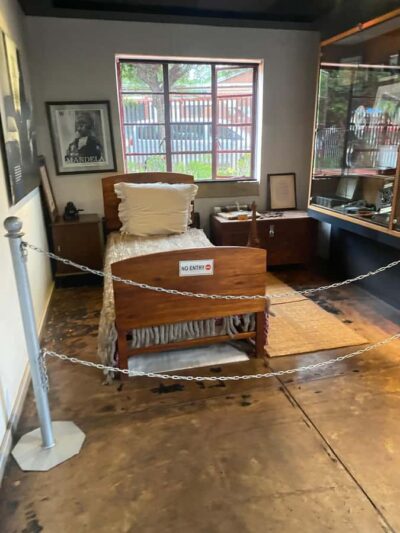
Full-Day Tour with Soweto and Apartheid Museum
Read our review →
Browse the lists this tour appears in