
Reviewed · BO-KAAP TOURS
Cape Town Walking Tour: Bo-Kaap & City Highlights
Cape Town’s past is written into its streets, and this walk gives you a useful first reading. You move from Truth Coffee through District Six, the Grand Parade, the Slave Lodge, Greenmarket Square, Long Street, and finally Bo-Kaap, with history and present-day identity tied together along the way.
I like the personal approach. Guides such as Dylan, Terrence, and Tarrin have been praised for answering questions, sharing their own perspective, and adjusting the conversation to the group. I also like the compact route, which gives you a strong city-center orientation in two hours and ends among Bo-Kaap’s colorful houses.
The main thing to consider is pace. You cover a lot of ground in possible heat, and many museums and buildings are photo stops or pass-by visits rather than full admissions. If you want long museum visits or a major focus on nature and scenery, this is not the right tour.
Key details at a glance
- A history-led route: Follow Cape Town’s story from District Six and slavery to present-day identity.
- A local guide’s point of view: Dylan, Terrence, Tarrin, and other guides bring personal context as well as dates and facts.
- Bo-Kaap finale: End in one of Cape Town’s most recognizable neighborhoods, with time for photos and shopping.
- Good first-day choice: The route helps you understand the city center before exploring on your own.
- Small-group feel is possible: Past departures have included intimate groups, and the guide can respond to individual interests.
- Practical value: At $40 per person, the tour includes a guide, a two-hour walk, key city sights, and a complimentary snack.
Why this walk works as a first look at Cape Town
This is not a sightseeing loop built around quick snapshots. Its main purpose is to explain how Cape Town became the city you see today, including the effects of colonial rule, slavery, forced removals, religion, race, and changing ideas of South African identity.
That makes the walk especially useful at the start of your stay. I would choose it before spending time in the city center on your own because the route gives names and meaning to places that can otherwise look like disconnected squares, churches, and old buildings.
The guide is central to the experience. Dylan has led many of the recent departures, while Terrence and Tarrin have also guided groups. The strongest part of the guiding style is the mix of clear explanation and conversation. You can ask about history, culture, architecture, or current life, and the tour is designed to follow your interests when time allows.
The tone is serious when the subject demands it, especially around District Six and the Slave Lodge, but it is not stiff. Guides have also been praised for humor, patience, and relaxed conversation. That balance matters on a walk dealing with painful subjects.
More Bo-Kaap Tours in Cape Town:
- Cape Town: Malay Cooking Class and Lunch in Bo-Kaap
★ 4.8 · 515 reviews - Bo-Kaap: Walk with a local
★ 5.0 · 131 reviews - Cape Town: Cape Malay Cooking Class in Bo-Kaap
★ 4.8 · 120 reviews
Starting at Truth Coffee Roasting
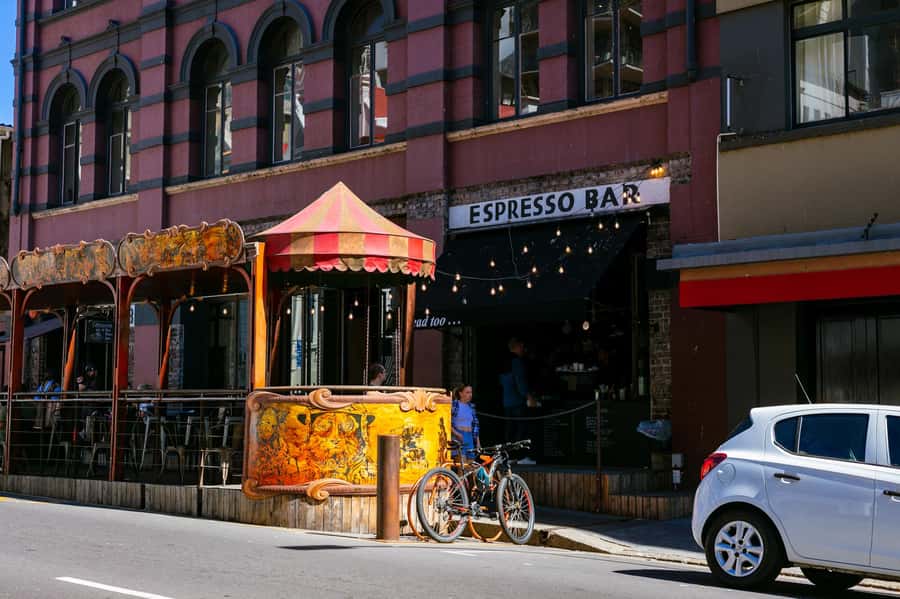
The meeting point is Truth Coffee Roasting, a useful and memorable place to begin. The tour itself starts outside, so you should not assume coffee is included, but arriving early gives you the chance to order one before the walk.
The meeting instructions are simple: your guide waits at the side entrance wearing a black and white golf shirt with a name badge. Look for that rather than waiting inside the cafe.
Truth Coffee sets an informal tone. You begin in a working part of central Cape Town, with the smell of coffee and the city already moving around you. From there, the route shifts quickly toward difficult questions about who was allowed to live in the center and who was pushed out.
If your guide is delayed, communication has been handled by WhatsApp on some departures. Still, arrive on time and keep the contact details from your booking handy.
District Six and the cost of forced removal

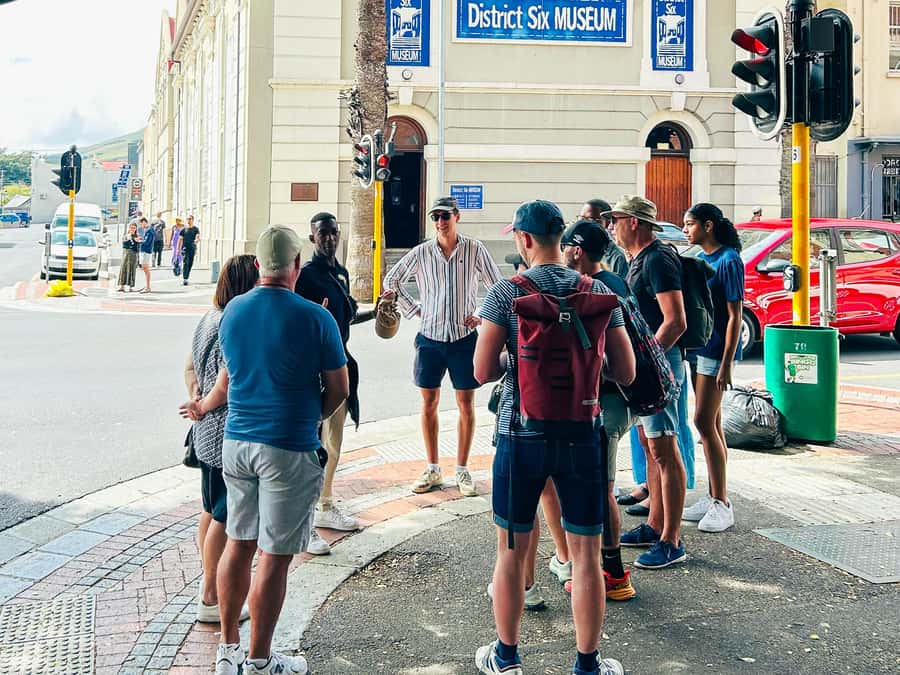
District Six is one of the most important stops because it gives the tour an emotional and political center. This was once a lively, mixed community close to central Cape Town. Under apartheid, residents were forcibly removed and the neighborhood was largely cleared.
The walk includes a guided explanation and a photo stop connected with the District Six Museum area, though the museum admission itself is not included. You should treat this section as an introduction, not a full museum visit.
What makes the stop valuable is the link between geography and policy. You are not only hearing that forced removals happened. You are seeing where an urban community once lived and how those decisions reshaped Cape Town.
The subject can be heavy, and the short tour cannot cover every detail. If District Six is a major interest, plan separate time for the museum and allow this walk to provide the setting.
Grand Parade and Cape Town’s public stage
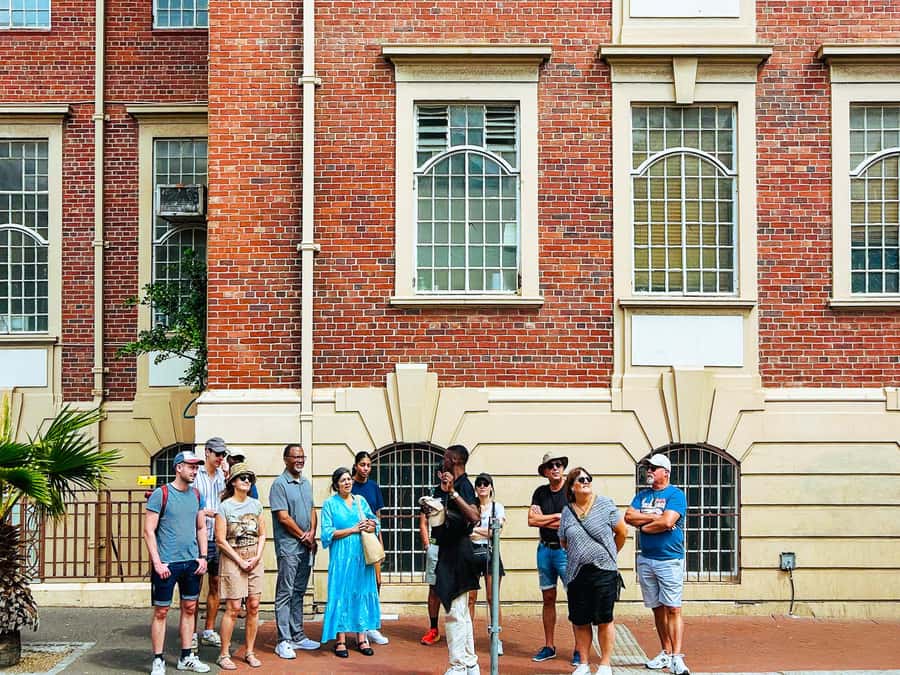
The Grand Parade is a brief stop, listed at about five minutes, but it connects several strands of Cape Town’s public life. The guide covers the square as a place of civic gatherings and major events, with time for photos and orientation.
This is a good example of how the tour uses open spaces. Rather than treating the parade ground as an empty patch between buildings, the guide explains how public squares can hold political, military, and community meaning.
Do not expect a long visit here. The value comes from the explanation and the way it leads you onward to the buildings around the city center.
A few more Cape Town trips to weigh up
- Cape Town: Nathi Langa Township Walking Tour
★ 4.9 · 493 reviews - Cape Town: Art, Culture & History Walking Tour
★ 4.9 · 392 reviews - Cape Town: Street Art Walking Tour in Woodstock
★ 4.8 · 293 reviews - Cape Town: Langa Township Walking Tour
★ 4.8 · 272 reviews
Iziko Slave Lodge and the history of slavery
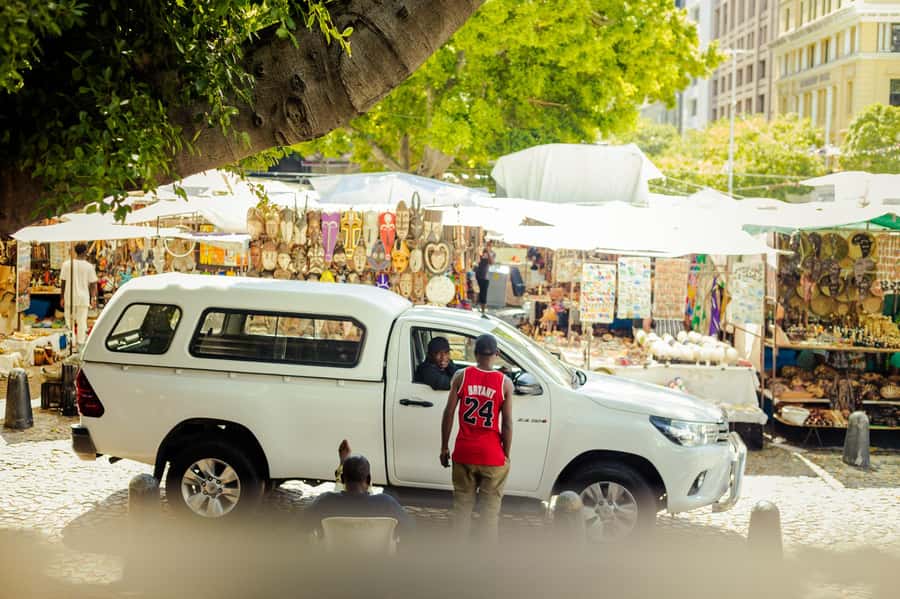
The Slave Lodge offers one of the walk’s most direct reminders of Cape Town’s painful past. The site is linked to the people who were brought to the Cape as enslaved workers, and it helps explain a part of South African history that can be missed if you focus only on scenery and famous personalities.
The guide provides context and a photo stop, but entry fees are not included. You pass by the building rather than spending a full museum session inside, so consider returning later if you want exhibitions and more time with the subject.
I value this stop because it broadens the story of Cape Town. The city’s identity was shaped not only by European settlement and apartheid, but also by the forced movement of people and the cultures that developed at the Cape.
St. George’s Cathedral and the role of faith
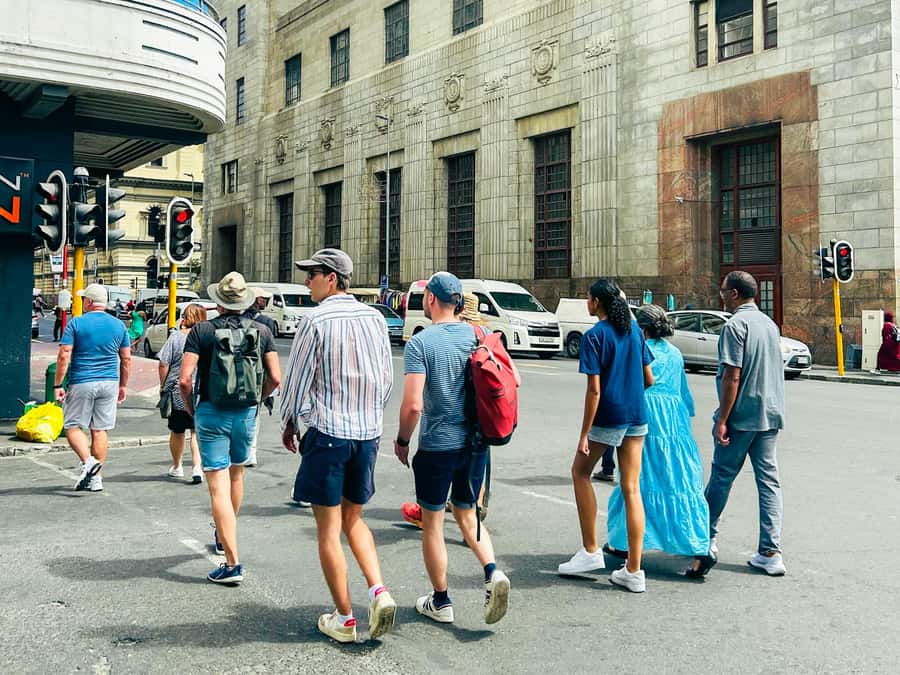
At St. George’s Cathedral, the tour turns toward religion, public morality, and resistance. The cathedral is associated with Desmond Tutu, and the guide may connect the building to wider stories about South Africa’s struggle and its leaders.
The visit is short, about five minutes, so you will not have time to inspect every architectural detail. The stop works best as part of the wider narrative, showing how churches and religious figures could become important voices during political crisis.
Some departures have also included a look inside the Central Methodist Church. Since the exact access can depend on the day, think of this as a possible added moment rather than a guaranteed feature.
Greenmarket Square in about 10 minutes

Greenmarket Square brings a change of mood. Here, you get about 10 minutes to see local crafts, browse stalls, take photos, and watch the movement of the city.
This is a practical stop as well as a cultural one. You can get a feel for the kinds of souvenirs sold in the center, though personal purchases are your responsibility and shopping time is limited.
Keep your expectations sensible. Ten minutes is enough for a quick look, not a relaxed market session. If you see something you want, note the location and return after the tour.
The square also helps you see how old Cape Town and present-day commerce overlap. The walk does not treat culture as something confined to museums. It points you toward places where people work, sell, meet, and negotiate daily life.
Long Street and the collision of old and new
Long Street is a short walking section, listed at about two minutes, but it adds street-level character to the route. The guide points out how older buildings, shops, restaurants, and newer city life sit close together.
This is less a stop than a connector, so you should not expect a long architectural tour. Its role is to show the changing face of central Cape Town and move you toward Bo-Kaap.
I like this part because it keeps the walk from becoming a chain of formal monuments. You spend time on ordinary city streets, where the contrast between history and current life is easier to see.
Arriving in Bo-Kaap
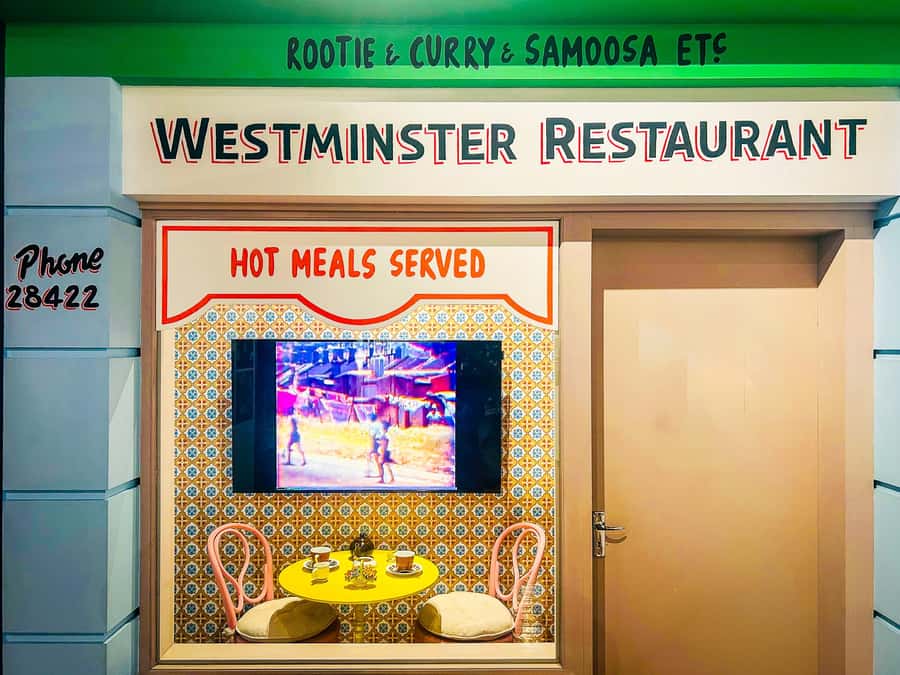
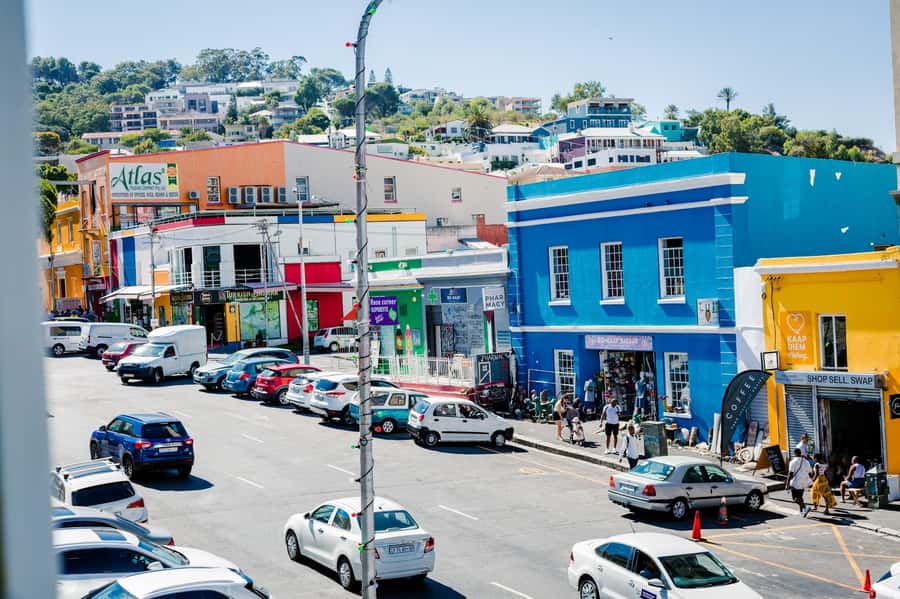
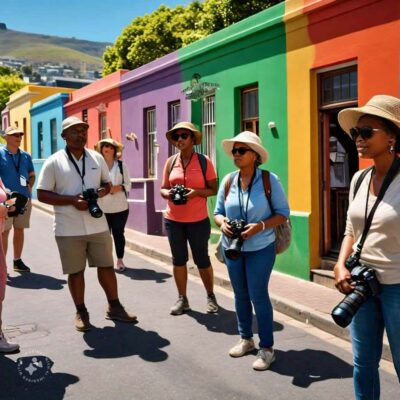
Bo-Kaap is the visual payoff, but it is much more than a backdrop for photos. The neighborhood is tied to Cape Malay identity, Islam, migration, family life, and the long development of Cape Town’s communities.
The tour allows about 15 minutes here for sightseeing, photographs, walking, and shopping. The pastel-painted houses make excellent pictures, but your guide should also explain why the area matters and why reducing it to colorful walls would miss the point.
This is where the tour’s themes come together. Earlier stops explain displacement, slavery, public power, and faith. Bo-Kaap shows how culture and identity endure, change, and remain visible in the city.
You finish here rather than returning to Truth Coffee. That is convenient if you want to continue exploring Bo-Kaap, but you need to arrange your own way back to your accommodation or the next stop.
How much walking and what to bring
The tour lasts two hours and is described as an easy walk by several past participants, but it still covers a lot of ground. Cape Town’s sun can be strong, and one departure covered the route in hot conditions.
Wear comfortable shoes and bring water, sunscreen, sunglasses, and a sun hat. A camera is worthwhile in Bo-Kaap. Rain gear is sensible because weather can change, and you should carry personal medication, plus hand sanitizer or tissues.
There is a complimentary snack. The exact treat can vary, but koesisters have been served at the end. These sweet, spiced Cape Malay pastries are a fitting finish to a route that ends in Bo-Kaap.
Lunch is not included, and neither are extra drinks, souvenirs, transport to the meeting point, or entry fees. Plan food separately rather than expecting the snack to replace a meal.
The walk is wheelchair accessible. The information provided says it is not suitable for people over 95 years old, and the route remains an outdoor city walk, so anyone needing a slower pace should discuss that when booking.
What $40 gets you
At $40 per person, this is not the cheapest way to see a few buildings, but the price is reasonable if you want interpretation rather than a self-guided stroll. You receive a local guide, a planned route through several historically important areas, Bo-Kaap access, and a small food treat.
The value rises if you take the tour early in your stay. A good guide can help you understand where to return, which museums deserve more time, and how the central neighborhoods fit together.
The value is lower if you want admission-based sightseeing. The Slave Lodge and District Six Museum are not included, and several stops are brief. You are paying mainly for the guide’s explanations, local perspective, and the structure of the walk.
The tour has a 4.8 rating from 161 reviews, with repeated praise for the guides’ preparation, communication, warmth, and ability to explain complex South African history in clear English. One useful criticism is that the walk can lean heavily toward history, with less attention to nature, scenery, and practical city tips.
Who should book this Cape Town walking tour?
I would recommend it to first-time visitors, history-minded people, and anyone who wants help understanding Cape Town before exploring independently. It also suits solo visitors and couples who prefer conversation over a large, scripted group experience.
Families with older children may find the route useful, though the subjects around slavery, apartheid, and displacement require mature attention. The guide’s flexible style helps if your group has many questions.
This is not the best match for you if your main goal is Table Mountain views, coastal scenery, food tasting, or long museum visits. It is also not a complete Bo-Kaap food tour. The neighborhood is the finish, but the walk is built around the whole city center.
Language support is unusually broad for a short city walk. Live guiding is available in English, Zulu, Xhosa, and Afrikaans, depending on the guide and booking.
You can cancel up to 24 hours before the start for a full refund, and the reserve-now-pay-later option lets you hold a place without paying immediately. Check available starting times because the tour is fixed at two hours.
Should you book it?
Book this tour if you want Cape Town explained through its people, conflicts, buildings, and neighborhoods. The route is efficient, the price is fair for a guide-led introduction, and the finish in Bo-Kaap gives you both strong photographs and useful cultural context.
I would book it near the start of a Cape Town trip, arrive early enough to enjoy Truth Coffee, and plan a separate museum visit afterward if District Six or slavery is especially important to you. Skip it only if you want scenery or extensive indoor sightseeing more than history and conversation.
FAQ
How long is the Cape Town Walking Tour?
The tour lasts two hours.
How much does the tour cost?
The price is $40 per person.
Where does the tour start?
It starts at Truth Coffee Roasting in Cape Town.
Where does the tour finish?
The tour finishes in Bo-Kaap.
Which languages are available?
Live guiding is available in English, Zulu, Xhosa, and Afrikaans.
Is the tour wheelchair accessible?
Yes, the activity is listed as wheelchair accessible.
Are museum entry fees included?
No. Entry fees are not included.
What is included in the tour?
The price includes a guided walk through Cape Town’s history and culture, visits to Bo-Kaap and other key landmarks, an expert local guide, and a complimentary snack.
Just added around Cape Town
- Lion’s Head Hike: Cape Town – Sunrise or Sunset Hike★ 5.0 · 29 reviews
- Lion’s Head Sunrise or Sunset Hike + Hotel Pick-Up★ 5.0 · 24 reviews
- Lion’s Head: Hike with a registered hiking guide★ 5.0 · 3 reviews
- Kruger National Park 3 Days Best Ever Safari from Cape Town★ 4.1 · 11 reviews
- Koeksister and Samoosa Class by the Malay Cook Up★ 4.8 · 9 reviews
- Kirstenbosch Garden, Bo-Kaap-Penguins & Cape Peninsula Tour★ 3.9 · 7 reviews
- Khayelitsha: 3-Hour Township Walking Tour★ 5.0 · 6 reviews
- Cape Town: Constantia Half-Day Wine Tour & Tastings★ 4.9 · 15 reviews
Bo-Kaap Tours, compared.




Full-Day Kirstenbosch, Bo-Kaap, and Penguins Tour
Read our review →
Kirstenbosch Garden, Bo-Kaap-Penguins & Cape Peninsula Tour
Read our review →
Browse the lists this tour appears in