
Reviewed · APARTHEID MUSEUM TOURS
Half Day Apartheid Museum Tour
Johannesburg’s Apartheid Museum is not a quick stop for a few photographs. It is a serious, carefully arranged account of how apartheid shaped South Africa, and a visit here can change the way you understand the country. The museum’s chronological layout and personal stories make the past feel immediate rather than distant.
I like that this tour gives you three hours inside the museum, enough time to move beyond a rushed look. I also like the practical side: pickup, an air-conditioned vehicle, WiFi, and admission are included. The main drawback is that the museum can be emotionally heavy, and a maximum group size of 50 means the experience may not always feel as personal as a private visit.
Key points to know
- Three hours at the Apartheid Museum: Enough time for a serious look at the main displays without trying to cover Johannesburg’s other sights.
- Guides add needed context: Guides including Gordon, Junior, Tshepo, and Thabo have been praised for clear explanations and personal storytelling.
- Pickup keeps the day simple: Transport is included, which matters in a large city where museum access can otherwise take planning.
- A powerful, emotional visit: Expect difficult material, painful memories, and a thoughtful account of South Africa’s past.
- Admission is included: You do not need to arrange a separate museum ticket.
- A half-day commitment: The full outing lasts about five hours, with lunch and personal purchases left to you.
Why this museum matters in Johannesburg
If you want to understand modern South Africa, this is one of the most useful places to begin. The Apartheid Museum opened in 2001 and focuses on twentieth-century South Africa, with apartheid at its center. It explains the system not as an isolated political idea, but as a force that affected identity, movement, family life, work, and daily choices.
That distinction matters. You can read a short account of apartheid and understand the basic dates, but the museum is built to show how those policies affected real people. The displays, photographs, objects, stories, and layout work together to show how the system was imposed and how it was challenged.
The building itself contributes to the experience. The design and architecture help guide you through the story, and the route is arranged chronologically. That makes it easier to follow the changes over time, especially if you are new to South African history.
I would not treat this as a light introduction before lunch. The material includes oppression, trauma, and painful memories. The point is not to entertain you. The point is to help you understand what apartheid meant to the people who lived under it, and how South Africa has faced that past.
More Apartheid Museum Tours in Johannesburg
- Soweto /Johannesburg and Apartheid Museum Guided Full Day Tour
★ 5.0 · 932 reviews - Jo’berg in 1 Day: Soweto, Apartheid Museum & City Tour
★ 4.8 · 524 reviews - Johannesburg: Full-Day Tour with Soweto and Apartheid Museum
★ 4.8 · 478 reviews
The opening hour: finding your way into the story
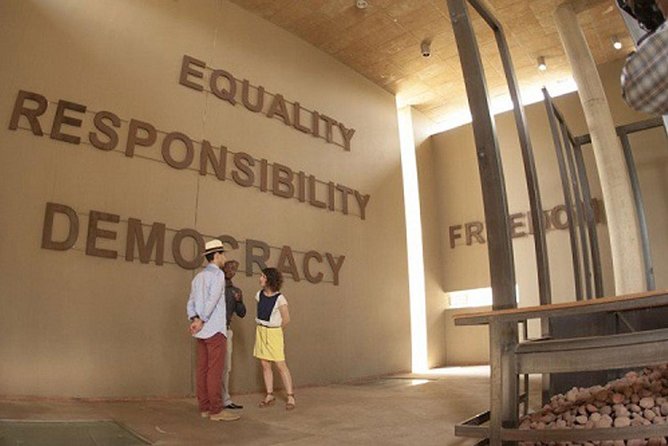
The museum experience begins with a strong sense of separation and classification. One detail repeatedly noted by people who have taken the tour is the way the museum categorizes people, an important reference to the racial classifications that shaped life under apartheid.
That design choice is useful because it makes an abstract system physical. Instead of hearing only that people were classified by race, you see how that identity was imposed and used. The museum’s route then helps connect classification with the wider structure of apartheid.
Your guide’s role matters most at this stage. The subject is complex, and a clear explanation can prevent the displays from becoming a pile of dates and unfamiliar names. Guides such as Gordon, Junior, Tshepo, and others associated with MoAfrika have been praised for making the information easier to follow.
You may also hear personal or local perspectives. One guide described in the tour feedback was born and raised in Soweto, and that kind of connection can add a human layer to the visit. It does not replace the museum’s historical material, but it can help you connect the national story with Johannesburg itself.
Allow yourself time to pause. This is not a museum where you gain much by hurrying from one panel to the next. The best use of the first hour is to understand the framework, ask questions, and let the guide explain the terms that shape the rest of the visit.
The middle galleries: policy becomes daily life
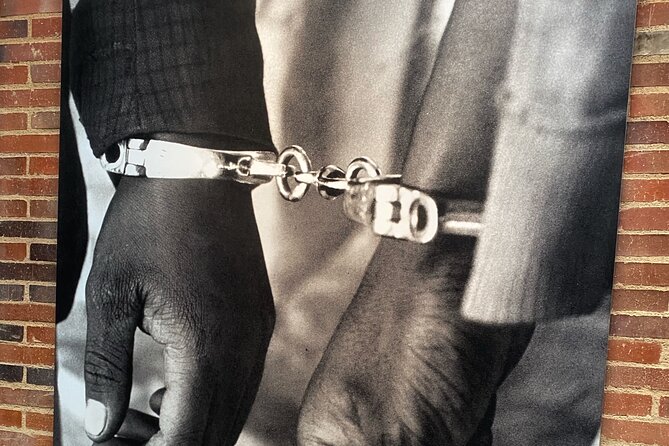
As you move through the museum, apartheid becomes less like a political chapter and more like a system that reached into ordinary life. The museum shows how South Africa’s past affected people and communities, and the chronological arrangement helps you see how one stage led to another.
This is where a guide can save you from information overload. The museum contains a great deal to absorb, and a person who can explain what matters most will help you keep the main thread. Several guides have been praised for answering questions, adding detail, and making difficult information engaging without turning it into a lecture.
I like this guided format for first-time visitors. You can always return to a display after the guide has explained its context. Without that help, it would be easy to spend too long on one section or miss why a particular object, image, or story is important.
The tradeoff is that a guide-led visit gives you less control over your pace. If you prefer to read every caption slowly, three hours may feel tight. If you want a clear foundation and a sensible route through the main story, the guided approach is more efficient.
The group limit is listed as 50 people. That is not the same as a private tour, and the atmosphere will depend on the group assigned to your departure. Some feedback describes a small group, while another account describes a large group whose guide still managed to keep the explanations useful. I would expect a shared experience rather than a quiet, one-to-one museum lesson.
The final galleries: resistance, change, and memory
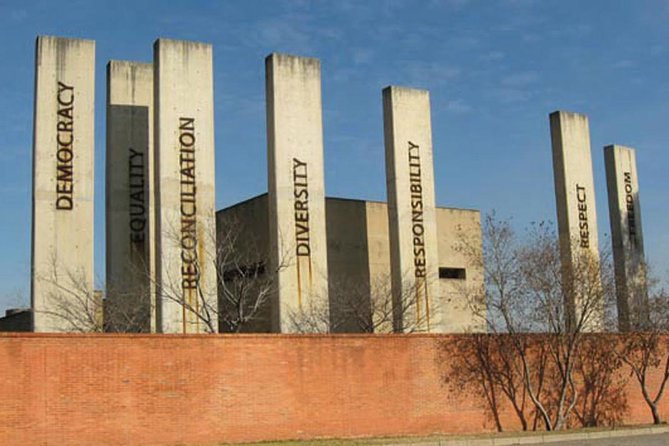
The later part of the museum deals with the struggle against apartheid and the way the system came to an end. This section gives the visit its wider purpose. You are not only looking back at injustice. You are also considering how a country remembers, explains, and responds to that injustice.
The museum presents apartheid as a process with consequences, not simply a period that began and ended on two dates. The final sections connect the oppressive past with South Africa’s continuing effort to come to terms with it. That is why the museum is often described as a place of hope as well as pain.
I find this balance important. A museum about apartheid could leave you with only anger or sadness. Here, the larger story includes resistance, change, and the work of remembering. You may leave without easy answers, but you should leave with a clearer sense of how the past still matters.
This part can be especially moving if you are visiting with family or friends. One guide-led visit was described as an important way to share the country’s history across generations. I think that is a good use of the museum, provided everyone understands that the subject is intense.
Same country, a completely different kind of day:
- From Johannesburg: Pilanesberg Nature Reserve Game Safari
★ 4.8 · 1,327 reviews - Johannesburg: Hop-On Hop-Off Bus with Optional Soweto Tour
★ 4.6 · 985 reviews - Johannesburg Hop-On Hop-Off City Tour with Soweto Option
★ 4.5 · 768 reviews - Full Day Ultimate Pilanesberg National Park Safari from Johannesburg or Pretoria
★ 4.5 · 718 reviews
What the guide adds to a three-hour museum visit
The guide is the feature that most affects the value of this tour. The museum itself is the main attraction, but a good guide helps you understand the order of events, the meaning of the displays, and the human cost behind the official terms.
The strongest descriptions of the experience focus on storytelling. Gordon was praised for presenting information in a way that held attention. Junior was praised for keeping the visit well paced. Tshepo was described as polite and attentive when guiding an individual participant. Other guides, including Thabo, have also been associated with helpful transport and a friendly approach.
Do not assume that every departure will have one particular guide. The assigned person can vary, but the examples show the kind of help you can expect: explanations in each section, answers to questions, and a clearer path through a complicated subject.
A guide can also help you handle emotional moments. The museum has displays and stories that may bring tears or leave you quiet for a while. A guide who knows when to explain and when to give you space makes a real difference.
The humor mentioned in one account should not be misunderstood. It does not make the subject silly. A warm, approachable guide can help you stay engaged during a long and difficult visit, especially when the material becomes dense.
Transport, timing, and what the five hours really means
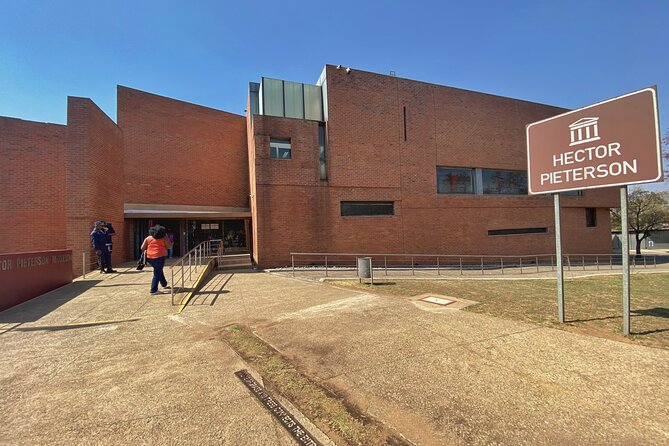
The full experience lasts about five hours, while the museum portion is listed at three hours. The remaining time allows for pickup, driving, arrival, and the practical movements around the visit. Exact travel time will depend on where you are staying and on Johannesburg traffic.
Pickup is offered, which is a useful advantage. Johannesburg is spread out, and arranging your own route can take more effort than expected. An air-conditioned vehicle is also welcome, particularly when you want to arrive at the museum settled and ready to concentrate.
WiFi is available on board. That is a small feature, but useful if you need to check plans during the transfer or stay connected between stops. There is no lunch included, so plan to eat before or after the tour rather than expecting a meal during the outing.
The half-day format suits a busy Johannesburg schedule. You can spend the morning or afternoon on the museum without giving up an entire day. On the other hand, three hours inside a museum this serious may feel short if you read every display in full.
I would keep the rest of your day flexible. The visit may finish on schedule, but the subject can take some time to process. A packed itinerary immediately afterward could feel poorly matched to the mood of the museum.
Is $77.92 a fair price?
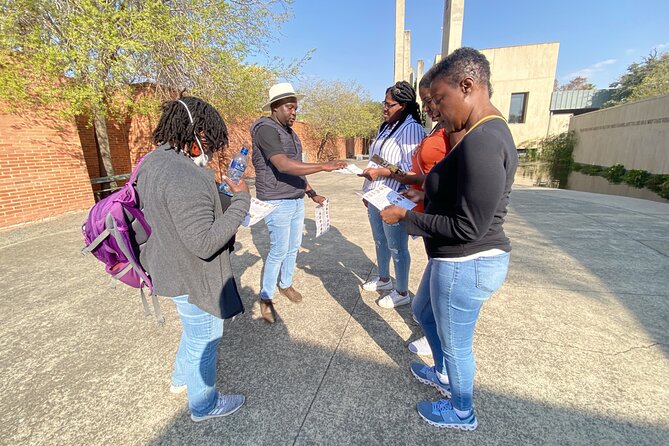
At $77.92 per person, this is not the cheapest way to visit a museum. The price makes more sense when you consider what is bundled: pickup, return transport arrangements, an air-conditioned vehicle, onboard WiFi, and admission to the Apartheid Museum.
You are also paying for guidance through a subject that can be difficult to understand alone. If you already have a strong background in South African history and are staying close to the museum, you may prefer to arrange your own visit. In that case, the added value of transport and a guide may be less important.
For most first-time visitors to Johannesburg, I think the price is reasonable if the pickup location is convenient and the guide is a priority. You avoid the work of reaching the museum on your own, and you gain someone who can explain the displays as you go.
The value is strongest for people with limited time. A five-hour outing gives you a focused museum visit without requiring you to plan transport, tickets, and a separate guide. Group discounts may also help if you are booking for several people.
The price does not include lunch or personal purchases. Those are small extras, but they are worth remembering when you are setting your day’s budget.
Who should book this experience?
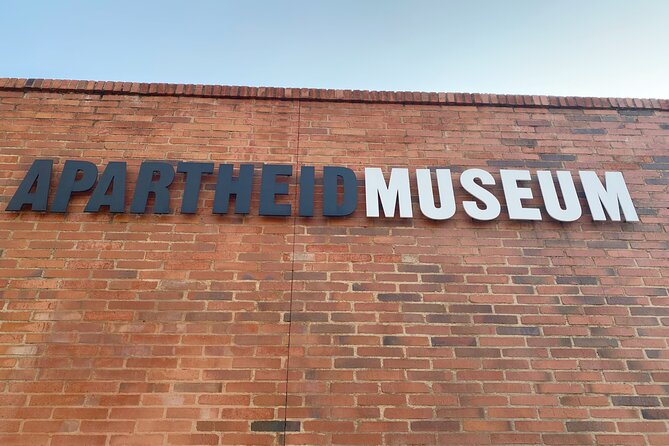
I would recommend this tour to a first-time visitor who wants a clear introduction to apartheid and prefers not to manage Johannesburg transport alone. It also suits families, overseas visitors, and anyone who wants a guide to explain difficult material in plain language.
It can be a good choice for someone who has lived through the apartheid era as well. One account describes learning new details and gaining a different perspective despite having personal experience of that time. The museum and guide can add context that individual memory cannot always provide.
The tour also suits people who want to include the museum in a busy schedule. Since the outing lasts about five hours, it leaves room for other plans on the same day, although I would avoid placing a demanding activity right after it.
You may want a self-guided visit instead if you need complete control over your pace. The museum contains a lot of information, and some people will want longer than three hours to read, reflect, and return to displays.
The subject may also be too heavy for very young children, though the provided information says most people can participate. Use your own judgment based on the age and temperament of the people in your group.
The museum is wheelchair accessible, which makes the visit possible for people who need that accommodation. It is still sensible to confirm your specific transport needs when booking.
Practical booking advice before you go
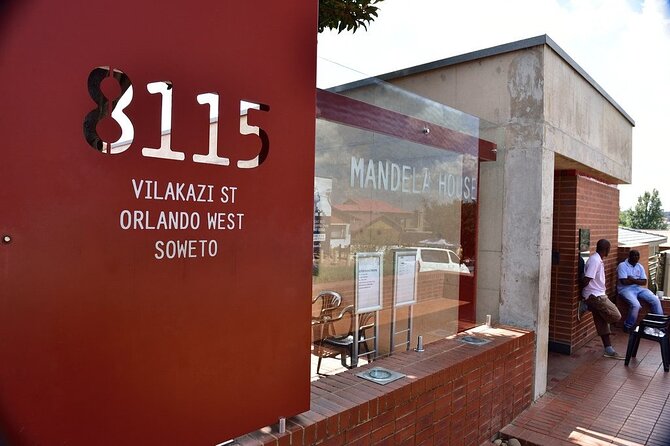
Confirmation is provided at the time of booking, and the tour accepts mobile tickets. Keep the ticket available on your phone so you do not need to print anything.
The tour can be canceled for a full refund if you cancel at least 24 hours before the start time. Cancellations within 24 hours are not refunded, and changes during that period are not accepted. The cut-off follows local Johannesburg time.
This experience is often booked well ahead, with an average booking lead time of about 58 days. That does not guarantee that every date will sell out, but it is a useful reason to plan early if your Johannesburg dates are fixed.
Most people can participate, and the maximum group size is 50. If you want the best chance of a quieter, more personal visit, booking early may help, though the exact group size on your date is not promised.
Should you book the Half Day Apartheid Museum Tour?
Book it if you want more than a quick museum stop. The included pickup and admission make the day simple, while the guide helps you follow a complex subject without getting lost in names, dates, and political terms.
I especially recommend it for a first visit to Johannesburg, an overseas family member, or anyone who wants a thoughtful introduction to South Africa’s recent past. Go knowing that the museum is painful as well as educational. If you prefer to explore at your own speed and already know the subject well, a self-guided visit may offer better value.
For everyone else, this is a focused and worthwhile half-day. The Apartheid Museum gives the visit its force, and the guide gives you a clearer way to understand it.
FAQ
How long does the Half Day Apartheid Museum Tour last?
The experience lasts approximately five hours. About three hours are allocated to the Apartheid Museum, with the remaining time covering transport and tour arrangements.
Is admission to the Apartheid Museum included?
Yes. The museum admission ticket is included in the tour price.
Is hotel pickup available?
Pickup is offered as part of the experience. The supplied information does not specify every pickup location.
What transport is provided?
The tour includes an air-conditioned vehicle. WiFi is also available on board.
Is lunch included?
No. Lunch is not included, so you need to arrange your own meal before or after the experience.
Is the tour suitable for most people?
Yes. Most people can participate. The museum is also wheelchair accessible.
How many people can join the tour?
The maximum group size is 50 people. The actual group may be smaller.
How much does the tour cost?
The listed price is $77.92 per person. Group discounts are offered.
Can I cancel for a full refund?
Yes, if you cancel at least 24 hours before the experience start time. Cancellations or changes made within 24 hours are not refunded.
More Museums in Johannesburg
- Full-Day Soweto, Apartheid Museum and Lunch Tour
★ 5.0 · 410 reviews - Half Guided Day Tour of Soweto And Apartheid Museum
★ 5.0 · 356 reviews - Ultimate Johannesburg Soweto Experience with Apartheid Museum
★ 5.0 · 313 reviews - Soweto: Hop-On Hop-Off Bus, City Tour and Apartheid Museum
★ 4.5 · 250 reviews
Just added around Johannesburg
- Private Soweto Tour 5 hours approximately from Johannesburg or Pretoria.★ 4.5 · 9 reviews
- bicycle tour soweto★ 4.5 · 20 reviews
- Taste of Africa★ 5.0 · 9 reviews
- Two day Kruger National Park Safari from Johannesburg★ 5.0 · 19 reviews
- Airport & Private Shuttle and Transfer Services in Johannesburg★ 5.0 · 9 reviews
- Pilanesberg National Park Safari, BIG 5 Full Day★ 5.0 · 4 reviews
- Full-day Johannesburg Bike Or Walking tour – With Transport★ 5.0 · 10 reviews
- Sun City Day Tour From Johannesburg★ 4.5 · 6 reviews
Apartheid Museum Tours, compared.

Soweto /Johannesburg and Apartheid Museum Guided Full Day Tour
Read our review →
Jo’berg in 1 Day: Soweto, Apartheid Museum & City Tour
Read our review →
Full-Day Tour with Soweto and Apartheid Museum
Read our review →
Full-Day Soweto, Apartheid Museum and Lunch Tour
Read our review →
Half Guided Day Tour of Soweto And Apartheid Museum
Read our review →
Ultimate Johannesburg Soweto Experience with Apartheid Museum
Read our review →
Hop-On Hop-Off Bus, City Tour and Apartheid Museum
Read our review →Johannesburg Full-Day Tour(Soweto/Jo-Burg & Apartheid Museum)
Read our review →Browse the lists this tour appears in