
Reviewed · STREET ART
Cape Town: Inspiring sustainable change through Street Art
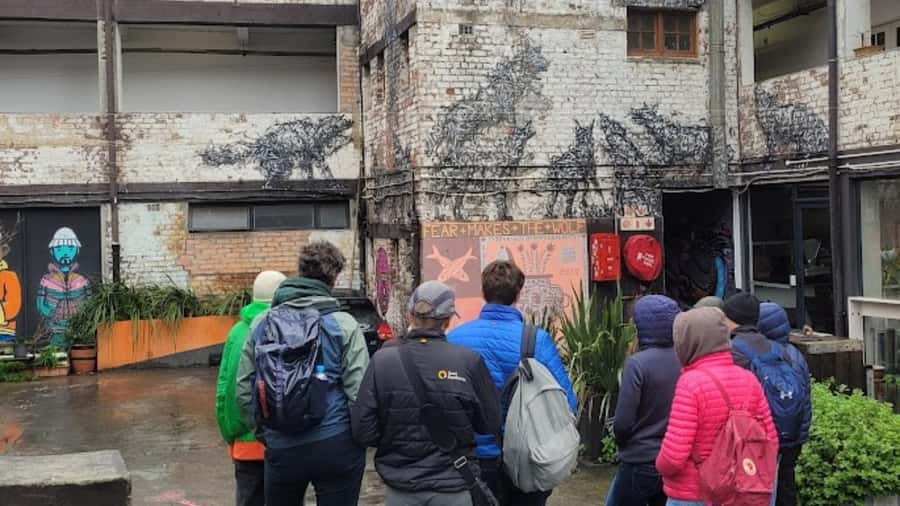
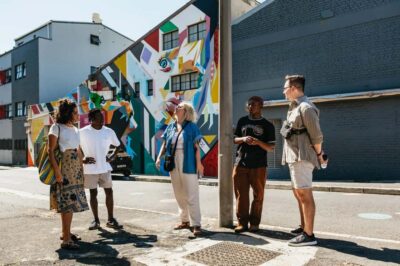
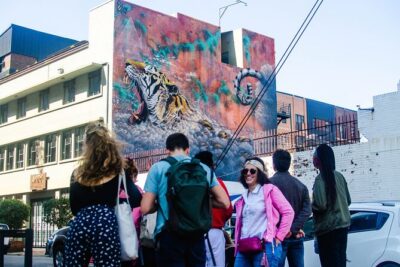
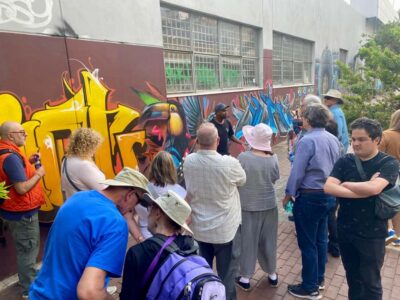
Cape Town’s best street art is not kept behind museum glass. It spreads across the walls of Woodstock and Salt River, where murals, small galleries, and local creative spaces tell stories about identity, change, and daily life. I like the direct contact with neighborhood culture, and I like that the guide explains both the message and the method behind each piece. The main consideration is simple: this is a walking tour, so comfortable shoes and clothes matter.
I also appreciate the human touch. Gail handles pickup and provides bottled water, while Dauriq leads the walk through the artworks. The tour is in English, lasts 150 minutes, and costs $48 per person. Food, drinks, and souvenirs are extra, so the price makes the most sense if you want focused local insight rather than a general sightseeing outing.
Key points to know before you book
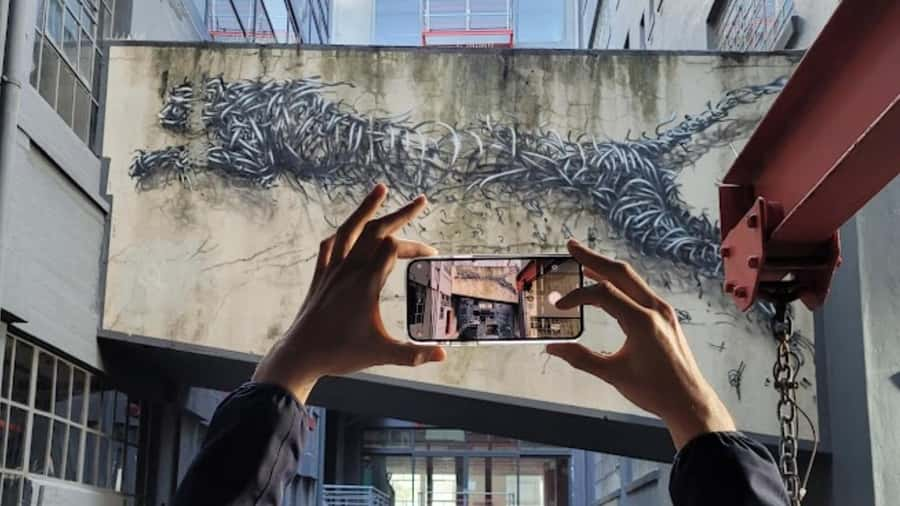
- Woodstock and Salt River walls: See public murals and street art in two of Cape Town’s creative neighborhoods.
- Dauriq’s guided explanations: Learn about artists, materials, techniques, and the ideas behind the work.
- Gail’s pickup service: Meet at your accommodation reception for the included transfer to the walking area.
- A people-first experience: Meet locals and learn how public art connects with neighborhood life.
- 150 minutes on foot: Plan for a substantial walk, with comfortable shoes and sun protection.
- Flexible booking: You can cancel up to 24 hours before the start for a full refund and reserve now while paying later.
Why Woodstock and Salt River make a strong street art setting
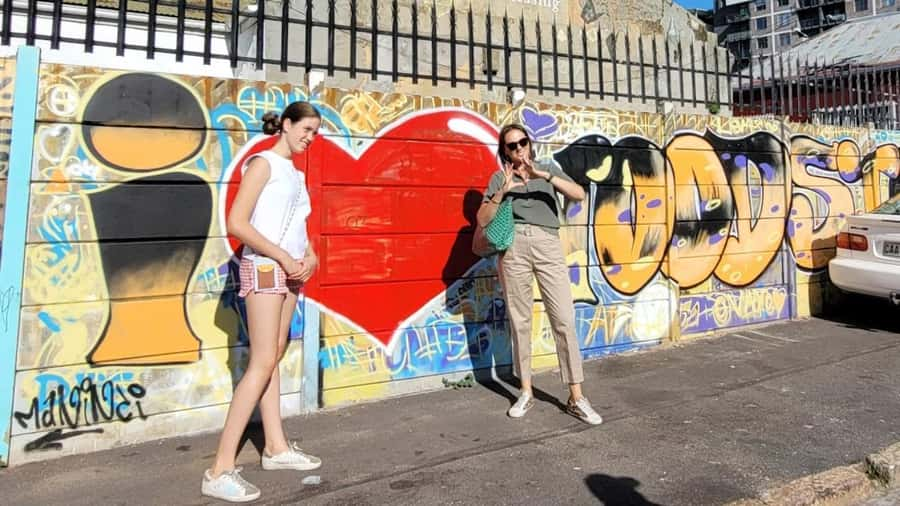
Woodstock and Salt River give you a different view of Cape Town. Instead of moving from one famous landmark to the next, you spend time looking closely at walls, side streets, galleries, and the creative work that fills them.
The artwork here is not presented as decoration alone. Your guide explains who made each piece, what the artist was trying to say, and how the work was produced. That context matters. A large mural can look striking in a photograph, but the story behind its symbols, colors, or placement often gives it much more weight.
I like this kind of tour because it helps you read a neighborhood rather than simply pass through it. Public art can speak about community, belonging, social issues, and change. The experience is designed to show how art can affect the way people see their own streets.
You should also keep your expectations realistic. This is not a formal museum visit with labeled rooms and a fixed display. Street art changes. Pieces may weather, be painted over, or appear alongside ordinary homes and businesses. That unpredictability is part of the subject, but it means the experience is less polished than a gallery tour.
A few more Cape Town trips to weigh up
- Cape Town: Street Art Walking Tour in Woodstock
★ 4.8 · 293 reviews - Cape Town Woodstock Street Art Walking Tour
★ 4.5 · 77 reviews - Cape Town: Woodstock Street Art & Culture Tour
★ 5.0 · 64 reviews
Starting with pickup and the transfer
The day begins with pickup at your reception, followed by a transfer to the walking area. This is useful if you are unfamiliar with Woodstock and Salt River or would rather not work out local transport before the tour.
Gail provides a fresh bottle of water during pickup, a small detail that matters on a sunny walking day. The included transfer also keeps the experience tidy: you arrive at the neighborhood with your guide and begin the art walk without spending time navigating there yourself.
The meeting arrangement is straightforward. You meet at the reception, so make sure the property knows to expect the pickup and allow a little time before the scheduled start. The exact starting time depends on availability when you book.
There is one practical limitation. The information provided does not specify the transfer duration, vehicle type, or group size. If those details affect your plans, ask before booking. The tour is wheelchair accessible, but you may also want to confirm the exact walking route and surface conditions for your needs.
Walking through Woodstock’s painted walls
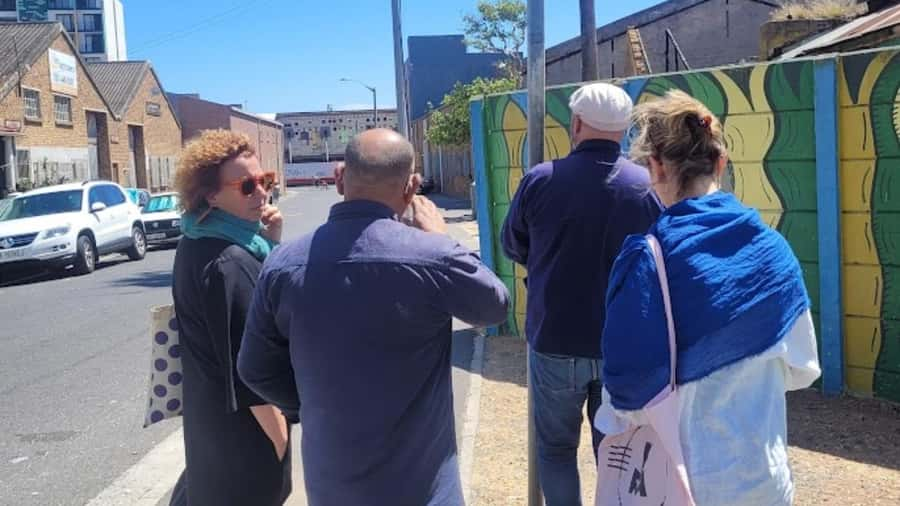
Woodstock is the main setting for the art walk, with Salt River also included in the neighborhood route. Here you can expect a close look at murals and other public works rather than a quick drive-by view.
Your guide’s role is important. Dauriq explains the artists behind the pieces, the messages they are sharing, and the techniques used to place the work on the wall. That can include discussion of style, color, scale, and the practical choices that shape a mural, though the precise content will depend on the works present during your visit.
I like that the tour treats local artists as more than names attached to attractive pictures. You get a sense of the creative subcultures around the work and how public art can help change the feel of a street. The guide also connects individual pieces to their surroundings, giving you a better reason to pause instead of simply taking a photograph and moving on.
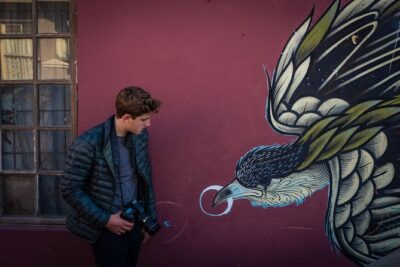
Bring your camera, but use it thoughtfully. The guidance for this walk is clear: ask people before photographing them. The murals are public, but the people living and working nearby still deserve privacy. That simple habit helps keep the visit respectful.
Salt River and the people behind the art
The Salt River portion adds another layer to the walk. The experience is not limited to finding painted walls. You also meet locals and learn about the wider creative scene in the area.
That people-focused element makes the tour more than a checklist of murals. You may find that a conversation, a local perspective, or a glimpse of a working creative space stays with you longer than a single image. The tour presents the neighborhoods as active places where people live and work, not as an outdoor gallery built only for visitors.
At the same time, do not expect every interaction to be staged or guaranteed. The description promises opportunities to meet locals and explore creative subcultures, but it does not name specific studios, residents, or artists who will be present. The value comes from the guide’s access and explanations, not from a fixed meet-and-greet schedule.
This is also where the theme of sustainable change comes through. The experience shows how public art can influence a community and alter how a place is understood. It does not turn that idea into a lecture. Instead, you encounter it through the relationship between the art, the street, and the people around it.
Same country, a completely different kind of day:
- Wine Tour: Paarl, Franschhoek & Stellenbosch incl 3 wineries
★ 5.0 · 3,940 reviews - Cape Town: Hop-On Hop-Off Bus Tour with Optional Cruise
★ 4.8 · 3,929 reviews - Cape Town: Cape of Good Hope & Penguins Day Tour with Pickup
★ 4.7 · 3,362 reviews - Zipline Cape Town – From Foot of Table Mountain Reserve
★ 5.0 · 3,179 reviews
How Dauriq’s guiding shapes the experience
A street art walk rises or falls on the guide. Without explanation, you can see color and scale, but you may miss the politics, humor, technique, or local meaning.
Dauriq leads the walking portion and explains the unique pieces found around Woodstock. He also takes care with the pace and the people on the walk. That combination is useful because street art tours involve two kinds of attention: looking at walls and staying aware of the neighborhood around you.
I would choose this experience for anyone who prefers interpretation over a simple photo stop. You can ask questions as you go and gain a clearer sense of how artists use public space. The tour is especially suited to visitors interested in contemporary art, urban culture, photography, or the way communities express themselves.
The tour is conducted in English. If you need another language, this experience will not meet that need based on the information available.
What the 150-minute format gives you
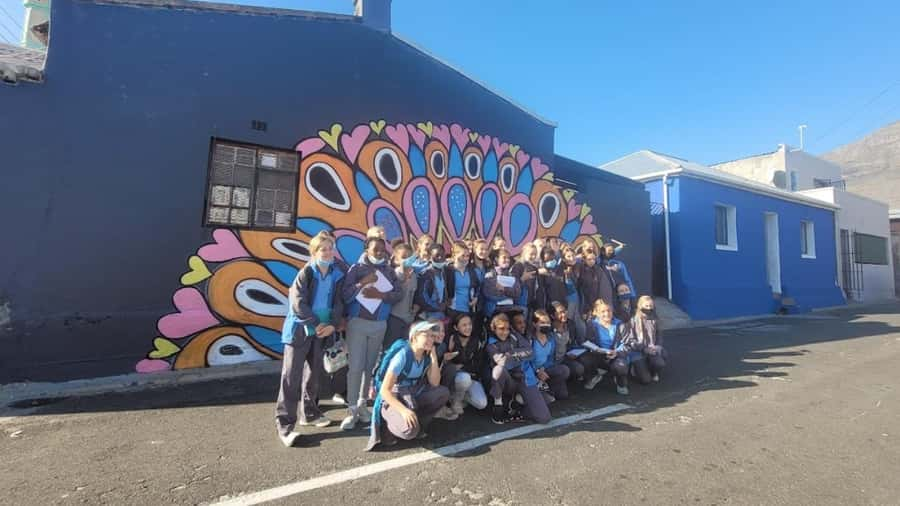
Two and a half hours is a useful middle ground. It is long enough to move beyond a few headline murals, but short enough to fit into a busy Cape Town schedule.
The time includes the walking tour itself, with the transfer included as part of the experience. The exact balance between driving and walking is not stated, so you should plan your day around a substantial period on foot rather than expecting a vehicle-based sightseeing tour.
A 150-minute route also allows the guide to explain individual artworks instead of rushing you past them. If you enjoy photography, you should have time to frame images and listen before moving on. Still, the number of pieces you see can vary according to the route, pace, and conversations along the way.
Wear comfortable shoes and comfortable clothes. Use biodegradable sunscreen, especially if the weather is sunny, and carry your camera if photography is important to you. Drinks and food are not included, so plan those separately. The supplied information does not promise a meal stop or refreshment break.
Is $48 a fair price?
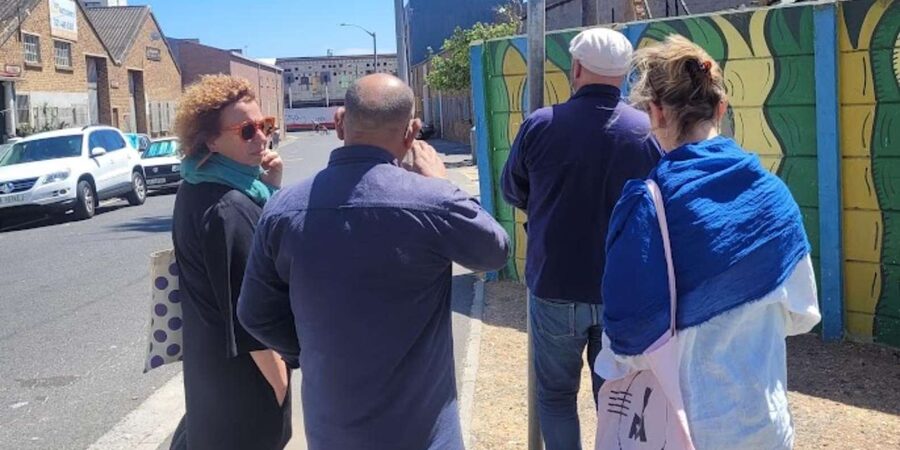
At $48 per person, this is not the cheapest way to see street art. You are paying for more than a self-guided walk, though. The cost includes pickup, transfer, and a live English-speaking guide for 150 minutes.
I see the strongest value in the interpretation. A free walk might show you murals, but it would not necessarily explain the artists, techniques, or social ideas behind them. The included transfer also adds convenience, particularly if you are staying somewhere that makes the neighborhoods less familiar.
The price is less attractive if you mainly want photographs and are happy to explore on your own. You will still need to pay for any food, drinks, or souvenirs, and there is no indication that gallery admission or purchases are included. For an art-minded visitor who wants local context, the package is more convincing.
The experience currently has a 4.9 rating from five verified bookings. That is a very small sample, so I would not treat it as final proof of consistency. Still, the specific praise points to useful details: Sarah from Germany valued the cultural and artistic context, while Sonja from South Africa highlighted Gail’s pickup, bottled water, and Dauriq’s careful guidance.
Who should book this street art walk?
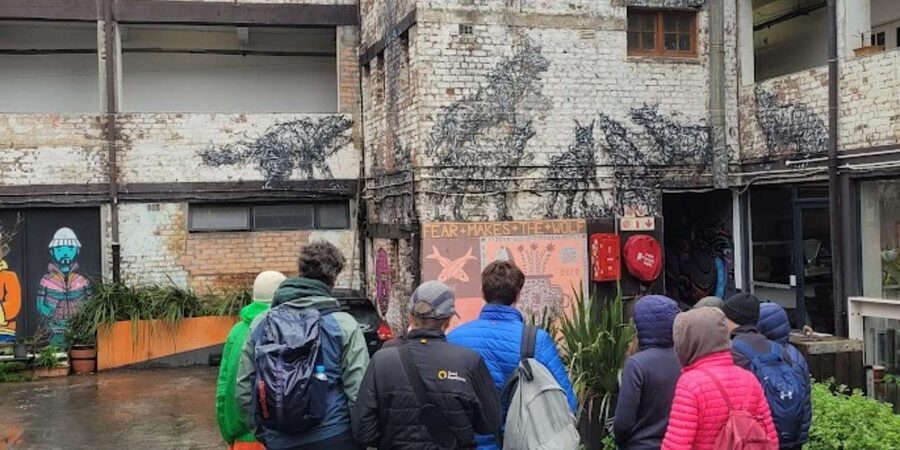
I would recommend it to you if you want to see a side of Cape Town that is not centered on major sights. It suits visitors who enjoy contemporary art, neighborhood walks, photography, and conversations about how cities change.
It is also a good choice for first-time visitors who want help getting oriented in Woodstock and Salt River. The transfer removes some of the initial transport planning, while the guide gives you a reason to look beyond the most obvious tourist routes.
You may want to skip it if walking is difficult, if you dislike urban neighborhood settings, or if you want a tightly scheduled list of named galleries and artists. The route is built around public art and local atmosphere, not a guaranteed set of indoor exhibitions.
Respect matters here. Ask before photographing people, listen to your guide’s advice, and remember that the streets are lived-in spaces. You will get more from the experience by paying attention to the neighborhood as well as the walls.
Booking, cancellation, and practical details
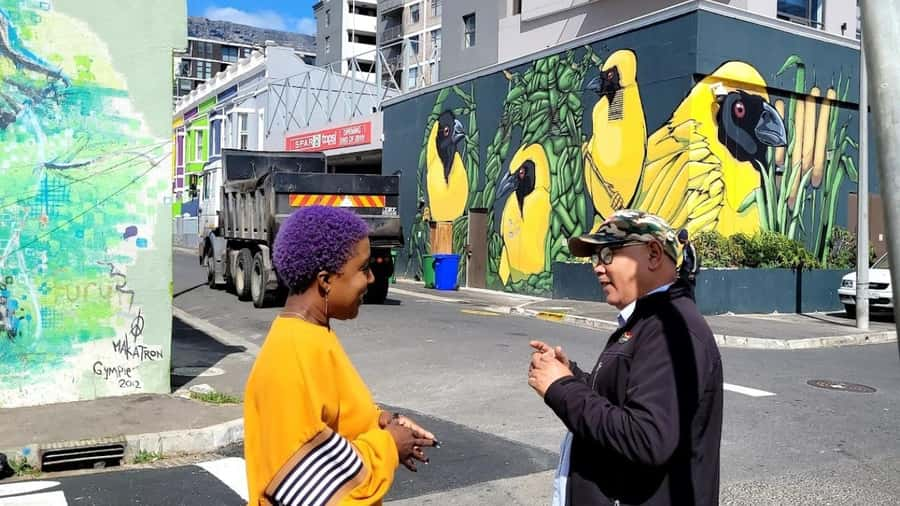
You can reserve now and pay later, which helps if you are still arranging your Cape Town schedule. Cancellation is free up to 24 hours in advance for a full refund.
Pickup is included, and you meet at your reception. The tour is wheelchair accessible, though it is sensible to confirm the route details if you require particular access conditions.
Pack comfortable shoes, comfortable clothes, biodegradable sunscreen, and a camera. Since food, drinks, souvenirs, and personal purchases are not included, bring whatever you need for the duration of the outing.
Should you book it?
Book this tour if you want the stories behind Cape Town’s street art, not just a collection of colorful photographs. The combination of neighborhood walking, local contact, included transfer, and Dauriq’s explanations gives the $48 price a fair case.
I would be more cautious if you want a formal gallery program, a private artist meeting, or a short sightseeing ride. For everyone else, this is a focused and respectful way to explore Woodstock and Salt River, with enough time to see how art can speak to the people and places around it.
FAQ
Where does the street art tour take place?
The walking tour explores Woodstock and Salt River in Cape Town’s Western Cape. These neighborhoods are known for murals, street art, galleries, and creative subcultures.
How long does the experience last?
The experience lasts 150 minutes, or two and a half hours. Starting times depend on availability when you book.
Is pickup included?
Yes. Pickup is included, and you meet at the reception. The experience also includes a transfer to the walking area.
What language is the tour conducted in?
The live tour guide speaks English, and the additional language information also lists English.
What should I bring?
Bring comfortable shoes, comfortable clothes, biodegradable sunscreen, and a camera. Ask people for permission before photographing them.
Are food and drinks included?
No. Food, drinks, souvenirs, and personal purchases are not included. A fresh bottle of water is provided during pickup.
Just added around Cape Town
- Private Tour to 20 Wine Tasting in Stellenbosch and Franschhoek★ 5.0 · 11 reviews
- Sunset Safari Big 5 Aquila with Snacks and Wine Tasting★ 5.0 · 12 reviews
- Robben Island, Kirstenbosch wine tasting Tour★ 5.0 · 10 reviews
- Zip Line and Wine from Cape Town★ 5.0 · 14 reviews
- Explore Atlantis Sand Dunes with a 1hour 30mins sandboarding tour★ 5.0 · 5 reviews
- Private Group Photoshoot in Cape Town★ 5.0 · 21 reviews
- Private Transfer from Cape Town International Airport★ 5.0 · 4 reviews
- 1 Hour Cape Town City Center Photoshoot Experience★ 5.0 · 19 reviews
Street Art, compared.

Colours of Johannesburg: A Graffiti & Street Art Tour
Read our review →
(Meet the Artist)Art Gallery & Street Art tour with lunch
Read our review →Browse the lists this tour appears in