
Reviewed · LESEDI CULTURAL VILLAGE TOURS
Lesedi Cultural Village Half-Day Tour
South Africa’s cultures come into focus at Lesedi Cultural Village, where you move between traditional homesteads and learn how Zulu, Xhosa, and Pedi customs differ. The visit is not just a stage show. You hear about fighting sticks, blankets, drums, whistles, and the role of cattle in marriage payments, then watch a traditional Zulu dance and sit down to local food.
I like the small group of up to 15 people, which gives the guide more room to explain details than a large coach tour. I also like the easy hotel pickup from Johannesburg, since the village is about an hour outside the city and public transport would not be a sensible way to reach it. The main drawback is the price: at $183 per person for five hours, it is a costly half-day, especially if you want a longer visit in the countryside.
Key points to know before booking
- Three cultural traditions in one visit: Learn about Zulu, Xhosa, and Pedi customs rather than seeing only one cultural presentation.
- Traditional details make the visit memorable: Look for the Zulu fighting sticks, Xhosa blankets, and Pedi drums and whistles.
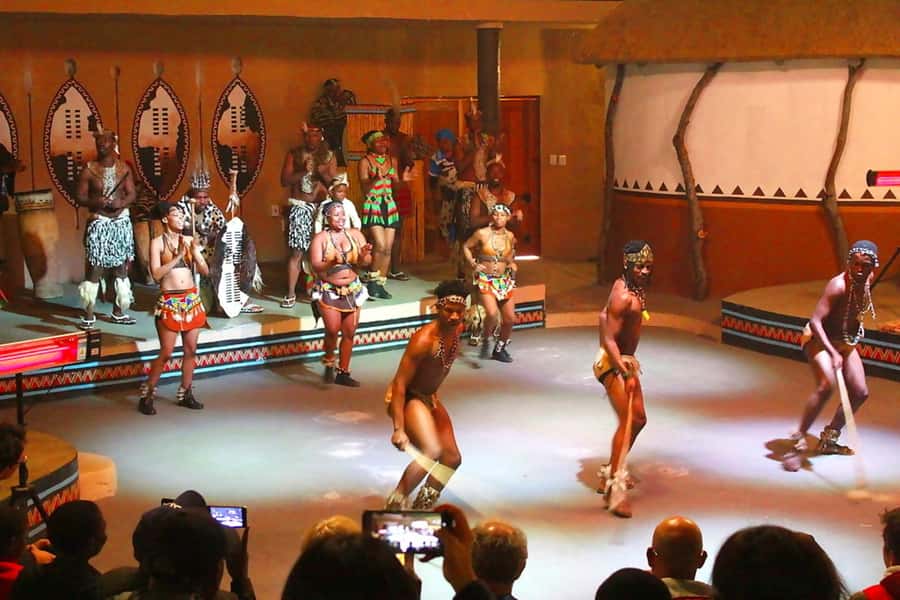
- A Zulu dance adds live energy: The performance gives the cultural explanations a strong visual and musical finish.
- Food is part of the experience: A traditional African meal is included, while alcoholic drinks cost extra.
- Johannesburg pickup keeps the day simple: Transport, entrance, a guide, and bottled water are covered.
- Five hours includes a long road journey: Plan on about 80 minutes each way by bus or coach.
Leaving Johannesburg for Lesedi Cultural Village
The tour begins with pickup at your Johannesburg hotel or accommodation. You should wait in the lobby five minutes before the scheduled time, and it is wise to confirm that pickup time with the operator the day before.
The drive takes about 80 minutes each way. At first, you pass through Johannesburg’s leafy northern suburbs. Then the built-up city gives way to a quieter rural setting. That change matters because Lesedi is meant to show traditional life in a setting separate from the city, not as a quick display inside an urban museum.
The road time takes up more than half of the total five-hour outing when both directions are counted. I would keep that in mind when comparing this tour with a longer cultural day trip. The benefit is convenience: you do not need to rent a car, arrange a taxi, or work out a route to the village yourself.
Bottled water is included. Comfortable shoes and sunglasses are recommended, sensible choices for walking around the outdoor village and spending time outside. The tour operates in English, with both a live English-speaking guide and an English audio guide included.
More Lesedi Cultural Village Tours in Johannesburg
- Lesedi Cultural Village and Cradle of Humankind Tour
★ 5.0 · 48 reviews - Lesedi Cultural Village Tour
★ 5.0 · 46 reviews - Lesedi Cultural Village
★ 5.0 · 45 reviews
Entering the village and meeting South Africa’s cultures
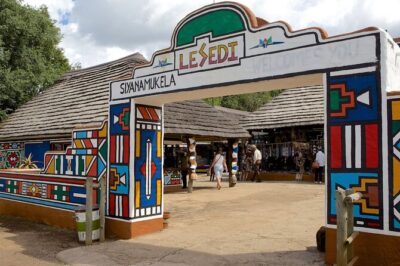
At Lesedi, the surroundings shift to a traditional village arrangement with homesteads designed in historical styles. You are divided into smaller groups for the cultural visits, giving each group time with the different traditions represented at the village.
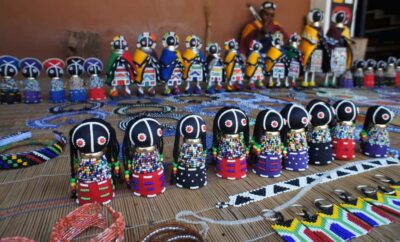
The focus is on comparison. You learn that South Africa is not one single cultural experience, and the details help make that clear. The Zulu section includes an explanation of fighting sticks and why they matter. The Xhosa presentation features traditional blankets. The Pedi culture is linked with drums and whistles.
These objects are useful teaching tools because they give you something concrete to remember. A general talk about customs can blur together, but a fighting stick, a blanket, or a distinctive musical instrument gives each group its own shape.
You also hear about marriage negotiations and the dowry requested by different groups. Payment in cattle is part of the explanation. This is the kind of detail that makes the visit more useful than a brief dance performance alone, since it connects family life, status, and tradition.
The information is presented as an introduction to several cultures, not as a full academic study of each one. If you already have a strong background in South African history or anthropology, you may want more depth. For a first look, though, the range is a real advantage.
Why the homesteads matter
The historical-style homesteads help you picture how traditional communities were organized and how design can reflect social customs. You are not only listening to a guide in a room. You are moving through a setting built to support the explanations.
Still, you should treat the village as a cultural presentation rather than assume that every structure is an untouched, continuously lived-in homestead. The value comes from the way the setting brings together customs from several groups in one visit.
I find this especially helpful if your Johannesburg schedule is short. You can get a broad introduction without giving up a full day. Families and first-time visitors may appreciate the clear structure, while anyone hoping for a quiet, independent visit should know that the group format shapes the experience.
The small-group limit of 15 is important here. It does not make the visit private, but it should keep the explanations more manageable and help you stay connected with the guide as the group moves between areas.
Zulu dance and the sound of tradition
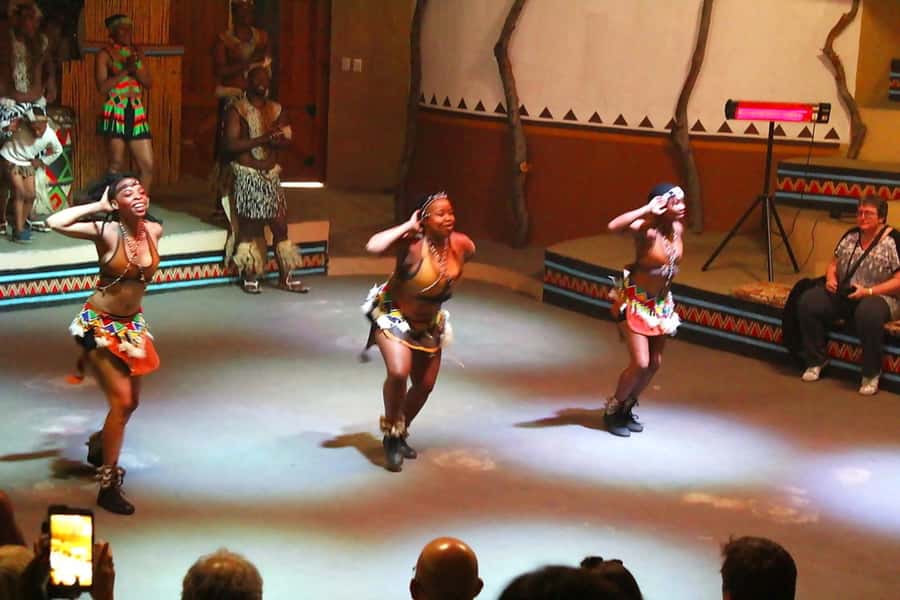
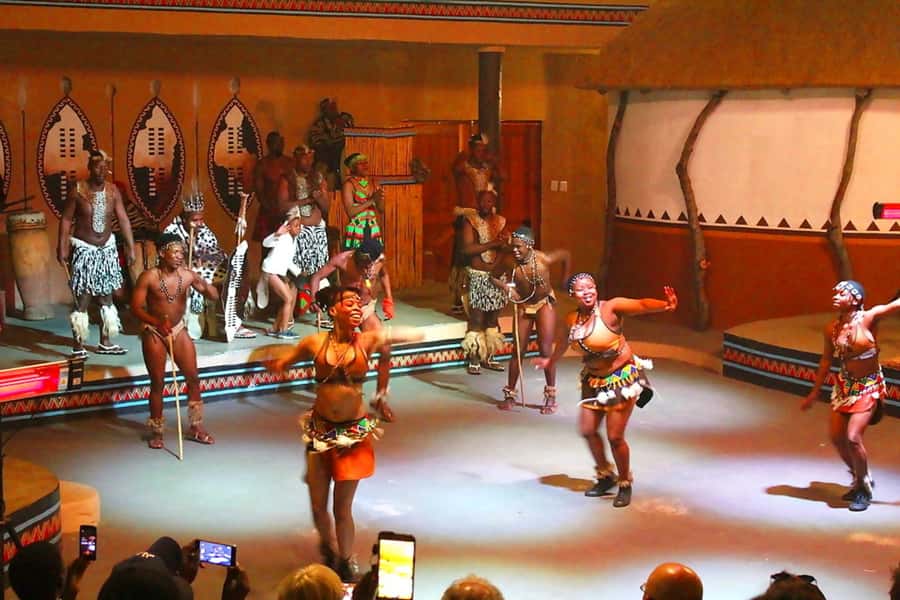
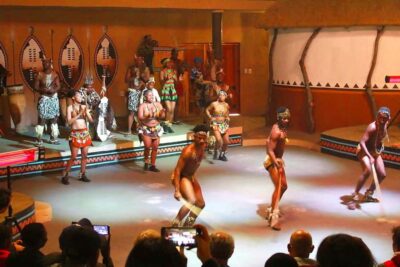
The traditional Zulu dance is one of the main highlights. It gives the tour a change of pace after the cultural explanations and makes the visit feel lively without losing its educational purpose.
Dance is often the moment people remember most clearly because it combines movement, rhythm, and shared attention. Here, it also links back to the earlier introduction to Zulu customs and fighting sticks. You get a visual sense of how performance and tradition can work together.
The Pedi section adds another kind of sound through drums and whistles. These musical elements help distinguish the groups and keep the visit from becoming a string of similar talks. You should expect a guided cultural presentation with performance elements, not a long concert or a full evening show.
One verified booking rated the experience four out of five and said it led to learning about a different culture. That is a useful way to view the tour. Its strongest purpose is education delivered in an engaging format, with the dance and music making the lessons easier to remember.
Same country, a completely different kind of day:
- From Johannesburg: Pilanesberg Nature Reserve Game Safari
★ 4.8 · 1,327 reviews - Johannesburg: Hop-On Hop-Off Bus with Optional Soweto Tour
★ 4.6 · 985 reviews - Soweto /Johannesburg and Apartheid Museum Guided Full Day Tour
★ 5.0 · 932 reviews - Johannesburg Hop-On Hop-Off City Tour with Soweto Option
★ 4.5 · 768 reviews
African cuisine at the end of the visit
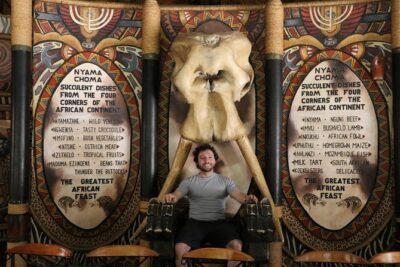
Food provides a practical finish to the cultural program. You sit down to taste traditional local cuisine before returning to Johannesburg.
The supplied details do not specify the menu, so you should not book this expecting a particular dish. The important point is that food is included as part of the cultural experience, allowing you to connect the presentation with everyday life and hospitality.
Alcoholic drinks are not included. If you want one, plan to pay separately. Bottled water is provided, which is useful during the drive and the time spent walking around the village.
A meal can also make the half-day feel more complete. Without it, the outing would be mostly transport, explanations, and performance. With food included, the visit has a clear beginning, middle, and end: travel from the city, cultural introductions and dance, then a shared meal before the return drive.
The $183 price and what it covers
At $183 per person, this is not a bargain half-day activity. You are paying for the cultural program, transportation from Johannesburg, hotel pickup and return, entrance fees, an English-speaking guide, an audio guide, and bottled water.
The small group limit helps support the price. So does the round-trip journey, which takes about 160 minutes altogether. If you would otherwise need a private transfer to reach Lesedi, the included transport makes the booking easier to justify.
I would compare the cost with your own priorities. If you want a simple introduction to several South African cultures and do not want to organize transport, the package has practical value. If you are mainly looking for a short dance show or a low-cost local meal, the price will feel high.
The experience received a 4.7 rating from nine reviews, with the strongest praise focused on learning, enjoyment, and the sense that it became a highlight of a wider South African trip. One five-star booking described it as the best experience of the trip, while another called it a lively and educational day. Those reactions point to the tour’s main strength: it gives cultural context as well as entertainment.
Keep the sample size in mind. Nine reviews are enough to suggest a positive pattern, but not enough to guarantee that every visitor will have the same response. Your enjoyment will depend on how much you value guided cultural interpretation and whether the long drive feels worthwhile.
Who will get the most from this tour
I would recommend this experience to you if:
- You are staying in Johannesburg and want a guided cultural outing outside the city.
- You want an introduction to several South African traditions in one half-day.
- You enjoy learning through objects, music, dance, food, and short explanations.
- You prefer hotel pickup and a planned route over arranging transport yourself.
- You are visiting South Africa for the first time and want cultural context before exploring more widely.
- You appreciate a small group rather than a large coach party.
It may suit families, couples, and solo visitors who want an easy introduction. The clear program also helps if you have limited time in Johannesburg.
I would be more cautious if you want a long, slow visit with plenty of time to explore independently. The tour follows a fixed format, and the return drive leaves little room for lingering. It is also not the best choice if your main aim is wildlife, scenery, or a deep study of one particular cultural group.
Practical timing and booking advice
The advertised duration is five hours, with pickup and drop-off in Johannesburg. The listed route includes roughly 80 minutes by bus or coach to the village, 2.5 hours at Lesedi, and another 80 minutes back.
That leaves a fairly tight schedule. Be ready in the lobby five minutes before pickup, and confirm the time one day ahead. A late start could reduce the time available at the village, so punctuality matters more than it would on a self-guided visit.
The group is limited to 15 participants. The live guide speaks English, and an English audio guide is included. If you need another language, this is not the right booking based on the information available.
You can reserve now and pay later, which helps if you are still arranging your Johannesburg plans. Free cancellation is available up to 24 hours before the tour for a full refund. Those terms reduce some of the risk, though you still need to check the available starting times for your date.
Is Lesedi Cultural Village worth booking?
Book this tour if you want a convenient, structured introduction to Zulu, Xhosa, and Pedi traditions, and you are comfortable paying a premium for transport and an organized program. The best parts are the cultural comparisons, the traditional dance, the practical explanations about customs, and the meal at the end.
Think twice if $183 is stretching your budget or if you want more time in the countryside. You spend about 160 minutes on the road for 2.5 hours at the village, so the value depends on how much you want a guided cultural experience rather than a longer independent outing.
For a first visit to Johannesburg, I see this as a useful choice for cultural orientation. It gives you memorable details to carry into the rest of your South Africa trip, especially the Zulu fighting sticks, Xhosa blankets, Pedi instruments, and cattle-based dowry traditions.
FAQ
How long does the Lesedi Cultural Village tour last?
The tour lasts five hours. About 80 minutes is scheduled for the journey from Johannesburg to Lesedi, 2.5 hours for the guided village visit, and another 80 minutes for the return journey.
Is hotel pickup included?
Yes. Pickup and drop-off at your hotel or accommodation in Johannesburg are included. You should wait in the lobby five minutes before the scheduled pickup time.
Which cultures are covered at Lesedi Cultural Village?
The tour introduces Zulu, Xhosa, and Pedi traditions. It includes details such as Zulu fighting sticks, Xhosa blankets, and Pedi drums and whistles.
Is food included?
Yes. Traditional local cuisine is included during the visit. Alcoholic drinks are not included.
What language is the tour conducted in?
The live tour guide speaks English, and an English audio guide is included.
Can I cancel the booking?
You can cancel up to 24 hours in advance for a full refund. The tour also offers a reserve-now, pay-later option.
More Half-Day in Johannesburg
- Half-Day Tour of Soweto Tour
★ 4.5 · 712 reviews - Johannesburg and Soweto: Half-Day Tour
★ 4.8 · 439 reviews - From Johannesburg: Lion & Safari Park Half-Day Tour
★ 4.6 · 384 reviews - Johannesburg: Soweto Half-Day Tour
★ 4.7 · 196 reviews
Just added around Johannesburg
- Lion park★ 4.5 · 5 reviews
- Lesedi cultural village:★ 5.0 · 6 reviews
- Lesedi Cultural Village with lunch or dinner cultural food★ 4.6 · 9 reviews
- Lesedi Cultural Village★ 4.9 · 4 reviews
- Kruger National Park – 5 Day Safari Tour★ 4.7 · 4 reviews
- From Johannesburg: Kruger National Park 4-Day Luxury Safari★ 4.8 · 9 reviews
- Kruger National Park – 4 Day Safari Tour★ 4.8 · 19 reviews
- Kruger National Park: 4-Day Ultimate Safari Tour★ 4.0 · 3 reviews
Lesedi Cultural Village Tours, compared.

Lesedi Cultural Village and Cradle of Humankind Tour
Read our review →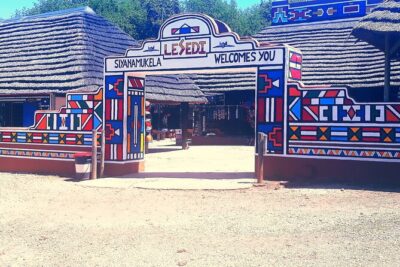
Browse the lists this tour appears in