
Reviewed · WORKSHOPS
Koeksister and Samoosa Class by the Malay Cook Up
Cape Malay cooking comes alive in a Bo-Kaap home kitchen, where you learn the sweet-spicy koesister and the crisp samoosa, two foods closely tied to the area’s early Malay community. The class combines cooking with conversation, so you get more than a recipe card and a quick snack.
I like the friendly, informal setting and the chance to work beside an accomplished Cape Malay cook. I also like the smart sweet-and-savoury pairing: the koesister gives you warm spice and syrupy sweetness, while the samoosa brings pastry and filling.
The main consideration is how hands-on the samoosa portion may be. One part of the class uses store-bought pastry and prepared fillings, so you may not make every element from scratch. The koesister section offers more direct cooking and shaping.
Key points at a glance
- Bo-Kaap home kitchen: Cook and eat in a local home rather than a formal cooking school.
- Two Cape Malay favourites: Learn the savoury samoosa and sweet-spicy koesister in one session.
- Two-hour format: The class has enough time for instruction, preparation, tasting, and conversation.
- English and Afrikaans: The cooking guidance and local stories are offered in both languages.
- Good value at $23: Ingredients, equipment, tasting, and local history are included.
- A useful caveat: The samoosa pastry and fillings may be prepared before the class, limiting some of the hands-on work.
Cooking Cape Malay favourites in the Bo-Kaap
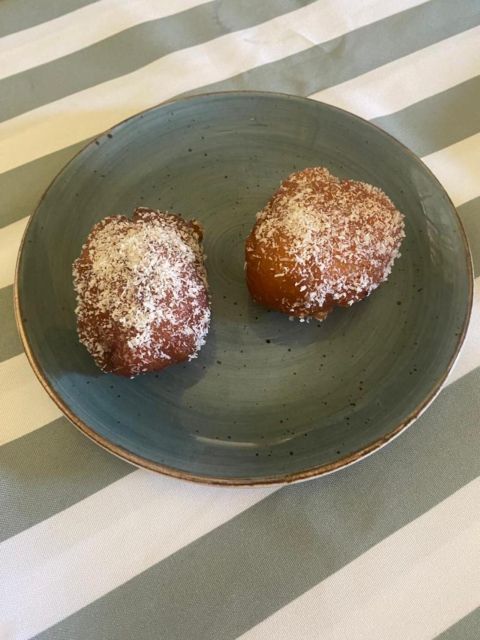
This experience is built around two small foods with a big place in South African life. The samoosa is a pastry triangle filled with savoury ingredients. The koesister is a traditional doughnut with sweet and warm-spiced flavours.
That pairing makes the class easy to understand and enjoyable even if you are new to Cape Malay food. You learn one savoury recipe and one sweet recipe, then sit down to eat both. It is a simple format, but it gives the session a good rhythm.
The setting matters. You cook in a home kitchen in Bo-Kaap, an area closely linked with Cape Malay culture and food traditions. The cooking is paired with local history, helping you understand why these snacks remain part of South African diets across cultural and religious lines.
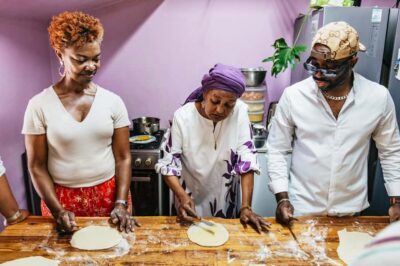
I would choose this class if you want a food experience that feels personal and rooted in place. It is not just a demonstration from a distance. You take part, ask questions, work with ingredients, and share the finished food with the host.
A few more Cape Town trips to weigh up
- Cape Town: Malay Cooking Class and Lunch in Bo-Kaap
★ 4.8 · 515 reviews - Cape Town: Cape Malay Cooking Class in Bo-Kaap
★ 4.8 · 120 reviews - Cape Town: Bo-Kapp Walking Tour and Malay Cooking Class
★ 4.7 · 105 reviews
What happens during the two-hour class
The session takes you through the two recipes step by step. The pace is designed for participation rather than a rushed cooking show, and the host guides you through the process in an informal home setting.
You begin with the ingredients, equipment, and basic method for the samoosa and koesister. Authentic ingredients are provided, so you do not need to shop before arriving or bring cooking tools. The focus is on learning the key stages and understanding how the flavours come together.
The samoosa section includes folding the pastry into its familiar triangle shape and preparing the filling for cooking. This is useful for anyone who has eaten samoosas but never learned how they are assembled. The shape itself is part of the appeal, and you get a better sense of how the pastry becomes a neat, sealed parcel.
There is an important limit to keep in mind. The pastry may be store bought, and the fillings may already be prepared. That means you may spend more time assembling and folding than making the dough or building the filling from raw ingredients. If your main goal is advanced pastry work, this could feel incomplete.
The koesister section is more interactive. You work with the dough and the warm spices before shaping the pieces for cooking. This gives you a clearer feel for the texture and method, and it appears to be the part where you have the most direct contact with the recipe.
Once the food is ready, you sit with the host and eat what you made. That final tasting is not an afterthought. It gives you time to compare the savoury and sweet snacks, talk about the cooking, and ask about Cape Malay food traditions.
Why the home setting makes a difference
A home kitchen changes the tone of the class. You are not standing in a large commercial space or watching a chef work behind a counter. The setting allows for a more relaxed exchange, with conversation built into the experience.
The host is described as welcoming, and the class has been enjoyed as a family and friends outing. That tells you something useful about the mood: this is likely better suited to people who enjoy talking and taking part than to anyone seeking a formal, tightly timed culinary lesson.
The local history also adds value. Koesisters and samoosas are connected with the Bo-Kaap’s earliest inhabitants, so learning these recipes in the neighbourhood gives the food a clearer context. You are not simply learning how to fry or fold something. You are learning why these dishes matter in the area and how they became part of everyday South African eating.
The information is still fairly broad, so do not expect a long history lecture. The main focus remains cooking, followed by a shared meal. For most people, that balance is right.
The samoosa lesson: useful, but not fully from scratch
Samoosas are a practical food to learn because the technique can be repeated at home. Folding the pastry correctly is the key skill. A poorly sealed triangle can open during cooking, while a well-folded one holds its filling and gives you the crisp shape you expect.
The class lets you practise this process with guidance. That is useful if you have never made samoosas before, especially because the folding can look easier than it is. You get to see the method at close range and repeat it yourself.
Still, the phrase from scratch needs a little care here. The experience description presents both dishes as being made from scratch, but one participant found that the samoosa pastry was store bought and the fillings were prepared ahead of time. The practical result is that you may not learn the full pastry method or get to smell and handle each filling ingredient as it cooks.
I see this as a difference between a home cooking workshop and a full culinary course. Pre-prepared components keep a two-hour class manageable and allow more time for shaping, cooking, and eating. But if you are booking because you want to master homemade samoosa dough, ask about that point before you go.
Same country, a completely different kind of day:
- Wine Tour: Paarl, Franschhoek & Stellenbosch incl 3 wineries
★ 5.0 · 3,940 reviews - Cape Town: Hop-On Hop-Off Bus Tour with Optional Cruise
★ 4.8 · 3,929 reviews - Cape Town: Cape of Good Hope & Penguins Day Tour with Pickup
★ 4.7 · 3,362 reviews - Zipline Cape Town – From Foot of Table Mountain Reserve
★ 5.0 · 3,179 reviews
The koesister lesson: the stronger hands-on section
The koesister gives the class its sweet side and a more tactile cooking task. This traditional doughnut has a sweet-spicy flavour, so it is not simply a sugary dessert. The spices give it warmth and character.
You work through the dough preparation and shaping, with the host showing you how the process fits together. This portion is likely to appeal most to anyone who enjoys handling dough and wants to repeat the recipe at home.
The finished koesisters are part of the shared tasting at the end. The flavour makes a good contrast with the samoosa, and the two dishes together show how Cape Malay cooking can move between savoury heat, fragrant spice, and sweetness.
The class seems especially strong for cooks who want a recipe they can carry home. One participant later bought the ingredients and made the food again for friends. That is a good sign for practical value: the lesson is not only about eating on the day, but also about giving you enough confidence to try it again.
The food, stories, and shared tasting
The final tasting gives you a chance to judge the results while they are fresh. You sit with the host, eat your own prepared snacks, and continue the conversation. This is a more social finish than simply receiving a plate and leaving.
I like that the food is prepared with authentic ingredients. Ingredient authenticity matters here because the spices and flavour balance are central to the identity of the dishes. At the same time, the exact ingredients and filling choices are not specified, so you should not book expecting a particular meat, vegetable, or spice blend.
The local stories help connect the recipes to Bo-Kaap. The snacks are not presented as isolated dishes. They are linked to the food customs of the area’s early Malay inhabitants and to the way these foods are now enjoyed by people across South Africa.
That context is one reason the $23 price feels fair. You are paying for two hours of instruction, all equipment, ingredients, tasting, and conversation about local history. A more advanced pastry lesson would offer greater technical depth, but this class gives you a broader cultural and social experience.
Who will get the most from this class
I would recommend it to food-focused visitors who want a personal introduction to Cape Malay cooking. It works well for couples, families, and friends because the format is relaxed and shared.
It also suits beginners. You do not need to arrive with specialist cooking skills, and the equipment and ingredients are supplied. The two-hour length is long enough to learn the basic methods without taking over your day.
The class may be less suitable if you want a highly technical cooking course. The prepared samoosa pastry and fillings can reduce the amount of work you do. If making dough from raw ingredients is essential, check that detail before booking.
It is also a good option for anyone who values conversation as much as technique. The host’s home, local stories, and shared tasting are central parts of the experience. If you prefer a quiet, individual lesson with exact measurements and little discussion, this may not be your ideal format.
The class is offered in English and Afrikaans, which makes it practical for English-speaking visitors and useful for those who prefer Afrikaans. Alcohol and drugs are not allowed, so expect a straightforward family-friendly cooking setting.
Price, flexibility, and practical value
At $23 per person, the class is reasonably priced for a two-hour activity that includes food, ingredients, equipment, instruction, and tasting. You also receive local cultural context, which gives the session more substance than a simple snack-making demonstration.
The strongest value comes from the combination of food and access to a home setting. You are not only paying for the finished samoosas and koesisters. You are paying to learn techniques, use authentic ingredients, and share the results with the host.
The value drops slightly if your main expectation is to make every component from scratch. The koesister portion appears to offer more direct preparation, while the samoosa work may focus on assembly with prepared elements.
Booking is flexible. You can reserve a place and pay later, which helps if your schedule is still shifting. You can also cancel up to 24 hours in advance for a full refund. Those terms are useful for a short city stay, when weather, transport, or other plans may change.
Should you book the Cape Malay cooking class?
Book this experience if you want a warm, social introduction to Bo-Kaap food and are happy with a practical workshop rather than a full pastry course. The combination of koesisters, samoosas, local history, and a shared tasting gives you a satisfying two-hour look at Cape Malay home cooking.
I would especially choose it for the welcoming home setting, the hands-on koesister work, and the chance to repeat the recipes later. Before booking, confirm how much of the samoosa pastry and filling preparation will be done in advance. If that limitation suits you, $23 is a solid price for a personal food experience with real local context.
FAQ
Where does the koesister and samoosa class take place?
The class takes place in a home kitchen in Bo-Kaap, in South Africa’s Western Cape.
How long does the class last?
The cooking workshop lasts two hours, including the tasting at the end.
What dishes will I learn to make?
You will learn to make samoosas, which are savoury pastry triangles, and koesisters, which are traditional sweet-spicy doughnuts.
Is the food tasting included?
Yes. After the cooking session, you sit with the host and eat the snacks you prepared.
Are ingredients and cooking equipment provided?
Yes. All equipment and ingredients are provided, including authentic ingredients used for the recipes.
Is the class suitable for English speakers?
Yes. The class is offered in English and Afrikaans.
Will I make the samoosa pastry from scratch?
The experience is presented as a from-scratch workshop, but the samoosa pastry may be store bought and the fillings may be prepared in advance. Ask for confirmation if homemade pastry is important to you.
How much does the class cost?
The listed price is $23 per person.
Can I cancel or pay later?
You can reserve your place and pay later. You can also cancel up to 24 hours in advance for a full refund.
Just added around Cape Town
- Lion’s Head Hike: Cape Town – Sunrise or Sunset Hike★ 5.0 · 29 reviews
- Lion’s Head Sunrise or Sunset Hike + Hotel Pick-Up★ 5.0 · 24 reviews
- Lion’s Head: Hike with a registered hiking guide★ 5.0 · 3 reviews
- Kruger National Park 3 Days Best Ever Safari from Cape Town★ 4.1 · 11 reviews
- Kirstenbosch Garden, Bo-Kaap-Penguins & Cape Peninsula Tour★ 3.9 · 7 reviews
- Khayelitsha: 3-Hour Township Walking Tour★ 5.0 · 6 reviews
- Cape Town: Constantia Half-Day Wine Tour & Tastings★ 4.9 · 15 reviews
- Cape Town: Guided Kayak Tour of Clifton Beaches & The Coast★ 4.9 · 28 reviews
Workshops, compared.


GQ: City Walking Tour & African Cuisine Cooking Class
Read our review →
Browse the lists this tour appears in