
Reviewed · JOHANNESBURG TOURS
Johannesburg: Mandela Legacy Day Tour
Nelson Mandela’s story comes alive through the places where he worked, lived, argued, was imprisoned, and returned after 27 years behind bars. This nine-hour tour links Johannesburg and Soweto into one long day, moving from secret meetings at Liliesleaf Farm to the difficult evidence preserved at the Apartheid Museum.
I like the way the route mixes major museums with personal spaces. You see Mandela’s former home, his office, and the law firm he shared with Oliver Tambo, not just formal monuments. I also like that pickup, entry fees, bottled water, and an English-speaking guide are included, which keeps the day simple.
The main drawback is the pace. Six important stops across Johannesburg and Soweto make for a full schedule, and food is not included. If you want time to linger over every museum display, this tour may feel brisk. Wear comfortable shoes and expect a serious day rather than a light sightseeing outing.
Key points from Mandela’s Johannesburg
- Liliesleaf Farm reveals the hidden side of the struggle, showing how a quiet northern Johannesburg property became a safe house for the African National Congress in the 1960s.
- The Nelson Mandela Foundation preserves personal objects, including his briefcase, Nobel Prize medal, and Xhosa mountain attire.
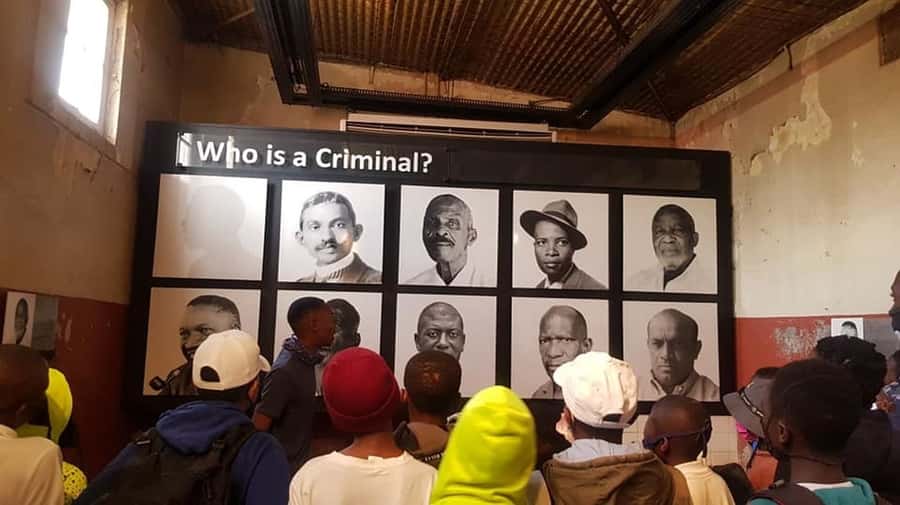
- Constitutional Hill connects Mandela with other major figures, including Mahatma Gandhi, Winnie Madikizela, and Joe Slovo.
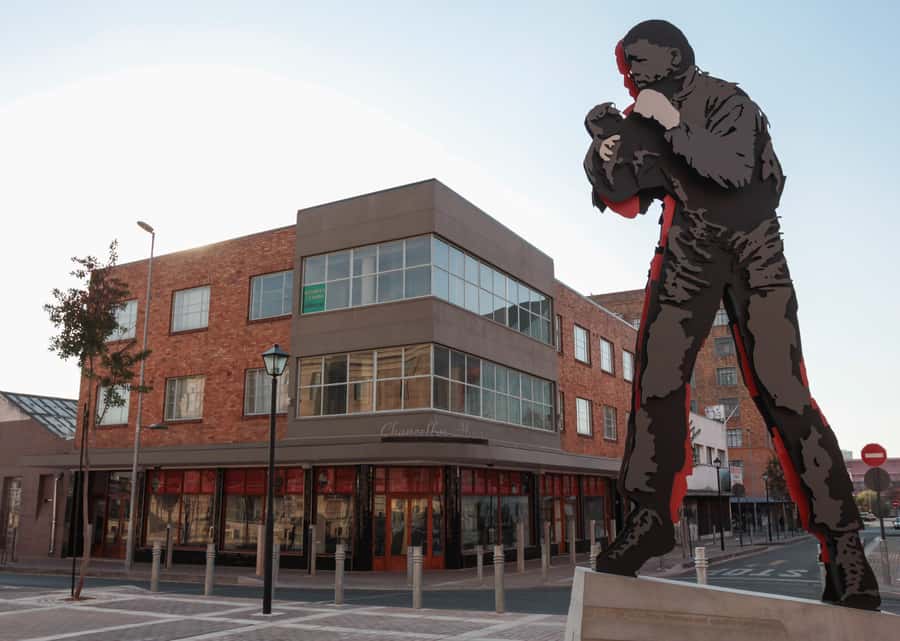
- Chancellor House marks a practical turning point, the site of Mandela and Oliver Tambo’s first black law firm in South Africa.
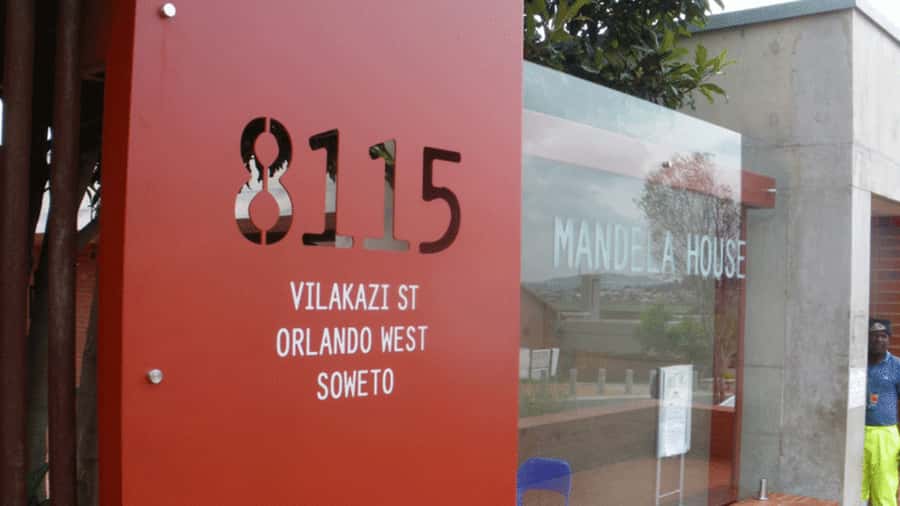
- Mandela House brings the story back to family life, covering the years from 1946 to 1962 and his return home in 1990.
- The Apartheid Museum gives the day its broadest context, placing Mandela’s life within South Africa’s system of racial segregation and the long fight against it.
One day, six stops, and a clear historical thread
The strength of this tour is its structure. You are not simply taken from one attraction to another. The stops follow different parts of Mandela’s life, so the day moves from private meetings and legal work to imprisonment, family life, and national memory.
Your guide handles the driving between sites, which matters in a large urban area spread across Johannesburg and Soweto. You can focus on the places themselves instead of trying to plan separate transport. The route lasts about nine hours, so expect a full day with a steady rhythm.
English is the stated language for both the live guide and the included audio guide. Past departures have included guides named Richard and Emmah. Richard is described as well organized and able to explain the subject in a thoughtful way, while Emmah led a personal route through Mandela’s key places in Johannesburg and Soweto. Guide assignments can vary, but the experience depends heavily on having someone who can explain the political setting rather than simply point out buildings.
Other Johannesburg days people book alongside this one:
- From Johannesburg: Pilanesberg Nature Reserve Game Safari
★ 4.8 · 1,327 reviews - Johannesburg: Hop-On Hop-Off Bus with Optional Soweto Tour
★ 4.6 · 985 reviews - Soweto /Johannesburg and Apartheid Museum Guided Full Day Tour
★ 5.0 · 932 reviews
Liliesleaf Farm and the secret work of the 1960s
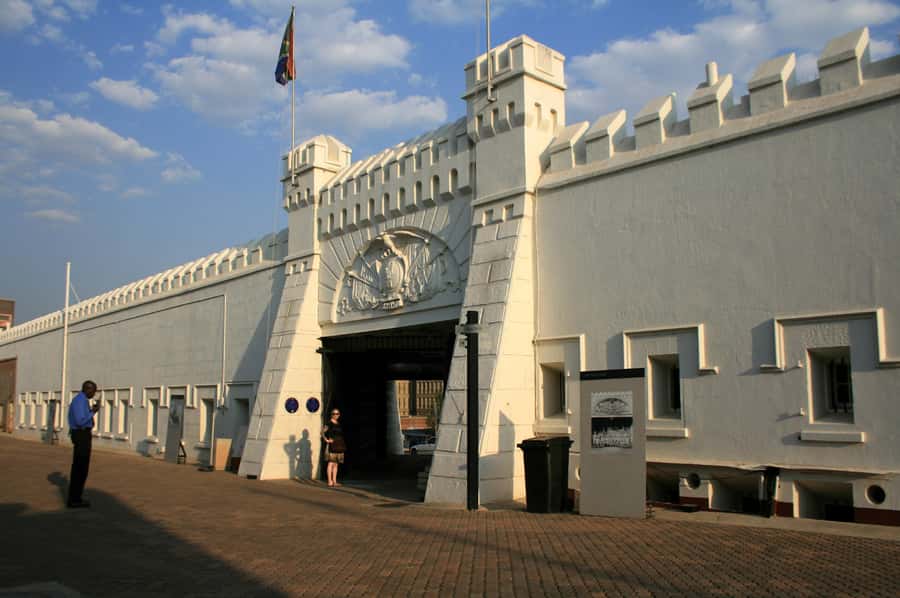
The day begins at Liliesleaf Farm in northern Johannesburg. It may look like a quiet property, but its importance comes from what happened there away from public view.
During the 1960s, Liliesleaf was used as a safe house by the African National Congress. This gives you an early look at the struggle as an organized campaign that needed private meeting places, careful planning, and secrecy. It also helps explain why ordinary-looking buildings can carry such weight in South African history.
I find this a strong opening stop because it puts you behind the scenes. Mandela’s public image is often tied to speeches, prison, and the presidency. Liliesleaf points to the less visible work that came before those later chapters.
Your guide’s explanation is especially useful here. Without context, a farm can be easy to view as just another historic property. With the story attached, the setting becomes a reminder that political change was planned in rooms and safe houses long before it reached the world stage.
Personal objects at the Nelson Mandela Foundation
Next, you visit the Nelson Mandela Foundation, the last offices Mandela occupied before his death. The setting shifts from an earlier period of underground political work to the final chapter of his public life.
The Foundation includes original objects linked to Mandela. His briefcase offers a small, everyday connection to the man behind the official image. His Nobel Prize medal represents international recognition, while the Xhosa mountain attire points to cultural identity and the personal side of a public figure.
This is one of the stops I would not rush. A museum display can sometimes make a famous person seem distant. Personal belongings do the opposite. They give you simple details to hold onto while your guide explains the larger political story.
The stop also helps prevent the day from becoming only a prison and oppression tour. Mandela was not just a symbol created by history. He was a working man, a lawyer, a father, a political leader, and later a president. The Foundation’s objects help you keep those different roles in view.
Constitutional Hill, where imprisonment becomes real
Constitutional Hill is one of the heaviest stops on the route. Mandela was imprisoned here, along with other major figures in South Africa’s struggle. The site is also linked to Mahatma Gandhi, Winnie Madikizela, Joe Slovo, and many others.
That range of names matters. Constitutional Hill does not present Mandela’s story as a solo achievement. It places him among a wide movement of people who faced imprisonment and political punishment in different periods.
The visit is valuable because it gives the history a physical setting. Reading about imprisonment is one thing. Entering a former prison site, with its institutional purpose and personal stories, can make the cost of apartheid easier to grasp. The guide’s role is important again, since the historical meaning goes far beyond the walls themselves.
This is also where the walking starts to matter. You should bring comfortable shoes, as advised for the tour. The day includes several sites, and Constitutional Hill is not the place for footwear that becomes painful after an hour.
The emotional tone can be demanding. If you prefer a relaxed sightseeing day with only occasional historical detail, this route may feel too intense. If you want a direct look at the country’s struggle for democracy, the seriousness is part of the value.
Same country, a completely different kind of day:
- Johannesburg Hop-On Hop-Off City Tour with Soweto Option
★ 4.5 · 768 reviews - Full Day Ultimate Pilanesberg National Park Safari from Johannesburg or Pretoria
★ 4.5 · 718 reviews - Half-Day Tour of Soweto Tour
★ 4.5 · 712 reviews - Soweto: Walking Tour with a Local Guide and Lunch
★ 4.9 · 648 reviews
Chancellor House and Mandela’s legal career
The tour then reaches Chancellor House in Johannesburg’s Ferreirasdorp area. This three-story building was once home to Mandela and Oliver Tambo’s first black law firm in South Africa.
Chancellor House adds an important part of the story that is easy to miss. Mandela is often remembered first as a political leader, but his legal work gave him a practical way to challenge an unjust system and help people facing discrimination.
The building also ties Mandela to Oliver Tambo, one of the other central figures in the African National Congress. Their partnership shows how the movement depended on shared work, not one famous name alone.
This stop is likely to appeal to anyone interested in law, civil rights, or the daily work behind political change. It is less grand than a major museum, which is exactly why it can feel useful. You are looking at a workplace connected to Mandela’s early professional life, not just a monument built after his presidency.
Do not expect a long stand-alone museum visit here based on the information provided. It is one part of a wider route, so your time may be focused and guided rather than leisurely.
Mandela House and the family man behind the leader
Mandela House in Soweto covers the years from 1946 to 1962, when Mandela lived there with his family. It is also the home he returned to after his release from prison in 1990.
This stop brings the story close to ordinary domestic life. After Liliesleaf’s secrecy, the Foundation’s office objects, Constitutional Hill’s imprisonment, and Chancellor House’s legal work, Mandela House shows where family life fit into the picture.
The house is near the Tutu house, the former residence of Archbishop Desmond Tutu. That proximity places two major South African figures within the same Soweto setting, while keeping the focus on the homes where public figures also lived private lives.
I like this part of the itinerary because it adds emotional balance. The tour is not only about political institutions and suffering. It also asks you to think about home, family, return, and the years lost to prison.
The time period is worth noting. Mandela lived in the house from 1946 to 1962, then came back after his release in 1990. Those dates frame a huge part of his life and show how much the country, and Mandela himself, had changed by the time he returned.
The Apartheid Museum gives the day its wider frame
The final stop is the Apartheid Museum. After visiting places tied directly to Mandela, the museum broadens the subject to the system he and others opposed.
That order works well. You first follow one person through workplaces, homes, and prisons. Then you step back and examine apartheid as a national system. The museum’s exhibitions help connect individual stories to laws, segregation, political resistance, and the transition toward democracy.
I would save energy for this stop. It comes at the end of an already full day, but it is not a minor add-on. The museum is where the separate pieces should come together. If you arrive tired, the guide can help point out the displays that matter most, though you may not have the same unhurried pace as you would on a museum visit by itself.
For visitors with limited time in Johannesburg, this combination offers a practical advantage. You get a major museum plus several places connected directly to Mandela in a single outing. The tradeoff is that you will not control the pace at each location.
What the $183 price includes
At $183 per person, this is not a low-cost independent day of sightseeing. The value comes from having the main admissions, transport, and guiding bundled together.
The price includes pickup and drop-off, an English-speaking tour guide, entry fees, bottled water, and an English audio guide. You are paying for a full day that connects sites in Johannesburg and Soweto, rather than arranging each visit separately.
Food and drinks are not included. That is the main budget detail to plan around. Bring or arrange something to eat according to the day’s schedule, though the supplied information does not specify meal stops or the length of breaks. Bottled water is provided, but it is still sensible to start the day prepared for a long outing.
The price makes the most sense for you if convenience matters and you want historical explanation while moving between locations. It is less attractive if you already have transport, intend to visit only one or two sites, or prefer to spend an entire day inside the Apartheid Museum.
The included guide is the key part of the value. A driver who only handles transport would leave you to connect the dots yourself. A guide who can explain Mandela’s work, imprisonment, family life, and political setting gives the route its purpose.
Who should book this experience
I would recommend this tour to first-time visitors who want a strong introduction to Mandela’s life in Johannesburg and Soweto. It also suits anyone who prefers a planned day with pickup and drop-off rather than figuring out several historic sites independently.
History students, civil rights readers, and visitors interested in South Africa’s transition to democracy should find plenty to think about. The route also works for people who want more than a museum, since it includes a former home, a law office, a prison site, a foundation, and a safe house.
You should think twice if you dislike long days or find emotionally serious history tiring. Pregnant women are specifically listed as unsuitable for this activity, and comfortable shoes are important for everyone else.
The tour is conducted in English, with an English audio guide included. If you need another language, this experience may not fit your needs because no other language is listed.
Practical advice for making the day work
Start with comfortable shoes. You will visit several sites over nine hours, and the day is built around moving through historic buildings and exhibitions rather than sitting in one place.
Keep your schedule open for the full day. Pickup and drop-off are included, but the exact starting time depends on availability. Since the route covers both Johannesburg and Soweto, avoid booking another fixed activity too close to the end.
Plan for food. The tour provides bottled water but no meals or drinks. The information does not state whether a lunch break is built in, so ask when booking or carry something suitable.
Give your guide room to explain the political context. The best parts of this experience are not just the objects and buildings. They are the links between them: secret organizing, legal work, imprisonment, family life, and the broader apartheid system.
Cancellation is flexible up to 24 hours before the activity for a full refund, and you can reserve now and pay later. That helps if your Johannesburg plans are still taking shape.
Final verdict: a serious, useful Mandela tour
You should book the Mandela Legacy Day Tour if you want one organized day that connects the personal and political parts of Mandela’s life. Liliesleaf Farm, Chancellor House, Mandela House, and the Nelson Mandela Foundation give you personal and working-life details, while Constitutional Hill and the Apartheid Museum explain the larger struggle.
The strongest feature is the range of stops. You are not left with one polished version of Mandela. You see the lawyer, family man, prisoner, political leader, and national symbol.
The main compromise is pace. Nine hours is a lot, and the subject is often painful. At $183, the tour is best value for you when transport, admissions, and a thoughtful guide are worth paying for. If that sounds right, bring good shoes, plan for your own food, and set aside the day for serious history.
FAQ
How long does the Mandela Legacy Day Tour last?
The tour lasts nine hours.
What language is the tour conducted in?
The live tour guide speaks English, and an English audio guide is included.
Which places connected to Nelson Mandela are visited?
The tour visits Liliesleaf Farm, the Nelson Mandela Foundation, Constitutional Hill, Chancellor House, and Mandela House, followed by the Apartheid Museum.
What is significant about Liliesleaf Farm?
Liliesleaf Farm was used as a safe house for the African National Congress during the 1960s.
What can I see at the Nelson Mandela Foundation?
You can see original items connected with Mandela, including his briefcase, Nobel Prize medal, and Xhosa mountain attire.
Who was imprisoned at Constitutional Hill?
Nelson Mandela and other major figures were imprisoned there, including Mahatma Gandhi, Winnie Madikizela, and Joe Slovo.
What is the connection between Mandela and Chancellor House?
Chancellor House was once home to Mandela and Oliver Tambo’s first black law firm in South Africa.
Are meals included in the tour?
No. Food and drinks are not included. Bottled water is provided.
Can I cancel the tour for a refund?
Yes. You can cancel up to 24 hours in advance for a full refund. You can also reserve now and pay later.
Just added around Johannesburg
- Lion park★ 4.5 · 5 reviews
- Lesedi cultural village:★ 5.0 · 6 reviews
- Lesedi Cultural Village with lunch or dinner cultural food★ 4.6 · 9 reviews
- Lesedi Cultural Village Half-Day Tour★ 4.7 · 9 reviews
- Lesedi Cultural Village★ 4.9 · 4 reviews
- Kruger National Park – 5 Day Safari Tour★ 4.7 · 4 reviews
- From Johannesburg: Kruger National Park 4-Day Luxury Safari★ 4.8 · 9 reviews
- Kruger National Park – 4 Day Safari Tour★ 4.8 · 19 reviews
Johannesburg Tours, compared.


Soweto /Johannesburg and Apartheid Museum Guided Full Day Tour
Read our review →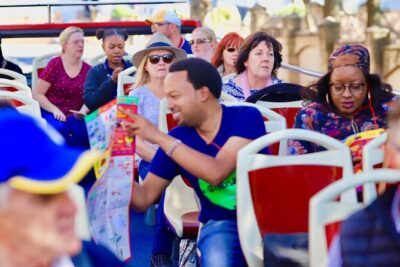
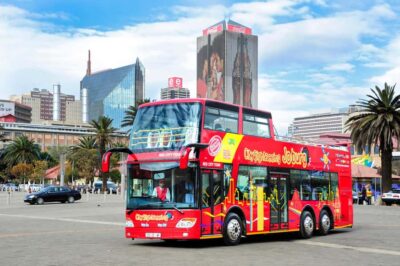
Johannesburg Hop-On Hop-Off City Tour with Soweto Option
Read our review →
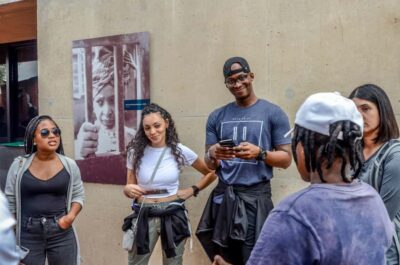
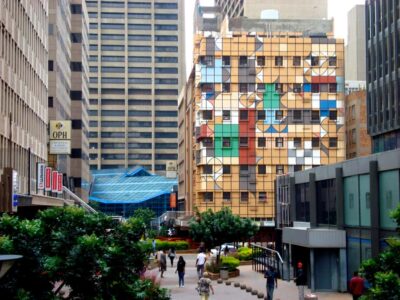
Jo’berg in 1 Day: Soweto, Apartheid Museum & City Tour
Read our review →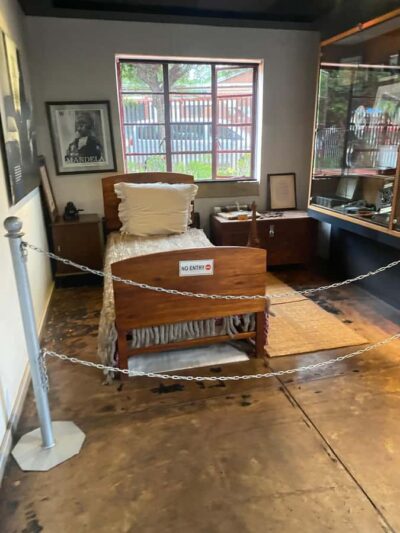
Full-Day Tour with Soweto and Apartheid Museum
Read our review →Browse the lists this tour appears in