
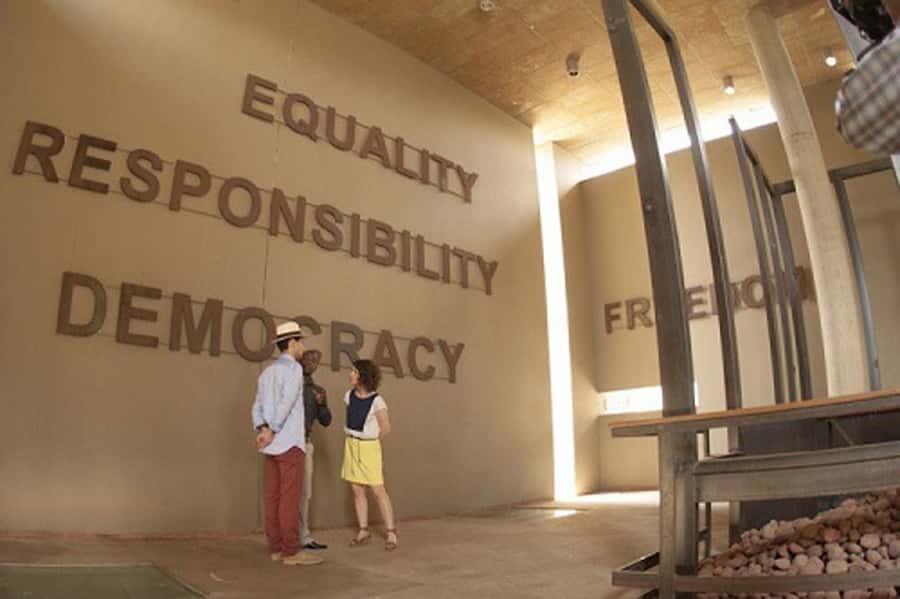
Reviewed · APARTHEID MUSEUM TOURS
Johannesburg: Half-Day Apartheid Museum Tour
The Apartheid Museum is not a light sightseeing stop. It is a carefully arranged, often painful account of how a government turned racial discrimination into law, then how ordinary people resisted it. You move through film, photographs, documents, objects, and personal stories until the 1994 election of Nelson Mandela brings the story to its hard-won turning point. The museum is the heart of the tour, and three hours gives you enough time to take it in without rushing through every panel.
I like the small-group format, capped at 13 people, because it leaves room for questions and personal attention. I also like having a guide for the ride and the museum, since guides such as Bongani, Tshepo, James, and Mark have added useful context about Johannesburg and South Africa beyond the display labels. The main drawback is the fixed five-hour frame: three hours can feel short here, especially if you read every panel or pause over the film footage.
Key points to know before booking
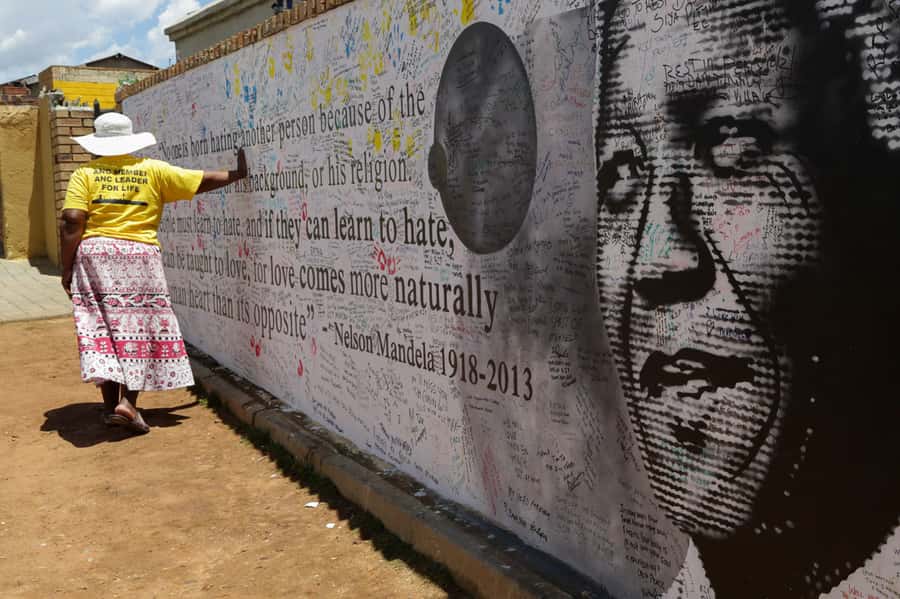
- 22 exhibit areas trace apartheid from its creation in 1948 through the 1994 election.
- Three hours inside the museum is useful, but serious readers may want longer.
- Hotel pickup and drop-off cover Johannesburg accommodations.
- Groups are limited to 13 people, with an English-speaking guide.
- The $49 price includes admission, transfers, Wi-Fi, and the guided visit.
- The tour is wheelchair accessible, and one guide helped a guest move through every exhibit with her mother.
Why the Apartheid Museum matters
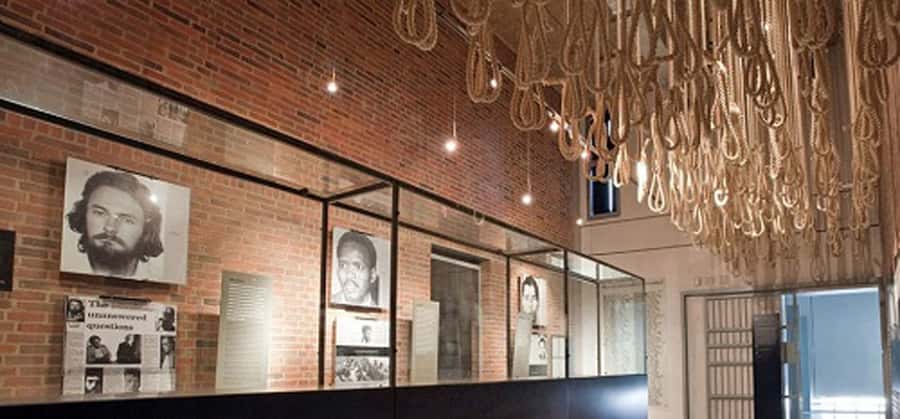
The Apartheid Museum was created to explain a system that was not simply a matter of personal prejudice. Apartheid was a state policy, put into practice in 1948 by the white National Party government. It restricted where people could live, work, study, and travel according to race.
The scale of the injustice becomes clearer as you move through the museum. Around 20 million people were treated as second-class citizens, with Black South Africans subjected to forced separation, humiliation, abuse, and a life shaped by laws they had no fair role in making.
That is why this tour is more than a museum transfer. You are not just looking at old photographs or reading a timeline. You are being shown how laws affected real people, how resistance grew, and how the system finally fell.
The museum also gives space to the difficult process of facing the past. South Africa’s story does not end with the abolition of apartheid. The final galleries point toward liberation, courage, and the work of building a different country after decades of oppression.
More Apartheid Museum Tours in Johannesburg
- Soweto /Johannesburg and Apartheid Museum Guided Full Day Tour
★ 5.0 · 932 reviews - Jo’berg in 1 Day: Soweto, Apartheid Museum & City Tour
★ 4.8 · 524 reviews - Johannesburg: Full-Day Tour with Soweto and Apartheid Museum
★ 4.8 · 478 reviews
The 45-minute ride from your Johannesburg hotel
Your day begins with pickup at your Johannesburg hotel or accommodation. The transfer to the museum takes about 45 minutes, depending on your starting point and road conditions.
That drive is useful preparation. The guide may explain Johannesburg’s history, point out notable buildings, and answer questions about South Africa before you reach the museum. Guides including Tshepo, Cosmos, and Mark have been praised for making the drive part of the experience rather than treating it as dead time.
You travel in a comfortable vehicle with free uncapped Wi-Fi. That is a practical bonus, especially if you are using your phone to check plans for the rest of your Johannesburg stay. The small vehicle also keeps the group more manageable than a large coach tour.
Pickup times are not listed as one fixed departure, so you need to check availability for the day you want. The full outing lasts five hours, with roughly 45 minutes each way and three hours at the museum. Allowing for traffic is sensible, since the schedule has less flexibility than a private full-day outing.
Entering the museum and facing the first displays
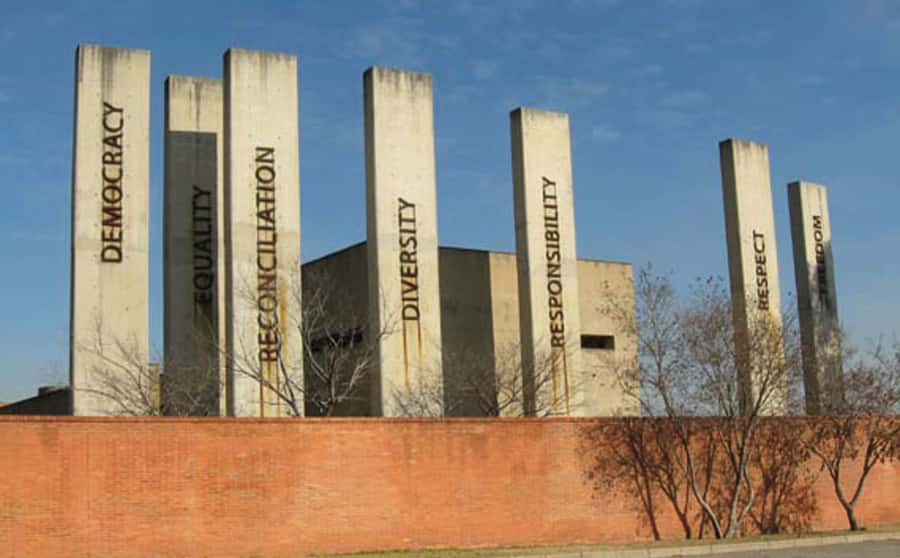
The Apartheid Museum is the first museum of its kind, and the arrival itself begins the lesson. The exhibits are arranged by a team of curators, filmmakers, historians, and designers, creating a sequence rather than a loose collection of objects.
The museum contains 22 individual exhibition areas. Some are built around photographs and text. Others use film footage, artifacts, and visual displays to show how official policy reached into daily life.
You should expect an emotional visit. The material deals with racial classification, legal control, violence, forced separation, and the long struggle to change the system. It is not presented as a polished national story with the difficult parts tucked away. The purpose is to make the machinery of apartheid and its human cost impossible to ignore.
The guide can help you understand how the galleries fit together. Some parts of the museum are self-guided, so you may have time to read at your own pace while your guide fills in gaps or answers questions. This arrangement can be a benefit: you get context without having someone talk over every display.
Following apartheid from 1948 to resistance
The early sections explain how apartheid became law after the National Party took power in 1948. The museum shows how racial categories were enforced and how a large majority was denied equal rights in its own country.
This section may take time because the system was broad and detailed. It was not one law but a network of rules that shaped residence, education, employment, movement, and public life. The displays help connect those rules to daily experience.
Film footage and photographs give the story a human scale. Instead of seeing apartheid only as a set of government decisions, you see the faces and consequences attached to those decisions. Text panels provide the political framework, while artifacts make the period more tangible.
As you continue, the focus turns to resistance. South Africans opposed apartheid in many ways, and the museum follows the pressure that gradually challenged the state. The story is one of courage and endurance, but it is not made comfortable. Resistance came with sacrifice, fear, imprisonment, and loss.
A guide adds value here because context can be hard to absorb from labels alone. James, for example, was praised for balancing the history, the present, and the country’s future. That is the kind of explanation you want from this tour: not only what happened, but why it mattered and how it shaped South Africa afterward.
More Apartheid Museum Tours in Apartheid Museum:
- Full-Day Soweto, Apartheid Museum and Lunch Tour
★ 5.0 · 410 reviews - Half Guided Day Tour of Soweto And Apartheid Museum
★ 5.0 · 356 reviews - Ultimate Johannesburg Soweto Experience with Apartheid Museum
★ 5.0 · 313 reviews - Soweto: Hop-On Hop-Off Bus, City Tour and Apartheid Museum
★ 4.5 · 250 reviews
Film, photographs, and objects that slow you down
This is not a museum you should rush through with a quick look at each case. The displays use several forms of evidence, and each one does a different job.
- Film footage shows events as they unfolded and gives the period a stark immediacy.
- Photographs place faces and communities at the center of the story.
- Text panels explain the laws, political decisions, and major events.
- Artifacts connect large national events with physical reminders of the people who lived through them.
The combination can feel heavy, especially when one gallery leads directly into another difficult section. Give yourself permission to pause. Three hours is a useful amount of time, but you will not absorb every line unless you move briskly.
The museum is laid out as a logical journey, which helps first-time visitors. You do not need a detailed background in South African history before arriving. Still, a little reading beforehand can make the visit easier to follow, especially if the names of political groups and major events are unfamiliar.
Reaching Mandela and the 1994 election
The museum’s dramatic endpoint is the election of Nelson Mandela in 1994. Mandela had been imprisoned, and his election as president became the symbol of apartheid’s defeat and the country’s liberation.
The closing sections work because they do not treat 1994 as a simple happy ending. The election is the climax of resistance, courage, and fortitude, but it also marks the start of a difficult new chapter. South Africa had to confront what had happened and decide how to move forward.
That closing perspective gives the museum more weight than a basic political timeline. You leave with a clearer sense of both achievement and unfinished work. For anyone visiting Johannesburg for the first time, this is one of the most direct ways to understand the country’s modern identity.
What the guide adds to the museum visit
The quality of the guide matters here. You are dealing with a complicated subject, and a good guide helps you keep the major themes in view without turning the visit into a lecture.
The guides associated with this experience have included Mark, Martin, Bongani, Tshepo, Guy, Cosmos, James, and Gaza. The exact person assigned to you can vary, but the strongest guiding approach has several useful traits: clear explanations, patience, room for questions, and an ability to connect the museum to the streets outside.
Bongani was described as staying with a wheelchair user throughout the museum and helping her move through all the exhibits. That is a practical sign of attentive service, not just historical commentary.
Tshepo was also praised for explaining Johannesburg landmarks during the drive and adding small pieces of context inside the museum. Gaza has offered personal experience to fill in parts of the self-guided displays. Guy was noted for giving people time to explore while remaining available throughout the visit.
There is one important distinction to understand. A guided museum visit does not necessarily mean that every minute is a formal talk. Parts may be self-guided, and the guide may allow you to read and reflect independently. If you prefer total freedom, you can tell the guide. If you want more explanation, ask for it.
Timing, group size, and comfort
The tour lasts five hours from pickup to return. That makes it a good fit for a half-day in Johannesburg, particularly if you want to keep the rest of your day open.
The group limit of 13 people is small enough for questions and easier movement. It is not the same as a private tour, but it is far more personal than a large bus outing. The vehicle includes Wi-Fi and is described as comfortable, which helps during the two transfers.
The schedule can sometimes be adjusted if you need more time at the museum, though the available information does not promise an extended visit on every departure. Ask your guide early if you want to spend longer in the galleries.
Wheelchair access is available. A guide has helped a wheelchair user through the exhibits, but individual mobility needs can differ, so explain your requirements when arranging pickup.
Food and souvenirs are not included. This is not a major issue for a five-hour museum trip, but you should plan your meal around the outing rather than expect lunch to be provided.
Is $49 a fair price?
At $49 per person, the tour costs more than simply arranging museum admission and finding your own way there. The price includes the entrance ticket, hotel pickup and drop-off in Johannesburg, a comfortable vehicle, Wi-Fi, and a three-hour guided visit.
The value comes from the structure. You do not need to arrange transport across Johannesburg, find the museum on your own, or work out how the exhibits fit into the larger story. The ride also becomes part of the outing, with guides answering questions and pointing out places along the route.
The price may feel high if you already have transport, prefer to read alone, and are happy with a self-guided museum visit. One guest considered it somewhat expensive for that reason. But for a first visit to Johannesburg, or for anyone who wants historical context without doing all the preparation alone, the package is reasonable.
The small group improves the value. You are paying for more than a ticket, but you are not paying private-tour prices. Free cancellation up to 24 hours before departure and the option to reserve now and pay later also make the booking easier to fit into a changing itinerary.
Who should book this Johannesburg tour?
I would choose this tour if you want a clear introduction to apartheid and prefer having transportation handled. It suits first-time visitors, people with limited time in Johannesburg, and anyone who wants to ask questions rather than rely only on museum labels.
It is also a strong choice for families or mixed-age groups who may benefit from a guide adjusting the pace. The subject is serious, so younger visitors should be prepared for difficult material.
You may prefer a self-guided visit if you read very quickly, want to linger over selected exhibits, or dislike following a schedule. Three hours is generous for a general visit but not always enough for someone who wants to study every photograph and panel.
This tour is not designed as a broad Johannesburg city tour. The museum is the main destination, and the drive adds context rather than a long list of sightseeing stops. Book it for the history, not for a packed day of attractions.
Final verdict: a serious and worthwhile half-day
I recommend the Johannesburg Apartheid Museum tour for most people who want to understand South Africa beyond its scenery and famous names. The museum’s 22 exhibit areas, film footage, photographs, text, and objects make the subject direct and personal.
The strongest reason to book is the combination of reliable hotel transport and human context. A guide such as Tshepo, Bongani, or James can help you connect the displays with Johannesburg and answer questions that a label cannot.
Choose another option if you need a completely flexible schedule or want to spend an entire day at the museum. Otherwise, $49 buys a well-organized five-hour outing and a thoughtful look at one of the defining struggles of modern South Africa.
FAQ
How long does the Apartheid Museum tour last?
The full experience lasts five hours, including transportation from Johannesburg, a three-hour museum visit, and the return transfer.
How much does the tour cost?
The listed price is $49 per person.
What does the price include?
It includes Apartheid Museum admission, a three-hour guided museum visit, pickup and drop-off in Johannesburg, transfers in a comfortable vehicle, and free uncapped Wi-Fi aboard the vehicle.
Is hotel pickup included?
Yes. Your guide picks you up from your hotel or accommodation in Johannesburg and returns you there after the museum visit.
How long is the drive to the museum?
The transfer from Johannesburg to the Apartheid Museum takes about 45 minutes, followed by another 45-minute transfer back.
How much time do I get inside the museum?
The planned museum visit lasts three hours. The schedule may be adjusted if you need more time, depending on the day and arrangements with the local partner.
Is the tour guided in English?
Yes. The live tour guide speaks English, and English is the listed tour language.
How large is the group?
The experience is offered as a small-group tour with a maximum of 13 participants.
Is the tour wheelchair accessible?
Yes, the activity is wheelchair accessible. A guide has also assisted a wheelchair user through the museum exhibits.
Can I cancel the booking?
You can cancel up to 24 hours in advance for a full refund. You can also reserve the experience and pay later, which keeps your plans flexible.
More Half-Day in Apartheid Museum
- Half-Day Tour Through Cape Town’s Townships
★ 4.8 · 979 reviews - Half-Day Tour of Soweto Tour
★ 4.5 · 712 reviews - Stellenbosch: Half-Day Wine Tour
★ 4.7 · 601 reviews - From Cape Town: Cape Point and Boulders Beach Half-Day Tour
★ 4.8 · 498 reviews
More Museums in Apartheid Museum
- Johannesburg Full-Day Tour(Soweto/Jo-Burg & Apartheid Museum)
★ 5.0 · 110 reviews - Johannesburg: Soweto & Apartheid Museum Half-Day Tour
★ 4.9 · 99 reviews - From Johannesburg: Pretoria, Soweto & Apartheid Museum Tour
★ 4.8 · 48 reviews - Soweto and Apartheid Museum Tour
★ 4.4 · 38 reviews
Just added around Apartheid Museum
- Soweto and Apartheid Museum Tour★ 4.4 · 38 reviews
- Johannesburg: Soweto, Apartheid Museum, and Cradle tours★ 4.7 · 3 reviews
- Half Day Soweto and Apartheid Museum Guided Tour★ 5.0 · 5 reviews
- Half Day Private Soweto and Apartheid Museum tour★ 4.6 · 14 reviews
- Johannesburg: Private Guided City Tour with Apartheid Museum★ 5.0 · 6 reviews
- From Johannesburg: Pretoria, Soweto & Apartheid Museum Tour★ 4.8 · 48 reviews
- Constitutional Hill & Apartheid Museum Half Day Tour★ 4.9 · 6 reviews
- Apartheid Museum Tour★ 4.7 · 12 reviews
Apartheid Museum Tours, compared.

Soweto /Johannesburg and Apartheid Museum Guided Full Day Tour
Read our review →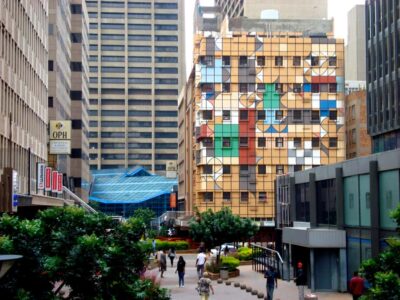
Jo’berg in 1 Day: Soweto, Apartheid Museum & City Tour
Read our review →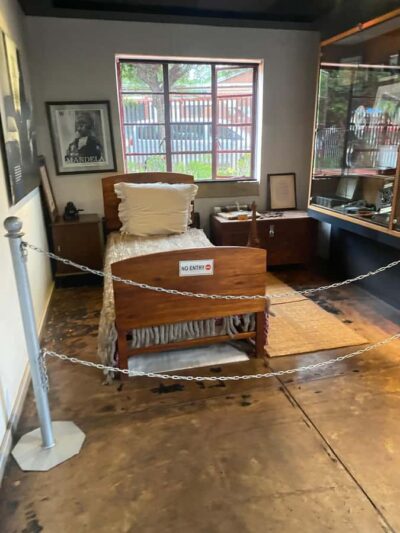
Full-Day Tour with Soweto and Apartheid Museum
Read our review →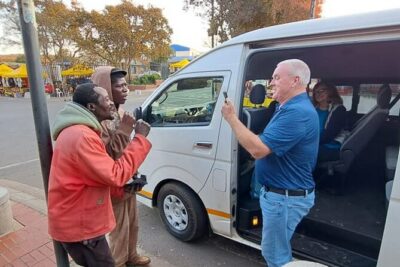
Full-Day Soweto, Apartheid Museum and Lunch Tour
Read our review →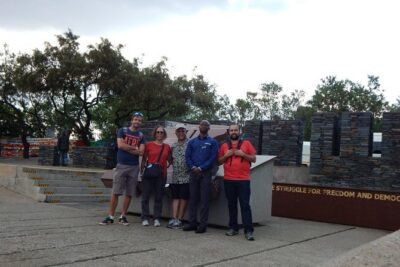
Half Guided Day Tour of Soweto And Apartheid Museum
Read our review →
Ultimate Johannesburg Soweto Experience with Apartheid Museum
Read our review →
Hop-On Hop-Off Bus, City Tour and Apartheid Museum
Read our review →Johannesburg Full-Day Tour(Soweto/Jo-Burg & Apartheid Museum)
Read our review →Browse the lists this tour appears in