

Reviewed · SOWETO TOURS
Soweto Tour with a Local Guide
Soweto is best understood through the people and places that shaped South Africa’s road to democracy. This private tour takes you from Nelson Mandela’s former home to the site where the 1976 student uprising began, with a local guide putting each stop into plain, human context. The history is powerful, but Soweto is also a living township filled with food, fashion, art, faith, and daily city life.
I like the focused route and the fact that admission is included at Mandela House and the Hector Pieterson Museum. I also like the private format: you travel only with your own group, so you can ask questions, slow down for photographs, or spend more time on a subject that catches your interest. Guides such as Shaun have been praised for clear explanations, careful planning, photography help, and making people feel safe and comfortable.
The main consideration is the price, $98.28 per person, which is not a bargain if you only want a quick drive-by view of Soweto. The tour also lasts five to six hours and does not include lunch, so you should allow most of a morning and early afternoon. This is a history-focused visit, not a casual sightseeing loop.
Key points before you book

- Mandela House gives the tour a personal starting point: You see the modest Soweto home connected with Nelson Mandela, Winnie Mandela, and family life.
- Hector Pieterson Museum explains June 16, 1976: This is the central stop for understanding the student uprising and the death of 12-year-old Hector Pieterson.
- Vilakazi Street links two Nobel Peace Prize winners: The walk includes the homes associated with Nelson Mandela and Archbishop Desmond Tutu, along with arts, crafts, and shopping.
- Regina Mundi adds a religious and political angle: South Africa’s largest Roman Catholic church once sheltered activists and anti-apartheid groups.
- The private vehicle makes the day flexible: Pickup is offered, transport is air-conditioned, and only your group takes part.
- The price covers the main practical extras: Entrance fees, taxes, and bottled water are included, but lunch is not.
Why Soweto deserves more than a quick photo stop
Soweto, short for South Western Townships, is South Africa’s largest township and one of the country’s most important cultural and political places. It is often presented as a place of apartheid history, but that is only part of the picture.
You also see a major center of urban South African culture, where music, clothing, food, religion, sport, and new business activity sit alongside sites tied to the struggle against apartheid. That mixture matters. If you visit only museums in central Johannesburg, you can learn dates and events without seeing the community where many of them unfolded.
A local guide is especially useful here because the meaning of a street or building is not always obvious from the outside. Shaun is the guide name most closely associated with this experience in the available information, while some visits have also involved Noel. The strongest descriptions of their service focus on clear communication, personal attention, safety, and the ability to explain the roots of Johannesburg and Soweto in a way that is easy to follow.
The exact guide may vary, so treat those names as useful context rather than a guarantee. If having Shaun matters to you, ask when booking.
More Soweto Tours in Pretoria
- Johannesburg and Soweto tour
★ 5.0 · 231 reviews - Soweto Half Day Tour
★ 5.0 · 231 reviews - Johannesburg Full-Day Tour(Soweto/Jo-Burg & Apartheid Museum)
★ 5.0 · 110 reviews
Starting with Mandela House
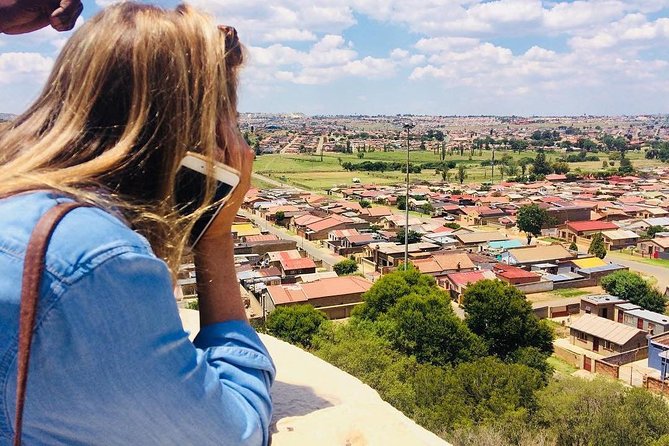
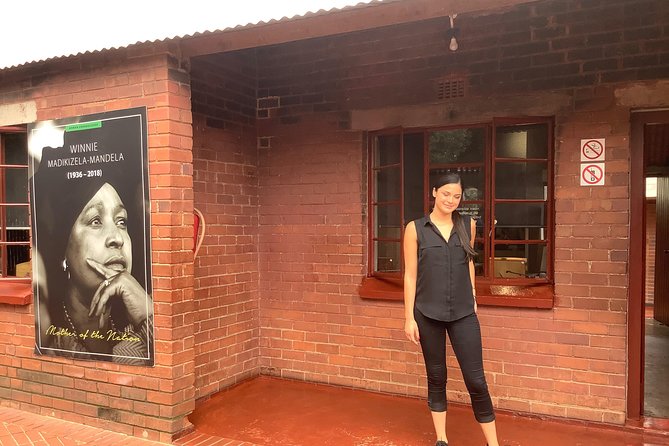
Mandela House is the emotional first stop for many people. This is the second house where Nelson Mandela spent much of his time while living in Johannesburg, together with his family and former wife, Winnie Mandela.
The house is not presented as a grand residence. Its importance comes from the people who lived there and the political pressure surrounding their lives. Seeing the setting helps turn Mandela from a distant international figure into a husband, father, lawyer, activist, and political leader who lived in an ordinary neighborhood.
You have about 30 minutes here, with admission included. That is enough for a focused visit, though anyone who likes to read every display may want more time. I would pay close attention to the domestic details rather than rushing toward the famous name. They help explain why this address became part of South Africa’s public memory.
This stop also gives you a useful reference point for Vilakazi Street later in the day. The two locations are closely connected, and the street visit adds a more open, public feel after the house’s indoor history.
Understanding June 16 at Hector Pieterson Museum
The Hector Pieterson Museum and Memorial is the most sobering stop. It recalls the 1976 Soweto uprising, when students protested against the forced use of Afrikaans in schools. Hector Pieterson was 12 years old when he was killed, and the photograph of his body being carried through the streets became an international symbol of apartheid’s violence.
You have about 40 minutes here, with admission included. That makes this the longest scheduled museum stop, and rightly so. The subject needs time and quiet attention. You should expect a serious visit rather than a light sightseeing break.
A good local guide can help connect the museum’s material to the surrounding streets and the broader struggle for equal education and political rights. The value is not simply in seeing exhibits. It is in understanding how a student protest became a turning point that drew worldwide attention.
I would not plan this as a rushed stop between photographs. If the museum is especially important to you, tell your guide early in the day that you would like enough time here. The private format makes that request more realistic than it would be on a large coach tour.
Seeing public life at Walter Sisulu Square
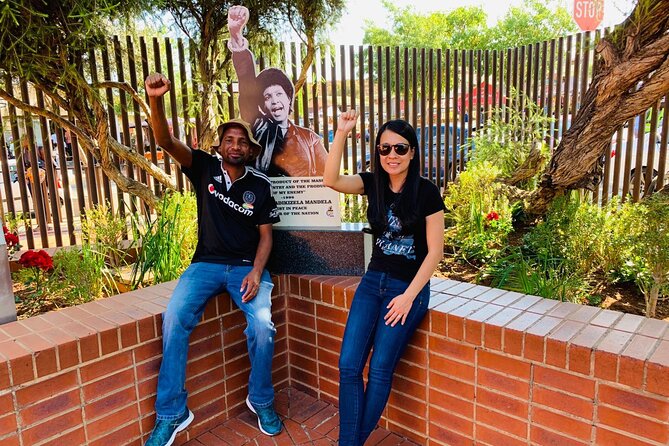
Walter Sisulu Square receives about 20 minutes. It offers a change of pace from the museums and memorials, bringing South African culture and modern township life into the same picture.
Walter Sisulu was a major figure in the anti-apartheid movement and a close colleague of Nelson Mandela. The square is also tied to the Freedom Charter, an important document that set out a vision for a democratic South Africa. The stop therefore has political meaning, but it is not only a political site.
You can also use this part of the visit to notice how public spaces are used, how old political ideas continue to shape national identity, and how modern urban life fits around them. The schedule is short, so this is mainly an orientation stop rather than a lengthy historical examination.
If you enjoy architecture, public art, and civic spaces, you may wish to ask the guide what features to look for. If your priority is apartheid-era detail, the museum and Regina Mundi will likely hold your attention more firmly.
Same country, a completely different kind of day:
- Ultimate Johannesburg Tour
★ 5.0 · 200 reviews - Johannesburg: Pretoria and Cullinan Diamond Mine Tour
★ 4.7 · 165 reviews - Taste of Africa Food tasting Experience
★ 4.5 · 138 reviews - Harties Cableway Experience Ticket
★ 4.5 · 119 reviews
Entering Regina Mundi, the church that offered shelter
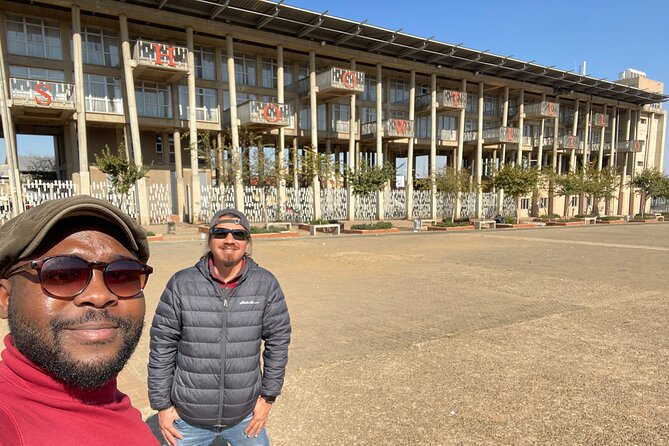
Regina Mundi is described as the largest Roman Catholic church in South Africa. It also holds an important place in the country’s apartheid story because it opened its doors to anti-apartheid groups and sheltered activists.
You spend about 20 minutes here. The visit adds something that museums alone cannot: the role of religious institutions and places of worship during political conflict. Regina Mundi was not simply a religious building. It became a place where people could gather, seek protection, and speak when other spaces were closed or unsafe.
This stop may feel quieter than Hector Pieterson Museum, but it fills an important gap in the story. Political change did not happen only in government buildings or famous homes. Churches and community spaces also gave people room to organize and endure.
As with any religious site, behave respectfully and follow local instructions. The supplied information does not promise a service, special ceremony, or guaranteed interior access beyond the planned visit, so think of this as a short historical stop.
Walking Vilakazi Street and its famous addresses
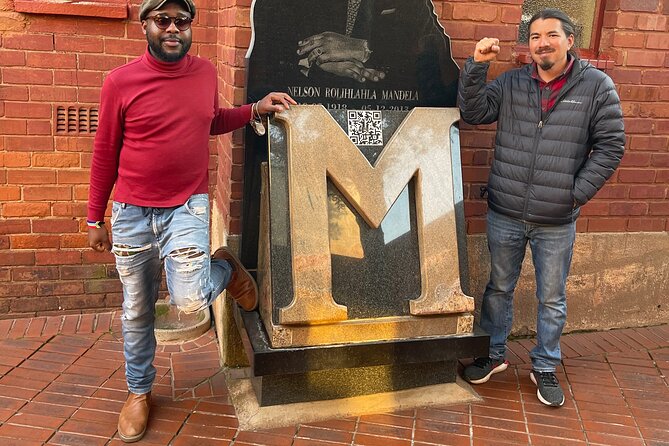
Vilakazi Street is one of the most memorable parts of the route because it combines major political history with ordinary commercial life. It is known as the only street in the world associated with two Nobel Peace Prize winners, Nelson Mandela and Archbishop Desmond Tutu.
The tour includes about 20 minutes of walking here, with no separate admission charge. You have time to look at arts and crafts, browse small shops, and get a feel for the street’s public energy. This is a useful reminder that Soweto is not frozen in the past. It is a place where residents work, shop, socialize, and build businesses around famous landmarks.
Twenty minutes is enough for a short walk and photographs, but not enough for a long meal or serious shopping session. If you see something you want to buy, keep an eye on the schedule. Lunch is not included, and the tour description does not promise a meal at this stop.
Some visits arranged by the same company have included traditional dancers, but that is not listed as a guaranteed feature of this Soweto experience. I would treat it as a possible extra rather than a reason to book.
Passing the 2010 World Cup sites
The tour also drives past a former cooling station that became a tourist destination during the 2010 soccer World Cup. The description does not name the site, but it gives you another way to see how Soweto has adapted places for new uses.
You also pass the main stadium used during the 2010 World Cup. This is a short drive-by rather than a stadium tour, so do not expect an interior visit or a long stop unless the guide confirms otherwise.
These brief sections may seem less important than Mandela House or the museum, but they help widen the picture. Soweto is connected not only with protest and political memory, but also with sport, tourism, and modern South African identity.
If football is a major interest, ask the guide how much time is available for photographs. The listed schedule gives set times for the main stops, while the stadium and cooling-station visits are described as drive-bys.
What the private format changes
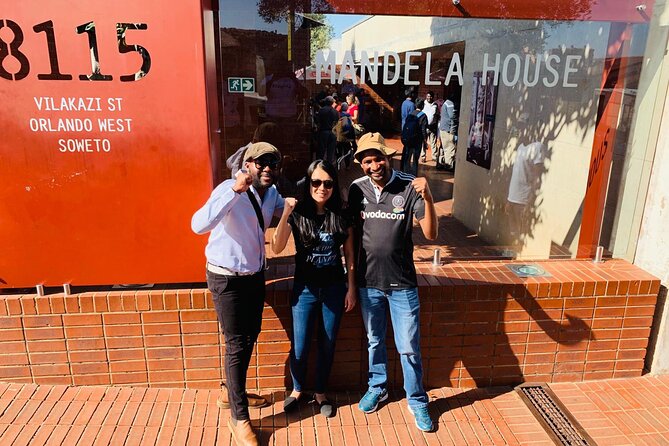
The private structure is one of the tour’s strongest practical features. Only your group participates, which gives you more control over the day than a standard shared coach trip.
You can ask questions without speaking over a bus full of people. You can also tell the guide if you need a slower pace, more time at the museum, or help with photographs. Past service descriptions place special emphasis on Shaun’s responsiveness, careful coordination, safety, and willingness to adjust plans around individual needs.
Pickup is offered, and the vehicle is air-conditioned. That matters during a five to six-hour outing, especially when you are moving between outdoor walks, indoor museums, and vehicle time. Bottled water is included, as are all listed fees and taxes.
The schedule suggests a morning start, with operating hours shown from 9:00 a.m. to 12:00 p.m. daily. Because the published timing is not fully clear about pickup windows and return time, confirm your exact pickup details before the day begins. The tour is listed in Pretoria, while the main sightseeing takes place in Soweto, so ask how the transfer is handled and how much driving time is built into your booking.
Is $98.28 good value?
At $98.28 per person, this is a mid-priced private half-day tour. You are paying for more than entry tickets. The cost also covers a private, air-conditioned vehicle, bottled water, taxes, and a local guide’s time.
For a solo visitor or couple, the price may feel high compared with joining a shared excursion. For a family or small group, the private arrangement can make better financial sense, particularly if group discounts apply. The value improves if you want explanations rather than simply being dropped at landmarks.
The two included admissions are important. Mandela House and Hector Pieterson Museum are the places where you gain the most direct access to the story, while Walter Sisulu Square, Regina Mundi, Vilakazi Street, and the drive-bys broaden the visit without separate listed fees.
Lunch is the main extra to plan for. Since it is not included, bring a plan for food or ask the provider whether there is time to arrange it. Do not assume that a meal or traditional performance is part of the quoted price.
Who will get the most from this Soweto visit?
I would recommend this tour to you if you want a clear introduction to South African apartheid history, prefer a private setting, and value conversation with a local guide. It is also a strong choice if you have limited time and want several major Soweto sites handled in one outing.
Families may appreciate the private vehicle and the ability to ask questions at their own pace. People interested in photography should also benefit from the guide’s reported willingness to take photographs along the way, though this should be confirmed in advance.
The tour is less suitable if you want a long, slow visit at each museum, a food tour, or a nightlife experience. The five to six-hour schedule covers a lot of ground, and several stops last only 20 minutes.
Most people can participate, service animals are allowed, and the experience is near public transportation. The information provided does not give detailed mobility guidance for every site, so anyone with specific access needs should ask the operator before booking.
Cancellation and planning notes
You can cancel up to 24 hours before the local start time for a full refund. Changes made less than 24 hours before departure are not accepted, and cancellations inside that period are not refunded.
The experience depends on good weather. If poor weather causes cancellation, you should be offered another date or a full refund. If the minimum number of participants is not met, the provider offers another date or experience, or a full refund.
Confirmation is received at booking. Since pickup details are important and the tour crosses the Pretoria and Johannesburg area, save the provider’s contact information and confirm the meeting arrangements.
Should you book it?
Book this Soweto tour if you want the major landmarks explained by a local guide, not just photographed from a vehicle. Mandela House, Hector Pieterson Museum, and Regina Mundi create a strong historical core, while Vilakazi Street and the World Cup sites show how Soweto continues to change.
The private format, included admissions, air-conditioned transport, and strong emphasis on personal service make the $98.28 price easier to justify for a small group. I would ask about your exact guide, pickup location, lunch timing, and how much time can be spent at the museum before paying.
If you want a relaxed food-and-culture outing with long stops, choose something less history-heavy. If you want a thoughtful first look at Soweto’s political past and present-day life, this is a solid choice.
FAQ
How long does the Soweto tour last?
The experience lasts approximately five to six hours.
What attractions are included?
The route includes Mandela House, Hector Pieterson Museum and Memorial, Walter Sisulu Square, Regina Mundi, and Vilakazi Street. It also passes a former cooling station turned tourist destination and the main stadium used during the 2010 World Cup.
Are entrance fees included?
Admission to Mandela House and Hector Pieterson Museum is included. All listed fees and taxes are also included.
Is lunch included?
No. Lunch is not included in the tour price.
Is this a private tour?
Yes. Only your group participates in the activity.
Is pickup available?
Yes. Pickup is offered, but you should confirm the exact pickup point and timing when booking.
Just added around Pretoria
- Soweto and Apartheid Museum Tour★ 4.5 · 7 reviews
- Full-Day Guided Tour of Soweto, Johannesburg and Apartheid Museum★ 5.0 · 5 reviews
- Full Day Safari from Johannesburg – Pilanesberg Nature Reserve★ 5.0 · 5 reviews
- Full-Day Pilanesberg National Park from Johannesburg and Pretoria★ 4.0 · 4 reviews
- Cradle of Humankind Tour – Sterkfontein Caves with Maropeng Tour★ 4.5 · 39 reviews
- Full-Day Cradle of Humankind Guided Tour from Johannesburg or Pretoria★ 4.5 · 6 reviews
- Soweto & Apartheid Museum, Cultural Village, Wildlife and Safari★ 5.0 · 3 reviews
- Elephant Sanctuary Tour from Johannesburg or Pretoria★ 5.0 · 14 reviews
Soweto Tours, compared.

Soweto /Johannesburg and Apartheid Museum Guided Full Day Tour
Read our review →
Johannesburg Hop-On Hop-Off City Tour with Soweto Option
Read our review →
Jo’berg in 1 Day: Soweto, Apartheid Museum & City Tour
Read our review →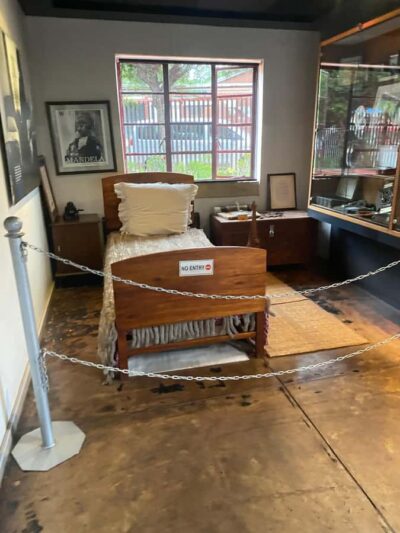
Full-Day Tour with Soweto and Apartheid Museum
Read our review →
Browse the lists this tour appears in