
Reviewed · ROBBEN ISLAND TOURS
Cape Town: Robben Island Ferry and Guided Tour
Robben Island is not just another Cape Town outing. It is the place where Nelson Mandela spent 18 of his 27 years in prison, and where the story of apartheid becomes personal, physical, and difficult to brush aside. The strongest part is the firsthand guidance from a former political prisoner, paired with the ferry ride and its fine views of Table Mountain.
I like the way the tour connects major history to ordinary places: a cramped cell, a prison yard, and a limestone quarry where men were forced to work. I also like the chance to see penguins, seals, and seabirds along the way. The main caution is practical: weather and island closures can disrupt the visit, and recent bookings have included short-notice cancellations.
Key points to know
- Former political prisoner guide: Hear about apartheid and prison life from someone with a personal connection to the struggle.
- Mandela’s cell: See the small room where Nelson Mandela spent 18 years of his imprisonment.
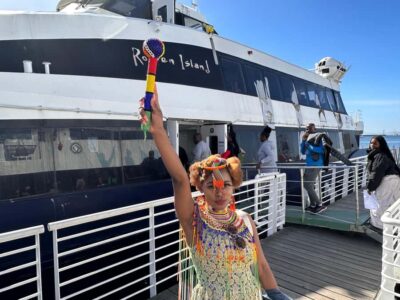
- 30-minute ferry crossing: Enjoy views of Table Mountain and Cape Town’s Atlantic coast on the way out.
- Three hours on Robben Island: The island portion is much longer than the ferry ride, so plan for a substantial half-day outing.
- Wildlife along with history: Keep watch for penguins, seals, and bird species near the island.
- Weather matters: The ferry runs only when conditions allow, so avoid placing this tour before an important same-day flight or connection.
Why Robben Island matters beyond Mandela’s cell
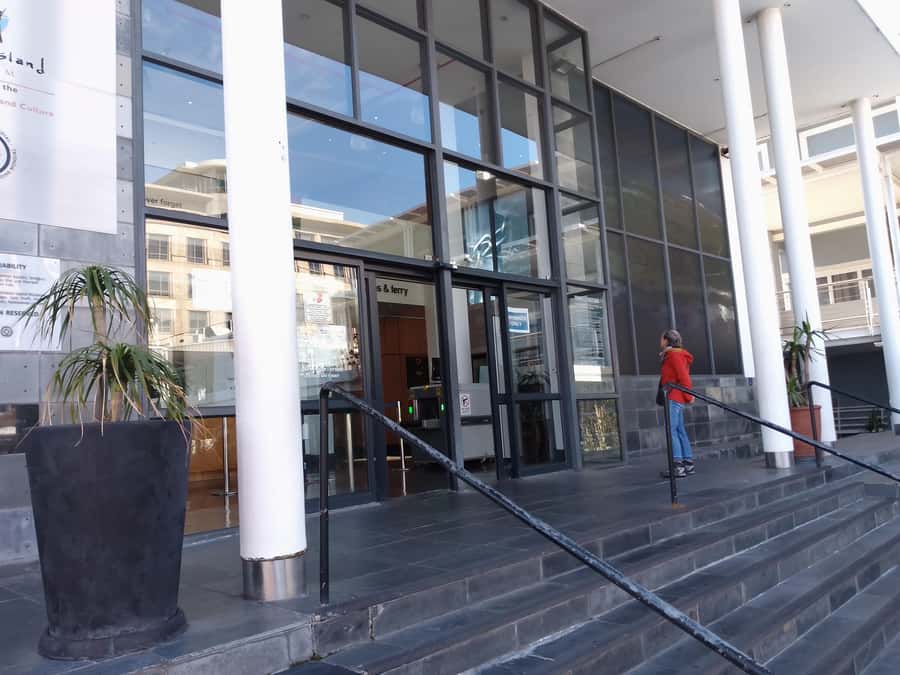
Mandela’s cell is the famous stop, but it is only one piece of the visit. Robben Island was used as a prison for political opponents during apartheid, and its buildings and work sites show how South Africa’s old system tried to control people who opposed it.
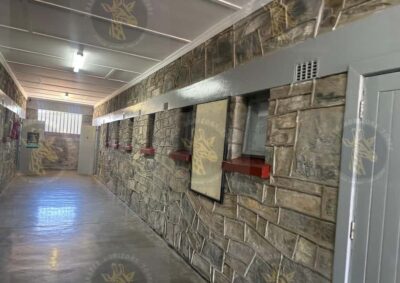
That physical setting matters. You are not hearing about imprisonment in a distant museum room. You are looking at the small cell, walking through the prison yard, and seeing the limestone quarry where prisoners worked. The places give scale to the story.
The island also helps explain that Mandela was not alone. Other political prisoners were held there, and the anti-apartheid struggle involved many people, debates, sacrifices, and years of pressure. A guide with personal experience can connect those broad events to the daily details of prison life.
I would allow time to listen carefully rather than treating this as a quick photo stop. The value comes from the explanation around each site, not simply from checking off Mandela’s cell.
More Robben Island Tours in Cape Town:
- Cape Town: Robben Island Ferry Ticket and Guided Prison Tour
★ 4.1 · 1,792 reviews - Cape Town: Robben Island Ferry Tour with 1-Way Hotel Pickup
★ 4.2 · 1,380 reviews - Cape Town: Robben Island Ferry Ticket and Townships Tour
★ 4.5 · 400 reviews
Starting at the Clock Tower in the V&A Waterfront
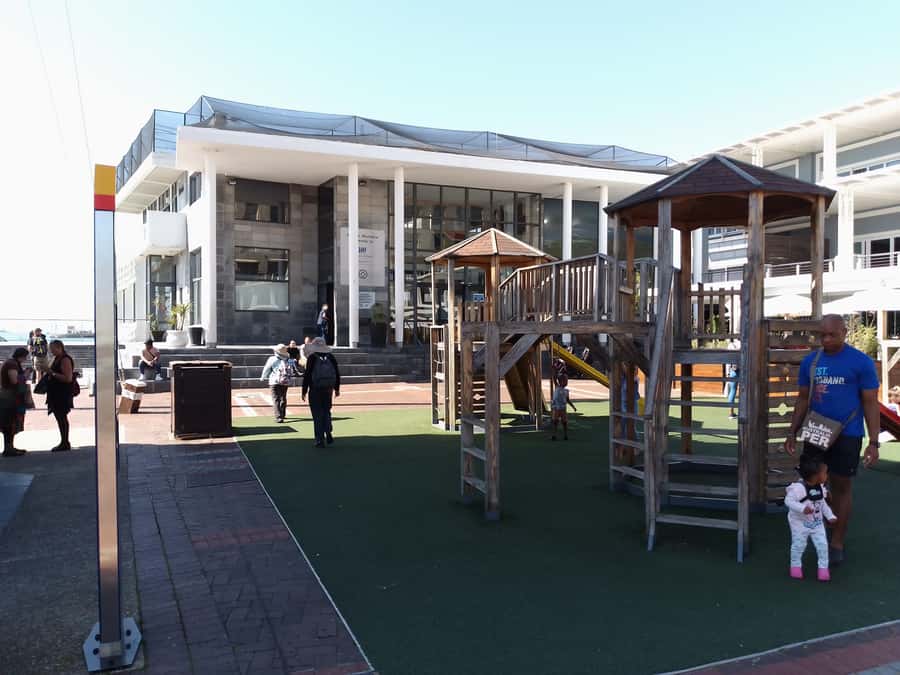
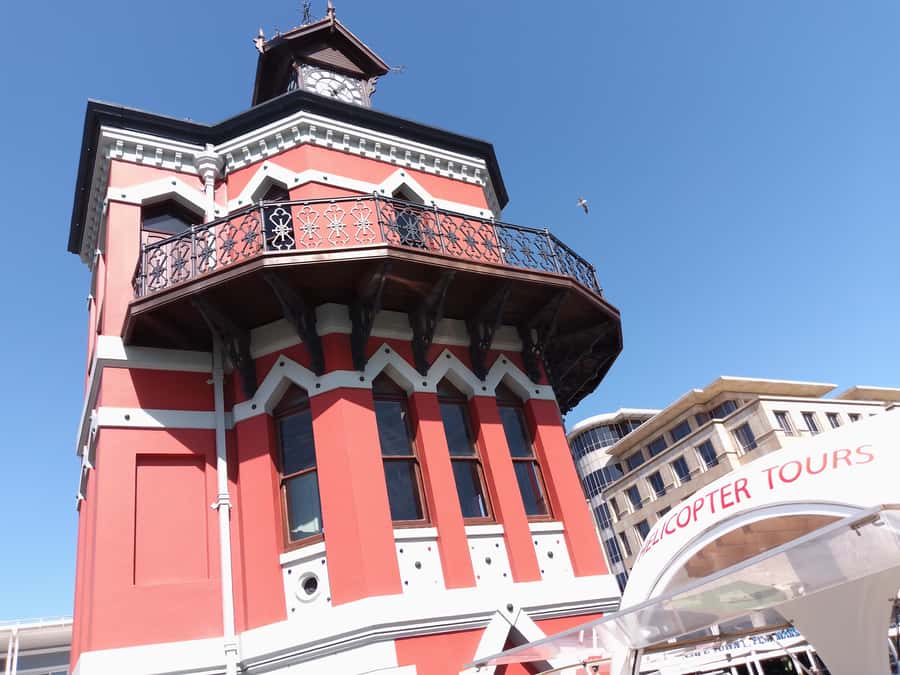
The meeting point is the Clock Tower Retail Centre at the V&A Waterfront. The Victorian Gothic-style clock tower was originally built in 1882 as the old port captain’s office. Its red walls were matched to the original paint, and the clock was imported from Edinburgh.
That makes the starting point more than a generic pickup area. You are beginning at one of Cape Town’s old harbour landmarks before heading into the working port and across the Atlantic.
Give yourself enough time to find the Clock Tower and get ready before departure. Bring your passport or identity card, and a copy is accepted according to the tour information. Comfortable shoes, a hat, sunscreen, and a camera are sensible choices. Smoking is not allowed.
The V&A Waterfront is also useful for food and drinks before or after the trip, since meals and beverages are not included. I would not count on buying lunch as part of the island experience.
The ferry ride and Table Mountain views
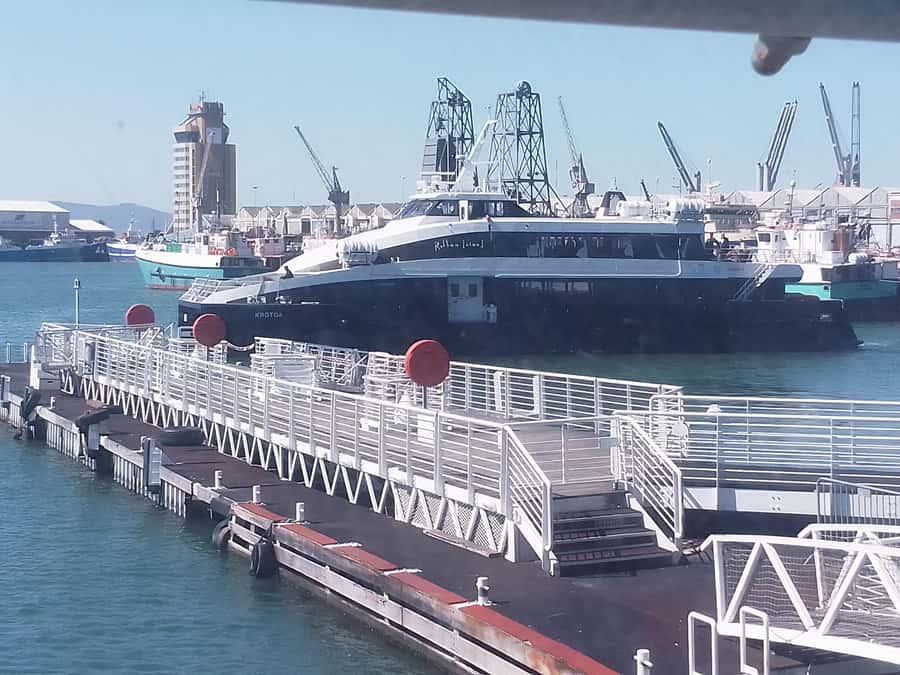
The crossing takes about 30 minutes. It is short enough to avoid becoming tiring, but long enough for Cape Town’s setting to change as you leave the waterfront behind.
Look back toward the city for views of Table Mountain and the Atlantic coastline. The ferry gives you a different angle on Cape Town than you get from streets, buses, or the mountain itself. If the weather is clear, the ride can be one of the most pleasant parts of the day.
This is also where conditions matter most. The ferry operates when weather permits, so rough seas or other poor conditions can affect departure. One booking was canceled because Robben Island was closed, with the customer learning about the problem only shortly before the planned trip. Another cancellation led to a complaint about a delayed refund.
That does not mean every departure will have trouble, but it does mean you should keep your plans flexible. I would avoid scheduling a tight airport transfer, important reservation, or long-distance journey immediately afterward.
The activity information gives a headline duration of one hour, but the detailed schedule lists a 30-minute ferry ride and a three-hour guided tour on Robben Island. Those figures do not match. For planning, use the longer version: expect roughly three hours on the island, plus ferry time and time at the meeting point.
Walking through the prison and Mandela’s cell
The prison tour is the emotional center of the day. You will see Nelson Mandela’s small cell, where he spent 18 years. The room itself is plain, and that is part of its force. There is no grand monument inside it to soften the reality of confinement.
Your guide provides the meaning around the space. You learn about Mandela’s years in prison, the hardships he faced, and the ideas that helped shape his vision for a free South Africa. The visit works best when you pause and take in the scale of the room rather than rushing straight to the next stop.
The prison yard gives the tour a wider setting. It helps you picture movement within the prison and the controlled routine imposed on political prisoners. The tour also visits the limestone quarry, where prisoners were made to work. Together, these stops show both confinement and labor.
The guide’s role is especially important here. The information describes an English-speaking guide who is a former political prisoner, and French interpretation is available by advance request for an added cost. A French translation option is also listed among the language choices, but you should arrange it before arrival rather than assume it will be available on the day.
A positive account of the experience praised the personal guide on the bus and the amount of background information provided. Another specifically noted that the tour was led by a former political prisoner imprisoned in the 1970s. Since individual guide names are not provided, you should not expect to request a named guide, but the personal connection is an important reason to choose this format.
A few more Cape Town trips to weigh up
- Cape Town: Table Mountain Hike with an Expert Guide
★ 4.9 · 666 reviews - Cape Town: Lion’s Head Sunrise or Sunset Guided Hike
★ 5.0 · 642 reviews - Cape Town: Guided Township Tour with Hotel Pickup
★ 4.4 · 536 reviews - Big Five Safari and Breede River Valley Guided Day Trip
★ 5.0 · 526 reviews
The human story behind the anti-apartheid struggle
A good Robben Island visit should do more than repeat dates and famous names. You need enough context to understand why political prisoners were sent there, how apartheid shaped daily life, and why the prison became tied to the eventual liberation of South Africa.
The former-prisoner guide can make that context direct and human. Firsthand accounts may help you understand the routines, pressure, and endurance involved in long-term imprisonment. They can also show that the island was part of a wider political struggle rather than an isolated prison story.
I appreciate that this experience includes other landmarks instead of focusing only on Mandela. His cell draws most people here, but the quarry and prison yard point toward the experiences of many prisoners. The result is a broader visit, provided you give the guide your full attention.
This is not a light sightseeing trip. The subject includes forced labor, political repression, and years of imprisonment. You may find it most rewarding if you are willing to listen and think rather than treating the island as just another scenic stop from Cape Town.
Penguins, seals, and seabirds on the island
Robben Island has a natural side that adds variety to the historical visit. You might spot penguins, seals, and several bird species during your time there.
Wildlife is not guaranteed, and the tour is not presented as a dedicated animal-watching trip. Still, it is worth carrying a camera and keeping your eyes open during the ferry ride and while moving between historic sites. The sea and island setting make the visit feel very different from an ordinary prison museum.
The animals also remind you that the island is more than a set of buildings. Human history is the main reason to come, but the coast and wildlife add a welcome change of pace during a long guided visit.
What $109 means in practical value
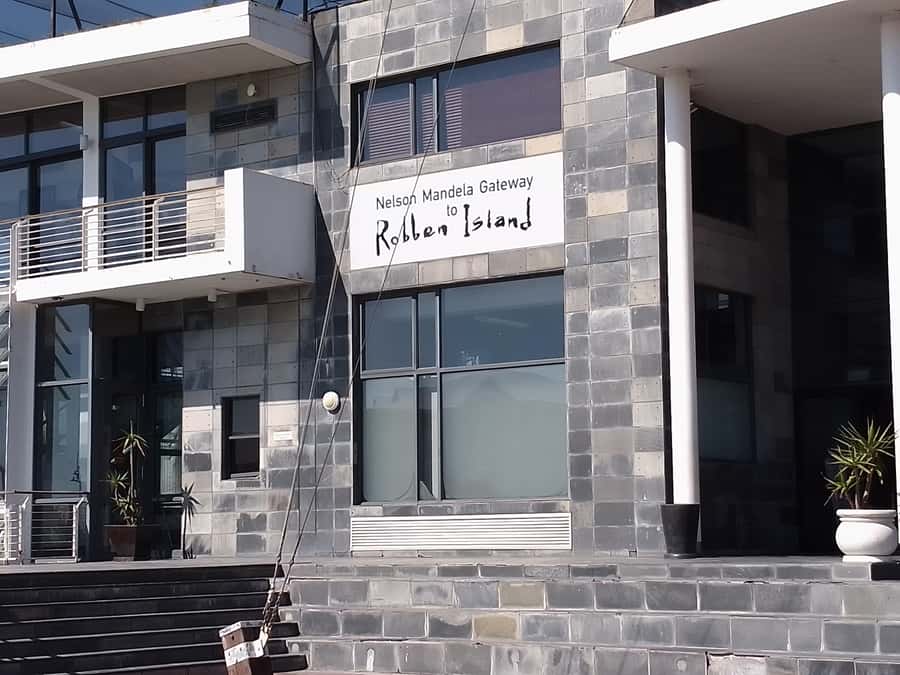
At $109 per person, this is a major sightseeing expense, especially for families or anyone traveling on a tight budget. The price includes the ferry from the V&A Waterfront, the guided visit, access to Mandela’s cell, and the island’s main historic sites.
I see the value in the ferry and the guide together. Booking transport and an island visit separately could be more work, while a former political prisoner can provide context that a self-guided walk cannot. The price is easier to justify if Robben Island is one of your main reasons for visiting Cape Town.
The value is weaker if you want a short activity. The published headline says one hour, but the detailed timing says three hours for the island tour alone, with the ferry taking about 30 minutes. Confirm the starting time and expected return when you book, and plan around the longer schedule.
Meals and drinks are not included. Bring water and arrange food at the waterfront before or after the tour, but do not assume you will have a full meal during the island visit.
The cancellation policy allows a full refund if you cancel at least 24 hours ahead. You can also reserve and pay later, which helps if your Cape Town plans depend on the weather. Because the ferry can be canceled when conditions are poor, that flexibility has real value.
Who should choose this Robben Island visit
I would recommend this experience to you if you want the historical meaning of Robben Island explained on site, not simply photographed from a ferry. It suits adults, students, and families with older children who can engage with the subject.
It is also a strong choice if you value personal testimony. The guide is not just there to point out buildings. The tour is designed to connect the anti-apartheid struggle with the lived experience of political prisoners.
You should think twice if you have limited time in Cape Town, dislike boat travel, or need a guaranteed schedule. The crossing depends on weather, and recent cancellations show that island access cannot always be taken for granted.
Wheelchair access is listed, so travelers who need an accessible experience should still confirm the day’s arrangements before booking. Comfortable shoes remain useful because the tour includes several historic sites and outdoor areas.
How to prepare for a meaningful visit
Bring your passport or identity card, or a copy, as required. A hat, sunscreen, comfortable shoes, and a camera are also listed as recommended items.
Wear clothing suitable for changing coastal conditions. The tour information specifically warns that weather affects the ferry, and the Atlantic crossing can feel different from the conditions at the waterfront.
I would read a short introduction to apartheid and Mandela before you go. You do not need a long book. Even a basic timeline will help you understand why the prison, quarry, and political prisoners matter.
Most of all, leave room in your schedule. The detailed program calls for 30 minutes on the ferry and three hours on Robben Island. The one-hour duration shown elsewhere is too short to use for careful planning.
Should you book it?
Book this Robben Island tour if you want a serious historical experience led by a guide with personal ties to the anti-apartheid struggle. The ferry views, Mandela’s cell, the quarry, and the prison yard make a powerful combination, and the personal guiding is the feature I value most.
Book with caution if your date is fixed or your schedule is tight. The average rating provided is mixed, with two strong positive accounts praising the organization, personal guidance, and former political prisoner connection, alongside two serious complaints involving cancellation, closure, and refund delays.
For the best chance of a smooth day, keep your booking flexible, check the departure status, and allow far more than one hour. If Robben Island is high on your Cape Town list, the experience is worth considering, but its weather dependence means you should not leave it to the final open slot of a short visit.
FAQ
Where does the Robben Island tour begin?
The meeting point is the Clock Tower Retail Centre at Cape Town’s V&A Waterfront.
How long is the ferry ride to Robben Island?
The ferry ride is listed as approximately 30 minutes.
How long is the guided tour on Robben Island?
The detailed schedule lists a three-hour guided tour on the island.
Why does the activity show a duration of one hour?
The published information contains a timing mismatch. The headline lists one hour, while the detailed schedule lists a 30-minute ferry ride and a three-hour island tour. Use the longer schedule when planning.
Is Nelson Mandela’s prison cell included?
Yes. The visit includes Nelson Mandela’s cell, where he spent 18 of his 27 years in prison.
Who leads the guided tour?
The tour is conducted in English by a guide who is described as a former political prisoner. French translation is available by advance request at an additional cost.
What languages are available?
English and French are listed. French translation must be requested in advance and costs extra.
Is the activity wheelchair accessible?
Yes, the activity information lists it as wheelchair accessible.
What should I bring?
Bring a passport or identity card, or a copy, along with comfortable shoes, a hat, sunscreen, and a camera.
Can the ferry be canceled because of weather?
Yes. The ferry operates when weather conditions allow, and the tour is subject to weather conditions.
Are meals and drinks included?
No. Meals and drinks are not included.
Is smoking allowed?
No. Smoking is not allowed during the activity.
Can I cancel for a full refund?
You can cancel up to 24 hours in advance for a full refund.
Can I reserve now and pay later?
Yes. The activity allows you to reserve your place and pay later.
Just added around Cape Town
- Lion’s Head Hike: Cape Town – Sunrise or Sunset Hike★ 5.0 · 29 reviews
- Lion’s Head Sunrise or Sunset Hike + Hotel Pick-Up★ 5.0 · 24 reviews
- Lion’s Head: Hike with a registered hiking guide★ 5.0 · 3 reviews
- Kruger National Park 3 Days Best Ever Safari from Cape Town★ 4.1 · 11 reviews
- Koeksister and Samoosa Class by the Malay Cook Up★ 4.8 · 9 reviews
- Kirstenbosch Garden, Bo-Kaap-Penguins & Cape Peninsula Tour★ 3.9 · 7 reviews
- Khayelitsha: 3-Hour Township Walking Tour★ 5.0 · 6 reviews
- Cape Town: Constantia Half-Day Wine Tour & Tastings★ 4.9 · 15 reviews
Robben Island Tours, compared.
Robben Island Ferry Ticket and Guided Prison Tour
Read our review →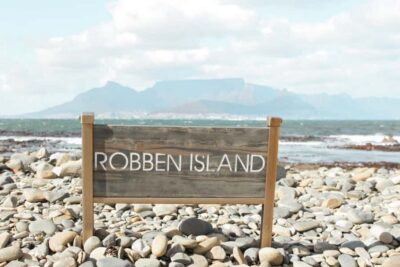
Robben Island Ferry Tour with 1-Way Hotel Pickup
Read our review →
Robben Island Ferry with Prison Ticket and Tour
Read our review →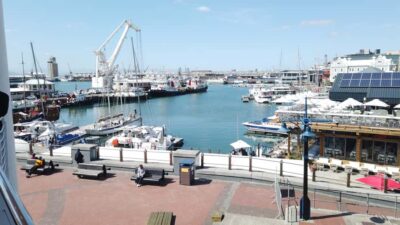

Robben Island Tour including Pick Up & Drop Off from Cape Town
Read our review →
Robben Island Ferry Ticket and Guided Prison Tour
Read our review →
Robben Island Experience: Pre-Booked Ticket & Return Transfers
Read our review →Browse the lists this tour appears in