Reviewed · GUIDED
Cape Town: Guided Township Tour with Hotel Pickup
Cape Town’s townships and Robben Island tell one connected story: how apartheid controlled where people lived, worked, and traveled, and how communities rebuilt afterward. I like that this tour brings you into Langa with a local guide, rather than leaving you to view township life from a bus window. I also like the mix of street-level conversation and the stark prison visit, which gives the day both human scale and national history.
The main catch is financial and practical: the advertised $54 price does not include Robben Island. You must arrange that ferry and prison tour yourself, and you will need to coordinate the afternoon departure carefully. The tour also ends at the V&A Waterfront rather than taking you back to your hotel.
Key points to know before booking
- District Six sets the historical stage: Learn how the Group Areas Act of 1950 forced residents from their homes.
- Langa is the personal heart of the morning: A local site guide leads a walking tour and explains daily life from firsthand experience.
- Bonteheuwel shows apartheid’s forced geography: It was developed for people classified as colored who had been removed from District Six.
- Gugulethu brings the story into the present: Your guide discusses how a major township has changed since apartheid ended.
- Robben Island requires separate planning: Ferry and prison tickets are not included, and departures depend on weather and availability.
- The day is long but efficient: Eight hours covers several townships, lunch at the waterfront, and a possible four-hour Robben Island visit.
Why this Cape Town tour matters
A standard Cape Town sightseeing day often focuses on Table Mountain, beaches, wine estates, and the waterfront. Those places are worth your time, but they do not explain how the city became so divided. This experience adds the missing context.
You begin with the physical and political scars of District Six, then move through townships created or reshaped by forced removals. The route makes apartheid’s rules easier to understand because you see how policy affected actual neighborhoods, not just dates in a textbook.
I find the combination especially useful for first-time visitors. The guide can explain why different communities were placed in separate areas, how movement was controlled, and what changed after 1994. The story is painful, and parts of the morning can be confronting. That is part of the value, but this is not a light sightseeing outing.
The strongest part is the human element. Guides connected with this experience include Godfrey, Song, Nelson, and other local Langa guides, depending on the departure. Several guides have grown up in or still live in the communities visited. That gives you access to family stories, everyday details, and a view of township life that a purely historical tour cannot offer.
A few more Cape Town trips to weigh up
- Cape Town: Robben Island Ferry Ticket and Guided Prison Tour
★ 4.1 · 1,792 reviews - Cape Town: Table Mountain Hike with an Expert Guide
★ 4.9 · 666 reviews - Cape Town: Lion’s Head Sunrise or Sunset Guided Hike
★ 5.0 · 642 reviews
District Six: begin with forced removal
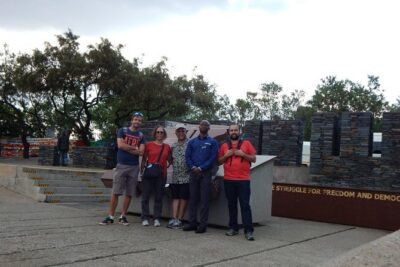
The first stop is the District Six site, with about 30 minutes set aside. This was once a mixed community close to central Cape Town. Under the Group Areas Act of 1950, residents were classified by race and forcibly removed from the area during apartheid.
The stop is brief, so do not expect a full museum visit or a long walking tour. Its purpose is to give you the framework for the rest of the day. Once you understand that people were removed from District Six and sent to distant, segregated neighborhoods, Bonteheuwel and the other townships make much more sense.
I would pay close attention to the guide’s explanation of the rules. This is not only a story about demolished homes. It is about families losing access to familiar schools, jobs, neighbors, shops, and transport routes. The short stop carries a lot of weight.
Langa: the most personal part of the morning
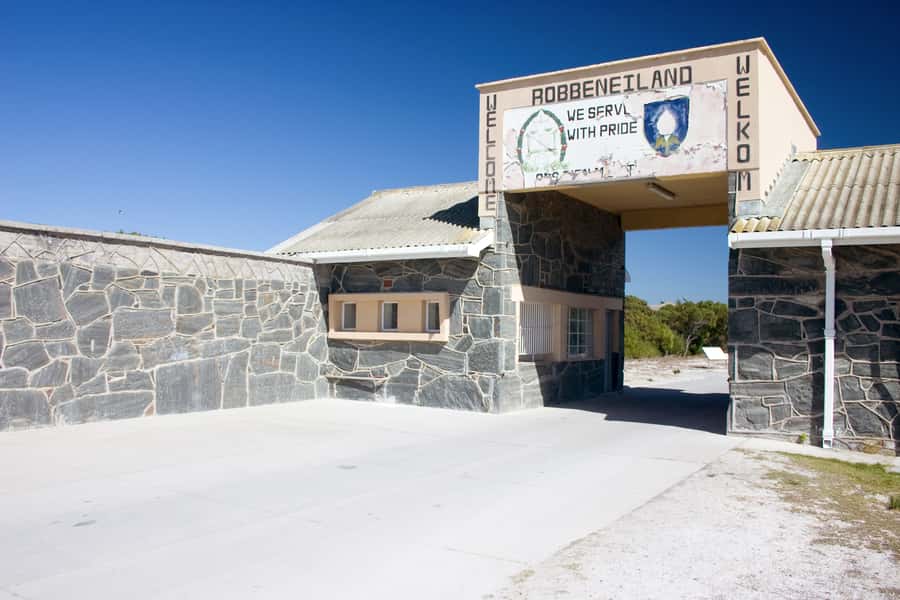
From District Six, you travel by air-conditioned vehicle to Langa, Cape Town’s oldest township. The drive takes roughly 30 minutes, followed by about an hour in the township.
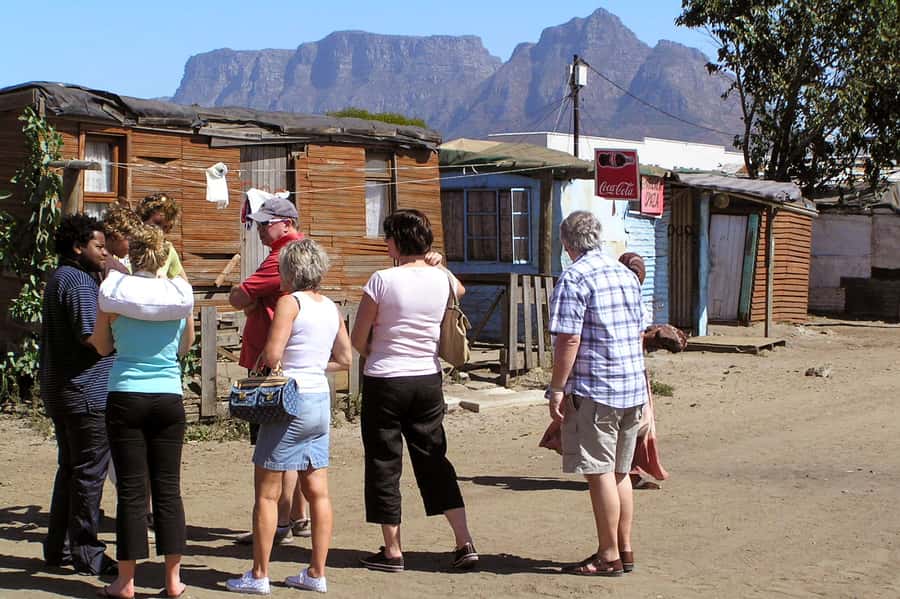
This is the part of the tour that feels most direct. A local site guide leads a walking tour and explains both apartheid-era controls and life in the community today. You may hear personal accounts from guides who grew up in the area, and the visit can include contact with local residents and a look at community spaces such as a daycare center.
The walk is not designed as a polished attraction. That is precisely why it can be so useful. You see a living community rather than a preserved historic site. At the same time, you should approach the visit with care. You are entering people’s neighborhoods, not a film set. Listen first, ask respectful questions, and avoid treating poverty as scenery.
Past participants have described feeling safe and welcomed, including solo women and families with children. Still, a township visit is not free from serious social problems. You may see overcrowding and poverty alongside strong community ties, humor, and hospitality. The guide’s job is to help you hold those facts together without reducing Langa to either hardship or feel-good tourism.
I like that you can ask questions as the walk unfolds. The best moments are often the small explanations: how apartheid separated people, how families adapted, and what young people face now. Guide names have included Song and Nelson, while Godfrey has also led departures. Your exact guide may differ, but the local connection is a key feature.
Bonteheuwel: seeing apartheid’s map
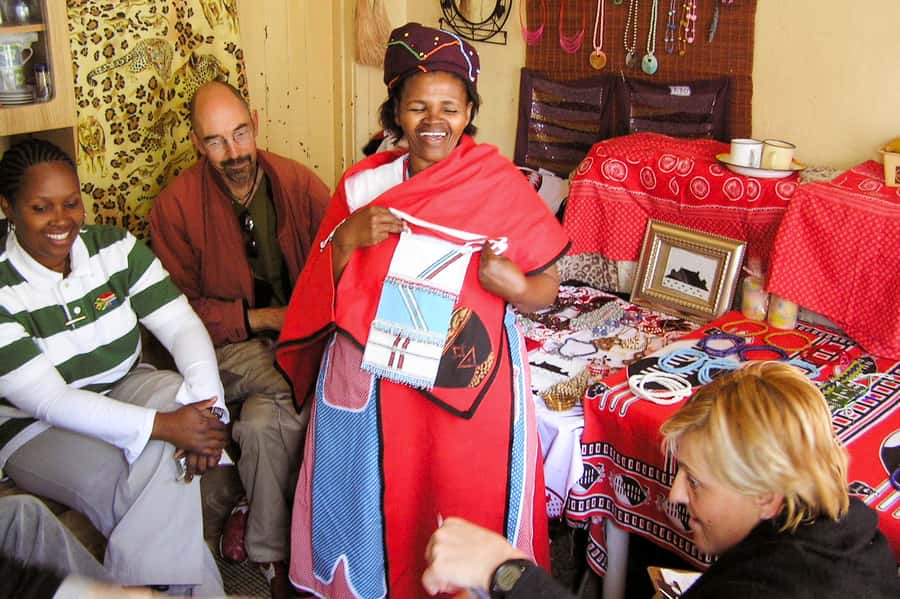
The next stop is Bonteheuwel, with around 30 minutes allocated. This township was developed for residents classified as colored who had been forcibly removed from District Six.
That detail helps you see apartheid as a system of planned separation. People were not simply moved at random. Neighborhoods were organized according to racial classification, and the location of a home shaped access to employment, transport, education, and services.
The stop is shorter than Langa, so expect an explanation from the vehicle or at a brief viewing point rather than another long walk. I see Bonteheuwel as a connecting chapter. It shows how the policy affected more than one group and why Cape Town’s social divisions remain visible long after the law itself ended.
Same country, a completely different kind of day:
- Wine Tour: Paarl, Franschhoek & Stellenbosch incl 3 wineries
★ 5.0 · 3,940 reviews - Cape Town: Hop-On Hop-Off Bus Tour with Optional Cruise
★ 4.8 · 3,929 reviews - Cape Town: Cape of Good Hope & Penguins Day Tour with Pickup
★ 4.7 · 3,362 reviews - Zipline Cape Town – From Foot of Table Mountain Reserve
★ 5.0 · 3,179 reviews
Gugulethu: from apartheid control to present-day change
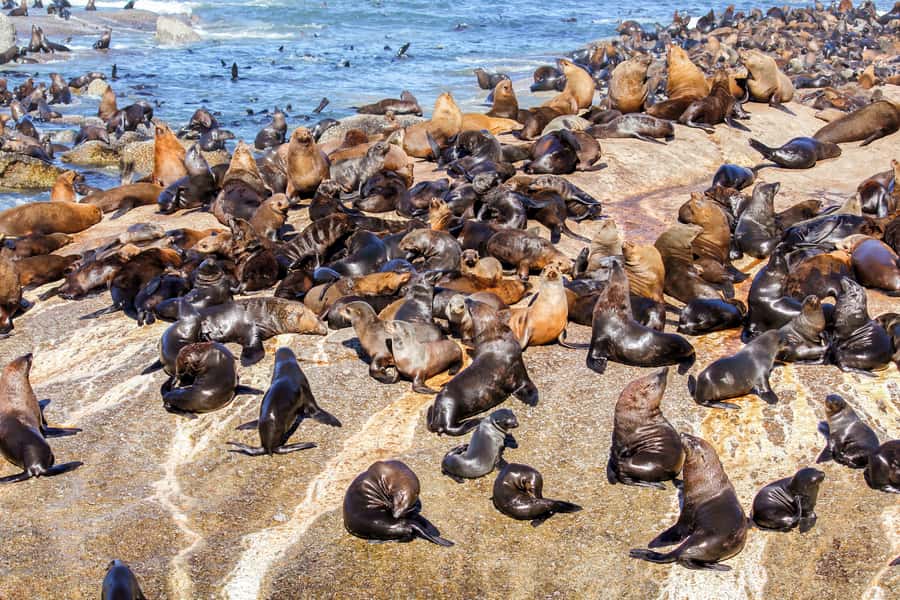
Gugulethu is the final township stop before lunch, with about 30 minutes planned. Your guide discusses the township’s development after apartheid and its current social and economic dynamics. The community is described as home to more than 300,000 residents, making this a significant part of Cape Town’s urban story.
Here, the focus shifts from what apartheid imposed to what residents have built and changed since its fall. You may hear about work, housing, local business, and the ongoing gap between constitutional freedom and economic equality. The tour does not pretend that apartheid’s effects vanished in 1994.
I appreciate this modern focus. A history tour can become too backward-looking, as if the subject ended with Mandela’s release or the first democratic election. Gugulethu reminds you that the past still shapes where people live and what opportunities they have.
The three township stops move quickly. If you want long walks, extended shopping, or lots of independent time, this may feel rushed. If you want a guided overview with a clear historical thread, the pacing works well.
Lunch at the V&A Waterfront
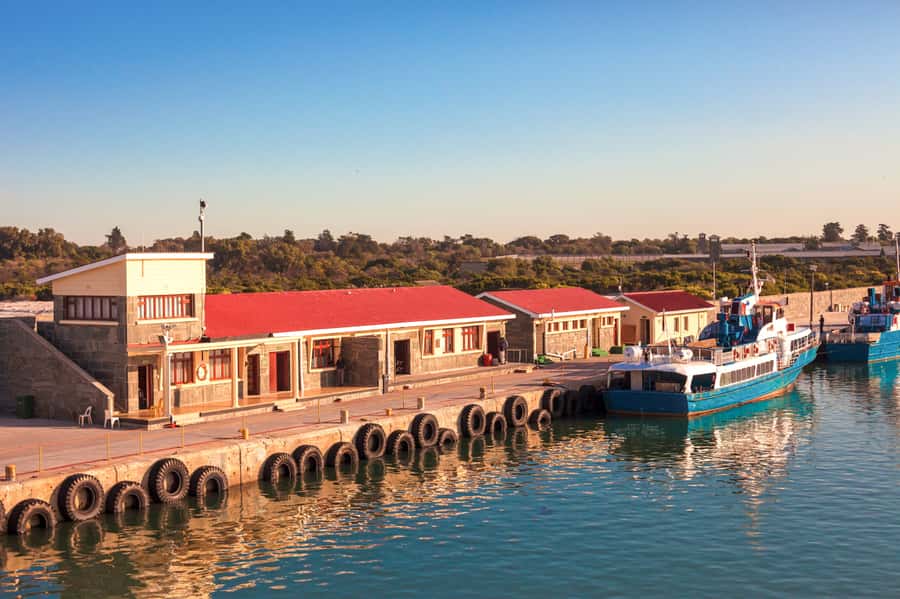
The group then heads to the V&A Waterfront for lunch, with around 30 minutes scheduled. Lunch is not included, so bring money for your own meal.
The waterfront is a sharp contrast to the morning. It is one of Cape Town’s main tourist areas, with restaurants, shops, harbor views, and Table Mountain in the distance. That contrast is not accidental. It gives you a chance to consider how different parts of the same city experience wealth, tourism, housing, and public space.
Thirty minutes is enough for a quick meal, but not for a leisurely restaurant visit. I would choose something fast and keep an eye on the time. You need to reach the Nelson Mandela Gateway for the Robben Island ferry, and delays can cause real problems because the island tickets are separate from the township tour.
Robben Island: the afternoon’s major commitment

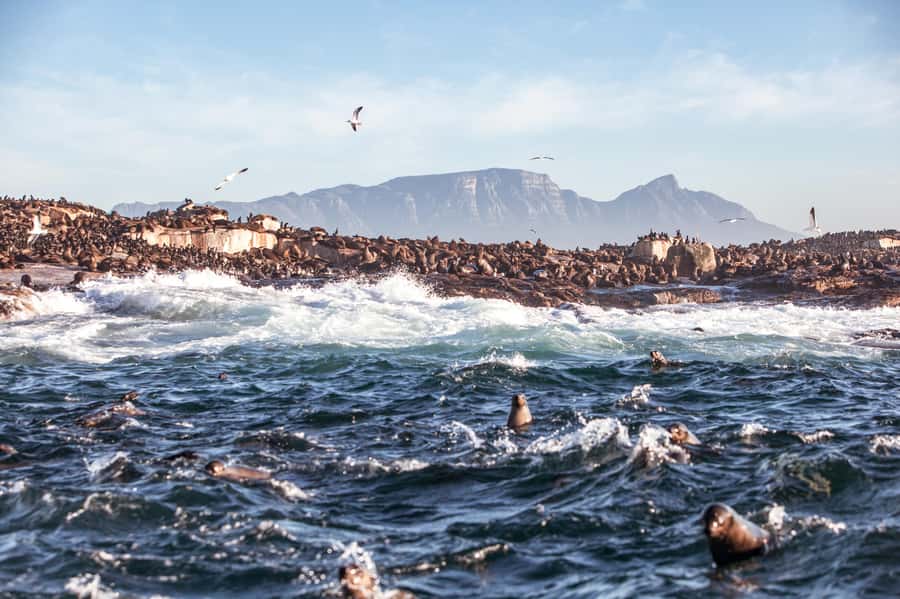
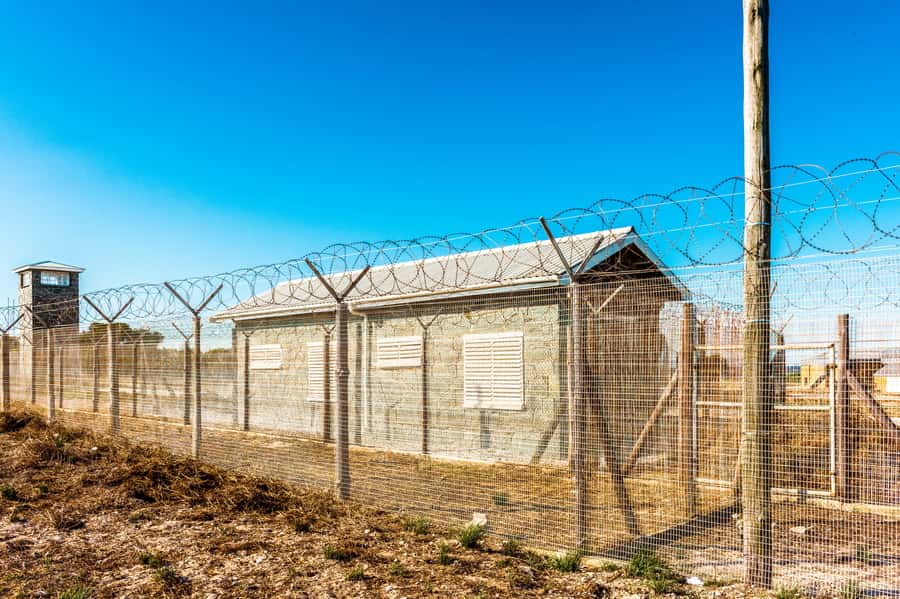
Robben Island takes about four hours, including the ferry and the guided prison visit. Nelson Mandela spent 18 of his 27 years in prison there, and you will see the cell associated with his incarceration.
The island visit is a separate activity. The ferry and guided tour cost R600 per adult and R310 per child, with discounts for South African citizens. The operator does not pre-book these tickets for you, and the cost is not covered by the $54 tour price.
You should arrange the Robben Island ticket directly online or at the Nelson Mandela Gateway building at the waterfront. The supplied guidance recommends an afternoon departure at 13:00 or 15:00. Check the timing before you pay for anything, since the township route, lunch break, ferry departure, and prison tour must fit together.
The prison tour is generally led by a Robben Island guide, and some guides are former prisoners. That can make the explanations of prison conditions especially direct. The experience is not only about Mandela. It also covers the wider system of political imprisonment and the people who endured it.
The boat crossing adds another layer. Weather can cancel or delay the ferry, particularly in strong wind, rough seas, or fog. Several scheduled island visits have been canceled in poor conditions. If that happens, you should confirm how the separate island payment will be refunded. One positive feature of this arrangement is that a canceled Robben Island portion has been refunded quickly in at least some cases, but you should still keep your ticket details and ask the provider directly.
Because the island visit is so long, it can dominate the day. That is good news if Robben Island is your priority. If you mainly want the township experience, remember that the morning is still worthwhile even if weather stops the ferry.
What the $54 price really covers
At $54 per person, the base price is reasonable for an eight-hour guided day with hotel pickup, an air-conditioned vehicle, a driver-guide, the District Six visit, and the guided Langa walk.
The price becomes less simple once you add Robben Island. You must pay the separate R600 adult or R310 child ticket, and you also buy your own lunch. The tour does not include a return hotel transfer, so you need to make your own way from the V&A Waterfront at the end.
I would compare this with booking the township portion and Robben Island separately. The value here is the morning transport and the joined-up explanation. You do not have to work out how to reach several townships, and you get a local guide to connect the stops. The drawback is that the island booking remains your responsibility, so the package is not as all-inclusive as the headline price might suggest.
Pickup, timing, and comfort
Pickup is available from hotels in Cape Town City Centre, the V&A Waterfront, Tamboerskloof, Sea Point, Camps Bay, and Gardens. Because the route covers several areas, exact pickup timing matters.
Confirm the pickup point carefully, especially around the waterfront. One passenger had trouble because the stated pickup location and map pin did not clearly match the hotel entrance. I would contact the provider if your hotel is large or has several entrances, and I would wait somewhere easy for the driver to spot.
The vehicle is air-conditioned, which helps on a full day that combines driving, walking, and ferry travel. The experience is wheelchair accessible, but you should still confirm the practical details of the Langa walk and ferry access before booking if you have specific mobility needs.
Bring a passport or other accepted identification document. The booking process requires passport or ID details for Robben Island arrangements. You must carry the document on the day, and copies of a passport, birth certificate, or driver’s license are accepted. South African citizens provide an ID number and date of birth instead.
Pets and luggage or large bags are not allowed. Pack lightly, with water, sun protection, and comfortable walking shoes. Water is not listed as included, and one useful piece of advice from the experience is to carry your own bottle because the walking portions and transfers can make for a long stretch between drinks.
Who will get the most from this day
I would choose this tour if you want history explained through places and people, not only monuments. It suits first-time Cape Town visitors who want to understand the city beyond its postcard views, and it works well for families with older children who can engage with difficult subjects.
It is also a strong choice for solo visitors. The guided format removes the stress of arranging transport through several townships, and the local guides help create a respectful way into the communities.
You may want a different plan if you dislike tightly scheduled days, want lots of free time, or prefer not to combine two major subjects. The township route is emotionally demanding, while Robben Island is a substantial four-hour visit. Doing both in one day leaves little room for rest.
The tour is also not ideal if you assume the $54 covers everything. It does not. Add the island ticket, lunch, and your own return transport before deciding.
Should you book this township and Robben Island tour?
I would book it if you want a serious, well-guided look at Cape Town’s apartheid history and present-day inequality. The local Langa walk is the strongest reason to go. Guides such as Godfrey, Song, and Nelson have offered the kind of personal explanation that turns a difficult subject into something you can understand at street level.
Book Robben Island separately as soon as your dates are firm, and choose the ferry time with the morning route in mind. Keep a backup plan for bad weather, confirm your pickup location, and budget for the extra ticket.
If Robben Island is canceled, the township portion still offers a meaningful day. If you want a gentle sightseeing trip, skip this one. If you want to ask hard questions and leave Cape Town with a clearer sense of how its neighborhoods were shaped, this is a worthwhile use of eight hours.
FAQ
How much does the township and Robben Island tour cost?
The base activity costs $54 per person. Lunch and the Robben Island ferry and guided tour are not included. The Robben Island ticket is listed as R600 per adult and R310 per child, with discounts for South African citizens.
Is hotel pickup included?
Yes. Pickup is available from hotels in Cape Town City Centre, the V&A Waterfront, Tamboerskloof, Sea Point, Camps Bay, and Gardens. Confirm the exact meeting point, especially at waterfront hotels.
Which townships does the tour visit?
The route includes District Six, Langa, Bonteheuwel, and Gugulethu. Langa includes a guided walking tour with a local site guide.
Is Robben Island included in the tour?
No. You must arrange and pay for the ferry and guided prison tour yourself. Tickets can be booked online or at the Nelson Mandela Gateway building at the waterfront.
What Robben Island departure should you book?
The provided guidance recommends booking an afternoon departure at either 13:00 or 15:00. Check the timing carefully so it fits with the township tour and lunch.
What identification should I bring?
Bring a passport or another accepted identification document. A passport, birth certificate, or driver’s license can be used, and copies are accepted. South African citizens should bring their ID and provide their ID number and date of birth.
What happens if the Robben Island ferry is canceled?
Ferry departures depend on weather and availability. Strong wind, rough seas, or fog can cause cancellations. The island ticket is separate, so ask Robben Island or the activity provider directly about refund arrangements if the crossing is canceled.
Just added around Cape Town
- Lion’s Head Hike: Cape Town – Sunrise or Sunset Hike★ 5.0 · 29 reviews
- Lion’s Head Sunrise or Sunset Hike + Hotel Pick-Up★ 5.0 · 24 reviews
- Lion’s Head: Hike with a registered hiking guide★ 5.0 · 3 reviews
- Kruger National Park 3 Days Best Ever Safari from Cape Town★ 4.1 · 11 reviews
- Koeksister and Samoosa Class by the Malay Cook Up★ 4.8 · 9 reviews
- Kirstenbosch Garden, Bo-Kaap-Penguins & Cape Peninsula Tour★ 3.9 · 7 reviews
- Khayelitsha: 3-Hour Township Walking Tour★ 5.0 · 6 reviews
- Cape Town: Constantia Half-Day Wine Tour & Tastings★ 4.9 · 15 reviews
Guided, compared.
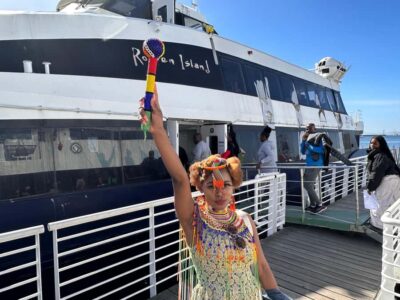
Robben Island Ferry Ticket and Guided Prison Tour
Read our review →
Soweto /Johannesburg and Apartheid Museum Guided Full Day Tour
Read our review →




Big Five Safari and Breede River Valley Guided Day Trip
Read our review →