
Reviewed · MUSEUMS
Cape Town: Heart of Cape Town Medical Museum Entrance Ticket
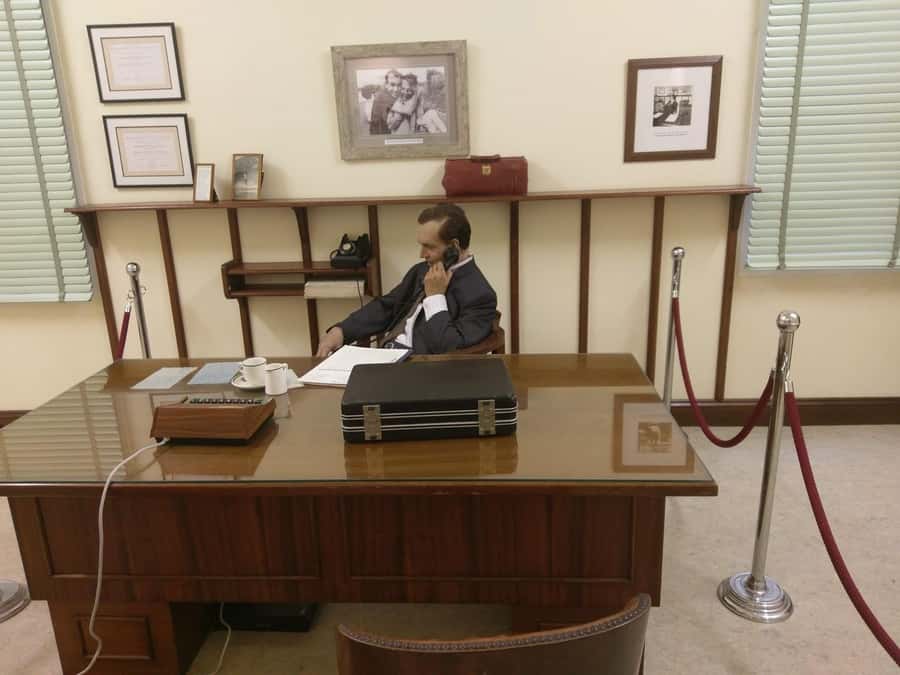
The world’s first successful heart transplant took place at Cape Town’s Groote Schuur Hospital on December 3, 1967. This museum lets you follow that extraordinary operation in the original Charles Saint Theatre, with the operating rooms arranged to show how the procedure unfolded. I especially like the authentic hospital setting and the chance to see both the organ-removal and transplant rooms.
I also like the small-group format, limited to 10 people, and the trained English-speaking guide who gives the story shape instead of leaving you to study displays alone. The main drawback is its specialist subject: children under 10 are not admitted, and anyone expecting a broad medical museum may find this a concentrated visit rather than a large collection.
Key points to know before you go
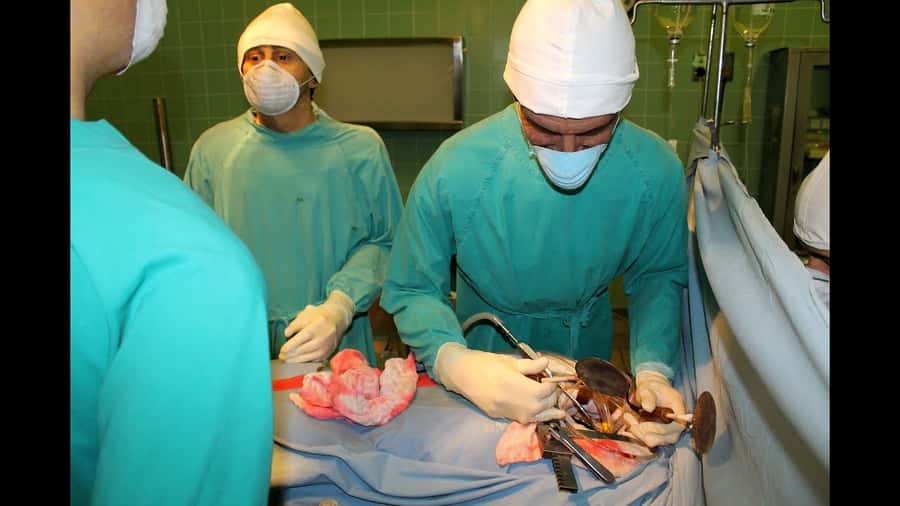
- The original operating rooms remain the main attraction: See the rooms connected with the organ removal and transplant operation.
- The story centers on December 3, 1967: Learn about Professor Christiaan Neethling Barnard and the team behind the first successful heart transplant.
- The guided visit takes about 1.5 hours: That makes it easy to fit into a day in Cape Town.
- The group is limited to 10 people: You get a more focused visit than you would at a large public museum.
- The tour is in English: A trained and certified guide explains the medical and human story.
- The ticket costs $22 per person: The price is strongest for travelers interested in medicine, science, or Cape Town’s modern history.
Entering Groote Schuur Hospital in Observatory
Your visit begins at Groote Schuur Hospital on Main Road in Observatory, Cape Town. This is not a downtown museum with a separate modern building. You are going to a working hospital site tied directly to the event the museum explains, which gives the visit a serious, place-specific feel from the start.
That location matters. The story is not presented as a distant medical achievement in a glass case. You are standing at the hospital where Professor Christiaan Neethling Barnard led the operation, and the rooms connected to it have been preserved for the public.
You need to arrange your own way to the meeting point. Hotel pickup and drop-off are not included, and food and drinks are not part of the ticket. Plan the museum as one stop in your Cape Town day rather than expecting a transport-inclusive excursion.
The exact starting time depends on availability, so check the schedule before booking. The ticket is valid for one day, but the actual guided visit lasts around 1.5 hours. That distinction is useful when planning: you are buying access for a set visit, not a full-day hospital tour.
A few more Cape Town trips to weigh up
- Museum of Contemporary African Art: Fast-Track Zeitz MOCAA
★ 4.4 · 204 reviews - Cape Town: Private Guided Tour of Cape Town Diamond Museum
★ 4.7 · 156 reviews - ROBBEN ISLAND MUSEUM TOUR, WITH OPTIONAL LAST MINUTE TICKETS
★ 3.4 · 85 reviews
Following the operation in the Charles Saint Theatre
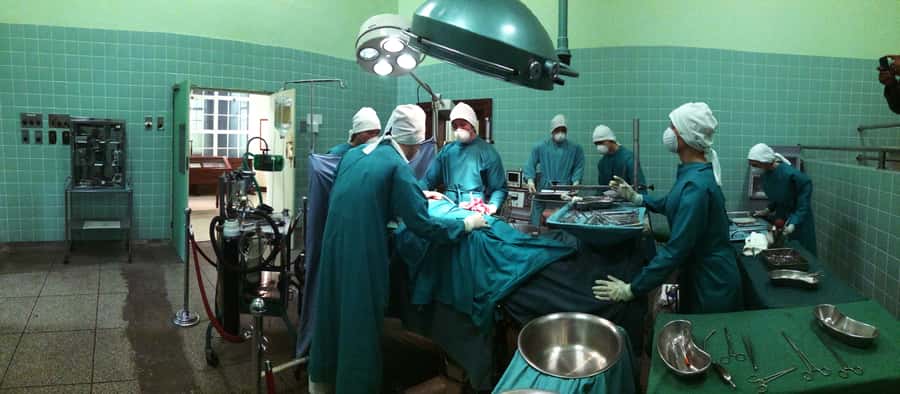
The heart of the experience is the fully restored Charles Saint Theatre, the original operating area associated with the 1967 procedure. The museum presents the rooms as they were arranged on the day of the operation, including the room used for organ removal and the room used for the transplant itself.
This is where the museum has its strongest effect. Press articles and background material can explain the importance of the operation, but the original rooms give the event a physical setting. You can see the spaces where the medical team worked rather than simply reading about the achievement afterward.
Lifelike displays recreate key operating scenes. They are designed to show the action in place, not to turn the visit into a technical lecture. That presentation makes the story easier to follow, though some people may find the medical scenes intense or unusual. If you prefer museums with paintings, broad cultural displays, or plenty of room to wander, this focused presentation may feel narrow.
The guide connects the rooms to the operation and to the people involved. That is important because the museum honors more than Barnard alone. The story includes the wider medical team and the many people whose work made the transplant possible.
The medical breakthrough behind the museum
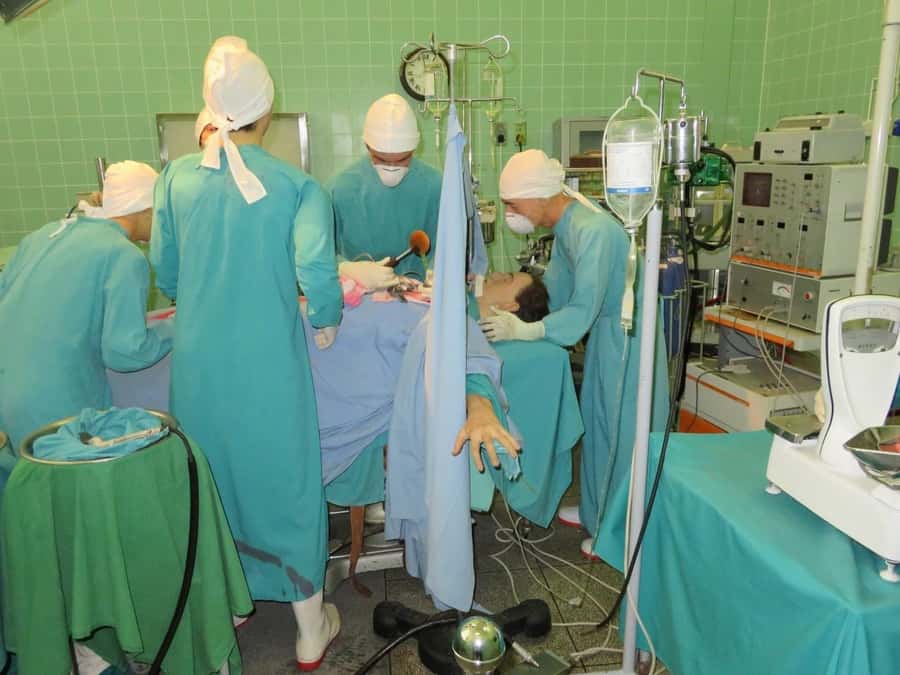
The first successful heart transplant pushed surgery and medical science into a new era. The museum frames the operation as both a technical achievement and a moment of human drama. You learn what made the procedure such a major step, while also seeing the setting in which decisions had to be made.
Professor Barnard is central to the story, but the visit is not only about one famous surgeon. The museum recognizes those who played major roles in the operation, helping you understand that surgery on this scale depended on a coordinated team.
The date is worth keeping in mind as you move through the rooms: December 3, 1967. The museum’s displays, press material, and operating scenes all point back to that single day. This gives the tour a clear timeline instead of a loose collection of medical facts.
I find that focus helpful. You do not need to arrive with a detailed knowledge of transplant medicine. The guide supplies the context, and the original rooms make the central story easy to remember. At the same time, visitors with a medical background may wish the experience were longer or more technical. The tour aims at a general audience with a strong interest in the subject, not at specialist training.
Why the original rooms matter more than displays alone
Many museums tell you where something happened. Here, you can see the actual operating spaces tied to the event. That difference gives the museum its value.
The rooms also help you understand that the transplant was not a clean, abstract milestone. It required separate stages, careful coordination, and a medical team working in more than one space. Seeing the organ-removal and transplant rooms together gives the operation a clearer physical sequence.
The lifelike scenes may be the most memorable part of the visit. They bring the operation close without requiring a long museum route. The effect can be emotional, especially when the guide explains the people and decisions connected with the event.
This is also why the museum is best taken slowly. The tour lasts only about 1.5 hours, but you are not simply passing through a few rooms. The original setting deserves attention, and the guide’s explanation adds detail that you would miss by looking at the displays alone.
Same country, a completely different kind of day:
- Wine Tour: Paarl, Franschhoek & Stellenbosch incl 3 wineries
★ 5.0 · 3,940 reviews - Cape Town: Hop-On Hop-Off Bus Tour with Optional Cruise
★ 4.8 · 3,929 reviews - Cape Town: Cape of Good Hope & Penguins Day Tour with Pickup
★ 4.7 · 3,362 reviews - Zipline Cape Town – From Foot of Table Mountain Reserve
★ 5.0 · 3,179 reviews
The small-group guide makes the visit easier to follow
The group is limited to 10 people, which suits this kind of museum. A small group allows the guide to keep the explanation focused and gives you a better chance to hear the story in rooms that are not designed like a large public gallery.
The tour is conducted in English by a trained and certified guide. No guide name is provided when booking, so you should not expect to request a particular person. The useful point is that the visit is guided rather than self-directed, with someone explaining the medical event and the museum’s displays as you move through the rooms.
The guided approach also helps with tone. A heart transplant is not only a scientific story. It involves life, death, risk, and difficult medical choices. A good explanation can make the visit thoughtful rather than sensational.
You should allow the guide’s pace to shape the visit. This is not a place where you rush through the rooms to collect a few photographs. The main reward comes from understanding how the spaces, people, and operation fit together.
What the $22 price includes
At $22 per person, this is not a low-cost free museum stop, but the price includes entrance and the guided tour. For a 1.5-hour visit in an original hospital setting, I consider it fair if the subject interests you.
The value comes from the combination of three things:
- Access to the museum and restored operating rooms
- A live English-speaking guide
- A small group limited to 10 people
You are paying for context as much as admission. Without the guide, the rooms and displays would still be unusual, but the explanation gives you a clearer sense of what happened and why it mattered.
The ticket is less good value if you have little interest in medicine, surgery, or Cape Town’s modern past. This is a specialist museum with one main story. It does not try to cover every part of medical history, and the supplied information does not suggest a long list of unrelated exhibits.
For the right visitor, though, the focused subject is an advantage. You can spend a short part of your day on a major medical milestone without committing to a full-day museum program.
Who will get the most from this experience
I would recommend this museum first to adults and older children interested in science, medicine, hospitals, or twentieth-century history. It also suits anyone who prefers a specific place connected to a major event rather than a general sightseeing attraction.
It can work well as a thoughtful change of pace during a Cape Town visit. After beaches, viewpoints, and outdoor stops, this experience gives you a look at the city’s role in modern medicine. The hospital setting makes it feel local and direct.
The minimum age is 10. Children under 10 are not suitable for the tour, so families with younger children will need to choose another activity. Older children who are comfortable with medical subjects may find the lifelike operating scenes interesting, though parents should consider how they respond to surgery-related displays.
The museum is also wheelchair accessible. That makes it a practical option for many people, although the supplied details do not describe every route or facility within the hospital, so you may want to confirm any specific access needs before arrival.
Practical planning for your Cape Town day
Start with the meeting point: Groote Schuur Hospital, Main Road, Observatory, Cape Town, 7925. Since transport is not included, build in enough time to reach the hospital independently and locate the meeting area before the scheduled start.
Check available start times when you choose your date. This tour does not list one fixed daily departure, and the ticket’s one-day validity should not be confused with a full day of guided access.
You do not need to plan a meal as part of the activity. Food and drinks are excluded, so handle those before or after the visit. The short duration makes the museum easy to pair with other Cape Town plans, but you should avoid scheduling another fixed activity too close to the end of the tour.
The experience is offered in English only. If you need another language, this is not the right choice based on the available information.
Flexible booking is useful if your Cape Town plans may shift. You can cancel up to 24 hours before the activity for a full refund, and the reserve-now, pay-later option lets you hold a place without paying at once.
The emotional side of the museum
The medical achievement is impressive, but the museum’s strongest moments may be the human ones. The preserved rooms show the setting, while the guide explains the people and choices behind the operation.
The original theatre and lifelike scenes can make the visit feel unusually close to the event. That closeness is why the tour may stay with you longer than a standard display of photographs and text. It also explains why the experience can feel emotional, especially when the guide discusses the operation in detail.
You should not expect a light or comic attraction. The museum deals with serious medicine and a procedure that changed the field. It is best approached with patience and respect.
The overall rating of 4.7 from 31 reviews supports the idea that the guided storytelling and original operating scenes are the strongest features. The most enthusiastic responses focus on the background reports, press material, and the lifelike presentation in the two operating rooms. That matches my advice: book this for the setting and explanation, not simply for a quick museum tick.
Should you book the Heart of Cape Town Medical Museum?
Book it if you want a focused medical story, an authentic hospital setting, and a guide-led visit that takes about 1.5 hours. The original operating rooms and the clear focus on the December 1967 transplant make this more memorable than a generic medical display.
Think twice if you dislike surgery-related scenes, need a tour in a language other than English, or want a large museum with many unrelated exhibits. Also check the age rule if you are traveling with young children.
For adults, older children, medical students, science fans, and visitors curious about Cape Town’s modern role in medicine, the $22 price is reasonable. It is a compact, serious, highly specific experience, and that is exactly its strength.
FAQ
Where does the Heart of Cape Town Medical Museum tour begin?
The tour begins at Groote Schuur Hospital, Main Road, Observatory, Cape Town, 7925, South Africa.
How long does the guided tour last?
The guided tour lasts about 1.5 hours.
What language is the tour conducted in?
The tour is conducted in English by a trained and certified live guide.
What does the ticket include?
The ticket includes entrance fees and the guided tour.
Is transportation to Groote Schuur Hospital included?
No. Hotel pickup and drop-off are not included, so you need to make your own way to the hospital.
Is the museum wheelchair accessible?
Yes, the activity is listed as wheelchair accessible.
Are children allowed on the tour?
Children under 10 are not suitable for this activity.
Can I cancel the booking or pay later?
You can cancel up to 24 hours in advance for a full refund. The reserve-now, pay-later option allows you to book without paying immediately.
Just added around Cape Town
- Lion’s Head Hike: Cape Town – Sunrise or Sunset Hike★ 5.0 · 29 reviews
- Lion’s Head Sunrise or Sunset Hike + Hotel Pick-Up★ 5.0 · 24 reviews
- Lion’s Head: Hike with a registered hiking guide★ 5.0 · 3 reviews
- Kruger National Park 3 Days Best Ever Safari from Cape Town★ 4.1 · 11 reviews
- Koeksister and Samoosa Class by the Malay Cook Up★ 4.8 · 9 reviews
- Kirstenbosch Garden, Bo-Kaap-Penguins & Cape Peninsula Tour★ 3.9 · 7 reviews
- Khayelitsha: 3-Hour Township Walking Tour★ 5.0 · 6 reviews
- Cape Town: Constantia Half-Day Wine Tour & Tastings★ 4.9 · 15 reviews
Museums, compared.
Soweto /Johannesburg and Apartheid Museum Guided Full Day Tour
Read our review →
Jo’berg in 1 Day: Soweto, Apartheid Museum & City Tour
Read our review →
Full-Day Tour with Soweto and Apartheid Museum
Read our review →
Full-Day Soweto, Apartheid Museum and Lunch Tour
Read our review →
Half Guided Day Tour of Soweto And Apartheid Museum
Read our review →
Ultimate Johannesburg Soweto Experience with Apartheid Museum
Read our review →
Hop-On Hop-Off Bus, City Tour and Apartheid Museum
Read our review →
Museum of Contemporary African Art: Fast-Track Zeitz MOCAA
Read our review →Browse the lists this tour appears in