
Reviewed · FOOD & DRINK
Cape Town: Culinary Walking Tour with Food Tastings
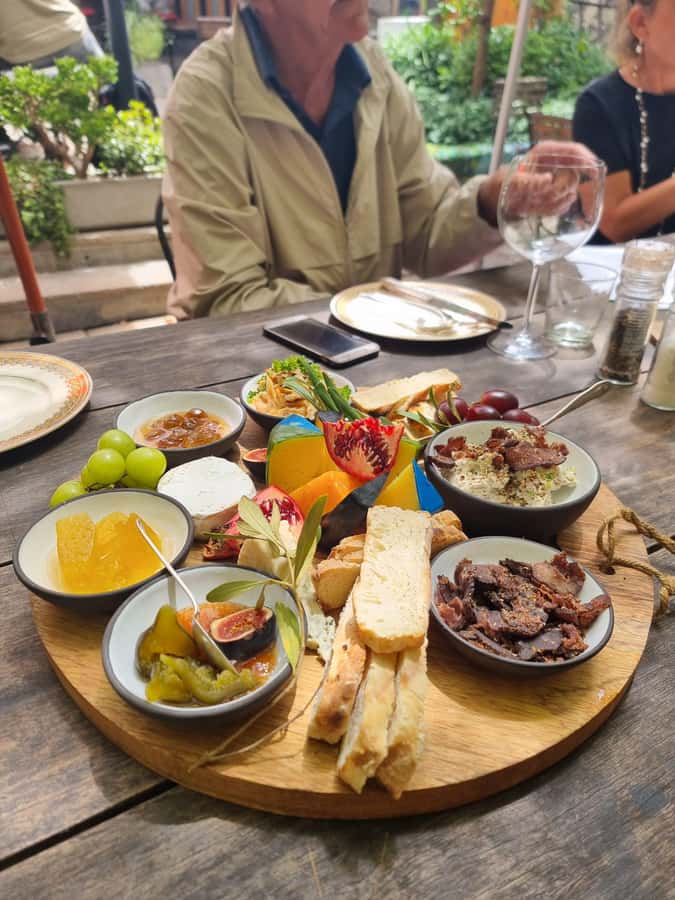
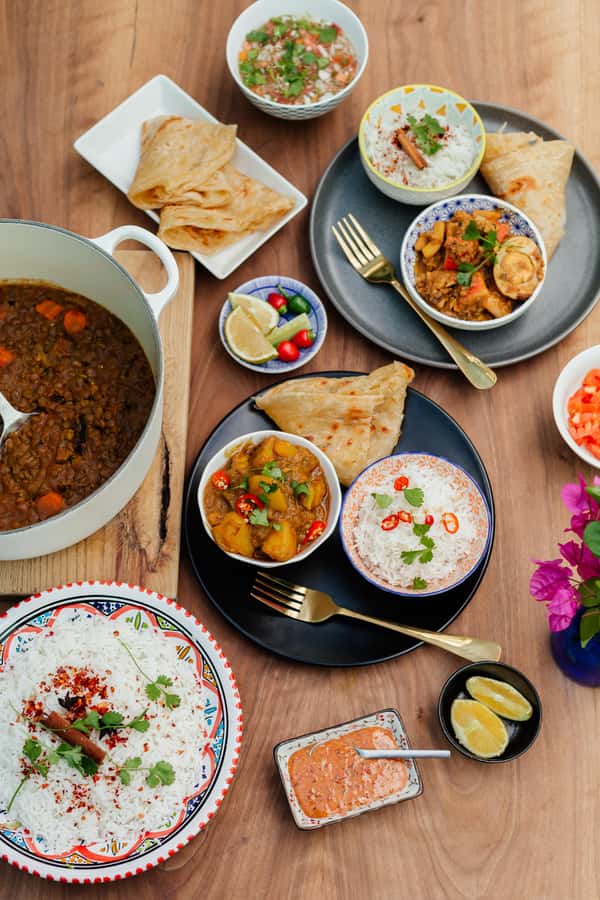
Cape Town’s food is a map of its people, and this four-hour walk reads that map one bite at a time. You start near Atlas Trading Company, move through the painted streets of Bo-Kaap, then continue into the City Bowl for a broad mix of Cape Malay, African, and Afrikaans tastes. The food is only half the point. The stories behind it give the tour its real value.
I like two things right away: the small limit of eight people, which allows guides such as Brad Croukamp and Lindy to adjust the pace and conversation, and the range of food. You may try samosas, curry, braai, spiced potatoes, chocolate, milk cake, rooibos tea, and even mopane worms. My one caution is simple: this is a walking tour, not a restaurant crawl by car, so comfortable shoes, sun protection, and a willingness to spend several hours on city streets matter.
Key points to know before booking
- Bo-Kaap begins the story: Spend about 45 minutes learning how Cape Malay traditions shaped one of Cape Town’s best-known food quarters.
- The City Bowl takes most of the time: About three hours are devoted to food stops, local stories, and walking between them.
- The tasting list is unusually broad: Expect familiar treats such as samosas and chocolate alongside less common items such as mopane worms.
- Guides make the difference: Brad Croukamp and Lindy are praised for clear explanations, warmth, flexibility, and cultural insight.
- Eight people is the maximum: The small group keeps the experience personal and makes it easier to ask questions.
- Bring a hungry appetite: Tastings are described as varied and plentiful, while drinks beyond included water cost extra.
A food tour that explains Cape Town through its table

Cape Town is not represented by one national dish. Its cooking reflects Cape Malay traditions, African ingredients and customs, Afrikaans foodways, colonial influence, and the city’s modern café culture. This tour gives you a practical way to see those connections without sitting through a formal lecture.
I like the way food provides the structure. Instead of walking past a historic street and hearing a list of dates, you learn through something you can smell, taste, and discuss. A curry, a sweet, or a cup of rooibos becomes a prompt for talking about migration, trade, family traditions, and local plants.
The experience also avoids making food feel separate from place. Bo-Kaap is not just a backdrop for photographs. Its streets introduce the Cape Malay side of the city, while the City Bowl broadens the picture with African and Afrikaans flavors and stops at local eateries.
The pace appears designed for conversation rather than speed. That matters in a group of up to eight, especially if you want to ask why a dish is prepared in a certain way or how a local ingredient is used. Guides Brad and Lindy have different personalities, but the descriptions of both point to the same strength: they explain clearly and adapt to the people in front of them.
A few more Cape Town trips to weigh up
- Cape Town: Full-Day Winelands Tour with Wine Tastings & Food
★ 4.9 · 1,288 reviews - The Cape Town Essentials Food Tour
★ 5.0 · 385 reviews - From Cape Town: Winelands Full Day Tour and Wine Tasting
★ 4.5 · 364 reviews
Starting at Atlas Trading Company and Heritage Square
The meeting point is at the entrance to the Heritage Square parking lot, close to Atlas Trading Company. The directions also describe a centrally located coffee shop or parking area, so add the tour operator on WhatsApp before the day. That small step can help you confirm the exact meeting details and avoid a rushed start.
The opening location fits the tour. Heritage Square places you near Cape Town’s central streets, and Atlas Trading Company connects naturally with the city’s food culture. You are not being collected by a coach and taken straight to a distant suburb. You begin on foot, with the city already around you.
Bring water, though water is included, and wear shoes you can use comfortably for four hours. A hat and sunscreen are sensible in the Western Cape sun. The tour is listed as wheelchair accessible, but because the route uses city streets and involves walking between food stops, it is wise to confirm the exact route and surfaces before booking if mobility is a concern.
Forty-five minutes in the painted streets of Bo-Kaap
Bo-Kaap is the first major stop, with about 45 minutes set aside for a guided visit. The colorful houses are the obvious visual draw, but the food connection is more important here. Cape Malay cooking adds spice, fragrance, and technique to Cape Town’s identity, and this is where the tour begins to make that connection clear.
You should expect more than a quick photo stop. The guide explains the area’s culture and the way its traditions influence local cooking. Samosas, curry, and spiced potatoes are among the foods associated with the tasting program described by past participants, though the exact order and selection may depend on the day.
This section works best if you treat Bo-Kaap as a living neighborhood rather than a set of colorful façades. Listen to the guide, look closely at the streets, and notice how food traditions sit alongside ordinary city life. Lindy is especially praised for explaining how Cape Town’s past shaped its distinctive cuisine, while Brad is noted for making the history accessible and engaging.
One limitation is that 45 minutes is enough for an introduction, not an exhaustive visit. If Bo-Kaap is a major reason for your trip, you may want to return on your own for more time. The advantage is that the tour gives you context before moving on, so later tastings make more sense.
Three hours through the City Bowl
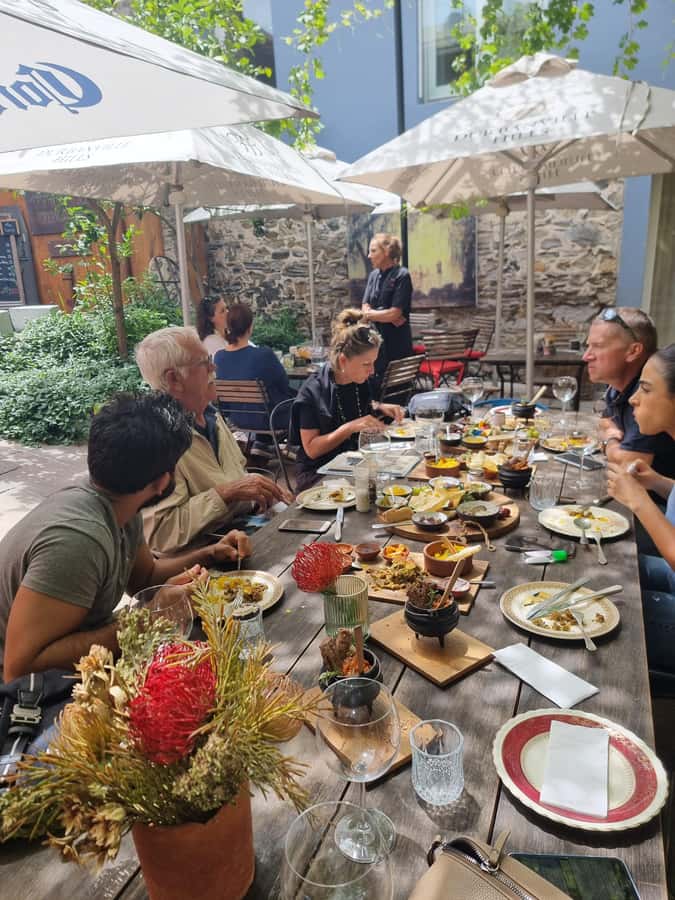
The City Bowl section takes roughly three hours, making it the heart of the experience. This is where the tour moves beyond one food tradition and presents a wider sample of Cape Town’s cooking.
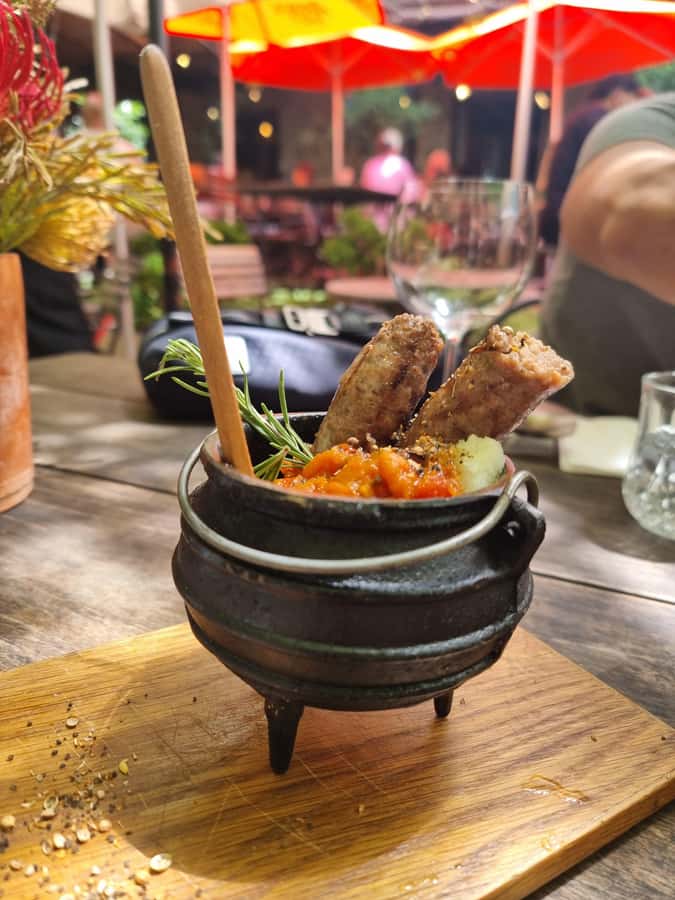
The stops are described as local cafés, restaurants, and food businesses that offer something distinct. That format is more useful than a single large meal because you can compare styles and ingredients as you go. You may encounter savory items such as braai, curry, samosas, and spiced potatoes, followed by sweets or drinks such as chocolate, milk cake, and rooibos tea.
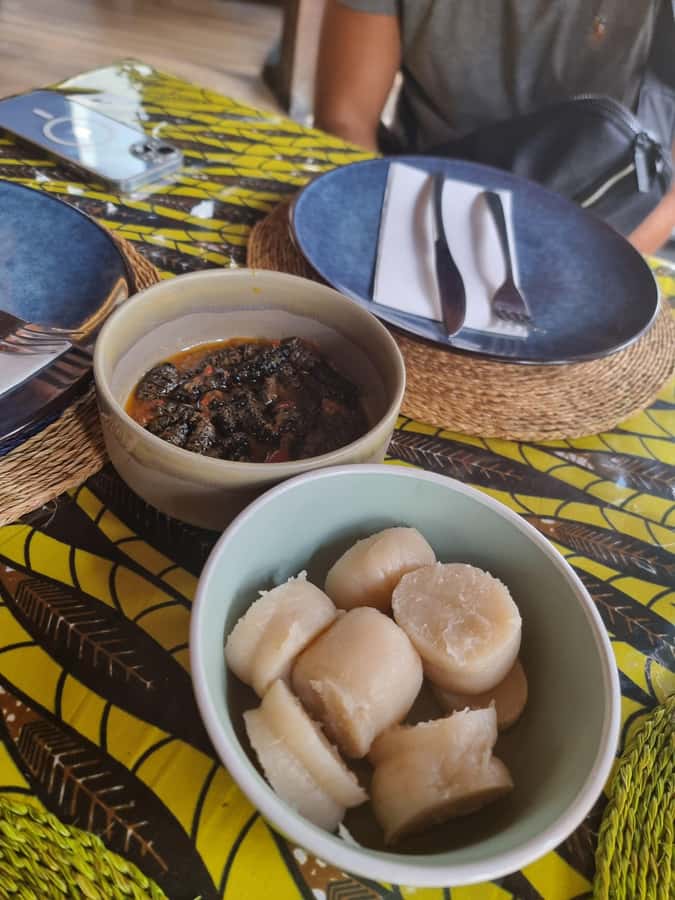
Mopane worms add an adventurous edge. They are not included simply as a stunt, though the novelty may be part of the fun. They give the guide a chance to discuss ingredients that may be ordinary in one food culture and unfamiliar in another. You can approach that tasting with curiosity, but you should also tell the guide about dietary limits before the tour if needed. The supplied details do not state how substitutions are handled.
The food portions appear substantial enough to replace a meal for many people. You are told to arrive hungry, and that is good advice. This is not a series of tiny samples designed only to keep you interested until lunch. The selection is described as varied and plentiful, so avoid scheduling a large meal immediately afterward.
Chocolate and milk cake add welcome contrast to the savory dishes. Rooibos tea brings in one of South Africa’s best-known local products, while floral teas and rusks introduce the indigenous fynbos plant kingdom. These tastings are especially useful because they show that local food is not limited to heavy or spicy dishes.
The City Bowl portion also lets the guide connect food to the wider city. Brad is praised for showing important Cape Town sights while explaining the town’s past. Lindy is praised for adjusting her presentation to the group and adding useful details when an opportunity arises. That flexibility can turn a standard route into a better fit for your interests.
Same country, a completely different kind of day:
- Wine Tour: Paarl, Franschhoek & Stellenbosch incl 3 wineries
★ 5.0 · 3,940 reviews - Cape Town: Hop-On Hop-Off Bus Tour with Optional Cruise
★ 4.8 · 3,929 reviews - Cape Town: Cape of Good Hope & Penguins Day Tour with Pickup
★ 4.7 · 3,362 reviews - Zipline Cape Town – From Foot of Table Mountain Reserve
★ 5.0 · 3,179 reviews
What the guide adds to each tasting
A food tour can easily become a checklist of snacks. This one is built to avoid that by placing a guide between you and each dish. The guide explains what you are eating, where its traditions come from, and how different cultures have shaped Cape Town’s food.
Brad Croukamp is described as engaging, gracious, and easy to communicate with. Lindy is repeatedly praised for her warmth, clear explanations, and ability to make the tour personal. The important point is not choosing one guide over the other. The experience depends heavily on having someone who can connect a plate of food to the city without turning the walk into a dry history class.
I also like the interaction built into a small group. With no more than eight people, you can ask about ingredients, compare reactions, and keep the conversation moving. A larger group would make it harder to hear explanations at street stops and easier for the experience to feel like a fixed script.
The tour has worked well for mixed ages. Teenagers aged 17 and 19 were reported to enjoy the variety, which suggests the food and unusual ingredients can hold the attention of a family group. Still, anyone who dislikes strong flavors, unfamiliar foods, or several hours of walking should think carefully before booking.
Food, drinks, and dietary planning
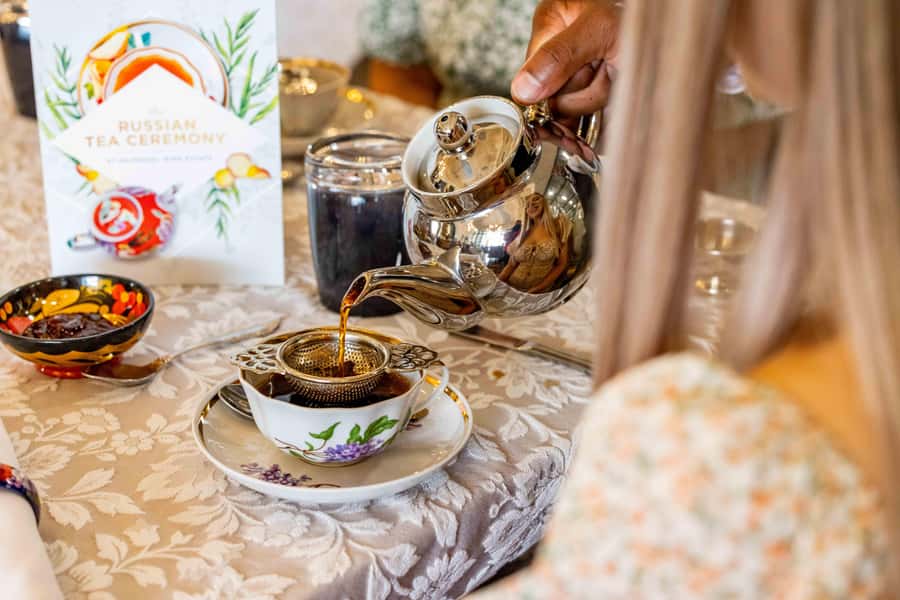
All food tastings and water are included in the $155 price. Drinks other than water are not included, so carry a payment method if you want beverages along the way. The tour description mentions tea tastings, including rooibos and floral teas, but do not assume every drink you want is covered.
The food selection is its strongest practical feature. You get savory, sweet, familiar, and unusual items in one outing. A typical food day might include samosas, braai, curry, spiced potatoes, chocolate, milk cake, rooibos tea, rusks, and mopane worms, based on the foods associated with the experience.
The exact menu can change, and it is sensible to ask about allergies, religious dietary needs, vegetarian choices, or other restrictions before the walk. The available details do not promise a specific replacement menu. That is not a reason to avoid the tour, but it is a reason to communicate early.
You should also think about your appetite. Since the tastings are described as generous, eat lightly beforehand. The aim is to arrive ready for the first stop, not already full from breakfast.
Is $155 a fair price?
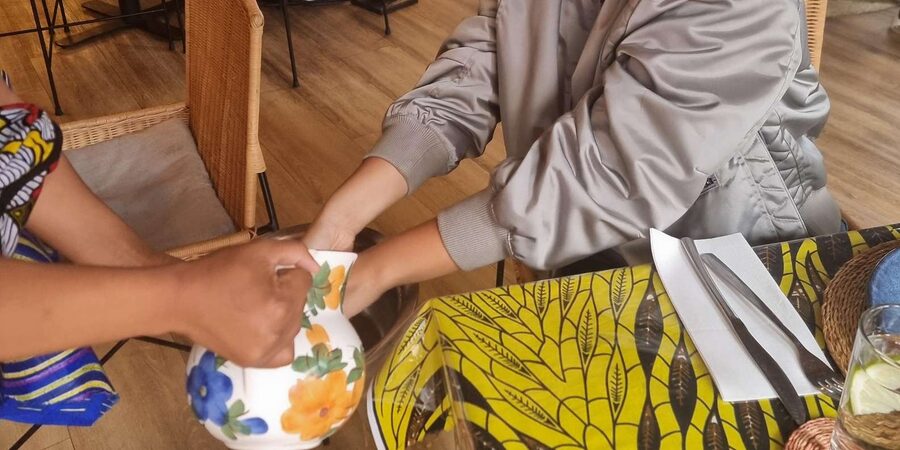
At $155 per person, this is not a bargain street-food walk. The price makes more sense if you value a guided cultural experience, a small group, and enough food to count as a substantial meal.
You are paying for four hours, an English-speaking local guide, all listed food tastings, water, and visits across Bo-Kaap and the City Bowl. You also avoid the trial and error of finding several suitable places yourself. That is useful on a first Cape Town visit, especially when you want local context along with lunch.
The value is strongest for people who would otherwise book a city orientation and a separate food experience. This tour combines both. It introduces central Cape Town, explains the relationship between food and culture, and gives you a list of dishes and flavors to seek out later.
The price is harder to justify if you mainly want a cheap meal or already know Cape Town well. You may find less expensive ways to eat, but they will not necessarily provide the same guided route or cultural explanation. Consider the tour an educational half-day with plenty of food, rather than a simple lunch.
Walking conditions and practical comfort
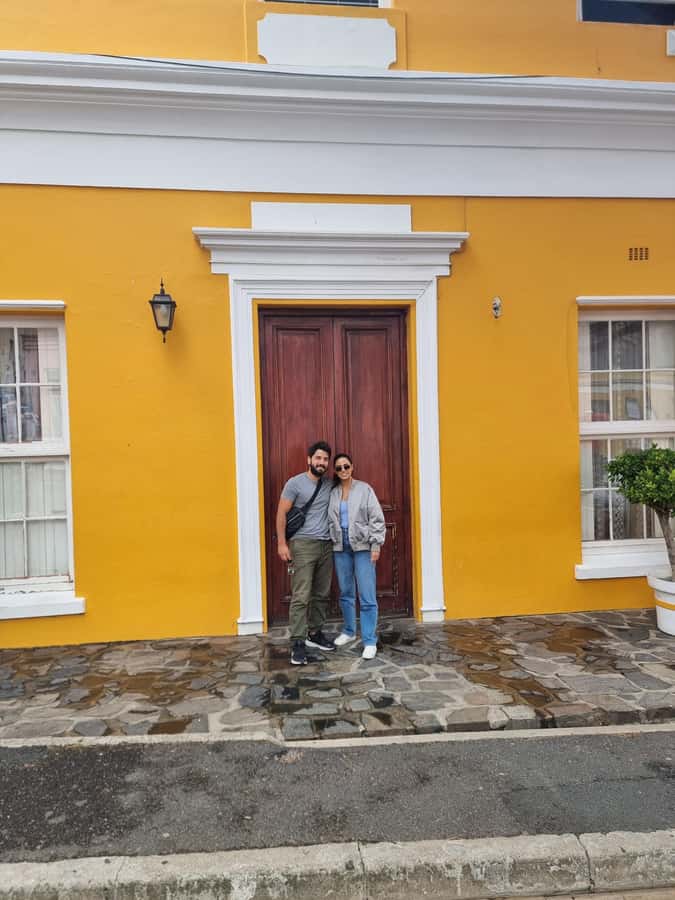
The tour lasts four hours and uses Cape Town streets. That means you should plan for standing, walking, and stopping at several places. Comfortable shoes are essential, not a polite suggestion.
A hat and sunscreen belong in your day bag. The tour operates in changing weather, and a rain shower may alter where the group pauses. One guide has been praised for finding dry places and keeping the group occupied when rain arrived, but weather can still affect the walk.
The route returns to Atlas Trading Company, which makes the start and finish easy to understand. There is no transport between stops listed, so do not plan on leaving luggage, changing shoes, or making a distant appointment during the four-hour period.
The small group is another practical advantage. A maximum of eight keeps the walk manageable and lets the guide adjust explanations. It does not mean you will have a private tour, since other people may join, but it should feel more personal than a large coach-based outing.
Who will enjoy this most?
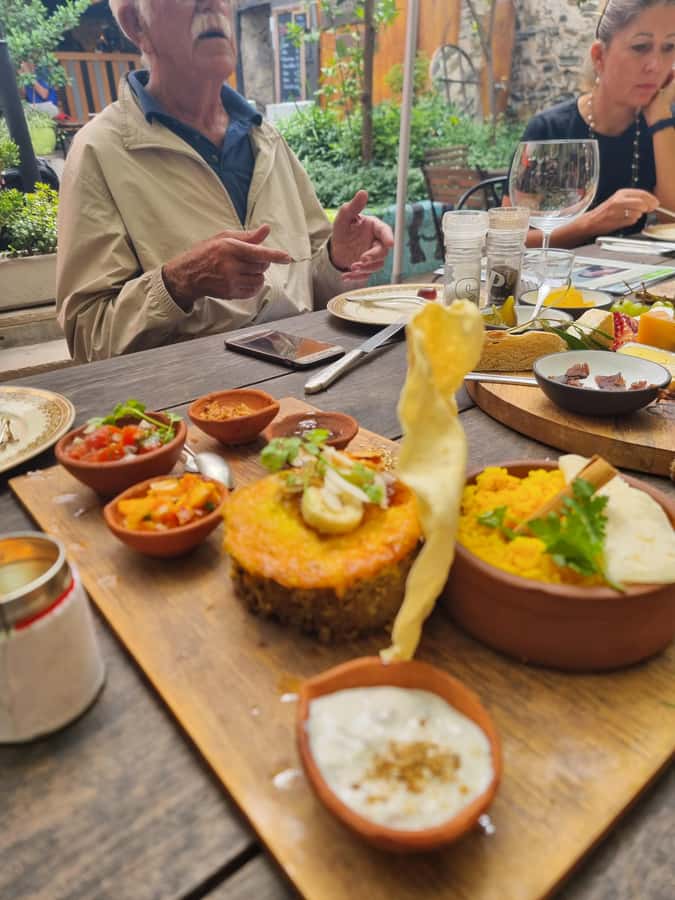
I would recommend this tour to first-time visitors who want to understand Cape Town through both food and place. It suits people who enjoy asking questions, trying unfamiliar dishes, and learning how culture affects everyday cooking.
It is also a good choice for families with older children and teenagers, provided they are comfortable walking and open to new foods. The broad tasting list gives younger participants something familiar to enjoy, while mopane worms and other less common items add a story to remember.
Food-focused visitors will appreciate the range, but this is not a specialist cooking class. You will taste and discuss food rather than prepare it. History-minded visitors should also like it, though the history arrives in short conversations during a moving tour rather than in a museum-style presentation.
I would hesitate to recommend it to anyone seeking a seated, slow meal, a private vehicle, or a tightly specified menu. The route is active, the city is part of the experience, and the food selection may not suit every diet.
Should you book the Cape Town culinary walk?
Book it if you want a compact introduction to Cape Town that combines Bo-Kaap, the City Bowl, local food, and cultural explanation. The strongest reason to go is the connection between dish and story, supported by guides such as Brad and Lindy who make the walk personal and easy to follow.
The best strategy is to schedule it early in your stay. You will learn about foods to look for later, gain a sense of the central city, and get a useful first orientation on foot. Add WhatsApp contact before the meeting day, wear sensible shoes, and arrive hungry.
Skip it if $155 feels too high for a food outing or if you want only quick samples. For everyone else, especially curious eaters who want more than a checklist of sights, this is a well-rounded way to meet Cape Town through its cooking.
FAQ
Where does the Cape Town culinary walking tour start?
The meeting point is at the entrance to the Heritage Square parking lot, near Atlas Trading Company.
How long does the tour last?
The tour lasts four hours.
Which areas does the walking tour visit?
The route includes Bo-Kaap and the City Bowl, starting and ending near Atlas Trading Company.
How much time is spent in Bo-Kaap?
The guided visit to Bo-Kaap lasts about 45 minutes.
What is included in the price?
All food tastings, water, and an English-speaking local guide are included.
Are drinks included?
Water is included, but other drinks are not included.
What foods might I taste?
The food may include Cape Malay, African, and Afrikaans dishes. Examples associated with the experience include samosas, braai, chocolate, curry, spiced potatoes, mopane worms, rooibos tea, rusks, and milk cake.
How many people can join the tour?
The group is limited to eight participants.
Is the tour wheelchair accessible?
The activity is listed as wheelchair accessible. Because it involves walking through Cape Town streets, you may want to confirm the route details before booking.
What should I bring?
Bring comfortable walking shoes, a hat, and sunscreen. The tour information also asks you to add the operator on WhatsApp.
More Walking Tours in Cape Town
- Cape Town: Nathi Langa Township Walking Tour
★ 4.9 · 493 reviews - Cape Town: Art, Culture & History Walking Tour
★ 4.9 · 392 reviews - Cape Town: Street Art Walking Tour in Woodstock
★ 4.8 · 293 reviews - Cape Town: Langa Township Walking Tour
★ 4.8 · 272 reviews
Just added around Cape Town
- Lion’s Head Hike: Cape Town – Sunrise or Sunset Hike★ 5.0 · 29 reviews
- Lion’s Head Sunrise or Sunset Hike + Hotel Pick-Up★ 5.0 · 24 reviews
- Lion’s Head: Hike with a registered hiking guide★ 5.0 · 3 reviews
- Kruger National Park 3 Days Best Ever Safari from Cape Town★ 4.1 · 11 reviews
- Koeksister and Samoosa Class by the Malay Cook Up★ 4.8 · 9 reviews
- Kirstenbosch Garden, Bo-Kaap-Penguins & Cape Peninsula Tour★ 3.9 · 7 reviews
- Khayelitsha: 3-Hour Township Walking Tour★ 5.0 · 6 reviews
- Cape Town: Constantia Half-Day Wine Tour & Tastings★ 4.9 · 15 reviews
Food & Drink, compared.

Full-Day Winelands Tour with Wine Tastings & Food
Read our review →



Stellenbosch & Franschhoek 20 Wine Tasting + Lunch Shared Tour
Read our review →

Browse the lists this tour appears in