
Reviewed · MUSEUMS
Cape Town: Private Guided Tour of Cape Town Diamond Museum
The Cape Town Diamond Museum is more than a glass-case collection. It sits inside a working Shimansky jewelry store at the V&A Waterfront, so you can learn about South Africa’s 3-billion-year diamond story and see how stones become polished jewelry. I like the private format, and I like that your guide can slow down for questions instead of giving a fixed group speech.
The free South African wine or soft drink is a pleasant touch, especially before a busy afternoon at the Waterfront. I also like the chance to see more than 3,000 pieces linked to the cutting factory and jewelry workshop. The catch is clear: this is also a jewelry showroom, so the final part may lead naturally toward browsing or buying.
Key points to know before you go
- A private 45-minute museum tour: You get your own guide and can ask direct questions about diamonds, mining, cutting, and grading.
- A museum inside a jewelry store: The experience includes history and displays, but also a shopping element.
- More than 3,000 pieces to see: The collection covers diamonds, jewelry, and work connected with the cutting and workshop side.
- Free drinks during the visit: Choose soft drinks or South African wine, with refreshments available during the tour.
- A chance to design your own diamond: You can meet a personal designer and discuss a purchase with a GIA certificate.
- Weekday mornings may show more workshop action: A supplied account noted that visits between 9 a.m. and 1 p.m. on weekdays can offer a better chance of seeing carving and jewelry work in progress.
What this Cape Town diamond tour really is
I would think of this as a compact museum visit with a working retail setting, not a large stand-alone museum. The visit lasts about 45 minutes for the guided portion, with the full stop listed at roughly one hour once the welcome, questions, and design or shopping time are included.
That format works well at the V&A Waterfront. You can fit it between other attractions without giving up half a day, and a private group means the guide can focus on your interests. If you want to understand the 4Cs, ask about South African mining, or see how a rough stone changes through cutting and polishing, this is a tidy introduction.
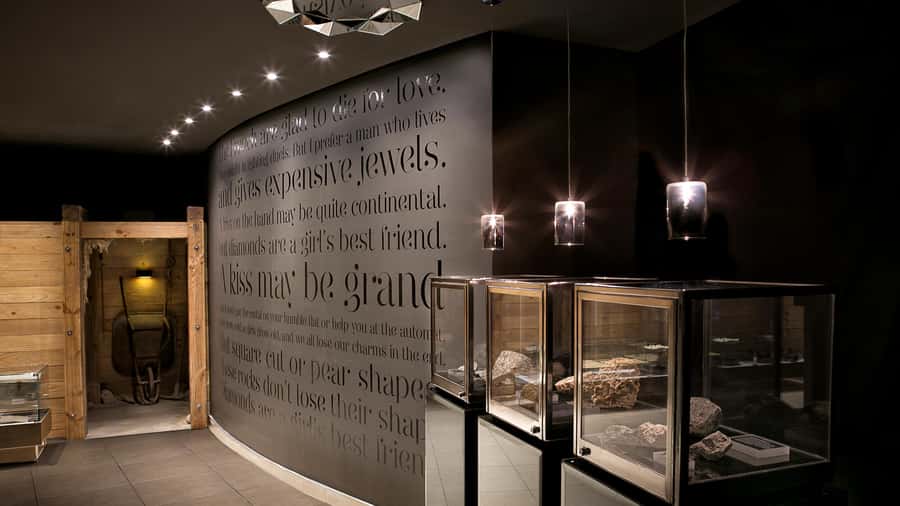
The setting also shapes the experience. You begin at reception in the Gavin Collins Gallery, where staff need to know you are there for the museum. It is easy to mistake the entrance for an ordinary jewelry shop, so say clearly that you have a museum booking.
A few more Cape Town trips to weigh up
- Museum of Contemporary African Art: Fast-Track Zeitz MOCAA
★ 4.4 · 204 reviews - ROBBEN ISLAND MUSEUM TOUR, WITH OPTIONAL LAST MINUTE TICKETS
★ 3.4 · 85 reviews - Cape Town: Heart of Cape Town Medical Museum Entrance Ticket
★ 4.7 · 31 reviews
Starting at the Gavin Collins Gallery
Your meeting point is the Gavin Collins Gallery at the V&A Waterfront. Meet your guide at reception, then settle in with a soft drink or South African wine. Drinks are included at the start and remain available during the visit, which gives the tour a more relaxed feel than a quick walk through display cases.
The private guide is the main reason to choose this format. English and Afrikaans are available, and past guide names include Aloma, Sandy, Shani, Constantina, Nadya, and others. The strongest guide feedback centers on clear explanations, enthusiasm, and the ability to handle many questions.
If you have a particular interest, ask about it early. You can steer the conversation toward the discovery of diamonds in South Africa, the Oppenheimer family, the Kimberley connection, diamond formation, or the practical meaning of cut, carat, color, and clarity. One memorable teaching point from the tour is the familiar four Cs, with confidence offered as a playful fifth C.
South Africa’s 3-billion-year diamond story
The historical portion gives the displays a purpose. You learn that diamonds have a geological story reaching back roughly 3 billion years, then move into the human story of discovery, mining, trade, and jewelry making in South Africa.
The visit can include the first discovery associated with Erasmus Jacobus and the development of Kimberley as a major name in the diamond world. The Oppenheimer family also comes into the story. These details help explain why South Africa matters in the international diamond trade, rather than treating the stones as pretty objects with no past.
I like this part because it gives you something to remember after the tour. The best museum visits leave you with a few solid facts, and here the 4Cs are likely to stick: cut, carat, color, and clarity. You also see that a diamond’s price is not simply about size. The way it is cut, its color, and its clarity all affect how it looks and what it costs.
The history is presented through a jewelry-industry lens, so do not expect a full social or environmental study of mining. The focus is on geology, craftsmanship, selection, and the company’s approach to sourcing.
From rough stone to polished jewelry
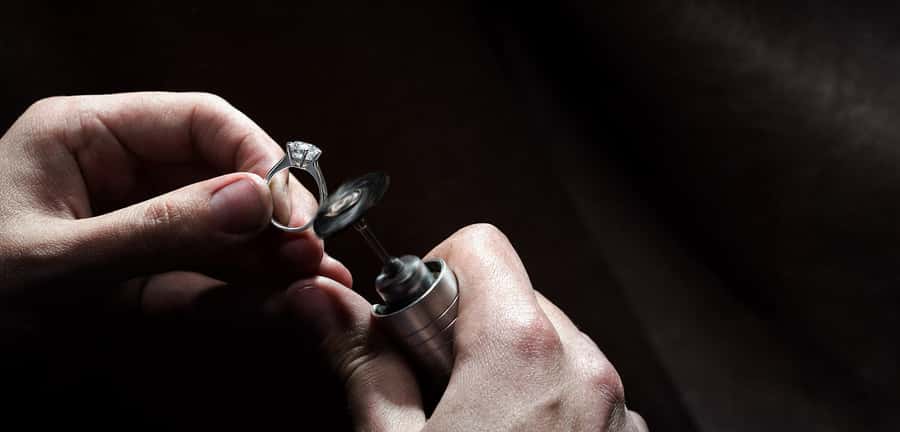
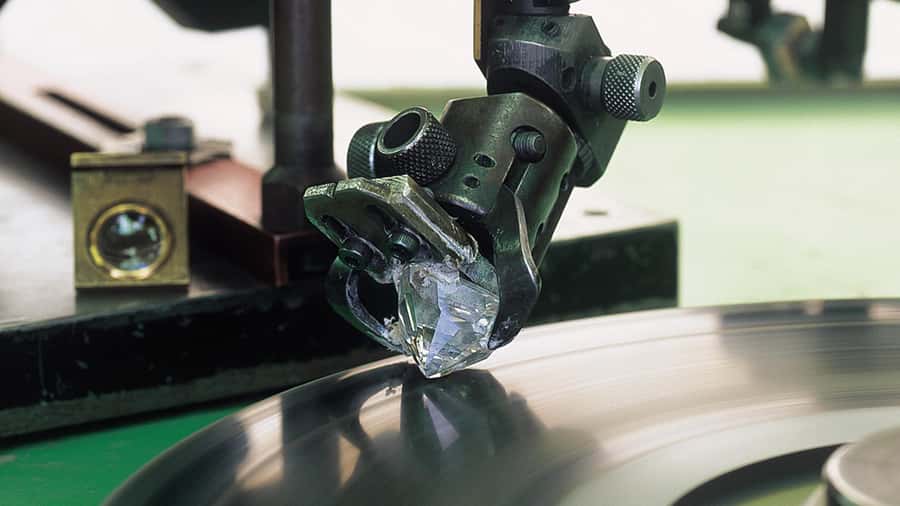
The practical part of the visit explains how diamonds are selected, cut, and polished. You hear how Shimansky hand selects and ethically sources its diamonds, then learn how skilled work changes a rough stone into a finished piece.
The display area includes more than 3,000 pieces in the diamond cutting factory and jewelry workshop. That number matters because you are not only looking at one showcase of finished rings. You get a sense of the range of stones and jewelry connected with the company’s work.
The exact amount of live production you see may depend on the time of your visit. A weekday booking between 9 a.m. and 1 p.m. offers the best stated chance of seeing actual diamond carving and goldsmith work. Outside those hours, you may still learn about the process and see the work area, but active production is not guaranteed by the tour details.
That is an important planning point. If the workshop is your main reason for booking, choose a weekday morning when possible. If your schedule only allows an afternoon visit, the history, displays, guide, and design opportunity still make up the core experience.
Same country, a completely different kind of day:
- Wine Tour: Paarl, Franschhoek & Stellenbosch incl 3 wineries
★ 5.0 · 3,940 reviews - Cape Town: Hop-On Hop-Off Bus Tour with Optional Cruise
★ 4.8 · 3,929 reviews - Cape Town: Cape of Good Hope & Penguins Day Tour with Pickup
★ 4.7 · 3,362 reviews - Zipline Cape Town – From Foot of Table Mountain Reserve
★ 5.0 · 3,179 reviews
The 4Cs, diamonds, and the design conversation
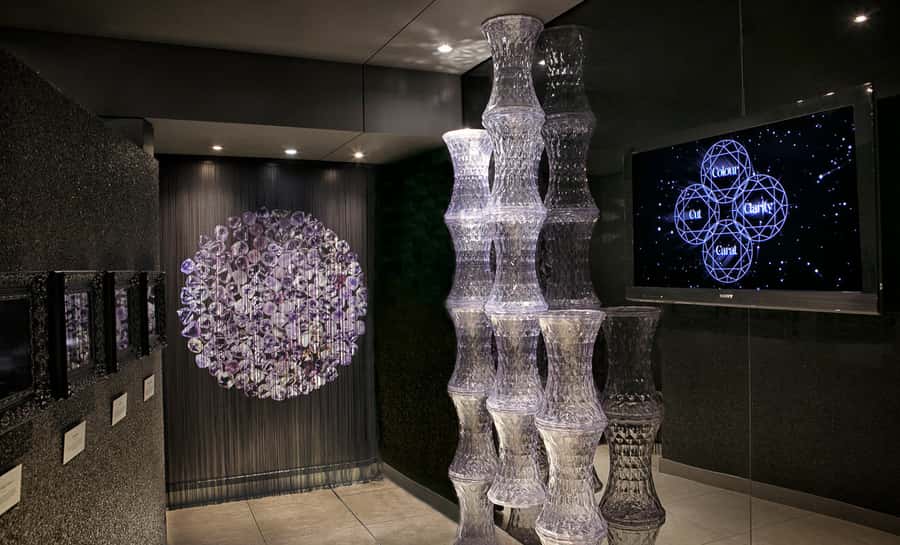
You will spend part of the tour learning to look at a diamond with more care. Cut refers to how the stone’s facets are shaped and arranged. Carat measures weight, while color and clarity describe qualities that affect appearance and value.
This is useful even if you have no plan to shop. Diamond language can feel deliberately confusing in a jewelry store, and a short explanation gives you a better basis for comparing stones. You can ask why one diamond costs more than another, what a GIA certificate records, and how the stone’s shape changes the look of a ring.
The design option comes after the museum portion. You have the opportunity to work with a personal designer to create and buy a diamond, with a GIA certificate included for the purchase. This is not part of the $24 admission price as a finished piece. It is an optional buying opportunity, so treat it as a separate decision.
I would recommend setting your budget before you arrive if you are even slightly tempted. The private setting and personal attention can make jewelry shopping enjoyable, but it can also make it easier to move from browsing to spending. You are not required to buy anything, and one useful point from the supplied feedback is that the visit did not feel like a hard sell to at least one visitor.
You can also try on engagement rings and look at other stones, including tanzanite. That makes the last section more hands-on than a standard museum ending, though people who want only history may find the retail side too prominent.
Why the private format earns its place
At $24 per person, the value depends on what you want from a short museum stop. If you simply want to glance at diamonds, the price may seem high for 45 minutes. If you want a private guide, drinks, a focused history lesson, and access to a design consultation, the cost is easier to justify.
A private tour is especially useful for couples comparing rings or for anyone who has never learned the 4Cs. You can ask basic questions without feeling rushed, and you can move past topics that do not interest you. A larger group experience might be cheaper, but it would likely give you less control over the conversation.
The price does not include food or parking. The V&A Waterfront offers places to eat, so you can pair the tour with lunch or a coffee, but plan those costs separately. The tour itself is short enough to combine with a full Waterfront outing.
The high rating of 4.7 from 156 bookings suggests a generally strong experience, and the praise is quite consistent in one area: the guides. Aloma is singled out for turning a potentially ordinary museum visit into an engaging lesson, while Sandy, Shani, Constantina, Nadya, and others receive similar praise for warmth and clear explanations. Guide quality can vary from person to person, but the private format gives you a good chance to get a personal session rather than a rushed script.
Who will enjoy this, and who may not
I would recommend the tour to couples, jewelry shoppers, first-time diamond buyers, and curious adults who want a short cultural stop at the Waterfront. It also suits anyone who likes seeing how a finished object is made, since the visit links mining, selection, cutting, polishing, and design.
It can work for families, but language matters. One account specifically noted that the tour was not well suited to children who did not speak English. The available guide languages are English and Afrikaans, so young children or family members who need another language may miss much of the explanation.
This is not the best choice if you want a long museum visit, a broad account of mining’s social effects, or a fully separate historical institution. It is also not ideal if you dislike entering a jewelry store or want to avoid any shopping discussion. The experience makes no secret of its commercial setting.
On the other hand, that setting gives you access to jewelry displays, a designer, and a working workshop that a traditional museum may not offer. I see that as a fair trade if you approach it with clear expectations.
Practical details that make the visit easier
The experience is wheelchair accessible, and it is for a private group. Bring a passport or ID card and some cash, as both are listed among the items to bring. Weapons and sharp objects are not allowed, and large bags or luggage should be left behind.
You do not need to arrange a separate transfer for the tour details provided here. The listed route begins and ends at the Gavin Collins Gallery, with the museum visit in between. That makes it simple to plan around other V&A Waterfront activities.
The activity is valid for one day, but the visit itself is not an all-day tour. Check the available starting times when you book. You can cancel up to 24 hours in advance for a full refund, and the reserve-now, pay-later option can help if your Cape Town plans are still shifting.
Because this is a private visit, ask questions. Ask to see the cutting or goldsmith work if it is operating, ask how the 4Cs affect price, and ask what the GIA certificate covers. The guide is there to explain, not just point at cases.
Should you book the Cape Town Diamond Museum?
Book it if you want a polished, compact introduction to South African diamond history with a private guide and a real chance to discuss jewelry design. The strongest reasons are the personal format, the free drink, the large collection, and the repeated praise for guides such as Aloma and Sandy.
Choose a weekday morning if seeing active cutting or goldsmith work matters to you. If you are bringing children who do not understand English, or if you want a museum with no retail connection, spend your time elsewhere.
For $24, I consider it good value when you use the guide well and treat the design session as optional. It is less about filling a day and more about adding a focused, informative hour to a V&A Waterfront visit.
FAQ
How long does the Cape Town Diamond Museum tour last?
The guided museum portion lasts 45 minutes. The full stop is listed as about one hour, including the visit and related workshop or shopping time.
What is included in the price?
The experience includes a 45-minute private guided tour, soft drinks, and South African wine. You also receive the opportunity to design and buy a diamond with a personal designer.
Can I see diamonds being cut or jewelry being made?
You may have the chance to see work in the diamond cutting factory and jewelry workshop. A supplied tour detail notes that weekday visits between 9 a.m. and 1 p.m. offer the best chance of seeing actual carving and jewelry work.
Is buying a diamond required?
No. Buying or designing a diamond is an opportunity included in the experience, not a stated requirement. The museum is located within a jewelry store, so shopping is part of the setting.
What languages are available?
Live guided tours are available in English and Afrikaans.
Is the tour wheelchair accessible?
Yes, the activity is listed as wheelchair accessible.
Just added around Cape Town
- Lion’s Head Hike: Cape Town – Sunrise or Sunset Hike★ 5.0 · 29 reviews
- Lion’s Head Sunrise or Sunset Hike + Hotel Pick-Up★ 5.0 · 24 reviews
- Lion’s Head: Hike with a registered hiking guide★ 5.0 · 3 reviews
- Kruger National Park 3 Days Best Ever Safari from Cape Town★ 4.1 · 11 reviews
- Koeksister and Samoosa Class by the Malay Cook Up★ 4.8 · 9 reviews
- Kirstenbosch Garden, Bo-Kaap-Penguins & Cape Peninsula Tour★ 3.9 · 7 reviews
- Khayelitsha: 3-Hour Township Walking Tour★ 5.0 · 6 reviews
- Cape Town: Constantia Half-Day Wine Tour & Tastings★ 4.9 · 15 reviews
Museums, compared.

Soweto /Johannesburg and Apartheid Museum Guided Full Day Tour
Read our review →
Jo’berg in 1 Day: Soweto, Apartheid Museum & City Tour
Read our review →
Full-Day Tour with Soweto and Apartheid Museum
Read our review →
Full-Day Soweto, Apartheid Museum and Lunch Tour
Read our review →
Half Guided Day Tour of Soweto And Apartheid Museum
Read our review →
Ultimate Johannesburg Soweto Experience with Apartheid Museum
Read our review →
Hop-On Hop-Off Bus, City Tour and Apartheid Museum
Read our review →
Museum of Contemporary African Art: Fast-Track Zeitz MOCAA
Read our review →Browse the lists this tour appears in