
Reviewed · PORT ELIZABETH TOURS
15-Day All Inclusive Sibuya Wilderness Guided Tour
The unusual appeal here is that you do not simply ride through a game reserve and tick off animals. You learn to identify individual elephants and rhinos, help with fence work and alien plant removal, tag estuary fish, and walk across the towering Alexandria Dune Fields. This is a working conservation holiday, not a standard safari with a few lectures added.
I like the mix of close wildlife monitoring and coastal work. I also like having one base at Intaka Bird Lodge, rather than repacking every night. Guides Chris and Bonbon are named as key leaders, and their wildlife knowledge helped make the safari side especially strong. The main drawback is the pace: two hikes total 36 kilometers, and several days are active field days. You need moderate fitness and a willingness to get your hands dirty.
Key points to know before booking
- Elephant and rhino identification: You learn to recognize individual animals and record their behavior, with rhino monitoring linked to anti-poaching work.
- A full 36 kilometers on foot: The Alexandria Dune Fields require a 20-kilometer hike followed by a 16-kilometer hike.
- Small group size: The maximum is 10 people, useful for field instruction and shared transport.
- Two free days: Saturday and Sunday are set aside for your own sightseeing or quiet time at Intaka Bird Lodge, with personal costs applying to outings.
- A genuine marine conservation session: You learn to catch, tag, record, and release estuarine fish for the ORI international database.
- Mostly covered at $1,615.69: Accommodation, meals, transfers, park fees, equipment, and activities are included, but alcohol and personal leisure expenses are not.
A conservation holiday with more than game drives
This 15-day program links several kinds of conservation in one trip. Sibuya Game Reserve supplies the wildlife work, Addo Elephant National Park provides a larger park setting, Woody Cape brings coastal ecology, and the Kariega River adds estuarine research.
That range is the strongest reason to choose it. You are not spending every day looking for the Big Five from a vehicle. One day may focus on elephant behavior, another on invasive vegetation, and another on fish tagging. The result is less polished than a luxury safari, but far more hands-on.
Your base is Intaka Bird Lodge on the boundary of Sibuya Game Reserve. That makes the schedule practical because you return to the same accommodation after field sessions. The setting is also designed for a quiet start after a long flight, with dinner and sundowner drinks overlooking the reserve on arrival day.
The program has a maximum of 10 people. That is a useful limit for presentations, wildlife identification, and conservation tasks. It also means the group experience matters. If you prefer complete solitude, a 15-day shared program may feel demanding.
A few more Port Elizabeth trips to weigh up
- Addo Elephant National Park All Inclusive Full-Day Safari
★ 5.0 · 256 reviews - Addo Elephant National Park Full Day Safari
★ 5.0 · 110 reviews - Addo Elephant National Park from Port Elizabeth – FD01
★ 5.0 · 78 reviews
Day 1: Arriving at Intaka Bird Lodge
Pickup is offered from Port Elizabeth Airport, with collection listed for Sunday at 3:00 p.m. The meeting information also gives a 12:00 p.m. start time, so I would confirm the exact airport meeting arrangement before flying. One past booking problem involved confusion over pickup, making this a detail worth settling in writing.
Once you reach Intaka Bird Lodge, you settle in and prepare for the days ahead. The first evening includes dinner and sundowner drinks overlooking Sibuya Game Reserve. Alcoholic drinks are not included in the tour price, so the included beverage service should be understood as coffee and tea, while alcohol is extra.
This is a sensible first day. You are not pushed straight into a long activity after an international flight. Instead, you get a meal, a quiet base, and an introduction to the routine.
Days 2 to 5: Learning Sibuya’s wildlife system
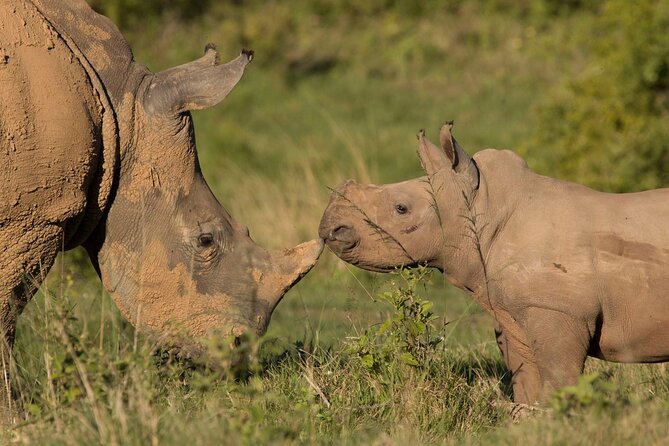
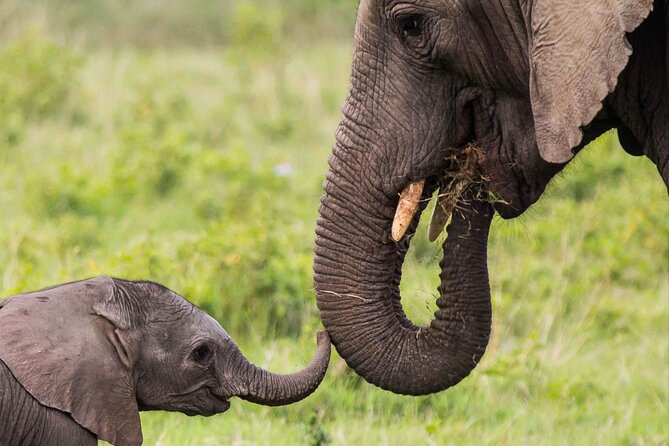
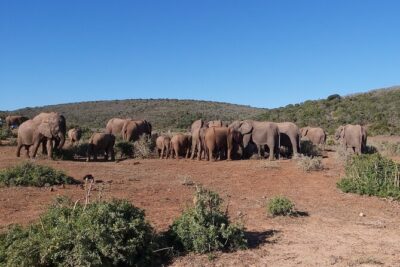
The first full field day begins with a welcome presentation and an introduction to African elephants. You learn about the species’ place in the ecosystem and the problems elephants face. The practical part is individual identification and monitoring, including attention to each elephant’s personality.
That focus changes the way you look at a safari. Rather than simply asking how many elephants you saw, you begin asking which elephant you saw and what it was doing. It is a slower, more attentive form of wildlife watching.
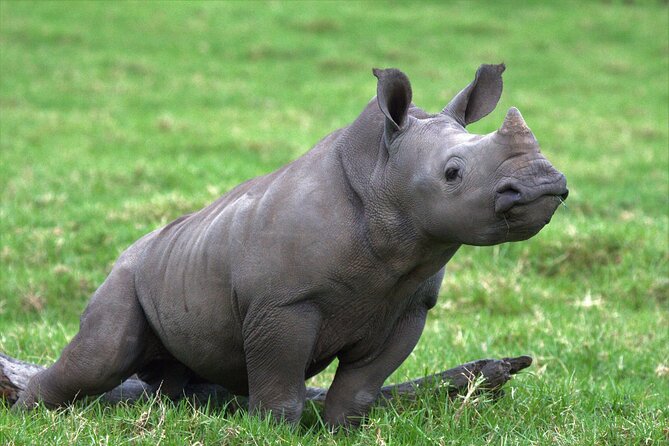
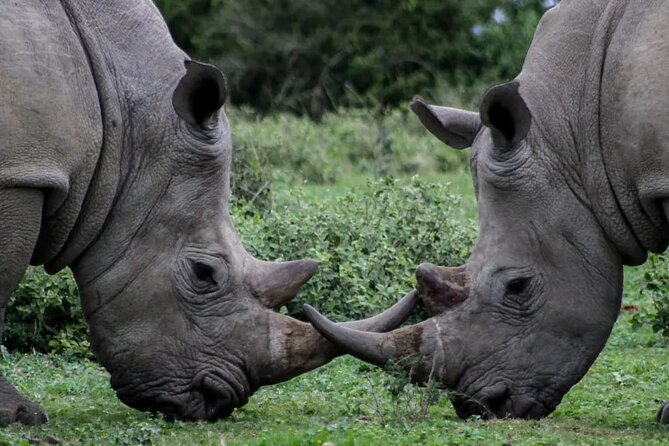
The next day turns to white rhino. You receive a conservation presentation, take part in rhino monitoring, and join safari activities. Anti-poaching work is included in the day’s theme. The program does not promise that you will see a particular animal, so you should come for the monitoring process as much as for sightings.
Day 4 is practical conservation. Fence management may sound less exciting than elephants, but fencing protects people from dangerous wildlife and helps shield conservation areas from human impact. You also help remove alien vegetation, plant species that can outgrow local plants and are often unpalatable to animals.
This is one of the less glamorous days, and that is exactly why it matters. Conservation is not only research and dramatic encounters. It also involves maintenance, control work, and routine decisions about how a reserve functions.
Birding takes the lead on Day 5. You work on identifying oceanic, estuarine, arboreal, and terrestrial birds, then take part in the Red-Billed Oxpecker Project. The bird component adds useful variety after several large-mammal sessions.
Bring patience to this part of the program. Bird identification is based on careful observation, not quick photo stops. It also gives you a closer look at the smaller species that support the wider reserve system.
Day 6: Community work around Kenton-on-Sea
The Kenton-on-Sea day shifts attention from reserve management to local outreach. Possible projects include distributing blankets and beanies for Madiba, assisting stand-in teachers, cleaning beaches, distributing dog food, and visiting retirement homes.
The exact project can vary, so keep an open mind. You may prefer wildlife work, but this day shows that conservation does not sit apart from nearby communities. Beaches, pets, schools, and older residents are all part of the area in which the reserve operates.
Kariega Beach and the Kariega River are also part of the setting. This gives you a first look at the coastal and estuarine environments that receive more attention later in the program.
Same country, a completely different kind of day:
- Whale, Dolphin & Penguin Island Cruise
★ 5.0 · 687 reviews - Full-Day All Inclusive Safari with Traditional Braai Lunch
★ 4.8 · 345 reviews - Port Elizabeth: Schotia Game Reserve Safari with Port Pickup
★ 4.5 · 263 reviews - Addo Elephant Full Day Safari with a Traditional South African Braai (BBQ) Lunch
★ 5.0 · 218 reviews
Days 7 and 8: Two useful days off
The first Saturday and Sunday are leisure days. You can arrange sightseeing in the area at your own expense, or stay at Intaka Bird Lodge and rest.
I consider this break important. The program has several full field days, and the upcoming dune hikes are demanding. A quiet weekend lets you recover rather than turning every day into another assignment.
The itinerary identifies Kariega Beach for one leisure day and the Kariega River for the other. Admission is included for one listed stop, while other personal outings may cost extra. The schedule does not provide a detailed menu of optional excursions, so you should ask what is available before assuming a particular activity is arranged.
Days 9 to 12: Lions, dunes, river work, and fish tagging
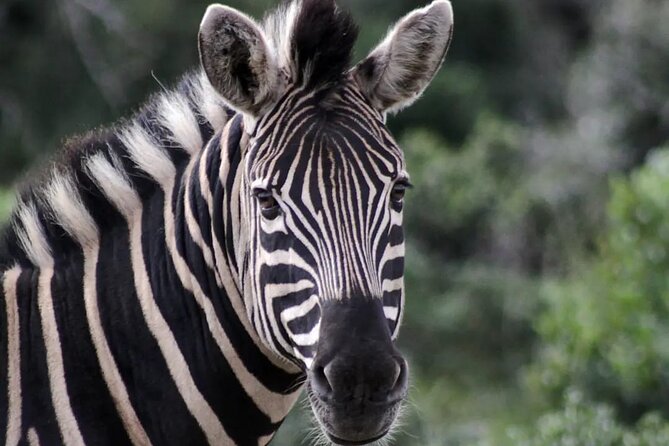
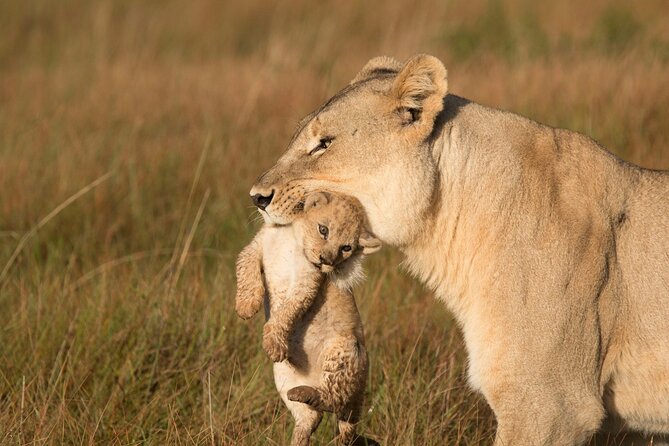
You return to Sibuya for a lion conservation presentation and monitoring session. The discussion covers prey loss, habitat loss, lion bone trade, human encroachment, and the possible extinction of Africa’s apex predator.
The day also includes buffalo darting and management. The word darting may concern some people, so ask the operator for the current operational details if this is important to you. The supplied program identifies it as part of reserve management, not as a sightseeing stunt.
Days 10 and 11 are the physical centerpiece. In Woody Cape, within Greater Addo Elephant National Park, you walk 20 kilometers on the first day and 16 kilometers on the second across the Alexandria Dune Fields. These are described as the highest coastal wind-driven sand dunes in the Southern Hemisphere.
The dunes are not just scenic backdrops. You study living and nonliving parts of the coastal marine environment and learn how the area’s past shaped what you see today. At 36 kilometers over two days, this section demands proper preparation. Comfortable walking shoes, sun protection, water planning, and a realistic assessment of your fitness are essential, though the supplied details do not specify a personal equipment list.
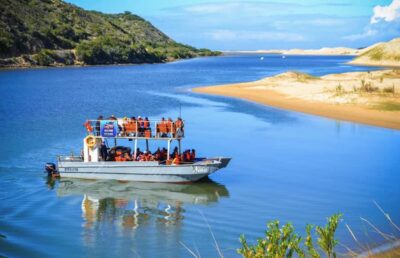
Day 12 brings a change of rhythm with a boat cruise along the Kariega River. You then work with the Oceanic Fish Tagging Institute project. After a briefing, you learn how to catch, tag, record information about, and release estuarine fish. The data goes to the ORI international database.
That is a particularly good link between a pleasant river outing and useful research. You are not only looking at the estuary from a boat. You take part in a recording system that can build information about fish populations over time.
Kayaking and fishing equipment are included, along with presentation equipment. The description does not promise that kayaking is scheduled as a separate daily activity, so treat that equipment as support for the programmed water work rather than as a guaranteed standalone excursion.
Day 13: A full day in Addo Elephant National Park
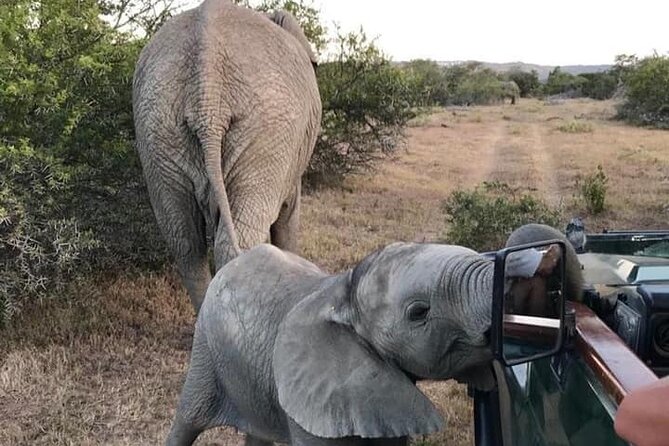
Addo Elephant National Park is South Africa’s flagship game reserve and one of the major wildlife stops in this program. The park is known for having the densest population of African elephants per square kilometer in the world, and its conservation story is central to the region.
You spend the day in Addo, with Colchester included in the route. This is different from the closer, more focused work at Sibuya. Sibuya is where you learn individual monitoring and reserve tasks. Addo gives you a broader park experience and a major point of reference for elephant conservation in South Africa.
Do not treat this as a guaranteed animal checklist. The value is the contrast between protected reserve work and a large national park visit. You also get another chance to see how elephant conservation fits into a wider national effort.
Day 14: Showing what you learned
The second-to-last day returns to Sibuya for a group project presentation, graduation ceremony, leisure time, and certificates. You have the chance to present what you learned, with group projects and posters forming part of the event.
This closing day gives the long schedule a clear shape. The activities are not isolated stops. You are expected to connect animal monitoring, coastal conservation, community work, and marine data in a final presentation.
It is also a welcome pause after the Addo outing. You get some leisure time before the final breakfast and airport transfer.
Day 15: Breakfast and the airport transfer
The final morning includes a team breakfast, followed by transfer from Intaka Bird Lodge to Port Elizabeth Airport at 9:00 a.m. on Sunday. The listed transfer takes about six hours in the itinerary, though the airport transfer itself may be shorter depending on the route and timing. Confirm your flight time and the exact transfer duration with the provider.
The airport transfer is included, as is private transportation during the program. That removes one large practical concern from a 15-day trip, especially when the activities are spread between reserves, beaches, dunes, and river areas.
What the $1,615.69 price really covers
At $1,615.69 per person, the cost is appealing for a 15-day program with accommodation and a wide range of included activities. The price includes Intaka Bird Lodge, private transportation, all fees and taxes, the Sibuya Private Game Reserve, Addo Elephant National Park, the Alexandria Dune Fields, equipment, and the airport transfer.
Meals are also largely covered: 14 breakfasts, 13 lunches, and 13 dinners. That is not the same as three meals every day for all 15 days. The two leisure days may require you to pay for some food, and the final day does not list a full set of meals.
Coffee and tea are included. Alcohol is not. Personal sightseeing, drinks, and any expenses connected with your free weekend are also outside the basic price.
The value is strongest if you want structured conservation work and do not want to arrange transport between several sites yourself. It is less attractive if you mainly want a luxury safari, flexible independent travel, or a short series of game drives.
Who should book this program
I would choose this for someone who wants context, activity, and a clear conservation theme. It suits solo participants, couples, and small groups who are comfortable sharing a 15-day schedule and taking part in both pleasant and practical work.
You should be ready for presentations, monitoring, field maintenance, community projects, boat work, and long walks. The stated fitness level is moderate, but the two dune days make that requirement meaningful.
Participants under 17 must be accompanied by adults. The group maximum is 10 people, which should help keep instruction personal. The program is also near public transportation, though private transport is included for the planned itinerary.
Final call: is this the right South African trip for you?
Book it if you want a conservation-centered South African experience that goes well beyond the usual safari format. The combination of Sibuya wildlife monitoring, Addo, Woody Cape, the Alexandria Dune Fields, community work, and fish tagging gives you a broad view of how animals, people, rivers, and coasts connect.
Think twice if you dislike fixed schedules, physical activity, group presentations, or basic field tasks. Also confirm the airport pickup time, meal arrangements on the free weekend, and the exact details of buffalo management before paying.
For the right person, the strongest reward is not simply seeing an elephant or rhino. It is learning how to recognize one, monitor it, and understand the work required to keep its habitat functioning.
FAQ
Where does the 15-day program begin?
The program begins with pickup at Port Elizabeth Airport in South Africa.
What time is airport pickup?
Collection from Port Elizabeth Airport is listed for 3:00 p.m. every Sunday. The meeting information also lists a 12:00 p.m. start time, so confirm the exact pickup time before arrival.
Where do I stay?
You stay at Intaka Bird Lodge, located on the boundary of Sibuya Game Reserve.
How many people can join the program?
The maximum group size is 10 participants.
Is transportation included?
Yes. Private transportation and the transfer to Port Elizabeth Airport are included.
Are meals included?
The price includes 14 breakfasts, 13 lunches, and 13 dinners, plus coffee and tea. Alcoholic drinks are not included.
What fitness level is required?
A moderate level of physical fitness is required. The program includes a 20-kilometer hike and a 16-kilometer hike across the Alexandria Dune Fields.
What wildlife conservation activities are included?
Activities include elephant monitoring, rhino monitoring, anti-poaching activities, lion monitoring, buffalo management, birding conservation, the Red-Billed Oxpecker Project, fence management, and alien vegetation removal.
Is Addo Elephant National Park included?
Yes. A visit to Addo Elephant National Park is included, as are the park fees listed for the program.
Can I cancel for a refund?
You can cancel at least 24 hours before the experience start time for a full refund. Cancellations or changes made less than 24 hours before the start time are not accepted for a refund.
Just added around Port Elizabeth
- Township Experience – Port Elizabeth★ 5.0 · 5 reviews
- Kragga Kamma Game Drive and Scenic Coastal Tour in Port Elizabeth★ 5.0 · 8 reviews
- Port Elizabeth Shore Excursion: Addo Elephant Full Day Safari &”Braai”Lunch(BBQ)★ 5.0 · 34 reviews
- Shore Excursion Cruise Ships Port Elizabeth, Addo Elephant Park★ 5.0 · 24 reviews
- River Cruise along the Sundays River★ 4.5 · 3 reviews
- Sandboarding with a Short Boat Trip★ 4.5 · 3 reviews
- Sandboarding in Jeffreys Bay, South Africa★ 4.5 · 11 reviews
- Port Elizabeth Wildside Scenic Drive – FD17★ 5.0 · 3 reviews
Port Elizabeth Tours, compared.
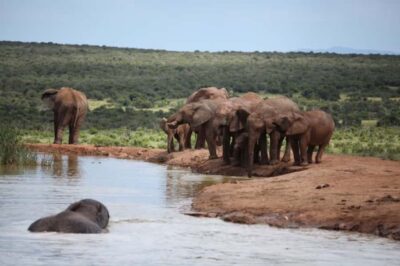
Full-Day All Inclusive Safari with Traditional Braai Lunch
Read our review →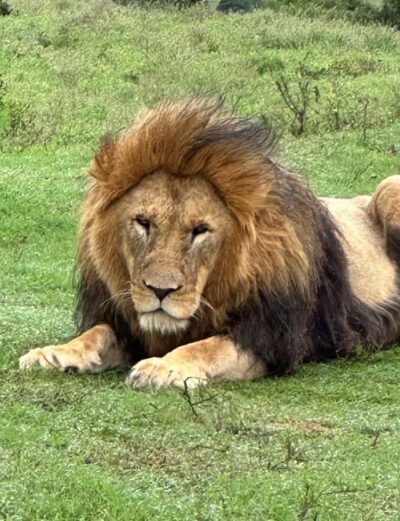
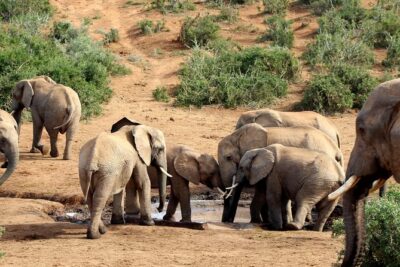
Addo Elephant National Park All Inclusive Full-Day Safari
Read our review →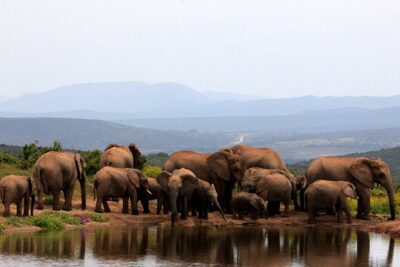
Addo Elephant Full Day Safari with a Traditional South African Braai (BBQ) Lunch
Read our review →
Browse the lists this tour appears in