
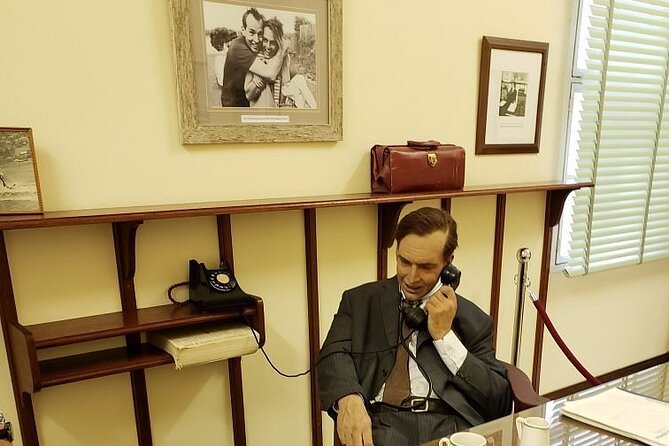
Reviewed · MUSEUMS
The Heart of Cape Town Museum Admission Ticket
The most striking part of the Heart of Cape Town Museum is not a modern display case. It is the original operating room, restored and arranged to show the tense setting of the world’s first successful heart transplant in 1967. You walk through the rooms where surgeon Christiaan Barnard and his team changed medical history.
I like two things here. First, the guide-led visit gives the museum a human voice, with reenactments, silicone models, and a clear account of the operation. Second, you can look beyond the famous surgeon and learn about Denise Darvall, the donor, along with the events that made the operation possible.
The main caution is practical: the museum has had changing operating arrangements, and some bookings have not matched the museum’s opening status. Confirm the tour time and current operation before you go, especially since tours are offered at set times and bookings are essential.
Key points to know before you visit
- The original operating rooms remain the main attraction: You see the rooms restored as they were during the 1967 operation.
- A guided tour is included: The guide explains the medical and human story with models and short reenactments.
- Denise Darvall receives proper attention: Exhibits cover the donor as well as Christiaan Barnard.
- Plan for 90 minutes to two hours: The guided portion is about an hour and a half, with extra time available for the displays.
- Tours run at 9am, 11am, 1pm, and 3pm: Bookings are essential, and the small group limit is 15 people.
- This is best for older children and adults: Preschool children and very young youngsters are not recommended.
Entering the operating rooms of 1967
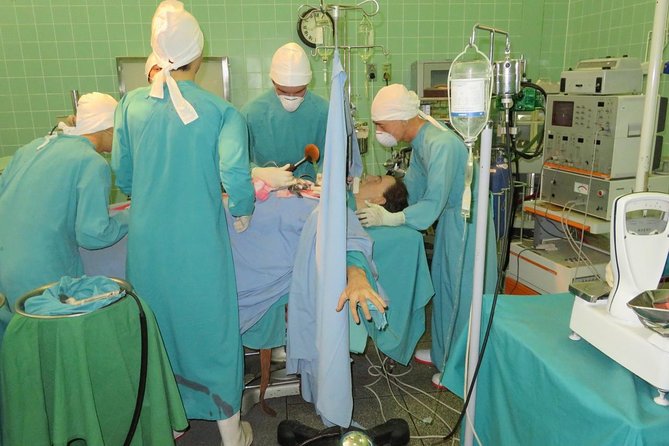
The museum tells the story of the first successful human heart transplant through the rooms where it happened. That setting gives the visit its force. You are not simply reading that Barnard performed the operation in Cape Town. You are seeing the restored operating rooms laid out to show the day itself.
The rooms are presented as they were at the time of the operation, with reproductions and medical details designed to make the event easier to picture. The display is not a glossy science center with rows of interactive gadgets. It is more focused, personal, and theatrical.
A trained guide leads the visit and describes the events with the help of silicone models. Important scenes are reenacted, giving the tour a sense of movement rather than leaving you alone with labels and photographs.
That guided approach matters. Medical subjects can become a blur of technical terms, but the tour links the science to the decisions and people involved. You learn what came before the operation, what happened on the day, and what followed afterward.
The main tour takes roughly an hour and a half, though the total visit may run closer to two hours. One especially useful tip is to stay after the guided portion and spend more time with the displays. The tour gives you the framework, while the exhibits let you slow down and read.
A few more Cape Town trips to weigh up
- Museum of Contemporary African Art: Fast-Track Zeitz MOCAA
★ 4.4 · 204 reviews - Cape Town: Private Guided Tour of Cape Town Diamond Museum
★ 4.7 · 156 reviews - ROBBEN ISLAND MUSEUM TOUR, WITH OPTIONAL LAST MINUTE TICKETS
★ 3.4 · 85 reviews
Denise Darvall and the human story behind the surgery
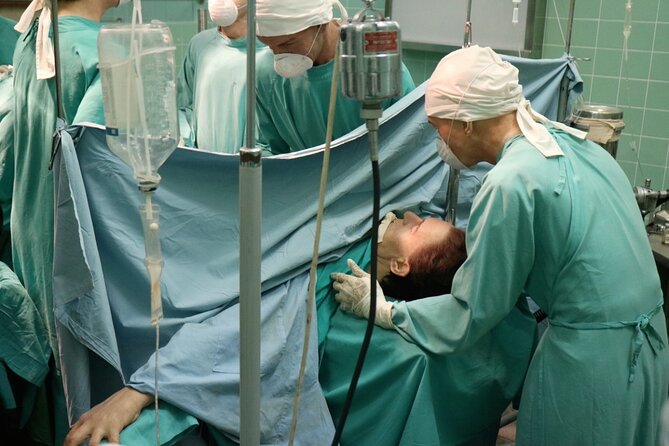
It would be easy for a museum about the first heart transplant to turn entirely into a celebration of Christiaan Barnard. This one also gives space to Denise Darvall, the donor whose death made the transplant possible.
The exhibits cover Darvall and the circumstances surrounding the donation, beginning after she was declared brain dead. That part of the museum adds needed weight to the medical achievement. The operation was not only a surgical breakthrough. It was also a deeply personal event involving a donor, a recipient, families, doctors, and difficult choices.
I appreciate that the museum presents the donor as part of the central story rather than as a footnote. If you have a personal connection to heart treatment, transplant medicine, or hospital care, this section may carry particular emotional weight.
You should not expect a light sightseeing stop. The subject involves death and major surgery, and the reconstructed rooms can feel serious and unsettling. That is part of the value, but it also explains why the experience is not a natural fit for very young children.
Christiaan Barnard, celebrity, and medical ambition
Barnard is presented as the surgeon who led the operation, but the visit also looks at what happened after his success. The museum explores both his medical achievement and the celebrity that followed.
This wider view makes the experience more useful than a simple tribute. You get a sense of the work that came before the transplant, the operation itself, and Barnard’s public life afterward. The presentation includes discussion of both his accomplishments and his excessive enjoyment of fame.
That balance is welcome. The museum does not need to pretend that a famous doctor’s public image was simple. A medical breakthrough can belong to a brilliant surgeon while still raising questions about ambition, publicity, and the price of celebrity.
If your interest is medicine, this is one of the strongest parts of the visit. If you know little about medical history, the guide helps explain why the operation mattered and why Cape Town became linked to one of the most important moments in modern surgery.
How the guided tour works
The guided tour is included in the admission price, so there is no need to treat it as an optional extra. In fact, I would plan your visit around a guided departure rather than simply arriving and wandering through the museum.
Tours are listed at 9am, 11am, 1pm, and 3pm. The small maximum group size of 15 should make the explanation easier to follow than a large museum group, although the exact feel depends on how many people are booked for your time.
The guide is the heart of the experience. One guide named Gide has been praised for clear communication and for making the visit memorable. Other comments also describe the staff as generous and kind, and a nurse guide has been noted for adding humor to the presentation.
The strongest praise is aimed at the guides’ ability to tell the story. That is important because the museum depends on explanation. The operating rooms and photographs have power on their own, but the guide connects them into a readable sequence.
Expect a mix of spoken interpretation, silicone models, scene reenactments, a film, documents, and photographs. A cinema room is used for a film about the development of the procedure and related medical progress.
If English is not your first language, you may find some of the spoken material harder to follow. The exhibits and film give you a second way to absorb the subject, but this is still a guide-centered experience. Take your time with the written material after the tour rather than trying to catch every detail as the group moves.
Same country, a completely different kind of day:
- Wine Tour: Paarl, Franschhoek & Stellenbosch incl 3 wineries
★ 5.0 · 3,940 reviews - Cape Town: Hop-On Hop-Off Bus Tour with Optional Cruise
★ 4.8 · 3,929 reviews - Cape Town: Cape of Good Hope & Penguins Day Tour with Pickup
★ 4.7 · 3,362 reviews - Zipline Cape Town – From Foot of Table Mountain Reserve
★ 5.0 · 3,179 reviews
The film, photographs, and supporting exhibits
The operating rooms provide the drama, but the supporting collection fills in the story. You can expect documents, photographs, a timeline of events, and displays about the donor and surgeon.
The timeline is particularly helpful. It shows that the transplant did not appear out of nowhere. The museum uses it to explain the steps and developments that led up to the 1967 operation.
The film adds another layer. A short cinema presentation covers medical development and gives you a chance to absorb information away from the operating-room setting. It is a good reason to allow extra time beyond the formal guided tour.
The photographs and documents may appeal most to people who enjoy archival material. This is not a huge museum, and you should not expect dozens of unrelated galleries. Its strength is concentration. Most of what you see supports the same central event.
That focus also creates the museum’s main limitation. If you are looking for a broad survey of Cape Town’s past, this is not the place. It is a specialist stop about one medical breakthrough and the people connected to it.
How much time should you allow?
The advertised duration is about one hour and 30 minutes, while the practical guidance says the tour lasts roughly two hours. Both figures make sense if you separate the guided presentation from your own time with the exhibits.
Allow at least 90 minutes for the main visit. If you want to read the documents, watch the film, and return to the displays after the guide finishes, give yourself closer to two hours.
The fixed tour times make this easy to fit into a day, but they also mean you should not treat the museum as a completely spontaneous stop. A missed 1pm tour may require waiting for the 3pm departure, assuming space is available.
Booking ahead is sensible because entry is based on bookings and the group size is limited. The mobile ticket is convenient, but it does not remove the need to check the date and departure time carefully.
There have been periods when the museum was closed or when the tour was not operating. For that reason, I would confirm directly before setting out, even if you already hold a booking. This is especially important if you are planning the visit around a tight Cape Town schedule.
Is the $17.34 admission good value?
At about $17.34 per person, the museum costs more than a quick look at a small local display, especially for international visitors. One price reference put admission for foreigners at 350 South African rand, and that increase was considered expensive by one visitor despite a positive view of the tour.
The value depends on what you want. If you have an interest in surgery, nursing, transplant medicine, medical ethics, or Cape Town’s place in medical history, the price is reasonable for a guided visit lasting 90 minutes to two hours.
You are paying for more than room access. The ticket includes the guided explanation, the restored operating rooms, the film, archival material, models, and the staff time required to lead a small group. That is a fair package for someone who wants context rather than a quick photo stop.
If you are traveling on a strict budget or have little interest in medicine, the admission may feel high for a single-subject museum. You might prefer to spend the money on a larger Cape Town attraction with broader subject matter.
I would judge this as a worthwhile specialist admission, not an automatic choice for every itinerary. Its value rises sharply when you use the full visit, join the guided tour, and stay afterward to read the displays.
Who should visit, and who may want to skip it?
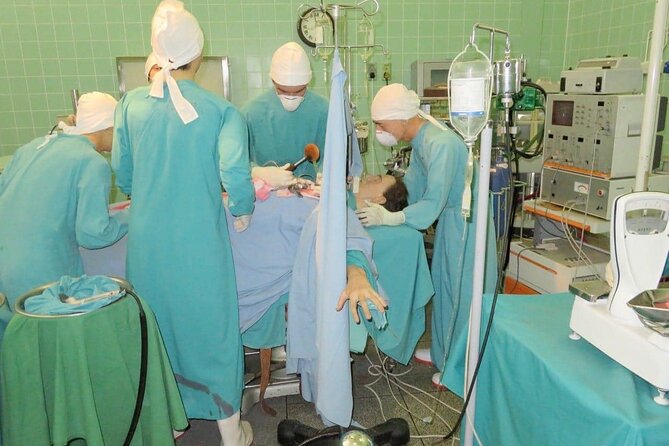
I would recommend the Heart of Cape Town Museum to adults and older children who enjoy medical history or who want a less conventional Cape Town experience. It is also a good choice if you have already seen the city’s better-known sights and want a stop with a strong local connection.
The museum can be meaningful for anyone connected to heart surgery or transplant medicine. One personal account described an emotional link to a surgeon involved in the first transplant, who later performed lifesaving heart surgery in England. You cannot predict that kind of connection, but it shows how strongly the subject can affect people with medical experiences of their own.
You should consider skipping it if you want a relaxed, entertainment-first outing. The material includes death, surgery, and serious medical history. The reenactments may help some children understand the story, but preschool-age children and very young youngsters are not recommended.
Most people can participate, and service animals are allowed. Children must be accompanied by an adult. Food and drinks are not included, so plan those separately rather than expecting a café-style attraction.
Practical booking advice for Cape Town
The mobile ticket makes entry straightforward, but the important detail is the schedule. Tours are listed four times daily at 9am, 11am, 1pm, and 3pm, and bookings are essential.
Because the museum has had inconsistent operating information in the past, check the current status and your exact tour time before you travel there. Do not assume that a booking automatically means the facility has received the reservation correctly.
The cancellation terms are forgiving if you plan ahead. You can cancel for a full refund up to 24 hours before the local start time. Inside that 24-hour window, cancellations and changes are not accepted and the payment is not refunded.
The experience has a maximum of 15 people. That limit is useful for a guide-led museum because it should help you hear the explanation and see the models, though the quality of the visit still depends on the guide assigned to your departure.
How the museum fits into a Cape Town day
This is a focused stop, not an all-day attraction. The scheduled tour times make it easy to place into a wider day, provided you allow enough time for the guided visit and do not book a second activity too tightly afterward.
I would choose the 9am or 11am tour if you want the rest of the day open. The 1pm or 3pm options can work well after other sightseeing, but only if you have checked the timing of your earlier plans.
Because the museum is so specific, I would not force it into your schedule simply because you have a spare hour. Give it a place when you are ready to listen and read. The experience rewards attention more than hurried box-ticking.
Should you book the Heart of Cape Town Museum?
Book it if you want a thoughtful, unusual Cape Town experience and have an interest in medicine or human stories. The restored operating rooms, the account of Denise Darvall, and the guide-led explanation give the visit real substance.
I would especially recommend booking when a guided tour is available, since the explanation is central and included at no extra charge. Allow up to two hours, stay for the film and exhibits, and confirm that the museum is operating before you leave for the appointment.
Skip it if you need a broad city attraction, dislike medical subjects, or are traveling with preschool children. For the right audience, though, this is a memorable look at a moment when Cape Town changed the course of heart surgery.
FAQ
How long does the Heart of Cape Town Museum visit last?
The guided experience lasts about one hour and 30 minutes, although the full visit may take roughly two hours if you stay to read the exhibits and watch the film.
What is included in the admission price?
Admission includes the guided tour. Food and drinks are not included.
What are the tour times?
Tours are scheduled for 9am, 11am, 1pm, and 3pm. Bookings are essential.
Can children visit the museum?
Children can visit but must be accompanied by an adult. Preschool-age children and very young youngsters are not recommended because of the subject matter and length of the tour.
Is the museum suitable for people with service animals?
Yes. Service animals are allowed, and most people can participate in the activity.
What is the cancellation policy?
You can cancel at least 24 hours before the local start time for a full refund. Cancellations or changes made less than 24 hours before the experience are not accepted and are not refunded.
Just added around Cape Town
- Sunset Safari Big 5 Aquila with Snacks and Wine Tasting★ 5.0 · 12 reviews
- Private Tour to 20 Wine Tasting in Stellenbosch and Franschhoek★ 5.0 · 11 reviews
- Robben Island, Kirstenbosch wine tasting Tour★ 5.0 · 10 reviews
- Zip Line and Wine from Cape Town★ 5.0 · 14 reviews
- Explore Atlantis Sand Dunes with a 1hour 30mins sandboarding tour★ 5.0 · 5 reviews
- Private Group Photoshoot in Cape Town★ 5.0 · 21 reviews
- Private Transfer from Cape Town International Airport★ 5.0 · 4 reviews
- 1 Hour Cape Town City Center Photoshoot Experience★ 5.0 · 19 reviews
Museums, compared.
Soweto /Johannesburg and Apartheid Museum Guided Full Day Tour
Read our review →
Jo’berg in 1 Day: Soweto, Apartheid Museum & City Tour
Read our review →
Full-Day Tour with Soweto and Apartheid Museum
Read our review →
Full-Day Soweto, Apartheid Museum and Lunch Tour
Read our review →
Half Guided Day Tour of Soweto And Apartheid Museum
Read our review →
Ultimate Johannesburg Soweto Experience with Apartheid Museum
Read our review →
Hop-On Hop-Off Bus, City Tour and Apartheid Museum
Read our review →
Museum of Contemporary African Art: Fast-Track Zeitz MOCAA
Read our review →Browse the lists this tour appears in