

Reviewed · BO-KAAP TOURS
Cape Town: City Bowl, Bo-Kaap, and Langa Township Tour
Cape Town’s polished center tells only part of the story. This tour connects the City Bowl and Bo-Kaap with Langa Township, where the city’s past and present are explained through local streets, community projects, food, music, and conversation. I like that the experience gives you more than a quick photo stop, and I like that guides such as Banele and Subusiso bring personal ties to the area.
The $28 price is fair for 150 minutes with a local guide, especially if you want context rather than sightseeing on your own. The main consideration is time: with City Bowl, Bo-Kaap, and Langa all mentioned, the tour may feel brisk, and the walking portion requires comfortable shoes.
Key points at a glance
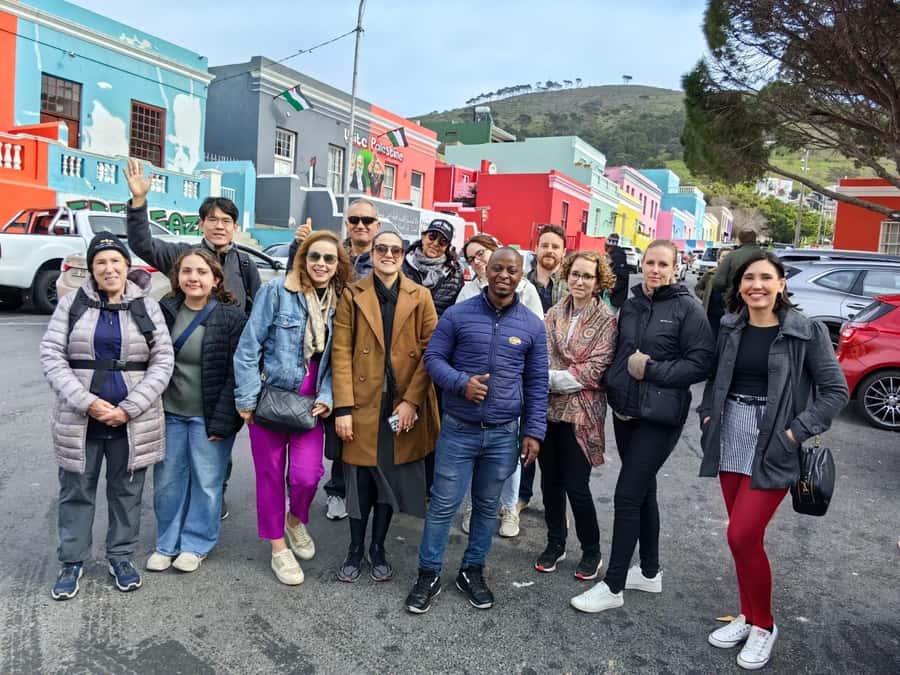
- Langa from a local viewpoint: Learn about the township’s past during apartheid and its life today.
- Bo-Kaap’s painted houses: See one of Cape Town’s best-known streetscapes while discussing its cultural background.
- Architecture across several eras: Look for Cape Dutch, Rococo, Art Deco, and British influences around the city.
- Food, music, and local art: The experience can include traditional food tasting, local artists, craft markets, and music or dance.
- Personal guiding matters here: Banele and Subusiso have been praised for clear explanations, patience, and their connection to Langa.
- A short but active outing: The 150-minute schedule includes moderate walking and returns to Guga S’thebe.
Why this Cape Town tour covers more ground than a standard city walk
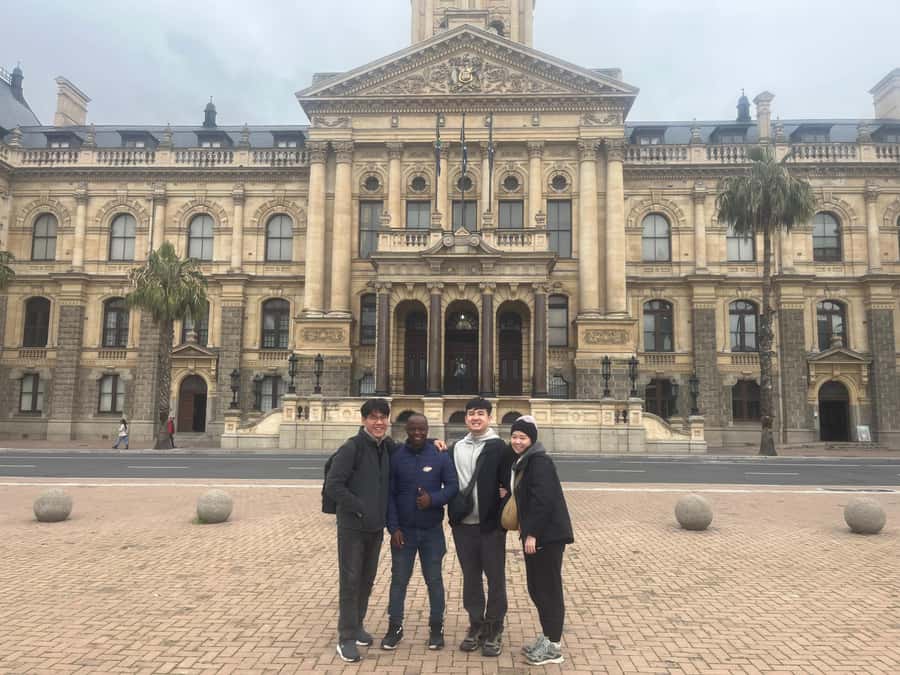
Many Cape Town sightseeing outings stay close to the postcard views. This one tries to show how several communities and eras fit together. You begin with the city’s architectural and historical setting, then move toward Bo-Kaap and Langa, two places that help explain Cape Town beyond its waterfront and mountain views.
The tour is listed as a guided city experience through the City Bowl, Bo-Kaap, and Langa Township. The practical itinerary begins and ends at Guga S’thebe, a community arts and culture center in Langa. That detail matters. You should think of this less as a long, continuous walk through every part of central Cape Town and more as a focused cultural outing with Langa as its anchor.
At $28 per person, the cost is modest for a live guide, a 150-minute program, and several kinds of local activity. You are paying for interpretation and access to places that are harder to understand from a bus window. The value is strongest if you want to ask questions and hear how the city’s past affects daily life now.
More Bo-Kaap Tours in Cape Town:
- Cape Town: Malay Cooking Class and Lunch in Bo-Kaap
★ 4.8 · 515 reviews - Cape Town Walking Tour: Bo-Kaap & City Highlights
★ 4.8 · 161 reviews - Bo-Kaap: Walk with a local
★ 5.0 · 131 reviews
Starting at Guga S’thebe in Langa
Guga S’thebe is the stated meeting and return point. From here, the tour sets out on foot into Langa, South Africa’s oldest township, according to the tour description. The supplied details do not specify the exact streets or the size of the group, so you should not expect a fixed list of every stop.
What you can expect is a local guide leading you through historic parts of the township and explaining its place in Cape Town’s story. The tour includes background on apartheid and the post-apartheid period, which gives the walk more weight than a simple neighborhood visit.
A guide with local ties can make a real difference. Subusiso was praised for taking time to explain things and answer questions, with his connection to the area helping him introduce the place in a grounded way. Banele was also praised for being friendly, clear, patient, and willing to share detailed cultural and historical context.
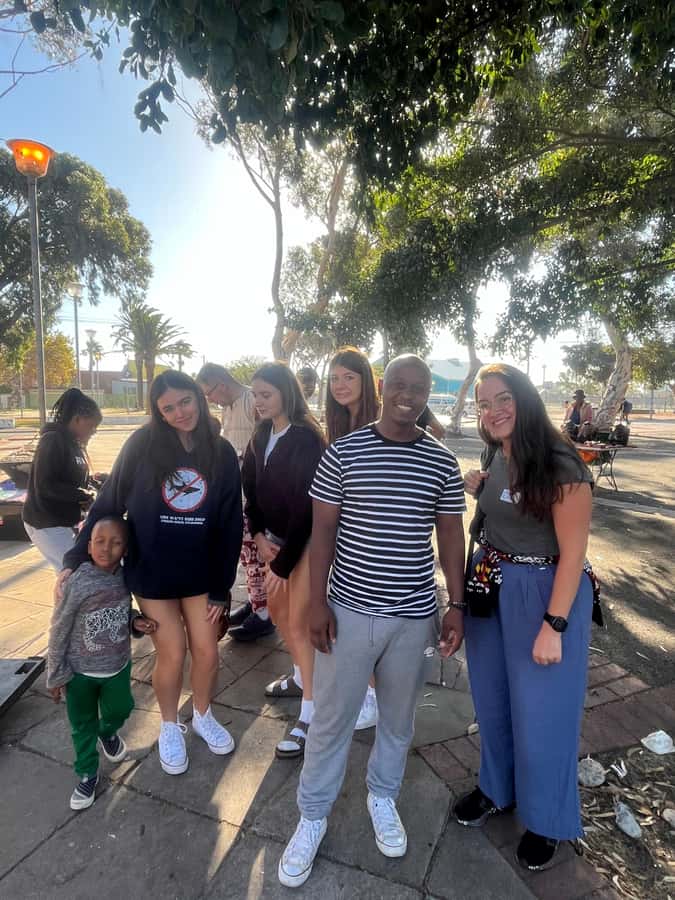
That personal approach is especially useful in Langa. You will hear about the area as a lived-in community, not only as a chapter in a textbook. You may meet local residents, learn about daily routines, and hear how community initiatives are making an impact. The tone should be respectful and open, but you should also approach the visit with respect. This is a neighborhood where people live and work, not a stage built for sightseeing.
Reading Cape Town through its architecture
The City Bowl portion introduces the built history of Cape Town. The tour calls attention to Cape Dutch, Rococo, Art Deco, and British architectural styles, giving you several visual clues to watch for as you walk.
Cape Dutch buildings are known for their curved gables and Dutch colonial influence. Rococo details tend to be lighter and more decorative. Art Deco brings geometric forms and a more modern feel, while British influence appears in other parts of the city’s older built environment.
You do not need to be an architecture expert to enjoy this section. A good guide helps you notice details you might otherwise pass without a second glance. The benefit is that Cape Town begins to look less like a collection of attractive buildings and more like a record of changing power, trade, culture, and design.
The exact City Bowl landmarks are not listed, so do not book this expecting a guaranteed stop at every major central sight. Instead, treat the architecture portion as a guided introduction that adds context to the city’s streets. If famous landmarks are your main priority, pair this experience with a separate dedicated city sightseeing tour.
Bo-Kaap and the meaning behind the color
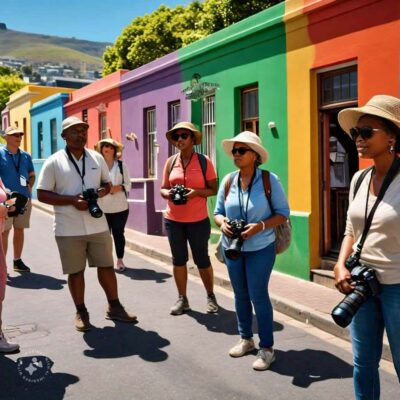
Bo-Kaap is best known for its brightly painted homes, but the neighborhood deserves more than a quick photograph. The tour uses the area to discuss Cape Town’s culture and the communities that shaped it.
The colorful houses make an immediate impression, especially when you are walking rather than looking at them from a vehicle. Still, the useful part is the explanation. Your guide can help connect the homes and streets to the neighborhood’s identity, rather than leaving you with a row of colorful facades and no context.
The supplied details do not promise a long stop in Bo-Kaap or list a specific route. Since the full experience lasts only 150 minutes and includes Langa, expect this part to be fairly concise. You will likely get the most from it by listening closely and asking questions.
I like this balance of visual appeal and cultural background. Bo-Kaap is easy to reduce to a photo opportunity. A guided visit encourages you to consider the people and traditions behind the image.
A few more Cape Town trips to weigh up
- Cape Town Hop-On Hop-Off City Tour with Optional Cruise
★ 4.5 · 1,793 reviews - Cape Town: 12-Minute City Scenic Helicopter Tour
★ 4.8 · 853 reviews - Cape Town City Pass: Save Over 50% on 80+ Top Attractions
★ 4.5 · 348 reviews - Cape Town City Center Tour with Champagne
★ 5.0 · 221 reviews
Walking through Langa’s culture and daily life
The Langa portion is the heart of the experience. It includes a walking tour, cultural landmarks, local art and craft markets, and a chance to meet residents. You may also stop at local cafes or shops, where township hospitality becomes part of the visit.
The tour includes an opportunity to taste traditional dishes, but meals and drinks are not included unless specifically stated at booking. That distinction is important. Plan to pay separately for anything beyond the included tasting, and check the exact food arrangement before you set out.
You may see handmade items for sale directly from local artisans. Buying a souvenir this way gives you a direct connection to the maker and supports local enterprise, but purchases are optional. You should never feel that shopping is the purpose of the visit.
Music and dance are also part of the proposed experience. A cultural performance or music session with local artists may be included, along with an introduction to local music traditions. The wording allows for some variation, so the exact performance may depend on the day and local arrangements.
The tour can also include community projects or initiatives. This is valuable because it shifts the focus from hardship alone. Langa’s story includes painful periods shaped by apartheid, but it also includes creativity, work, local leadership, and efforts to improve community life. A responsible tour should make room for all of those parts.
What the personal guiding adds
The strongest feature here is the guide’s role. You are not simply following a route and reading plaques. You are encouraged to ask questions, compare ideas, and discuss what you are seeing.
One Italian participant described the experience as a chance to leave a familiar comfort zone and exchange ideas with the group. That is a useful way to understand the tour’s tone. It can be thought-provoking, and some subjects may challenge your assumptions about Cape Town and South Africa.
Banele received particular praise for being friendly, professional, thorough, and easy to talk with. Subusiso was praised for answering questions carefully and using his knowledge of the area to add meaning to the walk. Guide assignments can change, so you should not assume that one particular guide will lead every departure, but these names give you a sense of the personal approach the company aims for.
The guide also helps with practical matters. You will be walking through a working community, taking photographs, and possibly meeting residents. Local direction can help you behave appropriately, understand what you are seeing, and avoid treating private life as a spectacle.
Walking conditions and what to bring
The tour involves moderate walking. Wear shoes that can handle uneven pavement and a steady period on your feet. A hat, sunscreen, and water are sensible in Cape Town’s often sunny conditions, and a camera is useful for architecture, street scenes, art, and designated photo stops.
The tour information gives two different accessibility notes. One section says the activity is wheelchair accessible, while another says it is not wheelchair accessible. Because the outing includes moderate walking through a township and the exact route is not described, anyone using a wheelchair should confirm current conditions with the provider before booking.
There is no stated hotel pickup or drop-off. You need to arrange your own way to Guga S’thebe and return from there. The tour begins and ends at that location, which makes the meeting point especially important when planning your day.
The activity is offered in English with a live guide. Its stated duration is 150 minutes, though you should allow extra time for getting to the meeting point and for any delays connected with local stops.
How much value do you get for $28?
For $28, this is good value if you want a guided introduction to Langa and a cultural layer to Cape Town sightseeing. The price covers the guide and the listed cultural elements, including walking, local landmarks, and opportunities to experience food, music, art, and community life.
It is less useful if you want a full-day Cape Town tour or a detailed visit to every City Bowl landmark. Two and a half hours passes quickly once you account for the different areas named in the program. The experience is better understood as a compact cultural tour than as an all-purpose city orientation.
Food and drinks are not generally included, and hotel transport is not included. Keep a little extra money available for a tasting, cafe stop, or handmade item if those appeal to you.
The flexible booking terms also help. You can cancel up to 24 hours before the activity for a full refund, and you can reserve now and pay later. That is practical when your Cape Town schedule may shift because of weather or other plans.
Who should book this experience?
I would recommend it to you if you want local context, enjoy asking questions, and are willing to look beyond Cape Town’s familiar tourist center. It suits visitors who want to understand apartheid’s legacy, see community life, and connect architecture with social history.
It is also a good choice for photographers, culture-focused visitors, and first-time visitors who want a short introduction before exploring further on their own. The combination of Bo-Kaap’s colorful streets and Langa’s local art, music, food, and community projects gives you plenty to think about after the tour ends.
You may want to choose another activity if you dislike walking, want a private luxury outing, or expect a tightly timed list of famous landmarks. The tour’s value comes from conversation and local interpretation, not from checking off a long list of sights.
The activity is listed as unsuitable for people with altitude sickness and people over 95 years old. Those restrictions are unusual for a city and township walk, so contact the provider if either point applies to you.
Final call: a thoughtful short introduction to Langa
Book this tour if you want a human-scale look at Cape Town that includes difficult history, present-day community life, architecture, and culture. At $28, it offers a useful amount of local guiding for a modest price, and Banele and Subusiso’s praised approach suggests that the guide can shape the experience in a meaningful way.
Go in with realistic expectations. The schedule is short, the walking is moderate, and the exact balance between City Bowl, Bo-Kaap, and Langa may vary. If you are prepared to listen, ask questions, and treat Langa as a real community rather than a sightseeing backdrop, this can be one of the more worthwhile short tours in Cape Town.
FAQ
How long does the Cape Town City Bowl, Bo-Kaap, and Langa tour last?
The tour lasts 150 minutes, or two and a half hours.
Where does the tour start and finish?
The stated starting and ending point is Guga S’thebe in Langa.
Which areas does the tour cover?
The experience covers Cape Town’s City Bowl, the Bo-Kaap neighborhood, and Langa Township. The walking itinerary is centered on Langa and returns to Guga S’thebe.
What language is the tour offered in?
The tour is conducted in English with a live guide.
Is food included?
A tasting of traditional dishes is included in the experience description, but meals and drinks are not included unless specifically stated. Check the booking details for the exact tasting arrangement.
Is hotel pickup provided?
No. Hotel pickup and drop-off are not included, so you must arrange transport to and from Guga S’thebe.
What should I bring?
Bring comfortable walking shoes, a hat, sunscreen, water, and a camera.
Is the tour wheelchair accessible?
The information gives conflicting instructions. One section lists the activity as wheelchair accessible, while another says it is not. Confirm the current route and accessibility conditions with the provider before booking.
Can I cancel or pay later?
You can cancel up to 24 hours in advance for a full refund. You can also reserve your place and pay later.
Just added around Cape Town
- Lion’s Head Hike: Cape Town – Sunrise or Sunset Hike★ 5.0 · 29 reviews
- Lion’s Head Sunrise or Sunset Hike + Hotel Pick-Up★ 5.0 · 24 reviews
- Lion’s Head: Hike with a registered hiking guide★ 5.0 · 3 reviews
- Kruger National Park 3 Days Best Ever Safari from Cape Town★ 4.1 · 11 reviews
- Koeksister and Samoosa Class by the Malay Cook Up★ 4.8 · 9 reviews
- Kirstenbosch Garden, Bo-Kaap-Penguins & Cape Peninsula Tour★ 3.9 · 7 reviews
- Khayelitsha: 3-Hour Township Walking Tour★ 5.0 · 6 reviews
- Cape Town: Constantia Half-Day Wine Tour & Tastings★ 4.9 · 15 reviews
Bo-Kaap Tours, compared.


Cape Town Walking Tour: Bo-Kaap & City Highlights
Read our review →



Full-Day Kirstenbosch, Bo-Kaap, and Penguins Tour
Read our review →
Kirstenbosch Garden, Bo-Kaap-Penguins & Cape Peninsula Tour
Read our review →Browse the lists this tour appears in