
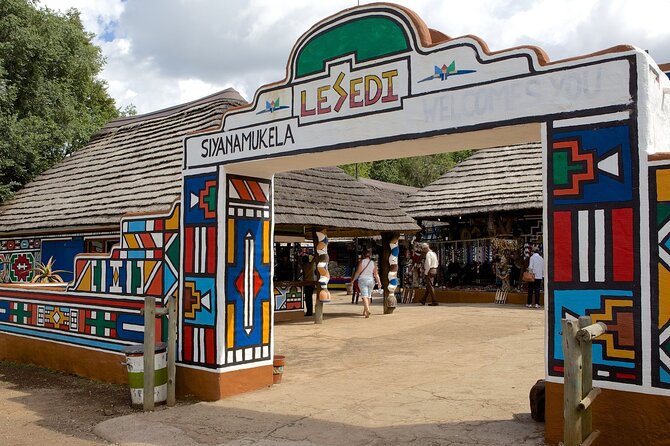
Reviewed · LESEDI CULTURAL VILLAGE TOURS
Lesedi cultural village:
Lesedi Cultural Village gives you a lively introduction to five South African cultural groups through their homes, clothing, food, music, and customs. The visit is more than a museum stop: you walk between traditionally styled homesteads, hear how families live, and finish with songs, drumming, and dance. The village presentation makes a useful first step into South Africa’s many cultures.
I like the small group of up to six, which keeps the drive and guided visit more personal. I also like the chance to try local food and drink, with lunch available for an extra $16. The main consideration is time: the village program lasts about 2.5 hours, while the total day depends on your Johannesburg pickup and return location.
Key points to know
- Five cultural groups in one visit: Learn about different homes, dress codes, family life, food, celebrations, songs, and dances.
- A strong final performance: The traditional dance show brings together music, movement, and audience participation.
- Helpful driver-guide: Thabelo has provided detailed background about Johannesburg and South Africa during the drive.
- Private transport included: Pickup and return are available from many Johannesburg and airport-area locations.
- Lunch is optional: Entry and transport are covered, but the meal costs $16 per person.
- Easy walking: Expect about 45 minutes of light walking, and the site is suitable for wheelchairs.
Starting from Johannesburg with a small group
Your day begins with pickup from one of many locations around Johannesburg. Options include Sandton City, Rosebank Mall, Fourways, Melville, Maboneng Precinct, Morningside, Randburg, Houghton Estate, Melrose Arch, Rivonia Road, and several hotels near Sandton and O.R. Tambo International Airport.
That broad pickup list is useful if you are staying in different parts of the city or using Johannesburg as a short stop before a flight. You need to watch the confirmation details carefully, though. Pickup times vary by location, and the activity information does not give one fixed departure time for every hotel.
Look for a guide wearing a name tag, and keep your booking information ready. The transport is private, and the group is limited to six people. That is a good arrangement for a cultural visit because you can hear the guide clearly and ask questions without competing with a large coach group.
One guide named in the experience is Thabelo. During the drive, he has provided a detailed introduction to Johannesburg and South Africa, turning the transfer into part of the visit rather than dead time in a vehicle. That added context matters, especially if Lesedi is one of your first activities in the country.
The exact drive time is not provided, so I would not plan another tightly timed appointment immediately afterward. Johannesburg traffic can be unpredictable, and your total day includes transport in addition to the 2.5-hour program at the village.
More Lesedi Cultural Village Tours in Johannesburg
- Lesedi Cultural Village and Cradle of Humankind Tour
★ 5.0 · 48 reviews - Lesedi Cultural Village Tour
★ 5.0 · 46 reviews - Lesedi Cultural Village
★ 5.0 · 45 reviews
The introductory session sets the context
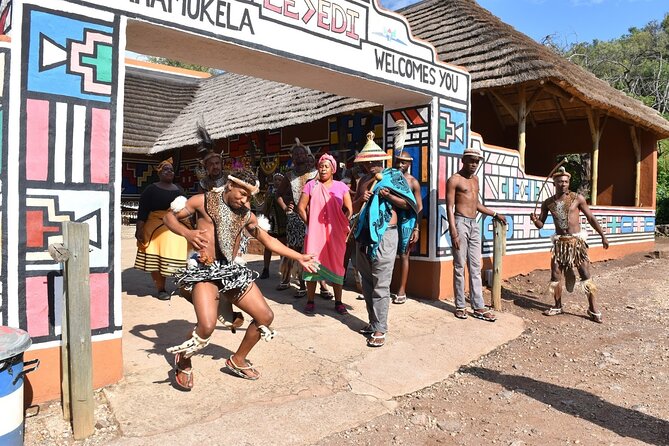
At Lesedi, you begin with an introduction to the different cultural groups represented at the village. This opening talk helps you understand what you are about to see instead of treating each home as a collection of unfamiliar objects.
The presentation covers daily life, family care, raising children, clothing, food preparation, and celebrations. It also explains how dress changes for different occasions and how communities mark events such as a successful hunt or victory in war.
The value here is the comparison. You are not shown one single version of South African culture and told that it represents the whole country. Instead, the format points to differences between groups, from the way homes are built to the clothes worn and the customs observed.
The visit is presented in English, with a live guide. If you have little background on South Africa, pay attention during this first part. It gives you useful reference points for the homes and demonstrations that follow.
Walking through the traditional homesteads
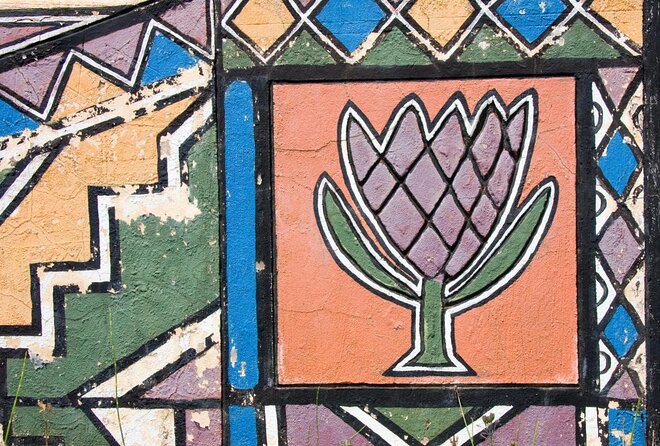
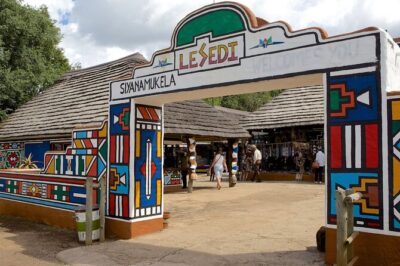
The village walk is light and lasts about 45 minutes. You move through sections representing different tribal groups and see homes built in distinct styles. The structures are one of the most useful parts of the visit because they make cultural differences visible at once.
You will learn how people organize their daily lives and look after their families. The information also touches on how children are brought up and how households function. These are practical details, not just ceremonial material, and they help connect the buildings to ordinary life.
The walk should suit most people who are comfortable with gentle movement. The site is wheelchair accessible, which makes it a reasonable choice for visitors who need step-free access. Still, accessibility is not the same as complete ease everywhere, so anyone with specific mobility needs should confirm the details before booking.
Bring a camera if you want photographs of the buildings, clothing, crafts, and performance. Alcohol and drugs are not allowed, and the village is described as a secure, friendly place.
Clothing, food, and family customs
Clothing receives clear attention during the visit. You learn about codes of dress and the outfits associated with different occasions for each cultural group. This is more useful than simply seeing colorful clothing on performers because it explains that dress can carry social meaning.
Food is another major thread. You learn how different dishes are prepared, then have the option to taste a local meal and drink. Lunch is not included in the $84 price, and the stated cost is $16 per person.
That extra charge is worth considering when you compare the experience with a simple sightseeing transfer. If you want the full cultural program, eating at the village makes the afternoon feel more complete. If you have dietary restrictions or prefer to control your own meal, ask for details before you go because the supplied information does not list the dishes or ingredients.
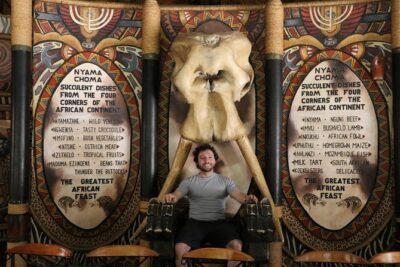
The meal has been described as simple but varied. That sounds like the right expectation. This is a chance to sample local food in the setting of the cultural village, not a formal restaurant outing. You should judge it as part of the cultural program rather than as a stand-alone dining experience.
A local drink may also be available. The details do not specify the type, so do not book the trip expecting a particular beverage.
Same country, a completely different kind of day:
- From Johannesburg: Pilanesberg Nature Reserve Game Safari
★ 4.8 · 1,327 reviews - Johannesburg: Hop-On Hop-Off Bus with Optional Soweto Tour
★ 4.6 · 985 reviews - Soweto /Johannesburg and Apartheid Museum Guided Full Day Tour
★ 5.0 · 932 reviews - Johannesburg Hop-On Hop-Off City Tour with Soweto Option
★ 4.5 · 768 reviews
Food and craft markets add a practical stop
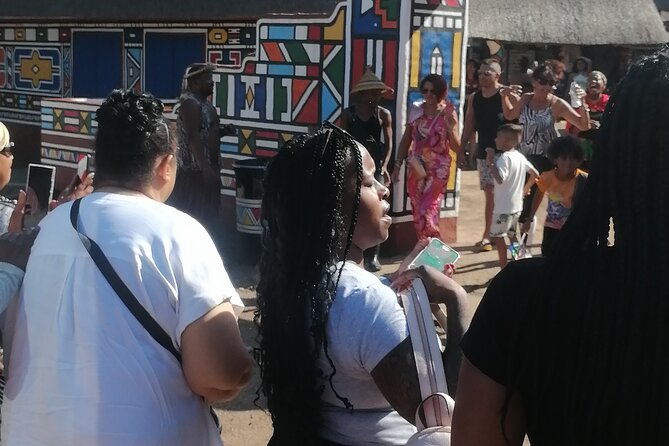
The 2.5-hour village program includes a food market visit and an arts and crafts market visit. These stops give you a different view of the culture after the more structured talks and homestead walk.
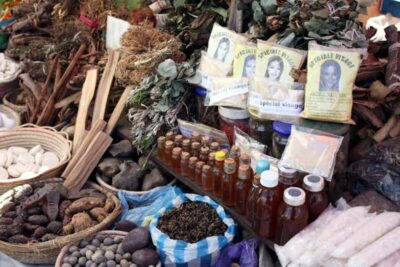
At the food market, you can connect the earlier discussion of ingredients and preparation with what is offered for tasting or purchase. The information does not specify the exact products, so keep your expectations open.
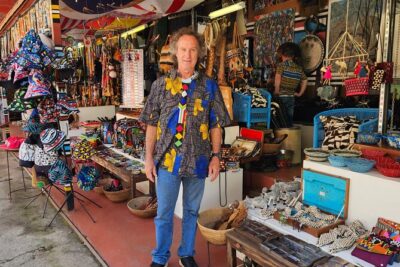
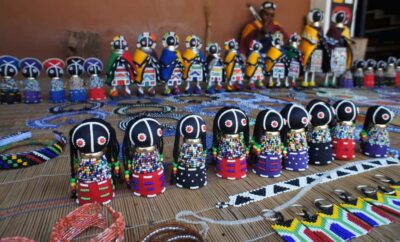
The arts and crafts market gives you time to look at locally made items. It can be a pleasant place to browse for a small memento, but the activity information does not state what is sold, how much items cost, or whether purchases are included. Bring a payment method if you hope to shop, but treat buying as optional.
These market stops also break up the visit. The program is not two and a half hours of standing through a single lecture. You shift between explanation, walking, food, crafts, and performance, which keeps the pace varied.
Drumming, songs, and the closing dance show
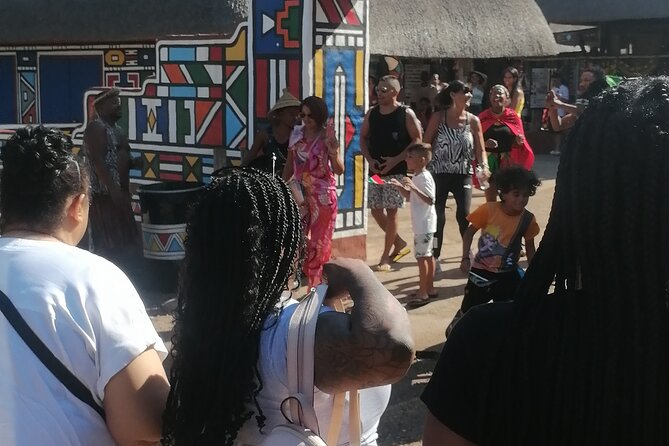
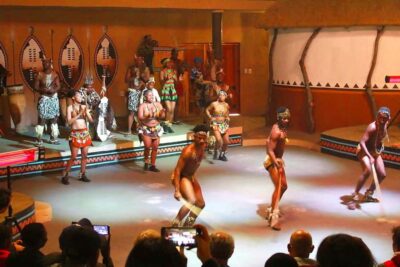
The traditional dance show is the energetic finish. Music, movement, and audience participation give the visit a clear ending, and one account of the experience specifically notes the chance to play drums.
You can expect songs and dances connected with celebration, including the idea of marking a good hunt or a victory. The presentation is designed to be joyful and interactive rather than quiet or academic. If you enjoy performances, this will likely be the part you remember most.
The dance show also gives you a chance to see how music works as a social activity. It is not just background entertainment. The songs and movement help explain how communities celebrate and share traditions.
Keep in mind that a staged cultural performance is a selected presentation. It cannot show every part of daily life or represent every South African community. That does not make it useless, but it is best approached as an introduction, not a complete study of the country’s cultures.
What the $84 price really covers
At $84 per person, the price includes private transport, a driver-guide, entry to Lesedi Cultural Village, and one bottle of water. For a small group, that is a reasonable package if you need transport from Johannesburg and want a guided visit rather than arranging separate taxis and admission.
The strongest value comes from combining several services in one day. You receive city pickup, a guide who can add background during the journey, admission, a structured village program, and a return drop-off. The small group limit of six is also important. A similar cultural presentation in a large coach could feel less personal.
The price does not include food and drinks. Add $16 per person if you choose lunch, and remember that any market purchases are separate as well. At the top end, the day costs at least $100 per person before shopping.
I would compare this with your alternatives. If you only want a quick look at cultural buildings, the price may feel high. If you want a guided introduction with transport, food options, music, and a performance, the package is easier to justify.
The activity offers free cancellation up to 24 hours before departure and allows you to reserve now and pay later. Those terms are helpful when your Johannesburg plans are still changing, but always check the available start time for your chosen pickup point.
Who will get the most from this visit
I would recommend Lesedi to first-time visitors who want a clear, friendly introduction to South Africa’s cultural variety. It also fits well if you have limited time in Johannesburg and want a planned outing outside the city without arranging several separate pieces yourself.
Families may appreciate the combination of walking, music, food, and performance. The program has enough variety to keep the day moving, and the walking is light. The wheelchair-accessible setting is another practical advantage, although you should confirm any particular access needs in advance.
The experience also suits visitors who like guided context. You are not left to guess what the homes or clothes mean. The guide-led format explains family life, ceremonies, food, and dress in one visit.
I would be more cautious if you want a long, quiet, research-level study of one specific cultural group. Lesedi covers several groups in a compact program, so its strength is breadth and presentation, not extended fieldwork with one community.
It may also disappoint you if you expect an all-inclusive meal. Lunch costs extra, and the meal is described as simple but varied. That is perfectly acceptable when you know the terms, but it is better to plan for a cultural tasting than a major food tour.
Practical advice for a smoother day
Choose a pickup point that is genuinely convenient rather than simply selecting the first option in the booking form. Hotels and landmarks are spread across Johannesburg, and an inconvenient pickup can add unnecessary time before the village visit even begins.
Have your booking details available and look for the guide’s name tag. Since pickup is included, you should not need to organize a separate taxi to the site.
Wear comfortable clothing for the light walk and bring a camera. The supplied information does not list a dress code for visitors, but respectful behavior is appropriate during cultural explanations and performances.
Plan your budget in three parts: the $84 activity price, the optional $16 lunch, and any craft purchases. Food and drinks beyond the included bottle of water are not covered.
If you feel unwell during the day, tell the guide early. Thabelo has previously made a detour to a gas station so a passenger could find medicine when pharmacies were closed. That does not guarantee a particular stop on your outing, but it shows why a small private vehicle can be useful when plans need to change.
My recommendation for Lesedi Cultural Village
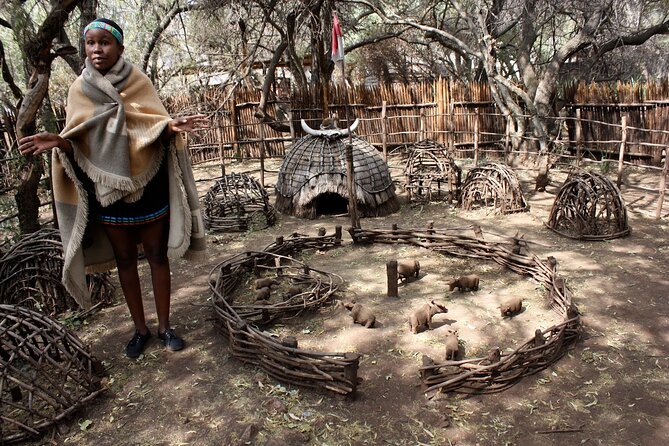
I would book this if you want an accessible, well-organized introduction to several South African cultural groups, especially when private transport from Johannesburg is useful. The combination of homesteads, dress, family customs, food, crafts, drumming, and dance gives you plenty to take away from a half-day village program.
The best reasons to choose it are the small group, the optional lunch, and the added city and country context provided by guides such as Thabelo. The main cautions are the extra cost for food, the unknown total transfer time, and the fact that the presentation is an overview rather than a detailed study of one community.
For a first visit to Johannesburg, I think the $84 price offers solid value when you use the transport and guide. Add lunch if you want the full experience, bring your camera, and leave enough room in your schedule for traffic on the way back.
FAQ
How much does the Lesedi Cultural Village experience cost?
The price is $84 per person. Transport, a driver-guide, entry fees, and one bottle of water are included.
Is lunch included?
No. Lunch is optional and costs $16 per person. Food and drinks are otherwise not included.
How long does the village program last?
The guided Lesedi Cultural Village program lasts about 2.5 hours. The full day also includes pickup and return transport, and the total duration depends on your location and traffic.
Where can pickup and drop-off take place?
Pickup and drop-off are available from many Johannesburg locations, including Sandton City, Rosebank Mall, Fourways, Melville, Maboneng Precinct, Randburg, Morningside, Houghton Estate, Melrose Arch, Rivonia Road, and selected hotels near Johannesburg and O.R. Tambo International Airport.
Is the activity wheelchair accessible?
Yes. The village is described as suitable for wheelchairs, and the visit includes about 45 minutes of light walking.
What language is the tour conducted in?
The live tour guide speaks English.
How large is the group?
The group is limited to six participants. Private transport is included.
Just added around Johannesburg
- Lion park★ 4.5 · 5 reviews
- Lesedi Cultural Village with lunch or dinner cultural food★ 4.6 · 9 reviews
- Lesedi Cultural Village Half-Day Tour★ 4.7 · 9 reviews
- Lesedi Cultural Village★ 4.9 · 4 reviews
- Kruger National Park – 5 Day Safari Tour★ 4.7 · 4 reviews
- From Johannesburg: Kruger National Park 4-Day Luxury Safari★ 4.8 · 9 reviews
- Kruger National Park – 4 Day Safari Tour★ 4.8 · 19 reviews
- Kruger National Park: 4-Day Ultimate Safari Tour★ 4.0 · 3 reviews
Lesedi Cultural Village Tours, compared.
Lesedi Cultural Village and Cradle of Humankind Tour
Read our review →
Browse the lists this tour appears in