
Reviewed · KRUGER NATIONAL PARK TOURS
Moholoholo Rehabilitation Centre
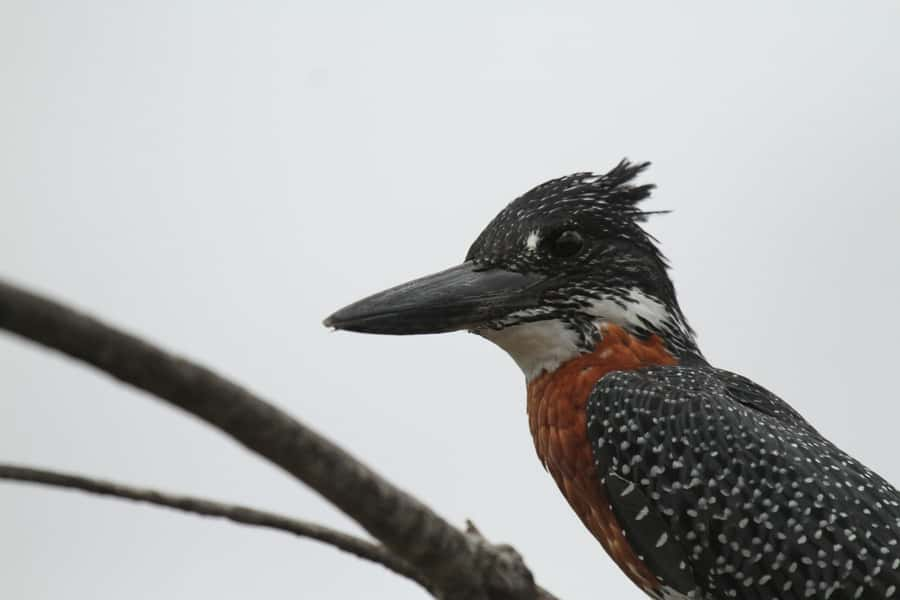
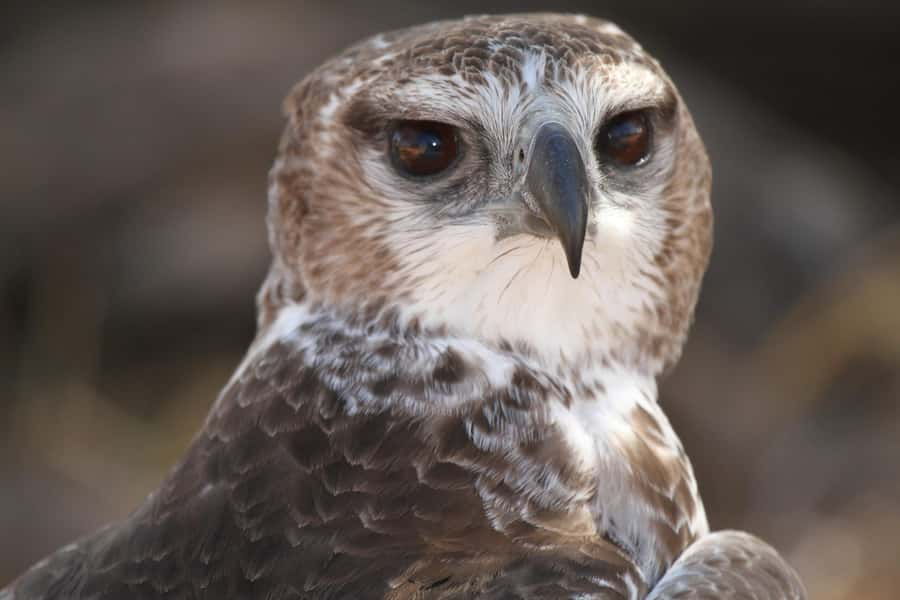
Moholoholo gives you a close look at wildlife that has been injured, abandoned, or poisoned, animals you would not usually see on safari. The most moving part is hearing the story behind each creature and learning why some can return to the wild while others need a permanent home.
I like the personal animal stories and the clear conservation lesson. I also like the small group limit of 10, which should make it easier to hear the English-speaking guide and ask questions. The main consideration is transport: one booking described the driver as only so-so and suggested driving yourself, if that option suits your plans.
- See rescued wildlife at close range: Observe animals receiving professional care inside the rehabilitation centre.
- Learn what happens after rescue: Find out how staff care for injured, poisoned, or abandoned animals.
- Understand the hard choices: Some creatures can be released, while others need lifelong protection.
- Keep the group small: The tour is limited to 10 participants and runs with an English-speaking guide.
- Allow four hours: The guided visit lasts about 1.5 hours, with the remaining time used for transfers.
- Pack for changing weather: Bring closed shoes, sun protection, and a jacket or rain jacket depending on the season.
Why Moholoholo feels different from a game drive
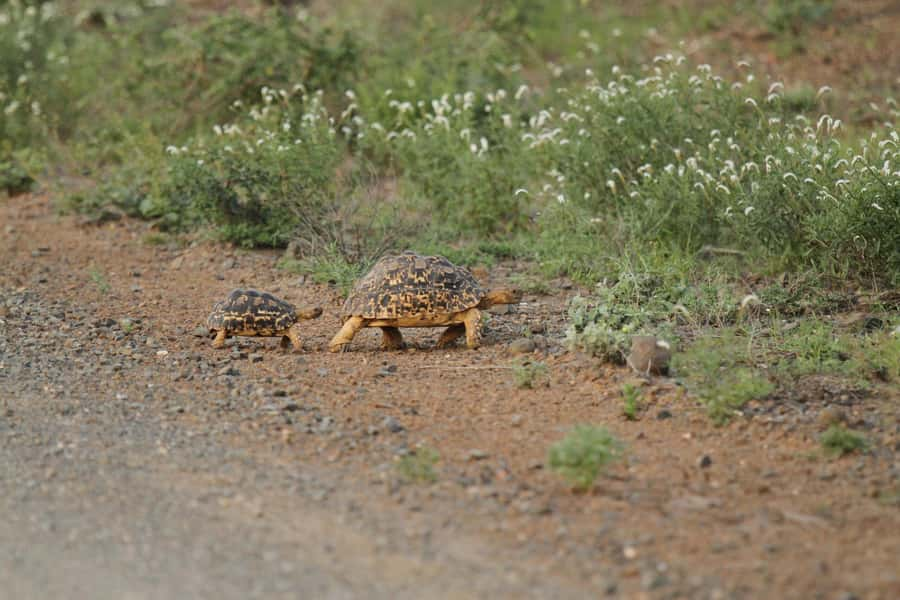
A safari usually focuses on animals living free. Moholoholo shows you the other side of wildlife tourism: what happens when an animal is hurt, poisoned, abandoned, or unable to survive alone.
That change in viewpoint matters. You are not simply looking for the next exciting sighting. You are learning how human actions and environmental pressures can leave wild animals dependent on specialist care.
The centre was established to care for wildlife and to give rescued animals a second chance. Some are treated and later released. Others cannot safely return to nature, so Moholoholo provides a permanent home.
I find that distinction important. Rehabilitation is not always a success story with a release at the end. Sometimes the best result is long-term care, and the centre helps explain why.
Starting from Hoedspruit and reaching the centre
The excursion begins with collection from one of the three main retail centres in Hoedspruit. The supplied route also lists Matumi Destinations as the starting and return point, so you should confirm your exact collection location and departure time before setting out.
Transport is provided directly to Moholoholo Wildlife Rehabilitation Centre. The drive is part of the four-hour schedule, but no exact travel time is given, so allow the full half-day rather than planning another tight appointment soon after.
The included transfer is useful if you are staying in Hoedspruit without a car. It keeps the booking simple and covers the journey both ways, along with the entry fee for the guided visit.
One practical wrinkle deserves attention. A German booking rated the experience three out of five and found the centre and tour appealing, but felt the driver was less satisfactory and preferred the idea of driving independently. I would treat that as a useful warning to clarify the pickup arrangements, vehicle, and return timing. If you already have a rental car and the centre accepts your preferred arrival plan, self-driving may give you more control, but the supplied experience is designed around shared transport.
Other Hoedspruit days people book alongside this one:
- Hoedspruit: Blyde River Canyon Dam Boat Cruise
★ 4.7 · 196 reviews - Kruger Park Scheduled Full day Safari Drive from Hoedspruit
★ 4.7 · 53 reviews - Big 5 Safari Am or Pm
★ 4.4 · 30 reviews
The 1.5-hour guided visit
At the centre, the guided portion lasts about 1.5 hours. That is long enough for a focused introduction to the animals and the work of the facility, while short enough to fit into a busy Hoedspruit schedule.
The strongest feature is the chance to observe animals up close in a care setting. The purpose is not entertainment alone. You are seeing creatures that need help, and the guide explains what happened to them and what care they require.
A detailed account of each animal is one of the most praised parts of the experience. That makes the tour more personal than a general conservation talk. Instead of hearing only broad facts, you can connect the wider issue to individual animals with specific needs.
The guide speaks English, and the small group limit is 10 people. I like that arrangement for an educational visit. In a crowded group, the quieter details about an animal’s condition or future can be lost. With fewer people, you have a better chance to listen closely and ask a question.
Still, a 1.5-hour visit is not an all-day centre tour. If you want a long, slow wildlife photography session or a full-day conservation program, this may feel brief. The experience is best understood as a compact introduction to rehabilitation rather than an exhaustive tour of every part of the facility.
From rescue to release, and why some animals stay
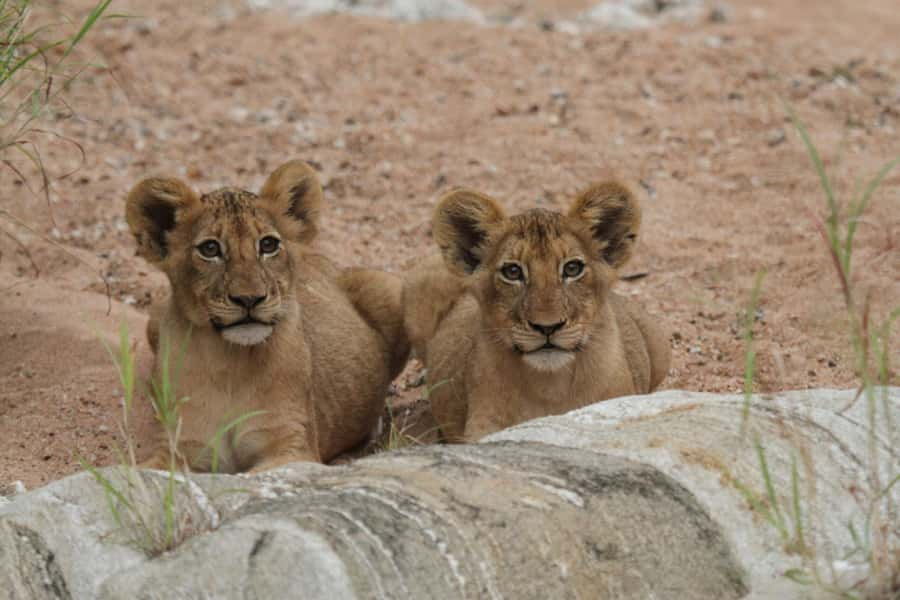
Moholoholo’s work raises a question that many wildlife encounters avoid: what happens when an animal cannot go home?
Some animals arrive injured. Others have been abandoned or poisoned. Professional care may help certain individuals regain the ability to live independently, but not every animal reaches that point.
The centre therefore has two roles. It supports rehabilitation for animals that may return to the wild, and it provides permanent care for those that cannot survive safely on their own.
I appreciate this honest approach. Conservation is not always tidy. An animal may look healthy and still lack the skills, strength, or independence needed for release. The tour helps you understand that keeping an animal at a centre can sometimes be the responsible choice.
This is also why you should arrive with an open mind. The animals are not there simply for close-up viewing. Their presence reflects a problem, an act of rescue, or a difficult welfare decision. The educational value comes from understanding that background.
What the centre teaches about conservation
The centre aims to educate people about conservation and the challenges facing wildlife today. The lesson is practical rather than abstract because you can see the results of injury, abandonment, and poisoning in front of you.
I like experiences that connect a conservation message to something specific. A general speech about protecting nature can fade quickly. A careful explanation of one rescued animal’s past and future is easier to remember.
The tour also gives you a better sense of the work required after an animal is found. Rescue is only the beginning. The centre must provide care, decide if rehabilitation is possible, and support animals that need a permanent home.
That makes the visit valuable for families, first-time safari visitors, and anyone who wants more context than a standard wildlife sighting provides. Children may find some stories difficult, so parents should decide if the subject suits them. The supplied information does not specify age restrictions or how graphic the discussion may be, so ask the operator if that is important for your group.
Same country, a completely different kind of day:
- Hoedspruit: Panorama Route Guided Private Tour
★ 4.9 · 16 reviews - Hoedspruit: Evening Safari In Greater Kruger Private Reserve
★ 5.0 · 9 reviews - Kruger National Park: 3 Day Safari Tour
★ 5.0 · 7 reviews - Hoedspruit: Dinner in the Bush & Safari Game Drive
★ 4.9 · 7 reviews
What your four hours look like
The schedule is straightforward:
- You meet at the agreed Hoedspruit collection point.
- You travel by car to Moholoholo Wildlife Rehabilitation Centre.
- You take part in the 1.5-hour guided tour.
- You return to the same collection point.
The four-hour duration includes transport and the centre visit. Since only the guided portion is timed at 1.5 hours, the rest is used for getting there and back.
This format works well when you want a half-day activity. You can fit it around other plans, but I would avoid booking a restaurant reservation, transfer, or flight connection too close to the scheduled return. Departure times vary, and the exact starting time must be checked for your chosen date.
The centre is in Limpopo, while the pickup is in Hoedspruit. That makes the included transfer more than a small extra. It is a core part of the convenience and adds value for anyone without their own vehicle.
Is the $40 price fair?
At $40 per person, the price includes round-trip transport from Hoedspruit, entrance, and the guided tour. I consider that fair for a four-hour outing, especially if you would otherwise need to arrange a car and pay separately for entry.
The value is strongest when you want an organized half-day activity. You are paying for the transfer as well as access to the centre and the educational tour, not just for a short animal viewing stop.
If you already have a car, the value calculation changes. Driving yourself may offer greater flexibility, and one booking specifically preferred that approach after finding the transfer less satisfying. Even then, the entry and guided experience remain the main reason to go.
The small group size also helps justify the cost. A maximum of 10 people is more appealing than a large coach visit for a tour built around questions and animal stories. The published rating is 4.5 from 11 reviews, which suggests a generally strong experience, though the smaller sample means I would still pay attention to the transport issue.
What to bring for sun, rain, and winter cold
Bring your passport or identity card, sunglasses, a sun hat, sunscreen, and a camera. Closed shoes are specifically recommended, so leave the sandals in your room.
A warm jacket is useful in the winter months. Summer may require a rain jacket, so check the conditions before you leave. The centre is an outdoor wildlife setting, and the weather can shape your comfort even during a half-day visit.
Dress for walking and standing rather than for a formal outing. Comfortable closed shoes and protection from the sun will make it easier to focus on the animals and the guide.
Photography is allowed as a stated item to bring, but the information does not specify photography rules inside the centre. Follow the guide’s instructions around the animals and ask before using flash or photographing sensitive situations.
Who will get the most from this visit?
I would choose Moholoholo if you want to understand conservation in a direct, human way. It suits visitors who value explanation and animal welfare as much as the excitement of seeing wildlife.
It is particularly useful for:
- First-time safari visitors who want context about wildlife protection.
- Families and older children who can engage with serious conservation subjects.
- Visitors staying in Hoedspruit without a rental car.
- Photographers who want to bring a camera, while respecting centre rules.
- Anyone with a free half-day who prefers a small guided group.
I would think twice if your main goal is to see animals behaving entirely free in their natural setting. This is a rehabilitation centre, not a conventional game drive. Some animals are permanently cared for because release is not possible.
I would also think carefully about the transfer if you are sensitive to vehicle comfort or timing. Confirm the collection point, departure time, and return plan before booking.
Booking flexibility and practical planning
You can cancel up to 24 hours before the activity for a full refund. The reserve-now-and-pay-later option lets you hold a place without paying at once, which is useful when your Hoedspruit schedule is still changing.
Availability and starting times need to be checked for your chosen date. The experience operates in English, and the small group can include no more than 10 participants.
There is no need to pack a full day bag. Your essentials are identification, sun protection, a camera, suitable shoes, and weather protection. The one item I would not skip is the jacket, since the advice differs by season and conditions can change.
Should you book Moholoholo?
Book this tour if you want a thoughtful half-day visit that puts rescued animals and conservation work at the centre of the experience. The detailed stories, close observation, English guide, and small group format give it more substance than a quick photo stop.
The $40 price is sensible when you need transport from Hoedspruit and want entry and guiding handled together. If you have a car, compare the convenience of the included ride with the greater control of driving yourself.
My main advice is to confirm the pickup details and treat the full four hours as a real half-day commitment. Go prepared for serious stories, changing weather, and an experience that may stay with you longer than a standard wildlife sighting.
FAQ
Where is Moholoholo Rehabilitation Centre?
Moholoholo Wildlife Rehabilitation Centre is in Limpopo, South Africa. The activity provides transport from Hoedspruit.
How long does the activity last?
The full activity lasts four hours. The guided tour at the centre lasts about 1.5 hours, with the remaining time used for transfers.
Where does pickup take place?
Pickup is from one of the three main retail centres in Hoedspruit. The route information also identifies Matumi Destinations as the starting and return point, so confirm your exact meeting place before departure.
Is transport included?
Yes. Transfer to and from Moholoholo Rehabilitation Centre is included.
Is the entrance fee included?
Yes. The entrance fee for the guided tour is included in the price.
What language is the tour in?
The live tour guide speaks English, and English is the listed activity language.
How many people can join the group?
The activity is limited to 10 participants.
What should I bring?
Bring your passport or identity card, sunglasses, a sun hat, sunscreen, a camera, and closed shoes. A warm jacket is advised in winter, while a rain jacket is advised in summer.
Just added around Hoedspruit
- Panorama Route★ 5.0 · 3 reviews
- Kruger Park Scheduled Full day Safari Drive from Hoedspruit★ 4.7 · 53 reviews
- Kruger National Park: 3 Day Safari Tour★ 5.0 · 7 reviews
- Kruger Park Full Day Safari From Hoedspruit★ 5.0 · 4 reviews
- Hoedspruit: Sunrise Safari in Greater Kruger Private Reserve★ 5.0 · 6 reviews
- Hoedspruit: Panorama Route Guided Private Tour★ 4.9 · 16 reviews
- Hoedspruit: Full Day in ICONIC Kruger National Park★ 4.7 · 6 reviews
- Hoedspruit: HALF Day in the Iconic Kruger National Park!★ 5.0 · 3 reviews
Kruger National Park Tours, compared.
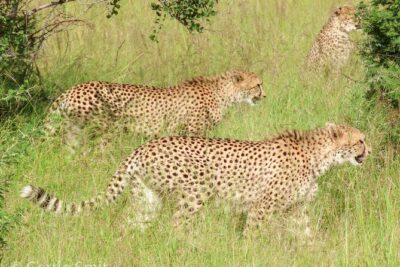
Kruger National Park – Private full day Safari trip.
Read our review →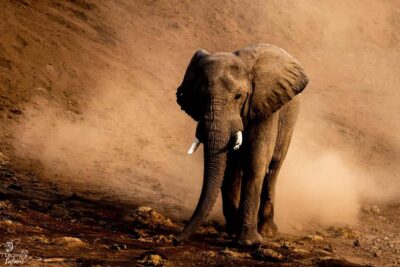
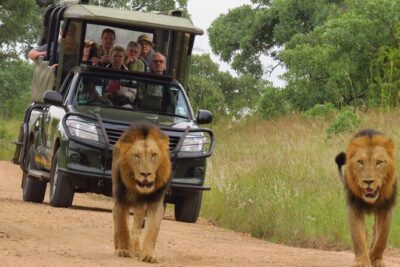
Kruger National Park sunrise Morning Private safari
Read our review →
Kruger National Park: Full-Day Private Safari With Pickup
Read our review →
Kruger National Park – Private Sunrise Half day Safari trip.
Read our review →Browse the lists this tour appears in