
Reviewed · HERMANUS WHALE WATCHING
Hermanus & Overberg Birding
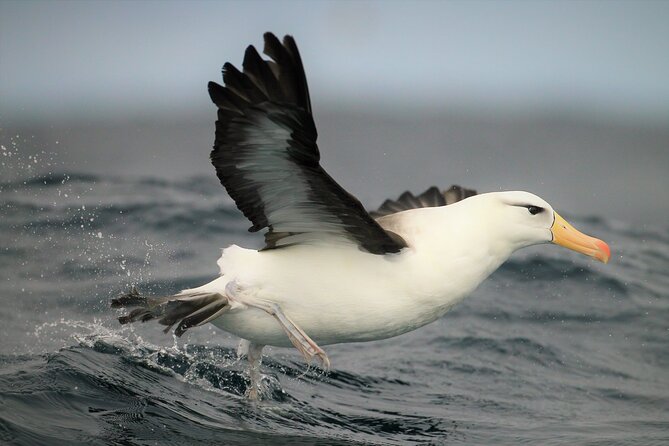
Hermanus is known for whales, but its birdlife deserves a morning of its own. With Dave de Beer, you set out early from the Whale Museum to look for seabirds, shorebirds, water birds, coastal scrub birds, and fynbos species around the Overberg. You do not need a long bird list to enjoy it. The changing habitats and open-air setting give nature lovers plenty to watch.
I like the private format, since Dave can shape the morning around your interests and pace. I also like that he brings about 20 years of experience as a Hermanus photographer and guide, with a clear passion for birds, whales, and nature. The main drawback is that the three-hour outing begins at 6:30 am, and binoculars, camera equipment, and suitable weather clothing are not provided.
Key points at a glance
- A 6:30 am start: Early light and active birds make the morning timing useful, but you must be ready to leave early.
- Several bird habitats: The outing can include seabirds, shorebirds, water birds, coastal scrub, and mountain fynbos.
- Dave de Beer leads the trip: His long experience in Hermanus and enthusiasm for wildlife shape the experience.
- A private group tour: Only your group participates, with a minimum of two people for the three-hour option.
- Three hours or a half-day: Choose the shorter outing at R1200 per person or the half-day option at R2000 per person, with a single half-day rate of R2500.
- Simple transport included: You get an air-conditioned vehicle and bottled water, but you need to bring your own binoculars and camera gear.
Why Hermanus birding deserves a morning
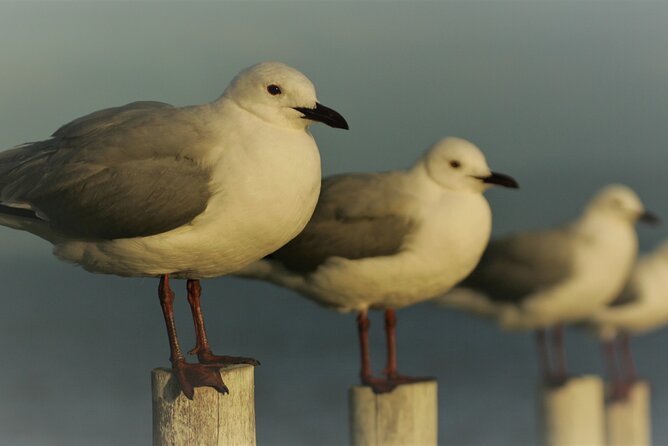
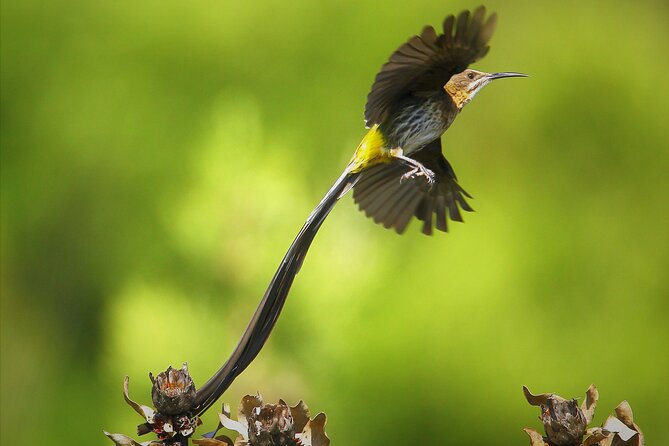
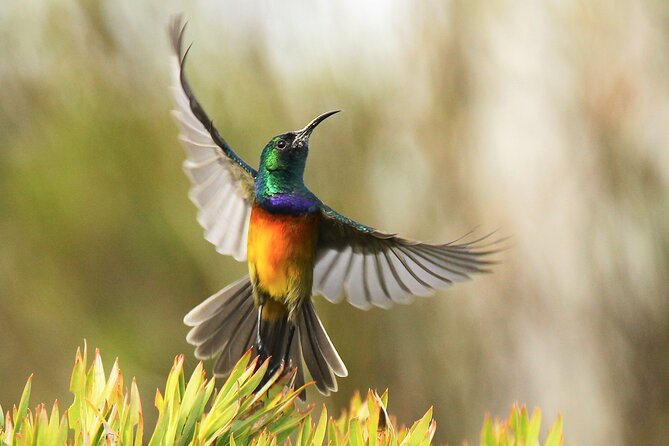
The appeal here is variety. The Overberg puts several habitats within reach, so you are not tied to one kind of bird or one type of scenery. Along the coast, you might watch seabirds and shorebirds. Around water, you can look for water birds. Inland, coastal scrub and mountain fynbos offer a different set of possibilities.
That range makes this a good choice if you want more than a checklist. You can learn how birds fit their surroundings, compare the look and behavior of species in different habitats, and enjoy the wider setting even when a particular bird stays out of sight. The tour description makes clear that the area is prolific in birdlife, but nature still sets the terms. No guide can promise a specific species on a given morning.
I also like that the outing welcomes beginners. You can arrive as a keen birder with a target list, or as someone who simply enjoys wildlife and photography. Dave’s work as a photographer adds a useful angle for anyone hoping to improve their eye for light, movement, and framing, though you must bring your own camera.
More Hermanus Whale Watching in Hermanus
- Hermanus: Boat Based Whale Watching Experience
★ 4.4 · 1,180 reviews - Hermanus: Whale and Dolphin Watching Boat Trip
★ 4.6 · 807 reviews - Boat Based Whale Watching from Hermanus
★ 4.5 · 205 reviews
Leaving the Whale Museum at 6:30 am
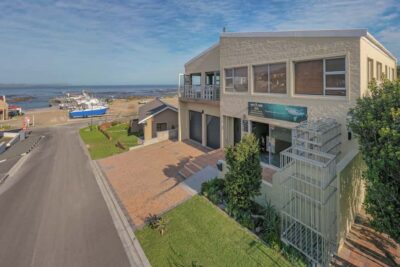
The meeting point is the Whale Museum at 3 Market Square Street in Hermanus. The tour starts at 6:30 am and returns to that same meeting point, which keeps the morning easy to plan around. Pickup is offered, so confirm the arrangement when you book if you do not want to make your own way to Market Square.
The early start is practical rather than decorative. Birds are often most active in the morning, and the first part of the day can offer better conditions for watching and photography. Still, you should think honestly about your schedule. If you prefer a slow breakfast and a late start, this may feel demanding. If you want to make good use of the morning, 6:30 am gives you time to bird before the rest of your day begins.
Wear clothing suited to changing weather. The tour requires good weather and does not include weather-related clothing or gear, so a warm layer and sensible outdoor clothing are your responsibility. The vehicle is air-conditioned, which helps during transfers, but you will still need to prepare for time outside.
What the three-hour route can show you
No fixed stop-by-stop route is supplied, and that is worth understanding before you book. This is a habitat-based outing rather than a rigid sightseeing circuit. Dave can work with the conditions, the birds present, and your interests on the day.
Seabirds along the coast
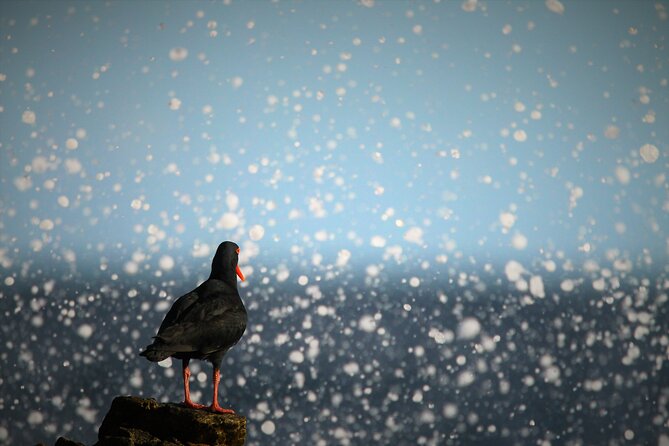
The coastal part of the outing gives you a chance to look for seabirds in their natural setting. The appeal is not simply spotting a bird over the water. Coastal birding asks you to pay attention to flight patterns, shoreline movement, and the way birds use the edge between land and sea.
The coast also gives the tour a strong sense of place. You are not watching birds in a separate enclosure or passing through a display. You are seeing the setting that supports them. Wind and weather will affect both comfort and visibility, so keep expectations flexible and dress accordingly.
Same country, a completely different kind of day:
- Whale Watching Walking Tours (Land-Based) – from JUNE 2025
★ 5.0 · 88 reviews - Shark Cage Diving and Viewing with transport from Hermanus
★ 4.0 · 81 reviews - Marine Big 5 Safari with transport from Hermanus
★ 5.0 · 64 reviews - Hermanus Land based Whale Tour with Dave de Beer
★ 5.0 · 24 reviews
Shorebirds near the water’s edge
Shorebirds provide a different kind of watching. You may need patience and a good eye to pick out movement among the shoreline, but this can be rewarding for beginners because Dave can help you know where to look and what to notice.
If you are using a camera, this is a place where your own equipment matters. Neither binoculars nor camera gear is included. Bring binoculars if you have them, and do not assume a phone will give you the reach needed for distant birds.
Water birds and wetlands
The water-bird portion adds another change of pace. Water birds can be easier to watch when they are feeding, resting, or moving across open water, though sighting conditions will vary. This section is useful for anyone who wants to broaden their birding beyond the coast.
You can also use the time to compare habitats rather than chase a single species. A private group means you can ask questions as they arise, stop to take a closer look when appropriate, and spend less time accommodating strangers with different interests.
Coastal scrub
Coastal scrub is easy to overlook if you are focused on dramatic ocean views, but it can hold a different mix of smaller birds. This part of the outing rewards attention to sound, movement, and brief appearances among vegetation.
For a new birder, that can be the most useful lesson of the morning. Birding is not always about a large, obvious bird in open view. Dave’s role is to help you find those moments and understand what you are seeing.
Mountain fynbos
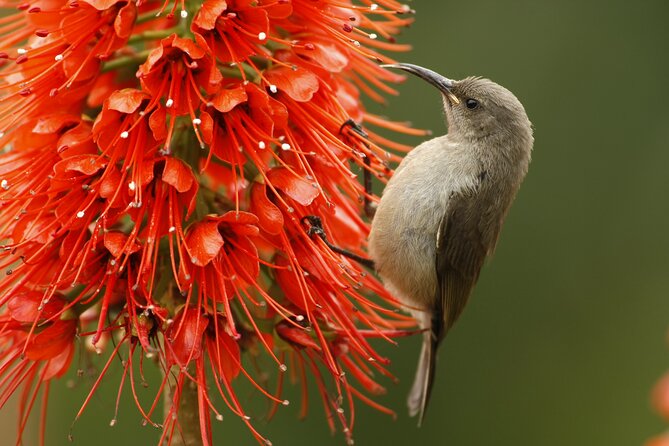
Mountain fynbos brings yet another habitat into the picture. The tour description identifies fynbos as one of the Overberg’s key birding settings, giving you a chance to see how birds change as the surroundings change.
The information does not promise a particular mountain stop or species, so you should treat this as a possible habitat rather than a guaranteed station on a fixed route. That flexible approach can work well when weather and bird activity are more important than following a strict timetable.
Dave de Beer’s role in the morning
A good wildlife guide does more than point at birds. Dave de Beer has worked as a photographer and guide in Hermanus for about 20 years, and his stated focus includes whales, birds, and nature. That long connection to the area matters because the experience depends on noticing small changes in habitat and bird activity.
The strongest praise for Dave centers on his endless knowledge and enthusiasm for birding and wildlife in general, along with his willingness to go over and above for the people he guides. That suggests a guide who does not treat the outing as a quick drive followed by a few names. You can expect stories, explanations, and active searching rather than a passive ride through the countryside.
His enthusiasm should help beginners feel comfortable asking basic questions. Experienced birders may appreciate the chance to bring a target list and ask for help finding particular birds, but no specific target species are guaranteed. The best approach is to enjoy the search and let the morning’s conditions shape the result.
Private touring and group size
This is a private activity, so only your group participates. That is one of the clearest reasons to choose it over a larger shared birding trip. You do not have to match the pace of a busload of people, and the guide can focus on the interests of your own party.
The three-hour tour requires at least two people. Group discounts are available, although the supplied details do not state the discount amount. If you are traveling alone, ask about the applicable rate before booking. The half-day option lists a single rate of R2500, while the regular half-day price is R2000 per person with a minimum of two people.
Private touring also improves the social side of the experience. If your group includes one serious birder and one casual nature lover, Dave can help balance the two. You can ask for more time with birds, more photography opportunities, or more general nature commentary without worrying about holding up a larger party.
Is R1200 for three hours good value?
The three-hour price is R1200 per person, listed at about $113.92 per person in the supplied booking information. The local rand rate is the more useful figure if you are budgeting in South Africa, since exchange rates can change.
You are paying for more than transport. The cost covers a private guide, local interpretation, an air-conditioned vehicle, bottled water, and the effort of finding birds across several habitat types. For a couple or small group that values personal attention, that can be fair value.
The price is less attractive if you already know the Overberg well, have your own vehicle, and are comfortable finding birds without help. In that case, the main value is Dave’s local experience and the time saved searching on your own. For beginners, photographers, and visitors with limited time in Hermanus, the guide’s help may justify the cost.
The half-day option costs R2000 per person for a minimum of two people, or R2500 for a single participant. Choose it if three hours feels too short for the range of habitats you want to cover. The shorter option is likely enough if you want a focused introduction or need to fit birding around other plans.
What to bring and what not to expect
The air-conditioned vehicle and bottled water are included. Pickup is offered, and the tour returns to the Whale Museum meeting point. Confirmation is received when you book, and service animals are allowed.
You need to supply the equipment that makes birding work:
- Binoculars
- Camera equipment, if you want to photograph birds
- Weather-appropriate clothing and outdoor gear
The absence of included binoculars is the main practical limitation. If you are a beginner without equipment, ask before booking if any arrangement is possible, since the supplied information does not say that binocular hire is available.
You should also avoid treating the tour as a guaranteed species hunt. The habitats are varied and the birdlife is prolific, but sightings depend on weather and conditions. The experience requires good weather, and poor conditions can lead to a new date or a full refund.
Who will enjoy this Hermanus outing?
I would recommend the tour to several kinds of visitors. It suits beginner birders who want a friendly introduction without committing to a full day. It also fits nature lovers who may care less about naming every bird and more about seeing the coast, scrub, water, and fynbos through a wildlife guide’s eyes.
Photographers are another natural fit. Dave’s background in photography may help you search with more purpose, though your own camera gear is essential. The private format is useful if you need time to frame a shot or want to ask about light and composition.
Experienced birders should consider the half-day option if they have a target list or want more time across the Overberg. The three-hour tour gives you a taste of the area, but the supplied information makes clear that there is too much to take in during one trip. A second outing may be worthwhile if you want to explore more habitats.
This is less suitable for anyone who dislikes early starts, is unprepared for outdoor weather, or expects a fixed list of guaranteed sightings. You should also be comfortable with a flexible plan, since wildlife determines the pace.
Booking, weather, and cancellation details
You can cancel free of charge up to 24 hours before the experience begins for a full refund. Changes or cancellations made less than 24 hours before the start time are not accepted for a refund, and cut-off times use local time.
The tour requires good weather. If poor weather causes cancellation, you will be offered another date or a full refund. That policy is sensible for an outdoor birding trip, but you should keep some flexibility in your Hermanus plans, especially if your visit is short.
Should you book this birding tour?
Book it if you want a personal, habitat-focused morning with a guide who has spent about two decades working around Hermanus. Dave de Beer’s enthusiasm, photography background, and willingness to go the extra mile are the main reasons this experience feels more useful than simply driving around with a field guide.
Choose the three-hour outing if you want an introduction, have limited time, or are pairing birding with other Hermanus plans. Pick the half-day version if you want a stronger chance to cover more of the Overberg’s bird habitats and are willing to spend more.
I would make sure you bring binoculars, dress for the weather, and accept that wild birds do not follow a schedule. With those expectations in place, this is a good choice for beginners, photographers, and anyone who wants to see the natural side of Hermanus beyond its famous whales.
FAQ
Where does the tour start?
The tour starts at the Whale Museum, 3 Market Square Street, Hermanus, 7200, South Africa.
What time does the birding tour begin?
The start time is 6:30 am.
How long is the standard birding tour?
The standard tour lasts about three hours. A half-day option is also available.
Is this a private tour?
Yes. Only your group participates in the activity.
Are binoculars and camera equipment included?
No. You need to bring your own binoculars and camera equipment. Weather-related clothing and gear are also not included.
What happens if the weather is poor?
The experience requires good weather. If it is canceled because of poor conditions, you will be offered a different date or a full refund.
Just added around Hermanus
- Vineyard Safari and Wine Tasting in Hermanus with Guide★ 4.5 · 11 reviews
- Hermanus Land based Whale Tour with Dave de Beer★ 5.0 · 24 reviews
- Shark & Whale Trip Combo★ 4.8 · 12 reviews
- Hermanus: Whale Watching and Wine Testing★ 3.7 · 5 reviews
- From Cape Town: Full Day Hermanus Whale Watching Tour★ 3.6 · 20 reviews
- Cape Town: Hermanus Whale Watching Shared Boat & Penguins★ 3.3 · 6 reviews
- Marine Big 5 Safari with transport from Hermanus★ 5.0 · 64 reviews
- Shark Cage Diving and Viewing with transport from Hermanus★ 4.0 · 81 reviews
Hermanus Whale Watching, compared.
From Hermanus or Cape Town: Shark Cage Diving Experience
Read our review →
Browse the lists this tour appears in