
Reviewed · BIG FIVE GAME DRIVES
Drakenstein Lion Park Entry Ticket
Drakenstein Lion Park gives you a rare chance to see rescued big cats without petting, feeding, breeding, or staged animal encounters. The park has provided lifetime care since 1998, using visitor contributions rather than government or grant money.
I like the fit-for-purpose lion habitat, which gives the animals room and privacy, and I like the clear welfare policy: no breeding, trade, or visitor interaction. The scenic Cape Winelands setting also makes this more than a quick animal stop.
The main drawback is that you may not see every lion clearly. Animals can be sleeping in the bushes or resting at the back of their compounds, so this is a sanctuary visit, not a guaranteed close-up viewing session.
Key points to know before you go
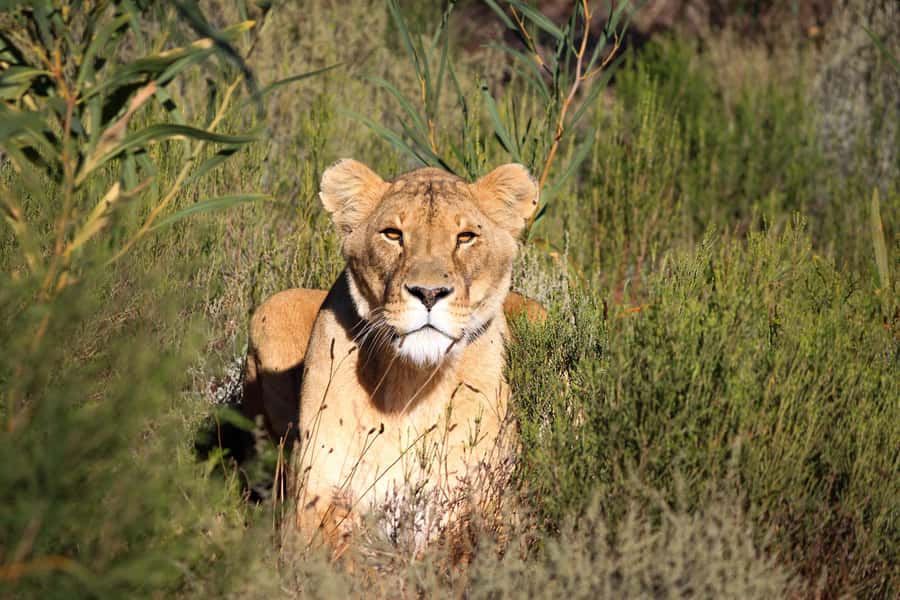
- A genuine rescue sanctuary: Drakenstein provides lifetime care for big cats rescued from abusive or mistreating captive situations.
- A 60-acre setting: The park offers spacious, purpose-built habitat rather than a small petting area.
- No animal contact: You cannot pet, feed, pose with, or interact with the lions.
- No captive breeding: The sanctuary does not breed or trade animals, which is central to its welfare approach.
- A self-funded operation: Your entrance fee helps pay for food, care, rescue work, and daily operations.
- Simple day visit: Entry is for one day, with no personal guide, meals, drinks, or transport included.
Why Drakenstein Lion Park is different
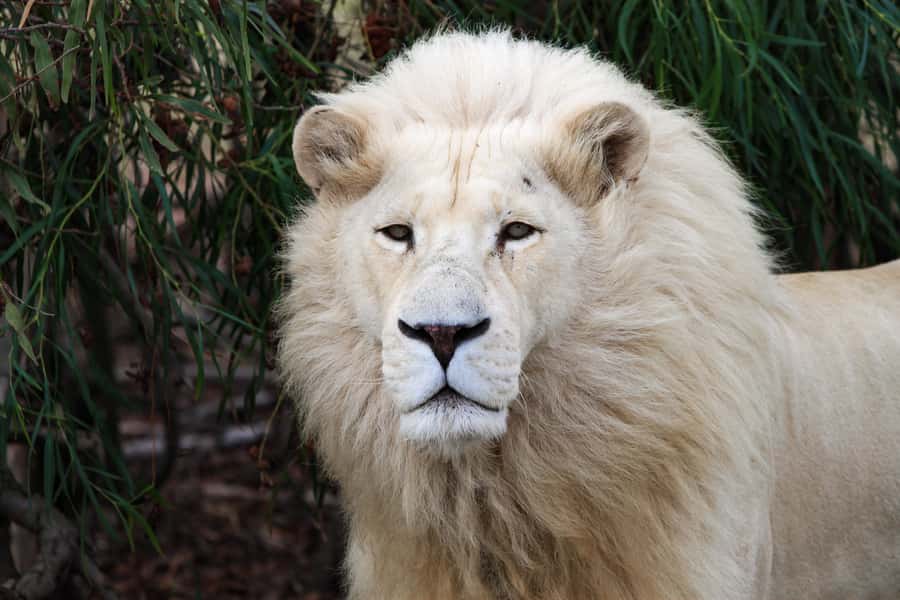
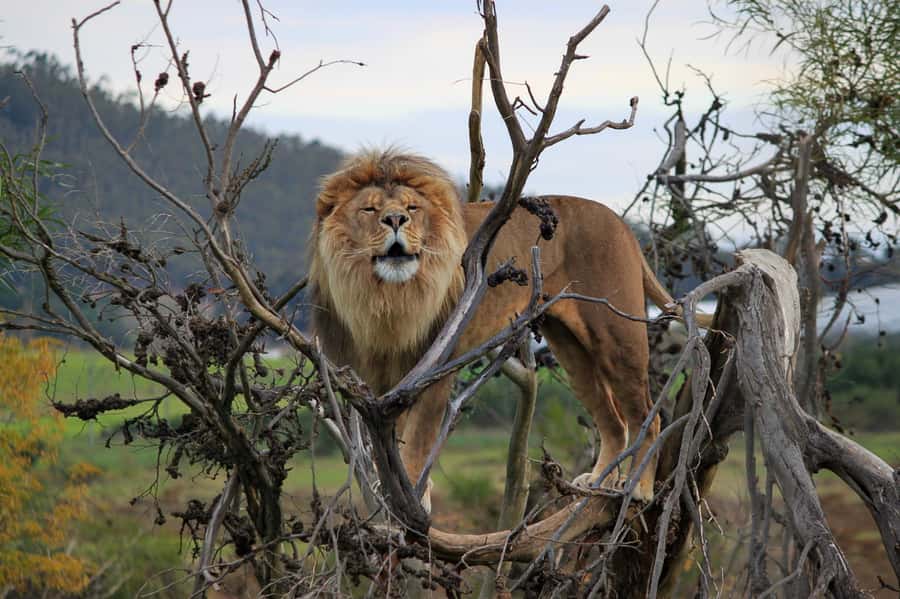
Many big-cat attractions sell the idea of closeness. You may be offered a chance to touch a cub, walk beside a lion, or take a photograph with an animal. Drakenstein takes the opposite approach. The animals remain separate from people, and the point of the visit is to see them as rescued individuals rather than as performers.
That distinction matters. A lion sanctuary should be a permanent home for animals that cannot safely return to the wild. It should not produce a fresh supply of cubs, trade animals, or use hands-on contact to increase ticket sales. Drakenstein states that it does none of those things.
The park was established in 1998 and is owned and operated by the Hart family. Their work focuses on big cats that have suffered abuse or poor treatment in captivity. Each rescue receives care based on its physical and psychological needs, rather than being handled as part of a standard attraction.
I find that approach worth understanding before you arrive. You are not buying a promise of dramatic photographs. You are helping fund a place where rescued animals can live out their lives with fewer demands placed on them.
More Big Five Game Drives in South Africa:
- From Cape Town: Big Five Game Reserve with Lunch
★ 4.6 · 2,409 reviews - Gansbaai: Marine Big 5 Boat tour
★ 4.7 · 593 reviews - Little Brak River: Botlierskop Guided Game Drive
★ 4.7 · 589 reviews
A day in the 60-acre lion habitat
Your admission gives you access to the park for one day. No fixed guided itinerary is provided, so you should think of this as a self-directed visit rather than a traditional tour with a guide leading you from stop to stop.
The main focus is the rescued big-cat habitat. The park occupies 60 sprawling acres, giving the animals a setting designed for their care. That space also changes how you view the animals. You may need patience, a good angle, and a little luck to see them well.
One lion may be resting in open view while another stays at the back of its enclosure. Some may be asleep in the bushes. This is a normal part of a welfare-first sanctuary, but it can frustrate anyone expecting constant action.
I suggest slowing down instead of rushing from enclosure to enclosure. Watch for the animals that are visible, read the available information, and allow time for a lion to move into view. You cannot control the animals’ schedule, and that is part of the honest experience.
The park’s setting in the Cape Winelands adds appeal. You can make this a gentle day out beyond central Cape Town, with the sanctuary visit as the main purpose. The ticket does not include transport, so you must arrange your own way there and back.
What you can see, and what you cannot
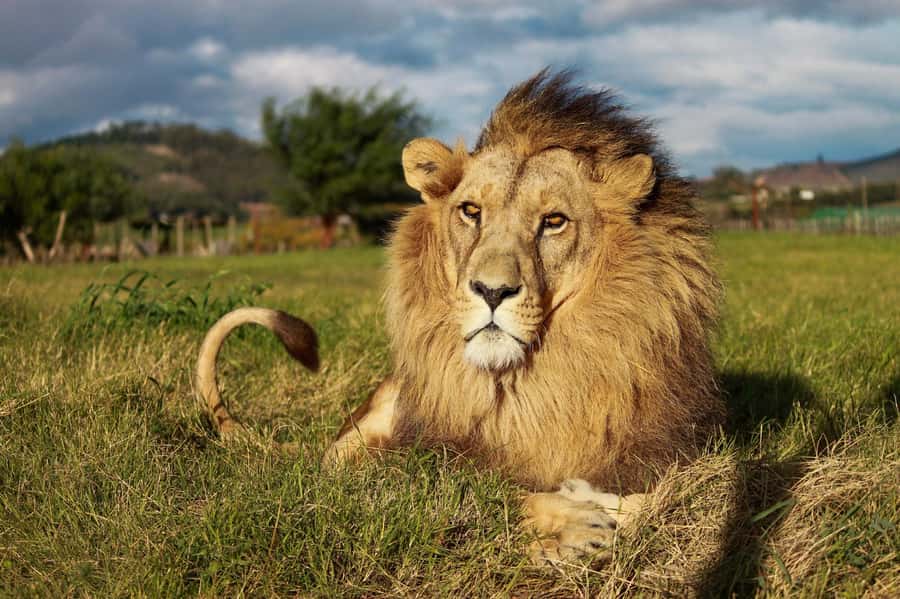
The attraction is built around rescued big cats, with lions as the central focus. The available information does not promise that every resident will be visible during your visit, and you should not treat the entry ticket as a guarantee of close viewing.
You also should not expect a petting area. There is no animal interaction, no touching, and no feeding. Flash photography is not allowed, and smoking is prohibited.
These restrictions can feel strict if you are used to wildlife attractions that encourage contact. Here, they protect the animals and help keep the sanctuary non-intrusive. Bring a camera if you like, but use it quietly and without flash.
The viewing experience is best suited to people who enjoy observing animal behavior at a respectful distance. Families with young children may need to explain why the lions cannot be touched and why a sleeping animal should be left alone. Children under two are not considered suitable for this activity.
The ethical case for a no-contact sanctuary
The strongest reason to choose Drakenstein is its stated welfare model. The park does not breed, trade, or allow visitors to handle its animals. Rescued big cats receive lifetime care instead of being placed back into a cycle of commercial use.
That model also means the park depends on admission income. Your $10 ticket is not simply an entrance charge for entertainment. It helps support feeding, veterinary attention, enclosure upkeep, rescue work, and the daily care of animals that cannot look after themselves in the wild.
The park receives no government or grant funding, according to the supplied information. That makes visitor contributions especially important. If you want your animal attraction spending to support a sanctuary rather than an interactive show, this is a meaningful point in its favor.
Still, it is fair to keep expectations grounded. An ethical sanctuary may feel quieter and less polished than a commercial wildlife park. The animals may be hidden. There may be no dramatic presentation and no guide filling every pause with facts. The value comes from the mission and the chance to see rescued animals living with fewer human demands.
A few more South Africa trips to weigh up
- Cape Town: Robben Island Ferry Ticket and Guided Prison Tour
★ 4.1 · 1,792 reviews - Cape Town: 2 Oceans Helicopter Flight with Boat Tour Ticket
★ 4.9 · 417 reviews - Cape Town: Robben Island Ferry Ticket and Townships Tour
★ 4.5 · 400 reviews - Cape Town: The Cape Wheel Ticket
★ 4.6 · 350 reviews
How the visit feels without a personal guide
A personal guide is not included, and the host or greeter language is English. The activity is described as a small-group experience limited to 10 participants, but admission itself is not presented as a guided group tour.
That means you should be ready to manage your own pace. If you prefer a guide who explains every animal, answers questions, and organizes the route, this ticket may feel basic. If you like freedom and do not need constant commentary, the simple format works well.
The absence of a guide also makes preparation useful. Read the sanctuary information before you arrive, keep your expectations realistic, and set aside enough time to walk around comfortably. The park recommends comfortable walking shoes and bringing a camera.
The supplied details create a small contradiction worth noting. The activity is marked wheelchair accessible in one place, while another section says it is not suitable for wheelchair users. I would not assume that all paths, viewing areas, or facilities will work for every wheelchair. Confirm access directly before booking if this affects your plans.
The same caution applies to animal allergies. The experience is not suitable for people with animal allergies, and pregnant women are also listed among those who should not take part.
Price, payment, and value
At $10 per person, the entry price is modest for a full day in the Cape Winelands. The value is strongest if you plan to stay for a while and see the park as a charitable visit, not just a quick photo stop.
The ticket includes entry, access to the rescued big cats, and the chance to support their care. It does not include transport, food, drinks, a guide, or any animal encounter. If you are coming from Cape Town, the cost of getting to the park may become a larger part of your day’s budget than the admission itself.
There is also an important payment warning. One South African booking involved a $320 rand charge for two people being rejected at the entrance, with the receptionist saying the park did not sell online or pre-booked tickets. The customer then paid an additional 180 rand, while being told that one ticket cost 90 rand.
That report conflicts with the advertised reserve-now option and the City Pass Cape Town booking arrangement. Because of this mismatch, take a screenshot of your confirmation, check the currency carefully, and confirm the ticket’s acceptance with the provider before setting out. This is practical protection, not a reason to dismiss the park itself.
Free cancellation up to 24 hours before the visit and reserve-now, pay-later booking make the plan more flexible. The ticket is valid for one day, with available starting times shown during the booking process.
Who will enjoy this sanctuary most
I would recommend Drakenstein to you if you care about animal welfare and want your admission fee to support rescue work. It is also a good fit if you are spending time in the Cape Winelands and want an outing with a clear conservation purpose.
You will probably appreciate it most if you can accept an unhurried viewing experience. A lion may be fully visible, partly hidden, or asleep. That uncertainty is not a flaw in the sanctuary’s ethics, but it is a real part of the visit.
The park may be less satisfying for someone seeking close contact, a guaranteed animal photograph, or an action-packed program. It is also not the right choice if you need included transportation, meals, or a personal guide.
Families can make it work with older children who understand respectful wildlife viewing. Very young children are excluded under the stated age policy, and the activity is not suitable for pregnant women or people with animal allergies.
Practical tips for making the most of your day
Wear comfortable walking shoes. The park covers a broad area, and you will get more from the visit if you can move around without discomfort.
Bring a camera, but leave the flash switched off. Flash photography is not allowed, and quiet observation is part of the sanctuary’s non-intrusive policy.
Allow time for animals to appear. If a lion is sleeping in the bushes, that is not a failed visit. Return to the area later if the format of your day allows it, and remember that the animals’ needs come before your photograph.
Bring your own food and drinks if you expect to spend much of the day there, since these are not included. The supplied details do not promise meals or refreshments with admission.
Keep your booking paperwork handy. Due to the reported confusion over online tickets and local pricing, carry your confirmation and check the exact amount charged before arrival.
Do not expect a hands-on encounter. The park’s central promise is distance, safety, and lifetime care. That is precisely why the experience has value for many animal-conscious visitors.
The experience’s main strength and main weakness
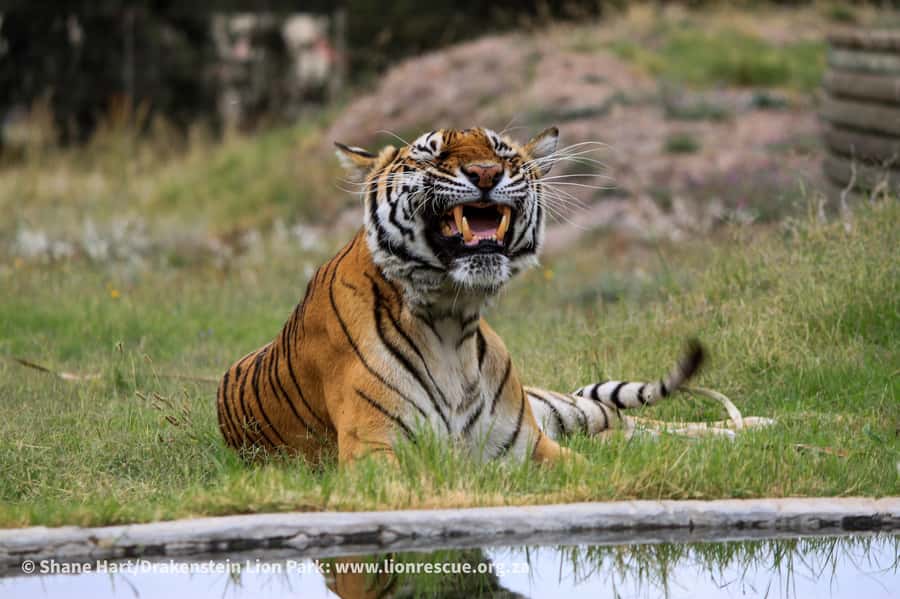
The main strength is its clear ethical position. Drakenstein does not blur the line between rescue and entertainment by offering animal contact or captive breeding. Its stated purpose is to care for rescued big cats for life, and your ticket helps fund that work.
The main weakness is the limited control you have over what you see. A sanctuary cannot tell a lion to come forward for a photograph, and the size of the habitat means some animals may be hard to spot. A 4 out of 5 experience described the disappointment of not seeing all the lions because some were at the back of their compounds or sleeping in vegetation, while still praising the park’s rescue work.
The overall booking score is 3.6 from five submitted ratings, which reflects that mix: strong approval of the mission, along with practical concerns about visibility and ticket handling. The one-star account involving an extra payment is especially useful to keep in mind when arranging admission.
Should you book Drakenstein Lion Park?
Book it if you want a low-cost, self-guided sanctuary visit that supports rescued big cats without animal contact. The ethical rules are not an extra feature here. They are the heart of the experience.
Skip it if your priority is touching animals, seeing guaranteed close-ups, or joining a fully guided program. Also pause before booking if you need wheelchair access, since the supplied information gives conflicting accessibility details.
For the best match, plan this as a calm Cape Winelands outing. Wear good shoes, bring a camera without flash, allow time for animals to be hidden or resting, and confirm your ticket arrangements before you go. If those terms suit you, the $10 admission offers solid value and supports a sanctuary built around care rather than spectacle.
FAQ
Where is Drakenstein Lion Park located?
Drakenstein Lion Park is in the Western Cape, South Africa, in the Cape Winelands.
How much does entry cost?
The listed price is $10 per person. Local pricing and online ticket acceptance may vary, so check your booking details and confirm the amount before arrival.
How long is the ticket valid?
The ticket is valid for one day. Available starting times can be checked when booking.
What does the ticket include?
It includes entrance to Drakenstein Lion Park, access to view rescued big cats, and the opportunity to support their care and rescue work.
Is a guide included?
No personal guide is included. The host or greeter language is English, and the visit is primarily self-directed.
Can I pet or interact with the lions?
No. Animal interaction, petting, feeding, breeding, and trade do not take place at the park.
Is transportation included?
No. You must arrange your own transportation to and from Drakenstein Lion Park.
Can I bring a camera?
Yes. A camera is recommended, but flash photography is not allowed.
Is the park wheelchair accessible?
The information is conflicting. One section describes the activity as wheelchair accessible, while another says it is not suitable for wheelchair users. Confirm current access arrangements directly before booking.
Just added around South Africa
- Lion’s Head Hike: Cape Town – Sunrise or Sunset Hike★ 5.0 · 29 reviews
- Lion’s Head Sunrise or Sunset Hike + Hotel Pick-Up★ 5.0 · 24 reviews
- Lion Park Tour in Open Safari Vehicle★ 5.0 · 6 reviews
- Lion’s Head: Hike with a registered hiking guide★ 5.0 · 3 reviews
- 4×4 into Lesotho From Underberg – Horse Ride / Village Life★ 4.8 · 18 reviews
- Lesotho: Sani Pass Scenic Day Trip w/ Village Visit & Lunch★ 5.0 · 3 reviews
- Lion park★ 4.5 · 5 reviews
- Lesedi Cultural Village★ 4.9 · 14 reviews
Big Five Game Drives, compared.
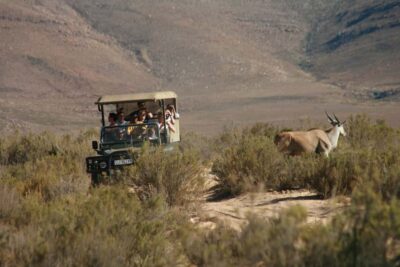
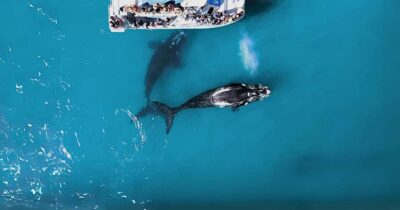
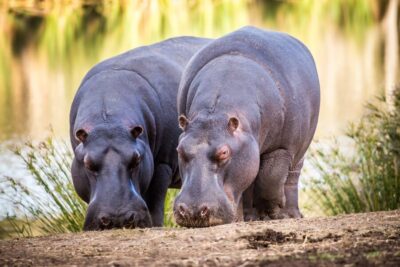
Big Five Game Reserve Wildlife Safari from Cape Town
Read our review →
Big Five Safari and Breede River Valley Guided Day Trip
Read our review →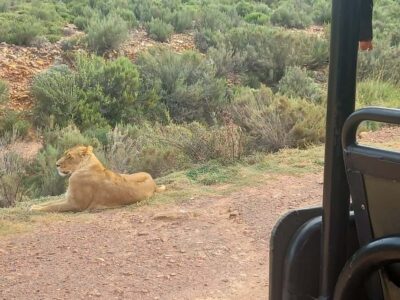
Hluhluwe-Imfolozi Park Full Day Big 5 Safari Tour
Read our review →Browse the lists this tour appears in