
Reviewed · ROBBEN ISLAND TOURS
Cape Town: Robben Island Guided Tour ticket & guided tour
Robben Island is not just a prison museum. It is a place where the story of South Africa’s struggle for freedom becomes personal, especially when a former political prisoner leads you through the maximum-security prison and points out the cell where Nelson Mandela spent years of his life. The ferry ride adds a fine opening scene, with Table Mountain behind you and the open sea ahead.
I like two things here: the first-hand prison stories, which give the visit a human voice, and the simple ferry connection from the V&A Waterfront. You do not need to arrange separate transport, museum admission, or a boat ticket. The main consideration is time. The advertised tour lasts four hours, but the island visit can feel brisk, and one recent booking experience described each crossing as closer to 45 minutes to an hour.
- A 30-minute ferry ride links the Nelson Mandela Gateway at the V&A Waterfront with Robben Island.
- A former political prisoner guide leads the island and prison visit in English.
- Nelson Mandela’s actual cell is the emotional center of the tour.
- The Lime Quarry, Robert Sobukwe’s house, and the leprosy graveyard broaden the story beyond the prison walls.
- The full outing takes about four hours, including both ferry crossings and roughly three hours on Robben Island.
- You must bring valid identification, including identification for children, and arrive at least 30 minutes early.
Why Robben Island matters beyond Mandela’s cell
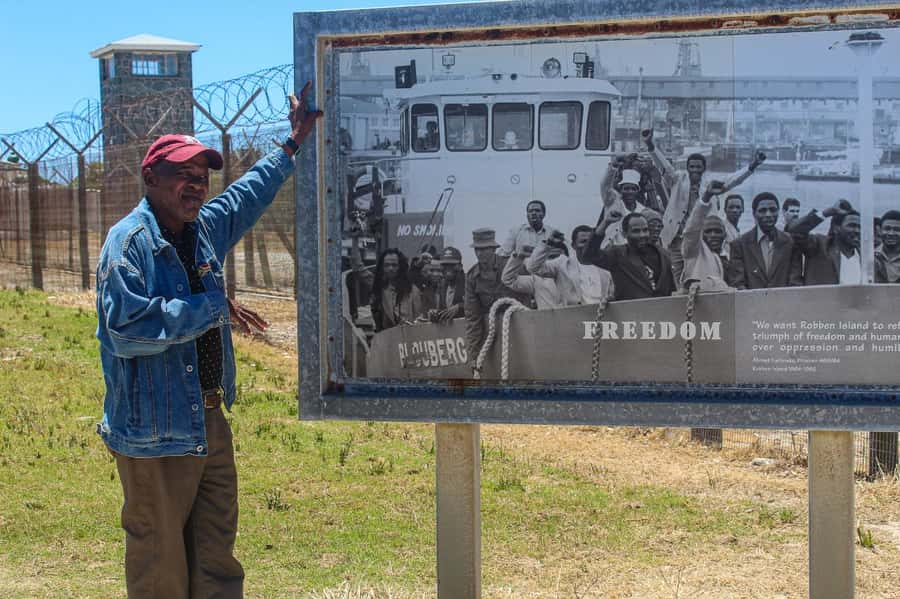
The cell is the famous image, but the visit works best when you see it as a story about many people and many forms of confinement. Robben Island served different purposes over time, and the tour takes you beyond the best-known prison block to places linked with forced isolation, political opposition, labor, and institutional control.
That wider view matters. If you only see Mandela’s cell, you may leave with a powerful photograph and a narrow understanding of the island. The route also includes the leprosy graveyard, the Lime Quarry, Robert Sobukwe’s house, and the maximum-security prison, giving you several points from which to understand the island’s past.
The most valuable part for me is the guide’s personal connection. A former political prisoner can explain the prison not only as a collection of buildings, but as a place shaped by rules, daily pressure, and human endurance. The information is delivered in English, and the personal voice helps keep the visit grounded.
Starting at the Nelson Mandela Gateway
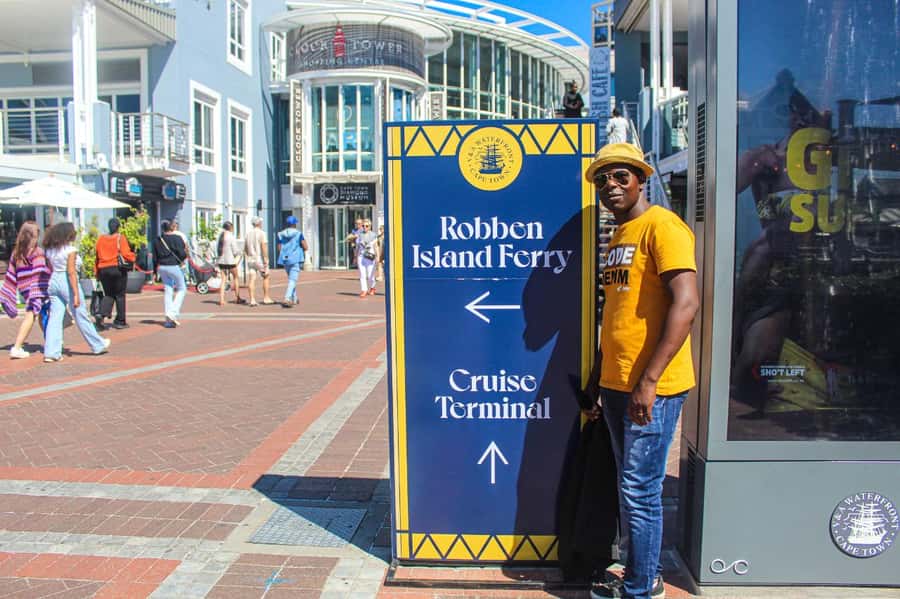
You meet at the Nelson Mandela Gateway to Robben Island in the V&A Waterfront. The entrance is next to the Clocktower and the children’s play area. Go up the steps, where security staff direct you toward the ferry.
This is a busy waterfront setting, so do not cut the timing fine. You are advised to arrive at least 30 minutes before departure, and I would treat that as part of the tour rather than an optional suggestion. You need time to find the entrance, pass through the security process, and get to the correct boarding area.
Bring a passport or identity card. A copy is accepted according to the tour information, and children also need valid identification. When booking, you must provide each person’s full name, surname, and nationality. For children, include the date of birth. These details are not decorative paperwork. They are part of getting everyone cleared for the island visit.
Hotel pickup is not included. That is a drawback if you are staying far from the V&A Waterfront, but the meeting point is clear and sits in one of Cape Town’s easiest areas for finding restaurants, shops, and other activities before or after the tour.
More Robben Island Tours in Cape Town:
- Cape Town: Robben Island Ferry Ticket and Guided Prison Tour
★ 4.1 · 1,792 reviews - Cape Town: Robben Island Ferry Tour with 1-Way Hotel Pickup
★ 4.2 · 1,380 reviews - Cape Town: Robben Island Ferry Ticket and Townships Tour
★ 4.5 · 400 reviews
The 30-minute ferry across Table Bay
The ferry crossing is more than transport. It gives you time to shift from modern Cape Town to the quieter, more serious setting of Robben Island. From the boat, you get views back toward Cape Town and Table Mountain, a memorable backdrop for the trip.
The scheduled crossing is 30 minutes each way. One booking experience described the ride as lasting closer to 45 minutes or even an hour, so I would not plan a tightly timed activity immediately after the return. Sea conditions and ferry operations can affect the pace.
The boat ride also helps set the mood. You leave the V&A Waterfront, with its restaurants and family attractions, and head toward an island whose name carries enormous political weight. The contrast is useful. You see how close the island is to Cape Town, yet the crossing creates a clear physical separation.
If you are prone to motion sickness, take ordinary precautions before sailing. The supplied information does not promise a particular seating area or onboard service, so think of the ferry as a practical crossing with good views rather than a separate cruise attraction.
Seeing the island beyond the prison
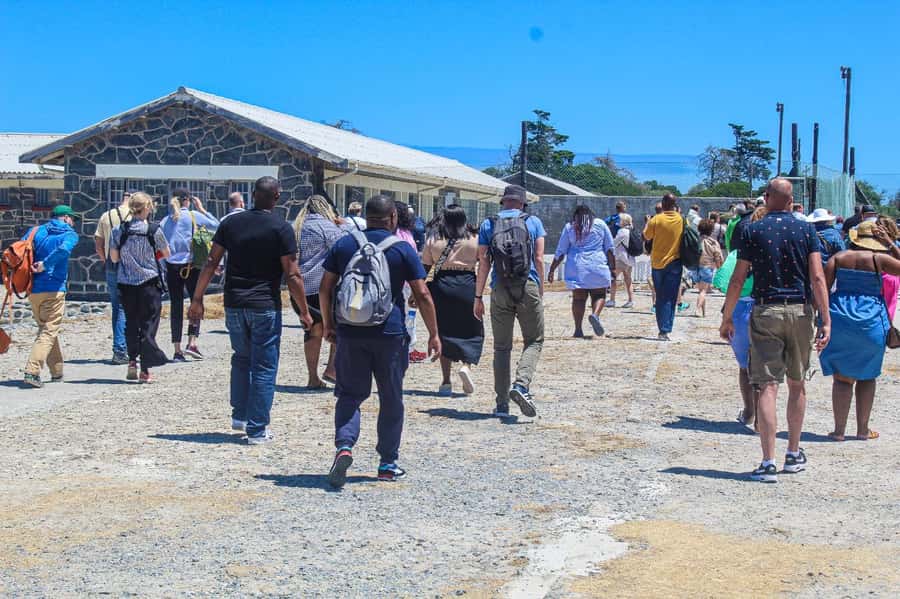
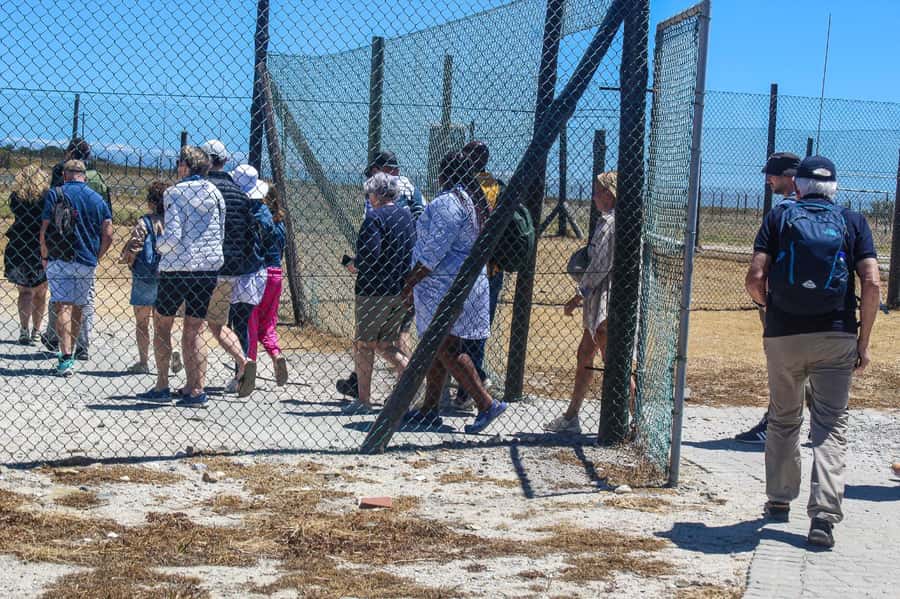
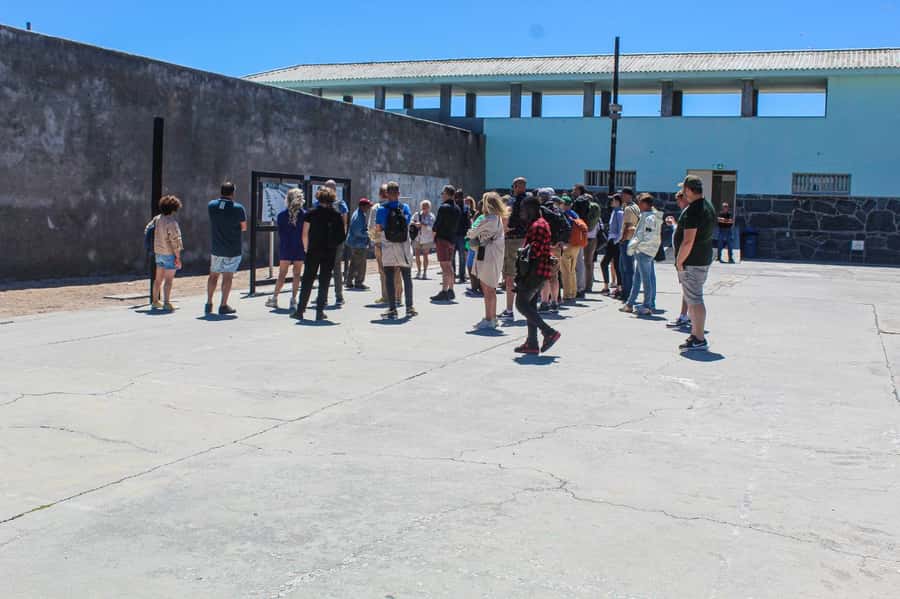
After arriving, the island portion is scheduled for about three hours and includes guided touring, sightseeing, and walking. The route brings together several sites, each with a different role in the island’s story.
The leprosy graveyard is a sobering stop. It points to an earlier use of the island as a place of isolation and shows that Robben Island’s history did not begin with the political prison. The stop may feel less immediately familiar than Mandela’s cell, but it helps you understand the island as a place repeatedly used to remove people from the mainland.
The Lime Quarry adds another layer. It is one of the locations connected with prison labor and the harsh physical demands placed on inmates. Your guide’s explanation is important here, since a quarry can look like an ordinary industrial site unless you understand who worked there and why.
Robert Sobukwe’s house gives the tour another personal focus. It reminds you that political prisoners were not all treated in the same way and that different people experienced confinement under different conditions. This is one reason I prefer the full island route to a visit that goes straight to the main prison block.
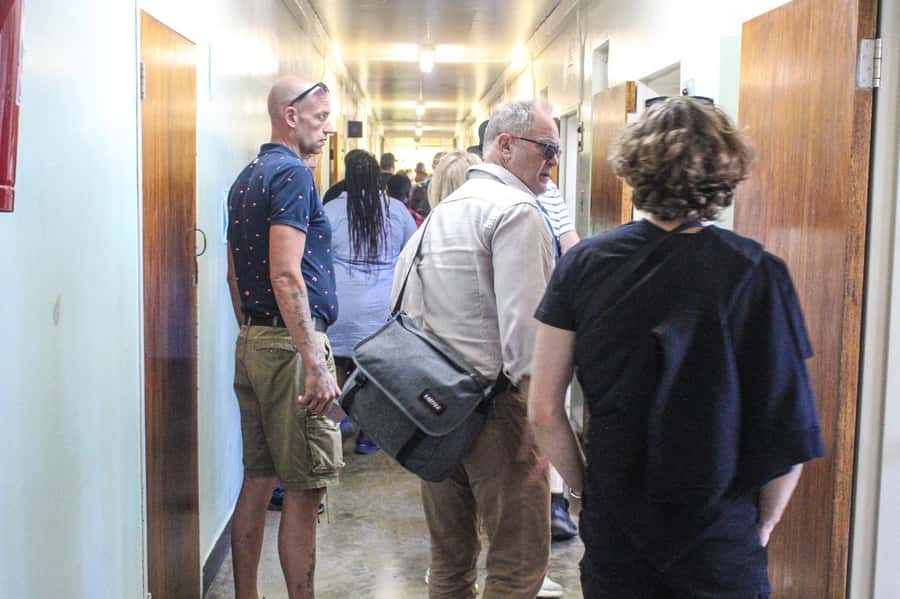
The tour culminates at the maximum-security prison. Here the island’s political story becomes more direct, with the buildings and prison spaces providing the setting for the guide’s account. You should expect a serious visit rather than a light sightseeing stop. The subject matter calls for attention, and the pace may leave little room to wander on your own.
Standing outside Nelson Mandela’s cell
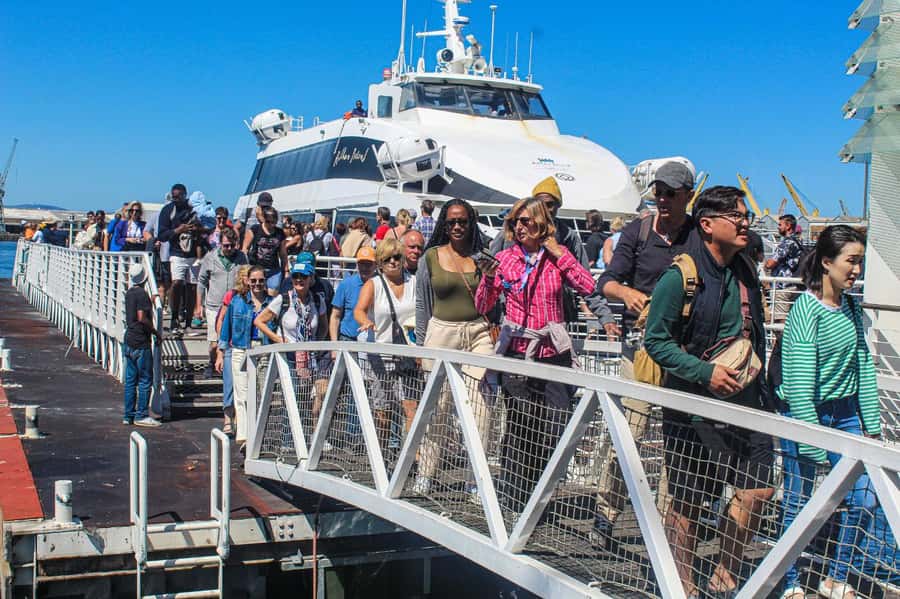
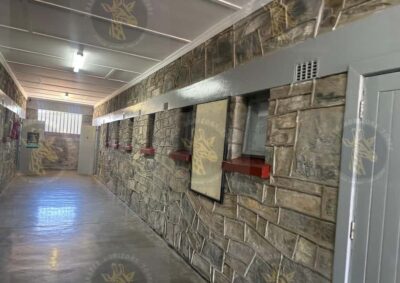
Nelson Mandela’s prison cell is the best-known stop, and it is understandably the moment many people anticipate most. Seeing the actual space where he was held makes the scale of his confinement immediate. The cell is small, plain, and powerful precisely because it does not need much decoration.
I would not treat the cell as the whole point of the tour. Its meaning grows from the places you have already seen and from the former prisoner guide’s account. The visit asks you to connect one room with a much larger struggle involving political prisoners, prison labor, separation from family, and the fight for equality.
You may have only a short time at the cell itself. The overall schedule includes several sites, walking, and the ferry crossings, so this is not a slow, private museum visit. If you want a long period to study every detail, you may find the pace too quick. If you want a structured introduction with a strong personal guide, the format works better.
The emotional force also comes from restraint. There is no need for a grand display. A bare cell and a clear explanation can say more than a room filled with objects.
A few more Cape Town trips to weigh up
- Cape Town: 2 Oceans Helicopter Flight with Boat Tour Ticket
★ 4.9 · 417 reviews - Cape Town: The Cape Wheel Ticket
★ 4.6 · 350 reviews - Cape Town: Robben Island Ferry with Prison Ticket and Tour
★ 4.0 · 324 reviews - Cape Town: Table Mountain Cable Car Ticket
★ 4.0 · 236 reviews
Why the former prisoner guide matters
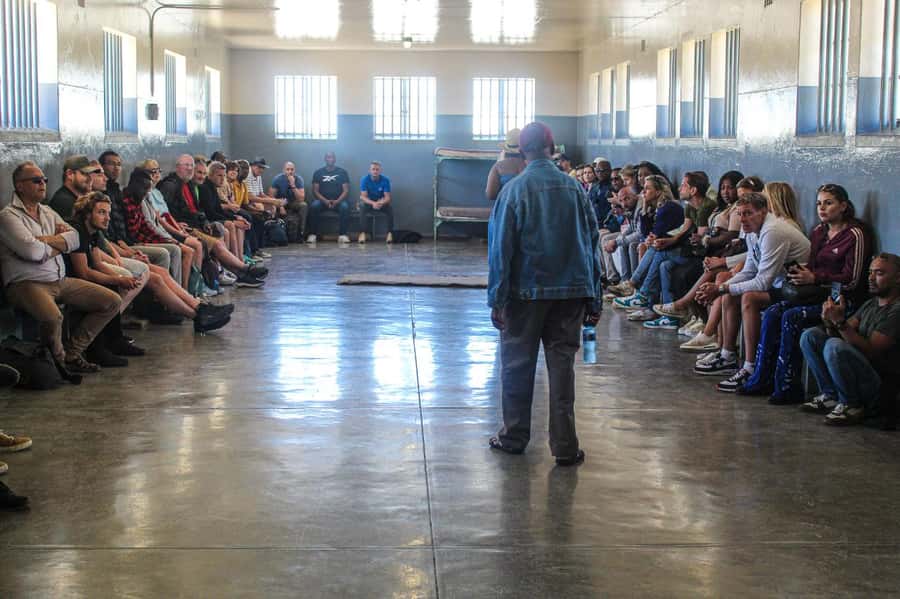
The guide is the main difference between simply reaching Robben Island and understanding it. The tour includes an English-speaking former political prisoner, and that personal connection changes the tone of the visit.
A guide with direct experience can explain the prison in human terms. You hear about a place not only through dates and official labels, but through someone who understands what its walls represented. The supplied experiences praise the information as very interesting and consider the ferry ride worthwhile, which fits the tour’s strongest feature: it connects physical places with lived experience.
No guide name is provided for this departure, so you should not expect a particular individual. The important point is the guide’s background as a former political prisoner, not a named personality or a theatrical performance.
The tour is conducted in English. If you need another language, this particular activity does not list one. Give yourself time to listen, since the guide’s explanations are the part most difficult to recreate later from a guidebook or a quick visit on your own.
How four hours feels on the ground
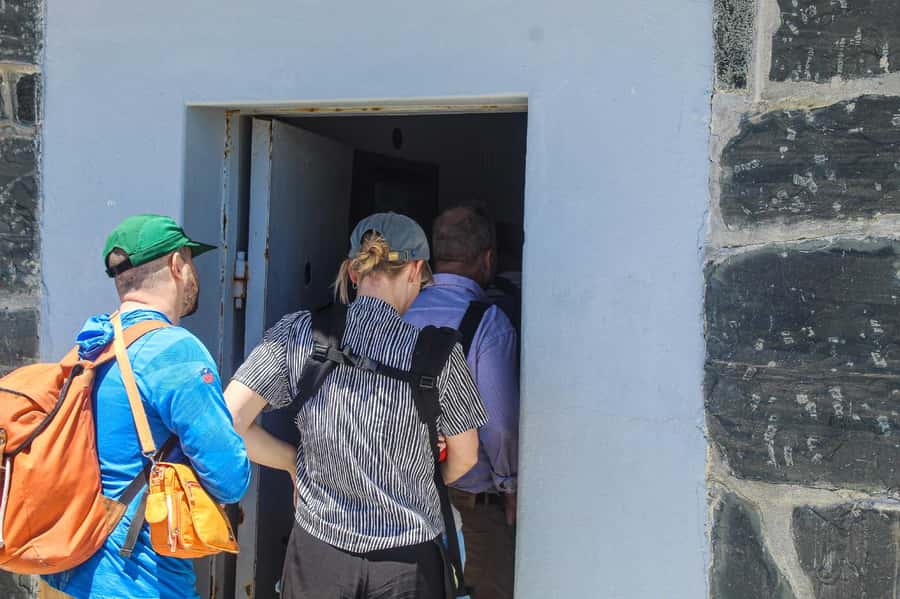
The stated duration is four hours:
- About 30 minutes by ferry to Robben Island
- About three hours for the island and prison tour
- About 30 minutes by ferry back to the Nelson Mandela Gateway
That is a useful half-day outline, but keep some flexibility around it. A recent experience described the ferry crossings as roughly 45 minutes to an hour each and the time on the island as about two hours. The practical lesson is simple: use the four-hour figure for planning, but do not schedule an important appointment too close to the expected return.
The island visit combines bus or vehicle sightseeing details only as far as the supplied information confirms sightseeing and walking. You should be ready for some walking and should wear practical shoes. No special equipment is listed, but valid identification is required.
Because there is no hotel pickup, factor in your own journey to the V&A Waterfront. The meeting point is at the Nelson Mandela Gateway, next to the Clocktower by the children’s play area, and the security staff direct you onward. The clear meeting point is helpful, but you still need to arrive early.
Is $87 good value?
At $87 per person, this is not the cheapest way to fill a morning in Cape Town. The price includes the pre-booked ferry ticket, Robben Island Museum admission, and the guided tour led by a former political prisoner. That bundled structure is useful because the key parts of the visit are handled together.
I see the value in the combination of transport and interpretation. You are not paying only to look at a cell. You are paying to reach the island, enter the museum, visit several significant sites, and hear a personal account in English.
The price makes less sense if you want a flexible day with plenty of unscheduled time. The departure is fixed, the island route is structured, and the time at each site may be limited. You also need to arrange your own way to the waterfront.
For a first visit to Robben Island, I think the cost is reasonable if the subject matters to you and you value a guide who can connect the buildings with personal experience. If you are mainly seeking a scenic boat ride, $87 is too much for that purpose alone.
Who should book this experience?
I would recommend this tour to you if you want a focused introduction to South Africa’s political past and prefer having the major logistics arranged together. It suits first-time visitors to Cape Town, history-minded families with children who have valid identification, and anyone who wants to see Mandela’s cell in its actual setting.
It is also a good fit if you appreciate personal storytelling. The former prisoner guide gives the visit a human center that a self-guided walk may not provide.
You may want to think twice if you dislike fixed schedules, boat crossings, or serious subject matter. The tour is not designed as a relaxed island day with long breaks. It is a structured four-hour visit, and the limited time on the island can feel short.
The ferry views are a welcome bonus, especially with Table Mountain visible from the water. Still, I would book this for the island and its testimony first, and the scenery second.
Booking and practical advice before you go
The activity allows cancellation up to 24 hours before departure for a full refund, and you can reserve now and pay later. Check the available starting times before booking, since the total duration depends on the departure you choose.
Enter names and nationalities exactly as they appear on identification documents. For children, add the date of birth. Bring an original passport or identity card, or the accepted copy, for every person in your group.
Arrive at least 30 minutes early at the Nelson Mandela Gateway. Wear comfortable shoes for the walking portion, and leave extra time after the tour in case the ferry schedule runs longer than the listed 30 minutes.
Should you book the Robben Island tour?
Book it if you want more than a photograph outside Mandela’s cell. The ferry, the island sites, the maximum-security prison, and the former prisoner guide create a serious and worthwhile half-day experience.
The main caution is pace. You may get less free time than expected, and the crossing can take longer than the nominal schedule. Even so, if Robben Island is on your Cape Town list, this package gives you the essential visit with the key tickets and guiding included. I would make space for it, keep the rest of the day flexible, and arrive ready to listen.
FAQ
How long does the Robben Island tour take?
The advertised duration is four hours, including a 30-minute ferry ride to the island, about three hours on Robben Island, and a 30-minute ferry ride back. Actual ferry crossings may take longer, so allow extra time.
Where does the tour start?
The meeting point is the Nelson Mandela Gateway to Robben Island at the V&A Waterfront. The entrance is next to the Clocktower and the children’s play area. Go up the steps and security staff will direct you to the ferry.
Is hotel pickup included?
No. You must make your own way to the Nelson Mandela Gateway at the V&A Waterfront.
Who guides the Robben Island Museum visit?
The guided visit is led by a former political prisoner. The tour language is English. No specific guide name is provided.
Will I see Nelson Mandela’s prison cell?
Yes. The tour includes a visit to the actual cell where Nelson Mandela was held.
What identification do I need?
You must bring a passport or identity card, and a copy is accepted according to the tour information. Children must also bring valid identification. Booking details must include full names, surnames, and nationalities for all travelers, plus children’s dates of birth.
Can I cancel the booking?
Yes. You can cancel up to 24 hours in advance for a full refund. The activity also offers a reserve-now-and-pay-later option.
Just added around Cape Town
- Lion’s Head Hike: Cape Town – Sunrise or Sunset Hike★ 5.0 · 29 reviews
- Lion’s Head Sunrise or Sunset Hike + Hotel Pick-Up★ 5.0 · 24 reviews
- Lion’s Head: Hike with a registered hiking guide★ 5.0 · 3 reviews
- Kruger National Park 3 Days Best Ever Safari from Cape Town★ 4.1 · 11 reviews
- Koeksister and Samoosa Class by the Malay Cook Up★ 4.8 · 9 reviews
- Kirstenbosch Garden, Bo-Kaap-Penguins & Cape Peninsula Tour★ 3.9 · 7 reviews
- Khayelitsha: 3-Hour Township Walking Tour★ 5.0 · 6 reviews
- Cape Town: Constantia Half-Day Wine Tour & Tastings★ 4.9 · 15 reviews
Robben Island Tours, compared.

Robben Island Ferry Ticket and Guided Prison Tour
Read our review →
Robben Island Ferry Tour with 1-Way Hotel Pickup
Read our review →
Robben Island Ferry with Prison Ticket and Tour
Read our review →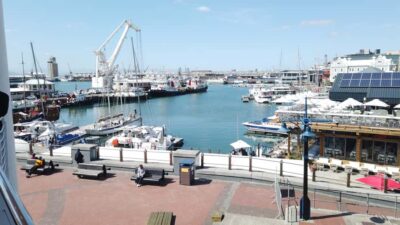

Robben Island Tour including Pick Up & Drop Off from Cape Town
Read our review →
Robben Island Ferry Ticket and Guided Prison Tour
Read our review →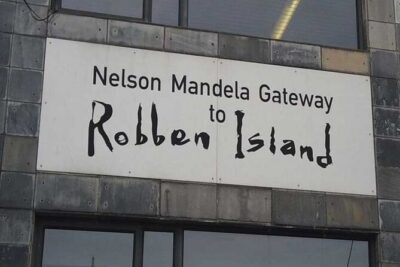
Robben Island Experience: Pre-Booked Ticket & Return Transfers
Read our review →Browse the lists this tour appears in