Reviewed · CAPE TOWN TOURS
Cape Town: Authentic 3–4 Hour Cultural Township Experience
Cape Town’s townships tell the city’s hardest stories, and this private tour puts those stories in places where they happened. You’ll trace the forced removal of 60,000 people from District Six, walk through Langa, and see memorials linked to the anti-apartheid struggle.
I like the mix of historical explanation and direct contact with daily life, including a traditional healer and a shebeen making homemade beer. I also like the small private format, with hotel pickup, an air-conditioned minivan, and room to ask questions. The main consideration is that the subject is painful and the poverty you see can be confronting.
Key points at a glance
- District Six sets the historical scene: Learn how apartheid forced about 60,000 residents from their homes in the 1970s.
- Langa is explored on foot: Visit the Old Pass Office, the Robert Sobukwe monument, hostels, shacks, and a local museum.
- You meet local people, not just monuments: The route can include a traditional healer, a shebeen, and a look at homemade beer production.
- The tour crosses several apartheid-era divisions: See Langa, Bonteheuwel, Gugulethu, and Khayelitsha, each with a different place in Cape Town’s past and present.
- The group is private and transport is included: The $261 price covers up to three people, hotel pickup, drop-off, and the township tour.
- It ends with community work: Learn about the Philani Center and its support for mothers and children in Khayelitsha.
Why this three-hour tour matters
Cape Town can make it easy to focus on Table Mountain, beaches, wine estates, and elegant historic streets. Those places are worth your time, but they tell only part of the city’s story. This tour shows how apartheid policies shaped where people could live, work, travel, and raise families.
I find the route useful because it connects official history with ordinary places. A former pass office, a hostel, a shack, a memorial, and a township street can explain apartheid in a way that a quick museum visit cannot. You are not simply looking at old buildings. You are hearing how laws affected real families and how those effects still shape Cape Town.
The experience is private, so your questions can guide the pace and discussion. The listed price is $261 for a group of up to three, not per person. That works out to $87 each if you fill all three places, which is a fair price for a private vehicle, hotel transport, and a guide-led route across several townships.
If you are traveling alone, the price is harder to justify than a shared tour. For two or three people, though, the value improves quickly. You also avoid having to arrange separate transport between widely spread areas.
Other Cape Town days people book alongside this one:
- Wine Tour: Paarl, Franschhoek & Stellenbosch incl 3 wineries
★ 5.0 · 3,940 reviews - Cape Town: Hop-On Hop-Off Bus Tour with Optional Cruise
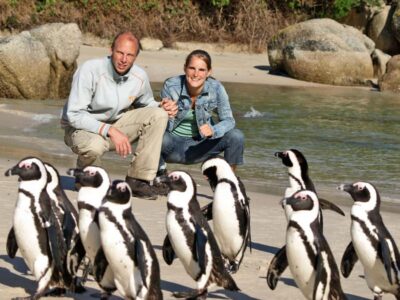
★ 4.8 · 3,929 reviews - Cape Town: Cape of Good Hope & Penguins Day Tour with Pickup
★ 4.7 · 3,362 reviews
District Six and the cost of forced removal
The tour begins with District Six, one of the clearest places to understand the human cost of apartheid. In the 1970s, the government forcibly removed about 60,000 residents from this central Cape Town district.
The important point is not only that people lost their homes. Families were pushed away from the city center and separated from familiar schools, workplaces, neighbors, and local institutions. The empty ground and remembered streets here carry more meaning once your guide explains what happened.
I would pay close attention at this opening stop. It gives you the facts needed to understand everything that follows. Without this background, a drive through the townships can look like a series of unrelated neighborhoods. With it, the route becomes a map of government-enforced racial division.
Langa, Cape Town’s oldest township
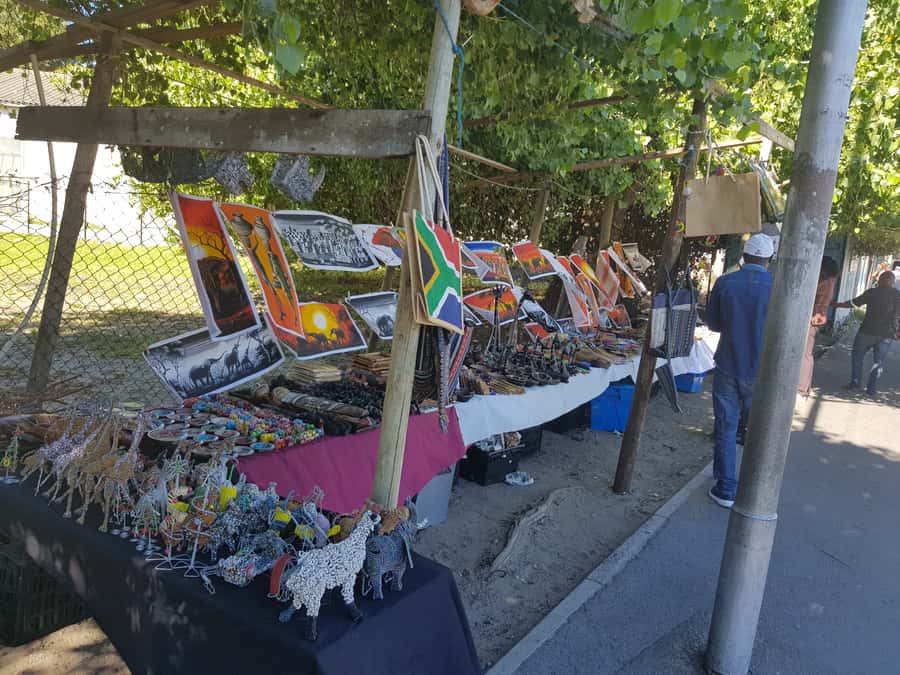
From District Six, you drive to Langa, identified as Cape Town’s oldest township. This is the heart of the walking portion, so wear comfortable shoes as requested.
The route includes the Old Pass Office and a monument to Robert Sobukwe. These stops connect the physical township to the system of pass controls and to people who challenged apartheid rule. The pass system restricted the movement of Black South Africans, and the required pass document is often referred to locally as the Dumb Card.
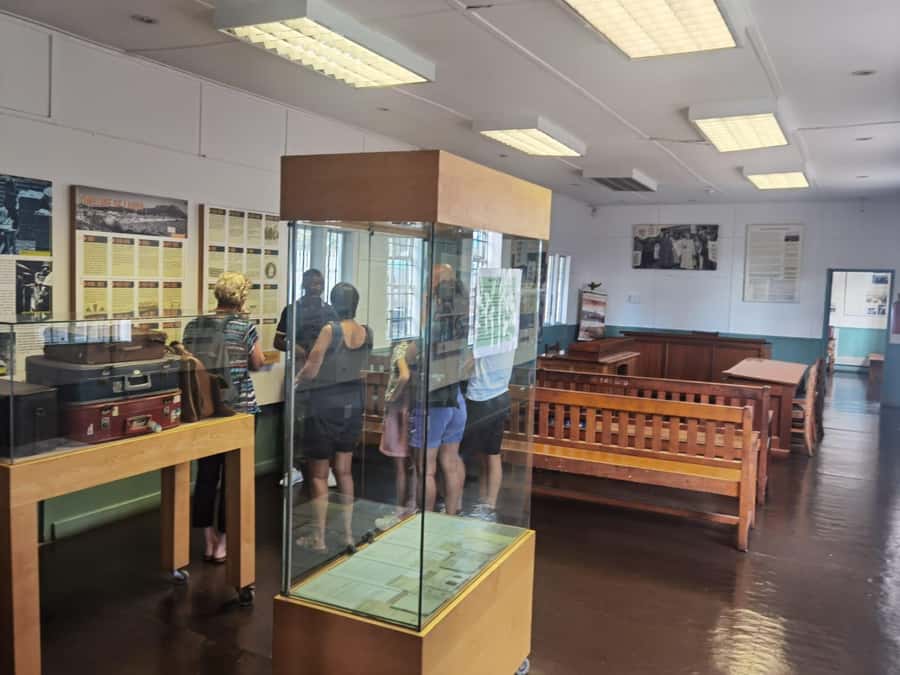
A small museum in Langa explains the township system and the pass laws before you walk through areas with different types of housing. That order is helpful. You first get the historical framework, then see how policy affected the built environment and daily life.
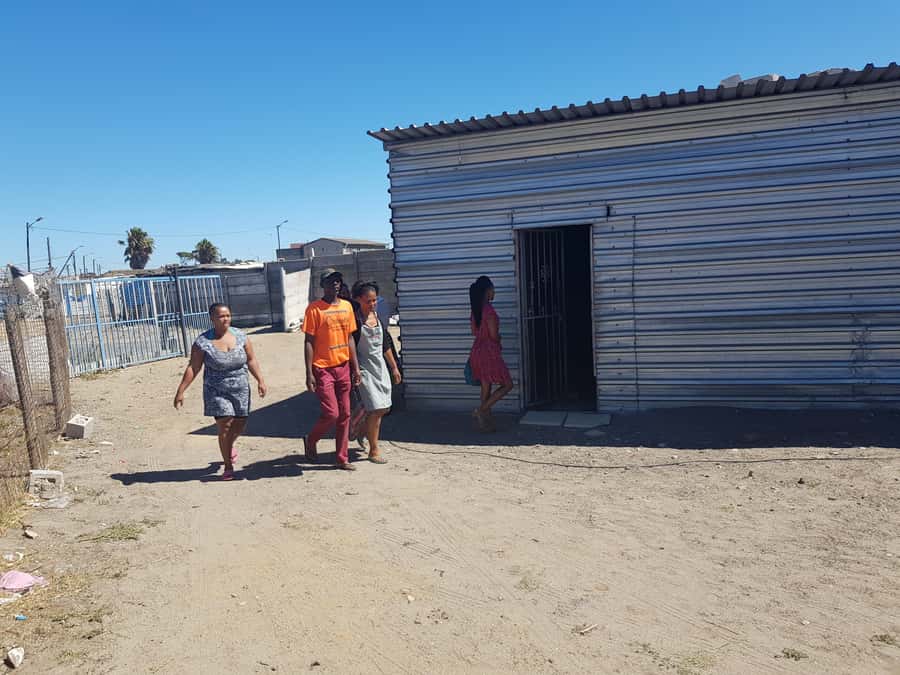
The walk through hostels and shacks may be the most revealing part of the tour. It gives you a closer look at living conditions than a drive-by visit can provide. At the same time, you should approach this part with care. You are entering a working community, not an open-air exhibit. Listen to your local guide, ask respectful questions, and avoid treating people’s homes as photo props.
A shebeen, homemade beer, and local traditions
The itinerary includes a visit to a shebeen, a local pub, where you can see homemade beer being made and may have the chance to try it. Food and drinks are not included in the ticket unless specifically stated, so do not assume that tastings or other refreshments are covered.
This stop gives the tour a welcome change of pace. Apartheid history can become heavy, and the shebeen shows a social side of township life. It also lets you see how local traditions and informal businesses fit into the community.
The same applies to meeting a traditional African healer. You may see the healer in action and learn about a practice that remains part of local cultural life. The value here comes from direct explanation rather than from a staged performance, though the exact interaction can vary.
I would keep an open mind and avoid judging the practice by standards from home. You do not need to accept every belief to understand why it matters to the people who use it.
Same country, a completely different kind of day:
- Zipline Cape Town – From Foot of Table Mountain Reserve
★ 5.0 · 3,179 reviews - Cape Town: Table Mountain Cable Car, Hop-On Hop-Off Bus Tour
★ 4.6 · 3,157 reviews - Cape Point and Boulder’s Penguins Full Day Tour
★ 5.0 · 3,118 reviews - From Cape Town: Cape Point & Boulders Beach Full-Day Tour
★ 4.8 · 3,032 reviews
Bonteheuwel and the machinery of racial separation
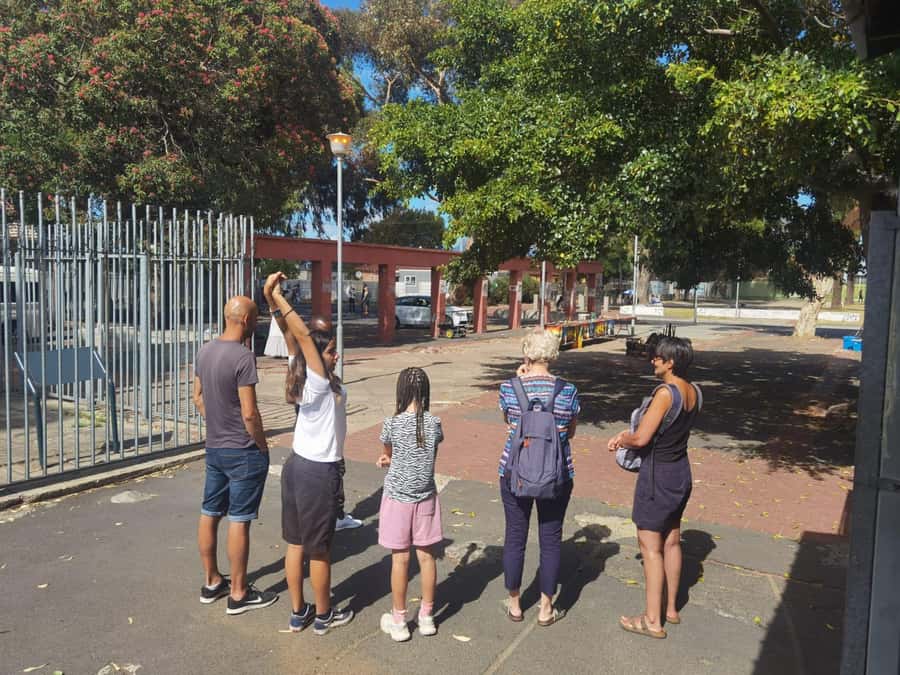
The minivan then continues through Bonteheuwel, an area reserved for the colored community under apartheid. This stop helps show that racial separation was not a simple two-group system.
The government classified people into racial categories and assigned neighborhoods accordingly. The result was a city divided by law, with different communities sent to different areas and separated from jobs, services, and one another.
Bonteheuwel is especially useful for readers who know the broad outline of apartheid but have not considered how many communities were affected. As you move from Langa to Bonteheuwel, the changing neighborhoods make the policy feel geographic and immediate.
The vehicle is important here. With only three hours, you need transport to cover the distance between District Six, Langa, Bonteheuwel, Gugulethu, and Khayelitsha. The air-conditioned minivan also gives you a place to pause between walking stops and listen to your guide’s explanation.
Gugulethu’s memorials and difficult choices
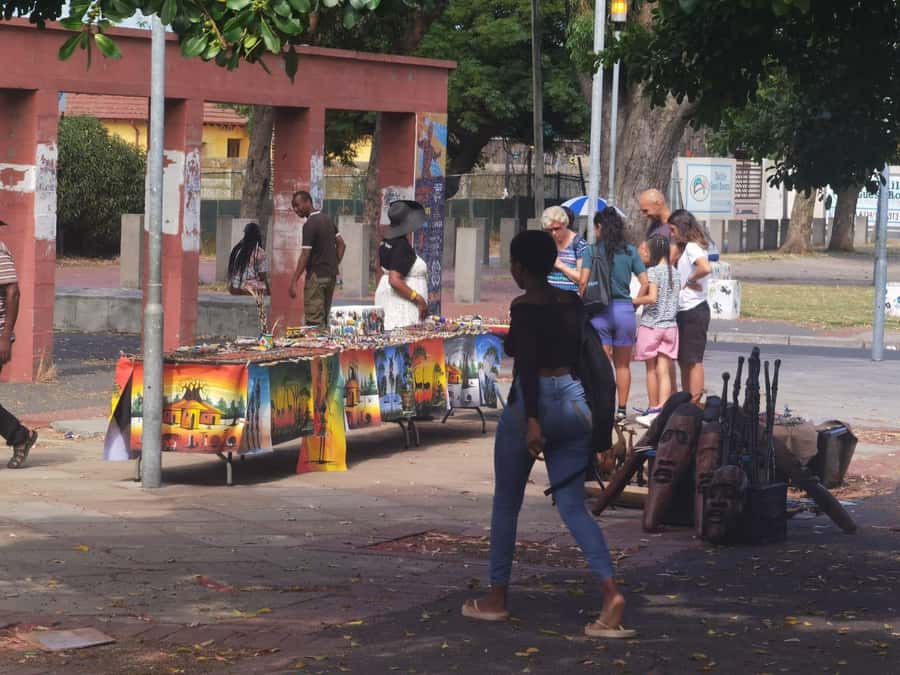
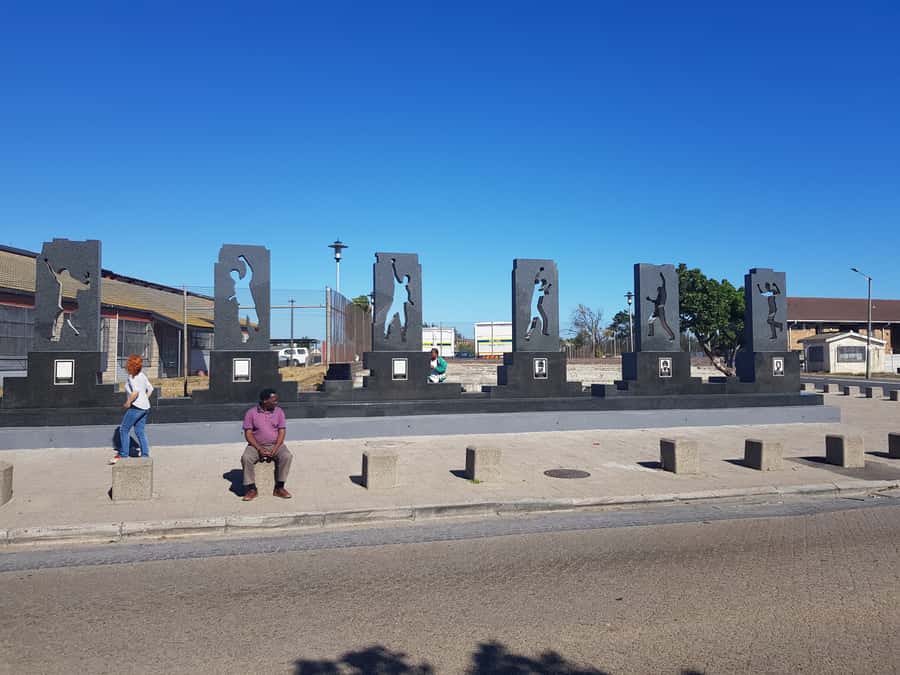
In Gugulethu, the tour visits the Gugulethu 7 Memorial. It honors seven members of an anti-apartheid group who were killed by South African police in 1986.
You also see a memorial to Amy Biehl, an American student murdered by PAC supporters in 1993. Including both sites makes the tour more honest. The history is not reduced to a simple story with only one kind of victim or one kind of wrongdoing.
I value this part because it leaves room for the difficult questions. The struggle against apartheid involved courage, sacrifice, political violence, and terrible losses. A good guide can help you understand the setting without pretending that every event fits neatly into a hero and villain story.
This is another point where your guide matters. Sam is identified as an owner and guide, while Loyola has led both the driving and educational portions for some groups. A local Langa guide also joins the walking section. Guide assignments can vary, but the experience is designed to give you both a driver-guide and local township knowledge.
Khayelitsha and the Philani Center
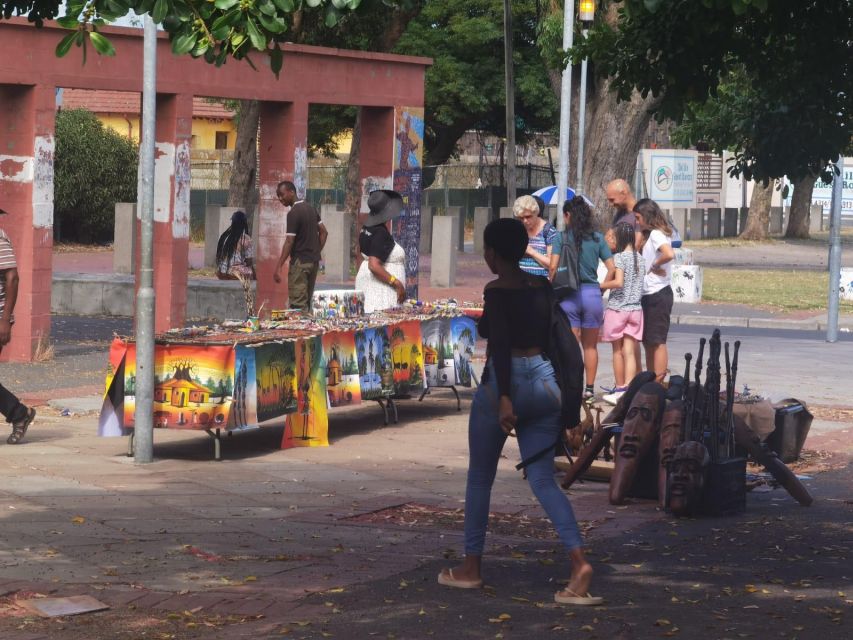
The final township on the route is Khayelitsha. Here you learn about the work of the Philani Center, which supports local mothers and children.
This ending shifts the focus from what apartheid did to communities toward what people are doing now. It does not erase poverty or the problems created by decades of exclusion. It does show that a township visit should not stop at hardship. Community organizations, families, and local workers are part of the present story too.
The center’s work gives you a practical example of how support reaches mothers and children. If you are interested in responsible tourism, this is one of the more useful elements of the tour because it points toward local needs and community-led responses.
The experience may also offer opportunities to support local markets or community projects. Bring a respectful attitude and ask your guide how purchases or donations should be handled. Tips are optional and not included.
What the guides add to the experience
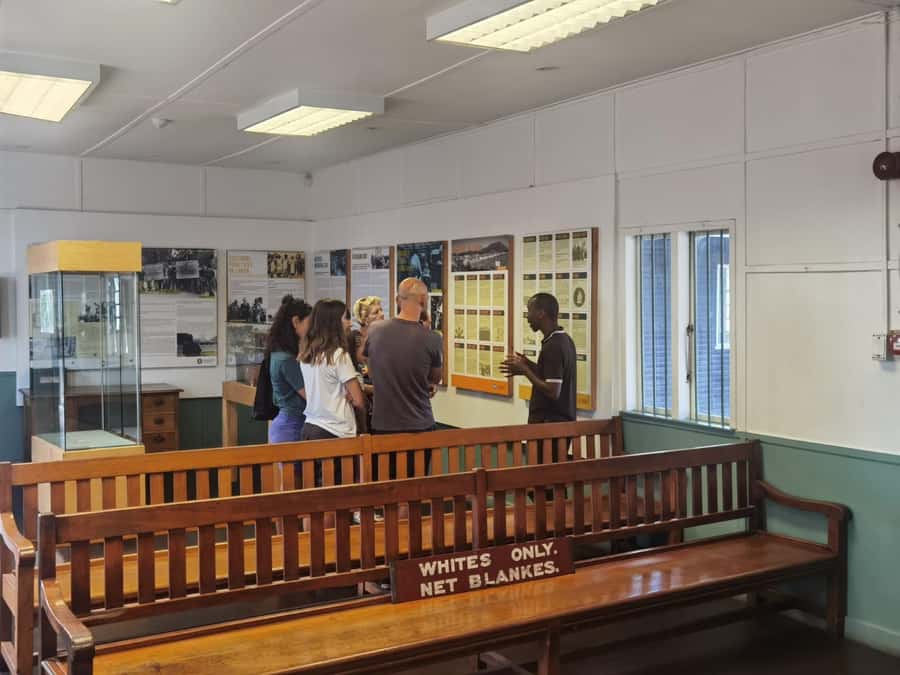
The tour is conducted in English. The strongest feature is the chance to combine the main guide’s broader Cape Town history with a local guide’s understanding of Langa.
Sam has been described as both owner and guide, and Loyola has handled pickup, driving, and extensive questions. That matters because this is not a route where you want a memorized speech with no room for discussion. The history raises questions about race, housing, policing, poverty, and present-day inequality.
The local Langa guide adds another layer during the walk. You can expect conversation at the historic sites and in the neighborhood, rather than only commentary from inside the minivan. Guides have also been praised for answering questions patiently and explaining difficult material clearly.
Still, remember that a three-hour tour can only introduce these subjects. You will get a strong overview, but not a full academic study of apartheid or modern township economics. If you want long visits at each memorial or museum, the schedule may feel tight.
Practical details before you book
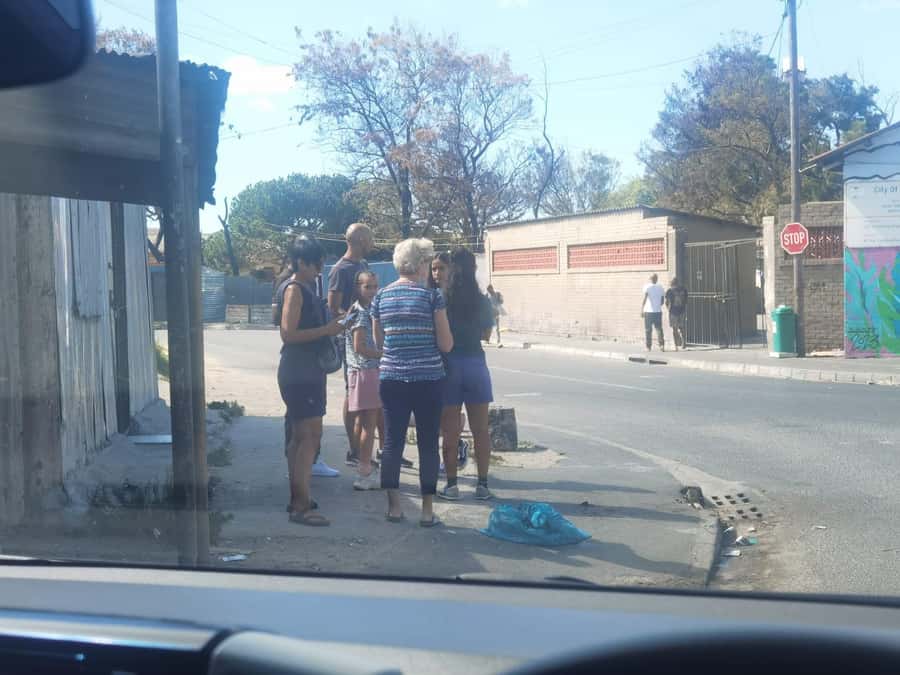
Hotel pickup and drop-off are included, along with transport in an air-conditioned minivan. That makes the experience simple to add to a Cape Town itinerary, especially since the townships are spread across different parts of the city.
The group is private and limited to up to three people at the listed $261 group price. A private booking is useful here because you can ask personal questions without speaking in front of a large bus group. It also gives you a more controlled setting for a sensitive subject.
The duration is listed as three hours, while the experience title describes a three to four-hour visit. Check the available start time and current duration when booking. The route includes walking, so comfortable shoes are a must.
The activity is wheelchair accessible, but the supplied details do not explain which walking surfaces or individual stops may present difficulties. If you use a wheelchair, confirm the practical arrangements before paying.
Pets, smoking, and oversize luggage are not allowed. Food and drinks, including lunch, are not included unless specifically stated. Free cancellation is available up to 24 hours before the activity, and you can reserve now and pay later.
Who will get the most from this tour
I would recommend this experience to anyone who wants more than Cape Town’s polished center and major sights. It suits first-time visitors who want a clear introduction to apartheid, as well as repeat visitors looking for a more direct connection with the city’s communities.
It is particularly useful for people who enjoy asking questions and thinking about difficult subjects. The private format makes that easier. Families with older children and teenagers may also find the historical material valuable, though parents should decide if the accounts of forced removal and political violence are suitable for their children.
This is not the best choice if you want a relaxed sightseeing drive, a food-focused outing, or a cheerful cultural show. The tone is educational and sometimes sobering. You may see poverty and cramped housing, and the experience can leave you unsettled. That discomfort is part of its purpose, but you should be ready for it.
Should you book the Cape Town township tour?
Book it if you want to understand how apartheid shaped Cape Town and if you prefer meeting local people to simply passing through neighborhoods by car. The combination of District Six, Langa, Bonteheuwel, Gugulethu, and Khayelitsha gives you a wider picture than a single township stop.
I especially like the balance between difficult history and living culture: pass laws and forced removals on one side, a shebeen, traditional healing, local markets, and community work on the other. For two or three people, the private $261 price is reasonable because transport, pickup, drop-off, and guiding are included.
Skip it if you have only three hours for light sightseeing or if you are uncomfortable walking through residential areas. For the right visitor, though, this is one of the most useful ways to see a part of Cape Town that many itineraries leave out.
FAQ
How long does the township experience last?
The activity information lists a duration of three hours. The title describes it as a three to four-hour experience, so check the available schedule when booking.
What is the price?
The price is $261 per private group of up to three people.
Is hotel transportation included?
Yes. Hotel pickup and drop-off are included, with transportation provided in an air-conditioned minivan.
Which townships and areas does the tour visit?
The route includes District Six, Langa, Bonteheuwel, Gugulethu, and Khayelitsha.
What language is the tour conducted in?
The live tour guide speaks English.
Is the tour private?
Yes. It is offered as a private group experience for up to three people.
Are food and drinks included?
No. Food and drinks, including lunch, are not included unless specifically stated.
Can I cancel for a full refund?
Yes. You can cancel up to 24 hours in advance for a full refund.
Is the experience wheelchair accessible?
Yes, the activity is listed as wheelchair accessible. Contact the provider before booking if you need details about specific walking areas or stops.
Just added around Cape Town
- Lion’s Head Hike: Cape Town – Sunrise or Sunset Hike★ 5.0 · 29 reviews
- Lion’s Head Sunrise or Sunset Hike + Hotel Pick-Up★ 5.0 · 24 reviews
- Lion’s Head: Hike with a registered hiking guide★ 5.0 · 3 reviews
- Kruger National Park 3 Days Best Ever Safari from Cape Town★ 4.1 · 11 reviews
- Koeksister and Samoosa Class by the Malay Cook Up★ 4.8 · 9 reviews
- Kirstenbosch Garden, Bo-Kaap-Penguins & Cape Peninsula Tour★ 3.9 · 7 reviews
- Khayelitsha: 3-Hour Township Walking Tour★ 5.0 · 6 reviews
- Cape Town: Constantia Half-Day Wine Tour & Tastings★ 4.9 · 15 reviews
Cape Town Tours, compared.

Wine Tour: Paarl, Franschhoek & Stellenbosch incl 3 wineries
Read our review →
Cape of Good Hope & Penguins Day Tour with Pickup
Read our review →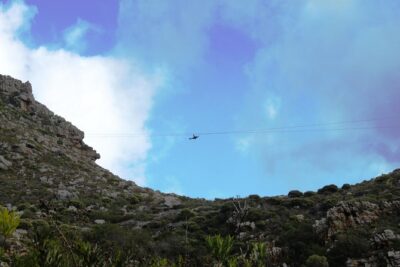
Zipline Cape Town – From Foot of Table Mountain Reserve
Read our review →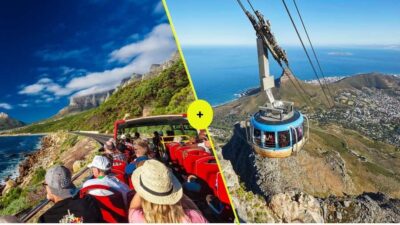
Table Mountain Cable Car, Hop-On Hop-Off Bus Tour
Read our review →
Cape Point and Boulder’s Penguins Full Day Tour
Read our review →