Reviewed · TOURS
Bicycle Township Tour in Cape Town
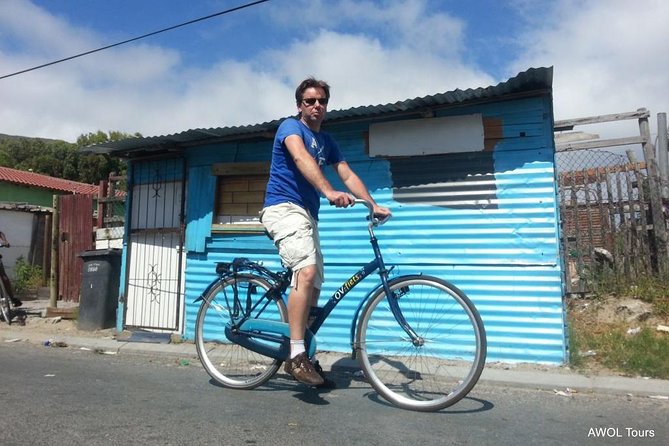
Masiphumelele is best understood at street level, and this three-to-four-hour bicycle tour gives you a direct, human view of the community. You ride with a local guide through areas shaped by apartheid-era displacement, stopping at community projects, churches, schools, and an informal settlement. The point is not to collect snapshots of hardship. It is to listen, ask respectful questions, and see how daily life works.
I like two things in particular: local guides such as Lutho and Shaun can explain the township as residents, not as distant commentators, and the bicycle keeps the pace slow enough for greetings and conversation. Lunch at a local restaurant adds a useful social touch. The main consideration is that this is not a sightseeing ride for every visitor. You need moderate fitness, cultural sensitivity, and comfort with conditions that may feel confronting.
Key points to know before you book
- Masiphumelele by bicycle: Ride through a Cape Town township instead of viewing it only from a passing vehicle.
- Resident-led context: Guides including Lutho, Shaun, and William have local ties and explain community life, customs, and the area’s past.
- Community stops: See places such as a library, computer centre, sewing and training projects, churches, schools, and a weekday daycare.
- A personal cultural encounter: The route can include a visit to a Sangoma, or traditional healer.
- Lunch is included: You eat at a local restaurant, with additional food and drinks not covered unless specified.
- A more responsible way to visit: Part of the proceeds goes to Masicorp, and you are asked not to hand out sweets or money.
Why Masiphumelele is worth seeing by bike
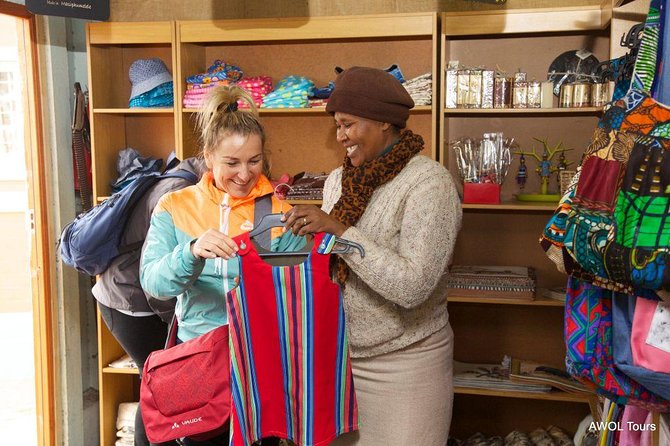
Cape Town is often presented through Table Mountain, beaches, wine estates, and grand colonial buildings. Those places matter, but they tell only part of the city’s story. Masiphumelele, on Cape Town’s southern periphery, offers a look at a community that began as an informal settlement during apartheid and has developed its own institutions, businesses, churches, schools, and support networks.
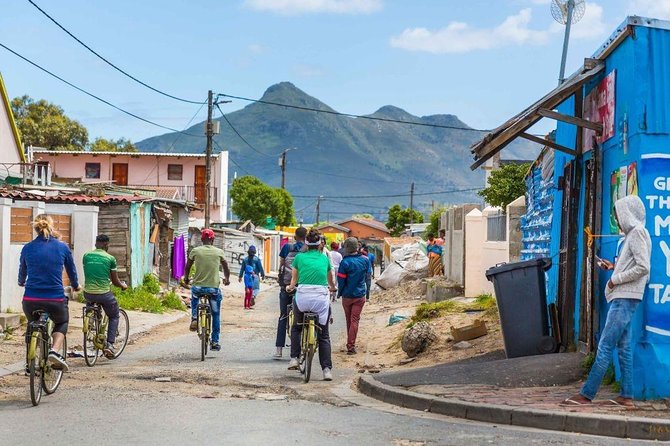
A bicycle is a useful middle ground here. Walking can make you feel conspicuous, while a vehicle keeps you sealed off from the people and places around you. On two wheels, you move slowly, make eye contact, and have time to stop when your guide wants to explain something.
This is not a strenuous cycling expedition, but it is still an active outing. The operator asks for a moderate level of fitness, and you should be comfortable riding for several hours with stops along the way. You receive a bicycle and helmet, but the supplied information does not specify the bike style, route surface, or total distance, so ask about those details if they matter to you.
Other Cape Town days people book alongside this one:
- Wine Tour: Paarl, Franschhoek & Stellenbosch incl 3 wineries
★ 5.0 · 3,940 reviews - Cape Town: Hop-On Hop-Off Bus Tour with Optional Cruise
★ 4.8 · 3,929 reviews - Cape Town: Cape of Good Hope & Penguins Day Tour with Pickup
★ 4.7 · 3,362 reviews
Meeting a local guide in Masiphumelele
The listed meeting point is on Chasmay Road in Masiphumelele, at the AWOL bicycle facility. If you choose the transport option, you can be collected from and returned to your hotel by private vehicle.
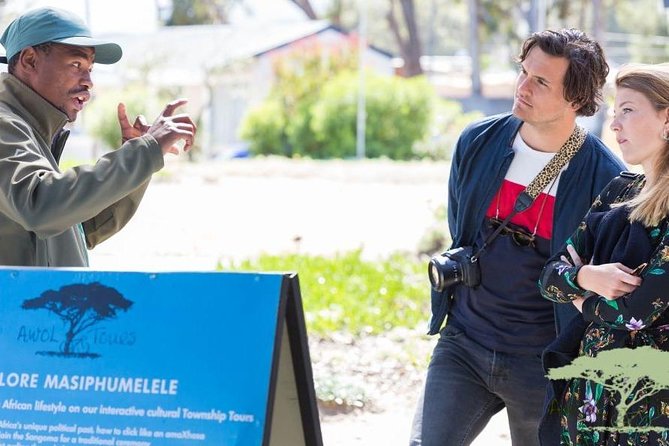
The guide makes a major difference to this experience. Lutho appears frequently in the tour’s account and is described as a local resident who enjoys introducing visitors to his community. Shaun is also based in the township and is involved in projects aimed at helping children and residents. William has guided the route as well. The exact guide is not guaranteed, so you should treat these names as examples rather than a promise.
That local connection changes the tone. Your guide can explain what you are seeing, introduce you to people in a natural way, and help you avoid clumsy behavior. The best approach is to let the guide set the pace and tell you when photographs or conversation are appropriate.
Several accounts describe guides as friendly, funny, reassuring, and careful about safety. That does not mean you should switch off your own judgment. Keep your valuables discreet, follow instructions, and avoid excessive jewelry, as advised by the operator.
The ride through township streets and informal settlements
The route takes you through the township by bicycle, with time to see both established community facilities and the more informal parts of Masiphumelele. You may ride past schools, churches, a library, a computer centre, and the Masicorp headquarters, where sewing and computer classes are offered.
The contrast is important. A township is not simply a collection of poor buildings. It is a living community with work, worship, education, family life, and local ambitions. The bicycle helps you see those layers in one continuous ride instead of treating each stop as an isolated attraction.
At some point, the route may include a walk through narrow corridors in an informal settlement. This is likely to be the most emotionally difficult part for many people. You may see cramped living conditions and obvious material need. It is reasonable to feel uncomfortable. The ethical question is how you respond to that discomfort.
You are not there to photograph people as scenery. Ask before taking pictures, listen when people speak, and avoid turning a child’s curiosity into a performance for your camera. The operator specifically asks you not to give sweets or money directly to local people. If you want to help, donate through a local NGO that supports education and housing.
Meeting children at the weekday creche
The tour includes interaction with children at a local daycare centre, also called a creche. This stop is available on weekdays only, so your experience will differ if you book for a weekend or public holiday.
A daycare visit can make the tour more personal, but it also calls for extra care. Children may be interested in the bicycles and helmets, and you may find the encounter warm and memorable. Still, remember that you are entering their everyday setting, not a staged show.
Follow your guide’s instructions about photographs, gifts, and contact. Do not arrive with sweets or handouts. The most useful contribution is to support organized community work rather than creating a scramble around individual visitors.
This stop may be especially meaningful for families, but children on the tour must be accompanied by an adult. Parents should decide in advance how they will explain the visit, since the township’s living conditions may raise difficult questions.
Same country, a completely different kind of day:
- Zipline Cape Town – From Foot of Table Mountain Reserve
★ 5.0 · 3,179 reviews - Cape Town: Table Mountain Cable Car, Hop-On Hop-Off Bus Tour
★ 4.6 · 3,157 reviews - Cape Point and Boulder’s Penguins Full Day Tour
★ 5.0 · 3,118 reviews - From Cape Town: Cape Point & Boulders Beach Full-Day Tour
★ 4.8 · 3,032 reviews
Community projects that show more than hardship
One of the better features of this tour is its attention to local projects. Stops connected with education, computers, sewing, libraries, and churches give you a fuller picture of Masiphumelele than a quick drive through town could provide.
The Masicorp connection also gives the visit a practical purpose. A portion of the proceeds goes directly to Masicorp, an NGO focused on helping township residents build their own opportunities. That support does not turn the tour into a charitable transaction, but it does make your spending more useful than a visit with no local benefit.
You should still keep your expectations realistic. A few hours cannot explain every part of township life or solve the area’s larger problems. What it can do is introduce you to local people and community efforts in a setting where your guide can provide context.
I find this more valuable than a polished presentation that shows only success. You see the limits and the progress together. That balance is one reason to choose this tour over a quick roadside photo stop.
A visit to a Sangoma, or traditional healer
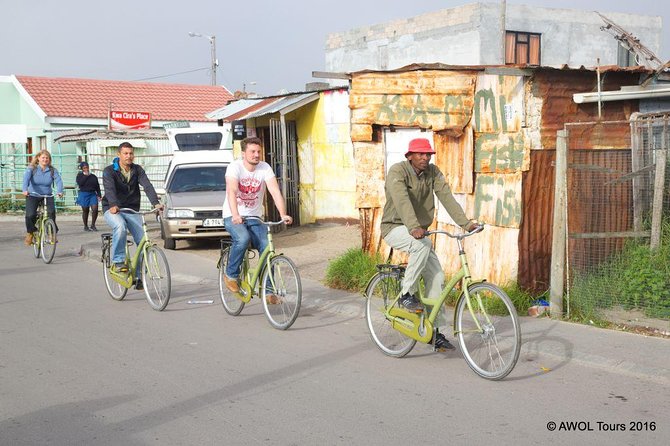
The itinerary includes a visit to a Sangoma, the South African term commonly used for a traditional healer. This offers a chance to learn about a form of spiritual and cultural practice that may be unfamiliar to many international visitors.
The stop should be approached with curiosity, not as a strange spectacle. Your guide can help explain the healer’s role and the cultural setting. You may also have questions about how traditional healing relates to churches, clinics, and modern medical services in the community.
The supplied details do not spell out exactly what happens during the visit, so do not assume you will receive a consultation, ceremony, or treatment. Expect an introduction and an opportunity to learn. If you have personal or religious concerns about the stop, ask the operator before booking.
Churches, schools, and everyday conversations
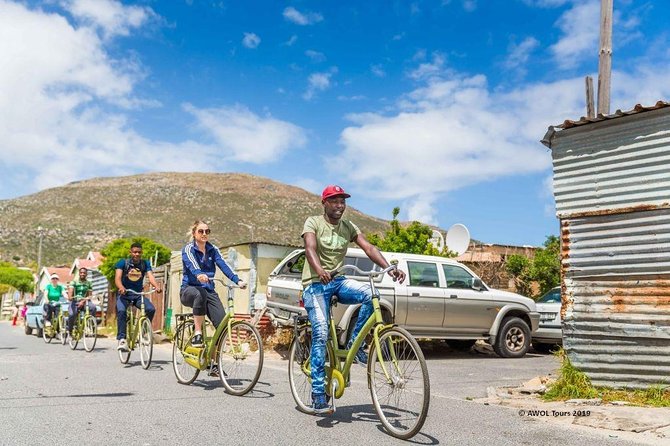
The route can include local churches and other community spaces. One account describes church visits as uplifting even for a person who was not religious. That is a useful clue about the role these places can play beyond formal worship. Churches may also function as gathering points and sources of support.
You may meet teachers, children, residents, and people involved in local projects. The ride’s relaxed pace allows small encounters that would be missed from a minibus. A greeting, a short explanation, or a few words of Xhosa can become one of the most memorable parts of the day.
Some visitors have learned basic Xhosa phrases from Lutho. Language instruction is not listed as a formal part of the tour, so do not count on a lesson, but your guide may share local words and customs as conversation develops.
This is also where your own attitude matters. Do not expect every person you pass to want to chat. A friendly welcome from some residents is not blanket permission to enter private spaces or photograph everyone.
Lunch at a local restaurant
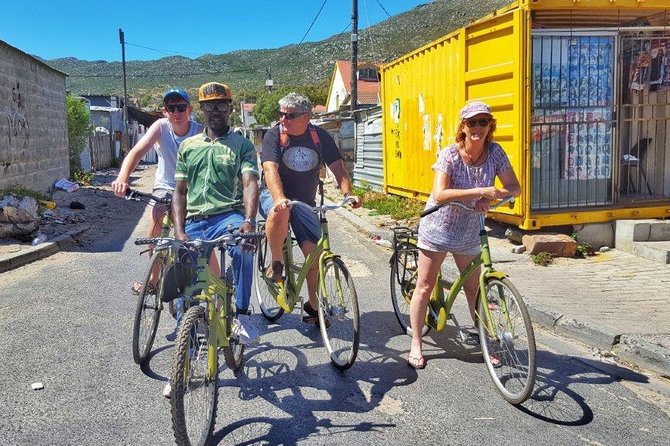
Lunch is included and takes place at a local restaurant. It gives you a chance to sit down, eat, and talk through what you have seen rather than rushing from stop to stop.
The meal can include traditional South African food. One dish mentioned in the tour material is vegetarian chakalaka, a spicy vegetable relish often served as part of a South African meal. Exact menu choices are not guaranteed, so tell the operator about dietary needs when you book.
The price includes lunch, but the inclusion details also say food and drinks are not covered unless specified. The safest reading is that the planned lunch is included, while extra drinks or food outside the included meal cost more. Bring a little money if you want anything additional, but do not assume every restaurant purchase is part of the tour fee.
Lunch is more than a practical refueling stop. Eating in a local restaurant directs some spending into the community and gives you a setting where conversation feels less hurried. It also breaks up the cycling, which helps if you are not used to riding for several hours.
The scenic drive to and from the township
If you select hotel transport, the outing includes round-trip travel by private vehicle. Depending on the route, the drive toward Masiphumelele may pass over Chapman’s Peak or Ou Kaapse Weg.
These roads can add a scenic Cape Peninsula element to a tour that is mainly focused on community life. The route is not promised, however, so do not book this experience chiefly for mountain or coastal views. The township visit is the central event.
Hotel pickup is useful if you do not have a car or are unfamiliar with Cape Town’s southern suburbs. If you make your own way, the meeting point is Chasmay Road, and the tour ends back there. Confirm the exact pickup arrangement and meeting time when you book, particularly if you select the transport option.
Is the $86.27 price good value?
At about $86.27 per person, this is not the cheapest way to spend a morning in Cape Town. You are paying for a private vehicle option if selected, a local guide, bicycle and helmet use, lunch, and a small-group experience capped at 20 people.
The value rests in the access and interpretation. You are not simply renting a bicycle. You are receiving introductions, local context, and a route through places you would be unlikely to understand on your own. The community component, including the contribution to Masicorp, also matters if you want your visit to support local work.
The word private needs a little care. The tour summary calls it a private two-wheel tour, while the activity allows up to 20 people. Check whether your booking is fully private or simply arranged as a small group for your date. That distinction can affect both comfort and price.
Group discounts may improve the deal for families or friends traveling together. The tour is often booked around five days ahead, so reserve before your Cape Town schedule fills up, especially if you need hotel transport or a weekday creche visit.
Safety, clothing, and respectful behavior
Safety is a stated priority, and the route is led by a local guide. That is reassuring, but you should still dress sensibly and keep belongings out of sight. Casual clothing is advised, along with limited jewelry.
Wear clothes that allow easy cycling and shoes suitable for riding and walking. A helmet is provided. Cape Town weather can change, so a light extra layer is sensible, though the operator does not provide a detailed packing list.
The most important preparation is cultural rather than physical:
- Ask before taking photographs.
- Do not give sweets or money directly to residents.
- Support local NGOs instead of handing out gifts.
- Listen to your guide about where to stop and how to behave.
- Treat the township as a home and workplace, not an open-air exhibit.
These rules are not mere etiquette. They help prevent a short visit from creating problems for the people you came to meet.
Who will enjoy this tour most?
I would choose this tour if you want to understand Cape Town beyond its postcard sights and are willing to engage with a complicated subject. It suits adults, older children with an adult present, active couples, small groups, and anyone interested in local culture, community projects, and apartheid-era history.
It may not suit you if you want a purely scenic bike ride, a fast-paced athletic outing, or a carefully polished attraction with no difficult moments. The route may feel confronting, and the physical demands are moderate rather than minimal.
It is also a good choice early in your Cape Town stay if you want a local introduction that may shape how you see the rest of the city. On the other hand, if your schedule is tight, remember that the transport, stops, lunch, and conversations can push the outing toward the full three-to-four-hour range.
You can cancel for a full refund up to 24 hours before the local start time. Cancellations or changes inside 24 hours are not refunded, and the tour requires a minimum number of participants. If that minimum is not met, the operator offers another date or experience, or a full refund.
Should you book the Masiphumelele bicycle tour?
Book it if you want a direct, locally guided look at Cape Town life and understand that the experience asks for respect as much as curiosity. The strongest reasons are the resident guides, the slow bicycle route, the community projects, the Sangoma visit, and lunch that keeps the outing grounded in everyday life.
Skip it if your main goal is coastal scenery or an easy city cycle. For everyone else, this is a worthwhile use of half a day, provided you arrive ready to listen, ride at a moderate pace, and leave the handouts at home.
FAQ
Where does the bicycle township tour take place?
The tour takes place in Masiphumelele, a township on the periphery of Cape Town.
How long does the tour last?
The experience lasts approximately three to four hours.
What is included in the tour price?
The tour includes a local guide, bicycle, helmet, and lunch. Hotel pickup and drop-off, plus private vehicle transport, are included if you select that option.
Is hotel pickup available?
Yes. Hotel pickup and drop-off are available if you choose the transport option.
Where is the meeting point?
The listed meeting point is on Chasmay Road, Masiphumelele, Cape Town, 7975, South Africa.
Does the daycare visit happen on every tour?
No. The creche, or daycare, visit takes place on weekdays only.
Are children allowed to join?
Yes, but children must be accompanied by an adult. All participants should have a moderate level of physical fitness.
Can I cancel for a refund?
You can cancel at least 24 hours before the experience start time for a full refund. Cancellations or changes made less than 24 hours before the start time are not refunded.
Just added around Cape Town
- Private Tour to 20 Wine Tasting in Stellenbosch and Franschhoek★ 5.0 · 11 reviews
- Sunset Safari Big 5 Aquila with Snacks and Wine Tasting★ 5.0 · 12 reviews
- Robben Island, Kirstenbosch wine tasting Tour★ 5.0 · 10 reviews
- Zip Line and Wine from Cape Town★ 5.0 · 14 reviews
- Explore Atlantis Sand Dunes with a 1hour 30mins sandboarding tour★ 5.0 · 5 reviews
- Private Group Photoshoot in Cape Town★ 5.0 · 21 reviews
- Private Transfer from Cape Town International Airport★ 5.0 · 4 reviews
- 1 Hour Cape Town City Center Photoshoot Experience★ 5.0 · 19 reviews
Tours, compared.

Wine Tour: Paarl, Franschhoek & Stellenbosch incl 3 wineries
Read our review →
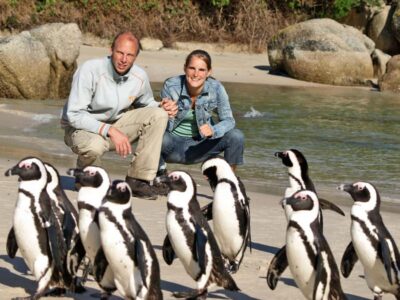
Cape of Good Hope & Penguins Day Tour with Pickup
Read our review →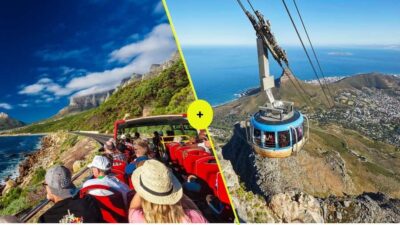
Table Mountain Cable Car, Hop-On Hop-Off Bus Tour
Read our review →
Cape Point and Boulder’s Penguins Full Day Tour
Read our review →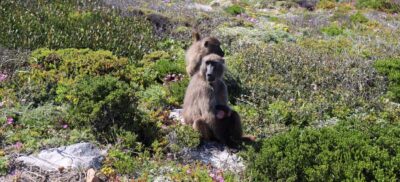
Cape of Good Hope & Boulder Penguins Full-Day Tour from Cape Town
Read our review →