
Reviewed · DURBAN TOURS
Drakensberg Kamberg Cave Art & Mandela Capture Site Day Tour
The oldest part of this day is also the most memorable: a gentle mountain walk to San paintings created over at least 4,000 years. You then move from ancient culture to modern South African history at the Nelson Mandela Capture Site, with Howick Falls providing a dramatic stop between them.
I like the mix of a real outdoor walk and strong museum interpretation. I also like that the route includes Pietermaritzburg’s City Hall and Gandhi statue, so the day is not just a long drive to one attraction. The main concern is time: ten hours is a full day, and the cave walk still requires proper shoes, steady footing, and suitable clothing.
Key points
- Kamberg cave art: Walk for about 60 minutes through the Drakensberg foothills to see San paintings in natural rock shelters.
- A thoughtful history pairing: Connect San spiritual art with Nelson Mandela’s anti-apartheid story at the Capture Site.
- Three very different stops: See Pietermaritzburg’s grand civic buildings, Howick Falls, and the mountains in one day.
- Patient guiding matters: Guide Aaron has been singled out for waiting with a guest who had a bad knee and needed extra time on the trail.
- A full Durban day: The ten-hour schedule includes transport, entry fees, and guiding, but not food or drinks.
- Check the route: A previous departure was redirected from Kamberg to Giant Castle, so confirm the planned cave-art site before setting out.
Ancient art in the Drakensberg foothills
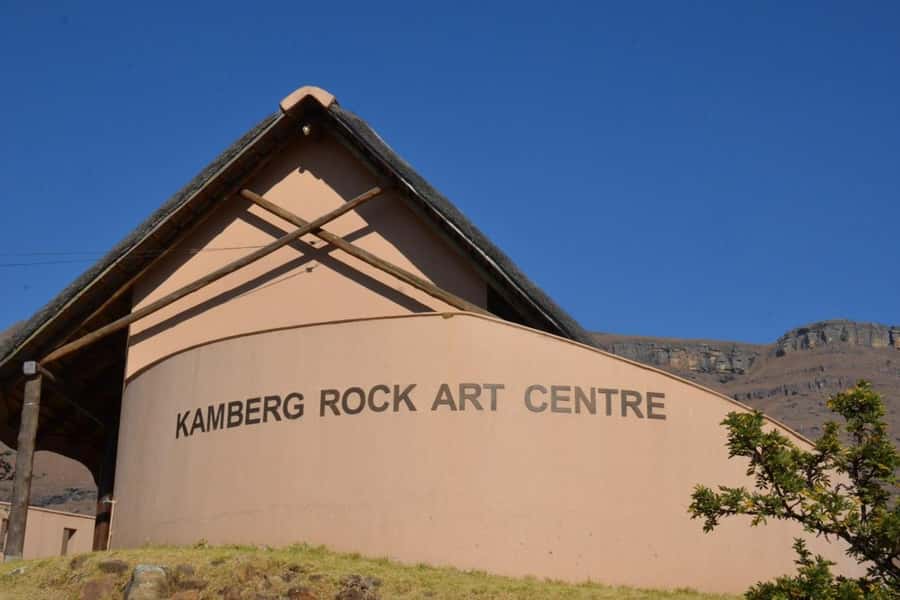
Kamberg Nature Reserve is part of the Maloti-Drakensberg Park World Heritage Site. The reserve covers about 6,300 hectares and was proclaimed in 1951, but its most important traces reach much further back.
Rock shelters in the area hold paintings made by San artists over a period of at least 4,000 years. These are not simple marks left for decoration. The paintings reflect the spiritual life of the San people, who no longer live in this region.
That context changes the way you look at the walk. You are not merely heading to a cave for a quick photograph. You are following a mountain path toward places where people recorded animals, figures, and beliefs on stone. The guide’s explanation is important because the images can be easy to admire without understanding their purpose.
The walk to the caves takes about 60 minutes and is described as leisurely. Still, leisurely does not mean effortless. You need walking shoes and clothing suited to an outdoor mountain route. The path is long enough that a bad knee, recent illness, or poor balance can affect your day.
A useful detail comes from the way guide Aaron handled one guest who had recently recovered from pneumonia and had a bad knee. He waited patiently so that the person could complete the route and see the paintings. That suggests the pace can sometimes be adjusted, but you should not rely on a guide to overcome a serious mobility problem. Tell the local partner about your needs before departure.
Other Durban days people book alongside this one:
- Durban: 30-Minute Harbor Boat Cruise
★ 4.7 · 665 reviews - Durban: 1-Hour Boat Cruise from Wilson’s Wharf
★ 4.7 · 496 reviews - Durban Point Waterfront: Luxury Canal Boat Cruise
★ 4.4 · 298 reviews
The Kamberg walk and what the cave visit involves
The main Kamberg experience combines movement, scenery, and interpretation. You walk through the reserve’s foothills, with rock shelters scattered through an area known for its many paths.
The attraction is not built around a large visitor complex or a short paved approach. The cave art is reached on foot. That makes the experience feel more connected to the setting, but it also means you should plan for the route rather than treat it as a simple roadside stop.
The paintings are described as outstanding in both quality and variety. Your guide leads the cave-art visit and explains how the images relate to San spiritual life. Since the people who created them no longer live in the area, a guide helps bridge the gap between what you see and what it meant.
Take your time inside the rock shelters. The value is in looking carefully, not rushing through a checklist. The paintings are the reason this stop deserves a full hour of walking each way or thereabouts, depending on the route and pace. The supplied information confirms a 60-minute walk to the caves, but it does not give a precise total walking distance.
The word hike may make this sound strenuous, but the tour describes it as leisurely. Even so, a mountain path can become harder in wet or cold weather. Wear shoes with a firm sole, bring suitable layers, and do not plan this day in dress shoes or loose sandals.
Pietermaritzburg opens the day with civic history
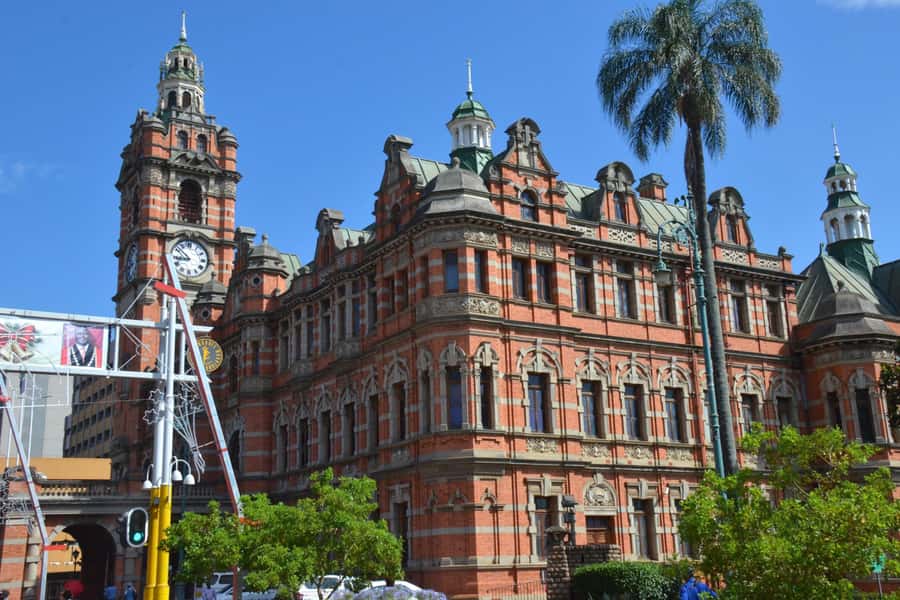
The tour begins with Pietermaritzburg, the capital of KwaZulu-Natal. You stop at City Hall, a large brick building that claims to be the biggest of its kind in the southern hemisphere.
That claim is part of the fun, but the building also gives you a quick sense of the city’s civic importance. It is an architectural stop rather than a long museum visit, so do not expect an extended indoor tour based on the information provided.
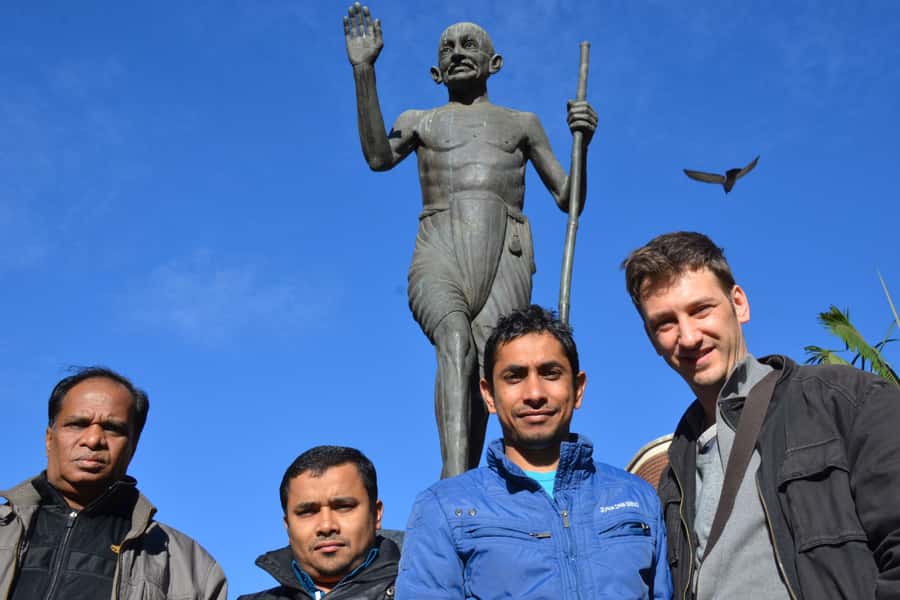
You also visit a Gandhi statue. This adds another strand to the day’s history. Later, Mandela’s life and the anti-apartheid struggle take center stage, while the Kamberg paintings reach back thousands of years. Pietermaritzburg gives you a brief opening chapter before the route heads toward the mountains.
This stop is especially useful if you have never visited the city and want more than a direct transfer from Durban to Kamberg. The tradeoff is time. A ten-hour outing has to keep moving, so the Pietermaritzburg visit is likely an introduction rather than a detailed city tour.
Howick Falls brings a dramatic pause
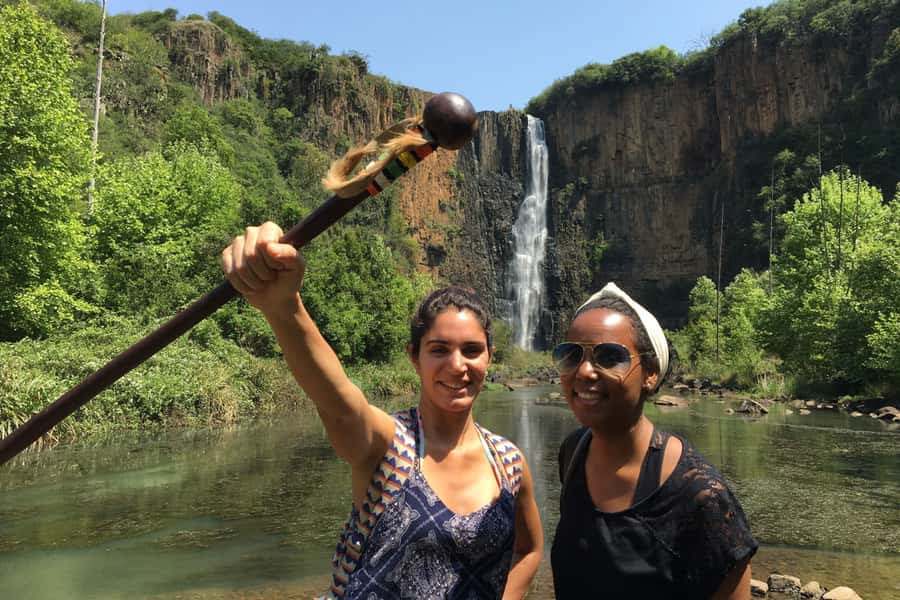
After Kamberg, the route heads to Howick. The town’s waterfall drops about 95 meters on the Umgeni River, making it one of the day’s clearest visual moments.
The Zulu name for the falls is KwaNogqaza, meaning Place of the Tall One. That name fits the setting better than a quick glance from a car window can convey. The falls are a natural landmark with cultural meaning, not simply a convenient photo stop.
Howick also helps break up the day. The cave walk asks for attention and steady movement, while the waterfall provides a shorter visit with a large view. You get a change of scale, from paintings in rock shelters to a powerful river drop.
The supplied details do not specify how long you spend at the falls, so I would treat this as a scenic stop rather than plan around a long visit. If waterfalls are your main goal, this tour may feel brief. If you want one strong waterfall included in a wider history and nature itinerary, it fits well.
Same country, a completely different kind of day:
- Durban: Pontoon Boat Harbor Cruise
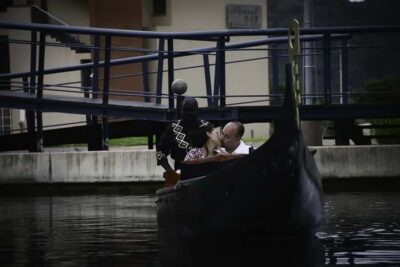
★ 4.4 · 182 reviews - Durban: Gondola Ride
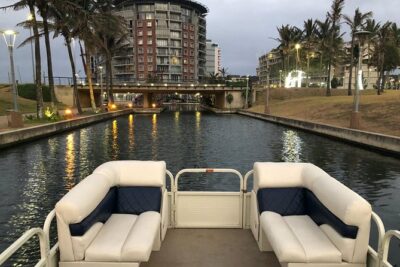
★ 4.8 · 159 reviews - Luxury Canal Boat Cruise – Fun Things Durban Ushaka
★ 4.5 · 125 reviews - Half Day Safari Tour from Durban
★ 4.5 · 121 reviews
Following Mandela’s final arrest route
The last major stop is the Nelson Mandela Capture Site, which includes a statue and Apartheid Museum. This is not a generic monument. The site marks the place where Mandela was captured, giving the visit a clear connection to his struggle against apartheid.
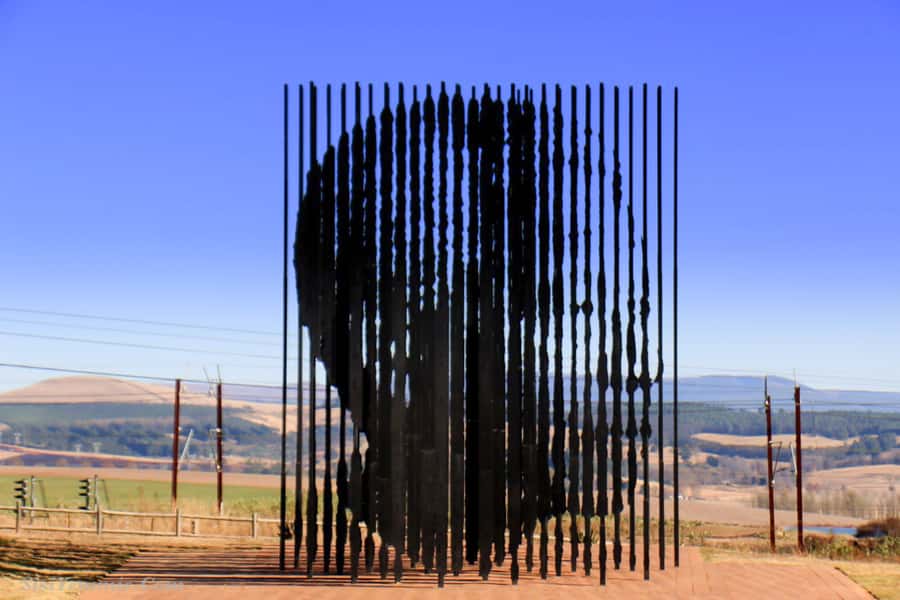
The sculpture is made from 50 steel columns. Each column is between 6.5 and 9.5 meters tall, and the pieces are placed in the Midlands setting. As you approach along a path, the columns first appear separate. At a distance of about 35 meters, they line up to form the portrait of Nelson Mandela looking west.
That visual effect is clever without being flashy. You understand the idea by walking toward it, which makes the approach part of the memorial rather than a route to a statue at the end. The sculpture also works best when you have time to pause and look back at the arrangement from different points.
Inside the museum, the focus is Mandela’s life and his fight against apartheid. This gives the stop more substance than the outdoor sculpture alone. If you know little about South African history, the museum helps explain why the capture site matters. If you already know Mandela’s story, the location still gives it a physical setting.
The contrast with Kamberg is the day’s strongest feature. At the reserve, you learn about a people whose spiritual paintings were made millennia ago. At the Capture Site, you confront a much more recent political struggle that shaped modern South Africa. The two stops are very different, but together they show how much history is held in KwaZulu-Natal.
What $218 covers, and where the value lies
The price is $218 per person. That is a serious day-trip cost, but it includes a full ten-hour outing, entrance fees, a local guide, selected hotel pickup, port pickup and drop-off, and taxes and handling charges.
The value depends on how you would otherwise reach the sites. Kamberg, Howick, and the Capture Site are not one compact attraction. You are paying for a day of transport across KwaZulu-Natal, a guide, and admission at the main paid stops. If you are arriving by cruise ship, the port pickup is especially useful because the tour can begin and end at Durban Harbour’s passenger terminal.
Food and drinks are not included. Since this is a long day with a walk, bring money for meals or confirm what food options are available along the route. Personal expenses are also yours to cover.
The tour makes more financial sense for you if you want several major sights in one day and do not want to arrange transport between them. It makes less sense if you only want Kamberg cave art and would prefer a slower, more focused visit.
Transport, pickup, and language choices
Pickup is available at hotels and accommodations within a five-kilometer radius of the local supplier’s office at the Gooderson Tropicana Hotel, 85 O R Tambo Parade, South Beach, Durban. Pickup is also available at the Durban Harbour passenger terminal.
If you are staying outside that five-kilometer area, contact the local supplier about special arrangements. Do this before the day of the tour, since the standard pickup zone is limited.
The advertised guiding languages are English, French, Greek, and Portuguese. German and Polish can be requested. A live guide is included, which matters most at Kamberg and the Capture Site, where explanation adds much more than transport alone.
One practical point deserves attention. A previous outing could not use Kamberg and was redirected to Giant Castle instead. The participant also reported getting lost on the return walk, slipping, and breaking an ankle. That is a serious warning, even though it was not the planned Kamberg route. Ask at pickup which cave-art site you are visiting and make sure you understand the walking conditions before leaving the vehicle.
This does not cancel out the positive guiding experience described elsewhere. Aaron was patient with a guest who needed extra time. But the mixed record means you should speak up about your fitness, ask the guide to keep the group together, and avoid hurrying on the way back.
Who should book this day?
I would recommend this tour to you if you want a broad KwaZulu-Natal introduction rather than one single attraction. It suits a first visit, a cruise stop, or a short stay in Durban when you want to combine nature, San culture, local history, and Mandela’s story.
It is also a good fit if you value having entry fees and transport arranged in advance. The day covers a lot, and the guide can provide context that would be hard to gather on your own.
You should think twice if you dislike long day trips, need frequent rest breaks, or want to spend several hours at each stop. The cave walk is gentle by description, but it still takes about an hour and requires suitable footwear. Anyone using a wheelchair should inform the local partner before the tour begins, even though the activity is listed as wheelchair accessible. The cave route may require specific arrangements.
The tour is available with free cancellation up to 24 hours before departure, and you can reserve now and pay later. Those terms help if your Durban plans may change, but they do not replace the need to check pickup details and the planned cave site.
Final call: a strong history and nature day with one key check
Book this tour if you want to see how sharply South Africa’s past can change from one stop to the next. The San cave art, Howick Falls, and Mandela Capture Site give you three distinct reasons to leave Durban, while Pietermaritzburg adds a useful opening look at the region.
My main advice is simple: confirm that Kamberg is on the schedule, prepare properly for the 60-minute walk, and tell the operator about any mobility or health concerns. At $218, the tour is best value for someone who wants a guided, all-in-one day with transport and admissions covered. It is not the right choice for a relaxed single-site outing, but for a packed introduction to KwaZulu-Natal, it offers a thoughtful mix of mountains, memory, and history.
FAQ
How long does the Drakensberg Kamberg tour last?
The tour lasts 10 hours.
What is the main activity at Kamberg Nature Reserve?
You take a leisurely walk of about 60 minutes to caves containing San rock paintings, followed by a guided visit to the paintings.
How old are the Kamberg cave paintings?
The San paintings were created over a period of at least 4,000 years.
Is the Kamberg walk difficult?
The walk is described as leisurely, but you still need walking shoes and suitable clothing. Anyone with mobility or health concerns should discuss them with the local partner before the tour.
What else does the tour visit besides Kamberg?
The itinerary includes Pietermaritzburg City Hall, a Gandhi statue, Howick Falls, and the Nelson Mandela Capture Site Statue and Apartheid Museum.
How high is Howick Falls?
Howick Falls is approximately 95 meters high and lies on the Umgeni River.
What is special about the Nelson Mandela sculpture?
The sculpture uses 50 steel columns. When you approach to about 35 meters, the columns line up to create an image of Nelson Mandela.
Is food included in the tour price?
No. Food and drinks are not included.
Where can pickup take place?
Pickup is available at hotels and accommodations within five kilometers of the supplier’s office at the Gooderson Tropicana Hotel in Durban. Pickup is also available at the Durban Harbour passenger terminal. Special arrangements can be requested.
What languages are available for the guide?
Guiding is available in English, French, Greek, and Portuguese. German and Polish can be requested.
Just added around Durban
- From Durban: Hluhluwe Imfolozi Game Reserve Day Trip★ 4.5 · 13 reviews
- Half Day Tala Game Reserve & Natal Lion Park from Durban★ 3.3 · 16 reviews
- Half Day Durban City Tour and Phezulu Safari Park★ 4.3 · 4 reviews
- Full Day Hluhluwe Imfolozi Game Reserve Tour from Durban★ 4.5 · 7 reviews
- From Durban: Wildlife Lovers Big 5 Safari at 2 Game Reserves★ 5.0 · 5 reviews
- From Durban: Half Day Durban City Tour★ 4.2 · 18 reviews
- From Durban: 2-Day Lesotho Guided Trip with Lodging & Meals★ 4.9 · 5 reviews
- Mandela Capture Site Howick Falls & PheZulu Village Day Trip★ 3.7 · 7 reviews
Durban Tours, compared.
Durban Point Waterfront: Luxury Canal Boat Cruise
Read our review →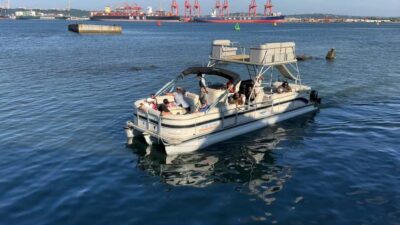
Luxury Canal Boat Cruise – Fun Things Durban Ushaka
Read our review →
Browse the lists this tour appears in